
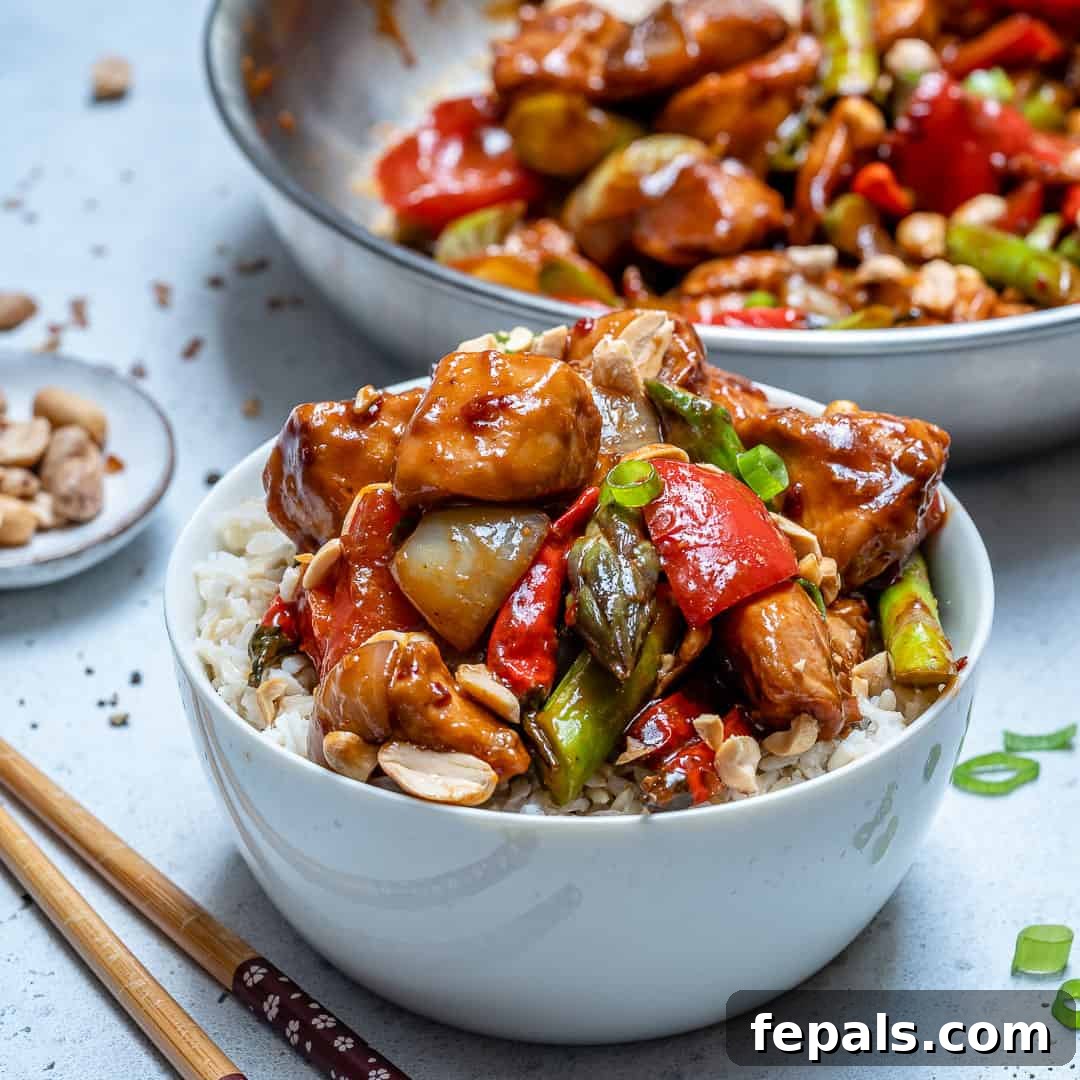
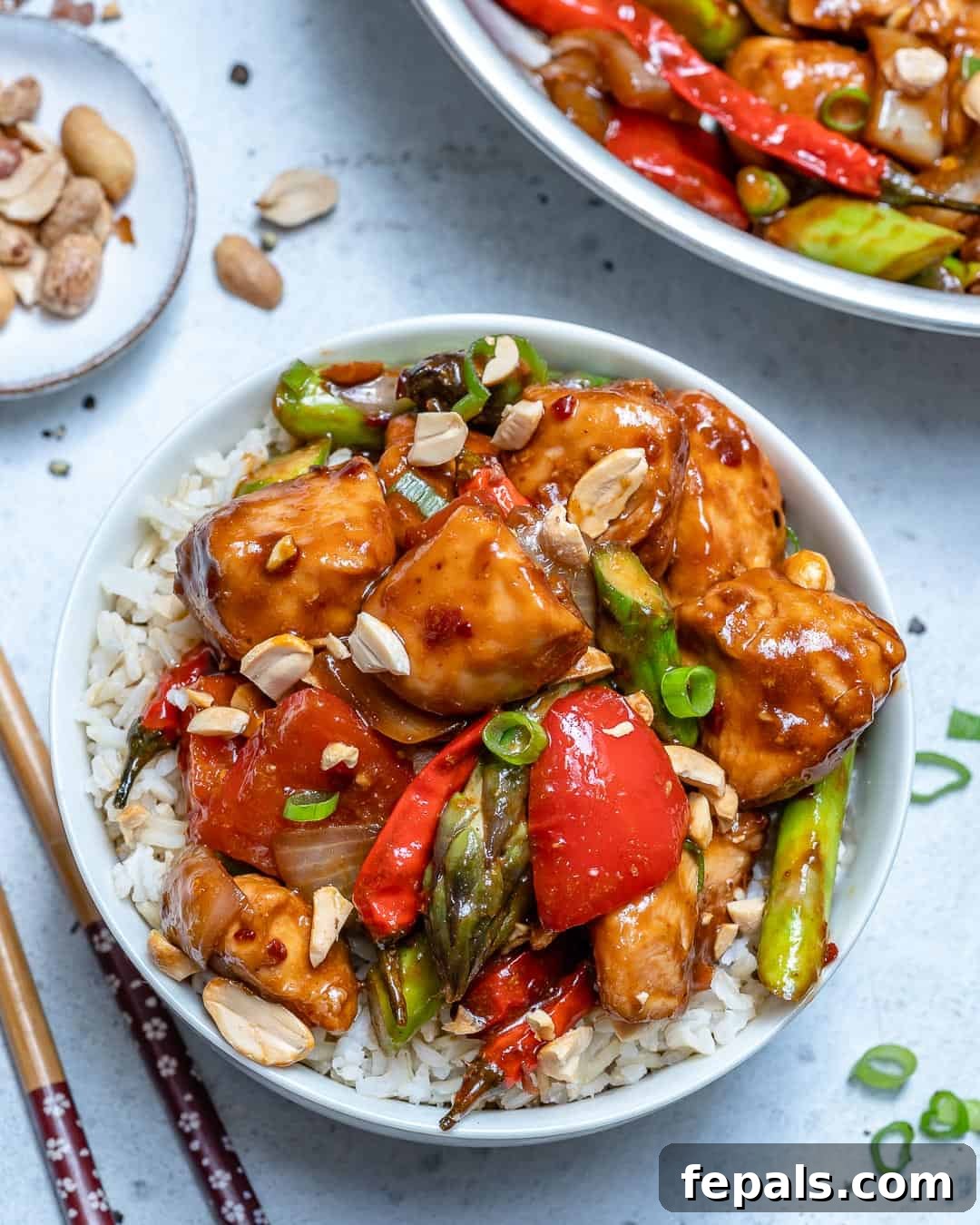
Craving the vibrant, irresistible flavors of your favorite Chinese takeout but looking for a healthier alternative? Look no further! This authentic Kung Pao Chicken recipe has been meticulously crafted to be a lighter, yet equally delicious, version you can whip up right in your own kitchen. Imagine tender, stir-fried chicken breast bathed in a perfectly balanced Kung Pao Sauce – a masterful blend of salty, spicy, and sweet notes that dance on your palate. It’s the ultimate culinary journey from your stove to Sichuan province, without the guilt.
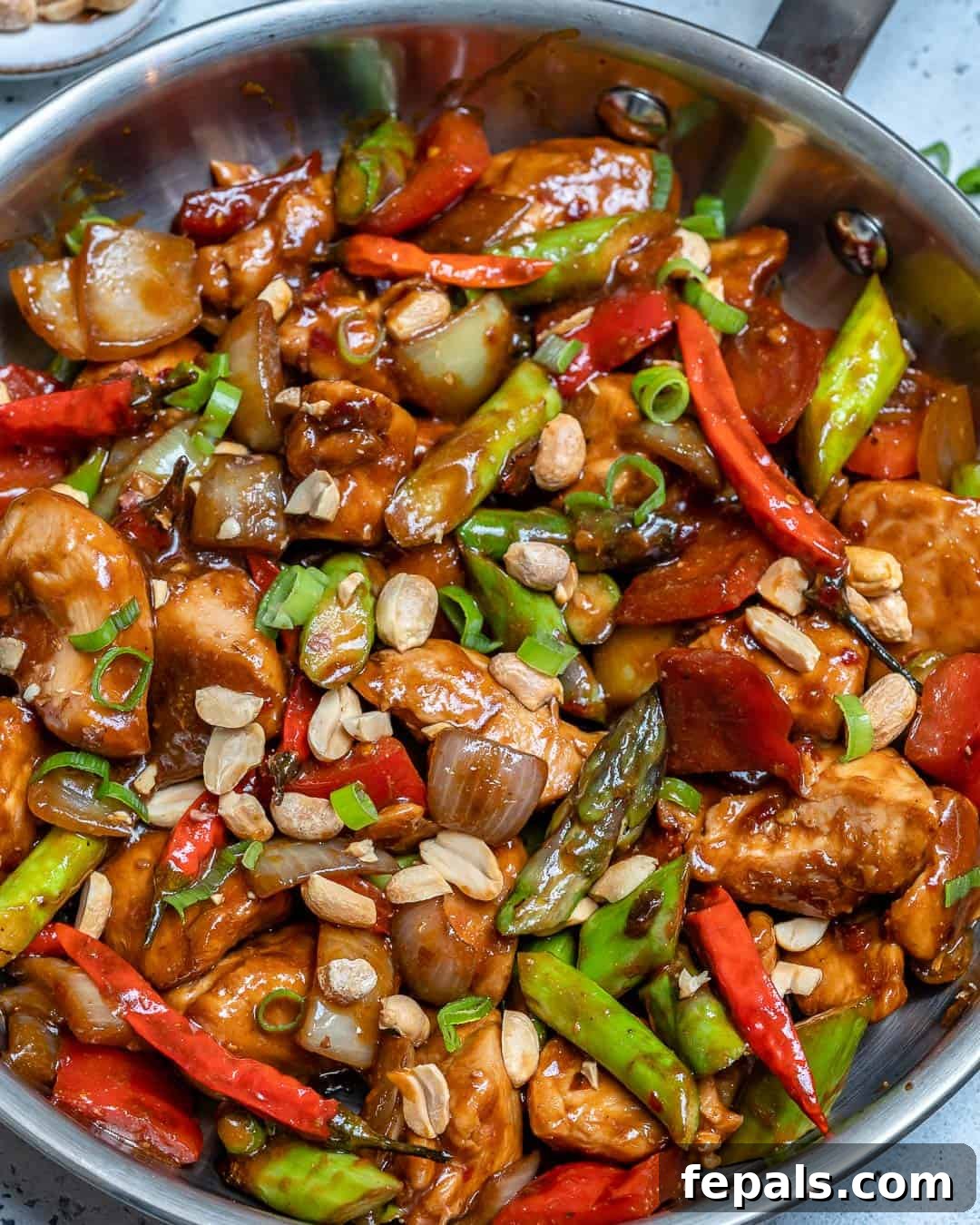
This easy Homemade Kung Pao Chicken recipe truly rivals the beloved classic you’ve grown to adore from your local Chinese restaurant. While the convenience and taste of takeout Kung Pao Chicken are undeniable, imagine achieving that same fantastic flavor profile with fewer calories and fresh, wholesome ingredients. Our recipe uses lean chicken breasts, expertly cut into bite-sized pieces, then sautéed with vibrant bell peppers and a selection of other nutritious vegetables. Everything is generously coated in a sweet, tangy, and subtly spicy sauce that will awaken your taste buds. Finish it off with a sprinkle of crunchy roasted peanuts and serve it proudly over fluffy brown rice, nutrient-rich cauliflower rice, or wholesome quinoa for a complete and satisfying meal.
Transforming your favorite restaurant dishes into healthier, homemade meals is our specialty! For more inspired at-home versions of popular takeout favorites, be sure to explore our recipes for Easy Shrimp Fried Rice, a delectable Kung Pao Shrimp variation, comforting Chicken Lo Mein, robust Mongolian Chicken, and the ever-popular Easy Sweet and Sour Chicken. Each recipe is designed to bring authentic flavors and healthy options to your dinner table.
The Allure of Homemade Kung Pao Chicken
There’s something incredibly satisfying about recreating a beloved restaurant dish in your own kitchen, especially when you can enhance its nutritional value without sacrificing taste. Homemade Kung Pao Chicken offers unparalleled benefits. You gain complete control over the quality and quantity of each ingredient, allowing you to choose fresh, organic produce and lean cuts of meat. This empowers you to reduce unhealthy fats, control sodium levels, and adjust spice to your family’s preference. Plus, the process of cooking itself can be a relaxing and rewarding experience, leading to a meal that tastes not just delicious, but also made with love and care.
Understanding Kung Pao Chicken: A Culinary Journey
Before diving into the recipe, let’s appreciate the rich history of this iconic dish. Kung Pao Chicken, or Gong Bao Ji Ding, is a classic Szechuan (Sichuan) cuisine staple, renowned for its distinctive spicy, sweet, and nutty flavor profile. It is believed to have been named after Ding Baozhen, a Qing Dynasty official who served as the governor of Sichuan Province, and was known by the title “Gongbao” (palace guardian). The dish is traditionally characterized by diced chicken, dried chilies, Sichuan peppercorns, and peanuts, creating a symphony of textures and tastes. Our healthier rendition pays homage to these traditional elements while adapting them for a modern, health-conscious lifestyle, making it an ideal choice for a nutritious and flavorful dinner.
Why This Healthy Kung Pao Chicken Will Be Your New Favorite
This isn’t just another Kung Pao recipe; it’s a culinary triumph designed for both your taste buds and your well-being. Here’s why you’ll quickly add this dish to your regular meal rotation:
- A Healthier Alternative: Forget the heavy oils and excessive sugars often found in restaurant versions. This recipe offers a significantly healthier take on classic Kung Pao Chicken, allowing you to indulge in those delicious Chinese takeout flavors with substantially fewer calories and less fat. You can enjoy the satisfaction without the guilt.
- Abundance of Nutrient-Rich Veggies: We’ve packed this dish with a vibrant array of vegetables like crisp bell peppers, tender asparagus, and savory onions. These additions not only enhance the visual appeal but also boost the nutritional content, adding essential vitamins, minerals, and fiber, making it a truly well-rounded and wholesome meal.
- Irresistibly Delicious Sauce: The heart of any great Kung Pao is its sauce. Ours is a masterpiece, combining the perfect blend of salty low-sodium soy sauce, aromatic sesame oil, bright rice vinegar, a touch of sweet honey, pungent garlic and ginger, and a kick of chili flakes. This creates a uniquely satisfying taste experience that is both complex and incredibly addictive.
- Quick and Easy Preparation: Despite its gourmet taste, this Kung Pao Chicken is surprisingly simple and fast to prepare, making it an ideal weeknight dinner solution for busy individuals and families. From start to finish, you can have a restaurant-quality meal on your table in under 40 minutes.
- Highly Customizable: Whether you prefer more heat, extra vegetables, or a different protein, this recipe serves as an excellent base for customization. It’s versatile enough to adapt to various dietary needs and personal preferences, ensuring a meal that everyone will love.
Key Ingredients for an Authentic & Healthy Kung Pao
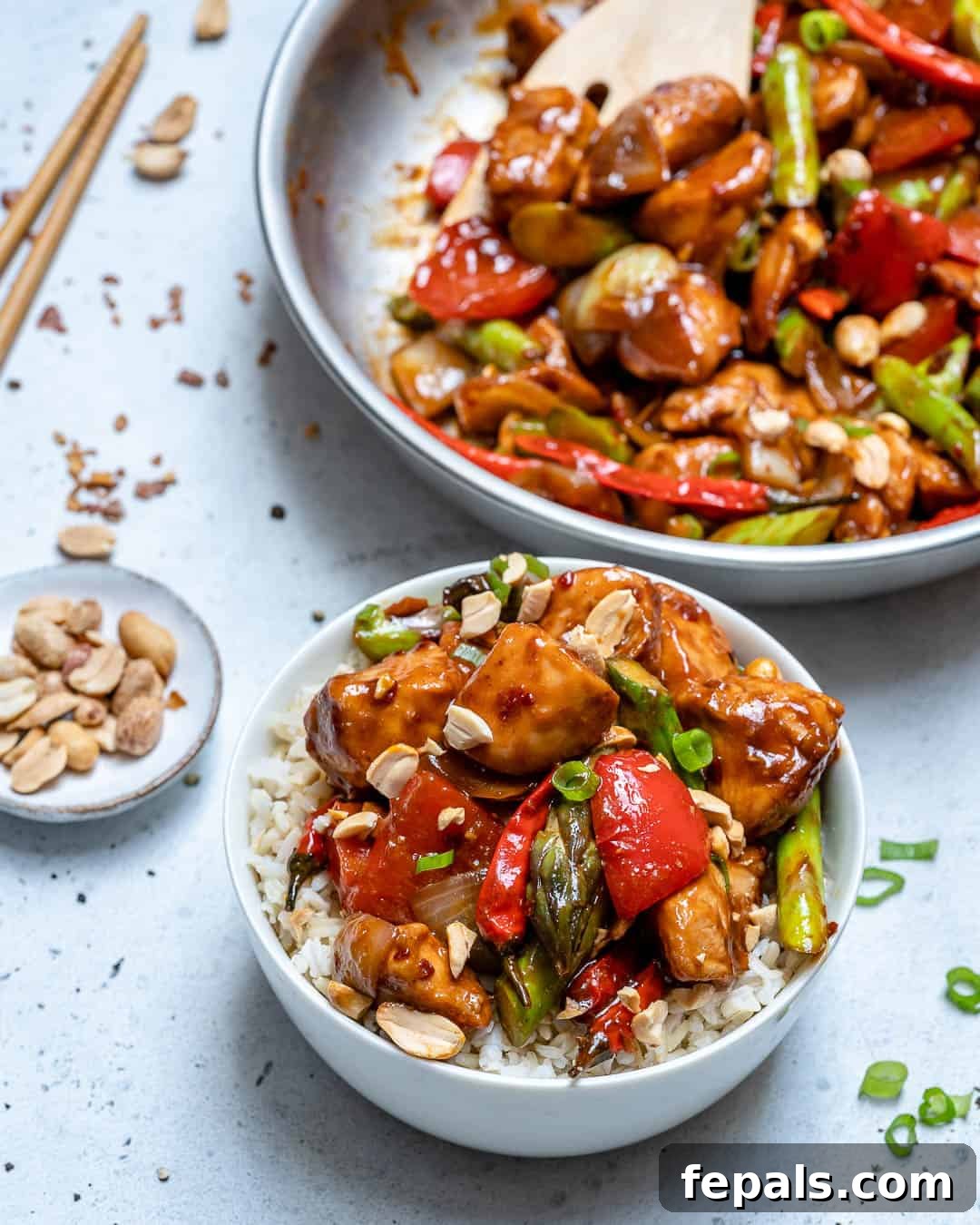
This fantastic recipe for Kung Pao Chicken comes together swiftly with a few simple, high-quality ingredients. Here’s a detailed look at what you’ll need to create this flavor-packed dish:
- Boneless Skinless Chicken Breasts: We opt for lean chicken breasts to keep the calorie count down, making this a healthier option. Cut into uniform 1-inch cubes, they cook quickly and evenly. If you prefer a slightly richer flavor and juicier texture, boneless, skinless chicken thighs are also an excellent choice.
- Vegetable Oil: A neutral-flavored oil like vegetable oil is perfect for sautéing the chicken and vegetables, allowing the other flavors to shine. You can also experiment with a dash of sesame oil or nut oil for an added layer of flavor during cooking, but be mindful of their stronger profiles.
- Fresh Vegetables: This dish is packed with nutrition and vibrant colors from a medley of fresh produce. You’ll need white onion (diced for a subtle sweetness and aromatic base), crisp asparagus (ends trimmed and cut into 2-inch pieces for texture and freshness), thinly sliced green onions (for garnish and a mild oniony bite), and bright red bell peppers (diced for their sweetness and beautiful color). These vegetables not only add essential nutrients but also contribute to the satisfying crunch and texture of the stir-fry.
- Chopped Roasted Peanuts: Essential for an authentic Kung Pao experience, these provide a delightful crunch and nutty flavor that complements the sauce perfectly. Roughly chopped, they add textural contrast.
- The Kung Pao Sauce: The magic of this dish lies in its perfectly balanced sauce, which is a harmonious blend of:
- Cornstarch: Acts as a thickening agent, giving the sauce that desirable glossy finish and body.
- Low-Sodium Soy Sauce: Provides the foundational savory and umami notes without excessive sodium.
- Sesame Oil: Contributes a deep, nutty aroma that is characteristic of East Asian cuisine.
- Rice Wine or Rice Vinegar: Adds a crucial tang and acidity, balancing the sweet and savory elements. Dry sherry can be a good substitute.
- Honey: A natural sweetener that provides the perfect counterpoint to the spice and tang, creating a well-rounded flavor.
- Fresh Garlic and Ginger: Minced garlic and ginger are indispensable aromatics that infuse the sauce with their pungent, warm flavors, elevating the entire dish.
- Chili Flakes: The source of the iconic Kung Pao heat. Adjust the quantity to your preferred spice level.
- Optional Servings: To complete your meal, serve this delightful Kung Pao Chicken recipe over your choice of white rice, wholesome brown rice, or a low-carb alternative like fluffy cauliflower rice. Each option offers a different texture and nutritional profile to suit your preference.
Crafting Your Perfect Kung Pao Chicken: A Step-by-Step Guide
Follow these simple instructions to create a delicious and healthy Kung Pao Chicken that will impress everyone at your table:
- Prepare the Sauce: In a small bowl, whisk together the cornstarch, low-sodium soy sauce, sesame oil, water, rice vinegar, honey, minced garlic, minced ginger, and chili flakes until thoroughly combined and smooth. This creates the foundational flavor of your Kung Pao.
- Marinate the Chicken: Place the diced chicken breast pieces in a shallow dish. Pour approximately half of the prepared sauce over the chicken, tossing gently to ensure each piece is evenly coated. Allow the chicken to marinate for at least 15 minutes at room temperature. This step is crucial for infusing flavor and helping the chicken remain tender during cooking.
- Sauté the Chicken: Heat the vegetable oil in a wok or a large skillet over medium-high heat until shimmering. Carefully add the marinated chicken to the hot pan in a single layer, ensuring not to overcrowd the skillet. Cook for 2-3 minutes without stirring, allowing it to develop a beautiful golden-brown crust. Then, stir and continue to cook for an additional 1-2 minutes, or until the chicken is almost cooked through but still slightly underdone.
- Add Vegetables: Stir in the diced white onion, asparagus pieces, and diced red bell peppers. Continue to stir-fry for an additional 2-3 minutes. The vegetables should become tender-crisp and vibrant in color, retaining some of their crunch.
- Simmer with Remaining Sauce: Pour the remaining Kung Pao sauce over the chicken and vegetables in the wok. Bring the mixture to a gentle simmer, stirring frequently. The sauce will begin to thicken and cling to the ingredients as it cooks. Continue to simmer for a couple of minutes more, ensuring the chicken is fully cooked and the sauce has reached your desired consistency.
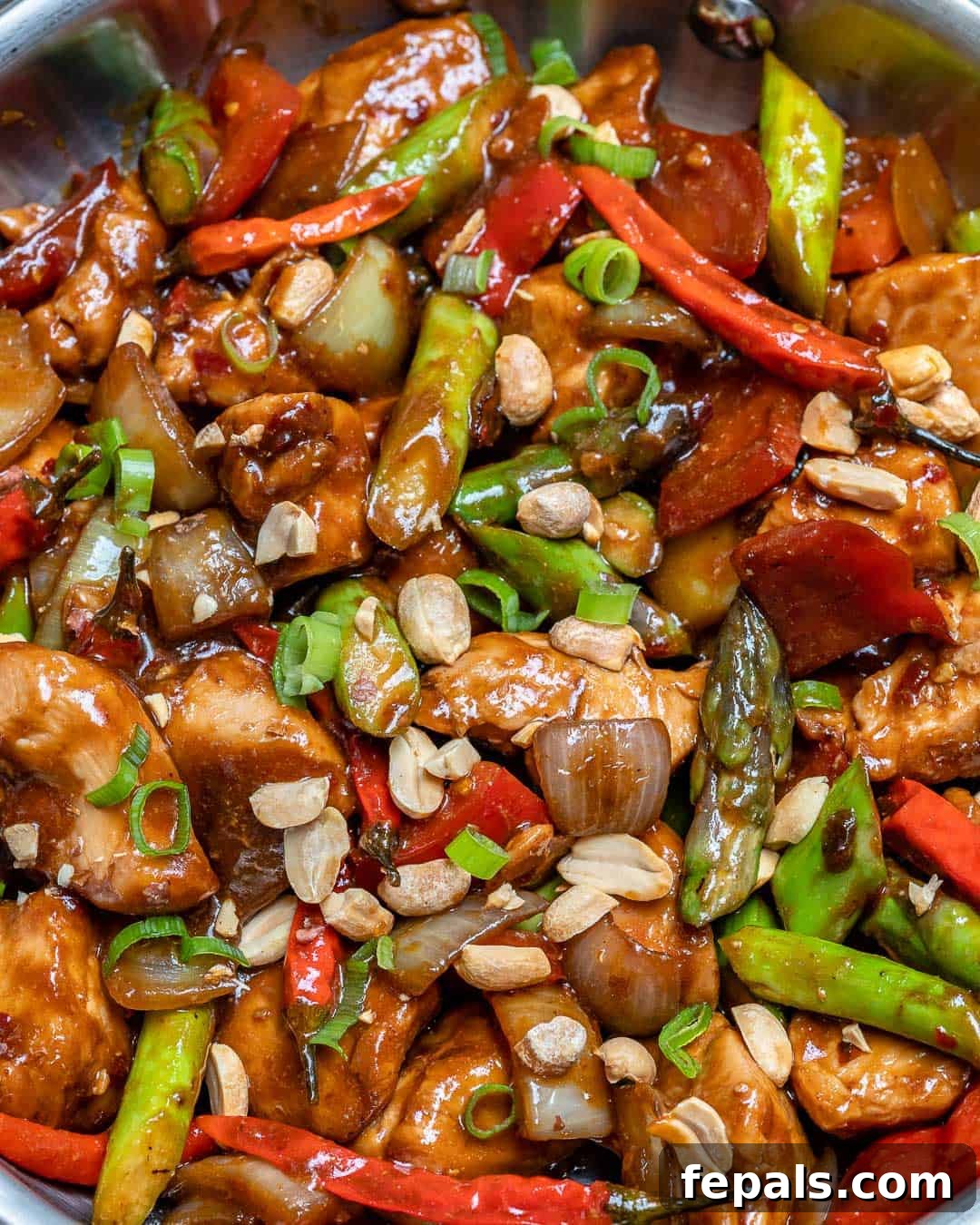
- Finish and Serve: Remove the wok from the heat. Sprinkle generously with the chopped roasted peanuts and the thinly sliced green onions. Serve the freshly made Kung Pao Chicken immediately over your choice of cooked brown rice or cauliflower rice. Enjoy the explosion of sweet, spicy, and tangy flavors!
Pro Tips for Kung Pao Perfection
Achieving restaurant-quality Kung Pao Chicken at home is easier than you think with these expert tips:
- Uniform Chicken Cubes: To ensure that your chicken cooks evenly and quickly, always cut the chicken into uniform 1-inch cubes. If using chicken thighs for their flavor, remember to trim off most of the visible fat to help keep the dish lean and healthier.
- Don’t Skip the Marinade: Allowing the chicken to marinate for at least 15 minutes is a game-changer. This step not only infuses the chicken with deep flavor but also helps to tenderize it, preventing it from drying out during the stir-frying process.
- Proper Asparagus Prep: Asparagus can have tough, woody ends. Always be sure to snap or trim these tough ends off before cutting the stalks into pieces, ensuring a pleasant texture in your stir-fry.
- Customize Sweetness and Spice: The beauty of homemade cooking is tailoring flavors to your preference. Feel free to adjust the amount of honey for more sweetness or increase the chili flakes (or even add a few dried whole chilies) for an extra kick of spice.
- Dried Chili Peppers: For an authentic Szechuan flavor and additional heat, consider adding a few dried red chili peppers to the stir-fry along with the vegetables. You can use as many or as few as your palate can handle!
- Rice Wine Alternatives: If traditional Chinese rice wine or rice vinegar is not readily available, dry sherry makes an excellent substitute. In a pinch, even a good quality balsamic vinegar can provide a similar acidic tang, though it will alter the flavor slightly.
- Soy Sauce Choices: While low-sodium soy sauce is recommended for health, dark soy sauce can be used for a deeper color and richer flavor. For those with soy allergies or looking for a Whole30 compliant option, coconut aminos are a fantastic alternative.
- Gluten-Free Options: Don’t let dietary restrictions hold you back! Many gluten-free ingredients are now widely available. Ensure your soy sauce is gluten-free (tamari), and check that all other sauce ingredients are certified gluten-free if needed.
- Hot Wok, Happy Stir-fry: A key to successful stir-frying is high heat. Make sure your wok or skillet is very hot before adding the chicken to achieve that perfect sear and prevent stewing.
Customizing Your Kung Pao: Variations & Dietary Adjustments
This Healthy Kung Pao Chicken recipe is wonderfully adaptable, making it easy to tweak according to your preferences and dietary needs:
- Vegetable Power-Up: While bell peppers and asparagus are fantastic, feel free to add other quick-cooking vegetables. Broccoli florets, sliced carrots, zucchini, snap peas, or even mushrooms would make excellent additions. Add them in stages based on their cooking time, ensuring they remain crisp-tender.
- Alternative Proteins: Not a fan of chicken, or just want to switch things up? This sauce works beautifully with other proteins. Try Kung Pao Shrimp for a seafood twist, or use firm tofu (pressed and cubed) for a delicious vegetarian version. Beef strips are also a popular choice.
- Spice Level: The original recipe calls for 1 tsp of chili flakes, but you are the chef! For a milder dish, reduce or omit the flakes. For fiery heat, add more, or incorporate a few dried red chilies, removing them before serving if you prefer less intense spice in each bite.
- Gluten-Free: To make this dish fully gluten-free, simply ensure you use tamari (gluten-free soy sauce) instead of regular soy sauce and verify that your cornstarch and rice vinegar are gluten-free.
- Lower Carb: Beyond serving with cauliflower rice, you can further reduce carbs by increasing the proportion of low-carb vegetables and reducing the amount of honey slightly, or substituting it with a sugar-free sweetener if preferred (though honey’s flavor is unique).
- Nut-Free Option: If you have a peanut allergy, you can easily omit the peanuts or substitute them with toasted cashews or sesame seeds for a different crunch.
Frequently Asked Questions
Kung Pao sauce is celebrated for its unique and harmonious blend of flavors. It typically offers a balance of sweet, spicy, and tangy notes, often with a savory undertone and a nutty finish from the peanuts. This complex combination is what makes it a standout and a favorite among many Chinese dishes. It pairs wonderfully with chicken or shrimp, and the crunch of salted peanuts adds an essential textural element.
The spice level of this Kung Pao Chicken is completely customizable to your personal preference. The recipe uses chili flakes, and you can easily adjust the amount. We recommend starting with a smaller quantity (e.g., half a teaspoon) and tasting the sauce before adding more if you desire a spicier kick.
The key to tender, juicy chicken is to avoid overcooking it. Ensure you stir the chicken frequently during the sautéing process and remove it from the heat as soon as it’s almost cooked through. The residual heat will continue to cook it slightly. Marinating the chicken also helps immensely in retaining its moisture.
Kung Pao Chicken is a globally renowned Chinese stir-fry dish, originating from the culinary rich Sichuan province. It traditionally features diced chicken, often peanuts, and a variety of vegetables such as bell peppers, zucchini, or celery, all tossed in a savory, slightly sweet, tangy, and spicy sauce. The defining characteristics of Kung Pao Chicken are its vibrant balance of sweet, salty, and tangy flavors, often accompanied by the numbing spice of Sichuan peppercorns (though omitted in this recipe for broader appeal, it can be added for authenticity).
Absolutely! You can easily adapt this recipe to be vegetarian. Simply substitute the chicken with an equal amount of firm tofu or tempeh, cut into 1-inch cubes. Press the tofu to remove excess water before cooking for best results. You could also use hearty mushrooms like shiitake or king oyster mushrooms.
What to Serve with Your Healthy Kung Pao
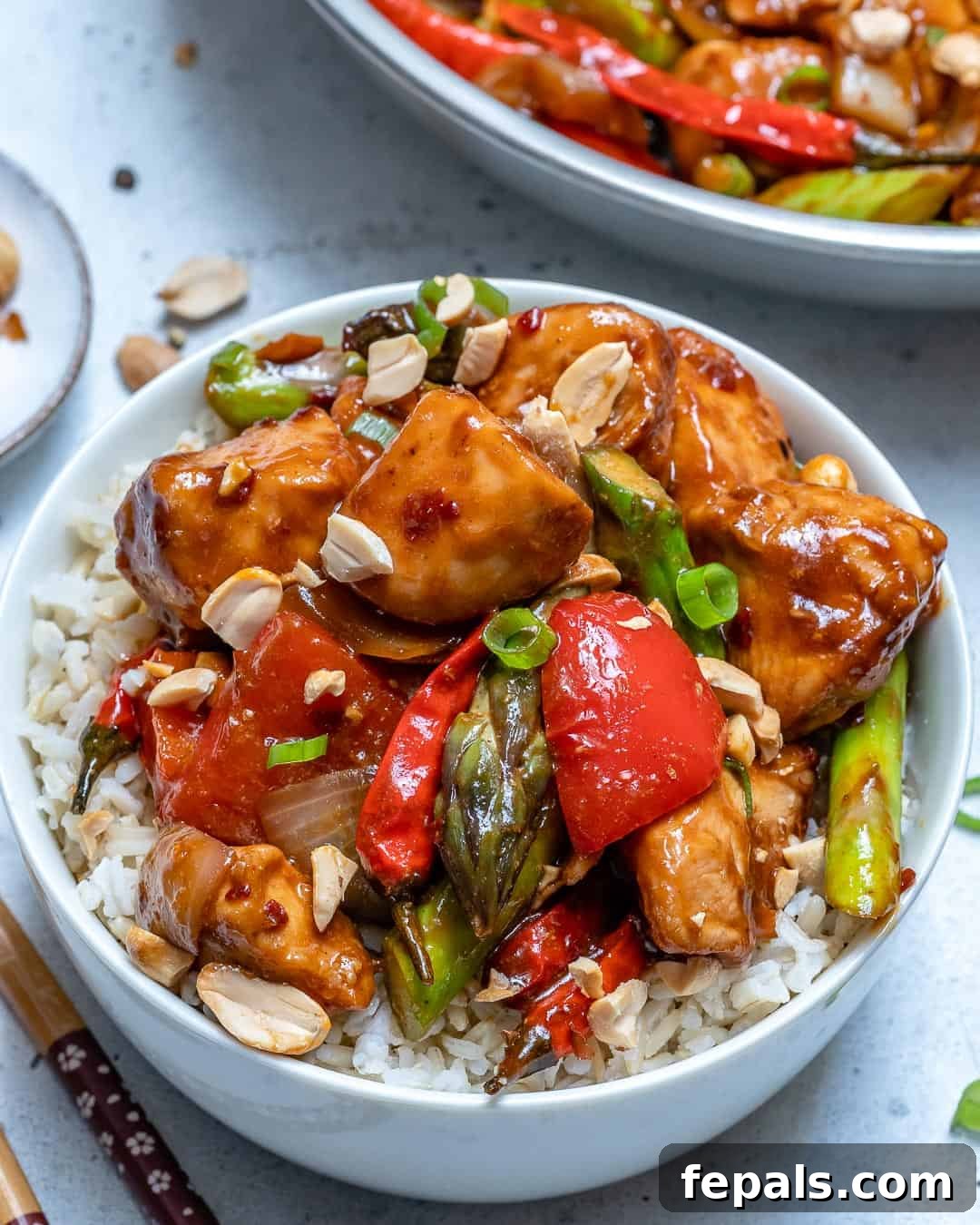
This easy Kung Pao Chicken recipe is incredibly versatile and pairs wonderfully with a variety of sides to create a complete and satisfying meal:
- Brown Rice: A classic and healthy choice, brown rice offers a nutty flavor and chewy texture that complements the stir-fry beautifully, adding complex carbohydrates and fiber.
- Jasmine Rice: For a more aromatic and slightly stickier option, jasmine rice is always a crowd-pleaser and provides a comforting base.
- Quinoa: If you’re looking for a protein-packed, gluten-free grain, quinoa is an excellent alternative that adds a lovely texture and nutritional boost.
- Cauliflower Rice: For a low-carb, low-calorie option, cauliflower rice is fantastic. Its neutral flavor absorbs the Kung Pao sauce wonderfully, making it a great way to enjoy the dish guilt-free.
- Steamed Vegetables: Alongside your main dish, consider serving a simple side of steamed broccoli, green beans, or bok choy for extra greens and freshness.
- Light Salad: A crisp green salad with a light vinaigrette can also offer a refreshing contrast to the rich flavors of the Kung Pao.
Nutritional Insights: Healthier Kung Pao vs. Takeout
One of the most compelling reasons to make this Kung Pao Chicken at home is the significant nutritional advantage it offers over restaurant versions. Many fast-food establishments and popular Chinese restaurants, such as Panda Express or P.F. Chang’s, serve Kung Pao Chicken that can easily reach 800 calories or more per single serving, often loaded with unhealthy fats, excessive sodium, and added sugars.
Our carefully crafted recipe delivers a satisfying serving of Kung Pao Chicken for approximately 492 calories. This substantial reduction in calories comes without compromising on flavor, thanks to thoughtful ingredient choices like lean chicken breast and controlled amounts of oil and natural sweeteners. Moreover, our homemade version boasts an impressive 42g of protein, keeping you feeling full and energized, alongside a balanced 28g of carbohydrates and 5g of fiber. This makes it a much smarter and healthier choice for those seeking to enjoy their favorite Chinese dish while maintaining a balanced diet.
Storing and Reheating for Best Results
This authentic Kung Pao Chicken recipe is not only delicious freshly made but often tastes even better the next day as the flavors meld and deepen! Here’s how to properly store and reheat your leftovers:
- Make Ahead: For ultimate convenience, you can prepare the Kung Pao sauce in advance. Simply combine all the sauce ingredients, whisk them thoroughly until smooth, and store the sauce in an airtight container in the refrigerator for up to 2-3 days. Give it a good stir before using. You can also chop all your vegetables and chicken ahead of time, storing them separately in airtight containers in the fridge for up to 1-2 days.
- Storing Leftovers: Any leftover Kung Pao Chicken can be stored in a clean, airtight container in the refrigerator for 3-4 days. To maintain the best texture and flavor, it’s advisable to store the stir-fry separately from any cooked rice or cauliflower rice you plan to serve it with.
- Freezing: For extended storage, Kung Pao Chicken freezes well. Transfer cooled leftovers to a labeled, freezer-safe airtight container. It can be frozen for up to 2-3 months. Thaw overnight in the refrigerator before reheating.
- Reheating on the Stovetop: This is often the best method for retaining texture. Place the leftover stir-fry in a non-stick pan over medium heat. Add a splash of water or broth (1-2 tablespoons) to help create steam and prevent sticking, which also helps to rehydrate the sauce. Stir occasionally until the chicken and vegetables are thoroughly warmed through.
- Reheating in the Microwave: For a quicker option, place leftovers in a covered, microwave-safe dish. Heat in 30-second intervals, stirring between each interval, until evenly heated through. Be careful not to overheat, as this can dry out the chicken.
Explore More Healthy Asian-Inspired Recipes
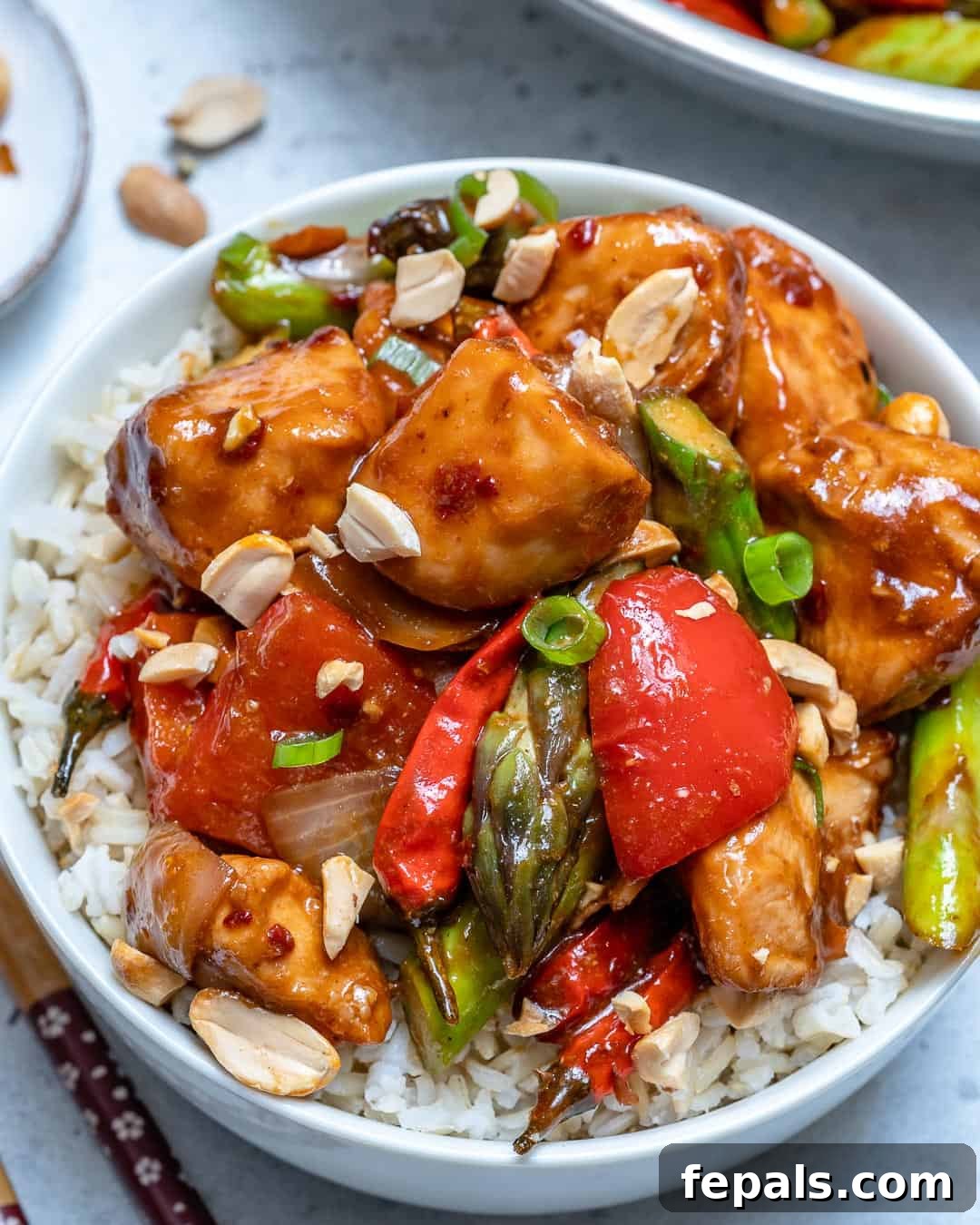
If you loved this Healthy Kung Pao Chicken, you’re in for a treat! Our collection is full of inspiring and nutritious chicken recipes that bring exciting flavors to your table. Expand your culinary repertoire with these fantastic dishes:
- Grilled Chicken Kafta: A flavorful Middle Eastern-inspired chicken skewer, perfect for grilling season.
- Chicken Cauliflower Rice Casserole: A comforting and healthy casserole, reimagining a classic with a low-carb twist.
- Baked Balsamic Cranberry Chicken: Sweet and tangy baked chicken, ideal for a festive meal or simple weeknight dinner.
- Creamy Chicken Enchilada Soup: All the flavors of enchiladas in a warm, comforting soup.
- Rosemary Maple Glazed Chicken Breast: An elegant and easy dish featuring sweet and herbaceous notes.
- Chicken Meatballs In Cranberry Sauce: Tender chicken meatballs coated in a rich, tangy cranberry sauce.
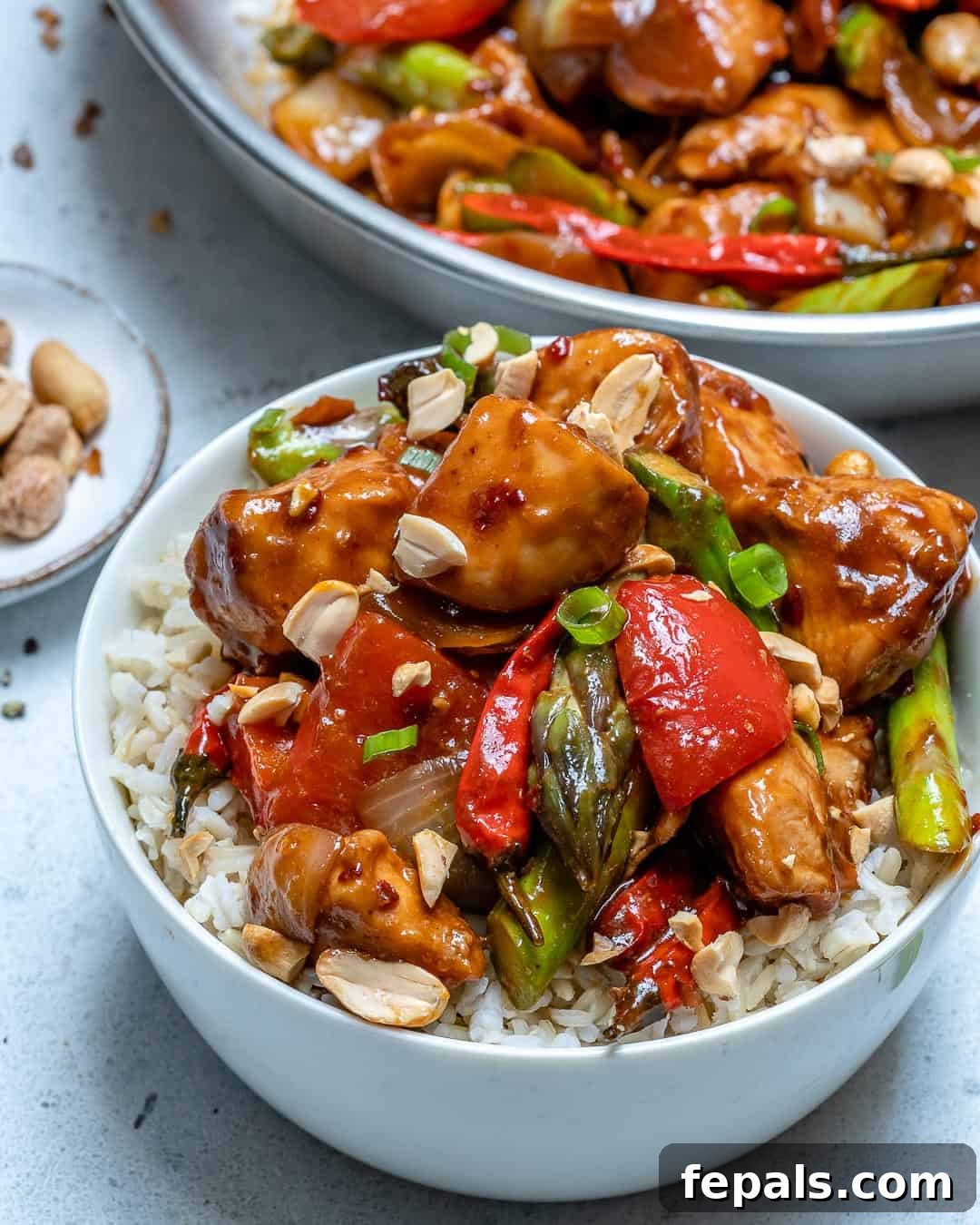
We are thrilled to bring you delicious, healthier versions of your favorite dishes. If you try this Healthy Kung Pao Chicken recipe and love it as much as we do, please take a moment to leave us some feedback in the comment section below. Your ratings and comments help us grow and inspire others to try our recipes! Don’t forget to share your culinary creations with friends and family!
Finally, we’d love to see your amazing dishes! Please use our hashtag #healthyfitnessmeals on INSTAGRAM for a chance to be featured on our page! FOLLOW Healthy Fitness Meals on FACEBOOK | INSTAGRAM | PINTEREST | TWITTER for all of our latest blog posts and fresh, healthy recipes.
Healthy Kung Pao Chicken
Servings: 4
Cook: 15 mins
Total: 35 mins
Rate
Pin
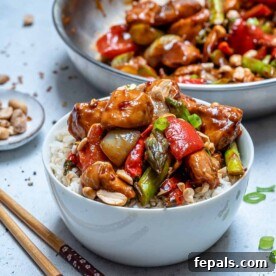
This authentic Kung Pao Chicken recipe is made healthier so you can now enjoy your favorite Chinese takeout right at home.
Equipment
- Bowl
- Knife
- Skillet or Wok
- Cutting Board
Ingredients
Main Ingredients
- 1 ½ lb Boneless Skinless Chicken Breasts, cut into 1-inch cubes
- 1 Tbsp Vegetable oil
- 1 White Onion, Diced
- 1 lb Asparagus, ends trimmed and cut into 2-inch pieces
- 2 Red Bell Peppers, Diced
- 2 Tbsp Chopped Roasted Peanuts, roughly chopped
- 1 Tbsp Green onions, thinly sliced
For the Sauce
- 2 Tsp Cornstarch, divided
- 1/4 Cup Low Sodium Soy Sauce
- 1/4 Cup Sesame Oil
- 3 Tbsp Water
- 3 Tbsp Rice vinegar
- 3 Tbsp Honey
- 2-3 Garlic Cloves, Minced
- 1 Tbsp Minced Ginger
- 1 Tsp Chili Flakes
Optional Serving
- Cooked brown rice or cauliflower rice
Instructions
- Start by making the sauce. Add all sauce ingredients (cornstarch, low-sodium soy sauce, sesame oil, water, rice vinegar, honey, minced garlic, minced ginger, and chili flakes) into a small bowl, and whisk well to combine thoroughly.
- Add diced chicken to a shallow dish and pour half of the prepared sauce over it. Allow the chicken to marinate for at least 15 minutes to absorb the flavors.
- Heat vegetable oil in a wok or large skillet over medium-high heat. Add the marinated chicken in a single layer, ensuring not to overcrowd the pan.
- Let the chicken cook for about 2-3 minutes, or until it starts to brown. Then, stir and cook for an additional 1-2 minutes, or until it is almost cooked through.
- Stir in the chopped veggies (white onion, asparagus, and red bell peppers), and stir-fry for 2-3 minutes more until tender-crisp.
- Pour over the remaining sauce and simmer, stirring frequently for a couple of minutes more, until the sauce thickens and coats the chicken and vegetables.
- Take the wok off the heat. Sprinkle generously with the chopped roasted peanuts and thinly sliced green onions.
- Serve immediately over cooked brown rice or cauliflower rice and enjoy your delicious, healthy Kung Pao Chicken!
Notes
- Make Ahead: You can prepare the Kung Pao sauce in advance by combining all the ingredients, whisking them thoroughly, and storing the sauce in an airtight container. Refrigerate for up to 2-3 days, giving it a good stir before use.
- Storing: Leftover Kung Pao Chicken can be stored in an airtight container in the refrigerator for 3-4 days. For extended storage, freeze in a labeled, freezer-safe container. For a better texture upon reheating, consider separating the rice from the stir-fry.
- Reheating: When reheating on the stovetop, use a non-stick pan over medium heat with a splash of water or broth to prevent sticking. Stir occasionally until thoroughly warmed. Alternatively, microwave leftovers in a covered, microwave-safe dish in 30-second intervals, stirring between each interval.
Nutrition
Carbohydrates: 28g
Protein: 42g
Fat: 24g
Saturated Fat: 6g
Cholesterol: 109mg
Sodium: 766mg
Potassium: 1101mg
Fiber: 5g
Sugar: 19g
Vitamin A: 2935 IU
Vitamin C: 87.1mg
Calcium: 57mg
Iron: 4mg
Nutrition information is automatically calculated, so should only be used as an approximation.
Additional Info
Cuisine: Chinese
Mention @healthyfitnessmeals or tag #healthyfitnessmeals!