
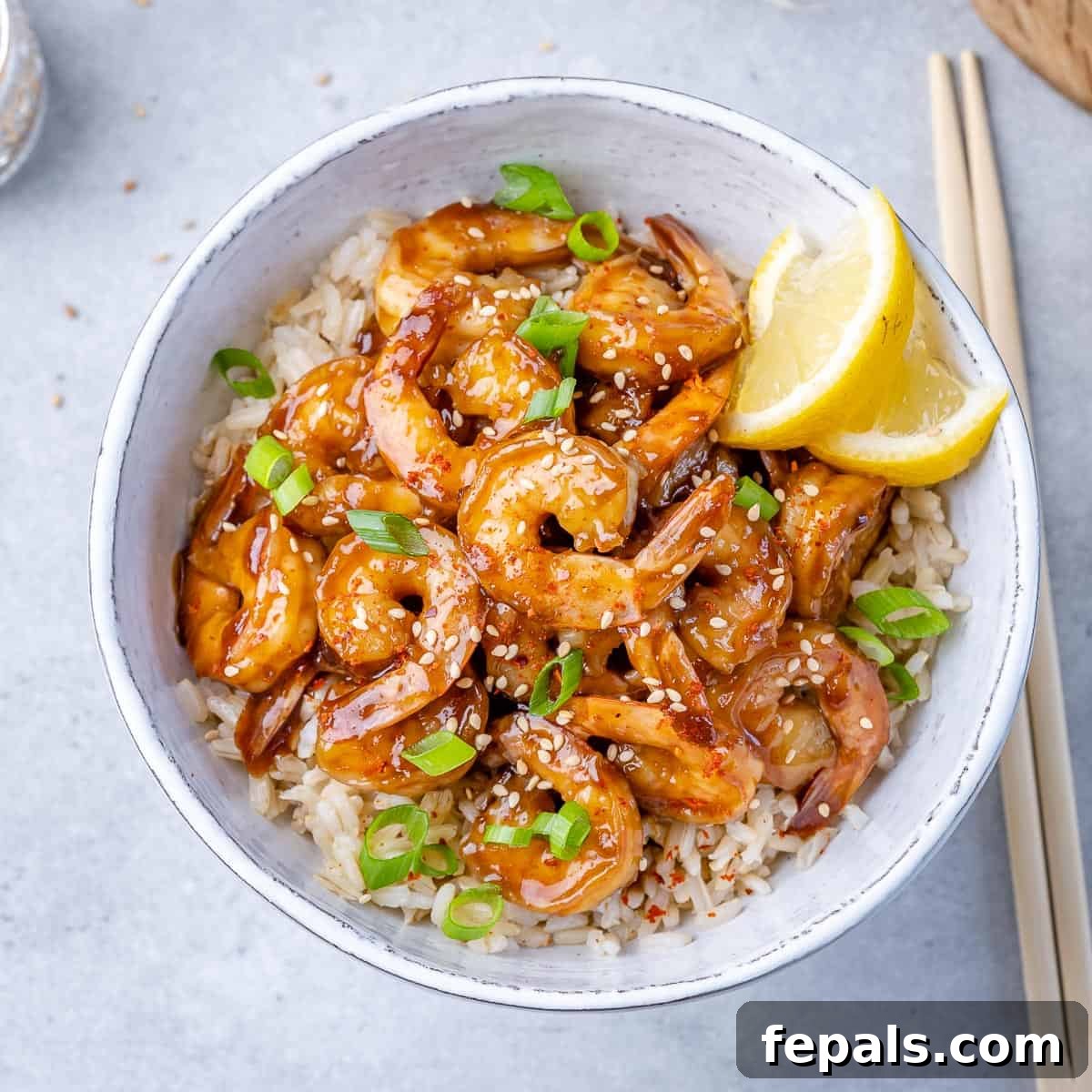
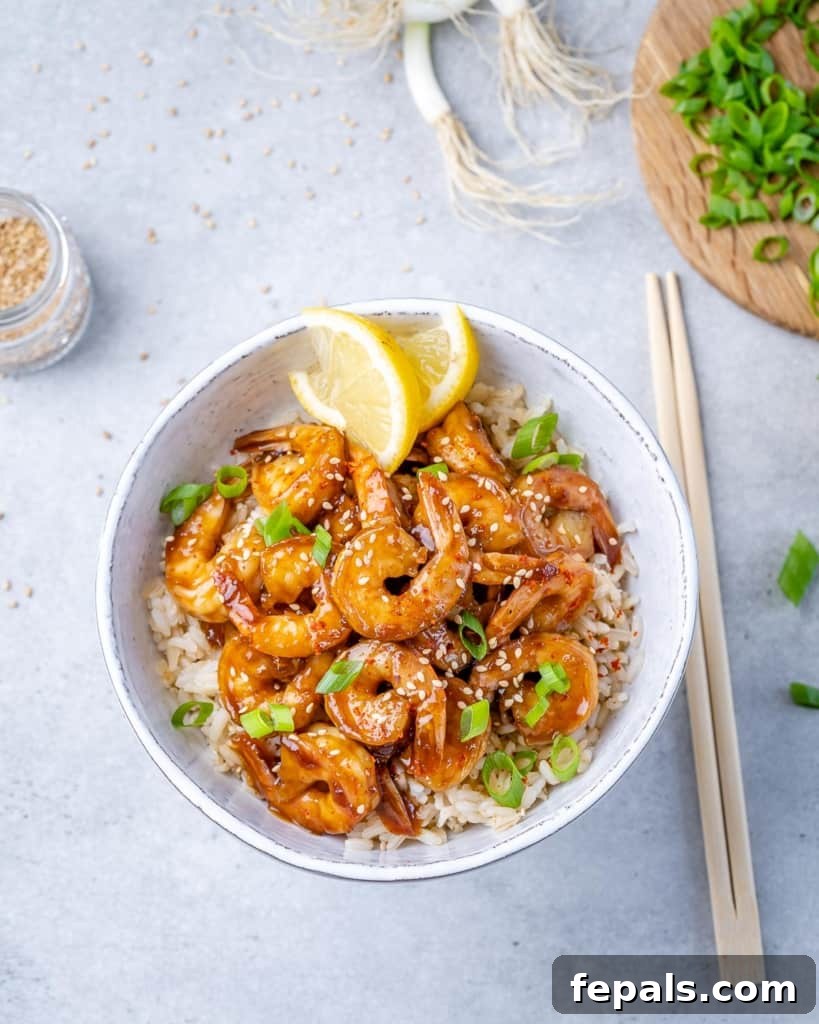
Are you searching for a quick, healthy, and incredibly flavorful meal that the whole family will adore? Look no further! This easy-to-make Teriyaki Shrimp recipe is destined to become your ultimate go-to, delivering a restaurant-quality experience in under 20 minutes. It’s a simple, straightforward dish that promises both convenience and deliciousness, making it perfect for busy weeknights or whenever you crave a satisfying meal without the fuss.
If you love the rich, savory-sweet flavors of teriyaki, you might also enjoy exploring my other delightful creations, such as Baked Teriyaki Salmon or my wholesome Baked Teriyaki Chicken Breast. These recipes offer similar ease and fantastic taste, providing versatile options for your weekly meal rotation.
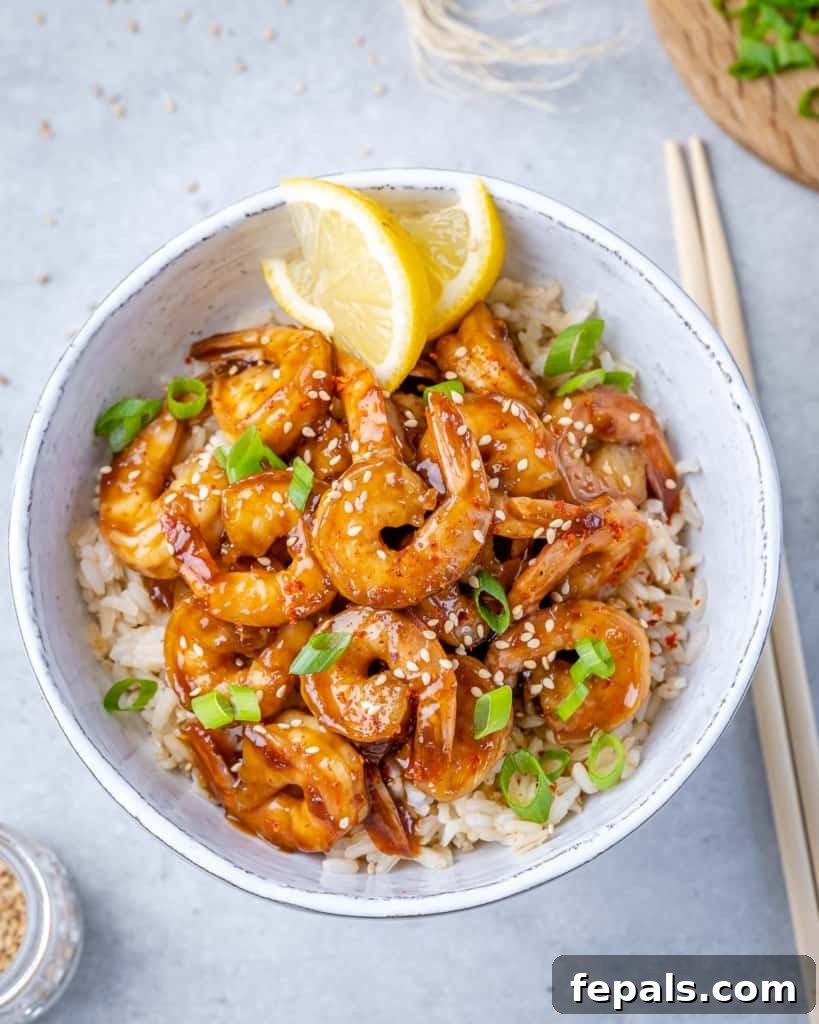
Shrimp stands out as one of my favorite proteins for countless reasons. Beyond their delectable taste, shrimp are remarkably easy to cook, often requiring minimal preparation time, which is a huge bonus in a bustling kitchen. Nutritionally, they are a powerhouse, boasting a naturally low carbohydrate and fat content, while being packed with high-quality protein. This makes them an excellent choice for anyone looking to maintain a balanced diet without sacrificing flavor.
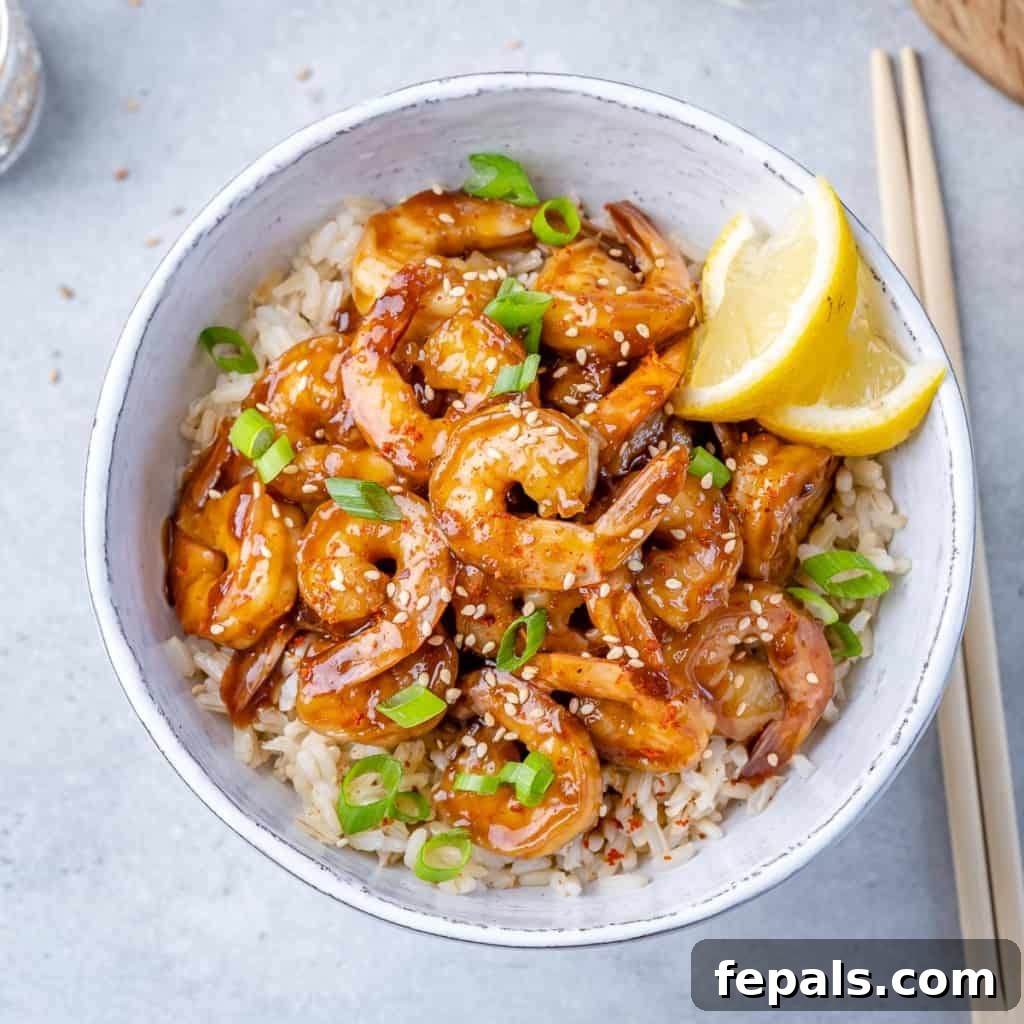
This shrimp teriyaki recipe truly shines when you’re pressed for time but still want to put a wholesome, homemade dinner on the table. You can have this mouthwatering dish ready in about 20 minutes, or a maximum of 30 minutes even if you’re taking your time. Its quick cooking nature also makes it an ideal candidate for meal prepping, allowing you to enjoy delicious, healthy meals throughout the week with minimal effort.
Why You Will Love This Teriyaki Shrimp Recipe
This Teriyaki Shrimp isn’t just another dinner idea; it’s a culinary triumph that consistently delivers on taste, health, and convenience. Here’s why it deserves a permanent spot in your recipe collection:
- Effortless Meal Prep: This recipe is a meal prepper’s dream come true. Whip up a larger batch, and you’ll have flavorful, protein-rich meals ready for days. Pair it with fluffy brown rice, nutrient-dense quinoa, or light cauliflower rice for a low-carb option. Don’t forget to add a generous portion of sautéed or roasted vegetables for a complete and balanced meal.
- Unbeatably Simple and Swift: When time is of the essence, shrimp is my ultimate go-to protein, and this recipe exemplifies why. From start to finish, you’re looking at less than 20 minutes of active cooking. It’s perfect for those busy weeknights when you need a fast yet satisfying dinner solution without compromising on taste.
- Explosion of Flavor: Prepare your taste buds for an authentic, restaurant-style teriyaki experience, all from the comfort of your home kitchen. The homemade teriyaki sauce is a masterful blend of sweet, savory, and umami notes, perfectly coating the succulent shrimp. Each bite delivers a harmonious balance that will leave you craving more. Forget takeout – this homemade version is simply superior.
- Healthy and Nutritious: Shrimp is an excellent source of lean protein, low in calories and fat, and rich in essential vitamins and minerals. Combined with fresh ginger, garlic, and a homemade sauce that allows you to control the sugar and sodium, this dish is a fantastic choice for a health-conscious lifestyle.
- Versatile Serving Options: While delicious on its own, this teriyaki shrimp pairs beautifully with a myriad of sides. Serve it over classic jasmine rice, experiment with whole grains like forbidden rice or farro, or lighten it up with zucchini noodles or a crisp salad. The possibilities are endless, ensuring you can customize it to your dietary preferences and mood.
Essential Ingredients for Your Teriyaki Shrimp
Crafting this incredible Teriyaki Shrimp dish requires a few key ingredients, each playing a vital role in building its signature flavor profile. For precise measurements, please refer to the detailed recipe card provided further below.
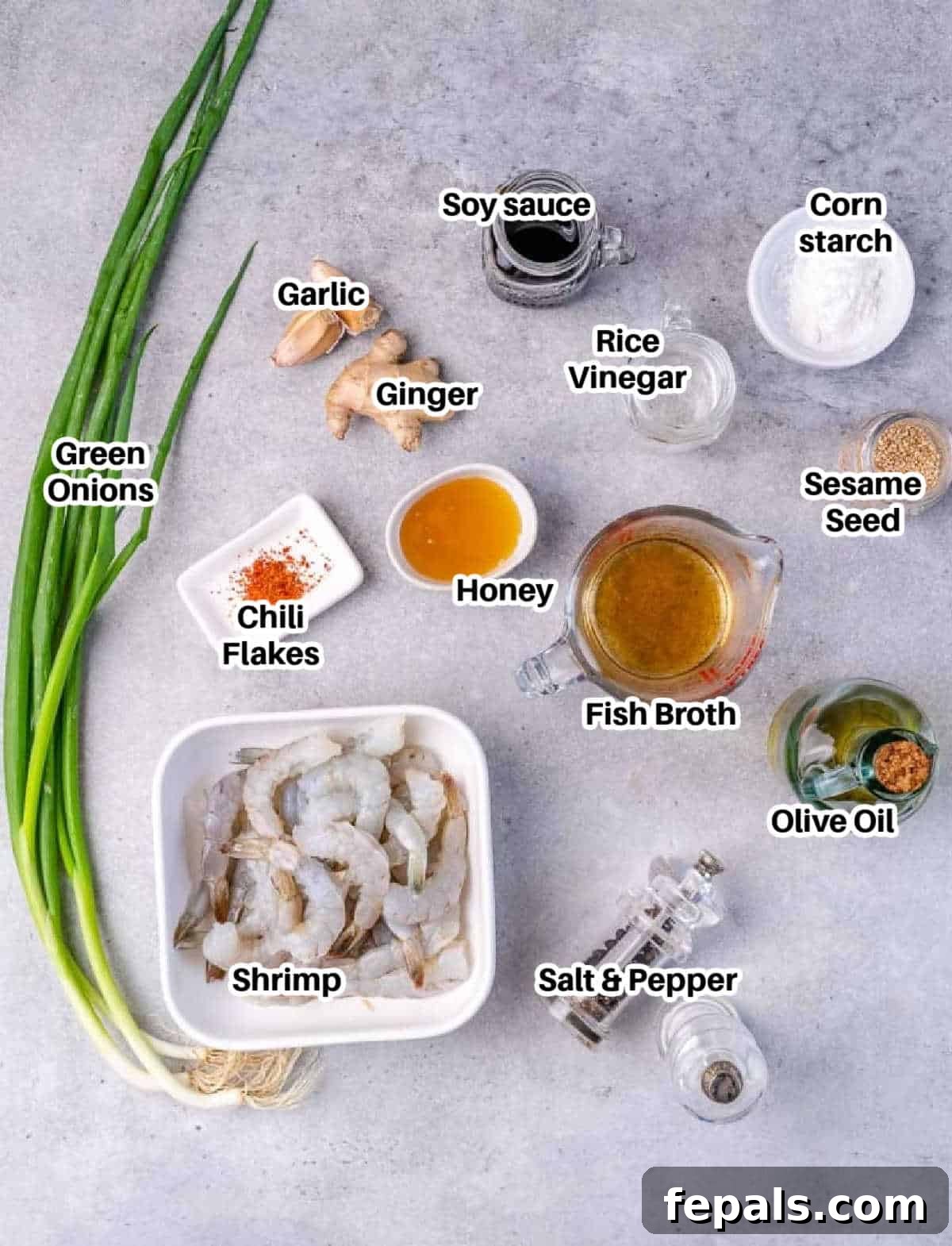
For the Homemade Teriyaki Sauce:
- Fresh Garlic Cloves: Essential for a pungent, aromatic base. Always opt for fresh garlic and mince it finely for the best flavor infusion into your sauce.
- Fresh Ginger: The vibrant, zesty kick of freshly grated ginger elevates the teriyaki sauce significantly. While ginger powder can be a substitute, using fresh ginger will undoubtedly yield a superior and more authentic taste.
- Crushed Chili (Red Pepper Flakes): This ingredient adds a customizable hint of heat, providing a pleasant warmth without overpowering the other flavors. Feel free to adjust the amount or omit it entirely if you’re serving younger children or prefer a milder dish.
- Soy Sauce: The cornerstone of any teriyaki sauce, providing that crucial umami and salty depth. For a healthier option, I recommend using low-sodium soy sauce. Alternatively, coconut aminos make an excellent gluten-free and lower-sodium substitute.
- Broth: This liquid forms the body of your sauce. I often use fish broth to complement the shrimp, but vegetable broth, chicken broth, orange juice, or even plain water can be used as alternatives to achieve the desired consistency and flavor base.
- Cornstarch: A crucial thickening agent that transforms the liquid sauce into a glossy, rich glaze that beautifully coats the shrimp. If you prefer to avoid cornstarch, arrowroot powder or a small amount of all-purpose flour can be used as alternatives to create a smooth slurry.
- Honey: Adds a natural sweetness that balances the savory notes of the soy sauce and vinegar. If honey is not available, brown sugar is a perfectly suitable substitute, contributing a similar caramel-like sweetness.
- Rice Wine Vinegar: Provides a subtle tang and brightens the overall flavor profile of the sauce. While other vinegars can be improvised, rice wine vinegar offers the most authentic and harmonious taste for teriyaki.
For the Succulent Shrimp and Garnishes:
- Olive Oil: Used to sauté the shrimp, helping them achieve a beautiful golden-pink hue. While olive oil is a great choice, other cooking oils like sesame oil (for added nutty flavor) or sunflower oil work equally well.
- Large Shrimp: The star of our dish! Always choose large, raw shrimp, peeled and deveined. You can leave the tails on for presentation or remove them for easier eating, depending on your preference. If you’re not a fan of shrimp or are looking for alternatives, bite-sized chicken pieces or firm tofu cubes can be excellent substitutes, though cooking times will vary.
- Green Onions: Sliced green onions are not just for garnishing; they also provide a fresh, mild onion flavor that complements the richness of the teriyaki.
- Sesame Seeds: Toasted sesame seeds add a delightful nutty crunch and a visual appeal, making the dish look as good as it tastes.
- Optional Serving Suggestions: Elevate your meal with accompaniments like perfectly cooked jasmine rice, vibrant shredded carrots for a touch of sweetness and crunch, and fresh lemon wedges to squeeze over the top for a bright finish.
How to Master Teriyaki Shrimp: Step-by-Step
Creating this flavorful Teriyaki Shrimp is a breeze with these simple steps. Follow along to achieve perfectly cooked shrimp coated in a rich, homemade teriyaki glaze:
- Prepare the Teriyaki Sauce: In a small bowl, combine all the teriyaki sauce ingredients: minced garlic, grated ginger, crushed chili (if using), soy sauce, broth, cornstarch, honey, and rice wine vinegar. Whisk everything thoroughly until the cornstarch is completely dissolved and the mixture is smooth. This prevents lumps in your finished sauce. Set aside.
- Cook the Shrimp: Heat the olive oil (or your chosen oil) in a large skillet or wok over medium-high heat. Once the oil is shimmering, add the peeled and deveined raw shrimp to the pan. Cook for about 3-4 minutes, stirring halfway through, until the shrimp turn pink and opaque. Be careful not to overcrowd the pan; cook in batches if necessary to ensure even cooking and a good sear.
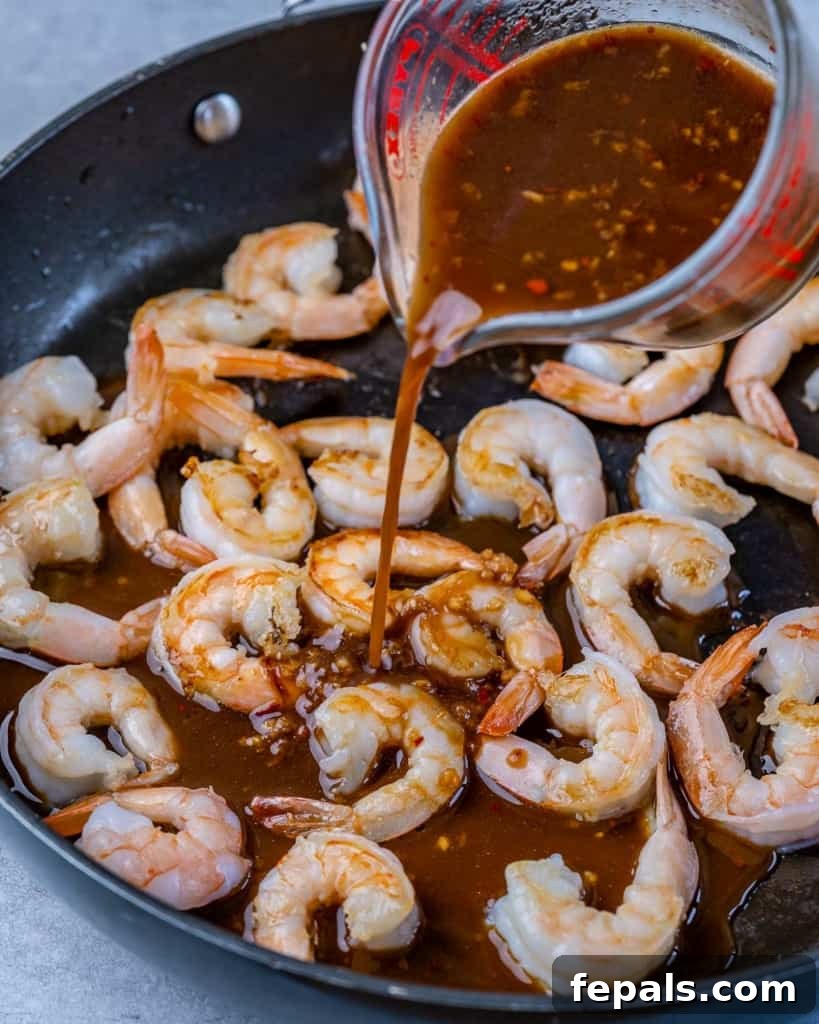
Once your shrimp are perfectly cooked, it’s time to bring it all together:
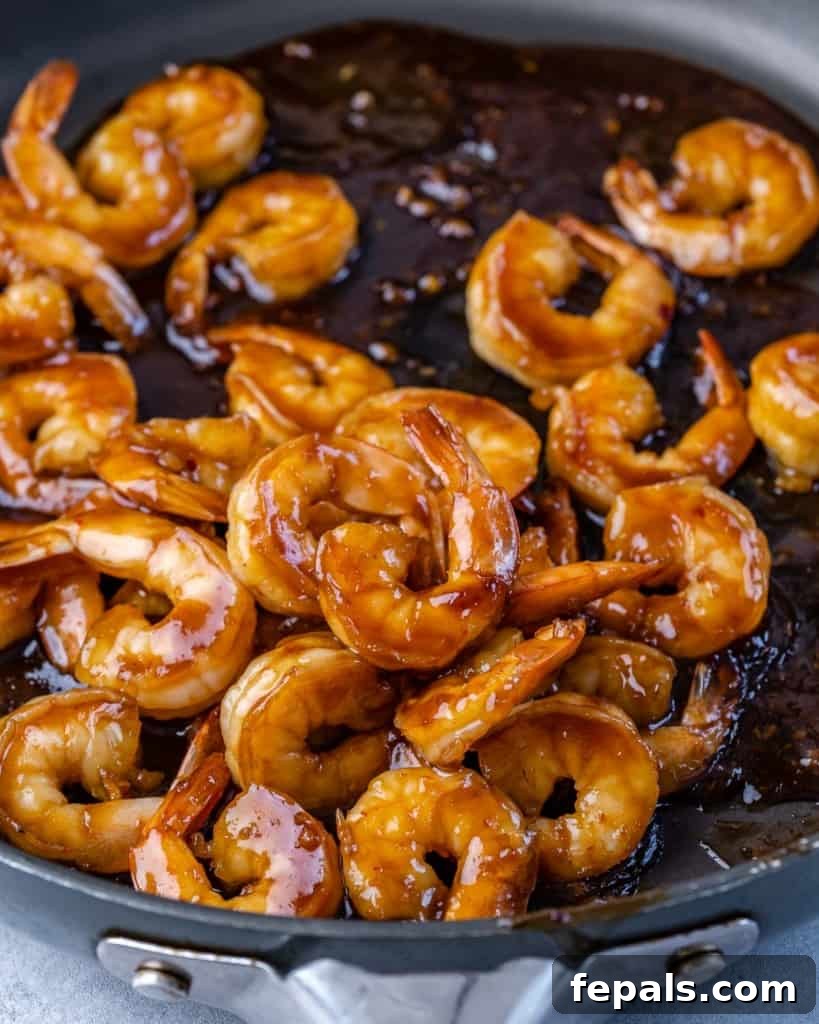
- Glaze with Teriyaki Sauce: Pour the whisked teriyaki sauce directly over the cooked shrimp in the skillet. Continue to cook, stirring continuously, for an additional 1-2 minutes. The sauce will thicken rapidly, transforming into a beautiful, glossy glaze that clings perfectly to each piece of shrimp. Ensure the shrimp are fully coated.
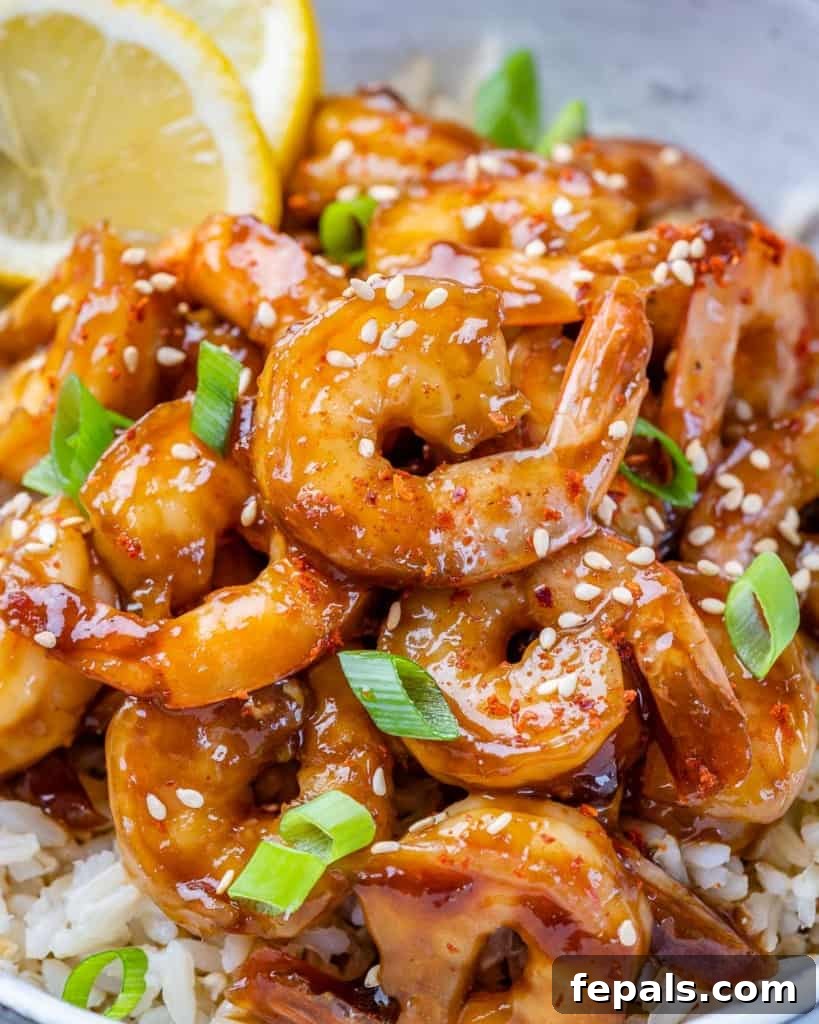
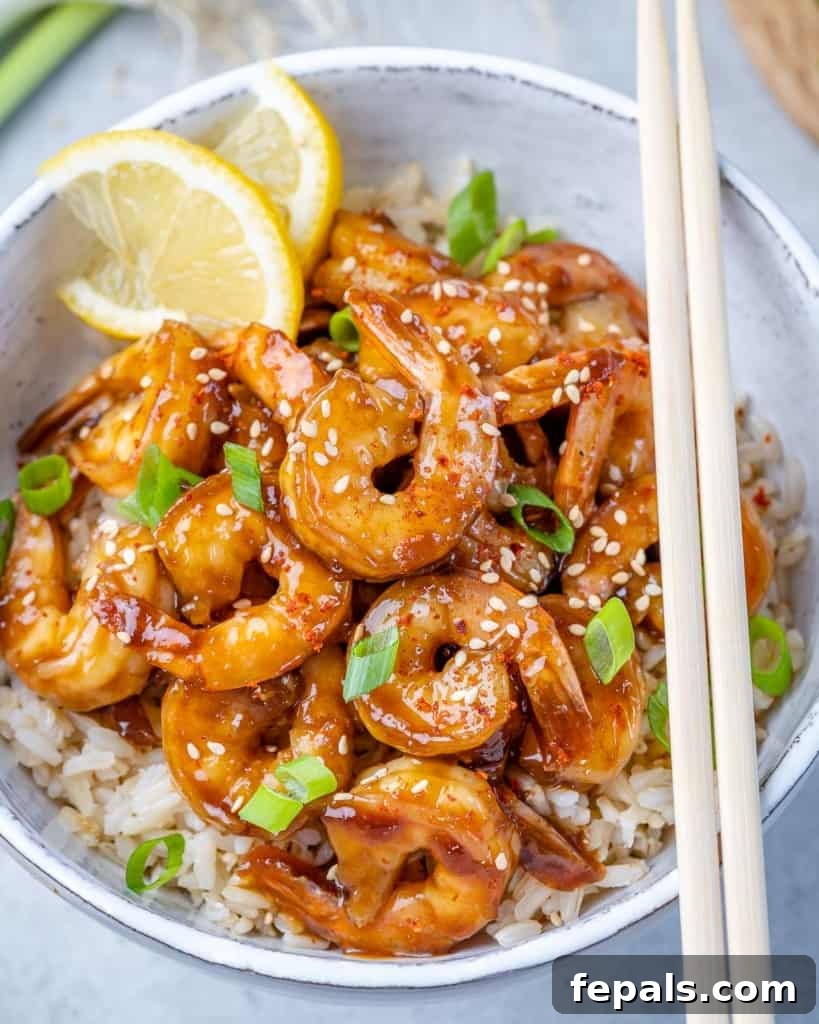
- Garnish and Serve: Once the sauce has thickened to your liking and evenly coats the shrimp, remove the skillet from the heat. Garnish generously with sliced green onions and toasted sesame seeds. Serve immediately over a bed of fluffy jasmine rice, brown rice, or cauliflower rice, accompanied by shredded carrots and fresh lemon wedges for an added burst of freshness.
Pro Tips and Recipe Notes for Perfection
Achieving the perfect Teriyaki Shrimp is simple, but a few expert tips can elevate your dish from great to extraordinary. Keep these insights in mind for the best results every time:
- Choose Raw Shrimp for Best Texture: For optimal flavor and texture, always use raw shrimp, not pre-cooked. Raw shrimp will absorb the flavors of the sauce better and will not become rubbery when cooked. If shrimp isn’t your preference, this recipe is incredibly adaptable. Substitute with chicken breast (cut into bite-sized pieces) or firm tofu for a vegetarian option. Adjust cooking times accordingly; chicken will need longer to cook through.
- Enhance with More Veggies: To transform this into a truly complete and wholesome meal, consider adding a vibrant array of vegetables. Sautéed broccoli florets, sliced bell peppers, snow peas, or green beans can be cooked directly with the shrimp for the last few minutes, or served as a side. Roasting vegetables separately is also a fantastic option to add more texture and depth.
- Storage and Meal Prep: This teriyaki shrimp stores beautifully, making it excellent for meal prepping. Allow the dish to cool completely before transferring it to an airtight container. It can be stored in the refrigerator for up to 3 days. For longer storage, you can freeze it for up to 2 months. Thaw overnight in the fridge and reheat gently on the stovetop or in the microwave.
- Low-Carb Alternatives: For those following a low-carb diet, ditch the traditional rice and serve your teriyaki shrimp with an assortment of healthy alternatives. Zucchini noodles, spiralized carrots, riced broccoli, or especially our flavorful cilantro lime cauliflower rice recipe pair wonderfully, offering a satisfying meal without the added carbs.
- Perfecting the Sauce: If your sauce appears too thin after simmering, simply let it cook for another minute or so, stirring constantly, to allow the cornstarch to fully activate and thicken. If it becomes too thick, a splash of water or broth can easily thin it down to your desired consistency.
- Don’t Overcook the Shrimp: Shrimp cook very quickly. Overcooking will result in a tough, rubbery texture. Watch for them to turn pink and opaque, then immediately remove from heat or add the sauce to stop the cooking process.
- Gluten-Free Option: To make this recipe gluten-free, ensure you use tamari instead of regular soy sauce, and verify that your broth is also gluten-free. Coconut aminos are another excellent gluten-free soy sauce alternative.
Frequently Asked Questions About Teriyaki Shrimp
While some shrimp recipes benefit from marinating, it’s generally recommended to marinate shrimp for a relatively short period, typically around 15-20 minutes. This is because shrimp are delicate and can start to “cook” or change texture in acidic marinades if left too long. For this specific Teriyaki Shrimp recipe, marinating is actually not necessary, as the shrimp are cooked directly in the flavorful homemade teriyaki sauce, allowing them to absorb all the delicious flavors as they cook.
Technically, yes, you can use Worcestershire sauce as an alternative if that’s what you have on hand. It will provide a savory, umami flavor, but it’s important to note that Worcestershire sauce and soy sauce do not taste exactly the same. Worcestershire has a more complex, tangy, and slightly sweet profile with hints of anchovy, whereas soy sauce is primarily salty and umami. Worcestershire is also typically less salty than soy sauce, so you might need to adjust other seasonings to achieve the desired balance. The resulting teriyaki sauce will have a different, albeit still delicious, character.
Authentic Japanese teriyaki sauce typically consists of four core ingredients: soy sauce, mirin (a sweet rice wine used for cooking), sake (another type of rice wine), and sugar. These ingredients are simmered together to create a glossy, flavorful glaze. Many modern or homemade teriyaki sauce recipes, including this one, often incorporate additional ingredients like fresh ginger, garlic, and sometimes a thickening agent like cornstarch, along with other liquids like broth or orange juice, to add more depth and complexity to the flavor profile.
The most effective and easiest method to thicken teriyaki sauce is by using cornstarch. To do this, always mix a small amount of cornstarch with an equal part of cold water or broth to create a smooth slurry before adding it to your simmering sauce. This prevents lumps. As the sauce heats, the cornstarch will activate, thickening the sauce to a beautiful, glossy consistency. Other alternative thickeners can also be used, such as arrowroot powder or a small amount of all-purpose flour, prepared in the same slurry method.
Absolutely! Frozen shrimp work perfectly for this recipe. Just make sure to properly thaw them first. You can do this by placing them in the refrigerator overnight or by running them under cold water in a colander until fully thawed. Pat them dry thoroughly before cooking to ensure a good sear.
A large skillet or wok is ideal for cooking teriyaki shrimp. A wide surface area allows the shrimp to cook evenly without crowding, which is essential for developing a nice sear and preventing them from steaming. Non-stick pans are great for easy cleanup, but a well-seasoned cast-iron skillet also works wonderfully, providing excellent heat distribution.
More Irresistible Shrimp Recipes
If you’re a fan of shrimp, there’s a world of delicious possibilities waiting to be explored! Here are some more fantastic shrimp recipes that are sure to tantalize your taste buds and add variety to your meal plan:
- Garlic Shrimp Risotto: A creamy, indulgent dish perfect for a special occasion.
- Shrimp and Broccoli Stir Fry: A quick and healthy weeknight staple, bursting with fresh flavors.
- Shrimp Pesto Pasta: A vibrant and aromatic pasta dish that comes together in minutes.
- Easy Garlic Shrimp Pasta: Simple yet incredibly satisfying, a classic combination.
- Cajun Shrimp Recipe: For those who love a spicy kick and bold, robust flavors.
- Honey Garlic Shrimp: A sweet and savory delight, perfect for a quick and flavorful meal.
- Creamy Shrimp Pasta Salad: A refreshing and delicious salad, ideal for picnics or light lunches.

Ready to discover more quick and healthy dinner ideas? Simply enter your name and email to receive your free copy of my exclusive eBook, packed with delicious recipes designed to make your busy life easier and tastier!
If you try this delightful Teriyaki Shrimp recipe and love it as much as I do, please take a moment to leave your feedback in the comment section below. Your thoughts and ratings are incredibly helpful! And don’t forget to share this recipe with your friends and family – good food is meant to be shared!
FOLLOW me on FACEBOOK | INSTAGRAM | PINTEREST | TWITTER for all of my latest blog posts and recipes, and to stay connected with the Healthy Fitness Meals community.
Easy Teriyaki Shrimp
Rena
4
5 mins
10 mins
15 mins
Rate
Pin
An incredibly easy and simple sautéed shrimp recipe, featuring a delectable homemade teriyaki sauce, served perfectly over a bed of rice. This satisfying meal is ready in just 20 minutes from start to finish.
Ingredients
Teriyaki Sauce:
- 2 garlic cloves, minced
- 2 teaspoons minced ginger
- 1 teaspoon crushed chili, or to taste
- ¼ cup low sodium soy sauce or coconut aminos
- ¼ cup fish broth, or vegetable broth
- 2 teaspoons cornstarch, or arrowroot powder
- 2 tablespoons honey, or brown sugar
- 1 tablespoon rice wine vinegar
Shrimp:
- 1 tbsp olive oil, or sesame oil
- 1 pound large shrimp, peeled and deveined with tails on if desired
- 2 green onions, sliced
- 2 tsp toasted sesame seeds, for garnish
- Cooked jasmine rice, optional to serve, or shredded carrots, lemon wedges
Instructions
-
In a small bowl, whisk together all the teriyaki sauce ingredients: 2 minced garlic cloves, 2 teaspoons minced ginger, 1 teaspoon crushed chili (if using), ¼ cup low sodium soy sauce or coconut aminos, ¼ cup fish broth, 2 teaspoons cornstarch, 2 tablespoons honey, and 1 tablespoon rice wine vinegar. Mix until smooth.
-
Heat 1 tbsp olive oil in a large skillet over medium-high heat. Add 1 pound large shrimp and cook for 3-4 minutes, stirring halfway, until the shrimp turn pink and opaque.
-
Pour the prepared teriyaki sauce over the shrimp. Cook, stirring continuously, for 1-2 minutes until the sauce thickens and evenly coats the shrimp.
-
Garnish with 2 sliced green onions and 2 tsp toasted sesame seeds. Serve immediately with cooked jasmine rice and shredded carrots for a complete meal.
Notes
- For the most vibrant flavor, it’s highly recommended to use fresh ginger and fresh garlic.
- Always opt for raw shrimp instead of pre-cooked for the best texture and flavor absorption.
- If you’re not a fan of shrimp, you can easily substitute with chicken breast (cut into bite-sized pieces) or firm tofu. Adjust cooking times as needed.
- Brown sugar can be used as a direct substitute for honey if preferred.
- Fish broth can be replaced with vegetable broth, chicken broth, orange juice, or even water without significantly impacting the final dish.
- Any cooking oil of your choice will work for sautéing; consider sesame oil for an added nutty aroma.
- Cornstarch is crucial for thickening the sauce. For alternatives, arrowroot powder works just as effectively. Remember to make a slurry with cold liquid first.
- A typical serving size is approximately 1/4 lb of shrimp, or about 1/2 cup of cooked teriyaki shrimp.
Nutrition
Calories: 169kcal
Carbohydrates: 14g
Protein: 17g
Fat: 5g
Saturated Fat: 1g
Polyunsaturated Fat: 1g
Monounsaturated Fat: 3g
Trans Fat: 1g
Cholesterol: 143mg
Sodium: 1211mg
Potassium: 234mg
Fiber: 1g
Sugar: 9g
Vitamin A: 412IU
Vitamin C: 2mg
Calcium: 83mg
Iron: 1mg
Nutrition information is automatically calculated, so should only be used as an approximation.