
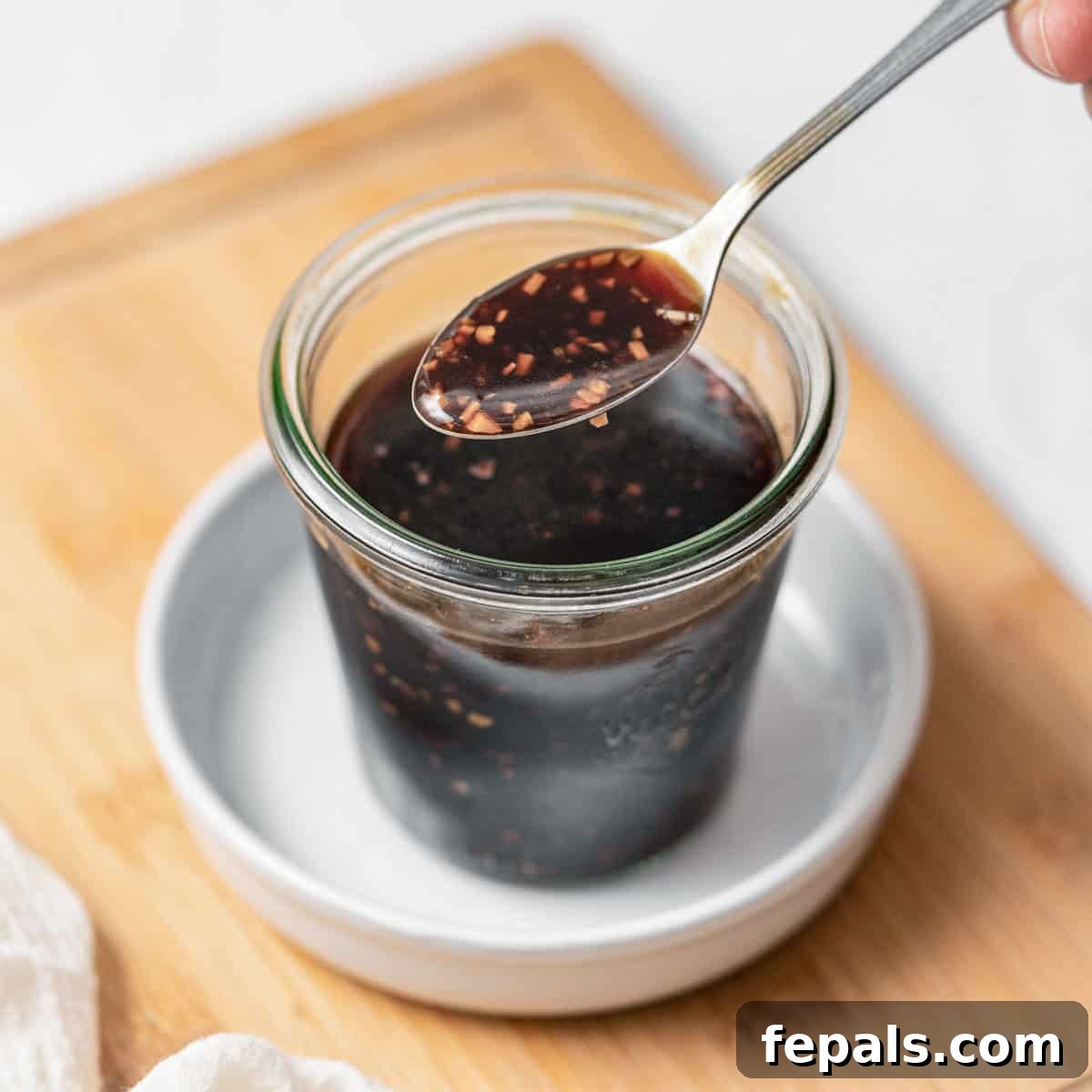
Unlock the secret to incredible Asian-inspired meals with this unbelievably easy and exceptionally flavorful homemade teriyaki sauce recipe. Forget the overly salty, preservative-laden store-bought bottles; you can whip up your own fresh, vibrant teriyaki sauce in less than 10 minutes using common pantry staples. This recipe is not just simple; it’s a game-changer for your weeknight dinners, offering a sweet, savory, and perfectly balanced flavor profile that will elevate chicken, salmon, beef, or your favorite vegetables.
Making teriyaki sauce from scratch allows you to control the quality of ingredients, adjust sweetness and spice levels to your preference, and avoid unnecessary additives. The result is a richer, fresher, and healthier sauce that acts as a superb glaze, a tenderizing marinade, or a fantastic stir-fry base. Get ready to impress your taste buds and simplify your cooking with this essential kitchen staple.
Why Craft Your Own Homemade Teriyaki Sauce?
Ditching the commercial versions for a homemade teriyaki sauce offers numerous benefits:
- Simple, Everyday Ingredients: You likely already have most of the items needed in your kitchen, eliminating the need for special grocery runs.
- Lightning-Fast Preparation: From start to finish, this sauce is ready in about 10 minutes, making it perfect for busy weeknights.
- Lower Sodium Content: Store-bought teriyaki sauces are often packed with excessive sodium. By making your own, especially with low-sodium soy sauce, you can significantly reduce the salt content for a healthier option.
- Customizable Flavor: Easily adjust the sweetness, spiciness, and thickness to perfectly match your culinary desires. Prefer it sweeter? Add a touch more honey. Want a fiery kick? Amp up the chili flakes!
- Versatile Culinary Powerhouse: This sauce isn’t just for stir-fries! It excels as a marinade for tenderizing meats, a glossy glaze for grilled proteins, or a flavorful dressing for salads and bowls.
- No Preservatives or Artificial Flavors: Enjoy a clean, natural taste free from the additives found in many commercial sauces.
- Cost-Effective: Homemade is almost always more economical than buying pre-made products, saving you money in the long run.
Recipe Overview
Essential Ingredients for Your Teriyaki Masterpiece
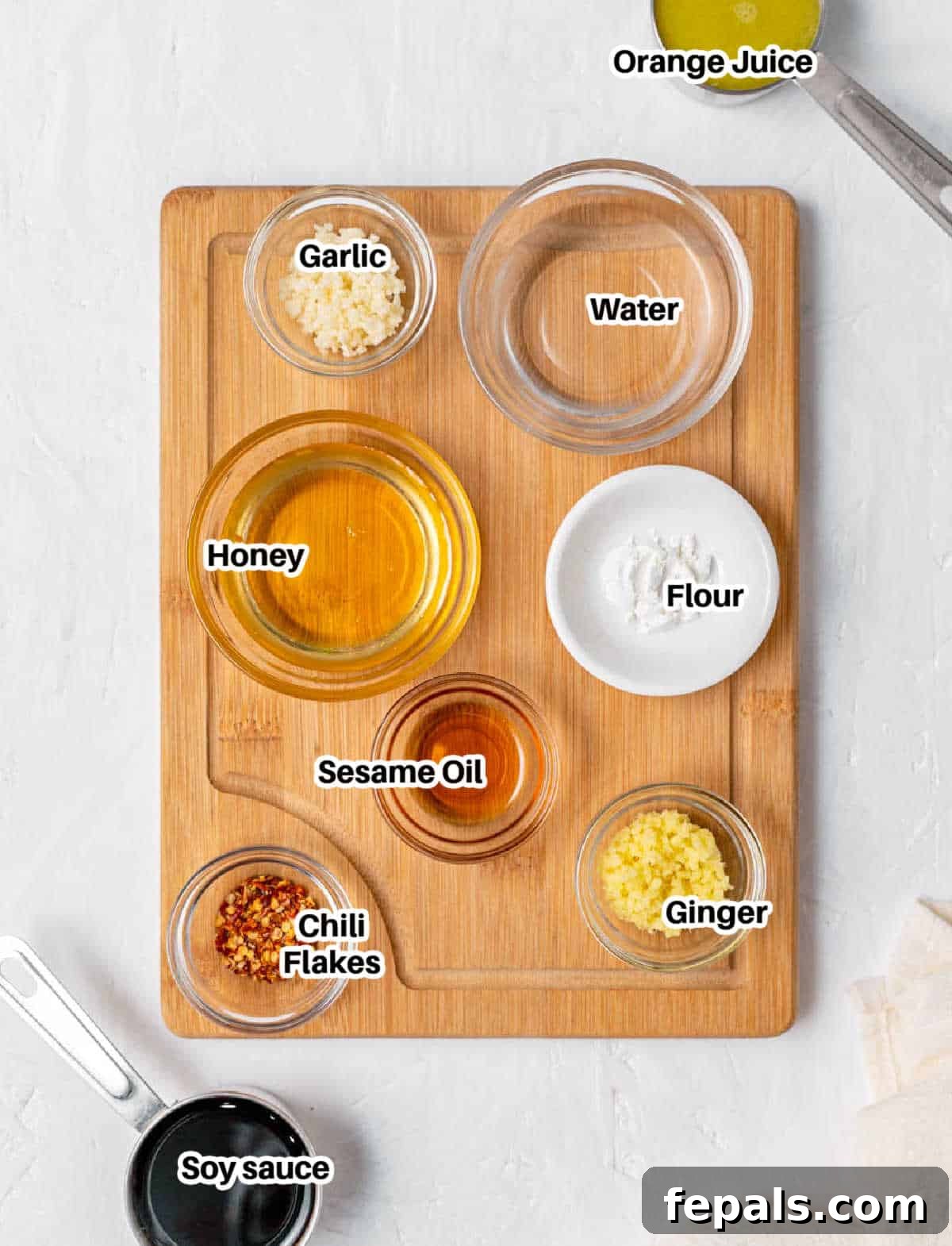
The beauty of this recipe lies in its simplicity and the power of a few key components:
- Low-Sodium Soy Sauce: This is the backbone of any good teriyaki. Opting for low-sodium helps control the overall saltiness, ensuring a balanced flavor without overwhelming your palate. For those avoiding gluten, tamari or shoyu are excellent gluten-free alternatives that offer a similar umami depth.
- Fresh Orange Juice: The natural acidity and subtle sweetness of fresh orange juice are crucial. It provides a bright counterpoint to the savory soy sauce and caramel notes of honey. While fresh-squeezed is always best for maximum flavor, a good quality, pulp-free store-bought orange juice can be used in a pinch.
- Honey: This provides the signature sweetness and helps create that desirable glossy glaze. Raw honey adds a lovely depth, but any honey will work beautifully. If you’re aiming for a vegan teriyaki sauce, pure maple syrup is a fantastic 1:1 substitute. Brown sugar is another readily available option that will lend a rich, molasses-like sweetness.
- Fresh Garlic Cloves: Garlic is non-negotiable for its pungent, aromatic foundation. Always opt for fresh cloves and mince them yourself. Pre-minced jarred garlic simply doesn’t deliver the same vibrant, fresh flavor.
- Fresh Ginger: This ingredient is where much of the authentic teriyaki flavor comes from. Freshly grated or minced ginger provides a warm, spicy, and zesty kick that ground ginger simply cannot replicate. The difference is truly remarkable, so make the effort for fresh ginger for the best possible outcome.
- Chili Flakes (Red Pepper Flakes): A modest teaspoon of chili flakes adds a gentle warmth and a hint of exciting spice without making the sauce overtly hot. It balances the sweetness beautifully. If you prefer a spicier sauce, feel free to increase the amount to your taste.
- Gluten-Free Flour (or alternative thickener): This is essential for achieving the perfect consistency. As the sauce simmers, the flour (or chosen alternative) helps it thicken into a rich, luscious glaze. Excellent substitutes include cornstarch, arrowroot powder, tapioca flour, or rice flour, all of which work effectively as thickening agents.
- Sesame Oil: A touch of toasted sesame oil adds a nutty, savory depth that is characteristic of many Asian dishes. A small amount goes a long way in enhancing the overall aroma and flavor of your teriyaki.
- Water: Used to adjust the sauce’s consistency and help dissolve the flour or cornstarch, ensuring a smooth texture.
Expert Tips for the Ultimate Homemade Teriyaki Sauce
Achieving restaurant-quality teriyaki sauce at home is easy with these simple tips:
- Prioritize Low-Sodium Soy Sauce: This is paramount to prevent your sauce from becoming excessively salty. It allows the other flavors to shine without being masked by sodium. If you only have regular soy sauce, consider diluting it slightly with a bit more water or reducing the total amount used.
- Always Grate Fresh Ginger: While ground ginger can be a fallback, fresh ginger offers an unparalleled bright, zesty, and spicy aroma that defines authentic teriyaki. Using a microplane grater makes this task quick and easy, yielding a potent burst of flavor.
- Simmer with Patience, Not Power: A gentle, consistent simmer is key for a smooth, evenly thickened sauce. Avoid bringing it to a rapid boil for an extended period, which can cause it to thicken too quickly or become lumpy. Stir continuously to prevent sticking and ensure even cooking.
- Taste and Adjust Sweetness: Everyone’s preference for sweetness varies. Taste the sauce as it simmers and add more honey or your chosen sweetener (brown sugar, maple syrup) if you desire a sweeter profile. Remember, you can always add more, but you can’t take it away!
- Allow for Cooling Time: Teriyaki sauce, like many sauces, will thicken further as it cools. Don’t be alarmed if it seems a little thinner than desired while hot. Remove it from the heat once it reaches a slightly thinner consistency than your target, and it will set up perfectly as it cools.
- Fine-Tune Thickness: If your sauce ends up too thick, simply whisk in a tablespoon of water or orange juice at a time until it reaches your desired consistency. If it’s too thin, simmer for a few more minutes, stirring often, or make a slurry of a tiny bit more flour/cornstarch with water and whisk it in.
Crafting Your Homemade Teriyaki Sauce: A Step-by-Step Guide
Making this incredible sauce is surprisingly straightforward. Follow these steps for a perfect batch every time:
-
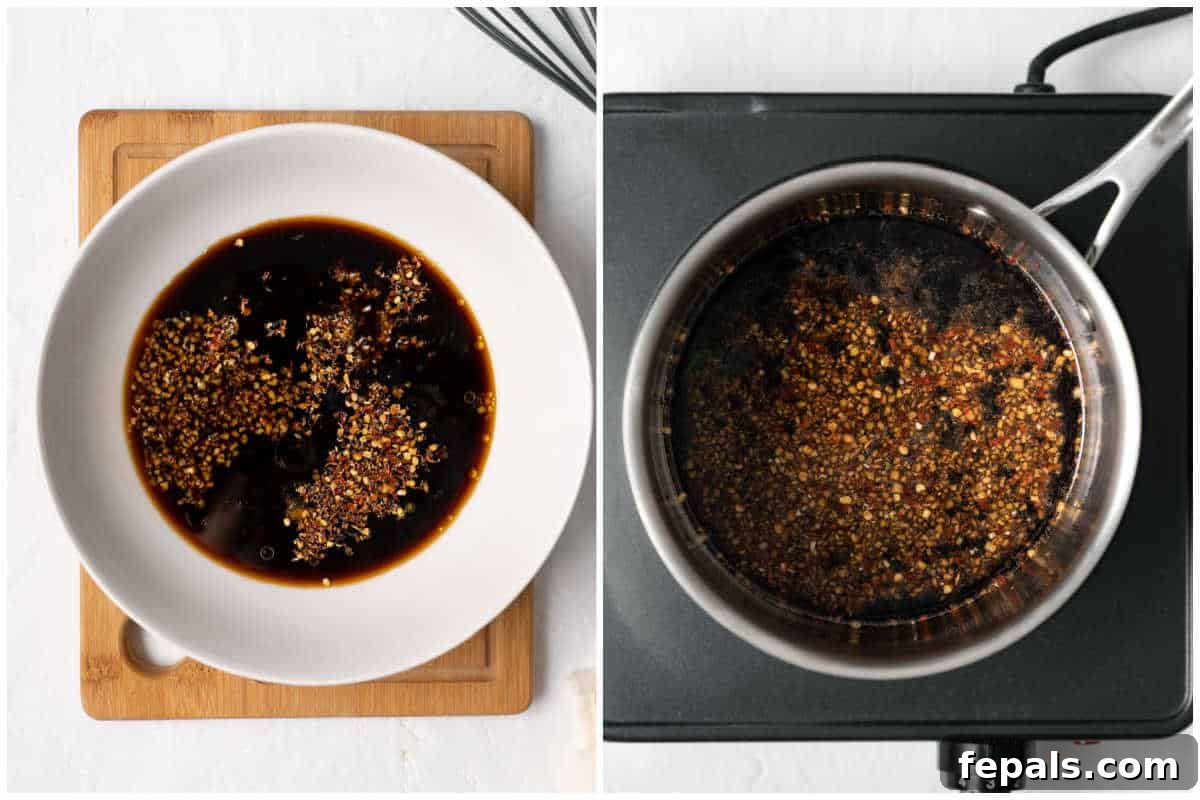
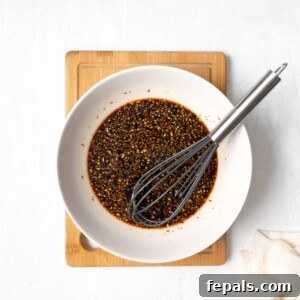
Combine Ingredients: In a small pot or saucepan, combine all your ingredients: low-sodium soy sauce, fresh orange juice, sesame oil, water, honey (or brown sugar/maple syrup), minced garlic, freshly grated ginger, chili flakes, and gluten-free flour (or cornstarch/arrowroot). Whisk vigorously until the flour is completely dissolved and no lumps remain. This ensures a smooth sauce free of powdery pockets.

Whisk all ingredients together thoroughly before heating. -
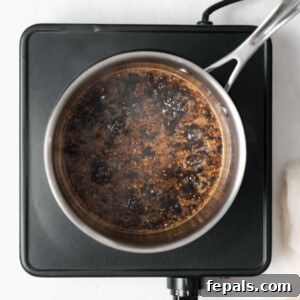
Bring to a Gentle Boil: Place the pot on the stovetop over medium heat. Bring the mixture to a gentle boil, stirring constantly with a whisk to prevent any scorching or clumping. The sauce will begin to bubble slightly around the edges.
Maintain a gentle simmer, stirring frequently, to achieve the desired thickness. -
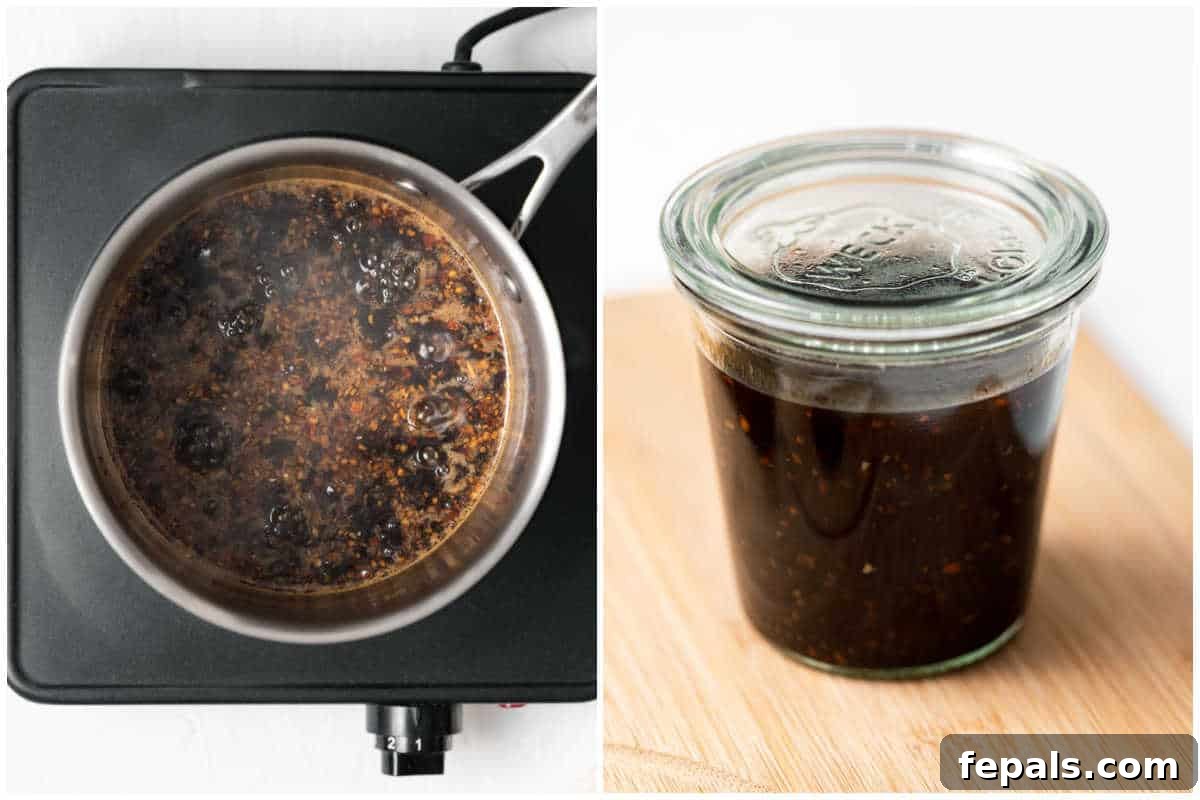
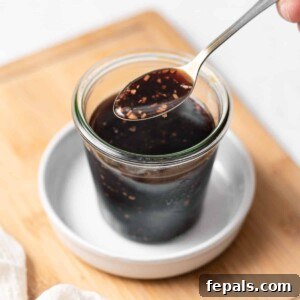
Simmer and Thicken: Once boiling, reduce the heat to a low simmer. Continue to stir regularly, allowing the sauce to gently thicken over 3-5 minutes. The consistency will transform from watery to a desirable syrupy glaze. Keep a close eye on it, as it can thicken quickly.
-
Serve or Store: Once the sauce has reached your preferred thickness (remember it will thicken more as it cools), remove it from the heat. Use it immediately to glaze your favorite proteins or vegetables, or allow it to cool completely before transferring it to an airtight container or jar for storage.
Common Questions About Homemade Teriyaki Sauce
When stored in an airtight container or jar in the refrigerator, your homemade teriyaki sauce will stay fresh for up to 10 days. Always give it a good shake or stir before using, as some separation or thickening can occur during storage.
Yes, absolutely! Freezing is a great way to extend the shelf life of your teriyaki sauce. This recipe typically yields around 3/4 cup of sauce, which might be used up quickly. However, if you make a larger batch or want individual portions, an ice cube tray is your best friend. Simply pour the cooled sauce into the tray, freeze until solid, then transfer the cubes to a freezer-safe bag or container. You can then thaw only the amount you need for a single meal, making it incredibly convenient. Frozen teriyaki sauce can last for up to 3 months.
Indeed! This teriyaki sauce makes a phenomenal marinade. Its blend of sweet, savory, and acidic notes tenderizes meats beautifully while infusing them with rich flavor. If you plan to use it both as a marinade and a finishing glaze, remember to set aside a portion of the *unmarinated* sauce before adding your protein to prevent cross-contamination.
The most common reason for an overly thick sauce is simmering it for too long or at too high a heat. The flour or cornstarch will rapidly thicken the liquid. Don’t worry, it’s an easy fix! Simply whisk in a splash of water, orange juice, or even a little broth (about a tablespoon at a time) until you achieve your desired, smoother consistency.
If your sauce is too thin after simmering, you can easily thicken it further. Create a small slurry by whisking together ½ teaspoon of gluten-free flour or cornstarch with 1 tablespoon of cold water. Slowly whisk this mixture into your simmering teriyaki sauce and continue to cook for another 1-2 minutes until it reaches your desired thickness. Be sure to stir constantly to avoid lumps.
Delicious Variations to Customize Your Teriyaki Sauce
One of the best aspects of homemade sauce is the ability to tailor it to your dietary needs and taste preferences:
- Make it Vegan: The only non-vegan ingredient in the base recipe is honey. Simply swap out the honey for an equal amount of pure maple syrup or agave nectar, and your teriyaki sauce becomes completely plant-based and incredibly delicious.
- Go Gluten-Free: Traditional soy sauce contains wheat, meaning it’s not naturally gluten-free. To make this sauce safe for gluten-sensitive individuals, use a certified gluten-free tamari or shoyu. Both are soy-based and offer a similar savory flavor profile without the gluten. Ensure all other ingredients, like thickeners, are also certified gluten-free.
- Amp Up the Spice: If you love a fiery kick, the chili flakes are your friend. The recipe calls for 1 teaspoon, which provides a mild warmth. Feel free to double or even triple the amount for a bolder heat. For an extra layer of spice, you could also add a dash of sriracha or a pinch of finely minced fresh red chilies during the simmering process.
- Pineapple Power: For a tropical twist, replace half of the fresh orange juice with unsweetened pineapple juice. The pineapple’s enzymes can also help tenderize marinades even further, adding a bright, tangy sweetness that pairs wonderfully with the savory notes.
- Citrus Boost: Experiment with other citrus juices. A squeeze of fresh lime juice can add a different kind of brightness, or a combination of orange and lemon juice for a more complex citrus profile.
- Garlic & Ginger Intensity: If you’re a big fan of garlic and ginger, don’t hesitate to increase their quantities. Adding an extra clove of garlic or another half tablespoon of grated ginger will create a more pronounced aromatic depth.
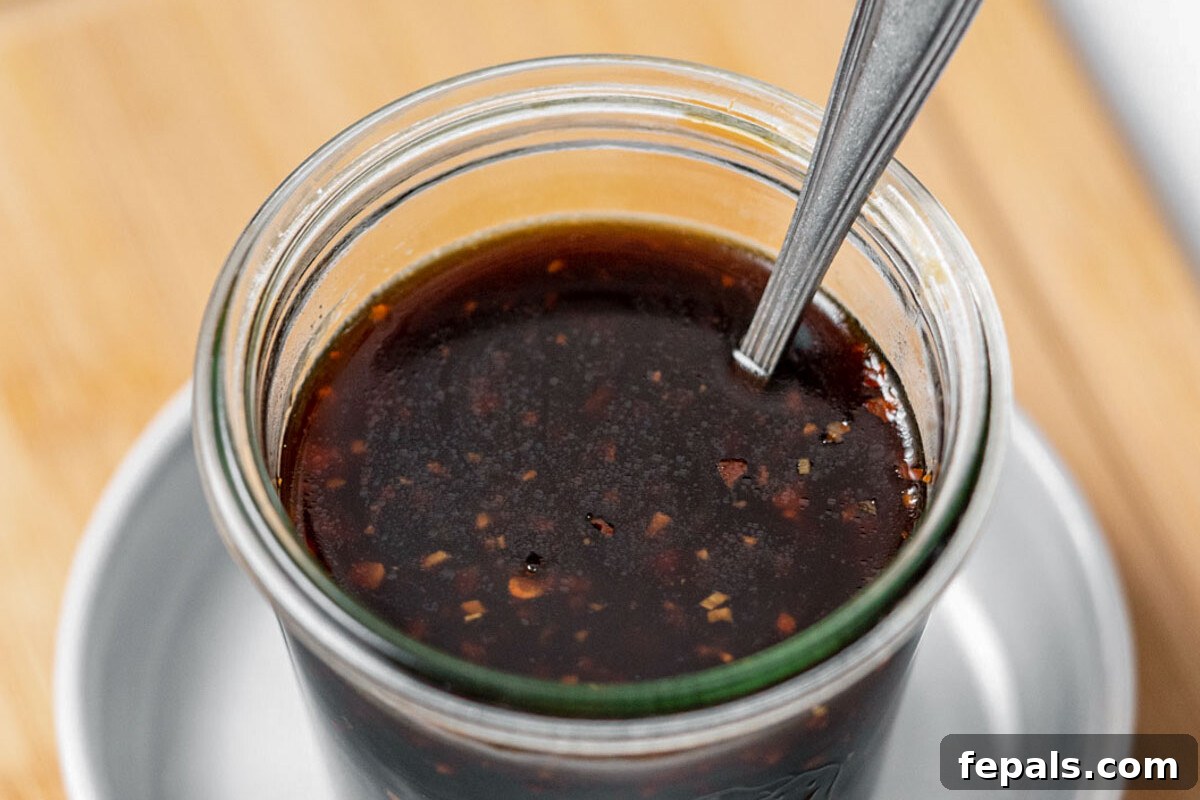
Smart Storage for Your Homemade Teriyaki Sauce
Proper storage ensures your delicious homemade sauce stays fresh and ready for your next culinary adventure:
- Refrigeration is Key: Store your cooled teriyaki sauce in a clean, airtight container or a tightly sealed jar in the refrigerator. It will keep well for up to 10 days.
- Shake Before Use: It’s natural for the sauce to thicken slightly or for ingredients to settle as it sits in the fridge. Always give it a good shake or a quick stir before each use to restore its smooth consistency and evenly distribute the flavors.
- Freezing for Longer Shelf Life: For longer storage, freeze the sauce as detailed in the FAQ section. This extends its life significantly, allowing you to have homemade teriyaki on hand whenever a craving strikes.
Endless Culinary Possibilities: How to Use Your Homemade Teriyaki Sauce
This versatile teriyaki sauce is so much more than just a stir-fry condiment. Its sweet and savory profile makes it suitable for a wide array of dishes. Get creative in the kitchen with these ideas:
- Marinade Marvel: Use it to marinate chicken breasts, salmon fillets, beef strips, or tofu for at least 30 minutes (or up to several hours for deeper flavor). It tenderizes and infuses incredible taste before grilling, baking, or pan-frying.
- Glossy Glaze: Brush it over grilled chicken, baked salmon, roasted pork loin, or even vegetables like asparagus and broccoli during the last few minutes of cooking. The sauce will caramelize beautifully, creating a shiny, flavorful coating.
- Stir-Fry Star: This is its classic role! Add it to your favorite vegetable and protein stir-fries during the last few minutes of cooking to coat everything in rich, savory goodness.
- Flavorful Dressing: Drizzle it over rice bowls, quinoa salads, or a simple plate of steamed vegetables for an instant flavor boost.
- Dipping Delight: Serve it on the side as a dipping sauce for spring rolls, dumplings, chicken nuggets, or grilled skewers.
- Sandwich & Wrap Spread: Brush a thin layer inside wraps or sandwiches that feature grilled chicken or crispy tofu for an unexpected burst of flavor.
- Noodle & Rice Enhancer: Toss cooked noodles or rice with a bit of teriyaki sauce and some fresh veggies for a quick and satisfying meal.
Here are a few specific recipes where this homemade teriyaki sauce truly shines:
- Baked Teriyaki Salmon
- Teriyaki Chicken Meal Prep Bowl Recipe
- Teriyaki Chicken Stir-fry
Explore More Homemade Sauce Creations
Once you discover the ease and superior flavor of homemade teriyaki, you’ll be inspired to create other staple sauces from scratch. Here are a few more homemade sauce recipes to try:
- Thai Peanut Dressing
- Homemade Buffalo Sauce
- Homemade BBQ Sauce
- Homemade Marinara Sauce

Get My Free eBook!
Download my exclusive free eBook featuring 20 of my top 30-minute, family-friendly healthy dinner recipes. Simplify your meal planning and enjoy nutritious meals everyone will love!
Enter your email to receive your free copy instantly.
Thank you for visiting and giving one of my recipes a try. Your feedback is incredibly valuable! If you enjoyed making this homemade teriyaki sauce, please consider leaving a rating and sharing your thoughts in the comments section below. I love hearing about your culinary experiences and it truly helps others discover these delicious recipes.
Homemade Teriyaki Sauce
Skill Level: Beginner
Servings: 6-8
Cook: 5 mins
Total: 10 mins
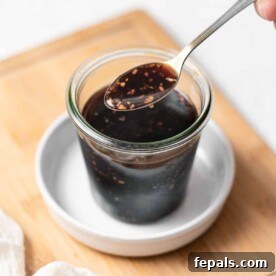
Craft your own irresistible homemade teriyaki sauce with everyday ingredients. Skip the store-bought bottles and enjoy a fresher, less salty version in under 10 minutes!
Ingredients
- ⅓ cup low-sodium soy sauce (or tamari/shoyu for gluten-free)
- ¼ cup fresh orange juice
- 1 teaspoon sesame oil
- 2-3 tablespoons water
- 3 tablespoons honey (or maple syrup/brown sugar for vegan/alternative)
- 2 cloves garlic, minced
- 1 tablespoon fresh ginger, grated or minced
- 1 teaspoon chili flakes (or to taste, for desired spice level)
- ½ tablespoon gluten-free flour (or cornstarch/arrowroot powder for thickening)
Instructions
-
Combine all ingredients in a small pot or saucepan. Whisk thoroughly until the flour (or chosen thickener) is completely mixed in and no lumps remain. This ensures a smooth base for your sauce.
-
Bring the sauce to a boil over medium heat on the stovetop. Once it reaches a boil, reduce the heat to a gentle simmer. Continue stirring throughout to prevent sticking and encourage even thickening.
-
Simmer until thickened. Continue to simmer the teriyaki sauce for 3-5 minutes, stirring occasionally, until it reaches your desired thickness. Remember, it will thicken further as it cools.
-
Serve or store. Use your freshly made teriyaki sauce immediately as a glaze, marinade, or stir-fry sauce. Alternatively, let it cool completely before transferring to a lidded jar and storing in the fridge for later use.
Notes
- If you are using this sauce primarily as a marinade, you can omit the gluten-free flour or cornstarch, as thickening is less crucial for a marinade.
- This recipe yields approximately ¾ cup of homemade teriyaki sauce.
- A serving size is typically 2 tablespoons, but adjust according to your dish and preference.
- For dietary restrictions, always use low-sodium soy sauce for lower sodium levels, or opt for tamari for a certified gluten-free alternative.
Nutrition Information
Calories: 56 kcal
Carbohydrates: 12 g
Protein: 2 g
Fat: 1 g
Saturated Fat: 0.1 g
Polyunsaturated Fat: 0.3 g
Monounsaturated Fat: 0.3 g
Sodium: 517 mg
Potassium: 91 mg
Fiber: 0.4 g
Sugar: 10 g
Vitamin A: 120 IU
Vitamin C: 6 mg
Calcium: 10 mg
Iron: 0.4 mg
Nutrition information is an approximation calculated automatically and should be used as a general guide.
Additional Info
Cuisine: Asian
Tried this recipe?
Share your creations on Instagram! Mention @healthyfitnessmeals or tag #healthyfitnessmeals. We love seeing your delicious results!