
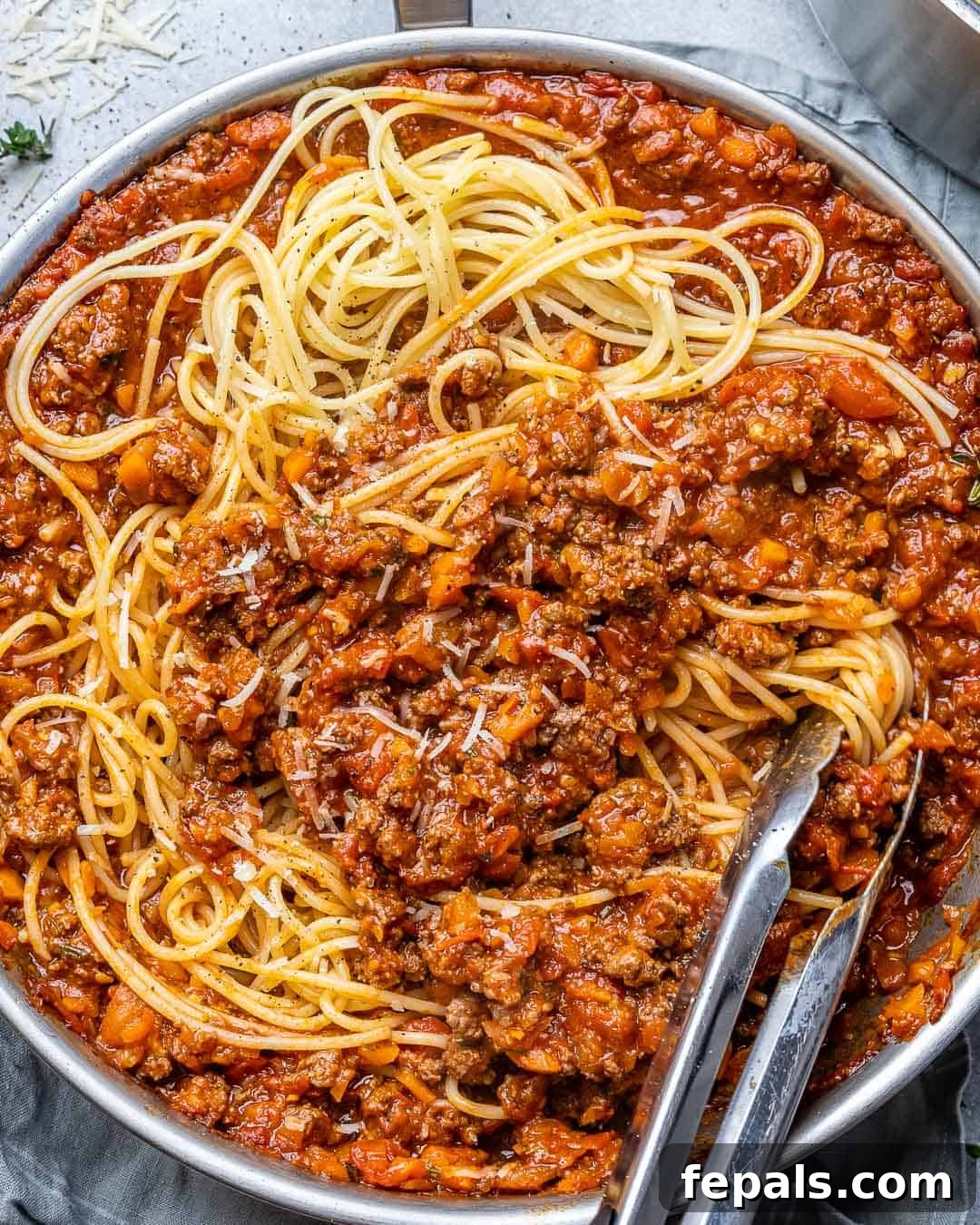
There are few dishes that evoke the comforting embrace of home quite like a rich, simmering pot of Bolognese sauce. This authentic beef Bolognese sauce recipe is more than just a meal; it’s an experience, a journey into the heart of Italian culinary tradition. Hearty, meaty, and packed with an incredible depth of flavor, it transforms simple ingredients into a dish that feels like a warm hug in a bowl. You’re going to want to add this to your weekly rotation, not just for its irresistible taste but also for its surprisingly straightforward preparation, making it a perfect weeknight dinner that the entire family will adore.
While you’re exploring delightful sauces, you might also enjoy discovering the vibrant flavors of my In-N-Out sauce or the fresh, herbaceous notes of my homemade pesto sauce.
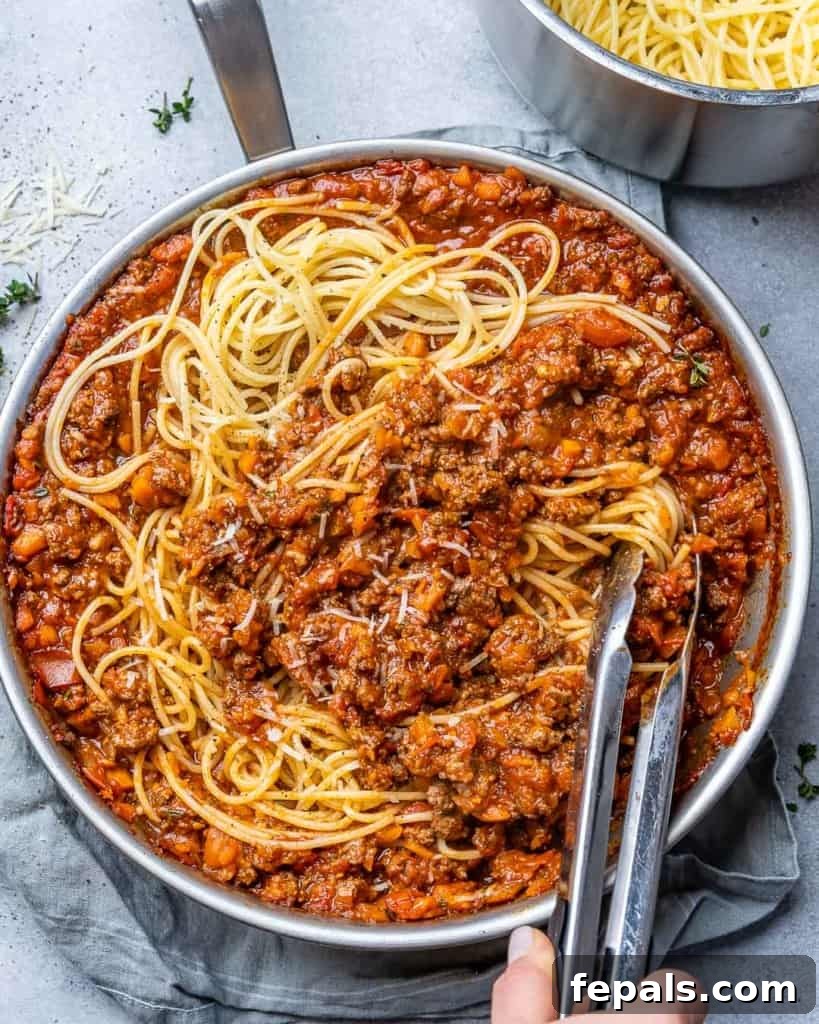
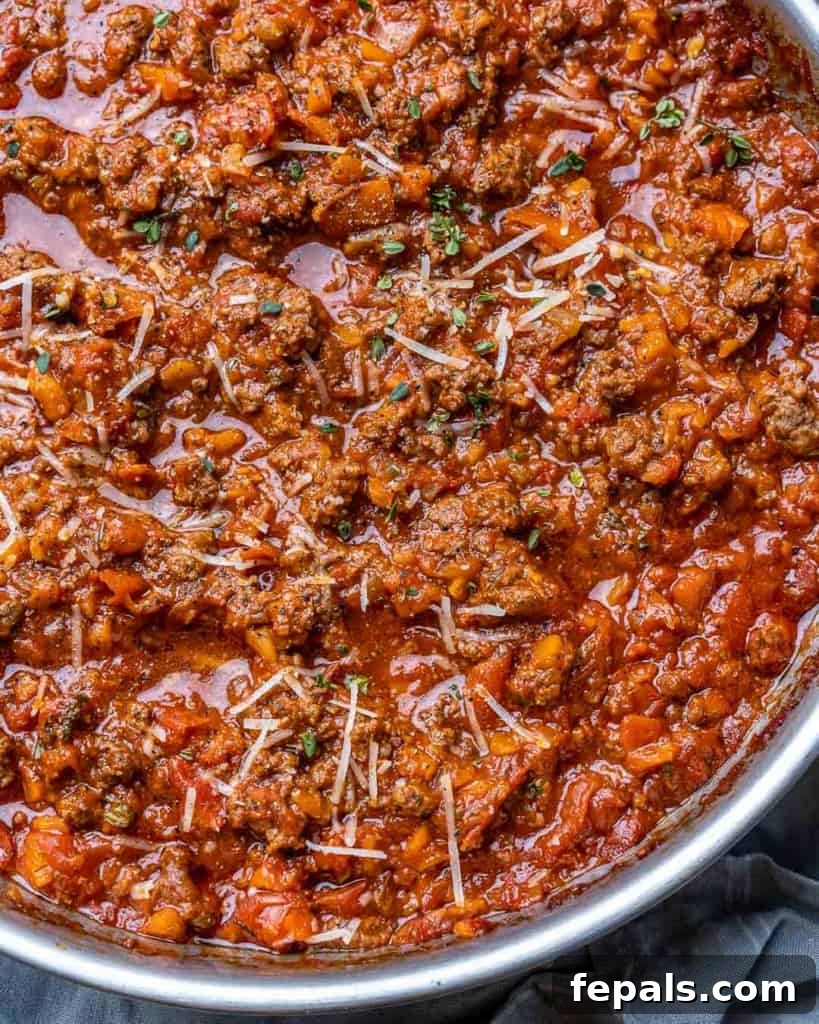
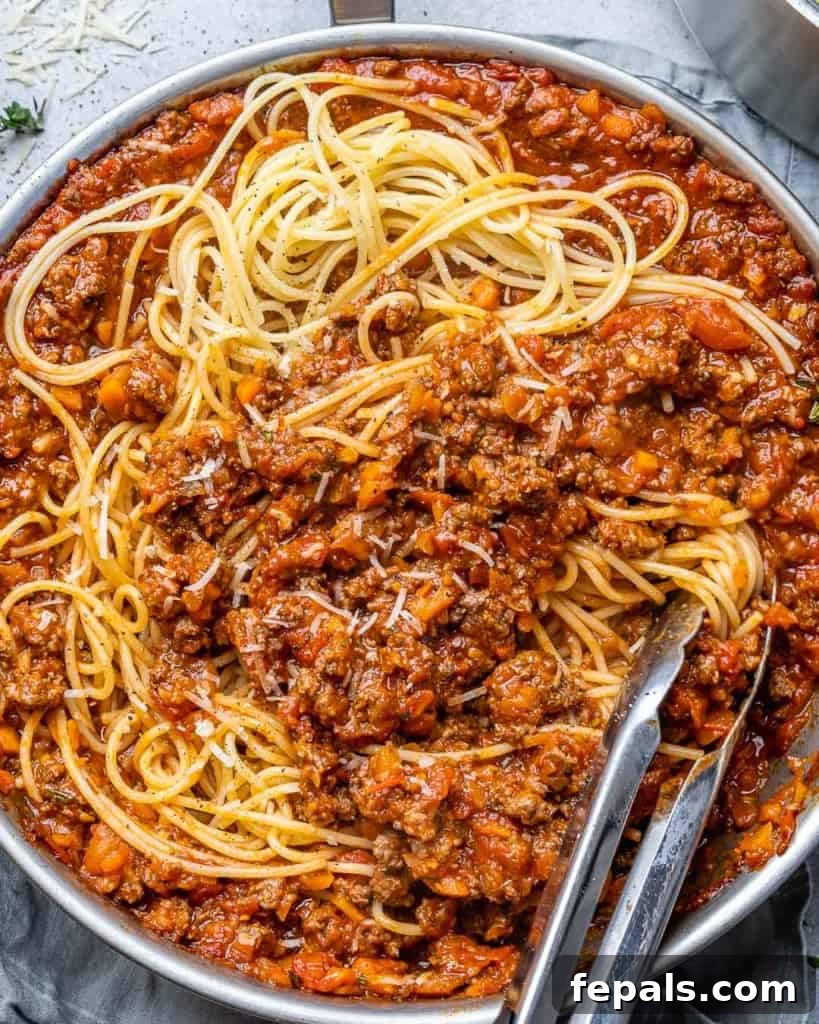
Let’s return to the fundamentals with this classic spaghetti bolognese sauce recipe. What truly sets this beef Bolognese apart is its incredible richness and thickness, which, when lovingly coated over perfectly cooked pasta, creates a deeply satisfying meal that warms you from the inside out. Don’t be deterred by the cooking time; while it requires a patient simmer, the process itself is not complicated. The magic happens during that extended simmer on the stovetop, allowing all the flavors to deepen and meld into something truly extraordinary. Apart from an occasional stir, your hands-on time is minimal, making it an ideal weekend project or a make-ahead meal.
My kids adore this Bolognese sauce so much that it’s a regular feature on our family menu, appearing 2-3 times a month. Its robust flavor and inherent comfort make it a beloved dish that never fails to bring smiles to the dinner table. It’s the kind of meal that fosters conversation and creates lasting memories, a testament to the power of simple, well-made food.
Why You’ll Fall in Love with This Bolognese Sauce
- Uncomplicated Excellence: There’s an elegance in simplicity, and this Bolognese recipe embodies it. The process is straightforward: you sauté your aromatic vegetables, brown your meat, and then let it gently simmer for an hour (or more!). Most of the active work is done early on, leaving you free to enjoy the developing aromas.
- A True Comfort Classic: Nothing beats a warm, savory beef Bolognese sauce draped over your favorite pasta, especially during cooler seasons. It’s the quintessential cozy meal, delivering profound satisfaction with every forkful.
- Customizable and Versatile: While we stick to a classic beef version, Bolognese is wonderfully adaptable. You can easily adjust the herbs, spices, or even add a splash of wine or milk for a different nuance. It pairs beautifully with almost any pasta shape, from traditional spaghetti to wider tagliatelle or even short pasta like rigatoni.
- Freezer-Friendly & Perfect for Meal Prep: Given the simmering time, it’s smart to make a double batch. Bolognese freezes beautifully, allowing you to enjoy a delicious, homemade meal with minimal effort on busy days. You’re already investing the time, so why not double your bounty and save yourself future cooking?
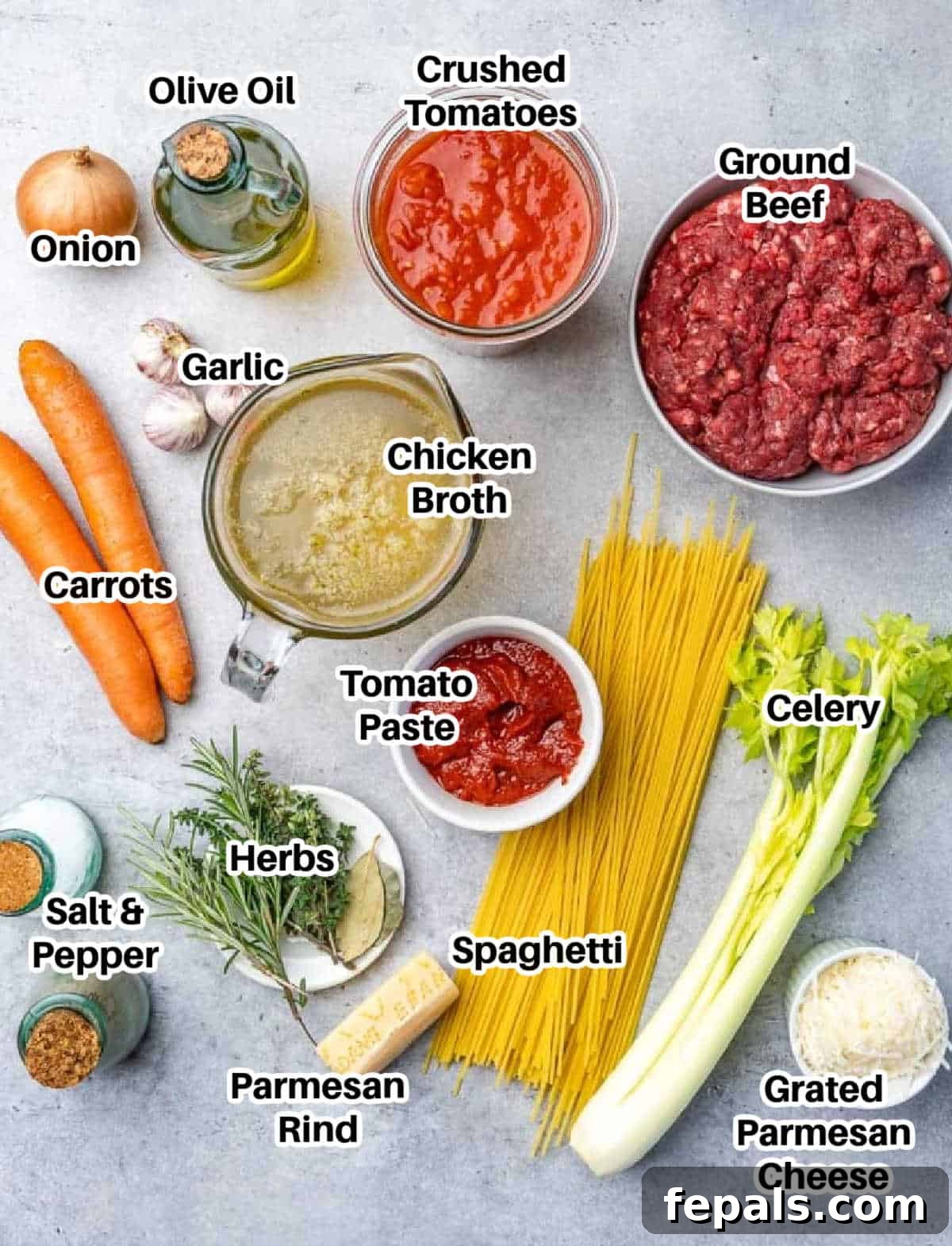
Essential Ingredients for an Authentic Bolognese
Crafting a truly exceptional Bolognese begins with selecting quality ingredients. Each component plays a vital role in building the sauce’s complex and harmonious flavor profile:
- Carrots: Peeled and roughly chopped to a similar size, these provide a crucial sweetness that balances the acidity of the tomatoes and the richness of the meat. They form part of the traditional Italian “soffritto.”
- Celery: Roughly chopped to match the other vegetables, celery adds an earthy, savory, and slightly peppery note, completing the classic soffritto base.
- Onion: A large yellow onion, roughly chopped, provides the aromatic foundation, lending sharpness and depth to the sauce.
- Garlic: Fresh garlic cloves, minced, are essential for that pungent, aromatic kick that elevates almost any savory dish.
- Olive Oil: A good quality extra virgin olive oil is the starting point for sautéing your aromatics and browning the meat, infusing a delicate fruity note.
- Kosher Salt & Ground Black Pepper: Fundamental seasonings that enhance all other flavors. Adjust to your personal taste throughout the cooking process.
- Lean Ground Beef: We recommend a lean ground beef (e.g., 90/10) to achieve a hearty sauce without excessive grease. The fat content helps carry flavor, but too much can make the sauce oily.
- Tomato Paste: This concentrated form of tomato provides intense umami and a deeper, richer tomato flavor when caramelized during cooking.
- Crushed Tomatoes: The body of your sauce comes from high-quality crushed tomatoes. Look for brands with minimal additives for the purest flavor.
- Low-Sodium Chicken Broth: The primary liquid that tenderizes the meat and allows the flavors to meld during simmering. Beef broth will also work beautifully, adding more depth, or vegetable broth for a lighter touch.
- Herbs: Fresh rosemary, thyme, and bay leaves are the aromatic backbone, imparting fragrant, woody, and earthy notes that are characteristic of traditional Bolognese.
- Parmesan Rind: A true secret weapon! While inedible, simmering a parmesan rind in your sauce releases an incredible depth of salty, savory umami that transforms the entire dish.
- Grated Parmesan: Essential for finishing the dish, providing a salty, nutty, cheesy flourish that complements the rich sauce.
- Pasta: Use whatever pasta shape you like best! While spaghetti is common, broader pasta like tagliatelle or pappardelle, or even tubular shapes, hold the rich sauce beautifully.
Step-by-Step Guide to Crafting the Perfect Homemade Bolognese Sauce
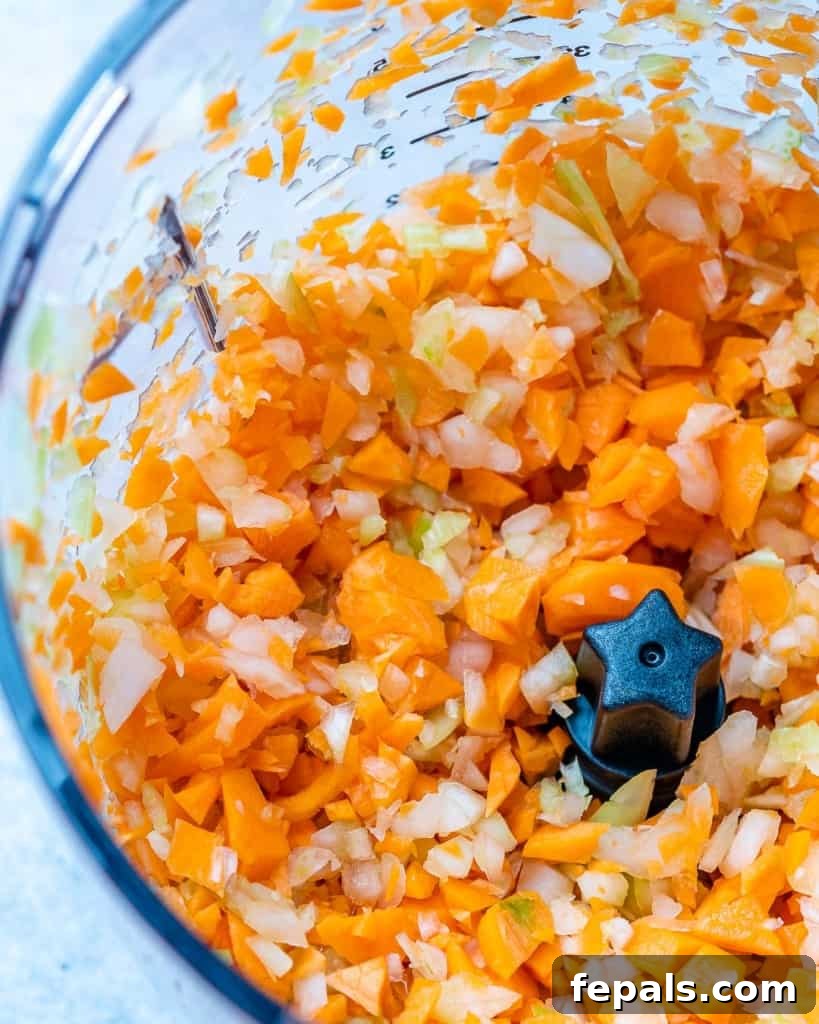
- 1. Chop Your Vegetables (Soffritto): The foundation of any great Bolognese is the soffritto. Place the carrots, celery, onion, and garlic cloves in a food processor. Pulse a few times until they are finely chopped to a consistent texture. This ensures they cook evenly and release maximum flavor. If you don’t have a food processor, finely dicing them by hand will also work – patience here is key for a smooth sauce.
- 2. Sauté Aromatics: Next, heat 2 tablespoons of olive oil in a large, heavy-bottomed pot or Dutch oven over medium heat. Add the finely chopped vegetables and sauté, stirring occasionally, for 3-4 minutes, or until they have softened and become fragrant. Their aromas will start to fill your kitchen, signaling the beginning of something delicious.
- 3. Brown Your Meat: Push the softened vegetables to the sides of the pan, creating a clear space in the middle. Add the lean ground beef to this cleared section. Season generously with kosher salt and freshly ground black pepper. Allow the meat to cook undisturbed for 3-4 minutes until it develops a beautiful golden crust on the bottom. This browning step is crucial for building deep, savory flavors (the Maillard reaction!).
- 4. Combine and Cook: Using a wooden spatula or spoon, begin to break up the browned meat, mincing it as you stir. Now, combine the meat with the sautéed vegetables, mixing thoroughly. Continue to cook for another 8-10 minutes, ensuring the beef is fully browned and no pink remains. If there’s excessive rendered fat, you can carefully drain a portion of it, though with lean beef, this is often unnecessary.
- 5. Build the Sauce Base: Add the tomato paste to the pot. Stir it into the meat and vegetable mixture, cooking for about 1-2 minutes until it darkens slightly. This caramelizes the paste, intensifying its flavor. Then, pour in the crushed tomatoes and the low-sodium chicken broth. Mix well to combine all ingredients, scraping any delicious browned bits from the bottom of the pan.
- 6. Infuse with Herbs and Parmesan: Stir in the fresh rosemary sprigs, picked thyme leaves, and the bay leaves. For an incredible boost of umami and depth, add the parmesan rind to the sauce. It will slowly release its savory goodness as it simmers, enhancing the overall flavor profile.
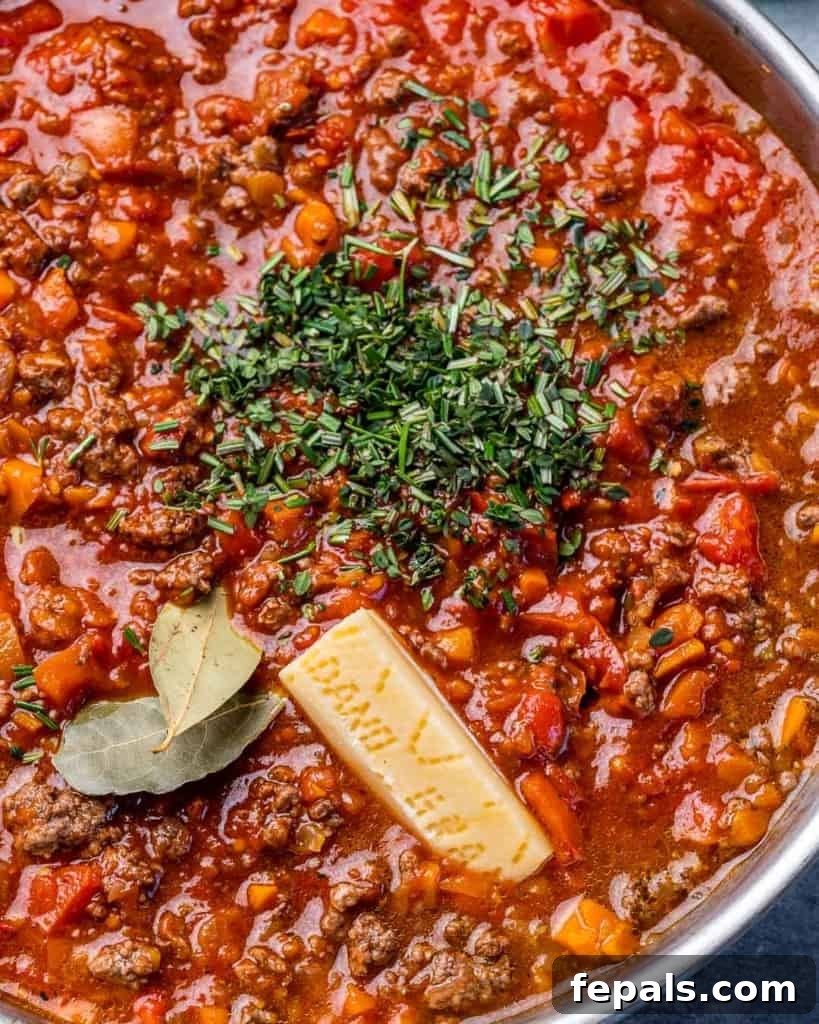
- 7. Simmer to Perfection: Reduce the heat to low and partially cover the pan. Allow the Bolognese sauce to simmer gently, stirring occasionally, for at least 60 minutes. This extended simmering time is where the magic truly happens, allowing all the individual flavors to meld, deepen, and create a truly cohesive and rich sauce. The longer it simmers, the more complex the flavor becomes.
- 8. Cook the Pasta: Just before the sauce is ready (around 10-15 minutes before the end of the simmer), bring a large pot of generously salted water to a rolling boil. Cook your chosen pasta according to the package instructions until it is al dente (firm to the bite). Before draining, remember to reserve about 2/3 cup of the starchy pasta water – this will be essential for creating a beautifully emulsified sauce later.
- 9. Remove Aromatics: Once the sauce has finished simmering, carefully remove and discard the bay leaves and the parmesan rind from the sauce. Their flavor has been fully extracted, and they are not meant to be eaten.
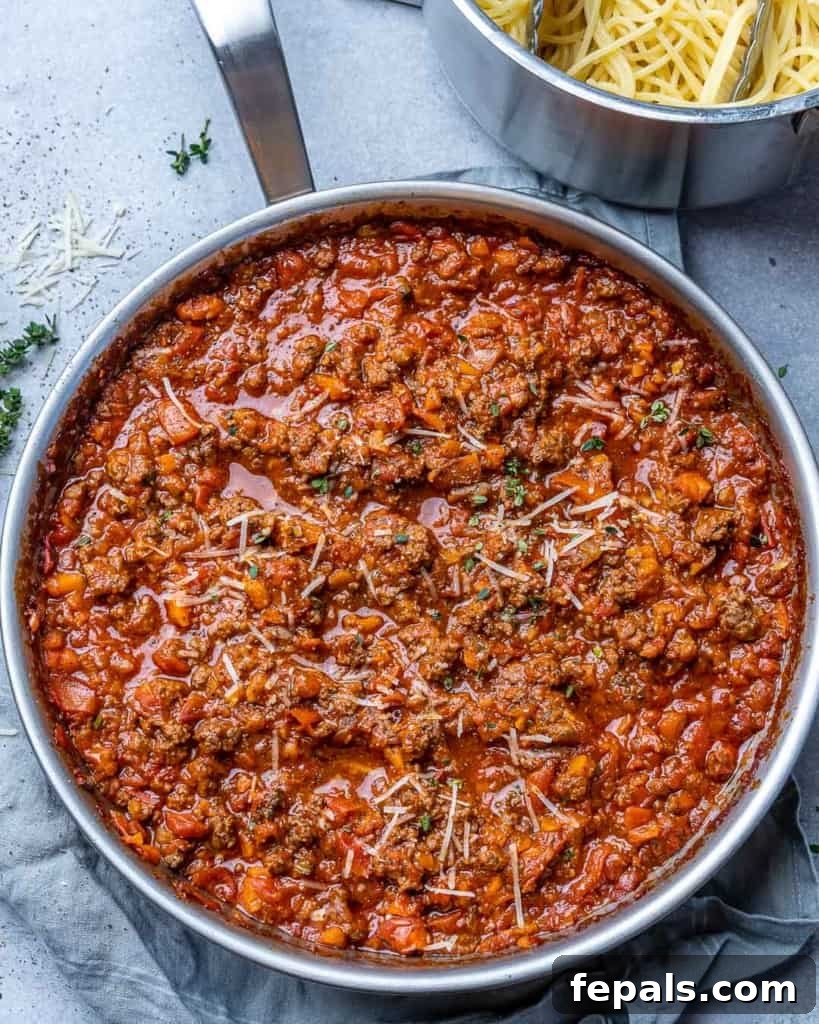
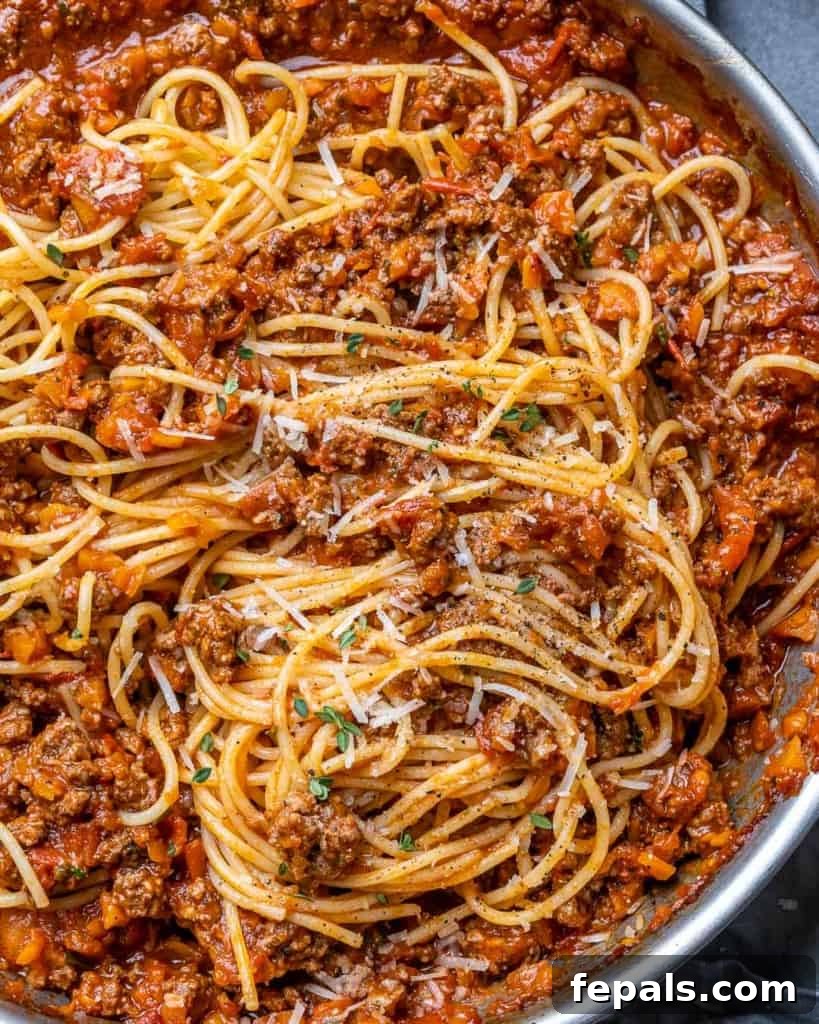
- 10. Combine with Pasta: While the sauce is still warm on the heat, add the cooked pasta directly into the pot with the Bolognese sauce. Pour in the reserved starchy pasta water and sprinkle in the 1/2 cup of grated Parmesan cheese. Toss everything well to combine, ensuring every strand or piece of pasta is beautifully coated with the rich, flavorful sauce. The starchy water helps to emulsify the sauce, making it cling better to the pasta.
- 11. Serve Immediately: Turn off the heat and divide the Bolognese pasta into serving bowls. For an extra touch of indulgence and flavor, garnish with additional grated Parmesan, a fresh crack of ground black pepper, and perhaps a sprinkle of fresh parsley or basil if desired. Serve immediately and enjoy the fruits of your labor!
Expert Tips for Your Best Bolognese
- Choose Lean Meat: For a hearty yet not overly greasy sauce, opt for the leanest ground beef available (90/10 or even 93/7). If using a higher fat content, remember to drain off any excess grease after browning the meat.
- Versatile Oil: While olive oil is traditional, any neutral cooking oil like avocado oil, grapeseed oil, or vegetable oil will work equally well for sautéing your aromatics.
- Broth Options: Our recipe calls for chicken broth, but feel free to substitute with beef broth for a more intense, beefy flavor, or vegetable broth for a slightly lighter touch.
- Pasta Pairings: Don’t limit yourself to spaghetti! Bolognese is fantastic with a variety of pasta shapes. Broader noodles like tagliatelle or pappardelle are excellent for clinging to the rich sauce. For a low-carb alternative, serve your beef Bolognese with zucchini noodles (zoodles). Check out our post on how to make zoodles for guidance.
- Embrace the Mirepoix: Never be tempted to skip any of the vegetables in the soffritto. Carrots contribute a crucial sweetness, onions add foundational sharpness, and celery provides a distinct savory component. Together, they create a balanced and complex flavor base.
- The Parmesan Rind Secret: This is a game-changer! While it’s too tough to eat, a parmesan rind adds an incredible depth of umami and saltiness to the sauce as it simmers. Remember to fish it out before serving.
- Rind Substitutes: If you don’t have a parmesan rind, Pecorino Romano or Gruyère rinds can offer similar savory benefits. Just be mindful that Pecorino is saltier, so adjust seasoning accordingly.
- Garlic Alternatives: Fresh garlic is always preferred, but if you’re in a pinch, you can substitute it with one tablespoon of garlic powder for approximately 3-4 cloves of fresh garlic.
- Patience with Simmering: The most important tip for an exceptional Bolognese is to allow it the full recommended simmering time. This duration is crucial for the flavors to fully develop, meld, and deepen, resulting in a truly rich and satisfying sauce.
- Gluten-Free Adaptation: To make this Bolognese sauce recipe completely gluten-free, simply ensure you use a certified gluten-free pasta or opt to serve the delicious sauce over zoodles or cauliflower rice.
- Add a Splash of Wine: For an even more complex flavor profile, consider adding about 1/2 cup of dry red wine (such as Chianti, Merlot, or Pinot Noir) after browning the meat and before adding the tomato paste. Let it simmer until almost completely evaporated, scraping up any browned bits from the bottom of the pan, before proceeding with the recipe.
- The Creamy Touch: A classic Northern Italian touch involves stirring in about 1/4 to 1/2 cup of whole milk or heavy cream during the last 15-20 minutes of simmering. This addition yields a slightly milder, richer, and creamier sauce.
Frequently Asked Questions About Bolognese
Proper storage is key to enjoying your delicious leftovers. You can store your leftover pasta Bolognese in an airtight container in the fridge for up to 4 days. For convenient meal prep, portion it out into individual meal prep containers once it has fully cooled, making it easy to grab and reheat throughout the week.
Absolutely! Bolognese sauce freezes exceptionally well. Once your beef Bolognese sauce has cooled completely, transfer it into airtight freezer bags or containers. For freezer bags, flatten them into a thin layer after squeezing out the air to allow for easier storage and quicker thawing. When stored correctly, Bolognese sauce can be frozen and maintained for up to 5 months, making it a fantastic make-ahead option.
There are a couple of excellent ways to reheat your leftover Bolognese. If it’s frozen, allow it to thaw in the fridge overnight first. For stovetop reheating, place the sauce in a saucepan over medium-low heat, stirring occasionally until it’s warmed through. You can also reheat it in the microwave in 1-minute intervals, stirring between each interval, until it reaches your desired temperature.
To achieve a thicker Bolognese sauce, we prefer to simply allow it to simmer longer uncovered. This allows more of the liquid to evaporate naturally, resulting in a rich, concentrated, and thicker sauce. While a slurry of about a teaspoon of cornstarch mixed in cold water is an option if you’re in a rush, the natural reduction method offers superior flavor depth.
Bolognese sauce, known in Italy as ragù alla bolognese, originated in Bologna, a city in the Emilia-Romagna region of Italy. The earliest documented recipe dates back to the late 18th century. Traditional Bolognese is a slow-cooked meat sauce, often made with a mix of beef and pork, a small amount of tomatoes, and typically includes milk or cream, and a soffritto base.
Absolutely! While traditionally meat-based, a delicious vegetarian Bolognese can be made by substituting the ground beef with finely chopped mushrooms, lentils, or a plant-based ground meat alternative. Ensure your broth is vegetable-based and consider adding extra umami ingredients like miso paste or a touch of soy sauce to enhance the savory depth.
Streamlined Bolognese: Instant Pot Method
For those times when you crave rich Bolognese but are short on time, the Instant Pot offers a fantastic way to achieve deep flavor in a fraction of the traditional simmering time:
- 1. Sauté Vegetables: First, turn on your Instant Pot to the “Sauté” mode. Add the olive oil into the pot. Once hot, add the chopped carrots, celery, onion, and garlic. Sauté for 3-4 minutes, stirring until they soften and become aromatic.
- 2. Brown Ground Meat: Push the softened vegetables to the side. Add the lean ground beef to the center of the pot and season with salt and pepper. Allow the meat to cook undisturbed for 3-4 minutes to develop a golden crust, then break it up and stir to brown thoroughly.
- 3. Build the Sauce: Stir in the tomato paste, cooking for a minute to deepen its flavor. Then, add the crushed tomatoes, broth, fresh rosemary, thyme, and bay leaves. Mix well to combine all the ingredients. Do not add the parmesan rind at this stage for the Instant Pot method, as it can be difficult to remove after pressure cooking.
- 4. Pressure Cook: Switch the Instant Pot from “Sauté” mode to “Manual” or “Pressure Cook.” Seal the lid, ensuring the venting knob is in the sealed position. Pressure cook on high for 20 minutes.
- 5. Quick Release & Finish: Once the cooking cycle is complete, perform a quick release of the pressure and allow it to vent. Carefully remove the lid. Stir the Bolognese, then switch the setting back to “Sauté” mode. Now, add the parmesan rind (if using) and sauté for another 5-10 minutes, stirring occasionally. This will help thicken the sauce and infuse it with the rind’s umami.
- 6. Serve: Discard the bay leaves and parmesan rind. Adjust seasoning if needed, then serve your flavorful Instant Pot Bolognese over your favorite pasta.
Explore More Delicious Recipes
- Mushroom Stuffed Chicken Breast
- Baked Lemon Garlic Salmon
- Instant Pot Beef Stew
- Baked Teriyaki Salmon
- Greek Zucchini Moussaka
- Air Fryer Turkey Breast
- Creamy Chicken Enchilada Soup

Grab Your FREE Recipe eBook!
Unlock 20 of our top family-friendly, healthy dinner recipes that come together in 30 minutes or less. Simply click the link below to download your copy today and start enjoying wholesome, quick meals!
Download Now
We hope this classic beef Bolognese recipe becomes a cherished staple in your home. If you try this recipe and love it, please leave us some feedback in the comment section below, and don’t forget to give it a star rating! Your reviews help other home cooks discover and enjoy these delicious meals. We would also be thrilled if you shared it with your friends and family.
FOLLOW me on FACEBOOK | INSTAGRAM | PINTEREST | TWITTER for all of my latest blog posts and recipes.
★
★
★
★
★
Classic Beef Bolognese Sauce Recipe
Rena
8 servings
10
1 25
1 35

Video
Ingredients
- 2 large carrots, peeled and roughly chopped
- 2 stalks celery, roughly chopped
- 1 large yellow onion, roughly chopped
- 3-4 garlic cloves, minced
- 2 tablespoons olive oil, or any other cooking oil
- Kosher salt & freshly ground black pepper, to taste
- 1.5 pounds lean ground beef
- 6 ounces tomato paste, one can
- 28 ounces crushed tomatoes, one can
- 2 cups low-sodium chicken broth, beef or vegetable broth will work
- 3-4 sprigs fresh rosemary, chopped
- 10-12 sprigs fresh thyme, leaves picked
- 2 bay leaves
- 1 parmesan rind, optional, for added depth
- 1/2 cup grated Parmesan cheese, plus more for garnish
- 16 oz pasta of choice, whole-grain, gluten-free if needed, or lentil pasta
Instructions
-
Prepare the Vegetables (Soffritto): Place the 2 large carrots (roughly chopped), 2 stalks celery (roughly chopped), 1 large yellow onion (roughly chopped), and 3-4 garlic cloves (minced) in a food processor and pulse until finely chopped to a consistent texture. If you don’t have a food processor, finely dice them by hand.
-
Sauté Aromatics: Heat 2 tablespoons olive oil in a large, heavy-bottomed pot or Dutch oven over medium heat. Add the finely chopped vegetables and sauté for 3-4 minutes, stirring occasionally, until they soften and become fragrant.
-
Brown the Ground Beef: Push the softened vegetables to the sides of the pan, creating a clear space in the center. Add the 1.5 pounds lean ground beef to the center. Season generously with Kosher salt & freshly ground black pepper. Allow the meat to cook undisturbed for 3-4 minutes, developing a golden-brown crust.
-
Break Up and Combine: Using a wooden spatula, break up the browned ground beef into smaller pieces. Stir it together with the sautéed vegetables, continuing to cook for another 8-10 minutes until the beef is fully browned and no pink remains.
-
Build the Sauce: Stir in the 6 ounces tomato paste, cooking for 1-2 minutes until it darkens slightly. Pour in the 28 ounces crushed tomatoes and 2 cups low-sodium chicken broth. Mix well to combine everything, scraping up any browned bits from the bottom of the pan.
-
Infuse with Herbs and Parmesan Rind: Stir in the fresh herbs (3-4 sprigs fresh rosemary, 10-12 sprigs fresh thyme, and 2 bay leaves), and the 1 parmesan rind (if using).
-
Simmer to Perfection: Reduce the heat to low and partially cover the pot. Simmer the Bolognese sauce gently, stirring occasionally, for at least 60 minutes. The longer it simmers, the deeper and richer the flavor will become.
-
Cook the Pasta: Just before the sauce is ready (around 10-15 minutes before the end of the simmer), cook the 16 oz pasta of choice in a large pot of generously salted water according to package instructions until al dente. Reserve about 2/3 cup of the starchy pasta water, then drain the pasta.
-
Remove Aromatics: Carefully remove and discard the bay leaves and the parmesan rind from the finished sauce.
-
Combine and Finish: While the sauce is still warm on the stovetop, add the cooked pasta, the reserved starchy pasta water, and the 1/2 cup grated Parmesan cheese. Toss everything well to combine and coat the pasta evenly with the rich Bolognese sauce.
-
Serve Immediately: Turn off the heat and divide the Bolognese pasta among serving bowls. Garnish with extra grated Parmesan and a fresh crack of ground black pepper if desired, and serve immediately.
Notes
- Use the leanest ground beef available for the best texture and flavor.
- Any neutral cooking oil can be used for sautéing.
- For the broth, chicken, beef, or vegetable broth will all work well.
- Feel free to use your favorite pasta shape. For a low-carb option, serve with zoodles.
- Do not skip the combination of carrots, celery, and onion; they are essential for the sauce’s depth.
- The parmesan rind is a secret ingredient for imparting a rich, savory umami flavor during simmering. Remember to remove it before serving.
- Good substitutes for parmesan rind include Pecorino Romano or Gruyère rinds.
- If you don’t have fresh garlic, 1 tablespoon of garlic powder can be used.
- Allow the sauce to simmer for the full duration to develop the deepest, most complex flavors.
- For an even richer sauce, consider adding 1/2 cup of dry red wine after browning the meat and letting it evaporate before adding tomatoes.
- A small amount of milk or cream can be added during the last 15 minutes of simmering for a creamier texture.
Nutrition
Carbohydrates: 59g
Protein: 33g
Fat: 11g
Saturated Fat: 4g
Cholesterol: 58mg
Sodium: 487mg
Potassium: 1078mg
Fiber: 4g
Sugar: 9g
Vitamin A: 3658IU
Vitamin C: 19mg
Calcium: 161mg
Iron: 6mg
Nutrition information is automatically calculated and should be used as an approximation.
Additional Info
Main Course
Italian
Tried this recipe?Share your culinary creations with us on social media! Mention @healthyfitnessmeals or tag #healthyfitnessmeals! We love seeing your delicious dishes.