
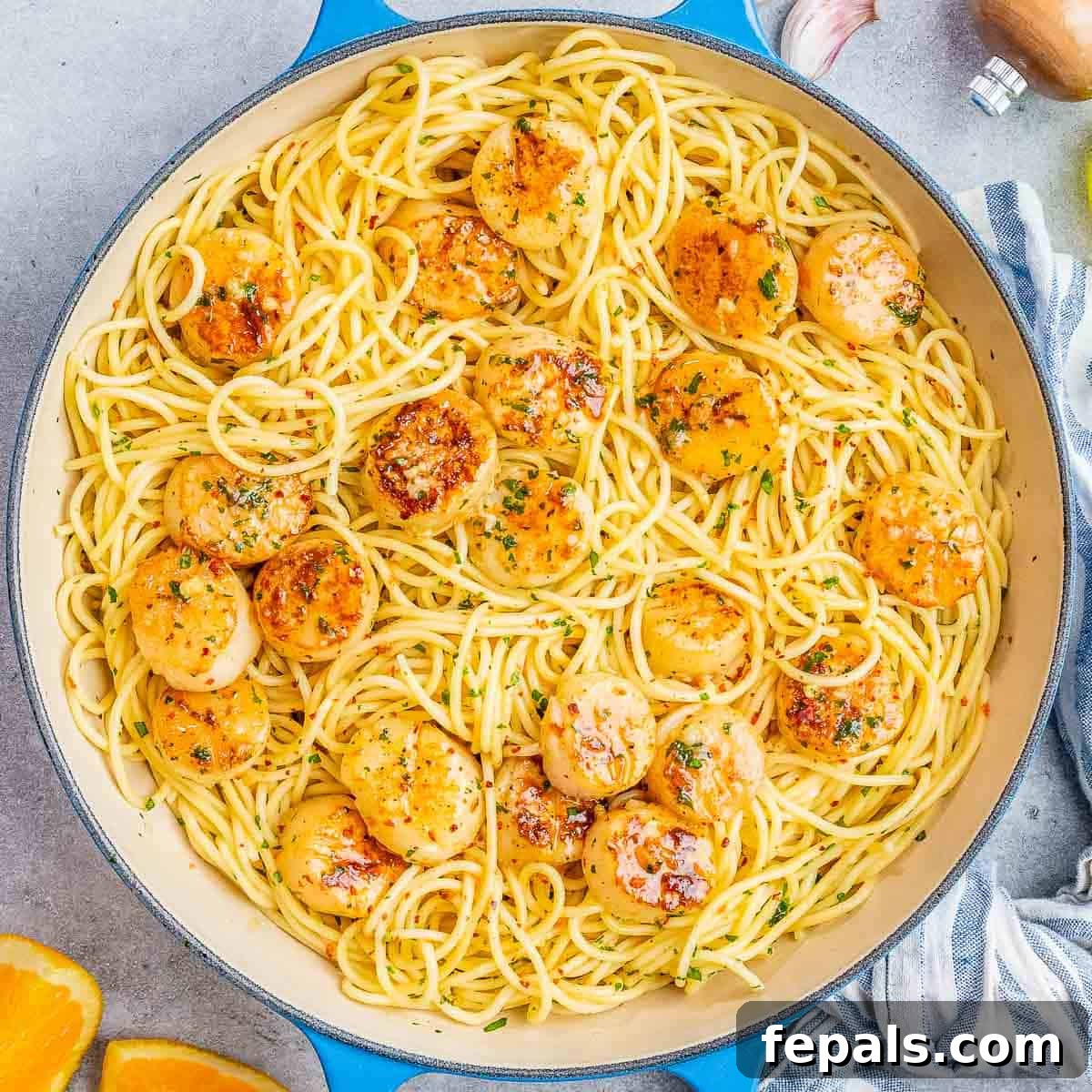
Indulge in the exquisite flavors of restaurant-quality seafood right in your own kitchen with this incredible **Scallop Pasta** recipe. Picture tender, perfectly golden-seared scallops nestled amongst delicate, twirl-ready angel hair pasta, all coated in a vibrant, zesty, and garlicky citrus sauce. This dish isn’t just a treat for the taste buds; it’s a testament to how effortless gourmet cooking can be. Ready in under 30 minutes, it’s the ideal choice for those busy weeknights when you crave maximum flavor with minimal fuss, or for a romantic date night that feels a little fancy without the hefty price tag.
If you’re a fan of quick and flavorful seafood pasta, you might also enjoy our Garlic Shrimp Pasta – another delightful 30-minute meal packed with succulent shrimp, aromatic garlic, and juicy tomatoes.
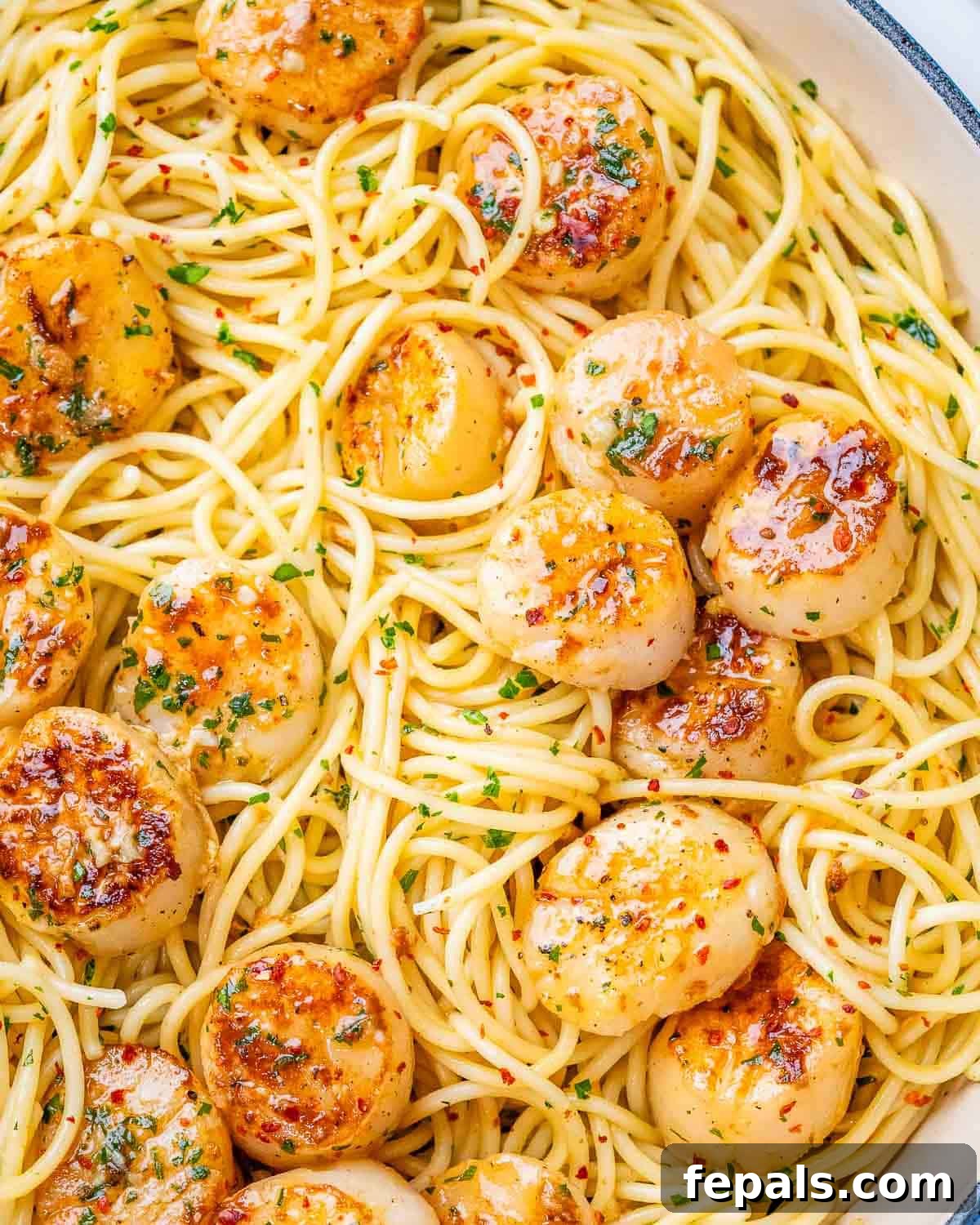
Having explored countless pasta recipes over the years, this particular **scallop pasta** truly stands out. The first time I prepared it, I was genuinely surprised by how quickly it came together, yet it tasted like something I would confidently order at a high-end restaurant. It offers that coveted “fancy vibe” without any of the usual hassle, making it a regular fixture in our household menu.
The secret lies in the harmonious blend of a rich, buttery citrus sauce with those beautifully golden-brown scallops. What’s even better is that I frequently use frozen scallops, and the result is consistently amazing. This flexibility makes it a go-to dish, whether it’s a relaxed date night with my spouse or one of those rare, cherished evenings when all five kids are gathered around the table. It never disappoints.
The innovative combination of fresh lemon and orange in the sauce provides a bright, refreshing finish that elevates the entire dish. It feels sophisticated and special, adding that extra touch of gourmet elegance without requiring any complicated steps or exotic ingredients.
Recipe Overview
Essential Ingredients for Scallop Pasta Perfection
Crafting this flavorful scallop pasta dish requires a handful of fresh, quality ingredients that truly make a difference in the final taste. Below is a list of what you’ll need. For precise measurements, please refer to the detailed recipe card at the bottom of this article.
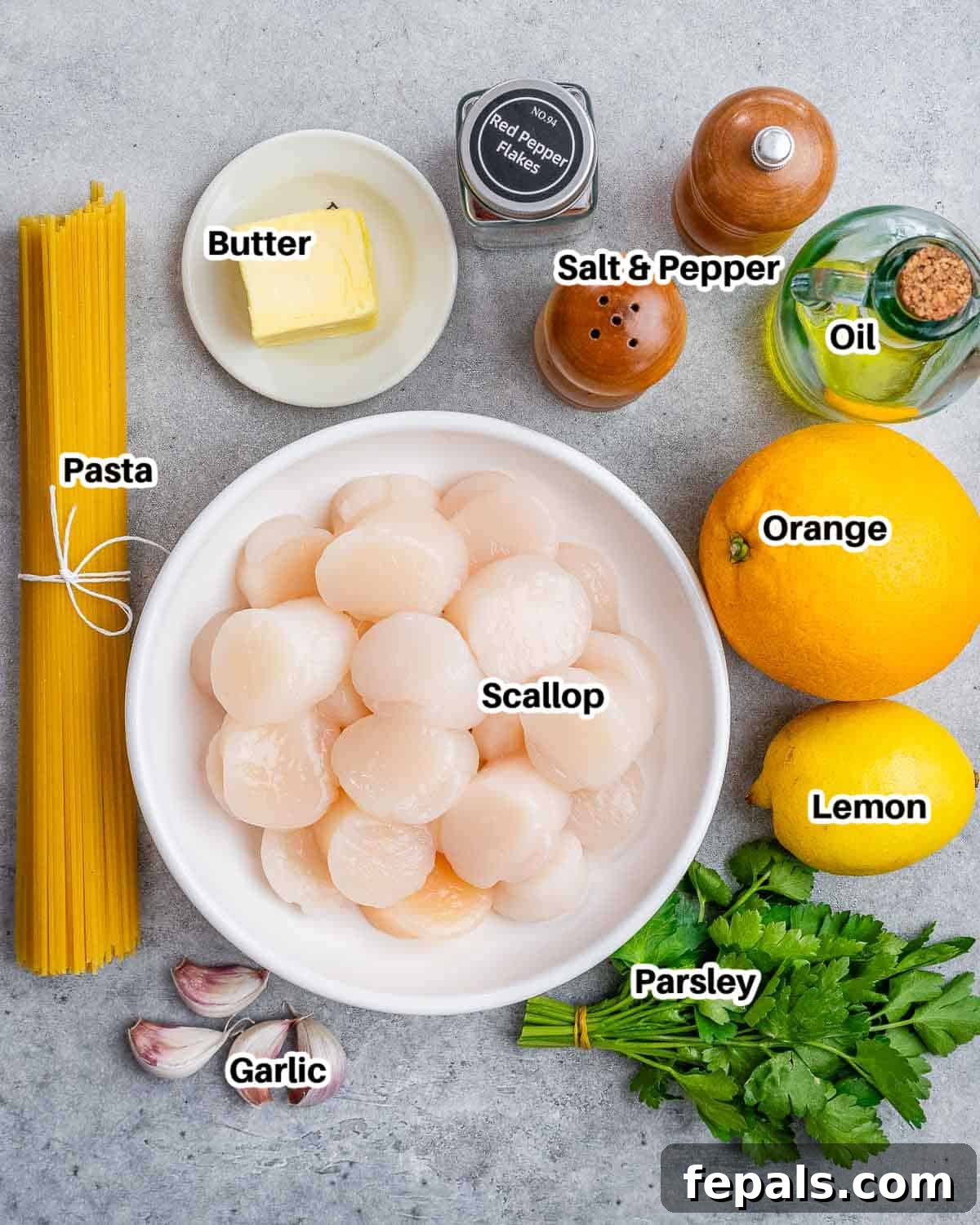
- Thin Spaghetti or Angel Hair Pasta: These delicate pasta shapes are ideal for catching the light, vibrant sauce. You can also opt for a high-protein pasta if you prefer a more nutrient-dense meal.
- Scallops (Fresh or Thawed Frozen): The star of our dish! Whether you choose fresh or thawed frozen scallops, ensure they are high quality. If using frozen, proper thawing and drying are crucial for a perfect sear. Not a fan of scallops? Shrimp makes an excellent substitution, cooked similarly until pink and opaque.
- Kosher Salt and Freshly Ground Black Pepper: Essential for seasoning the scallops and pasta water, enhancing all the natural flavors. Kosher salt provides a clean, briny taste.
- Olive Oil (Extra Virgin or Avocado Oil): Used for searing the scallops to a beautiful golden-brown. High-quality olive oil adds a subtle fruity note, while avocado oil is a great neutral alternative with a high smoke point.
- Garlic Cloves (Minced): Fresh garlic is non-negotiable here. It infuses the sauce with an irresistible aroma and depth that bottled garlic simply cannot replicate.
- Orange (Juiced): Freshly squeezed orange juice brings a subtle sweetness and brightens the overall citrus profile of the sauce.
- Lemon (Zested and Juiced): Fresh lemon zest provides a potent burst of aromatic citrus oils, while fresh lemon juice adds essential tanginess and vibrancy to the sauce. Avoid bottled lemon juice for the best results.
- Butter: Adds richness and helps emulsify the sauce, creating a smooth, luxurious texture that clings beautifully to the pasta.
- Crushed Dried Chilies or Red Pepper Flakes: A touch of heat to balance the citrus and garlic. Adjust the amount to your preference for a mild warmth or a bolder kick.
- Fresh Parsley or Cilantro (Chopped): A final sprinkle of fresh herbs adds a pop of color and a fresh, herbaceous counterpoint to the rich sauce. Parsley offers a clean, peppery taste, while cilantro provides a more distinctive, bright flavor.
How to Craft Your Delicious Scallop Pasta
This recipe is designed for ease and efficiency, allowing you to create a sophisticated meal in no time. Follow these simple steps to bring your scallop pasta to life:
- Cook the Pasta: Begin by cooking your thin spaghetti or angel hair pasta in a large pot of generously salted water. Refer to the package instructions and cook until it’s just al dente—meaning it still has a slight bite. This prevents it from becoming mushy when tossed with the sauce. Once cooked, drain the pasta, making sure to reserve about half a cup of the starchy pasta water. This reserved water is a secret weapon, perfect for loosening the sauce later if needed, helping it emulsify and cling better to the noodles.
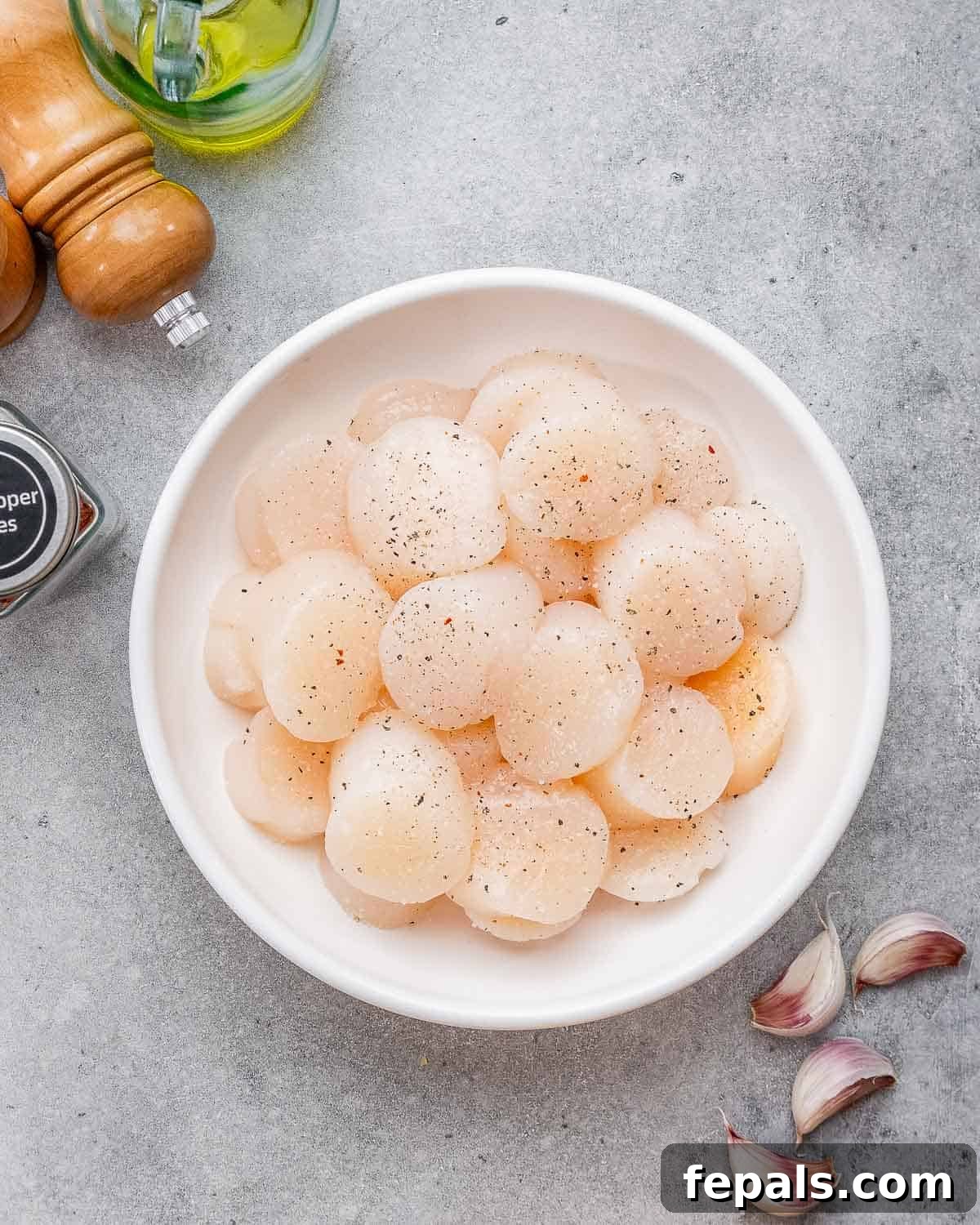
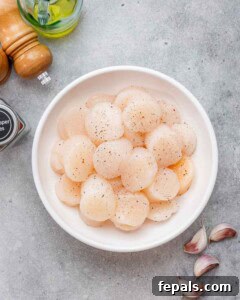
2. Prepare the Scallops for Searing: While your pasta is cooking, turn your attention to the scallops. Achieving that beautiful golden-brown sear is paramount, and the key is dryness. Thoroughly pat the scallops dry with paper towels from all sides. This removes excess moisture, preventing them from steaming in the pan and ensuring they develop a delicious crust. Once dry, season both sides generously with kosher salt and freshly ground black pepper. Don’t forget to remove the small, tough side muscle from each scallop if present – it’s a fibrous bit that can affect tenderness.
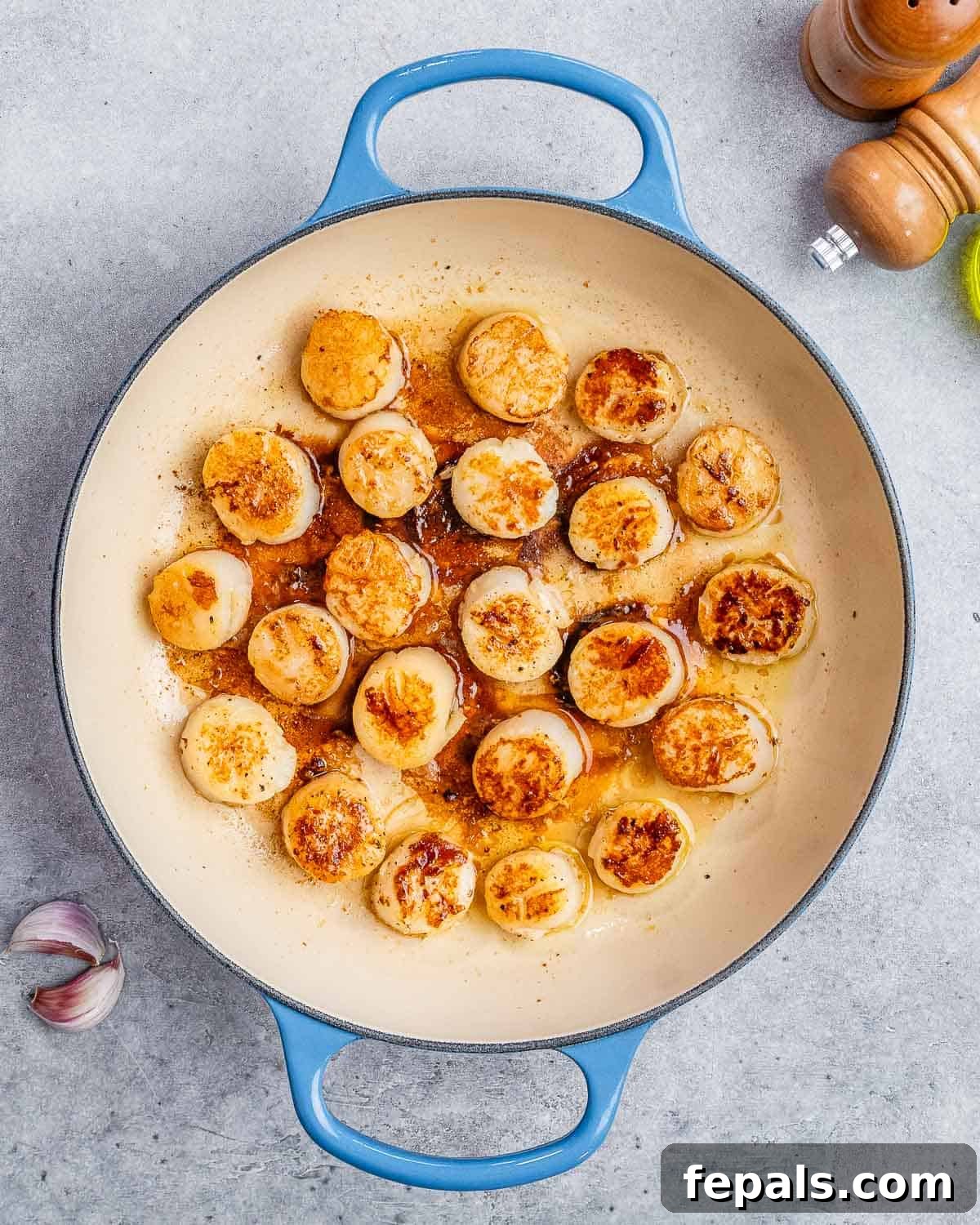
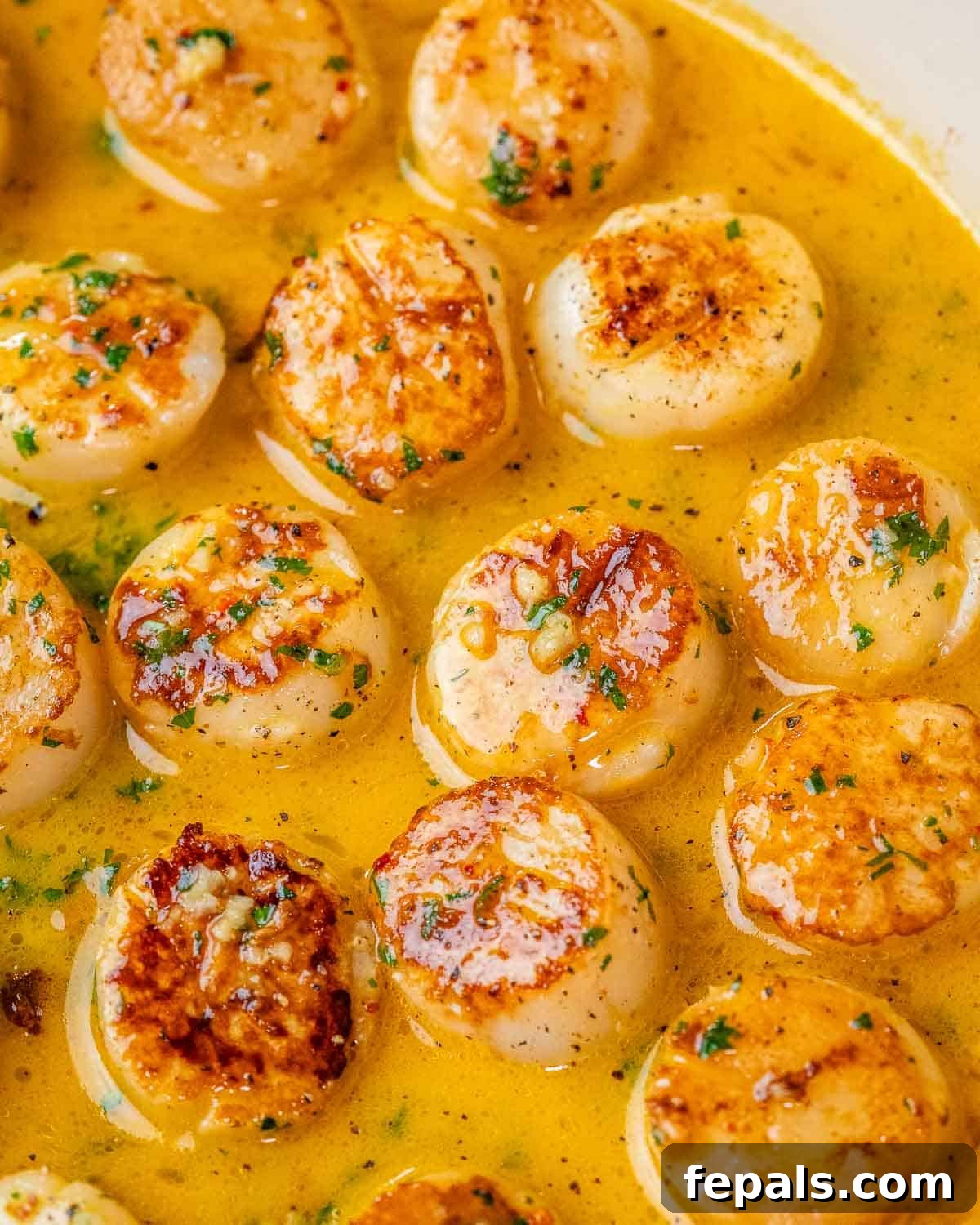
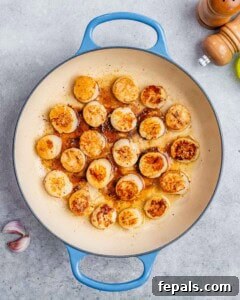
3. Sear the Scallops: Heat the olive oil in a large skillet over medium-high heat. Wait until the oil is shimmering and almost smoking – this indicates it’s hot enough for a proper sear. Carefully add the seasoned scallops to the hot skillet in a single layer, ensuring there’s enough space between each one. Overcrowding the pan will lower the temperature and lead to steaming instead of searing. Sear for exactly 2 minutes per side. You’re looking for a beautiful golden-brown crust and an opaque center. As soon as they are perfectly seared, transfer them immediately to a clean plate. Avoid overcooking, as scallops can become rubbery very quickly.
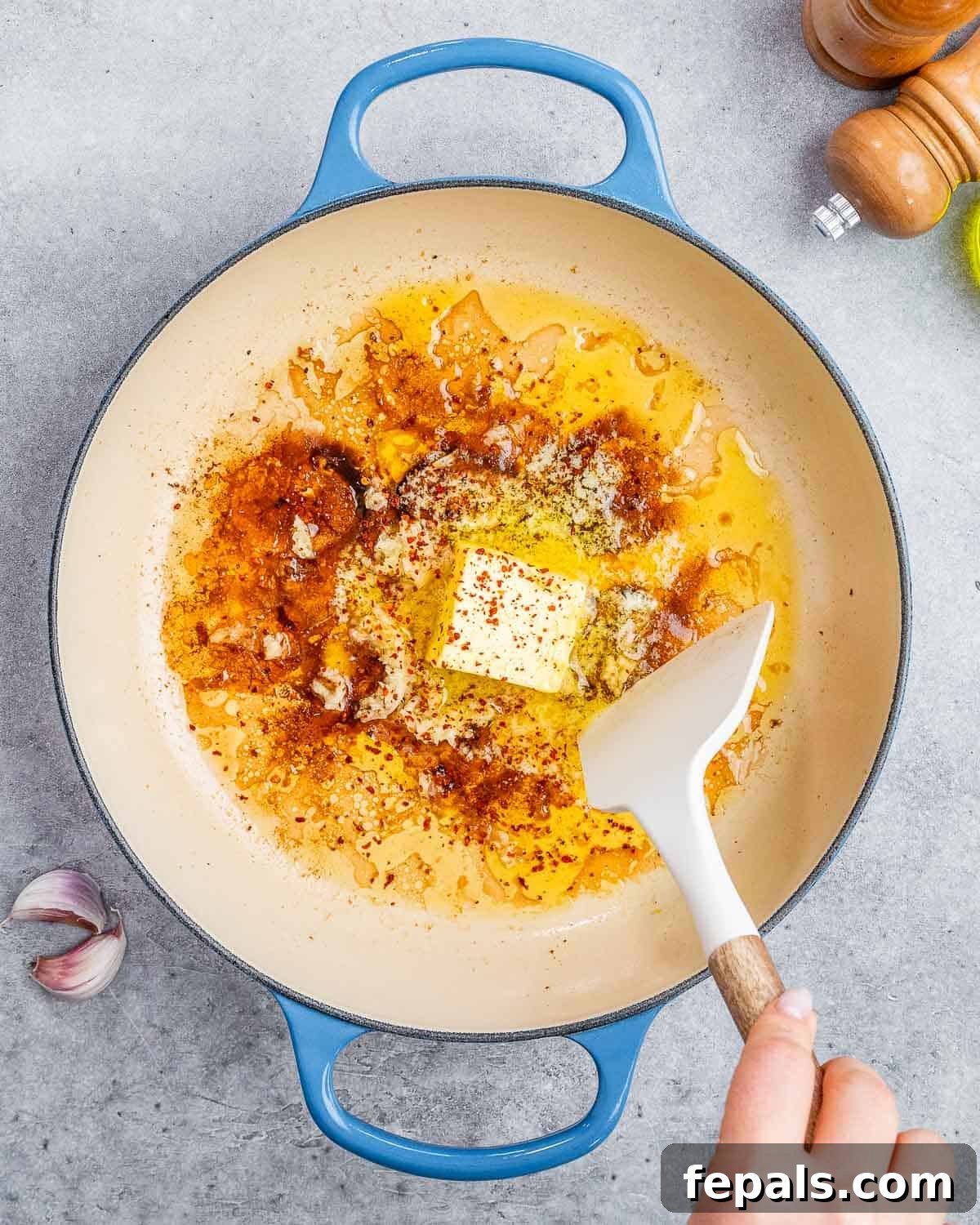
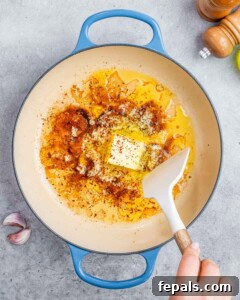
4. Build the Aromatic Sauce Base: Reduce the heat to medium in the same skillet (no need to clean it – those browned bits add flavor!). Add the butter, minced garlic, and crushed red pepper flakes to the pan. Sauté for about 30 seconds, stirring constantly, just until the garlic becomes fragrant. It’s crucial not to let the garlic brown or burn, as this can impart a bitter taste to your sauce. The butter will melt, creating a beautiful base for the citrus.
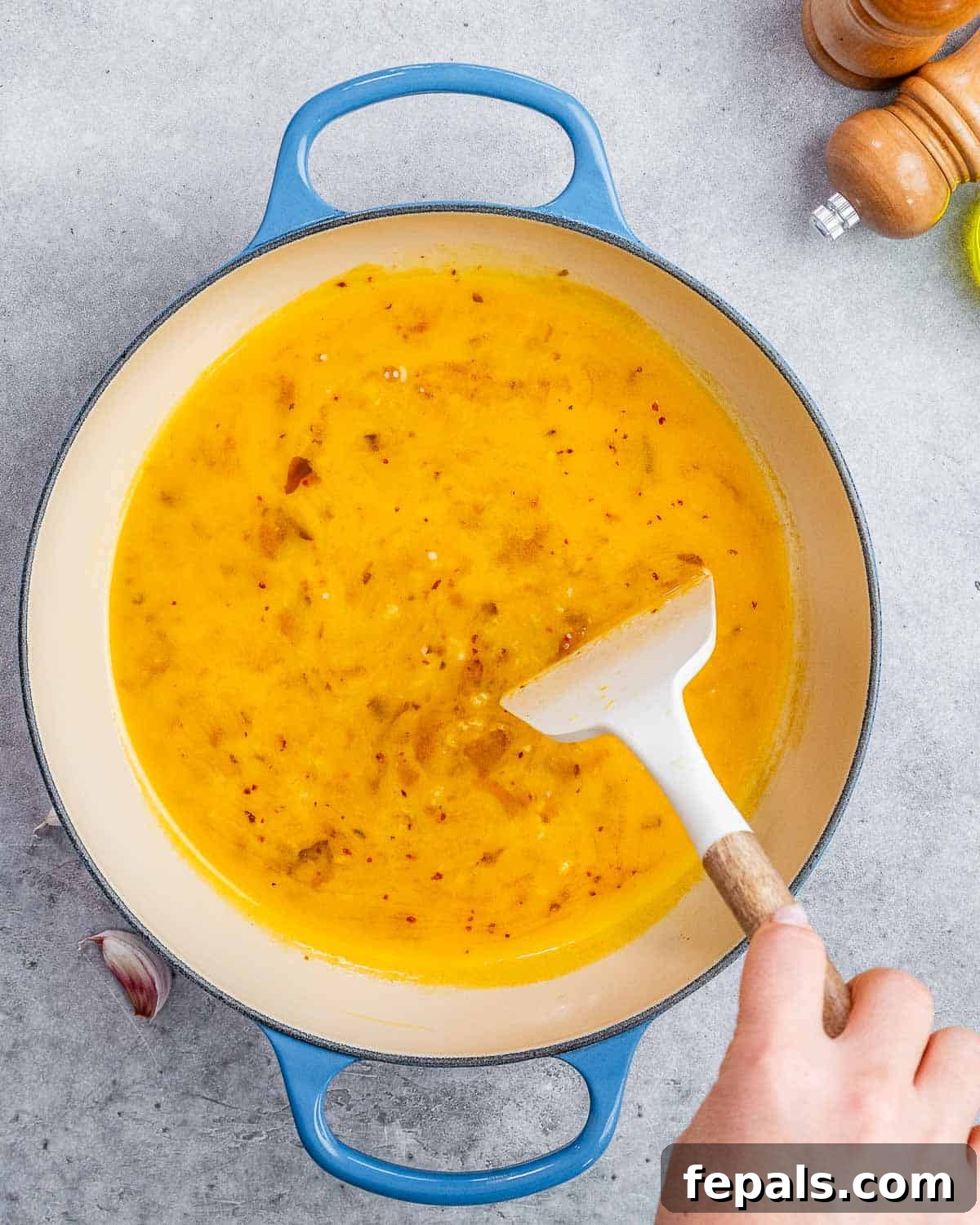
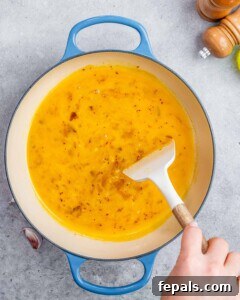
5. Create the Zesty Citrus Sauce: Into the fragrant garlic-butter mixture, pour in the fresh orange juice, lemon zest, and lemon juice. Immediately begin whisking all the ingredients together. Continue to whisk until the sauce begins to bubble gently and emulsifies, transforming into a smooth, glossy, and beautifully integrated consistency. This emulsification is what gives the sauce its desirable thickness and ensures it coats every strand of pasta perfectly.
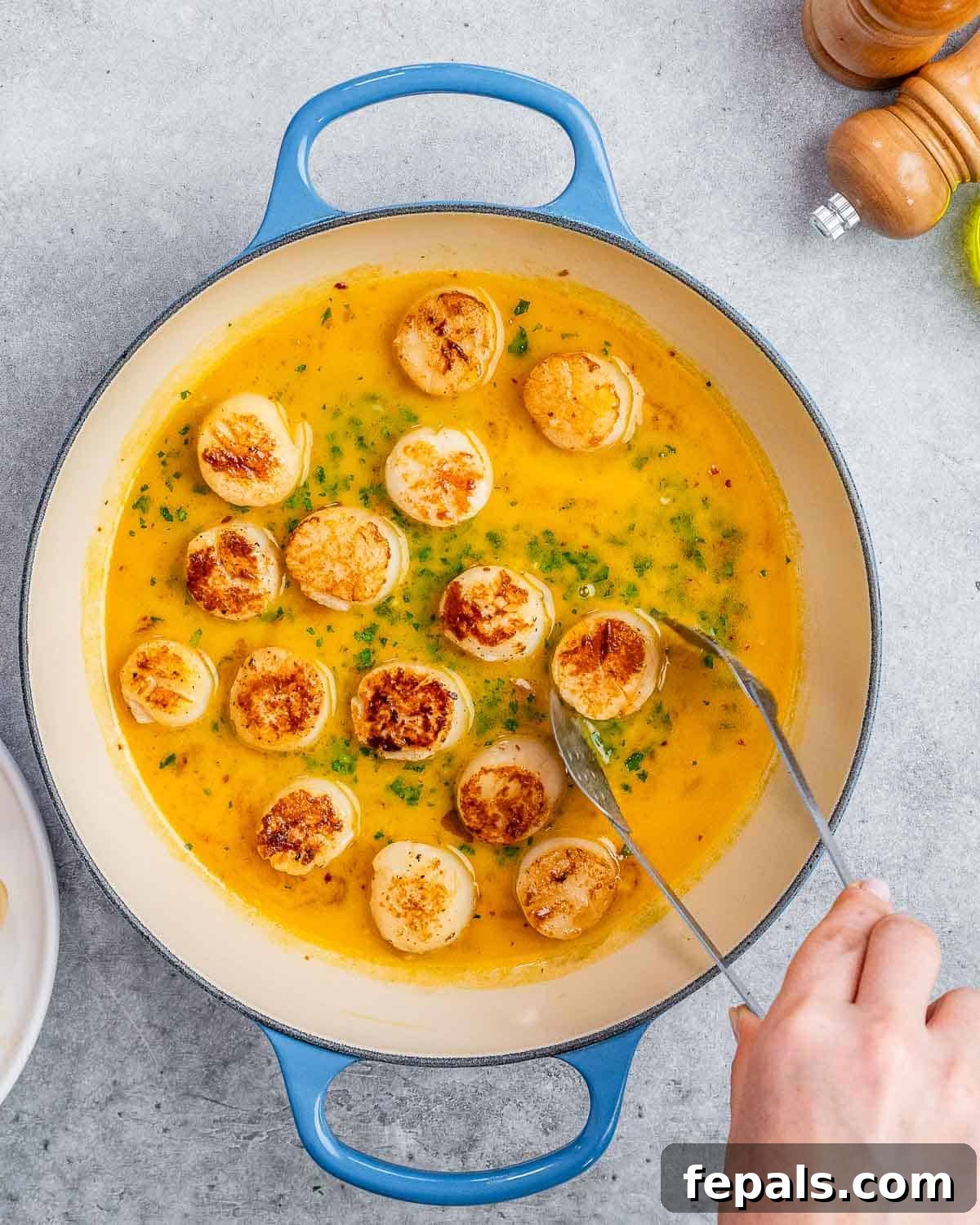
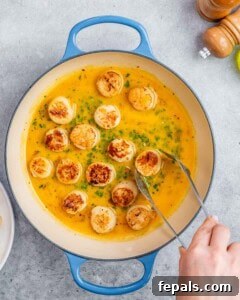
6. Combine and Finish: Remove the skillet from the heat to prevent the scallops from overcooking. Gently return the seared scallops to the pan, nestling them into the warm citrus sauce. Stir in the freshly chopped parsley or cilantro. Allow all the flavors to meld together for a minute, allowing the scallops to warm through and absorb some of that vibrant sauce without losing their tender texture.
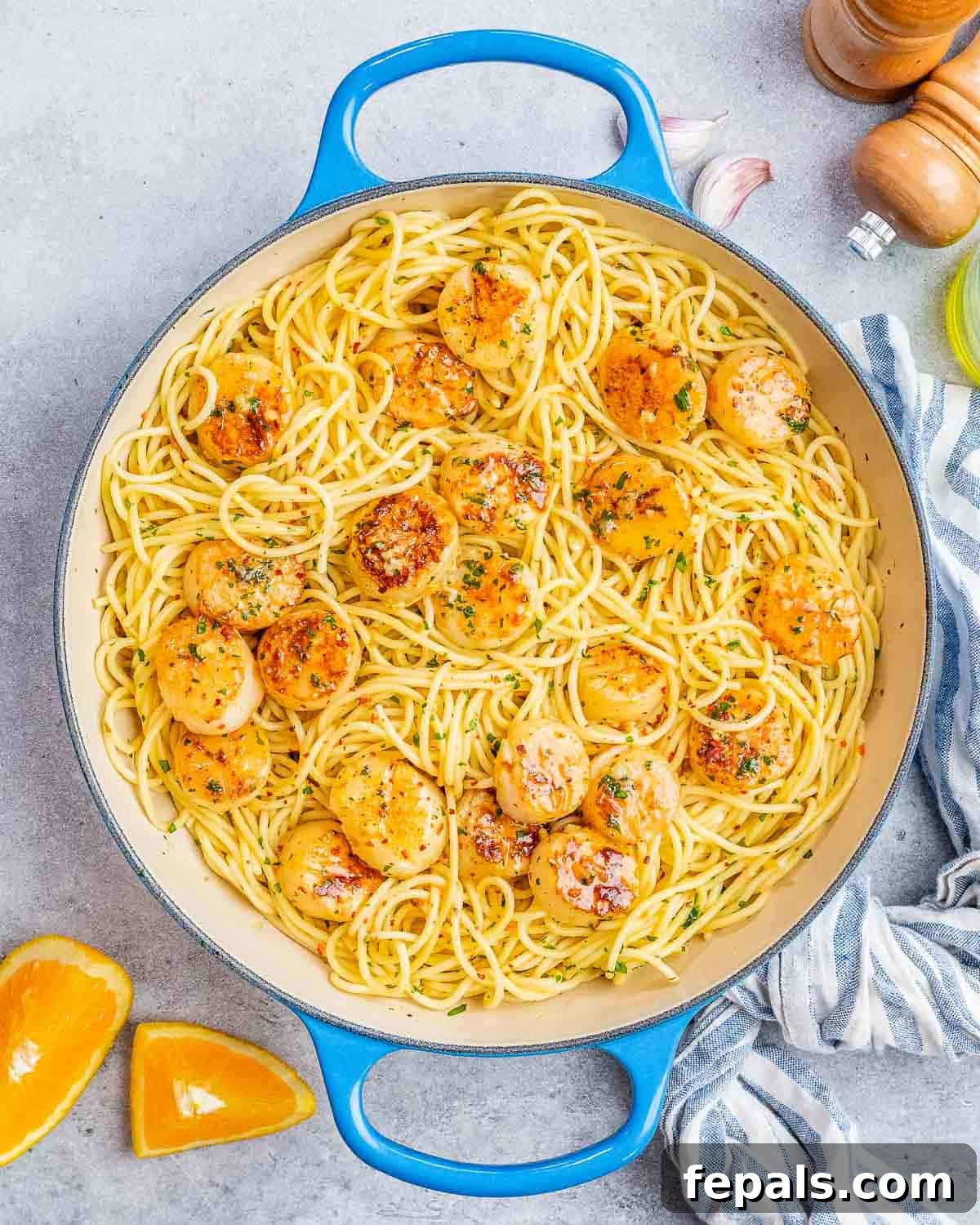
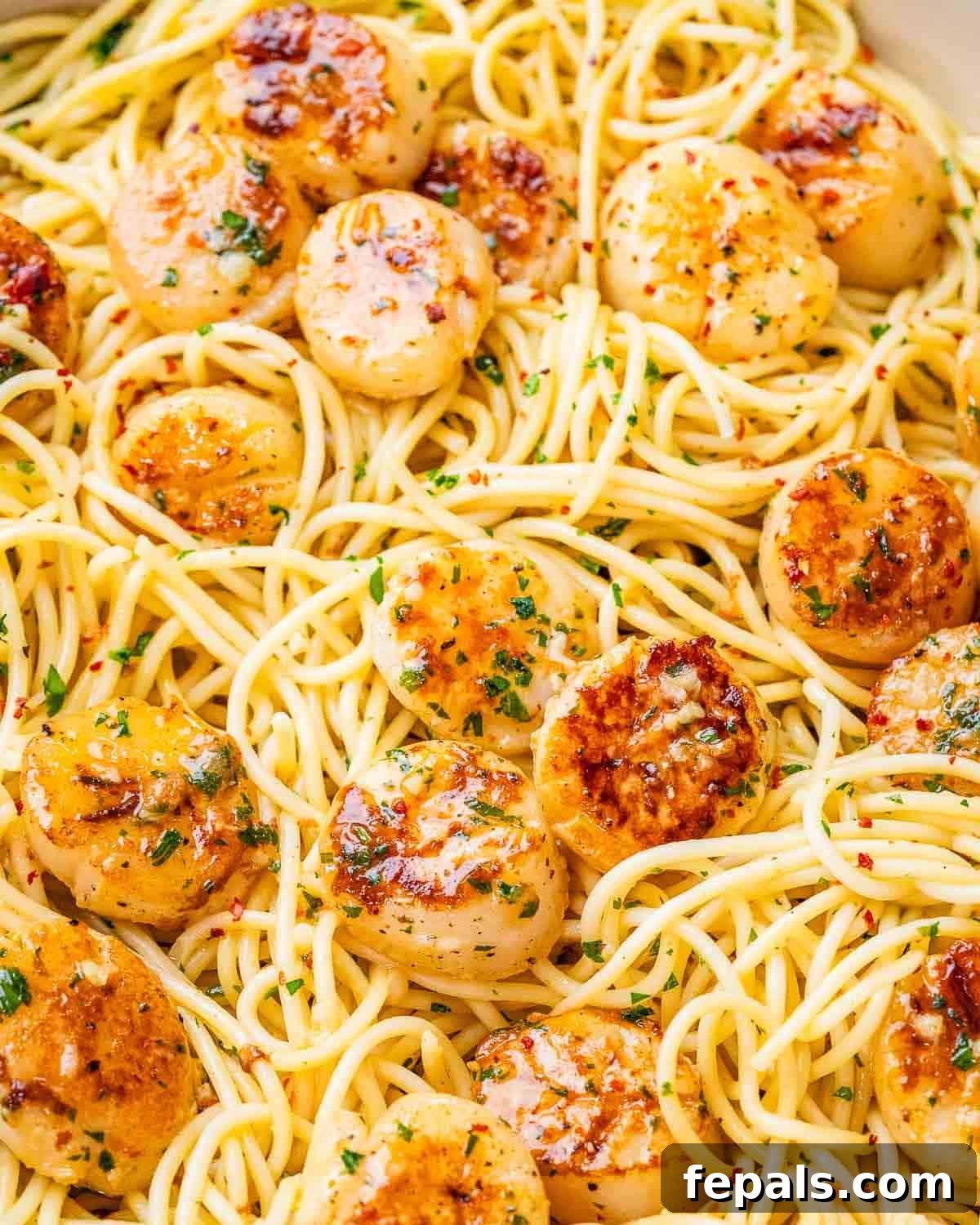
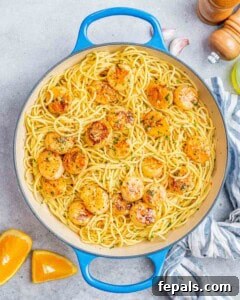
7. Serve Immediately: Add the cooked pasta directly into the skillet with the scallops and sauce. Using tongs, gently toss everything together until the noodles are thoroughly coated in that bright, fragrant, and silky citrus sauce. If the sauce seems too thick, add a splash of your reserved pasta water, a tablespoon at a time, until it reaches your desired consistency. Serve your scallop pasta immediately, while it’s hot, fresh, and irresistibly silky. Garnish with additional fresh herbs if desired.
Pro Tips for Perfect Scallop Pasta Every Time
Achieving restaurant-quality scallop pasta is simple with these expert tips:
- Always Pat Scallops Dry: This is arguably the most crucial step. Excess moisture prevents the scallops from searing properly, resulting in a steamed, rubbery texture rather than a beautiful golden crust. Use several layers of paper towels and press firmly.
- Avoid Crowding the Skillet: Scallops need ample space to sear evenly. If you add too many to the pan at once, the temperature will drop, and they will steam instead of caramelizing. Work in batches if necessary, ensuring a single layer with sufficient room between each scallop.
- Use Fresh Citrus: While convenient, bottled lemon or orange juice simply can’t compare to the vibrant, bright, and nuanced flavor of freshly squeezed citrus. The zest from a fresh lemon also adds aromatic oils that elevate the sauce significantly. This small effort makes a huge impact.
- Frozen Scallops Work Great: Don’t shy away from using frozen scallops! They are often more accessible and economical. The key is to thaw them completely overnight in the refrigerator, then drain any liquid and pat them exceptionally dry before cooking, following the same steps as fresh scallops.
- Let Scallops Rest Briefly: After searing, transfer the scallops to a plate and let them rest for a minute or two. This allows their juices to redistribute, ensuring they remain tender and juicy when added back to the sauce, rather than releasing all their moisture into the sauce.
- Don’t Overcook Garlic: When sautéing garlic for the sauce, cook it only until it’s fragrant, which usually takes about 30 seconds. Burnt garlic will turn bitter and ruin the delicate balance of the sauce.
Easy Substitutions for Scallop Pasta
This recipe is quite forgiving, allowing for a few simple swaps without compromising the core essence and deliciousness of the dish. Feel free to adapt based on what you have on hand or dietary needs:
- Pasta Options: If angel hair or thin spaghetti isn’t available, capellini, linguine, or even fettuccine can be used. For a gluten-free meal, simply use your favorite gluten-free pasta.
- Seafood Alternatives: If fresh scallops are hard to find, or if you prefer another seafood, shrimp is an excellent substitute. Cook shrimp in the same manner, searing until pink and opaque (about 1-2 minutes per side). Bay scallops are also a great option, though they cook even faster. Chunks of firm white fish like cod or halibut can also work.
- Herbal Swaps: While parsley offers a classic fresh note, feel free to experiment with other fresh herbs like basil for a more Italian flair, or finely chopped chives for a milder oniony undertone.
- Spice Level Adjustment: The crushed red pepper flakes provide a gentle heat. For a spicier kick, increase the amount or add a pinch of cayenne pepper. If you prefer no heat, simply omit them. Aleppo pepper offers a fruitier, milder warmth.
- Dairy-Free Option: To make this dish dairy-free, simply replace the butter with an equal amount of olive oil or a plant-based butter alternative. The sauce will still be rich and flavorful.
- Orange Juice Alternatives: If you don’t have an orange, you can use a bit more lemon juice, though the sauce will be tarter. A touch of maple syrup or honey can be added to balance the extra lemon for a similar sweet-tart profile. A splash of dry white wine can also be used for a more complex flavor before adding the lemon juice.
Exciting Variations for Scallop Pasta
Want to put a unique spin on your scallop pasta? These easy variations allow you to customize the dish to your liking without losing its special appeal:
- Add Cherry Tomatoes: For a burst of juicy sweetness and a lovely pop of color, halve some cherry tomatoes and sauté them with the garlic and butter. They’ll soften slightly and release their bright juices into the sauce.
- Make it Creamier: If you prefer a richer, more indulgent sauce, stir in a splash of heavy cream, half-and-half, or a dollop of Greek yogurt (for a healthier option) at the very end. This will add a velvety texture and a luxurious feel to your pasta.
- Introduce a White Wine Reduction: Elevate the depth of flavor by deglazing the pan with a splash of dry white wine (such as Sauvignon Blanc or Pinot Grigio) after sautéing the garlic and before adding the citrus juices. Allow the wine to simmer and reduce slightly, concentrating its flavors, then proceed with the recipe.
- Toss in Fresh Greens: Boost the nutritional content and add vibrant color by stirring in a handful of baby spinach, arugula, or even chopped kale at the end. The residual heat of the pasta and sauce will gently wilt the greens, adding a fresh, slightly peppery bite.
- Incorporate Sun-Dried Tomatoes: For a more intense, umami-rich flavor, add thinly sliced sun-dried tomatoes (oil-packed, drained) to the sauce along with the citrus. Their concentrated sweetness pairs wonderfully with the scallops.
- Spice it Up with Fresh Herbs: Beyond parsley or cilantro, consider fresh dill for a unique, bright flavor that complements seafood beautifully, or fresh tarragon for an anise-like note.
Storing and Reheating Scallop Pasta
While scallop pasta is undeniably best enjoyed fresh, you can certainly store and reheat leftovers with a few considerations to maintain quality:
- Storage: Any leftover scallop pasta should be transferred to an airtight container and refrigerated promptly. It will keep well in the fridge for up to 2 days. Beyond that, the quality of the scallops and pasta can significantly diminish.
- Freezing: Freezing this dish is generally not recommended. Scallops tend to become rubbery and lose their delicate texture upon freezing and thawing, and the pasta can become mushy. It’s truly a dish best made fresh and consumed within a couple of days.
- Reheating: To reheat, avoid the microwave if possible, as it can easily overcook and toughen the scallops. Instead, gently reheat the pasta in a skillet over low heat. Add a splash of water or broth (or even a little more citrus juice) to help rehydrate the sauce and prevent it from drying out. Stir occasionally until warmed through. This method helps preserve the tenderness of the scallops and the texture of the pasta.
Frequently Asked Questions About Scallop Pasta
Do I need to remove the side muscle from scallops?
Yes, it’s highly recommended! This small, tough, crescent-shaped piece is usually found on the side of larger sea scallops. It has a chewier, fibrous texture that can detract from the otherwise tender scallop. Simply pinch or tear it off before cooking for a consistently tender bite. It detaches quite easily.
How do I know when scallops are perfectly cooked?
Perfectly cooked scallops will have a beautiful golden-brown crust on the outside and be just opaque in the center. When you press on them, they should feel slightly firm but still yield a little. If they feel hard or rubbery, they’ve been overcooked. Aim for a quick sear, typically no more than 2 minutes per side on a very hot skillet, depending on their size.
Why are my scallops not browning properly?
There are usually two main culprits: either your scallops were too wet, or your pan wasn’t hot enough. Moisture on the scallop surface will cause them to steam instead of sear, preventing that desirable Maillard reaction (browning). Always pat them thoroughly dry with paper towels. Secondly, ensure your olive oil is shimmering and almost smoking before adding the scallops – this indicates the pan is at the optimal temperature for a quick, effective sear. Also, avoid crowding the pan, as this lowers the temperature.
Can I use other seafood instead of scallops?
Absolutely! Shrimp is the most popular and easiest swap; simply cook it the same way until it turns pink and opaque, about 1-2 minutes per side. You could also try bay scallops (which are smaller and cook even faster), chunks of firm white fish like cod or halibut, or even calamari rings if you’re looking for something unique. Adjust cooking times based on the chosen seafood.
How should I store leftovers?
Store any leftover scallop pasta in an airtight container in the refrigerator for up to 2 days. It’s best to consume it as soon as possible, as the quality can decline over time. For the best experience, try to make only what you expect to eat.
Can I freeze scallop pasta?
Freezing is generally not recommended for scallop pasta. The delicate texture of scallops can become rubbery and unappetizing after thawing, and pasta can lose its al dente bite, becoming mushy. This dish is truly at its peak when prepared fresh and enjoyed immediately.
Explore More Delicious Seafood Pasta Recipes
If you loved this scallop pasta, be sure to check out some of our other fantastic seafood pasta creations:
- Shrimp and Spinach Pasta
- Shrimp Pesto Pasta
- Cajun Shrimp Pasta
- Garlic Shrimp Spaghetti
- Shrimp Rasta Pasta
- Healthy Lemon Shrimp Pasta and Zoodles
Get My Free eBook!
Grab my free eBook featuring 20 of my top 30-minute family-friendly healthy dinner recipes.
(Please note: The signup form has been removed to comply with the “no JavaScript” requirement. Please visit our website directly to subscribe and download your free eBook!)
Thank you for visiting! Remember to subscribe to our newsletter for free to receive delicious recipes like this delivered right to your inbox.
FOLLOW me on FACEBOOK | INSTAGRAM | PINTEREST | TWITTER for all of my latest blog posts and recipes.
Scallop Pasta
Rate
Pin
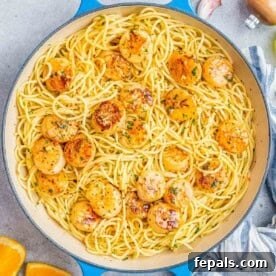
Scallop pasta with golden-seared scallops and angel hair in a bright, garlicky citrus sauce – ready in under 30 minutes. Perfect for date night or busy weeknights.
Ingredients
- 10-12 ounces thin spaghetti or angel hair pasta
- 1 1/2 pounds scallops, fresh or thawed
- Salt & Pepper, to taste
- 2 tablespoons olive oil
- 2-4 garlic cloves, minced
- 1 large orange, juiced
- 1 large lemon, zested and juiced
- 3 tablespoons butter
- 1 teaspoon crushed dried chilies, or to taste
- 3 tablespoons freshly chopped parsley or cilantro
Instructions
-
Cook the 10-12 ounces thin spaghetti or angel hair pasta in salted water according to the package instructions to al dente. Drain and set aside.
-
In the meantime, pat dry the 1 1/2 pounds scallops with a paper towel and season with Salt & Pepper.

-
Heat the 2 tablespoons olive oil in a large pan over medium-high heat. When the pan is very hot, carefully add the scallops with a bit of space in between to avoid overcrowding.
-
Sear for no more than 2 minutes per side, then set aside on a plate.
-
Reduce the heat to medium and add the 2-4 garlic cloves, 3 tablespoons butter, and 1 teaspoon crushed dried chilies, and cook for 30 seconds.
-
Add 1 large orange (juiced), 1 large lemon (zest and juice). Whisk everything together until bubbly and emulsified into a smooth sauce.
-
Remove from heat and return the scallops to the sauce; add the 3 tablespoons freshly chopped parsley or cilantro.
-
Stir in the cooked pasta. Serve immediately.
Notes
- Frozen scallops work well – just make sure they’re fully thawed and patted dry before cooking.
- You can swap angel hair with thin spaghetti or capellini if preferred.
- Use fresh lemon and orange juice for the best flavor; bottled juice can dull the brightness.
- Red pepper flakes can be replaced with cayenne or Aleppo pepper for different heat levels, or skipped altogether.
- Parsley can be swapped with fresh basil or chives for a different herbal note.
- If needed, butter can be replaced with olive oil for a dairy-free version.
- To make the sauce creamier, stir in a splash of cream or a spoonful of Greek yogurt at the end.
Nutrition
Calories: 533 kcal
Carbohydrates: 62 g
Protein: 30 g
Fat: 18 g
Saturated Fat: 7 g
Polyunsaturated Fat: 2 g
Monounsaturated Fat: 8 g
Trans Fat: 0.4 g
Cholesterol: 63 mg
Sodium: 742 mg
Potassium: 593 mg
Fiber: 3 g
Sugar: 4 g
Vitamin A: 877 IU
Vitamin C: 15 mg
Calcium: 37 mg
Iron: 2 mg
Nutrition information is automatically calculated, so should only be used as an approximation.
Additional Info
Tried this recipe?
Mention @healthyfitnessmeals or tag #healthyfitnessmeals!