
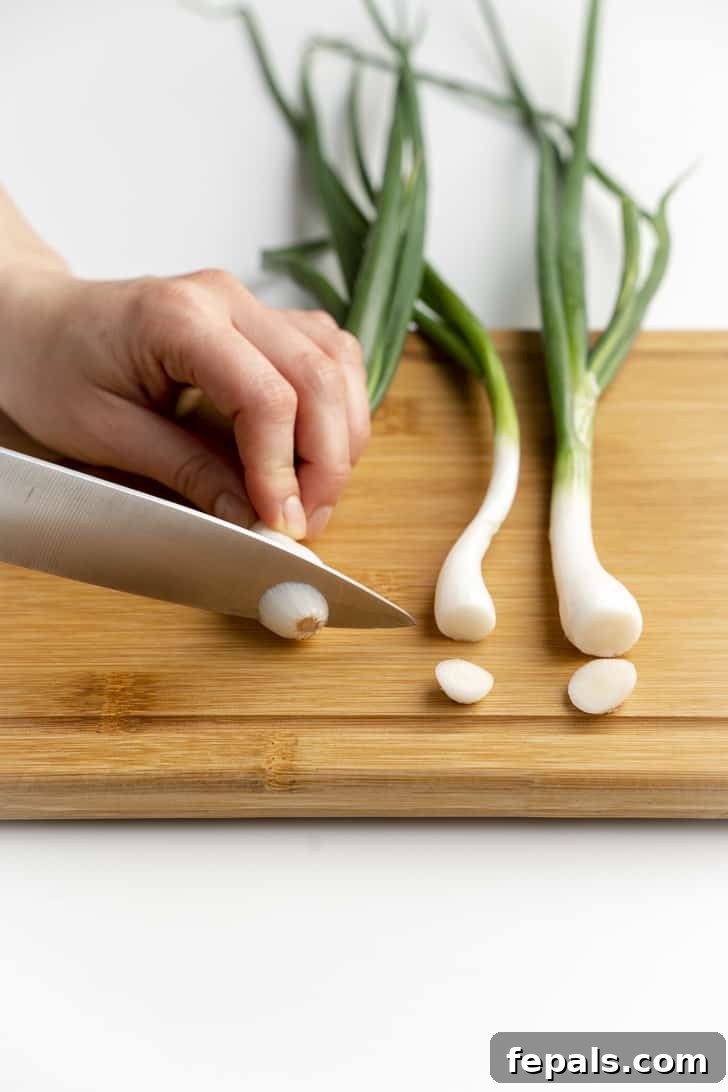
Mastering the Art of Cutting Green Onions (Scallions): A Comprehensive Guide
Freshly chopped scallions, also widely known as green onions or spring onions, are an incredibly versatile ingredient that adds a delightful pungent, fresh flavor and vibrant color to countless dishes. Whether you’re a seasoned chef or a beginner in the kitchen, mastering the simple art of cutting these delicate alliums is an essential skill that can significantly elevate your cooking and streamline your meal preparation. With just a sharp knife and a sturdy cutting board, you can transform a humble bunch of green onions into a culinary asset ready to enhance any meal.
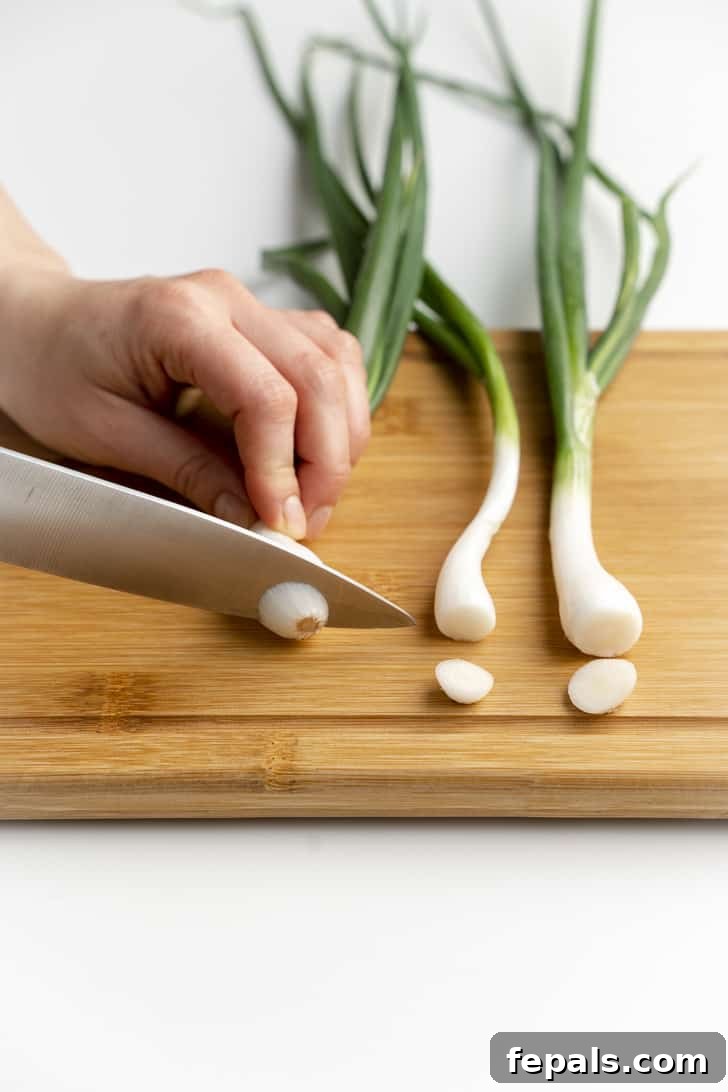
Learning how to properly cut spring onions is not only straightforward and quick but also a fantastic strategy for staying ahead on your meal preparation. These flavorful vegetables are perfect for garnishing savory dishes, adding a fresh bite to appetizers, or integrating into main courses. Perfectly chopped green onions are a game-changer for delivering deliciously fresh flavors and an appealing presentation that will impress both family and guests.
Why Green Onions Are a Kitchen Essential
Green onions, often used interchangeably with scallions or spring onions, are essentially immature onions harvested before their bulbs fully develop. This early harvest gives them a distinctly milder flavor compared to mature onions. The white and light green parts offer a more intense, peppery, and truly onion-like kick, while the darker green tops provide a sweeter, grassier, and more herbaceous note. Their unique dual flavor profile and crisp texture make them indispensable in kitchens across the globe, enhancing everything from savory Asian stir-fries and rich ramen bowls to zesty Mexican salsas and classic American potato salads.
Beyond their delightful culinary attributes, green onions also boast a host of nutritional benefits. They are remarkably low in calories, making them an excellent choice for health-conscious cooking, yet they are rich in essential vitamins, particularly Vitamin K and Vitamin C. They also serve as a good source of dietary fiber, contributing to digestive health. Incorporating green onions into your diet adds both robust taste and valuable nutritional content without significantly impacting your caloric intake. Furthermore, their vibrant color and crisp texture make them an attractive and fresh garnish, instantly upgrading the visual appeal of any plated dish.
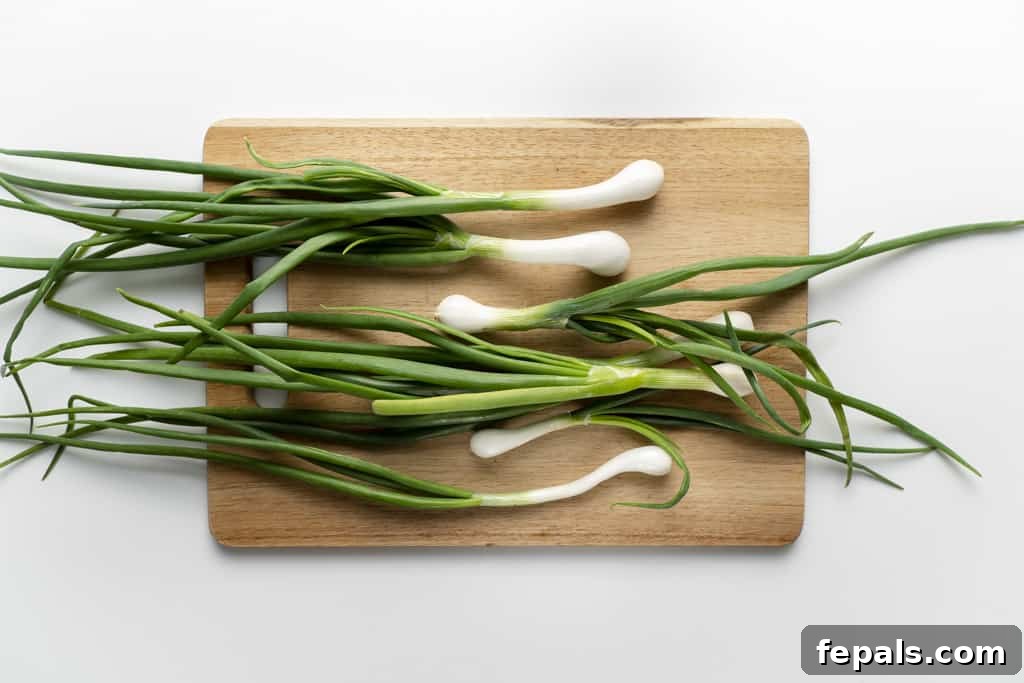
Essential Tools for Efficient Green Onion Preparation
Preparing green onions for cooking or garnishing requires minimal specialized equipment, making it an accessible task for any home cook. However, using the right tools can make the process significantly safer, more efficient, and ultimately lead to superior, more consistent cuts, enhancing the overall quality of your dish.
- A Sharp Chef’s Knife: This is arguably your most crucial tool. A sharp knife ensures clean, precise cuts, which are vital for preventing the delicate green onions from crushing or tearing. Crushing can lead to bruising, affecting both the texture and the fresh flavor of the onions. Conversely, a dull knife is more dangerous as it requires greater force to cut, increasing the risk of slipping and potential injury.
- A Sturdy Cutting Board: A stable and non-slip cutting board is paramount for kitchen safety. Opt for a board made of wood, bamboo, or a non-slip composite material. This provides a secure surface that prevents the green onions from sliding around while you cut, allowing for better control and accuracy.
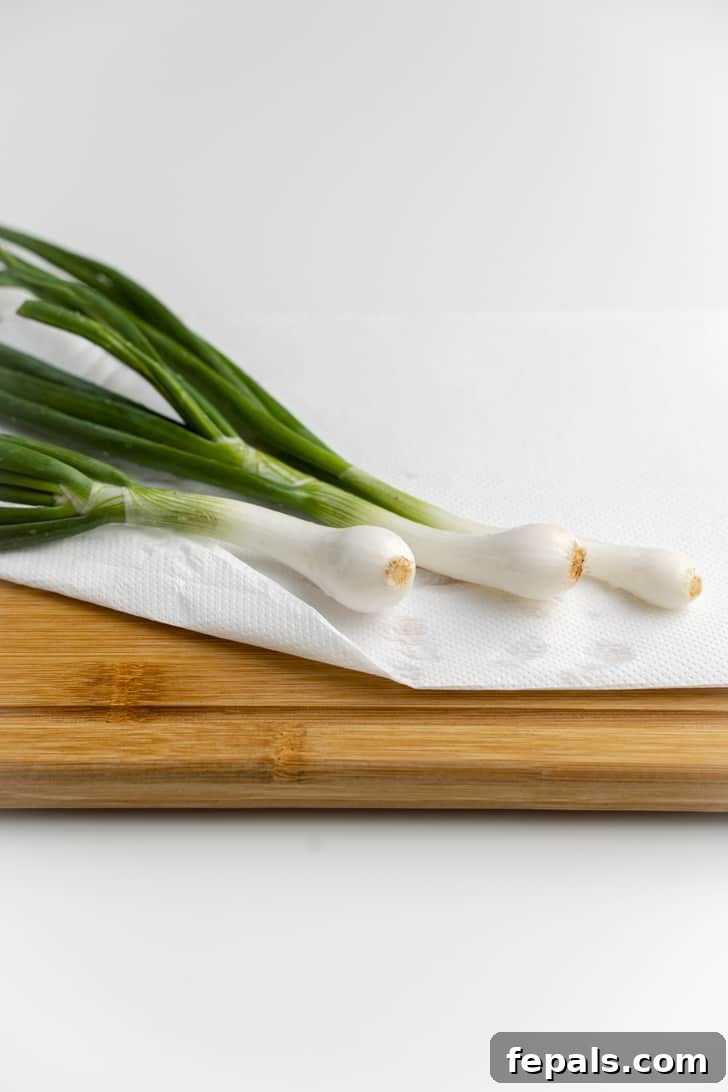
- Paper Towels or Clean Kitchen Linen: These are indispensable for thoroughly drying the green onions after washing. Excess moisture makes the onions slippery and challenging to cut cleanly, potentially leading to uneven pieces. Moreover, ensuring they are dry is a crucial step in preventing quicker spoilage if you plan to store them.
Selecting and Preparing Your Green Onions Before Cutting
The journey to perfectly chopped green onions begins with selecting the freshest possible produce. When at the grocery store or farmer’s market, look for bunches with vibrant, dark green tops that stand upright and feel firm to the touch. The white ends should be clean, plump, and free from any sliminess or withered appearances. Avoid any green onions with yellowing tips, soft spots, or signs of wilting, as these indicate older produce that will lack flavor and crispness.
Once you’ve brought your fresh bunch of green onions home, follow these essential initial preparation steps to ensure they are clean and ready for cutting:
- Wash Thoroughly: Rinse the entire bunch under cool running water. It’s particularly important to pay close attention to the area where the white and green parts meet, as dirt and grit can often accumulate there. You can gently separate the individual stalks or the layers of the white part to ensure all soil and debris are completely removed.
- Pat Dry: After washing, gently but thoroughly pat the green onions completely dry using paper towels or a clean kitchen towel. As mentioned, excess moisture can make them slippery and difficult to cut precisely, potentially leading to uneven pieces and increasing the risk of accidents. Furthermore, ensuring they are dry is a critical step for proper storage, as moisture significantly contributes to faster spoilage.
How to Chop Green Onions: A Step-by-Step Guide for Various Cuts
Learning how to chop green onions effectively involves a few simple, sequential steps. Beyond the basic technique, we’ll also explore various common cuts to suit different culinary requirements and aesthetic presentations.
Basic Slicing Technique (Rounds or Rings)
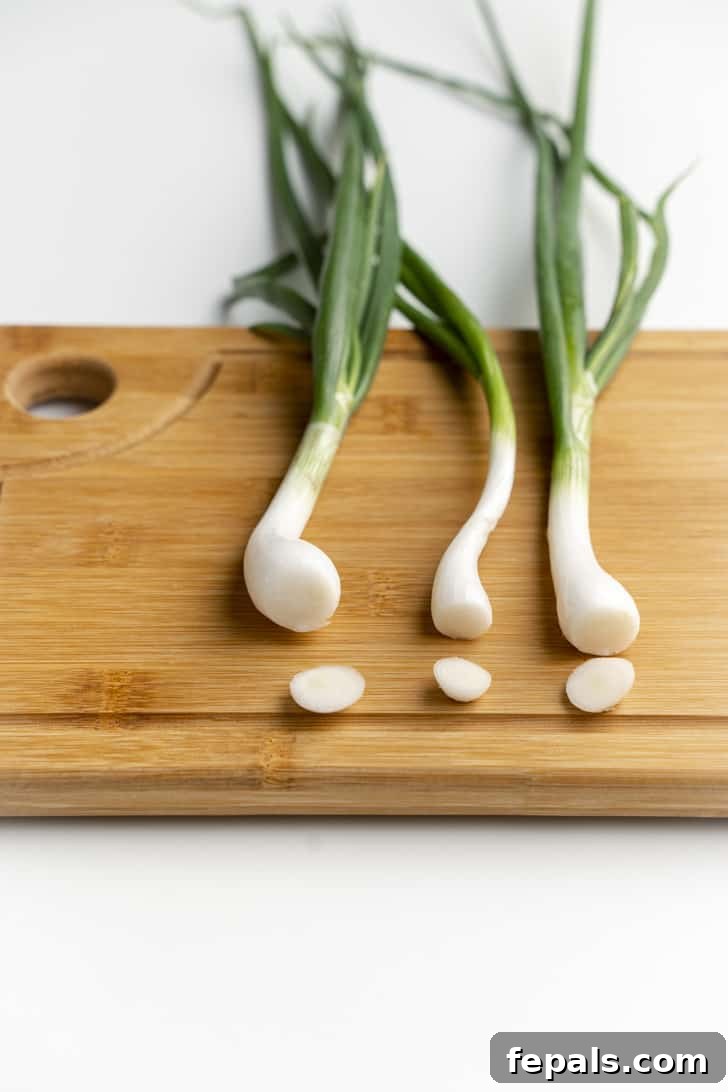
- Trim the Ends: Place the thoroughly washed and dried green onions on your sturdy cutting board. Using your sharp knife, carefully trim off the root ends, typically about ½ to 1 inch from the very bottom of the white part. Discard these roots, or save them if you plan to regrow your green onions. Additionally, trim any visibly wilted, yellowed, or damaged green tips to ensure you’re working with only the freshest sections.
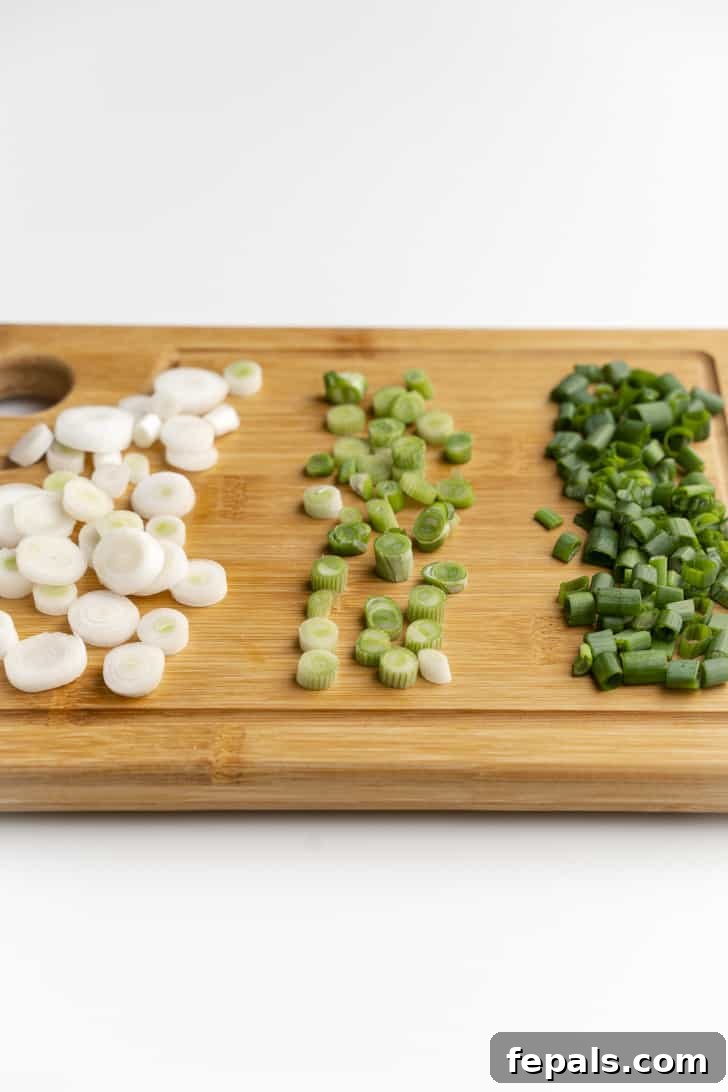
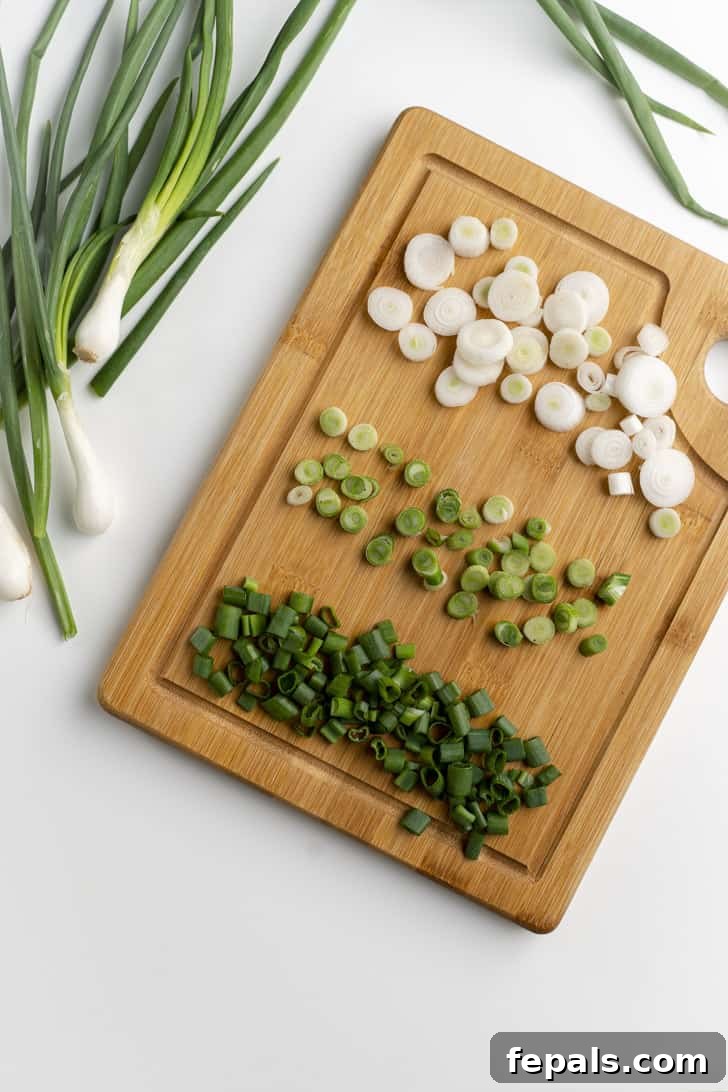
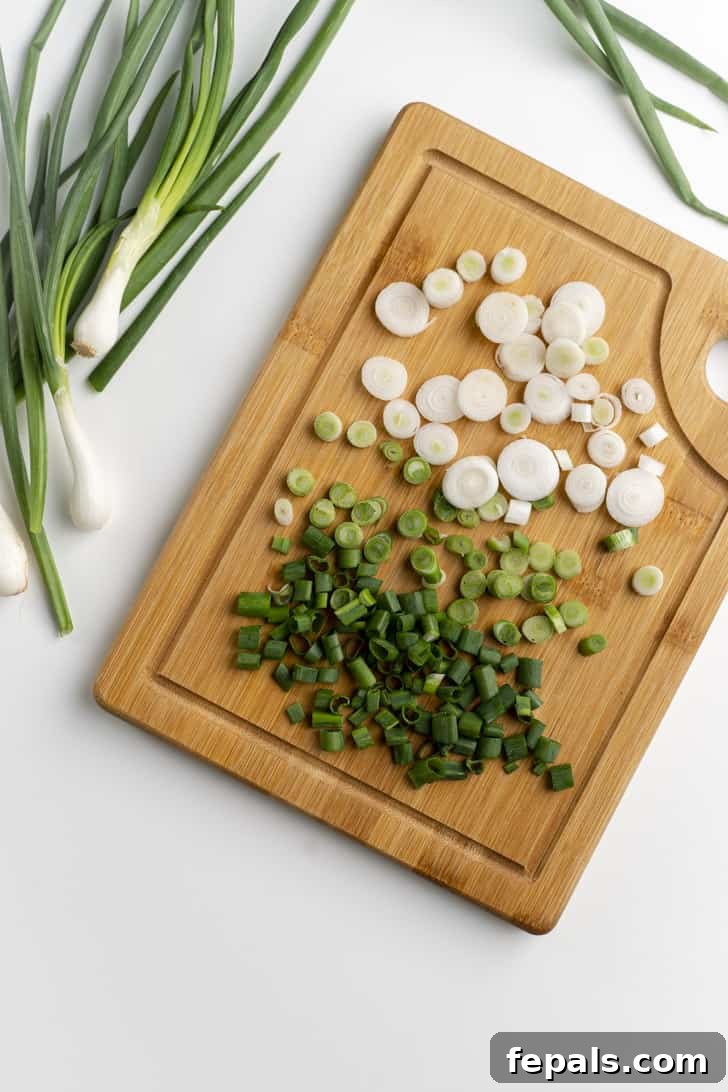
- Separate White and Green Parts (Recommended for Specific Dishes): For many recipes, it’s beneficial to separate the white and light green portions from the darker green tops. The white parts are firmer, more pungent, and have a stronger onion-like flavor, making them ideal for sautéing, cooking aromatics, or incorporating into dishes that require longer cooking times. The green parts are more tender, milder, and offer a fresher flavor, making them perfect for garnishes or adding towards the end of cooking to preserve their vibrant color and delicate texture.
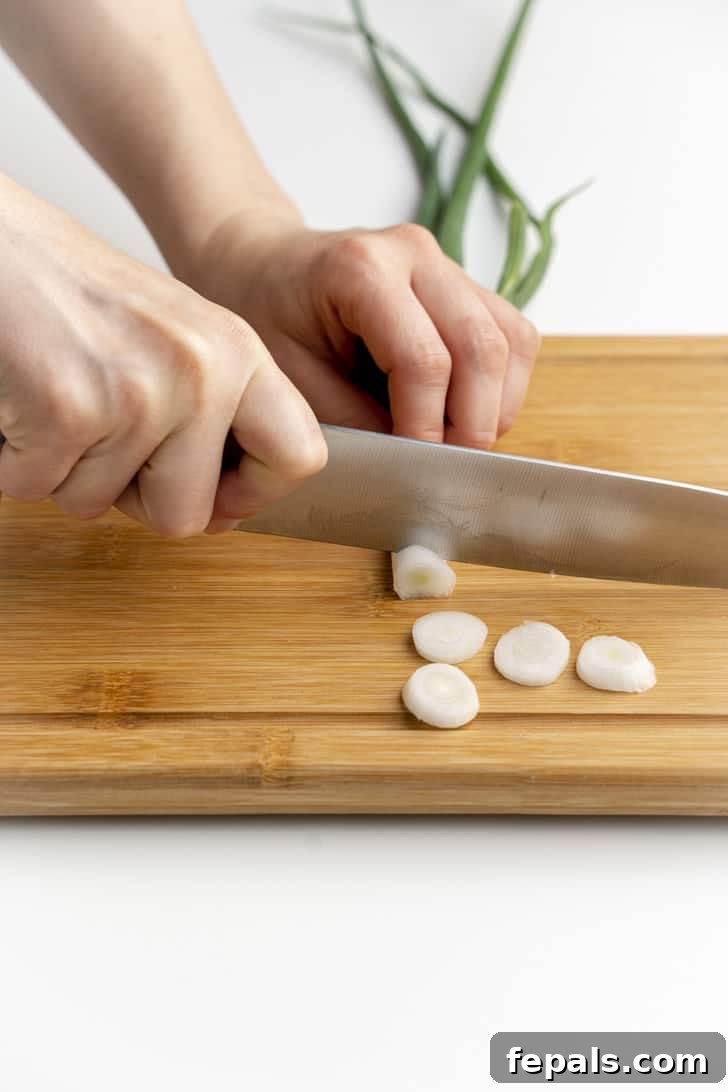
- Slice the White and Light Green Parts: Gather the trimmed white and light green sections of the green onions into a neat bunch. Using your sharp knife, make even horizontal slices across the green onions, aiming for rounds that are roughly ½-inch thick. You can adjust the thickness based on your recipe’s specific requirements. These thicker cuts are excellent for stir-fries, soups, stews, or any dish where you desire a more pronounced and robust onion flavor that can withstand cooking.
- Slice the Dark Green Parts: Once you’ve processed the white and light green sections, move on to the dark green tops. Continue slicing horizontally into ½-inch rounds, or adjust thickness as desired. These vibrant green pieces are ideally suited for garnishing fresh salads, stirring into various dips, adding to cold preparations, or incorporating into hot soups and broths just before serving to retain their fresh flavor, crisp texture, and beautiful color.
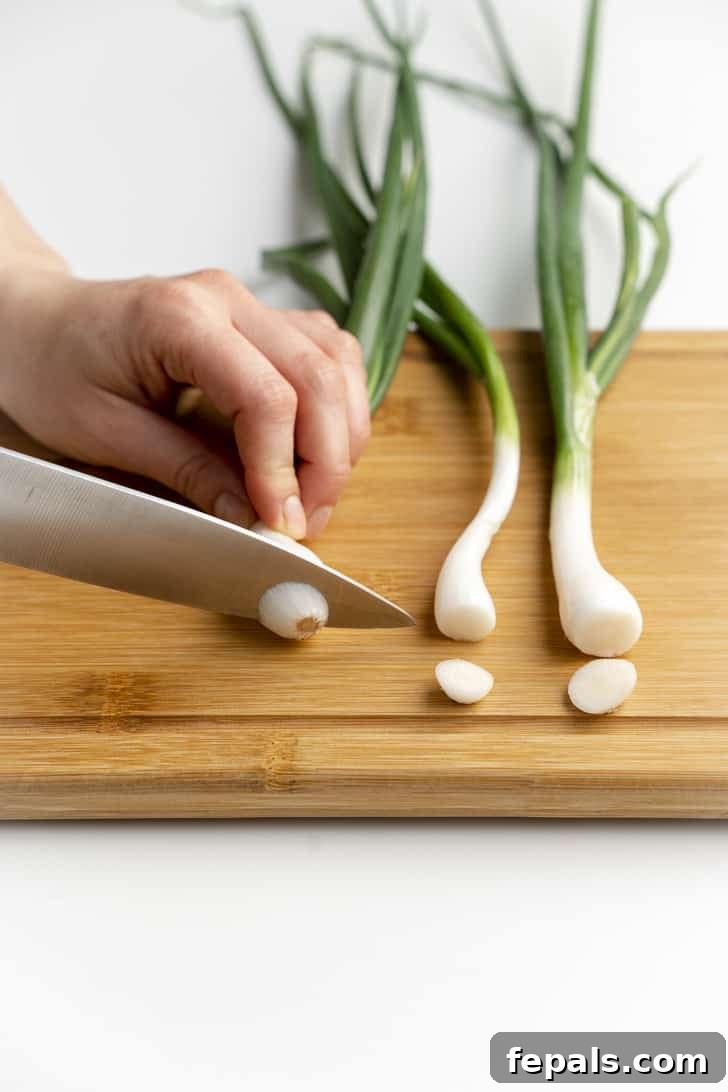
Alternative Cutting Styles for Diverse Culinary Applications
Beyond simple rounds, green onions can be cut in several other ways to specifically suit different culinary presentations, textures, and flavor distributions. Experimenting with these cuts can unlock new dimensions in your dishes:
- Diagonal Slices (Bias Cut): This popular and elegant technique is frequently employed in Asian cuisine for stir-fries, noodle dishes, or as an attractive garnish. To achieve this, hold your knife at a 45-degree angle to the green onion and slice thinly or thickly as desired. The diagonal cut exposes more surface area of the onion, which can enhance flavor release and provides a more visually dynamic and appealing look.
- Fine Mince: When you desire a more subtle green onion flavor or a smoother texture, particularly in dips, dressings, marinades, or finely chopped garnishes, mincing is the ideal method. After making your basic slices, gather the pieces into a pile and run your knife through them repeatedly, chopping until they reach a very fine, almost paste-like consistency.
- Long Strips or Julienne: For specific dishes that benefit from longer, delicate strands, such as fresh noodle salads, spring rolls, or as a striking garnish, you can prepare the green tops into long strips. First, cut the green part of the onion into 2-3 inch segments. Then, carefully slice these segments lengthwise into very thin strips, resembling julienned vegetables.
Storing Freshly Cut Green Onions for Extended Longevity
Proper storage is a critical step to extending the freshness and shelf life of your green onions, whether you’ve kept them whole or have already chopped them. Implementing good storage practices is especially useful for meal prep, ensuring you always have fresh, flavorful components readily available without the need for last-minute cutting.
Storing Uncut Green Onions
To keep whole green onions fresh and crisp for as long as possible in your refrigerator, consider these effective methods:
- The Water Method: This technique is popular for its ability to keep green onions fresh and even encourage slight regrowth. Place the root ends of the green onions in a small glass, jar, or shallow container with about an inch of water. Loosely cover the green tops with a plastic bag to create a humid environment and prevent them from drying out. Place the container in the refrigerator. Remember to change the water every day or two to prevent bacterial growth. This method can keep green onions fresh for up to a week, and sometimes even longer, providing a continuous supply.
- The Damp Paper Towel Method: For a simpler approach, gently wrap the entire bunch of green onions in a slightly damp (not wet) paper towel or a clean, moist kitchen linen. Then, place the wrapped bundle into a resealable plastic bag or an airtight container. Store this in the crisper drawer of your refrigerator. The damp towel helps to maintain moisture without making the onions overly wet, which prevents wilting. They should remain fresh and crisp for 5-7 days using this method.
Storing Cut Green Onions
Once you’ve sliced your green onions, they can be stored for convenience, though their shelf life is generally a bit shorter than when they are whole.
- Refrigerator Storage: After slicing, it’s crucial to ensure the green onions are as dry as possible to prevent them from becoming slimy, which is a common issue with cut alliums. Place the dried, sliced green onions in an airtight container or a resealable plastic bag. For best results, line the container or bag with a dry paper towel. The paper towel will absorb any excess moisture that might be released, helping to keep the green onions crisp and fresh. Store them in the refrigerator for 3-5 days.
- Freezer Storage (for Longer-Term Preservation): Freezing is an excellent option for extended storage, especially for the green tops which you might have in abundance or for times when you need them for cooked dishes.
- Flash Freeze: Spread the thoroughly dry, sliced green onions in a single layer on a baking sheet. Place the baking sheet in the freezer for about 1-2 hours until the onions are completely frozen solid. This crucial step prevents them from clumping together in a large, unmanageable block.
- Transfer to Storage: Once frozen, transfer the individual pieces of green onion to a freezer-safe bag or container. Squeeze out as much air as possible from bags to prevent freezer burn.
- Duration and Use: Store in the freezer for up to 3-4 months. It’s important to note that frozen green onions are best utilized in cooked dishes (such as stir-fries, soups, stews, casseroles, or scrambled eggs) rather than as a fresh garnish, as they will soften significantly upon thawing due to cellular changes.
Culinary Applications for Green Onions: Versatility in the Kitchen
The true beauty and value of green onions lie in their remarkable ability to complement a vast array of cuisines and dishes from around the world. The different parts of the green onion—the white bulb and the green stalks—offer distinct flavors and textures, making them suitable for various culinary techniques and applications.
Utilizing the White and Light Green Parts
The white and light green sections of the green onion are firmer, more fibrous, and possess a more pungent, intense, onion-like flavor. These parts stand up well to heat and are typically used earlier in the cooking process to build a foundational flavor.
- Stir-fries: Add finely chopped white parts at the very beginning of a stir-fry, sautéing them briefly to infuse the dish with a foundational aromatic onion flavor before other ingredients are added.
- Soups and Stews: Sautéed white parts can form the savory aromatic base for a multitude of soups, stews, and braises, adding depth and warmth.
- Sautéed Vegetables: Toss them with other vegetables like bell peppers, zucchini, or mushrooms for a quick, flavorful, and aromatic side dish.
- Marinades and Dressings: Minced white parts add a zesty, pungent kick to marinades for meats, poultry, or seafood, as well as to homemade vinaigrettes and creamy dressings for salads.
- Flavor Base: They are an essential core flavor component in many traditional Asian, Mexican, and even some European dishes.
Maximizing the Dark Green Tops
The dark green tops of the green onion are more tender, have a milder, fresher, and slightly grassier flavor. They are generally more delicate and are best added towards the end of cooking or used raw as a vibrant, fresh garnish.
- Garnishes: Sprinkle generously over hot ramen bowls, tacos, grilled fish, roasted vegetables, baked potatoes, or any savory dish to provide a pop of color, a burst of fresh flavor, and a textural contrast.
- Salads: Incorporate them into green salads, pasta salads, potato salads, or grain bowls for a light oniony crunch and herbaceous note.
- Dips and Sauces: Stir finely chopped green tops into fresh guacamole, vibrant salsa, creamy cream cheese dips, or refreshing yogurt-based sauces for added zest and a hint of oniony freshness.
- Finishing Touch: Fold into cooked rice, scrambled eggs, omelets, or frittatas just before serving to maintain their freshness and vibrant color.
- Broth and Ramen: They are indispensable for adding a crucial element of freshness, a subtle bite, and an aromatic lift to rich broths and various noodle dishes.
Essential Tips for Success When Cutting Green Onions
To ensure you always achieve the best results when preparing green onions, keep these practical tips in mind:
- Always Use a Sharp Knife: This fundamental rule cannot be overstressed. A sharp knife is not only crucial for producing clean, attractive cuts that preserve the onion’s integrity but is also significantly safer to use than a dull one, which can slip more easily.
- Wash and Dry Thoroughly: Eliminate any dirt, grit, or residues by washing the onions thoroughly under cool water. Equally important is to ensure they are completely dry before cutting. Excess moisture can make them slippery, difficult to handle, and prone to bruising, while also contributing to faster spoilage if stored.
- Trim Aggressively: Don’t hesitate to remove any discolored, slimy, wilted, or otherwise damaged parts of the green onion. This includes both the root ends and any less-than-perfect green tips. Using only the freshest, firmest portions ensures the best flavor, texture, and visual appeal in your dishes.
- Angle Your Cuts for Presentation: Experiment with holding your knife at a slight angle (a bias cut) when slicing the green tops. This technique creates elongated, oval-shaped pieces that can offer a more elegant and professional presentation, especially when used as a garnish.
- Consider Regrowing Green Onions: A fantastic way to minimize waste and ensure a continuous supply is to regrow them. After trimming the root ends (keeping about an inch of the white part with roots attached), place them upright in a shallow glass of water on a sunny windowsill. The green tops will quickly regrow, providing you with fresh green onions for salads and garnishes! Remember to change the water every day or two.
Frequently Asked Questions About Green Onions and Scallions
You should always cut off the very fibrous root ends, typically about ½ to 1 inch from the bottom of the white part. Any outer layers that are discolored, slimy, or significantly withered should also be peeled away or trimmed. The rest of the green onion, including both the white bulbous section and the long green stalks, is entirely edible and can be used in a wide variety of culinary applications.
Absolutely! The white part of a green onion is not only edible but is often preferred for cooked applications, especially when a stronger, more foundational onion flavor is desired. It is generally firmer and has a more pungent, robust taste compared to the milder, more delicate green tops. It’s commonly used as an aromatic base in sautéing, stir-fries, and many other cooked dishes where its flavor can meld and develop.
Yes, for the vast majority of practical cooking purposes, green onions, scallions, and spring onions are used interchangeably and refer to the same plant. They are all immature onions harvested before a large bulb has had the chance to fully develop, characterized by their small white base and long green stalks. While subtle botanical distinctions might exist (e.g., true spring onions sometimes have a slightly more developed bulb), in everyday recipes and grocery stores, these terms almost always refer to the same versatile vegetable.
When properly stored in an airtight container lined with a dry paper towel in the refrigerator, freshly cut green onions typically maintain their quality for 3-5 days. If you’ve opted to freeze them (after flash-freezing to prevent clumping), they can maintain good quality for up to 3-4 months. However, it’s important to remember that frozen green onions will have a softer texture upon thawing, making them best suited for cooked dishes rather than fresh garnishes.
Green onions are a remarkably low-calorie vegetable that is packed with beneficial nutrients. They are an excellent source of Vitamin K, which is crucial for healthy blood clotting and plays a role in bone health. They are also rich in Vitamin C, a powerful antioxidant that supports the immune system. Additionally, green onions provide a good amount of dietary fiber, Vitamin A, and several B vitamins, all contributing significantly to overall health and well-being with minimal caloric impact.
While green onions offer a milder flavor, they can often be used as a substitute for regular onions, especially in dishes where you want a lighter onion flavor or a fresh garnish. Use the white parts for cooked applications as you would a regular onion, and the green parts for fresh additions. However, keep in mind their flavor profile is less intense than a large mature onion, so you may need to adjust quantities or expect a different taste.
Recipe: How to Cut Green Onions (Scallions)
Equipment
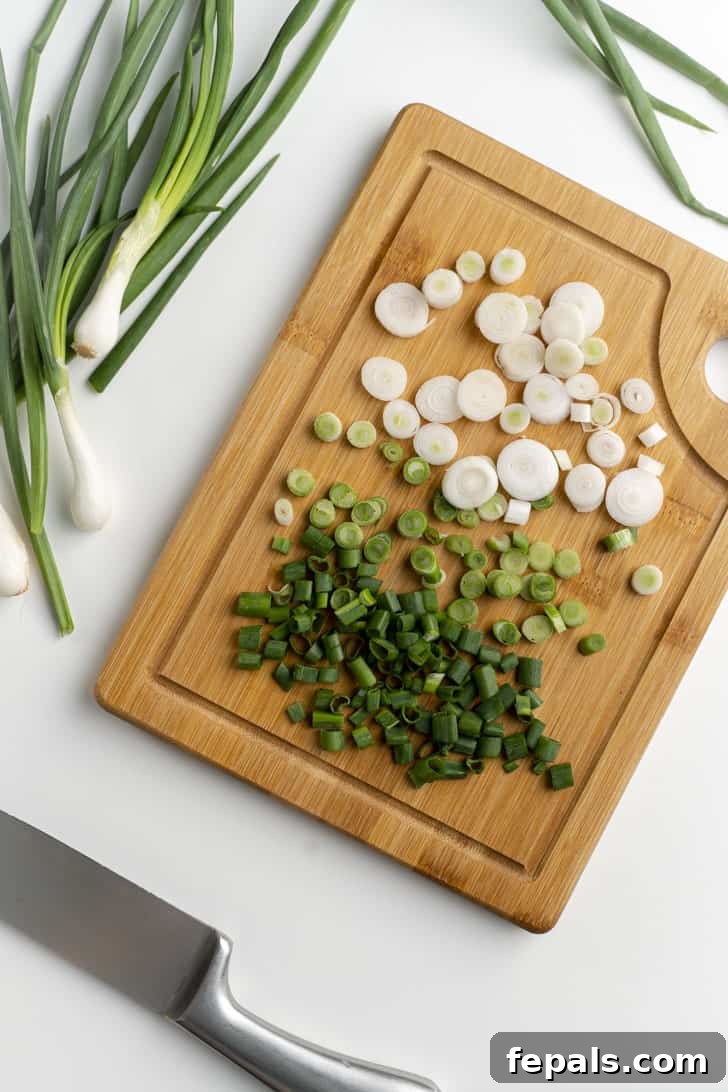
- 1 Sharp Chef’s Knife
- 1 Sturdy Cutting Board
- Paper towels or clean kitchen linen
Ingredients
- 1 Bunch Fresh Green Onions (Scallions)
Instructions
- Wash the green onions thoroughly under cool running water. Pay close attention to the white parts to ensure all dirt and grit are removed. Gently pat them completely dry with paper towels or a clean kitchen linen, as moisture can make them slippery and hard to cut.
- Place the dried green onions on your cutting board. Using a sharp knife, carefully trim off the root ends (typically about ½ to 1 inch from the bottom). Also, remove any visibly wilted, yellowed, or damaged green tips.
- (Optional) For recipes that call for different uses, separate the white and light green sections from the darker green tops. The white parts are more pungent for cooking, while the green tops are milder for garnishing.
- For basic rounds, gather the green onions into a neat bunch. Using a sharp knife, slice horizontally across them, aiming for uniform ½-inch thick pieces. Adjust the thickness based on your specific recipe’s requirements.
- Collect the freshly sliced green onions and either use them immediately in your cooking or store them properly for later use following the guidelines provided.
Notes for Optimal Storage and Use
- Refrigerator Storage (Cut): Store sliced green onions in an airtight container, preferably lined with a dry paper towel to absorb excess moisture, for 3-5 days in the refrigerator.
- Freezer Storage (Cut): For longer preservation, spread dry, sliced green onions in a single layer on a baking sheet and flash freeze them for 1-2 hours. Once frozen, transfer to a freezer-safe bag or container. They can be stored for up to 3-4 months and are best used in cooked dishes.
- Refrigerator Storage (Uncut): To store uncut green onions, place the root ends in about an inch of water in a glass, cover loosely with a plastic bag, and refrigerate for up to a week. Change the water daily.
- Safety First: Always ensure your knife is impeccably sharp. A sharp knife requires less force, giving you better control and reducing the risk of accidents during cutting.
Nutrition (Approximate per 1 bunch/serving)
Calories: 8 kcal, Carbohydrates: 2g, Protein: 0.4g, Fat: 0.1g, Saturated Fat: 0.01g, Polyunsaturated Fat: 0.02g, Monounsaturated Fat: 0.01g, Sodium: 4mg, Potassium: 66mg, Fiber: 1g, Sugar: 1g, Vitamin A: 239 IU, Vitamin C: 5mg, Calcium: 17mg, Iron: 0.4mg
Please note that nutrition information provided is automatically calculated and should only be used as an approximation. Actual values may vary based on specific ingredients and preparation methods.
Expand Your Kitchen Skills with More How-To Tutorials
Mastering basic knife skills and fundamental food preparation techniques can significantly enhance your confidence and overall enjoyment in the kitchen. Continue to develop your culinary prowess by exploring our other helpful, step-by-step tutorials:
- Step-by-step How to Cut a Cantaloupe Melon
- Learn How to Cut an Apple Into Slices
- A detailed tutorial on How to Cut and Deseed a Pomegranate
- Discover How to Make Zucchini Noodles
- An easy guide on How to Cut a Cabbage
Delicious Recipes Featuring Fresh Scallions
Now that you’re an expert at perfectly chopping green onions, it’s time to put your newly honed skills to excellent use! Dive into these incredibly flavorful recipes where the fresh, zesty notes of scallions truly shine and elevate the entire dish:
- Easy Shrimp Fried Rice
- Chicken Cauliflower Fried Rice
- Teriyaki Chicken Meal Prep Bowl
- Shrimp and Broccoli Stir Fry
- Baked Teriyaki Chicken Breast
- Quinoa Tabbouleh Salad
We love hearing from our community! If you try any of our recipes and find them delightful, please consider leaving us some constructive feedback in the comment section below, and don’t forget to give it a star rating! Your input helps us grow and improve. We would also be absolutely thrilled if you shared your culinary creations and newfound skills with friends and family.
Finally, capture your delicious dishes and share them with the world! Use our dedicated hashtag #healthyfitnessmeals on INSTAGRAM for a fantastic chance to be featured on our page! Make sure to FOLLOW Healthy Fitness Meals on FACEBOOK | INSTAGRAM | PINTEREST | TWITTER to stay updated with all of our latest blog posts, inspiring recipes, and helpful kitchen tips. Stay creative and keep cooking!