
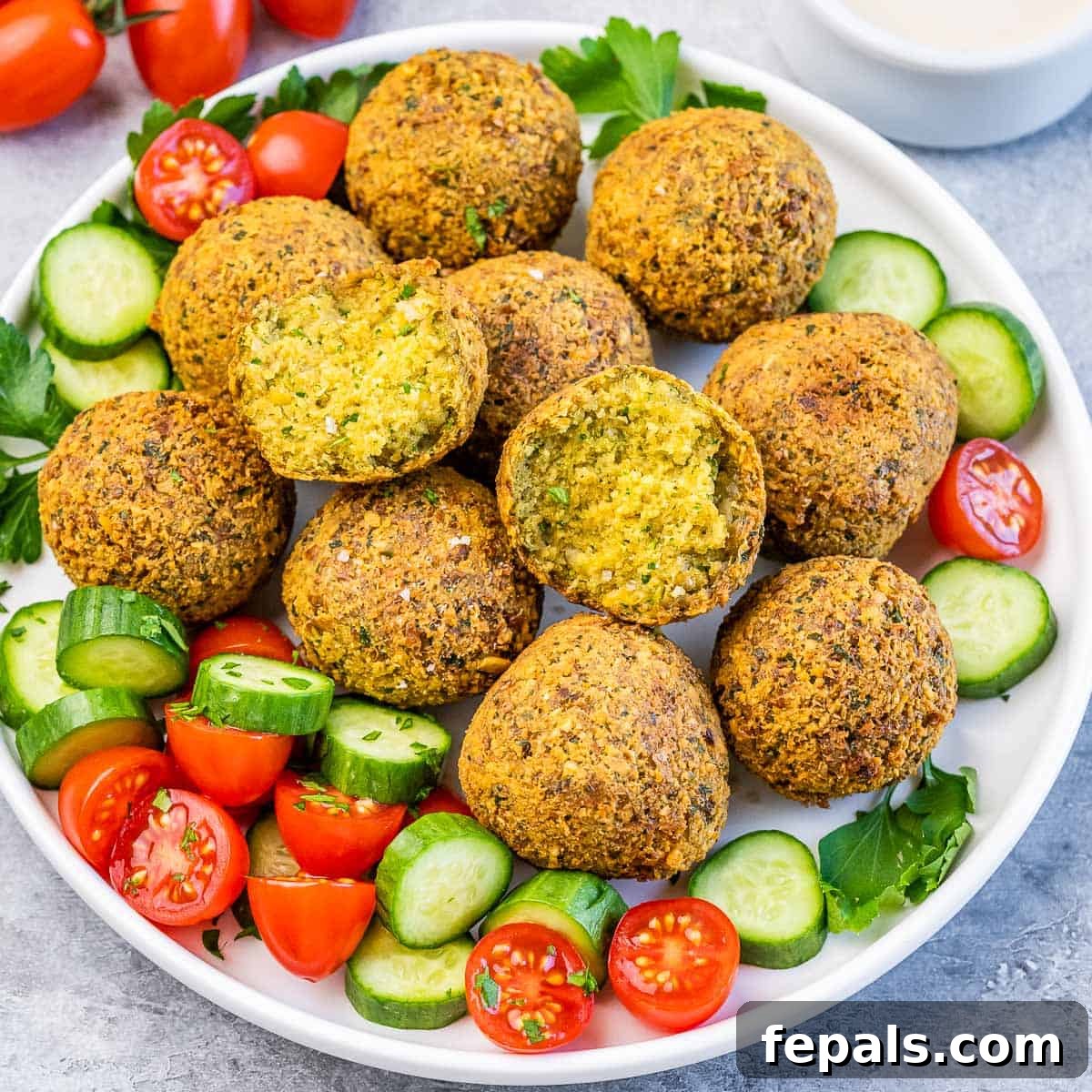
Welcome to the ultimate guide for crafting the most delicious, homemade falafel! Crispy on the outside, incredibly tender and flavorful on the inside, this easy Homemade Falafel Recipe transports your taste buds straight to the vibrant streets of a bustling Middle Eastern market. Forget bland, dry store-bought versions; these falafels are a game-changer. They’re naturally vegan and gluten-free, making them a fantastic, inclusive dish for everyone at your table. Whether you prefer to fry, bake, or air fry them, we’ll guide you through each method to achieve perfect results every time.
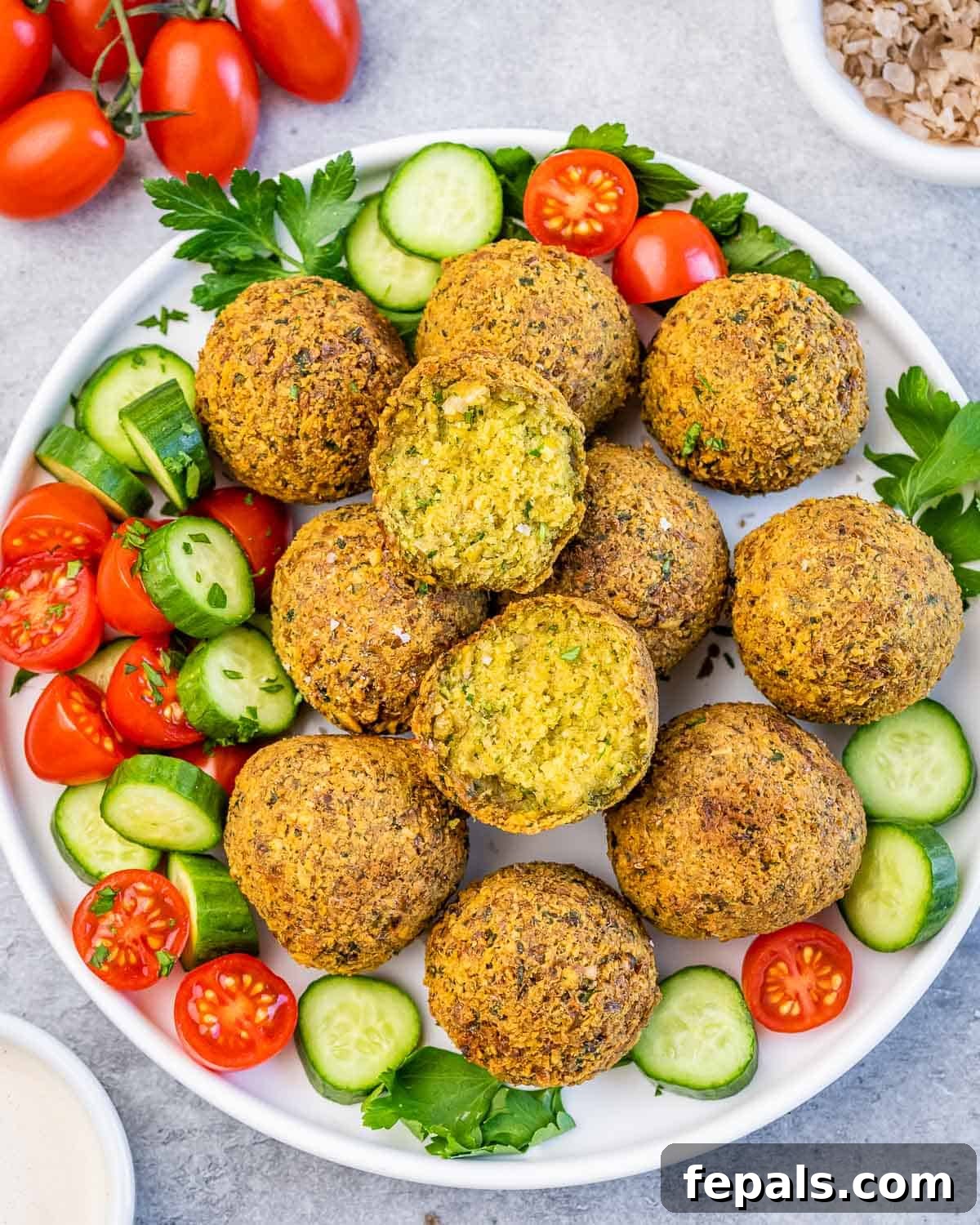
The Authentic Taste of Falafel: A Culinary Journey
For me, the taste of falafel is deeply rooted in childhood memories from Sierra Leone. My mom, a brilliant cook, frequently prepared this cherished dish, a skill she lovingly inherited from my grandmother. Their secret, which I’m thrilled to share, lies in using properly soaked dried chickpeas (never canned!), an abundance of fresh parsley and cilantro, and the aromatic warmth of cumin and coriander. This combination creates a falafel with unparalleled flavor and an irresistible texture.
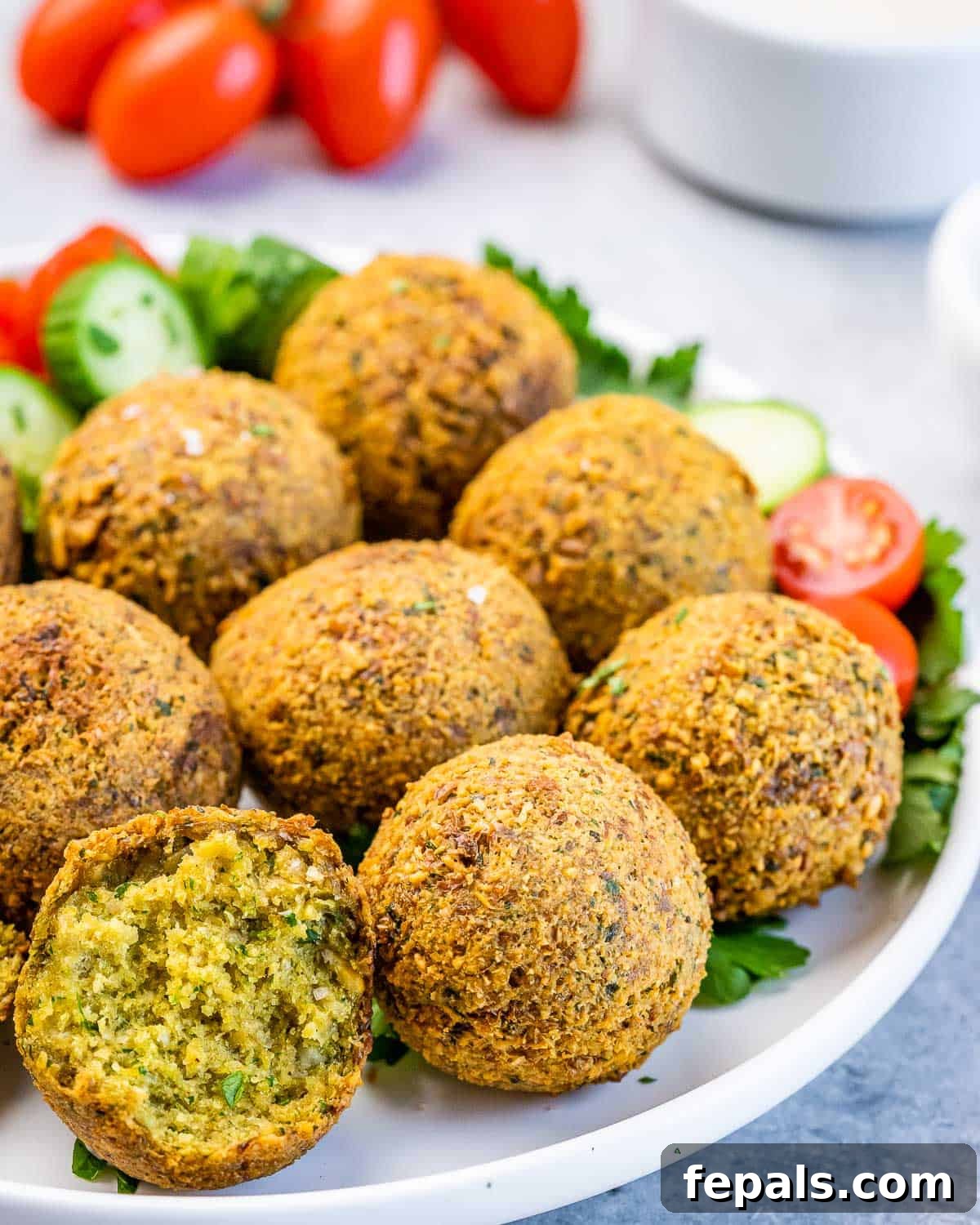
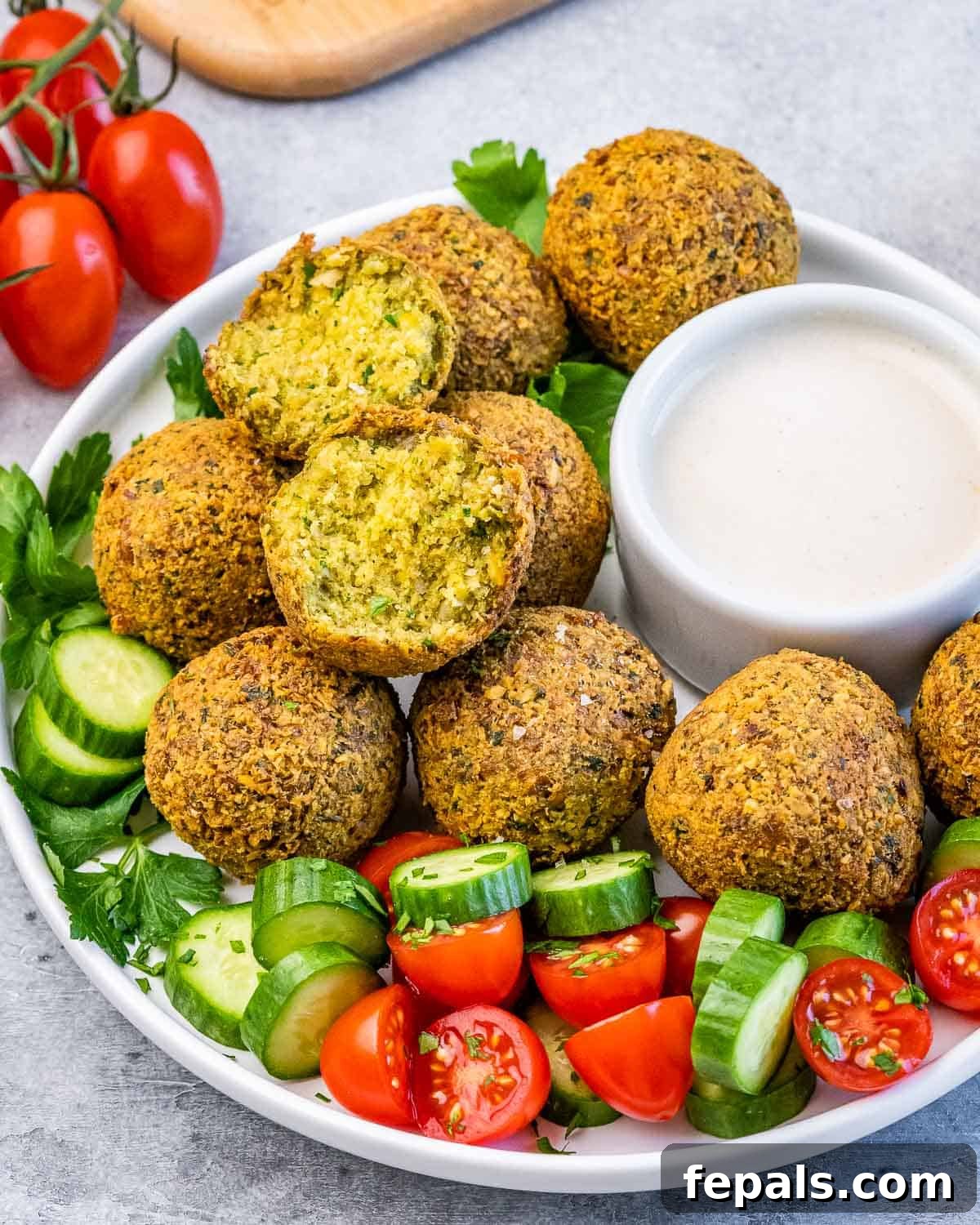
These falafels boast a delightful crunch on the exterior, giving way to a soft, herb-infused interior bursting with authentic Middle Eastern falafel flavors. Just as my mom and grandma taught me, they are always best served hot, alongside crisp, fresh vegetables and a generous drizzle of creamy tahini sauce. Beyond the traditional frying method, this guide will also show you how to effortlessly air fry falafel or bake falafel for a lighter, equally delicious alternative.
If you’re passionate about fresh, flavor-packed Mediterranean dishes, you’ll also want to explore my Easy Hummus Recipe or this wonderfully fresh Honey Dijon Lentil Salad. They perfectly complement the vibrant flavors of homemade falafel.
Recipe Overview
Tips From My Kitchen
Essential Tips Before You Start Your Homemade Falafel
Crafting the perfect falafel is a rewarding culinary experience. Here’s what you need to know to ensure your first batch, and every batch after, turns out flawlessly:
- Fresh Herbs are Non-Negotiable: For that vibrant, authentic flavor and a beautiful green interior, fresh parsley and cilantro are an absolute must. Dried herbs simply won’t yield the same robust results. Don’t skimp on these!
- Always Use Dried Chickpeas (Soaked Overnight): This is perhaps the most crucial tip. Canned chickpeas contain too much moisture and will result in a wet, mushy mixture that falls apart when cooked. Starting with dried chickpeas, soaked for a full 12-24 hours, ensures your falafel has the ideal fluffy texture inside and a crispy exterior.
- Size Matters: Aim for falafel balls that are roughly 1 to 2 inches wide. This size allows them to cook evenly and ensures they become perfectly crispy on the outside while remaining tender within. Larger balls may cook unevenly, and smaller ones can dry out too quickly.
- Chill the Dough for Stability: A helpful trick is to chill your falafel mixture for at least 30 minutes before forming the balls. This allows the ingredients to meld and the mixture to firm up, making it much easier to shape and preventing the falafel from disintegrating during cooking.
- Maintain a Coarse Texture: When blending the mixture, resist the urge to over-process. You want a texture that is slightly coarse, not a smooth paste. This coarseness is key to achieving that classic, satisfying falafel bite and helps the balls hold their shape.
- Hot Oil is Your Friend (for Frying): If you’re frying, ensure your oil is adequately hot before introducing the falafel. This immediate heat creates a crust, sealing in moisture and preventing the falafel from absorbing too much oil, guaranteeing a perfectly crisp finish.
Key Ingredients for the Best Homemade Falafel
The beauty of this homemade falafel recipe lies in its simple yet powerful ingredients. Each component plays a vital role in creating the distinctive flavor and texture that makes falafel so beloved. You’ll find the full, precise measurements further down in the detailed recipe card, but here’s a glimpse into what you’ll need to gather:
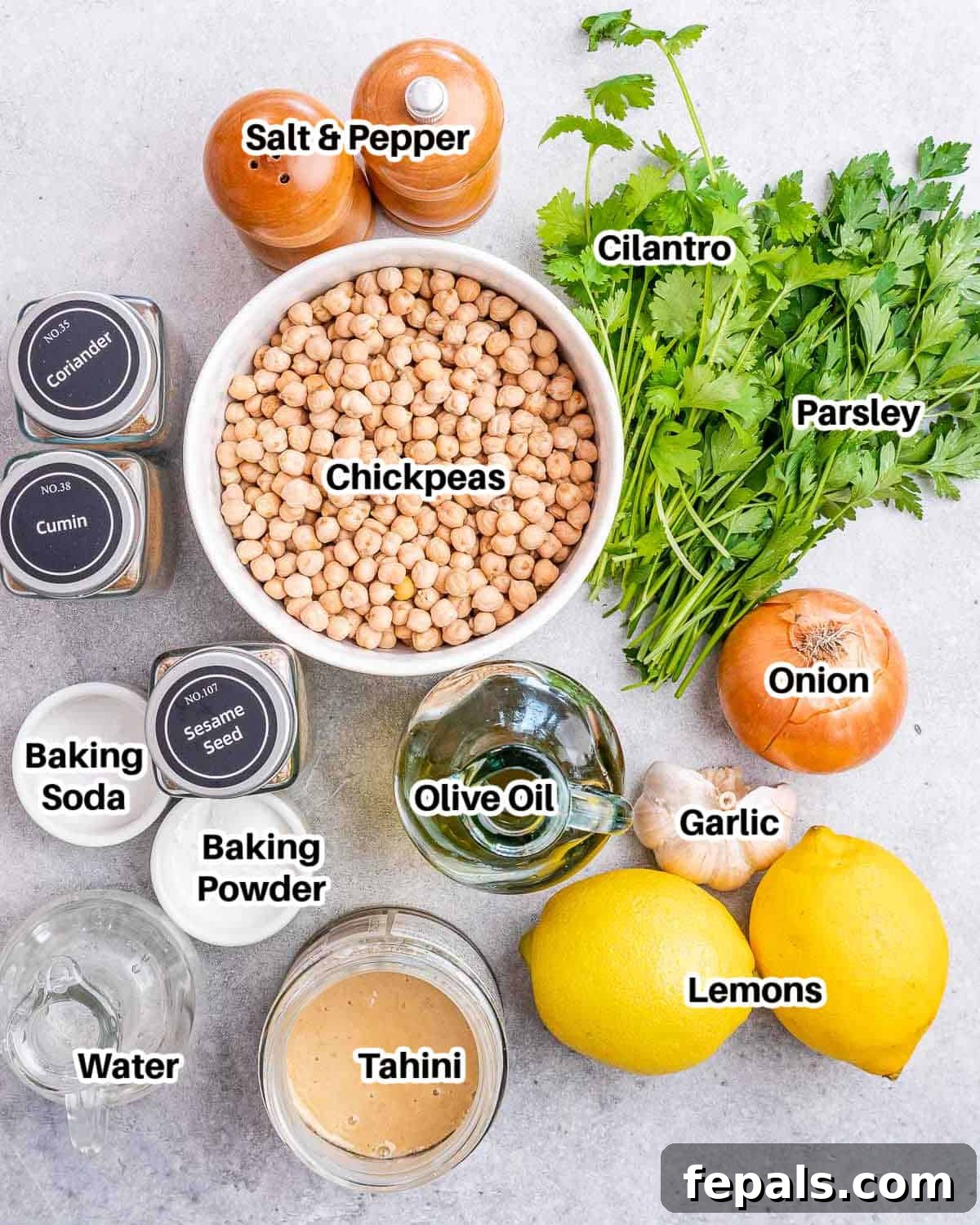
The Core Falafel Ingredients:
- Dried Chickpeas (Garbanzo Beans): The foundation of any great falafel. Soaking them is crucial for the right texture.
- Fresh Parsley & Cilantro: These herbs provide the signature green color and a burst of fresh, aromatic flavor.
- Fresh Garlic & Onion: Essential for building a robust flavor base.
- Cumin & Coriander Powder: The quintessential Middle Eastern spices that give falafel its warm, earthy, and aromatic profile.
- Baking Soda & Baking Powder: A secret weapon for light, fluffy interiors.
- Toasted Sesame Seeds: Adds a subtle nutty flavor and extra crunch, especially to the exterior.
- Salt & Pepper: To taste, balancing all the vibrant flavors.
- Oil for Frying: If you choose this method, a neutral oil suitable for deep frying is needed.
For the Creamy Tahini Sauce:
- Tahini Paste: A staple in Middle Eastern cuisine, providing a rich, nutty, and creamy base.
- Water: To achieve the perfect pourable consistency.
- Fresh Lemon Juice: Brightens the sauce and adds a zesty tang.
- Minced Garlic: Enhances the depth of flavor in the sauce.
- Salt: To season the sauce to perfection.
Common Questions About Making Falafel
While tempting for convenience, I strongly advise against using canned chickpeas for this homemade falafel recipe. Canned chickpeas are already cooked and contain a higher moisture content, making the mixture too wet and challenging to bind. This often leads to falafel that falls apart during frying or baking, lacks the desired crispness, and has a dense, rather than fluffy, interior. For that perfect, authentic texture – crispy outside, fluffy inside – you must start with dried chickpeas soaked overnight.
Several factors contribute to falafel staying intact. First, ensure your mixture isn’t too wet – this is why dried, soaked chickpeas are essential. If, after blending, the mixture feels overly moist, you can add a tablespoon or two of chickpea flour (garbanzo bean flour) or all-purpose flour to help with binding. Also, chilling the shaped falafel balls for at least 30 minutes before frying, especially in a warm kitchen, can significantly help them hold their shape. Lastly, make sure your oil is hot enough (around 350-375°F or 175-190°C) before adding the falafel; oil that isn’t hot enough will cause the falafel to absorb too much oil and disintegrate.
Absolutely! Baked falafel and air fryer falafel are fantastic healthier alternatives, though their texture will naturally be a bit firmer and slightly drier than traditionally fried falafel. To optimize for these methods, consider making your falafel mixture slightly wetter than for frying and adding an extra handful of fresh herbs for added moisture and flavor. Spritzing or brushing them generously with oil before baking or air frying is also crucial for achieving a golden, crisp exterior. For baking, preheat your oven to 375°F (190°C), place falafel on a parchment-lined baking sheet, and bake for 25-30 minutes, flipping halfway. For air frying, preheat your air fryer to 375°F (190°C) and cook for 12-15 minutes, shaking the basket halfway, until beautifully golden and crisp.
Cooked falafel can be stored in an airtight container in the refrigerator for up to 4 days. For longer storage, freeze them in a single layer on a baking sheet until solid, then transfer to a freezer-safe bag or container for up to 3 months. To reheat, the best methods are the oven or air fryer to restore crispness: bake at 350°F (175°C) for 10-15 minutes or air fry at 350°F (175°C) for 5-7 minutes, until heated through and crispy. Microwaving is an option for a softer texture, but it won’t regain the original crispness.
Step-by-Step Guide: How to Make Homemade Falafel
Creating authentic, flavorful falafel from scratch is easier than you think. Follow these detailed steps to achieve perfect results every single time, whether you choose to fry, bake, or air fry your delicious creations.
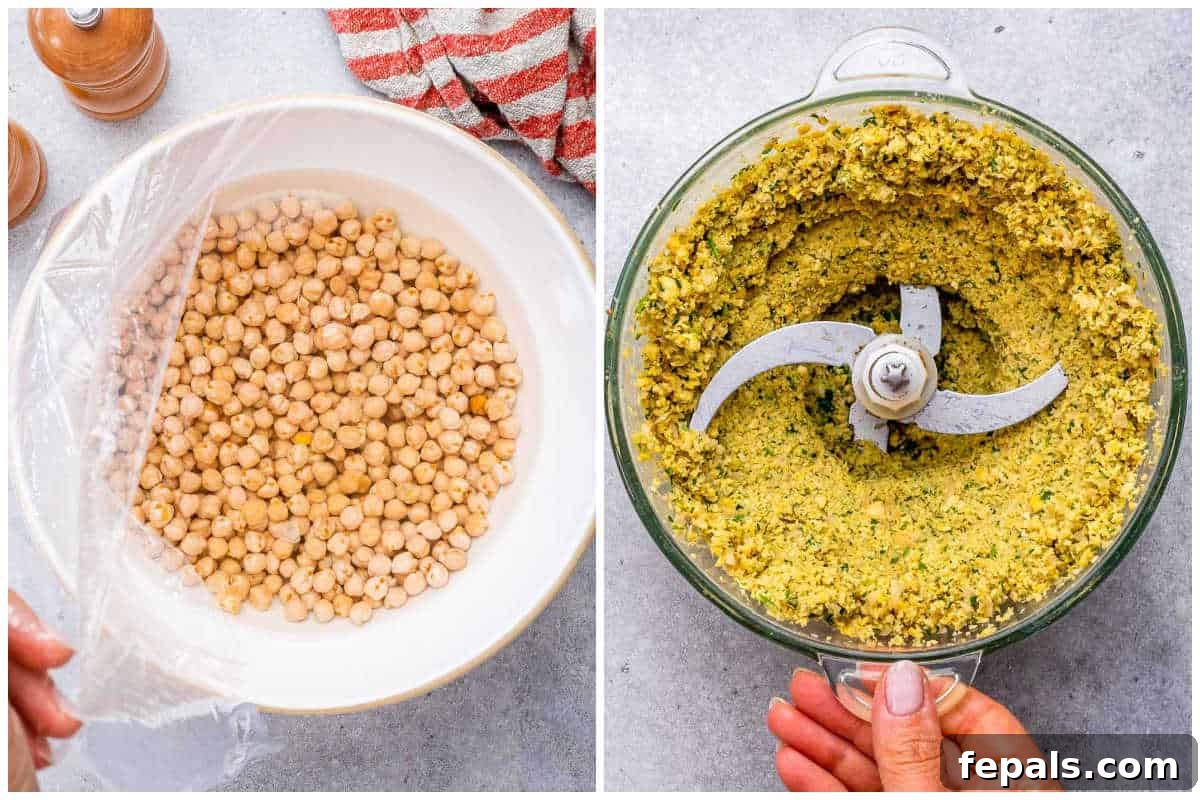
1️⃣ Prepare Your Chickpeas: The Foundation of Flavor
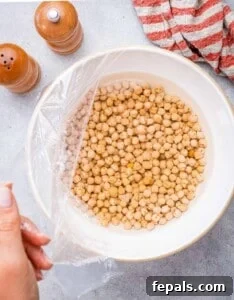
The first and most critical step for incredible falafel is properly soaking your dried chickpeas. Place 1½ cups of dried chickpeas in a large bowl and cover them with at least twice their volume in cold water. The chickpeas will expand significantly, so ensure there’s ample water. Cover the bowl (a simple cling wrap works well) and let them soak for a minimum of 12 hours, or ideally overnight, up to 24 hours. Check occasionally and top up the water if the chickpeas absorb too much. Once soaked, drain the chickpeas thoroughly and rinse them under cold water. Let them sit in a colander for about 15-20 minutes to remove any excess surface water. This crucial step ensures your falafel mixture has the perfect moisture balance.
✏️ Why it matters: Fully soaked chickpeas are rehydrated and softened, but not cooked. This is what gives you that desired light, fluffy falafel texture inside that holds together beautifully during cooking.
2️⃣ Create the Falafel Mixture: Pulsing to Perfection
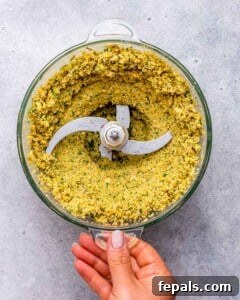
Transfer your drained, rinsed chickpeas to a food processor. Add the fresh herbs (generous amounts of parsley and cilantro), chopped medium onion, and peeled fresh garlic cloves. At this stage, do NOT add the baking soda or baking powder yet. Pulse the mixture in small, controlled bursts. Avoid continuous blending, as this can turn the mixture into a paste. You’re looking for a texture that is finely ground but still slightly coarse – somewhere between couscous and a thick paste. When you pinch a small amount, it should hold together easily without crumbling or being overly wet. Transfer this vibrant green mixture to a large bowl. At this point, you can cover the bowl and refrigerate it for a few hours or even overnight if you’re not ready to cook immediately. This also helps the flavors meld.
✏️ Expert Tip: Don’t over-blend! A slightly coarse texture is what gives falafel its characteristic bite and prevents it from becoming gummy. The goal is enough processing for it to bind, but not to liquefy.
3️⃣ Season and Shape Your Falafel Balls
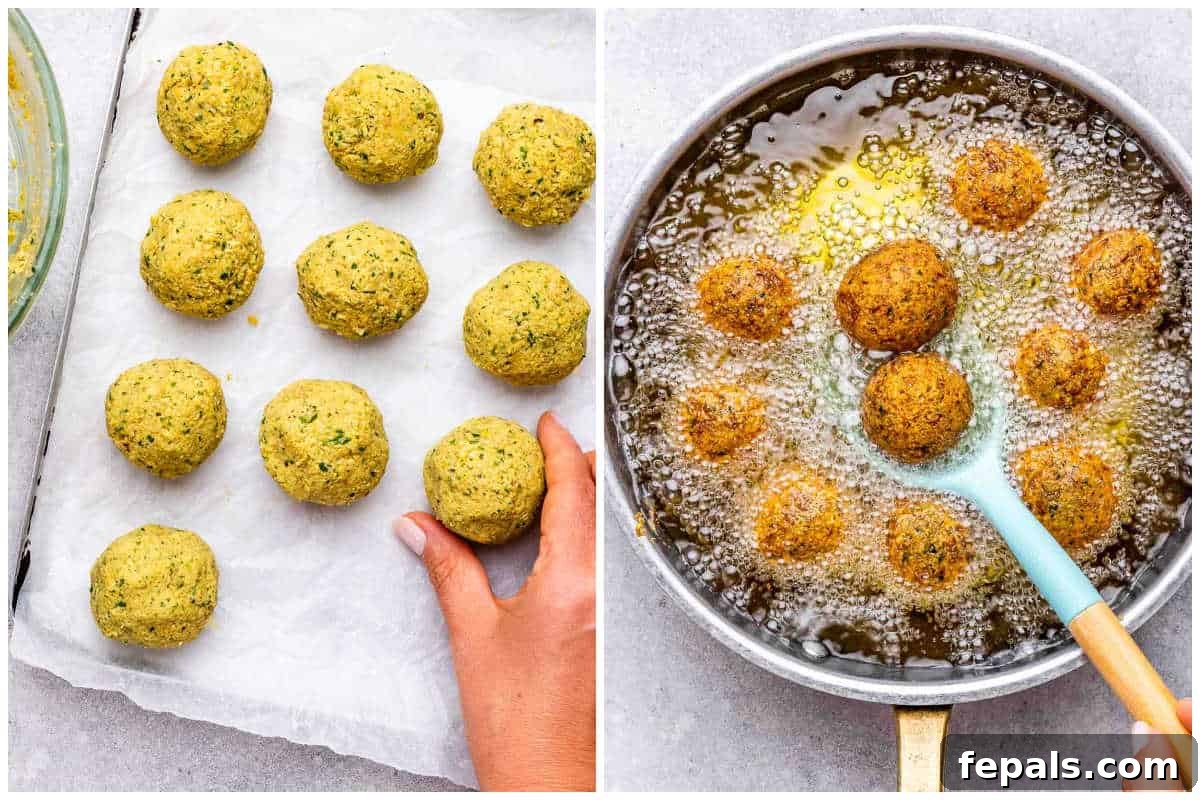
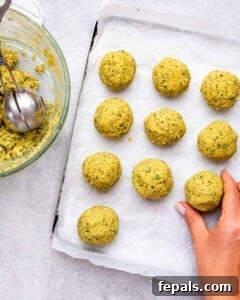
About 8-10 minutes before you plan to start cooking, retrieve your falafel mixture. Now is the time to add the spices: cumin, coriander powder, baking soda, and toasted sesame seeds. Season generously with salt and pepper to taste (I recommend starting with 1 teaspoon of salt and ½ teaspoon of black pepper, then adjusting). Gently knead the mixture with your hands to ensure all the seasonings are evenly distributed throughout. This is also a good opportunity to taste a tiny bit of the raw dough and adjust seasoning as needed – remember, you can always add more salt, but you can’t take it away! Once seasoned, use a falafel scoop (which creates the traditional donut shape) or a small ice cream scoop, or simply your hands, to form 1-2 inch balls or small patties. Place them on a plate or baking sheet.
✏️ Flavor Focus: Kneading helps infuse every part of the falafel with the aromatic spices, ensuring a consistently flavorful experience with every bite.
4️⃣ Cook Your Falafel: Frying for the Classic Crunch
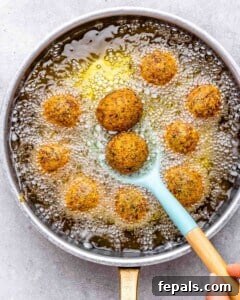
If opting for the traditional fried method, add enough vegetable oil (or another neutral oil like canola or sunflower) to a deep skillet or pot to cover the falafel balls entirely. Heat the oil over medium-high heat until it reaches approximately 350-375°F (175-190°C). If you don’t have a thermometer, test a tiny piece of the mixture – it should sizzle immediately. Carefully lower the falafel balls into the hot oil, frying in batches to avoid overcrowding the pan. Overcrowding can lower the oil temperature, leading to greasy or soggy falafel. Fry for 2-3 minutes per batch, turning occasionally, until they achieve a deep golden-brown color and are wonderfully crisp. Use a slotted spoon to transfer the cooked falafel to a plate lined with paper towels to drain any excess oil.
✏️ Frying Mastery: Proper oil temperature is crucial. When the oil bubbles vigorously around the falafel, it signifies the perfect heat to create that coveted crisp crust while keeping the inside tender and moist.
5️⃣ Assemble and Serve: The Perfect Falafel Platter
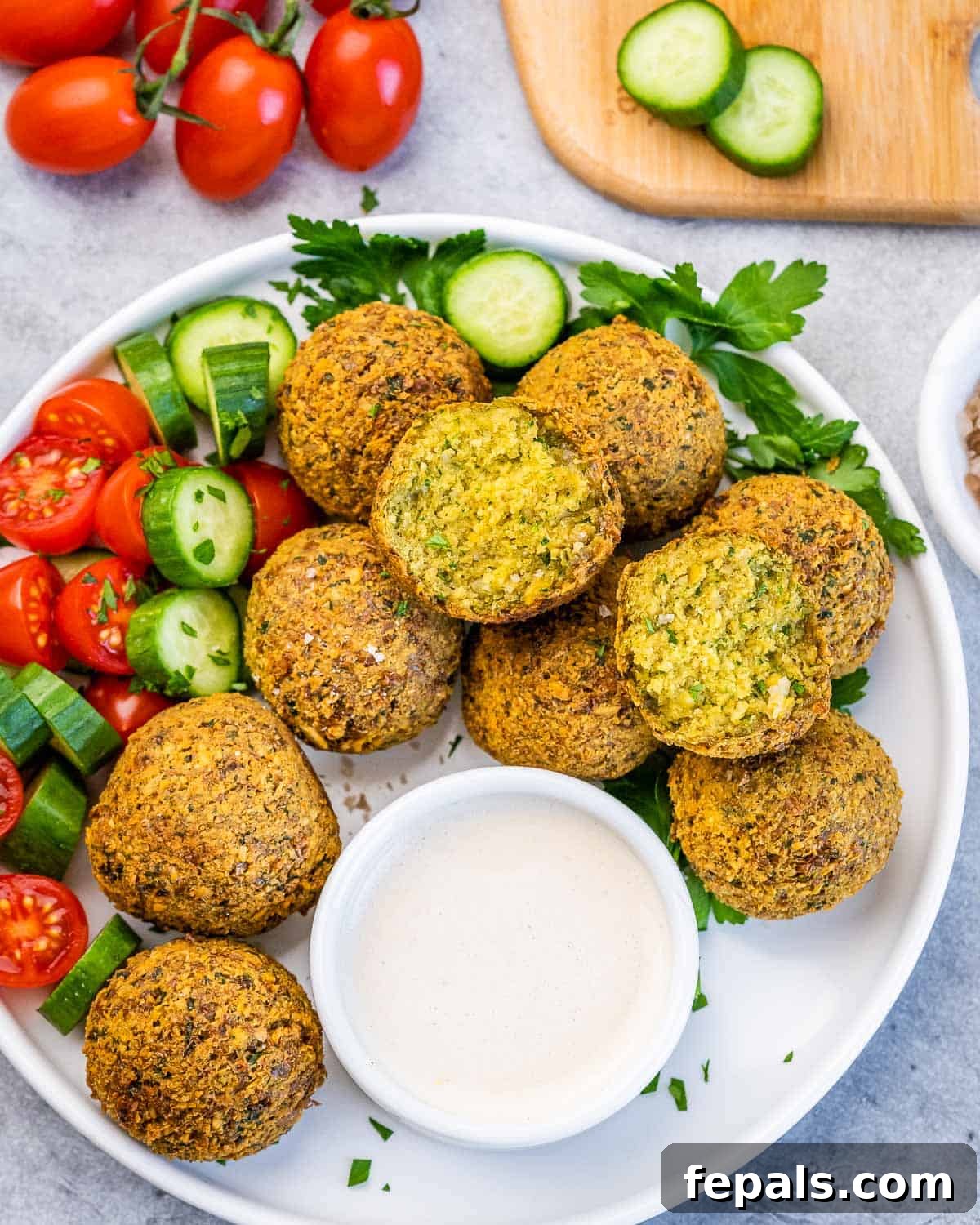
While your falafel is cooking or cooling slightly, prepare your tahini sauce. In a small bowl, whisk together the tahini paste, a quarter cup of water (add a little at a time, you may need 2-3 extra tablespoons for a thinner sauce), fresh lemon juice (from about one lemon), minced garlic cloves, and salt to taste. Continue whisking until the sauce is creamy, smooth, and has a pourable consistency. If it’s too thick, add more water, a teaspoon at a time. Serve the crispy falafel hot, immediately after cooking, alongside an array of fresh accouterments. Classic pairings include pickled vegetables (like turnips or cucumbers), sliced fresh tomatoes, thinly sliced onions, a generous sprinkle of fresh parsley and mint, and, of course, that irresistible, creamy tahini sauce. Enjoy these delights as a main meal, a flavorful appetizer, or tucked into warm pita bread.
✏️ Serving Suggestion: Serving your falafel hot and fresh ensures you enjoy the maximum irresistible crunch and vibrant flavors right out of the fryer or oven.
How to Make Falafel in the Air Fryer for a Healthier Option
For those seeking a healthier alternative to deep-frying, using an air fryer is a fantastic method that still delivers wonderfully crisp falafel. Follow these simple steps to achieve perfectly air fryer falafel:
- Prepare the Falafel Mix: Follow steps 1 and 2 from the main recipe card to create your falafel mixture in the food processor. For air frying, I highly recommend chilling the falafel dough for at least 20-30 minutes. This helps firm up the mixture, making it less likely to stick and ensuring it holds its shape during cooking.
- Form the Falafel Balls/Patties: You have a few options for shaping. A traditional falafel scooper will give you that classic donut-like shape. Alternatively, use a small ice cream scoop or simply your hands to form uniform balls or small patties. Ensure they are between 1-2 inches wide to ensure even cooking and optimal crispness.
- Preheat the Air Fryer: Set your air fryer to 375°F (190°C) and allow it to preheat for a few minutes. Proper preheating is key to getting that instant crisp on the falafel’s surface.
- Oil the Basket and Falafels: To prevent sticking and promote browning, lightly spray the air fryer basket with a bit of avocado oil or another high-heat cooking spray. Then, arrange the falafel balls in a single layer in the basket, ensuring they are not touching each other. Lightly spray the falafel balls themselves with a bit of oil. This helps them achieve that desirable golden-brown and crispy texture.
- Air Fry to Perfection: Work in batches if necessary to avoid overcrowding. Air fry for 12-15 minutes, pausing halfway through to flip the falafel balls or gently shake the basket. Continue cooking until they are beautifully golden brown and crispy on all sides. Serve immediately with your favorite accompaniments.
How to Bake Falafel for a Delicious, Oven-Cooked Alternative
If you don’t have an air fryer or simply prefer to use your oven, baking falafel is another fantastic and healthier option. While the texture will be slightly different from fried versions, baked falafel can still be wonderfully flavorful and satisfying. Follow these steps:
- Preheat Your Oven: Start by preheating your oven to a robust 400°F (200°C). A hot oven is essential for helping the falafel achieve a nice crispy exterior.
- Prepare the Falafel Dough: Follow the same steps outlined in the main recipe card to prepare your falafel dough. Ensure it’s well-chilled before shaping, as this will help the falafel maintain its form in the oven.
- Shape and Arrange: Form the falafel mixture into uniform 1-2 inch balls or patties, just as you would for frying or air frying. Arrange them in a single layer on a baking sheet lined with parchment paper. This prevents sticking and makes for easy cleanup.
- Oil and Bake: Lightly spray or brush the falafel balls with avocado oil or another neutral cooking oil. This step is crucial for promoting browning and crispness. Bake for 20–25 minutes, making sure to flip them halfway through the cooking time. They should turn golden brown and feel firm to the touch on the outside, with a tender interior. Serve warm and enjoy!
Creative Variations & Pro Tips for Your Falafel
Once you’ve mastered the basic recipe, don’t hesitate to experiment with these variations and tips to make your falafel even more exciting:
- Spice it Up: For those who love a bit of heat, add a pinch of cayenne pepper or a dash of your favorite hot sauce to the falafel mixture. This introduces an extra layer of warmth and depth to the flavor profile.
- Mini Falafel for Appetizers: Roll smaller falafel balls, about 1 inch in diameter, for delightful appetizers or a mezze platter. They cook faster, are perfect for dipping, and make for excellent finger food at gatherings.
- Fresh Mint Boost: Alongside the parsley and cilantro, incorporate a handful of fresh mint into the falafel mixture. Mint adds a wonderfully bright, refreshing, and aromatic note that elevates the overall flavor.
- Falafel Salad Bowl: For a lighter, nutrient-packed meal, serve your falafel over a large, crisp salad. Combine fresh cucumbers, cherry tomatoes, red onion, olives, and a drizzle of homemade tahini dressing for a satisfying and healthy lunch or dinner.
- Add a Citrus Zest: Grate a teaspoon of lemon or lime zest into the falafel mixture before blending. The citrus oils will add a subtle brightness and aromatic complexity that complements the herbs and spices.
- Garlic Lover’s Falafel: Don’t be shy with the garlic! If you adore garlic, feel free to add an extra clove or two to the mixture for a more pungent and robust flavor.
Storage & Make-Ahead Tips for Convenient Falafel
Falafel is a fantastic dish for meal prepping or making ahead, allowing you to enjoy its deliciousness with minimal effort during busy times:
- Fridge Storage (Cooked): Store any leftover cooked falafel in an airtight container in the refrigerator for up to 4 days. They are still delicious cold, but best when reheated.
- Freezer Storage (Cooked): To freeze cooked falafel, first arrange them in a single layer on a baking sheet and freeze until solid. Once frozen, transfer them to a freezer-safe bag or container. They will keep well for up to 3 months. Thaw overnight in the fridge before reheating.
- Reheating for Crispness: For best results, reheat cooked falafel in the oven at 350°F (175°C) for 10-15 minutes, or in an air fryer at 350°F (175°C) for 5-7 minutes, until heated through and crisp. A quick microwave zap will warm them, but they’ll be softer and won’t regain their crunch.
- Make-Ahead Dough: The falafel mixture can be prepared a day ahead of time. Simply cover the bowl tightly with plastic wrap and chill it in the refrigerator. When you’re ready to cook, proceed with shaping and cooking. This is a great way to break up your prep time!
- Make-Ahead Tahini Sauce: Your creamy tahini sauce can also be made up to 3 days in advance and stored in an airtight container in the fridge. Give it a good whisk or add a tiny bit of water to loosen it up again before serving.
Easy Falafel Recipe
By: Rena
Crispy on the outside, tender on the inside, this easy homemade falafel is loaded with fresh herbs and spices for authentic Middle Eastern flavor.
Prep Time: 15 mins
Cook Time: 10 mins
Soaking Time: 12 hrs
Total Time: 12 hrs 25 mins
Ingredients
Falafel
- 1½ cups dried chickpeas, aka Garbanzo beans
- ½ cup fresh parsley
- ½ cup fresh cilantro
- 3 cloves fresh garlic, peeled
- 1 medium onion, chopped
- 1 teaspoon cumin
- 1½ teaspoons coriander powder
- ½ teaspoon baking soda
- 1 teaspoon baking powder
- 1 tablespoon toasted sesame seeds
- Salt and pepper, to taste, I used 1 tsp salt and 1/2 tsp black pepper.
- Oil for frying
Tahini Sauce
- ½ cup tahini paste
- ¼ cup water, plus 2–3 tablespoons for thinner sauce
- 1 lemon, about ¼ cup (juiced)
- 2 garlic cloves, minced
- Salt, to taste
Instructions
-
Cover 1½ cups dried chickpeas with plenty of water, wrap, and soak for 12 hours, topping up water if needed. Drain, rinse, and let sit in a colander to remove excess water.

-
Place chickpeas, fresh herbs (½ cup fresh parsley, ½ cup fresh cilantro), 1 medium onion, and 3 cloves fresh garlic (skip the baking soda for now) into a food processor. Pulse in small batches until the texture is between couscous and a paste, and it holds together easily. Transfer the mixture into a bowl. You can store it in the fridge in a container until ready to fry, to mix in the other ingredients.
-
About 8-10 minutes before frying, add 1 teaspoon cumin and 1½ teaspoons coriander powder, Salt and pepper, 1 teaspoon baking powder, ½ teaspoon baking soda, and 1 tablespoon toasted sesame seeds to the falafel mix. Taste and adjust salt and pepper if needed. Knead to combine, then shape with a falafel scoop or small ice cream scoop.
-
Add vegetable Oil for frying to a deep skillet, enough to cover the falafel, and heat it up. Fry in batches for 2-3 minutes, until deep golden and crisp. Drain on paper towels.
-
Whisk ½ cup tahini paste, ¼ cup water (a little at a time), lemon juice (from 1 lemon), 2 garlic cloves, and Salt until creamy and pourable. Serve the falafel hot with pickled vegetables, sliced tomatoes, onions, parsley, mint, and tahini sauce.
Notes
- Use dried chickpeas soaked overnight. Canned will make the mix too wet.
- Keep the mixture slightly coarse for the best texture.
- Don’t overcrowd the pan when frying so the oil stays hot.
- Serve falafel right away for maximum crunch.
- You can taste the falafel dough to adjust the salt and pepper to your liking.
- Nutrition values do not include the oil used to fry them.
Storage:
- Fridge: Store cooked falafel in an airtight container for up to 4 days.
- Freezer: Freeze in a single layer, then transfer to a container for up to 3 months.
- Reheat: Warm in the oven until heated through.
- Make Ahead: Prepare the falafel mix a day ahead or the tahini sauce up to 3 days ahead, and store covered in the fridge.
Nutrition
Nutrition information is automatically calculated, so should only be used as an approximation.
- Serving:
- 4 falafel balls
- Calories:
- 494 kcal
- Carbohydrates:
- 60 g
- Protein:
- 21 g
- Fat:
- 22 g
- Saturated Fat:
- 3 g
- Polyunsaturated Fat:
- 10 g
- Monounsaturated Fat:
- 8 g
- Sodium:
- 281 mg
- Potassium:
- 966 mg
- Fiber:
- 17 g
- Sugar:
- 10 g
- Vitamin A:
- 850 IU
- Vitamin C:
- 32 mg
- Calcium:
- 242 mg
- Iron:
- 8 mg
Additional Info
Course: Appetizer, Main Course
Cuisine: Mediterranean
Tried this recipe?
Mention @healthyfitnessmeals or tag #healthyfitnessmeals!
What to Serve with Homemade Falafel
Homemade falafel is incredibly hearty and satisfying on its own, but pairing it with fresh, flavorful sides elevates the meal to new heights. A drizzle of rich Lebanese Garlic Sauce is also an incredible alternative or addition to the classic tahini sauce, offering an extra punch of flavor.
Here are some of my favorite sides and pairings to serve alongside these delicious falafel balls:
- Quinoa Tabbouleh Salad: A healthier twist on a classic, packed with grains and fresh herbs.
- Traditional Tabbouleh Salad: The ultimate fresh and zesty parsley and bulgur salad.
- Hummus Quinoa Veggie Bowl: A wholesome and satisfying bowl that complements the falafel perfectly.
- Mediterranean Pasta Salad: A light and flavorful pasta salad with classic Mediterranean ingredients.
- Baba Ghanoush: A smoky eggplant dip that’s a perfect companion.
- Warm Pita Bread: Essential for making delicious falafel sandwiches or wraps.
- Pickled Vegetables: Such as pickled turnips or cucumbers, offer a tangy contrast to the rich falafel.
- Fresh Salad: Simple mixed greens with a lemon-tahini dressing provide a refreshing balance.
Explore More Mediterranean and Healthy Recipes
If you loved this easy falafel recipe, be sure to check out these other delightful and healthy dishes from my kitchen. They capture the essence of wholesome, flavorful cooking:
- Mediterranean Chicken Salad
- Tomato Mozzarella Salad
- Chicken Gyro
- Grilled Chicken Kafta
- Beef Kafta
- Instant Pot Spaghetti
Get My Free eBook!
Grab my free ebook featuring 20 of my top 30-minute family-friendly healthy dinner recipes.
If you try this falafel recipe and love it as much as I do, please leave me some feedback in the comment section below and don’t forget to rate it! Your thoughts and ratings are incredibly helpful to others. I would also truly appreciate it if you shared this recipe with your friends and family.
FOLLOW me on FACEBOOK | INSTAGRAM | PINTEREST | TWITTER for all of my latest blog posts and recipes. Happy cooking!