
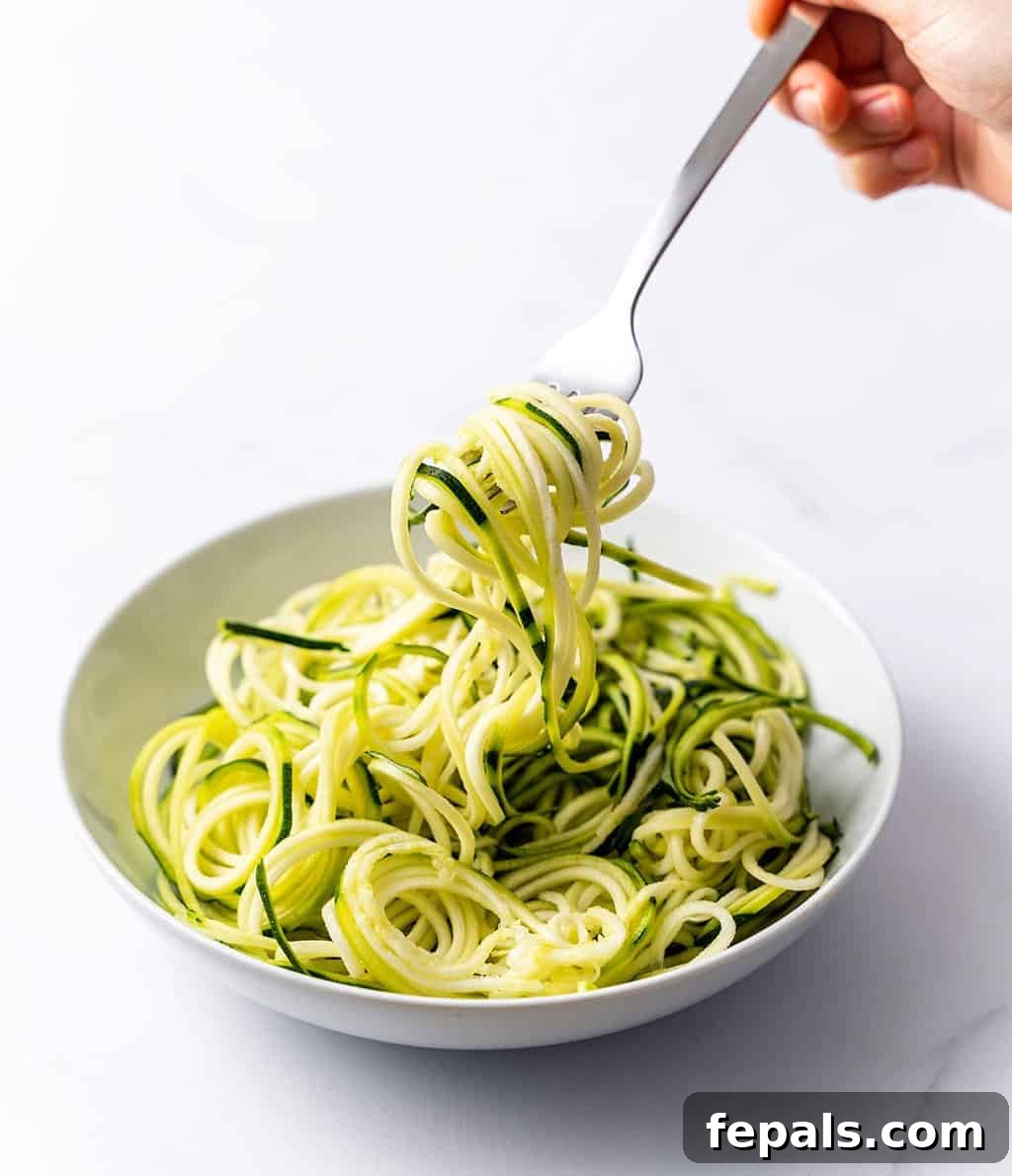
Zucchini noodles, affectionately known as “zoodles,” have revolutionized healthy eating. They offer a delightful, low-carb, and gluten-free alternative to traditional pasta, making them a staple for anyone seeking nutritious yet satisfying meals. Whether you’re adhering to a specific diet or simply looking to incorporate more vegetables into your culinary repertoire, zoodles are an incredibly versatile and easy-to-prepare option. This comprehensive guide will walk you through everything you need to know about making, cooking, and enjoying perfect zucchini noodles.
What Exactly Are Zucchini Noodles “Zoodles”?
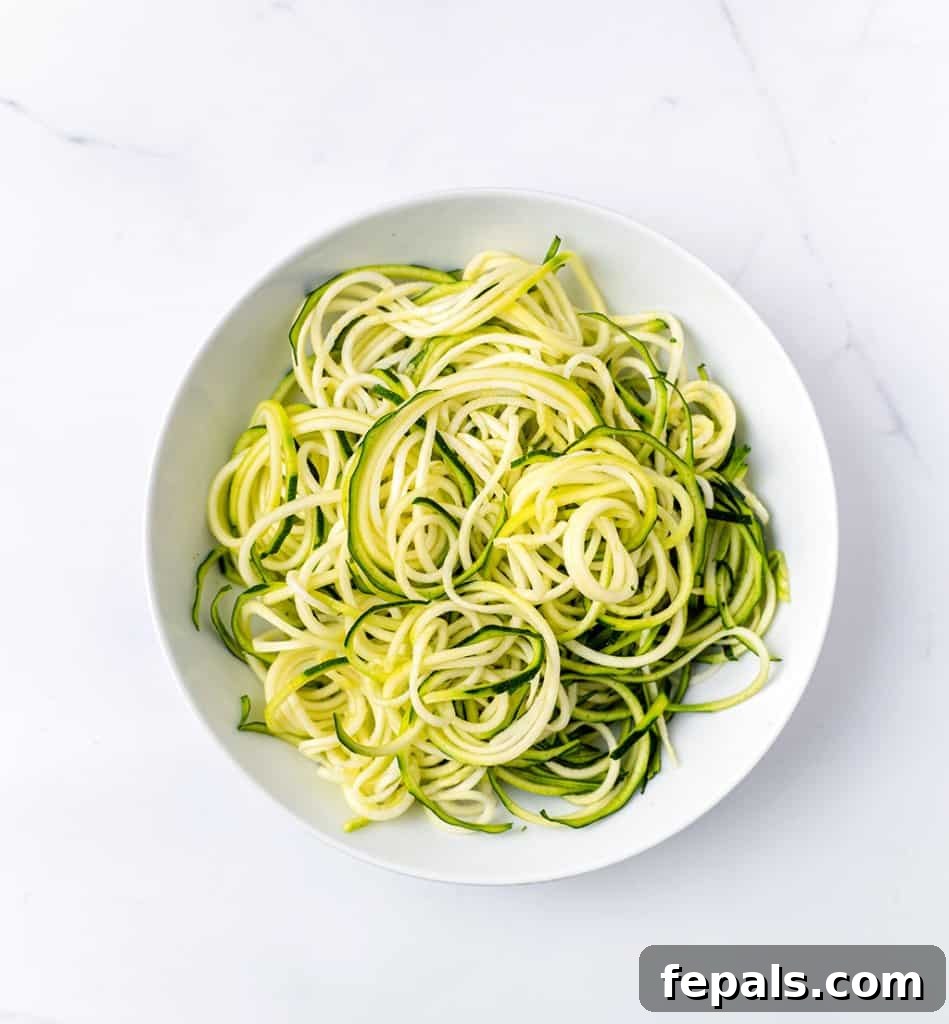
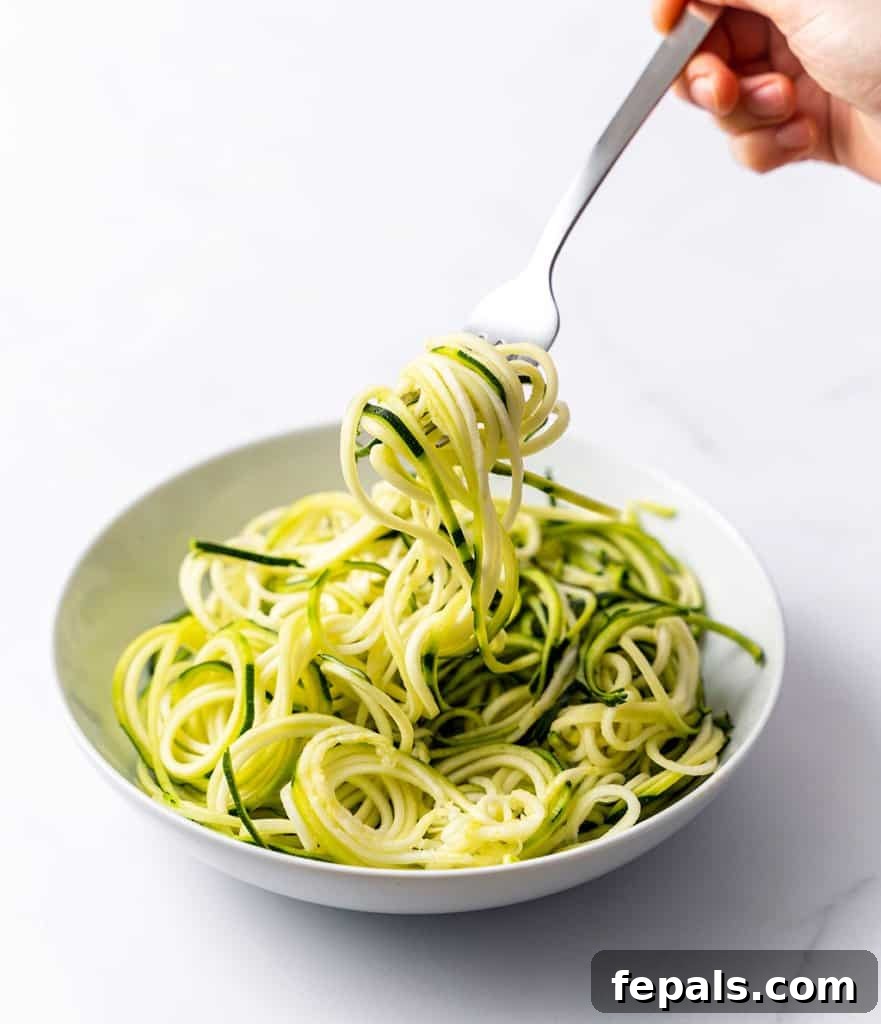
The clever term “zoodles” is a playful blend of “zucchini” and “noodles.” It refers to zucchini that has been cut into long, thin, spaghetti-like strands, mimicking the shape and texture of conventional pasta. This innovative vegetable-based “pasta” can be cooked lightly or enjoyed raw, serving as a fantastic base for a myriad of sauces, proteins, and vegetables. Zoodles are a game-changer for individuals aiming for a low-carb meal, navigating gluten sensitivities, or following specialized diets such as ketogenic (keto) or paleo. They provide the satisfying mouthfeel of pasta without the high carbohydrate load, offering a guilt-free way to indulge in your favorite Italian-inspired dishes and beyond.
Why Incorporate Zucchini Noodles into Your Diet?
Beyond their role as a simple pasta substitute, zucchini noodles bring a host of benefits to your plate, making them a smart and delicious addition to any meal plan.
- A Stellar Low-Carb Alternative: For those managing carbohydrate intake due to weight loss goals, diabetes, or a keto diet, zoodles are an invaluable ally. Unlike traditional wheat pasta, which can cause blood sugar spikes, zucchini is naturally low in carbohydrates, allowing you to enjoy substantial, fulfilling meals while staying within your dietary limits. They are particularly beneficial for maintaining ketosis or simply reducing overall carb consumption without feeling deprived.
- Naturally Gluten-Free: Gluten intolerance and celiac disease are increasingly prevalent, leading many to seek gluten-free alternatives. While many processed gluten-free pasta options exist, they often contain refined starches and lack the nutritional density of whole vegetables. Zucchini noodles are inherently gluten-free, offering a fresh, whole-food option that is gentle on the digestive system and provides superior nutritional value, ensuring you can enjoy your favorite pasta dishes without any digestive discomfort.
- Incredibly Nutritious: Zucchini itself is a nutritional powerhouse, and consuming it in noodle form is a delicious way to boost your nutrient intake. They are high in antioxidants, such as lutein and zeaxanthin, which are crucial for eye health, and contain a wealth of essential vitamins and minerals including Vitamin B6, Vitamin C, potassium, and magnesium. Vitamin B6 supports metabolism, Vitamin C is vital for immune function, potassium helps regulate blood pressure, and magnesium is involved in over 300 bodily functions. Furthermore, zucchini is rich in fiber, which is essential for promoting healthy digestion, regulating blood sugar levels, and contributing to a feeling of fullness, aiding in weight management.
- Hydration Boost: Zucchini has a high water content, which contributes to overall hydration. This makes zoodles a refreshing choice, especially during warmer months, and helps support various bodily functions, including nutrient transport and temperature regulation.
- Versatility in Cooking: Zoodles adapt wonderfully to a wide range of flavors and cooking methods. From Asian-inspired stir-fries to classic Italian dishes, they can seamlessly integrate into diverse cuisines, offering endless culinary possibilities and preventing mealtime monotony.
Crafting Your Own Zucchini Noodles: A Step-by-Step Guide
Making zucchini noodles is surprisingly simple, and you have several tools at your disposal to achieve different noodle shapes and textures. We’ll explore each method in detail, helping you choose the best approach for your kitchen and desired noodle style: using a spiralizer, a mandoline, a julienne peeler, or even just a plain knife.
Making Zoodles with a Spiralizer for Classic Shapes
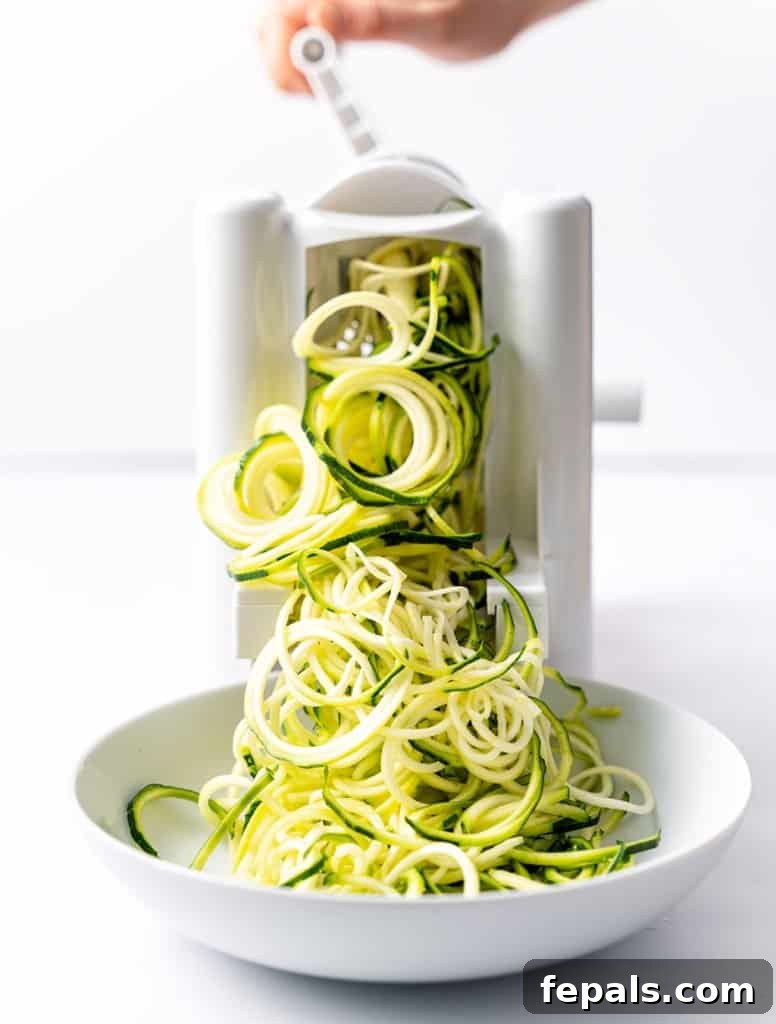
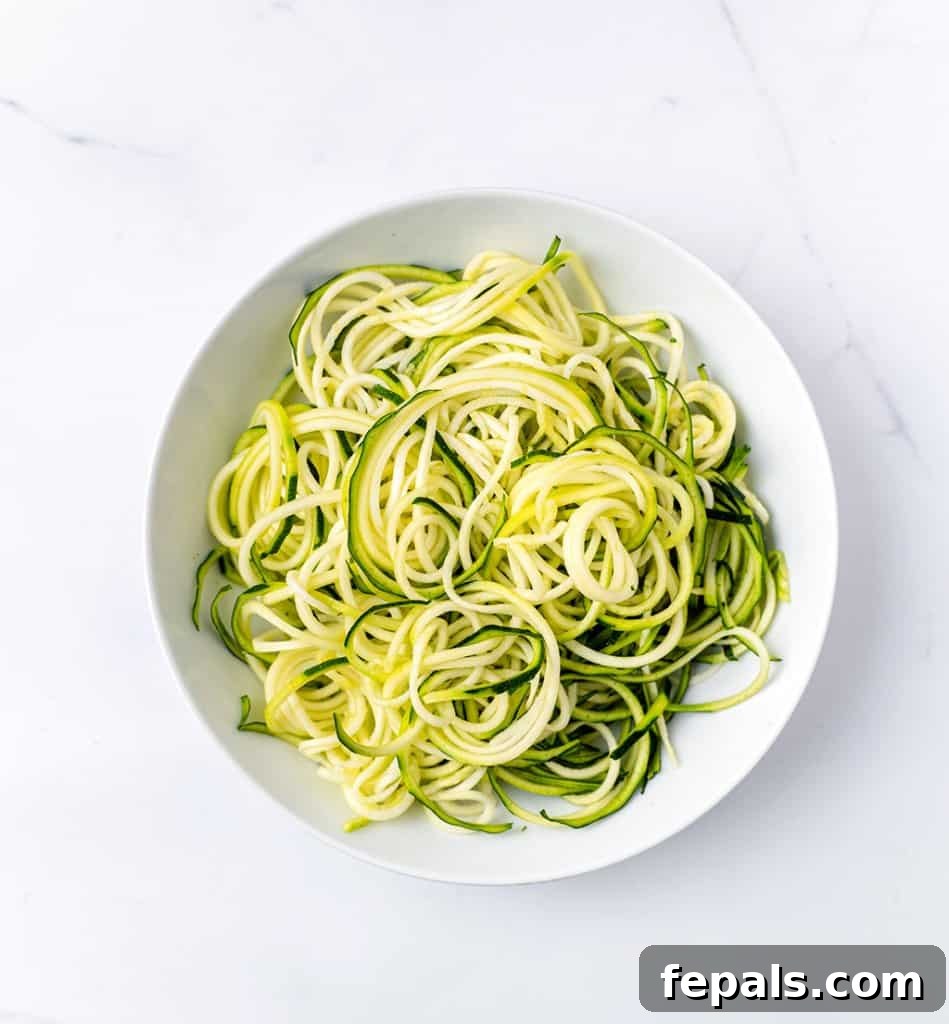
For zoodles that closely resemble traditional spaghetti or linguine, a spiralizer is your best friend. Spiralizers come in various forms: handheld spiralizers, which are compact and great for single servings; countertop spiralizers, which offer more stability and various blade options; or even spiralizer attachments for stand mixers like KitchenAid, providing convenience for larger batches. Before you begin, always ensure you cut off both ends of the zucchini to create flat surfaces, allowing the spiralizer to grip the vegetable securely and produce long, unbroken strands.
Spiralizer Instructions:
- Wash the zucchini thoroughly and pat it dry.
- Trim both ends of the zucchini to create flat, even surfaces.
- Attach the zucchini to the spiralizer’s prongs, ensuring it’s firmly secured.
- Select your desired blade (typically a spaghetti or fettuccine blade).
- Turn the handle (for countertop models) or twist the zucchini against the blade (for handheld models) to create continuous strands of zucchini noodles. Your zoodles will come out beautifully curly and consistent in shape.
- Collect the noodles in a bowl and prepare them as desired.
Creating Zoodles with a Mandoline and Knife
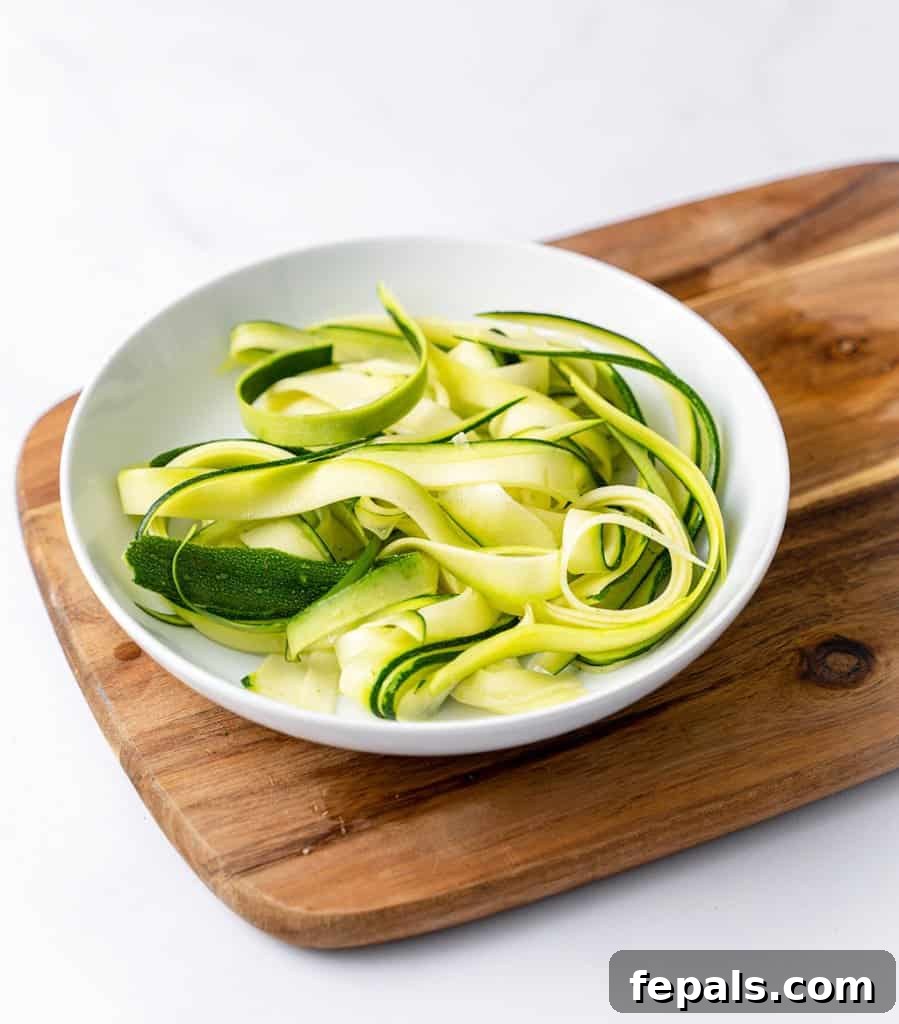
For wider, ribbon-like zoodles similar to pappardelle or fettuccine, a mandoline slicer combined with a knife offers excellent precision. A mandoline allows you to create thin, even sheets of zucchini, which can then be further cut into your preferred noodle width. When using a mandoline, safety is paramount. Always use the provided food guard or wear cut-resistant gloves to protect your hands from the extremely sharp blade.
Mandoline and Knife Instructions:
- Wash and pat dry the zucchini. Trim the ends for easier handling.
- Set your mandoline to a thin slicing setting (e.g., 1/16 to 1/8 inch).
- Carefully run the zucchini down the mandoline blade, using the food guard, to create long, thin, flat ribbons.
- For pappardelle-style zoodles, these ribbons can be used as is.
- For fettuccine-style zoodles, stack several ribbons on top of each other. Using a sharp knife, slice them lengthwise into thinner strips of your desired width.
- Collect the zoodles and prepare.
Crafting Zoodles with a Julienne Peeler for Angel Hair Styles
For delicate, ultra-thin zoodles that mimic angel hair pasta, a julienne peeler is an excellent choice. This specialized peeler features small, sharp teeth that cut the zucchini into fine, straight strands, offering a different texture than the curly zoodles from a spiralizer. It’s a quick and efficient method, especially if you don’t have a spiralizer or mandoline.
Julienne Peeler Instructions:
- Wash and pat dry your zucchini. Hold the zucchini firmly with one hand.
- With your other hand, run the julienne peeler lengthwise down the zucchini, applying gentle but firm pressure.
- Continue peeling until you reach the seedy core of the zucchini, which is best avoided for zoodles. Rotate the zucchini as needed to get as many strands as possible.
- The result will be long, fine, straight strands of zucchini noodles, perfect for lighter sauces or cold salads.
Mastering the Art of Cooking Zucchini Noodles “Zoodles”
The key to perfect zoodles lies in precise cooking: just enough to heat them through and soften them slightly, but not so much that they become overly soft and release excessive water. Overcooked zoodles can get watery and lose their desirable al dente bite, making them less appealing. With our expert guidance, however, you’ll consistently achieve beautifully cooked, non-soggy zoodles every time. Here are several effective methods for cooking your zucchini noodles:
Embrace the Freshness: Enjoy Zoodles Raw
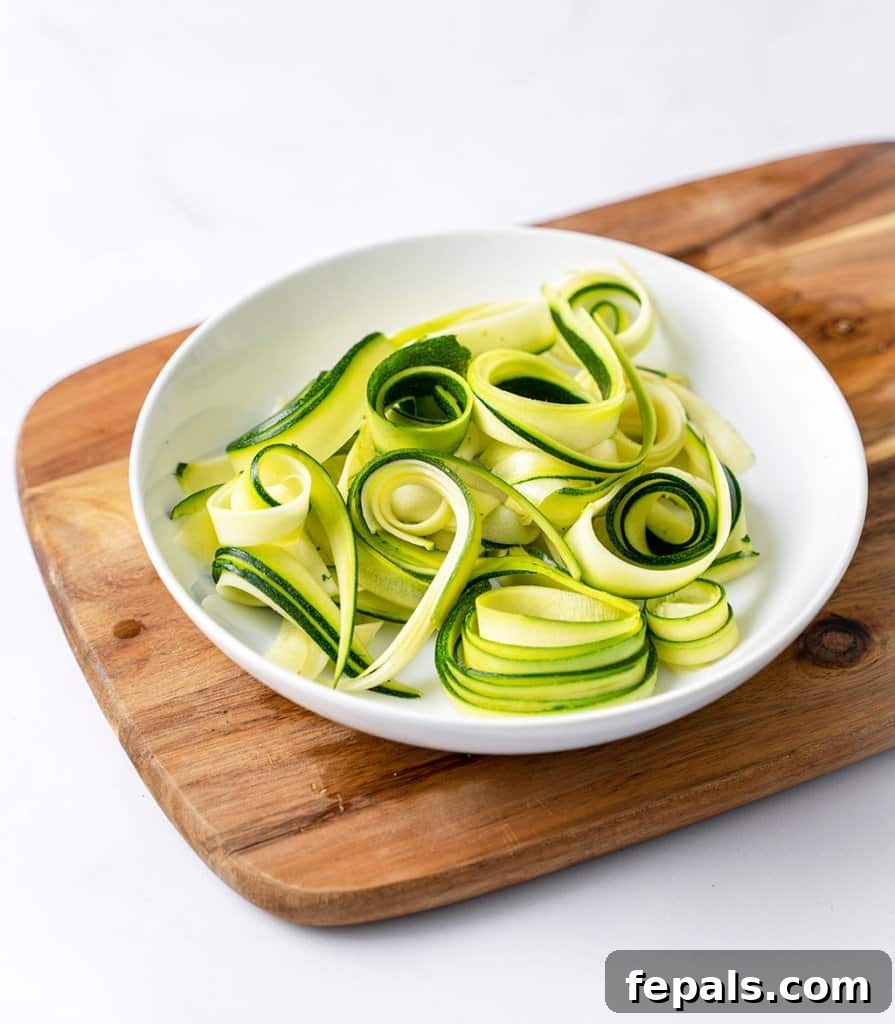
One of the easiest ways to enjoy zoodles, completely eliminating any risk of watery results, is to serve them raw! Their crisp texture and mild flavor make them a fantastic base for cold salads, reminiscent of a fresh pasta salad. Simply toss your raw zoodles with your favorite vinaigrette, pesto, or light sauce, along with other fresh vegetables, herbs, and proteins. Remember to season with salt and pepper to taste just before serving to enhance their natural flavors.
Speed and Simplicity: Cooking Zoodles in the Microwave
For the ultimate in speed and minimal cleanup, the microwave is a surprisingly effective tool for cooking zucchini noodles. This method is ideal when you need a quick side dish or a lightning-fast meal prep component. The key is to microwave briefly to avoid overcooking and excessive water release.
Microwave Instructions:
- Place your zoodles in a microwave-safe bowl. Do not add any water.
- Microwave the zoodles for 30-60 seconds. The exact time will depend on your microwave’s wattage and the thickness of your zoodles. Start with 30 seconds, then check. They should be warm and slightly pliable but still firm.
- Drain any released water if necessary, though short cooking times typically minimize this.
- Season generously with salt, pepper, and your preferred herbs or spices. Enjoy immediately with your main dish, such as grilled chicken, fish, or a vibrant sauce.
The Sauté Method: Cooking Zoodles on the Stovetop
Sautéing is a popular method for cooking zucchini noodles, yielding a slightly tender yet still crisp texture. This technique allows for quick cooking and the opportunity to infuse flavors directly into the zoodles with aromatics and seasonings. The goal is a quick sear, not a prolonged stew.
Stovetop Instructions:
- Place a large skillet or non-stick pan on the stovetop over medium to medium-high heat.
- Add 1-2 tablespoons of olive oil or your preferred cooking oil to the pan. You can also add minced garlic or shallots for extra flavor.
- Once the oil is shimmering, add the zucchini noodles into the pan.
- Sauté for only 1-2 minutes, tossing frequently with tongs, until the zoodles have just heated through and achieved a slight tenderness. They should still retain a pleasant bite.
- Immediately remove from heat. Season with salt, black pepper, and any other desired spices or fresh herbs.
Critical Tip: To prevent watery zoodles, avoid placing a lid on your pan during stovetop cooking, as this traps moisture and steams the zoodles. Additionally, steer clear of overcrowding the pan; if cooking a large batch, work in smaller portions to ensure the zoodles sauté rather than steam.
Baking Perfection: Cooking Zoodles In the Oven
Baking zoodles is another excellent method, particularly for larger batches or when you want to achieve a slightly roasted flavor. This method also helps minimize water release by promoting evaporation.
Oven Instructions:
- Preheat your oven to 350°F (175°C).
- Line a large baking sheet with parchment paper to prevent sticking and aid in cleanup.
- In a bowl, gently toss the zucchini noodles with a tablespoon of olive oil, a pinch of salt, and black pepper. Be careful not to over-season with salt at this stage, as it can draw out too much moisture.
- Spread the zoodles in a single layer on the prepared baking sheet, ensuring they are not overcrowded. This allows for even cooking and browning.
- Bake for approximately 10-15 minutes. The exact time may vary based on the thickness of your zoodles and your oven. Keep a close eye on them; you do not want to overcook them. They should be tender-crisp.
- Once baked, remove from the oven. If any excess moisture has accumulated, gently pat dry with a paper towel before serving.
Expert Tips for Crafting the Perfect Zoodles Every Time
Achieving consistently delicious zucchini noodles is simple with a few key strategies. These tips will help you avoid common pitfalls and ensure your zoodles are firm, flavorful, and never watery:
- Prevent Overcrowding Your Pan: Whether sautéing or baking, giving your zoodles ample space is crucial. When the pan is too full, the zucchini steams instead of searing, leading to soggy and watery results. Cook in smaller batches if necessary to ensure proper heat distribution and evaporation.
- Avoid Overcooking at All Costs: Zucchini cooks very quickly. Overcooking is the primary culprit behind watery and mushy zoodles. Aim for an al dente texture—tender yet still retaining a slight crisp bite. As soon as they are heated through and slightly softened, remove them from the heat.
- Season Zucchini Noodles After Cooking: Adding salt to zucchini before cooking, especially when sautéing or microwaving, can prematurely draw out moisture, making them watery. For best results, season your zoodles with salt and pepper immediately after they are cooked and off the heat.
- Proper Storage for Fresh Zucchini: When storing whole zucchini from the grocery store, it’s best to place it in the refrigerator crisper drawer. However, do not wrap it tightly in plastic. Plastic can trap moisture around the zucchini, causing it to lose its firmness and crispness more quickly, which in turn makes it harder to spiralize or cut into neat noodles. Keep it loosely wrapped or in a breathable bag to maintain its fresh, firm texture.
- Consider Salting and Draining (Optional): If you are particularly concerned about watery zoodles or plan to make a large batch for meal prep, you can lightly salt the raw zoodles and let them sit in a colander for 15-30 minutes. The salt will draw out excess moisture. Afterward, firmly blot the zoodles dry with paper towels before cooking. This step is not always necessary for quick cooking methods but can be helpful for extra-firm results.
Selecting the Best Zucchini for Your Zoodles
The quality of your zucchini directly impacts the quality of your zoodles. Choosing the right zucchini will make the spiralizing or cutting process easier and result in tastier, firmer noodles. Here’s what to look for when you’re at the market:
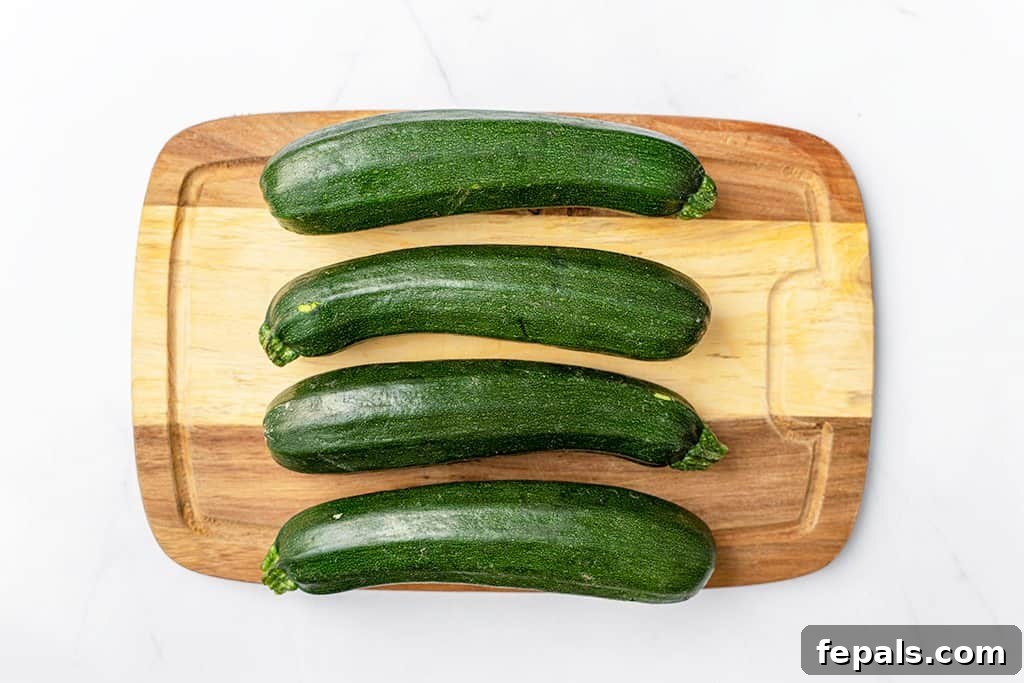
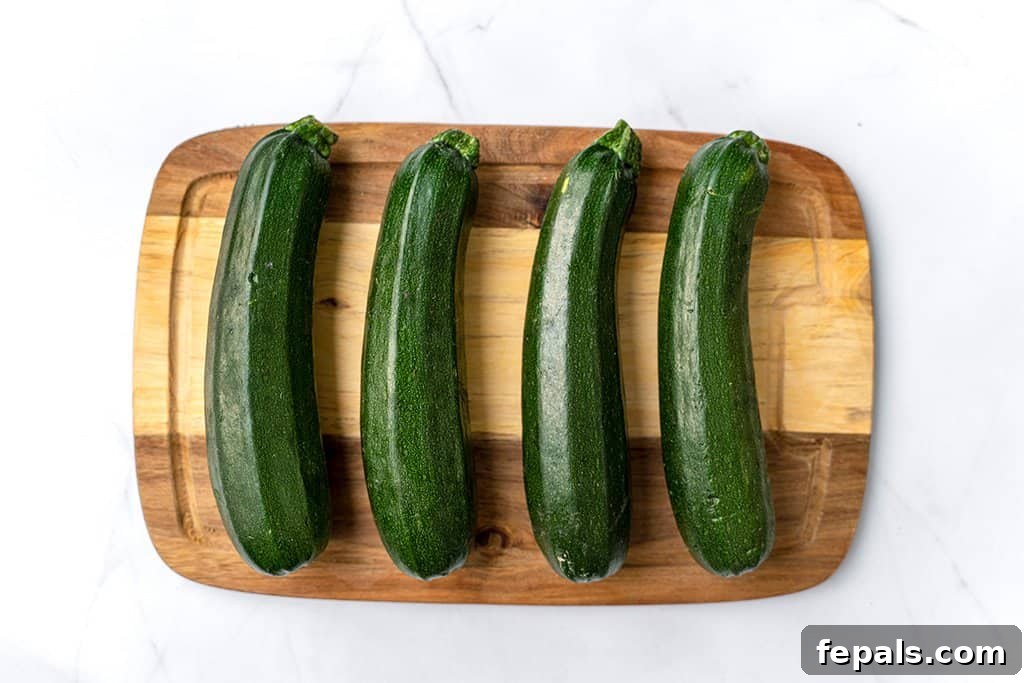
- Opt for Medium-Sized Zucchini: While larger zucchini might seem easier to handle for spiralizing, they often contain more water and larger seeds, which can lead to mushier zoodles. Conversely, very small zucchini can be challenging to work with. We recommend getting a medium-sized zucchini (about 6-8 inches long and 1.5-2 inches in diameter) for the perfect balance of ease of use and firm texture.
- Check for Firmness and Flawlessness: When selecting zucchini, gently give it a squeeze. It should feel firm all over, indicating freshness and good water content. Avoid any zucchini that feels soft, spongy, or has visible nicks, bruises, or soft spots, as these are signs of deterioration.
- Look for Vibrant Color: The more vibrant and deep the green color of the zucchini, the fresher and more flavorful it typically is. Dull or pale zucchini may indicate an older vegetable that has lost some of its vitality. Yellow zucchini varieties are also excellent and can add a beautiful color to your dish.
- Choose Straight Zucchini: For ease of use with a spiralizer, mandoline, or even a knife, try to pick the straightest zucchini you can find. Unevenly shaped zucchini can be harder to feed through these tools, potentially leading to breakage or uneven noodles.
Frequently Asked Questions About Zucchini Noodles
Zucchini noodles are an excellent ingredient for meal prepping, as they maintain their freshness for up to 4 days when stored correctly in the refrigerator. To keep them at their best, place them in an airtight bag or container lined with a paper towel. The paper towel is key as it helps absorb any excess moisture that the zucchini might release, preventing them from becoming slimy and ensuring they stay crisp and ready to use.
While you can technically freeze zucchini noodles, we generally do not recommend it for optimal texture and flavor. Zucchini has a very high water content, and upon thawing, frozen zoodles tend to become mushy and lose their firm texture, making them less appealing as a pasta substitute. Frozen zoodles also aren’t as flavorful as fresh ones. Given that making fresh zoodles is relatively quick and effortless, we suggest preparing a fresh batch as needed or meal prepping them only 2-3 days ahead of time. If you do choose to freeze them (or buy them frozen), always place them over a paper towel during thawing to absorb as much moisture as possible, and be prepared for a softer consistency.
Absolutely not! There is no need to peel the zucchini before transforming it into zoodles. The skin of the zucchini is not only completely edible but also packed with nutrients and fiber, adding to the overall health benefits of your meal. Just make sure to give your zucchini a thorough wash and pat it dry before you begin the spiraling or cutting process.
Preventing watery zoodles is about managing moisture. The key steps are: 1) Don’t overcook them – aim for 1-2 minutes for stovetop or microwave, or 10-15 minutes for oven baking until just tender-crisp. 2) Avoid overcrowding your pan, which causes them to steam. 3) Season with salt *after* cooking, as salt can draw out moisture. 4) For extra assurance, you can lightly salt raw zoodles and let them sit in a colander for 15-30 minutes, then pat dry thoroughly before cooking.
Delicious Recipes Featuring Zucchini Noodles
Once you’ve mastered making and cooking zoodles, the culinary possibilities are endless! Here are some fantastic recipes where zucchini noodles shine as a healthy and flavorful base:
- Meal Prep Turkey Meatball Zoodles Recipe
- Keto Shrimp Scampi Zoodles Recipe
- Bang Bang Shrimp with Zoodles
- Low Carb Turkey Burgers With Zoodles
- Chicken Alfredo Zoodles
- Pesto Shrimp Zoodles
If you try any of these recipes or develop your own zoodle creations, we’d love to hear from you! Please leave us feedback in the comment section below, and don’t forget to rate your favorites. Sharing your culinary triumphs with friends and family is always encouraged!
Finally, capture your delicious zoodle dishes and use our hashtag #healthyfitnessmeals on INSTAGRAM for a chance to be featured! FOLLOW Healthy Fitness Meals on FACEBOOK | INSTAGRAM | PINTEREST | TWITTER for all of our latest blog posts, healthy eating tips, and mouth-watering recipes.
How to Make Zucchini Noodles aka Zoodles
Equipment
-
Knife
-
Peeler
-
Mandoline
-
Spiralizer
Ingredients
- 1 medium zucchini
Instructions
How to Make Zucchini Noodles from Scratch (Knife and Peeler Method)
-
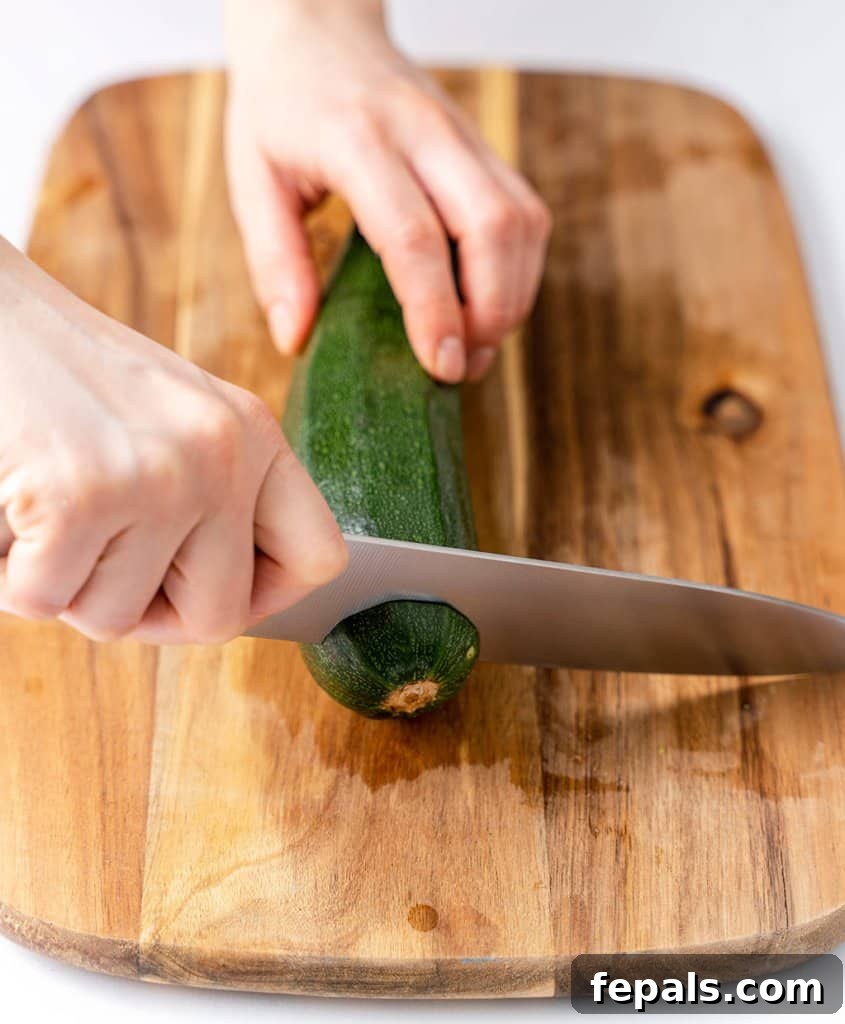
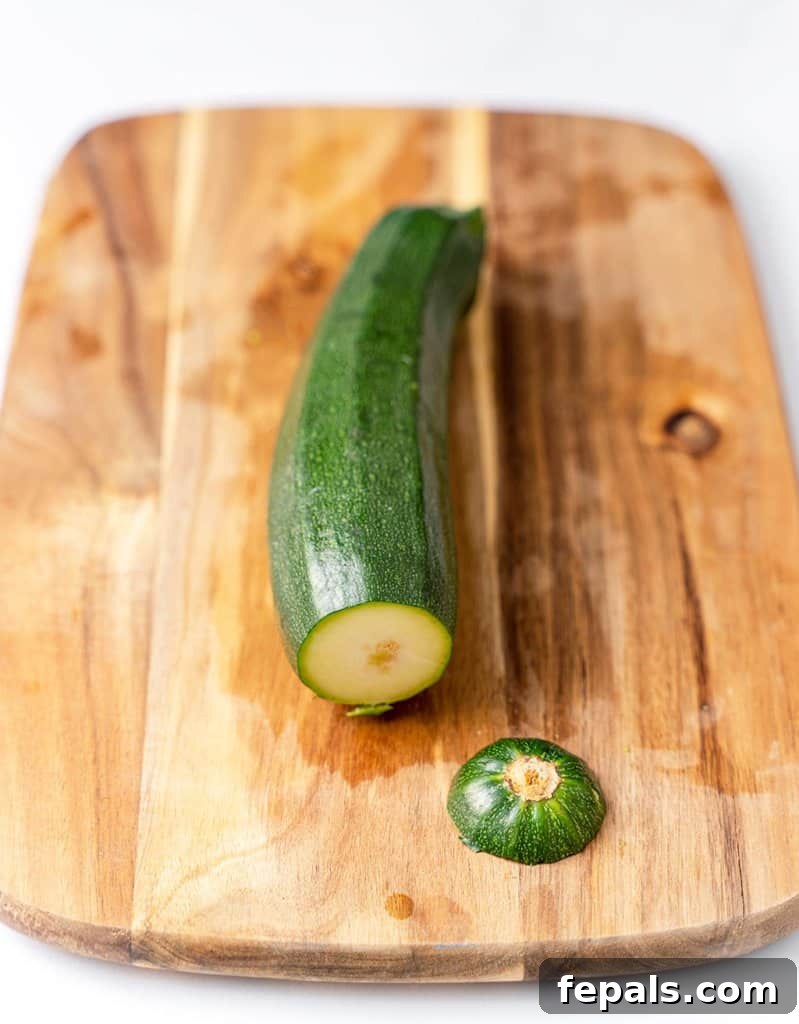
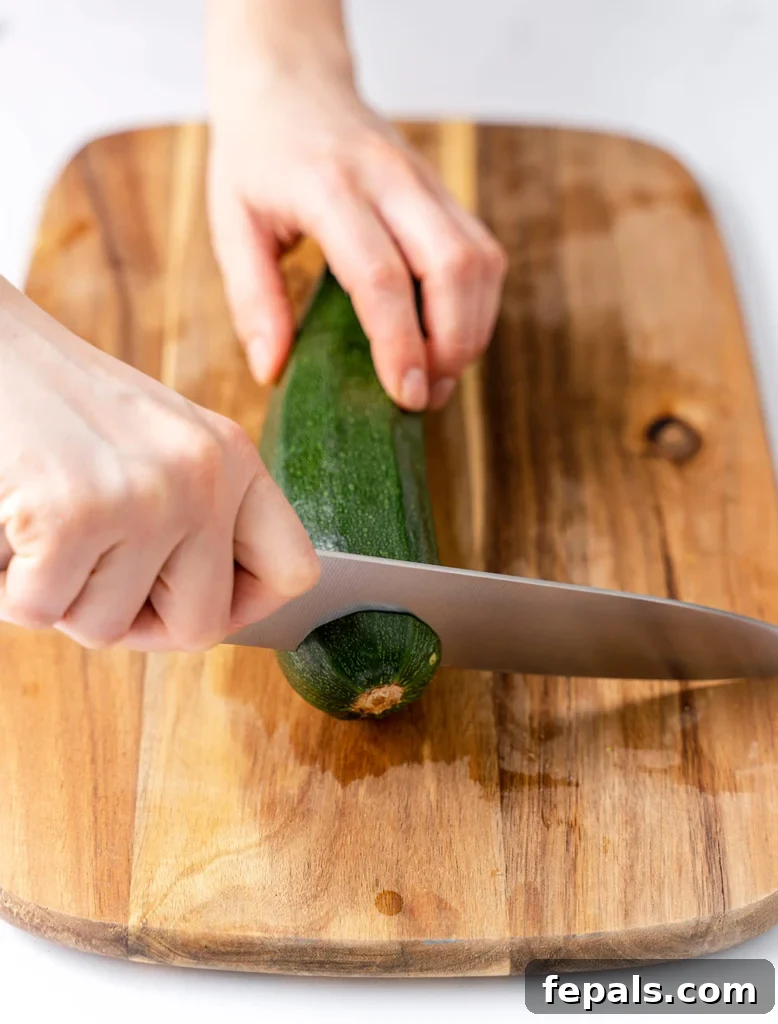
Wash the zucchini thoroughly. On a cutting board, cut off the tips of the zucchini on both ends.
-
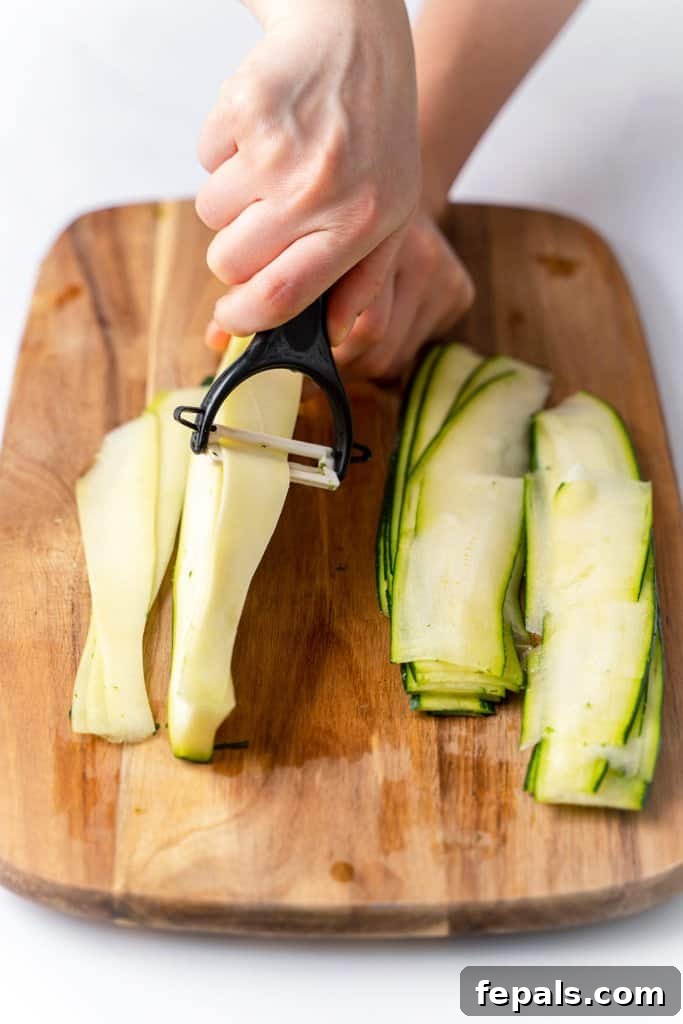
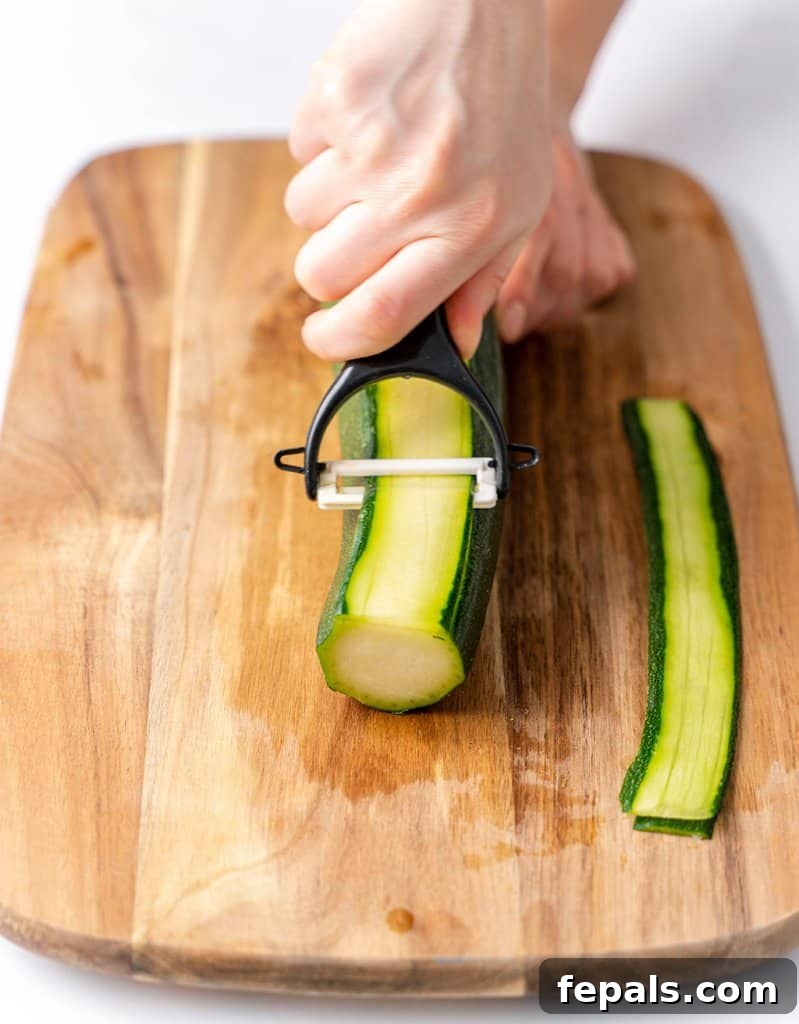
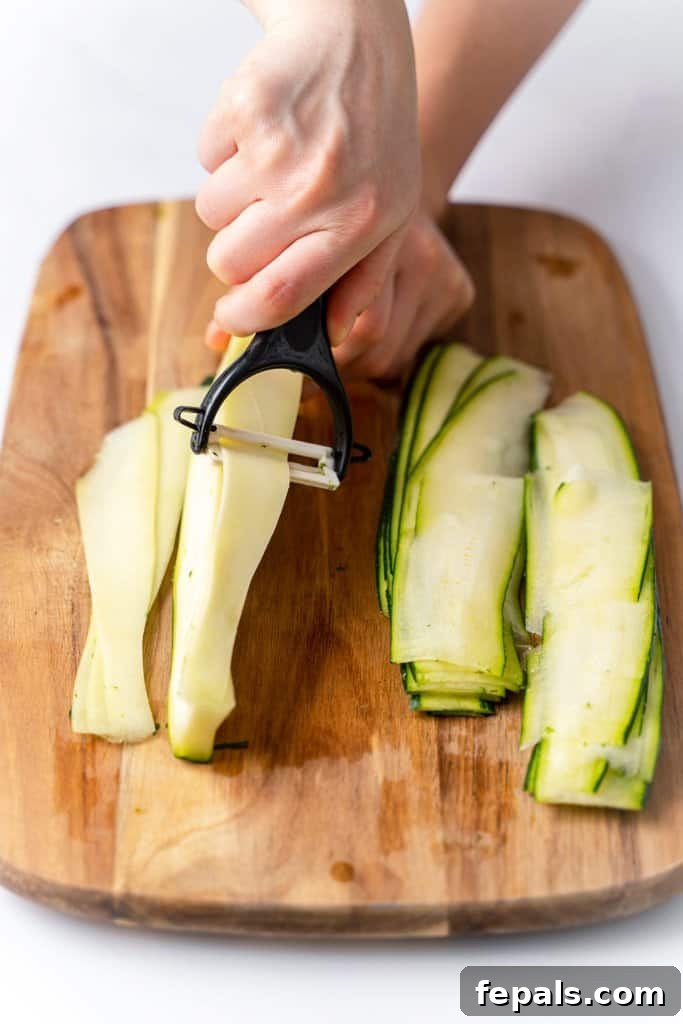
Using a regular vegetable peeler, carefully peel thin, wide layers of the zucchini lengthwise.
-
Continue peeling thin layers off the zucchini until you reach the seedy core, which is generally not used for zoodles.
-
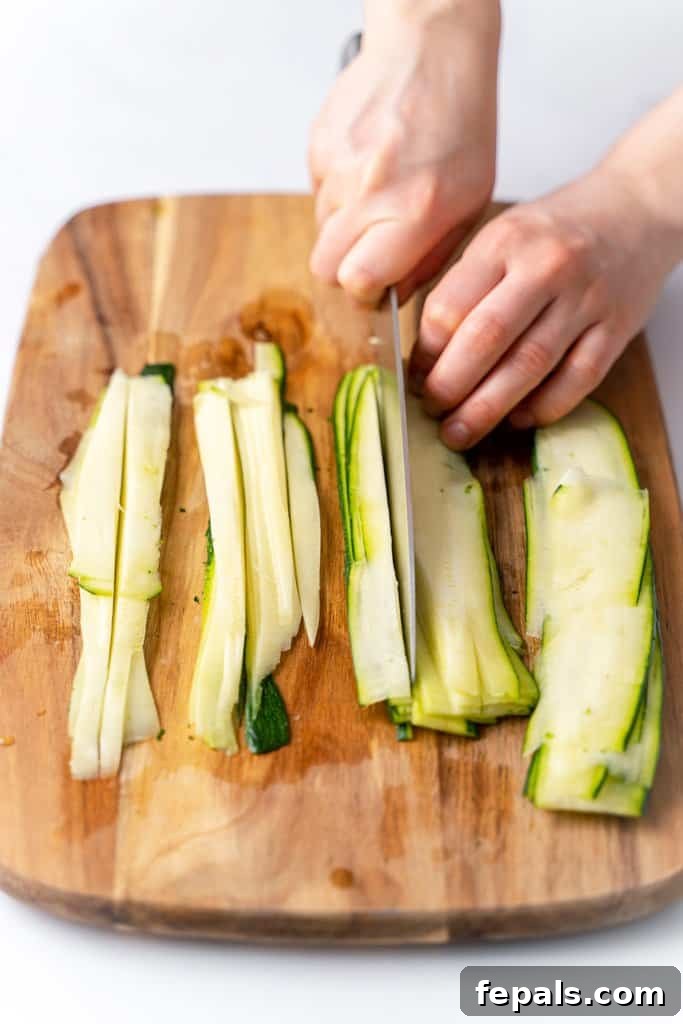
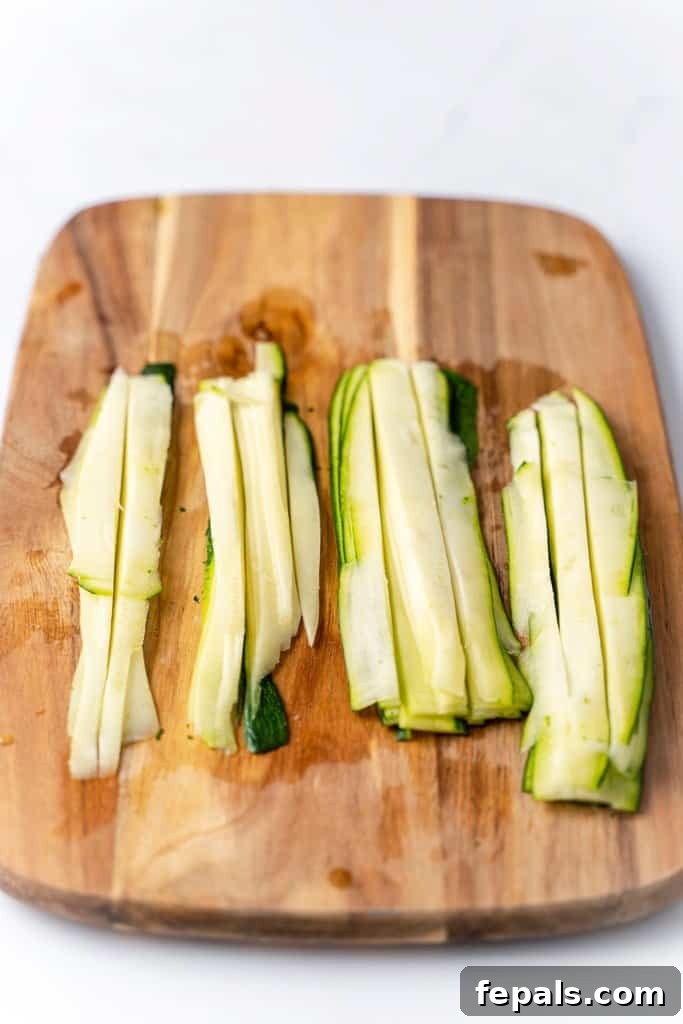
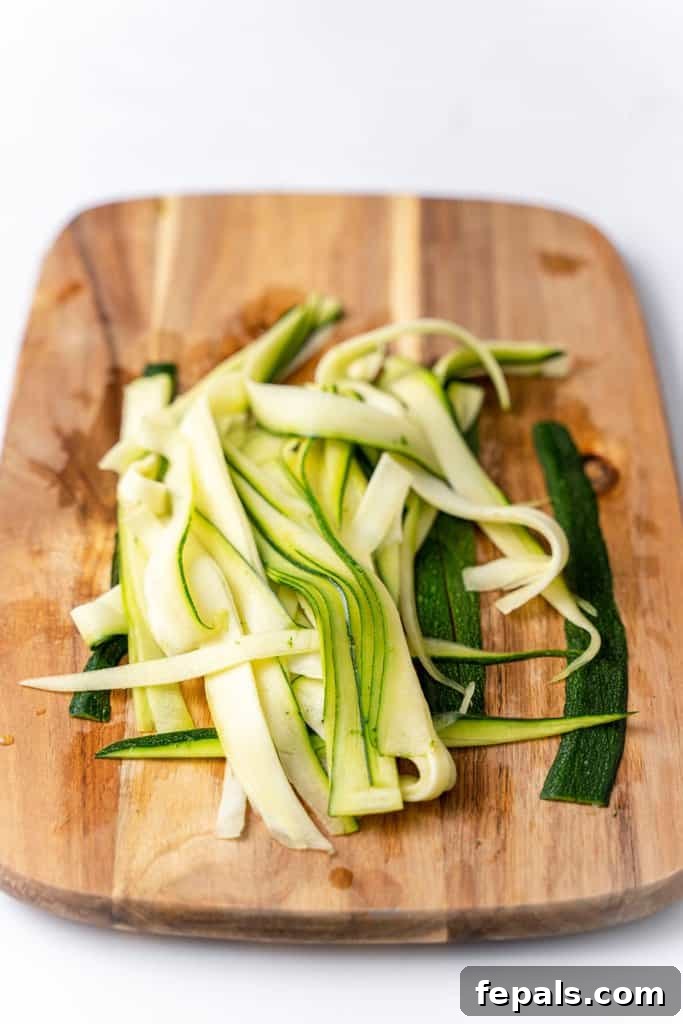
Line the thin peeled zucchini layers on the cutting board, stacking them neatly. Using a sharp knife, julienne the stacked zucchini slices into thin noodle-like strips.
-
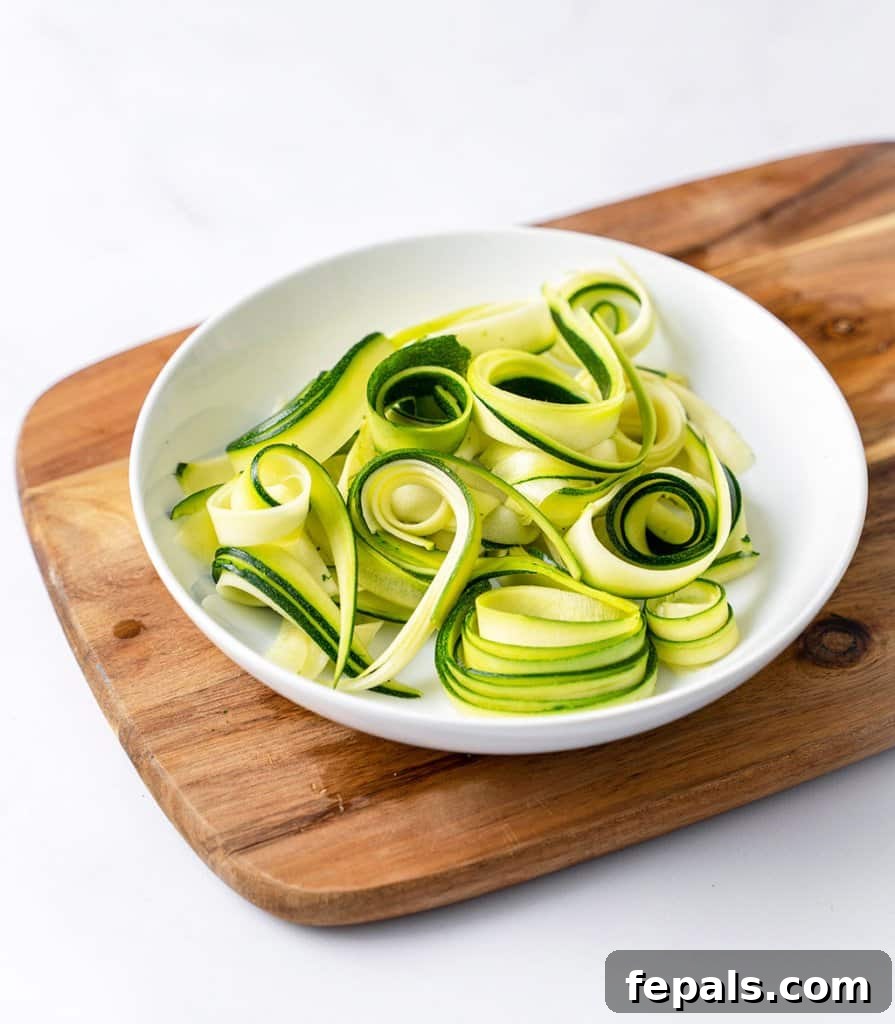
Collect all the julienned zoodles on a plate or in a bowl, ready to be used as you wish. You now have homemade zucchini noodles!
Using a Spiralizer
-
If you prefer spaghetti-like zoodles, use a spiralizer. Follow the manufacturer’s instructions for your specific model (handheld, countertop, or stand mixer attachment). Ensure the zucchini ends are trimmed for proper grip.
Using a Mandoline
-
When using a mandoline, select your desired blade setting (e.g., thin slices for pappardelle or julienne for thinner strands). Always use a safety guard or cut-resistant gloves when slicing to protect your hands.
How to Cook Zoodles on the Stovetop
-
Heat 1-2 tablespoons of olive oil in a large pan over medium heat. Add the zucchini noodles, being careful not to overcrowd the pan. Sauté for 1-2 minutes, tossing frequently, until the zoodles are just heated through and slightly tender. Season with salt and pepper to taste immediately after cooking.
How to Cook Zoodles In the Oven
-
Preheat oven to 350°F (175°C).
-
On a large parchment-lined baking sheet, toss zucchini noodles with a little olive oil, salt, and pepper. Spread in a single layer and bake for 10-15 minutes, or until tender-crisp. When done, pat dry with paper towels if needed to remove any excess moisture.
Enjoy Raw
-
Zoodles can be enjoyed raw as well! Simply toss them with your favorite dressing, sauce, and other fresh ingredients for a refreshing cold salad or side dish.
Notes
- Use a knife, a peeler, a spiralizer, or a mandoline to make the zoodles.
- Wash the zucchini well before making them into zoodles.
- Go with firm and not soft zucchini for the best texture.
- You may eat the zucchini with its skin; no need to peel it.
- Yellow zucchini can also be used for a different visual appeal.
- Always season cooked zoodles after cooking to prevent excess moisture release.
Nutrition
Calories: 33kcal
Carbohydrates: 6g
Protein: 2g
Fat: 1g
Saturated Fat: 0.2g
Polyunsaturated Fat: 0.2g
Monounsaturated Fat: 0.02g
Sodium: 16mg
Potassium: 512mg
Fiber: 2g
Sugar: 5g
Vitamin A: 392IU
Vitamin C: 35mg
Calcium: 31mg
Iron: 1mg
Nutrition information is automatically calculated, so should only be used as an approximation.
Additional Info
Tried this recipe?
Mention @healthyfitnessmeals or tag #healthyfitnessmeals!