
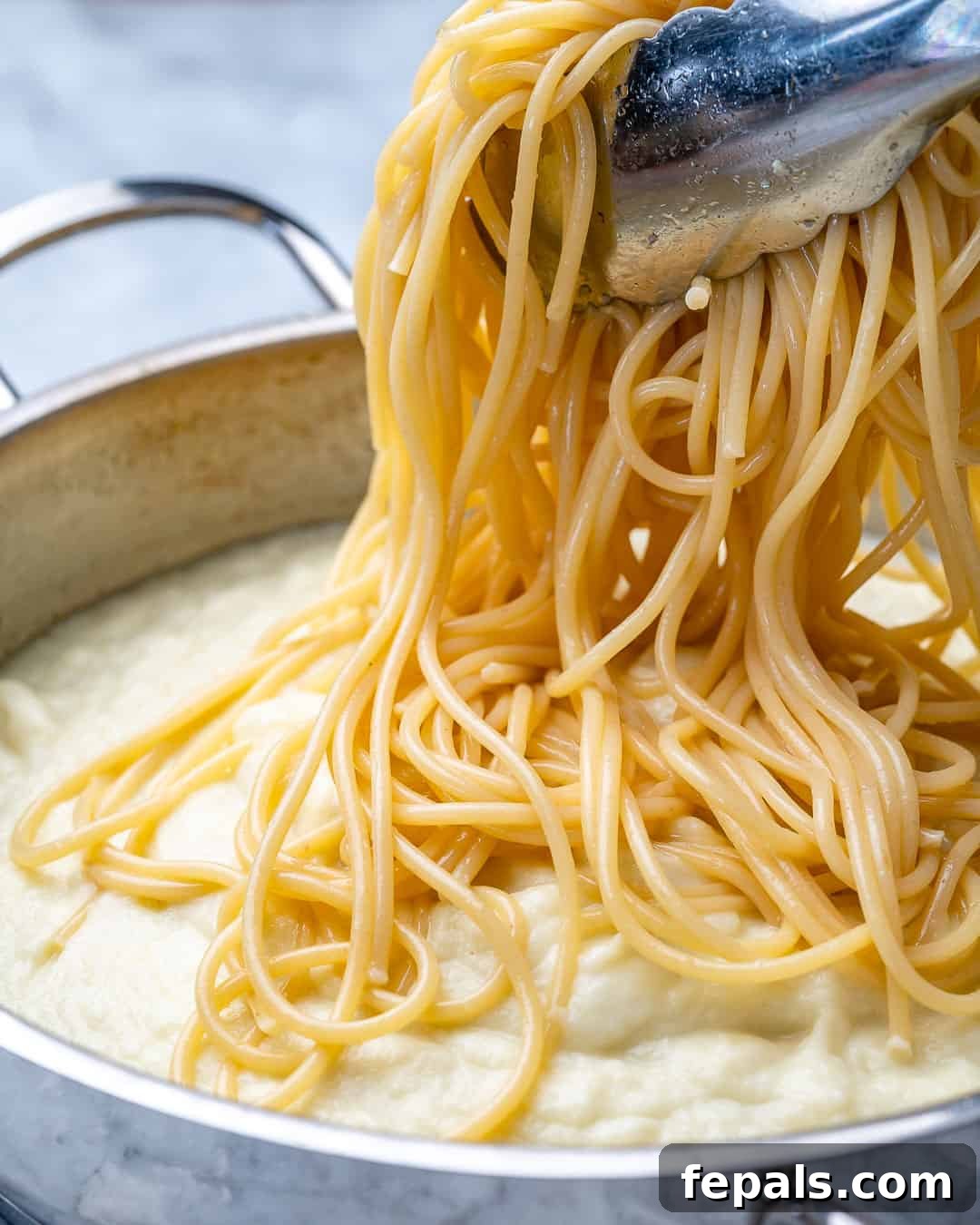
Welcome to a culinary journey where classic comfort meets wholesome innovation! Prepare to transform your perception of rich, creamy sauces with our incredibly delicious and healthy **Cauliflower Alfredo Sauce**. This isn’t just a recipe; it’s a game-changer for anyone seeking a guilt-free indulgence, a fantastic alternative to traditional, calorie-heavy Alfredo.
Imagine a sauce that is velvety smooth, bursting with savory garlic flavor, yet surprisingly light and nutrient-dense. Our cauliflower-based Alfredo sauce delivers on all fronts: it’s effortlessly easy to make, completely vegan-friendly, wonderfully low in carbohydrates, and requires only about 30 minutes from start to finish. Say goodbye to the heavy feeling after a rich pasta dish and hello to a vibrant, satisfying meal that truly nourishes your body without compromising on taste.
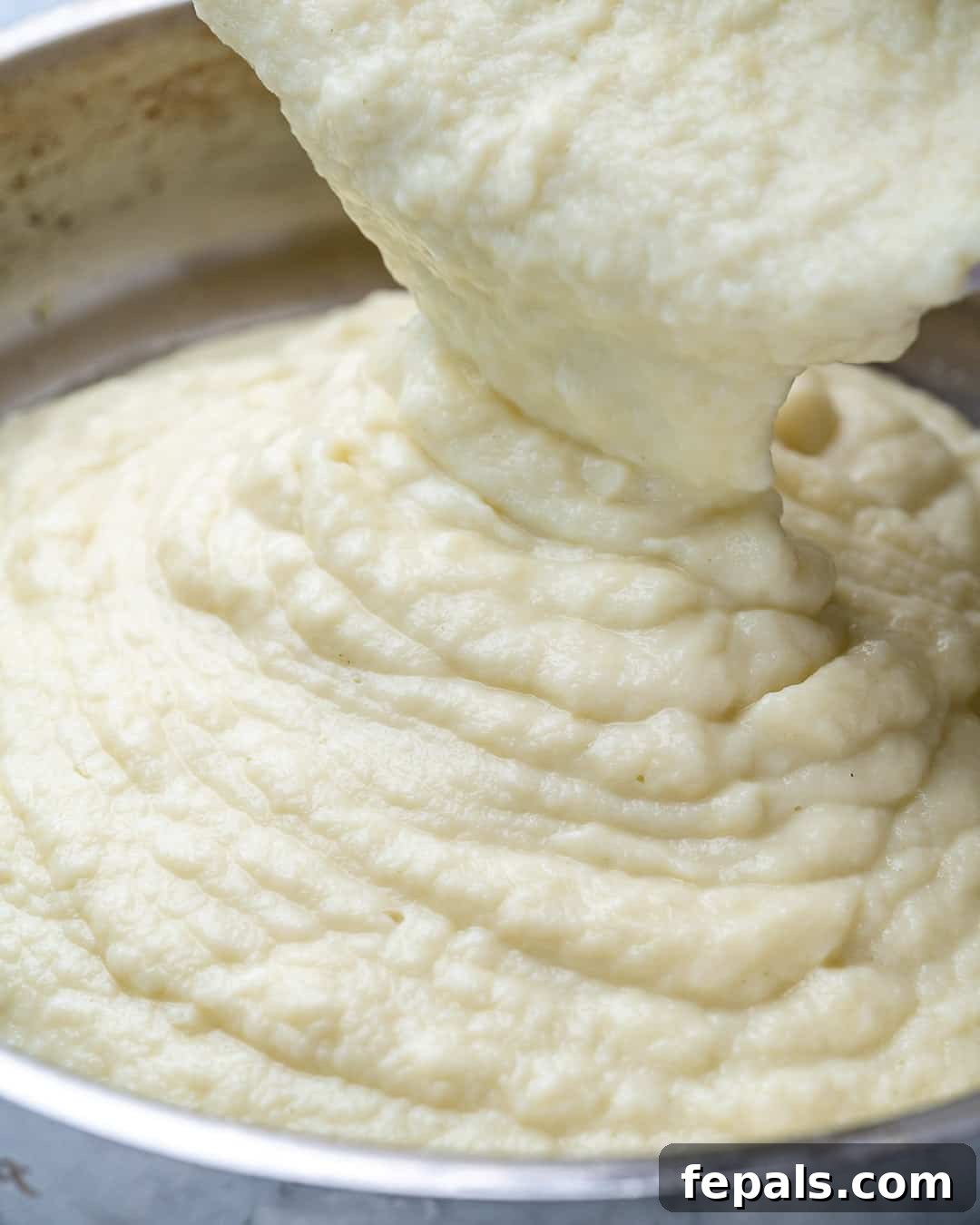
In this comprehensive guide, we’ll walk you through every step of creating this culinary marvel right in your own kitchen. You’ll discover how a humble head of cauliflower, combined with a few other wholesome ingredients, can be transformed into a luxurious sauce that tastes too good to be healthy. Boasting under 100 calories per serving, this Cauliflower Alfredo allows you to savor every creamy bite without an ounce of guilt. It’s time to redefine your favorite comfort food!
Why Choose Cauliflower Alfredo? The Healthy Twist on a Classic
Traditional Alfredo sauce, while undeniably delicious, often comes packed with heavy cream, butter, and cheese, making it rich in calories and saturated fats. For many, this indulgence can lead to dietary concerns or simply a desire for a lighter option. This is where cauliflower steps in as an ingenious and incredibly effective substitute.
Cauliflower, a versatile cruciferous vegetable, offers a remarkable ability to mimic the creamy texture of traditional Alfredo when properly cooked and blended. But its benefits extend far beyond texture: it’s low in calories, high in fiber, and rich in vitamins C and K, as well as folate and potassium. By replacing heavy dairy with cauliflower, you drastically reduce the caloric content and fat, making this version suitable for a wider range of dietary needs, including vegan, dairy-free, and low-carb lifestyles.
Furthermore, cauliflower has a wonderfully mild flavor profile that readily absorbs the aromatic notes of garlic and broth, creating a sophisticated depth of taste without overpowering your palate. The result is a sauce that is not only healthier but also remarkably satisfying and truly bursting with fresh, wholesome flavors.
Essential Ingredients for Your Cauliflower Alfredo
Crafting this healthy Alfredo sauce requires a short list of simple, wholesome ingredients. Each component plays a crucial role in building the desired flavor and creamy texture. Here’s what you’ll need, along with insights into their purpose and potential substitutions:
- Cauliflower: You’ll need about 5-6 cups of cauliflower florets, which typically comes from one medium-sized head. Cauliflower is the star here, providing the bulk and creaminess of the sauce. For best results, use fresh cauliflower, but frozen florets can also be used (see tips below).
- Garlic Cloves: 4-6 large cloves, crushed. Garlic is essential for building the aromatic foundation of any good Alfredo sauce. Don’t skimp on it, as its savory notes perfectly complement the mild cauliflower.
- Olive Oil: 2 tablespoons. A good quality olive oil provides a smooth base for sautéing the garlic and adds a touch of healthy fat and flavor.
- Broth: 6-7 cups, preferably vegetable broth for a vegan option. Broth is vital for cooking the cauliflower and infusing it with flavor. While water can be used, vegetable broth adds significant depth and umami to the final sauce.
- Milk: 1/2 cup, dairy-free or regular. Milk is added during the blending stage to achieve the perfect creamy consistency. Choose almond, soy, oat, or coconut milk (unsweetened) for a dairy-free and vegan version, or 2% or whole milk if dairy is part of your diet.
- Salt and Pepper: To taste. These fundamental seasonings are crucial for balancing and enhancing all the flavors in the sauce.
Step-by-Step Process to Perfection
Creating this delicious Cauliflower Alfredo sauce is straightforward. Follow these detailed steps to ensure a perfect, creamy result every time:
Step 1: Prepare the Cauliflower
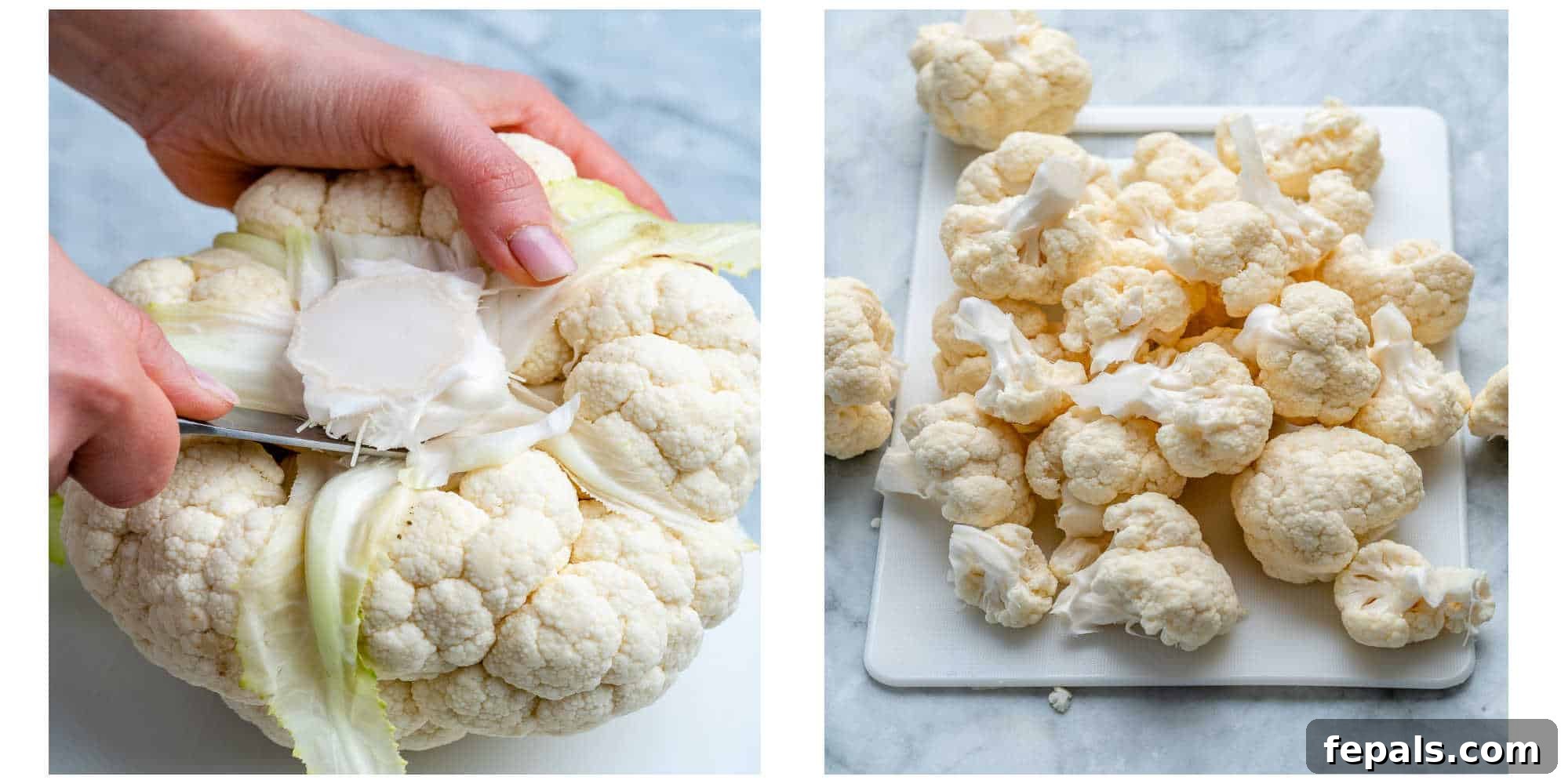
- Begin by thoroughly cleaning the cauliflower. Remove all the outer leaves from the head of cauliflower and wash it under cold running water to eliminate any dirt or debris.
- Carefully cut through the tough core of the cauliflower. Then, chop the head into florets that are roughly the same size. This ensures even cooking, which is crucial for achieving a consistently smooth sauce. Aim for pieces that are about 1-2 inches.
Step 2: Sauté the Garlic
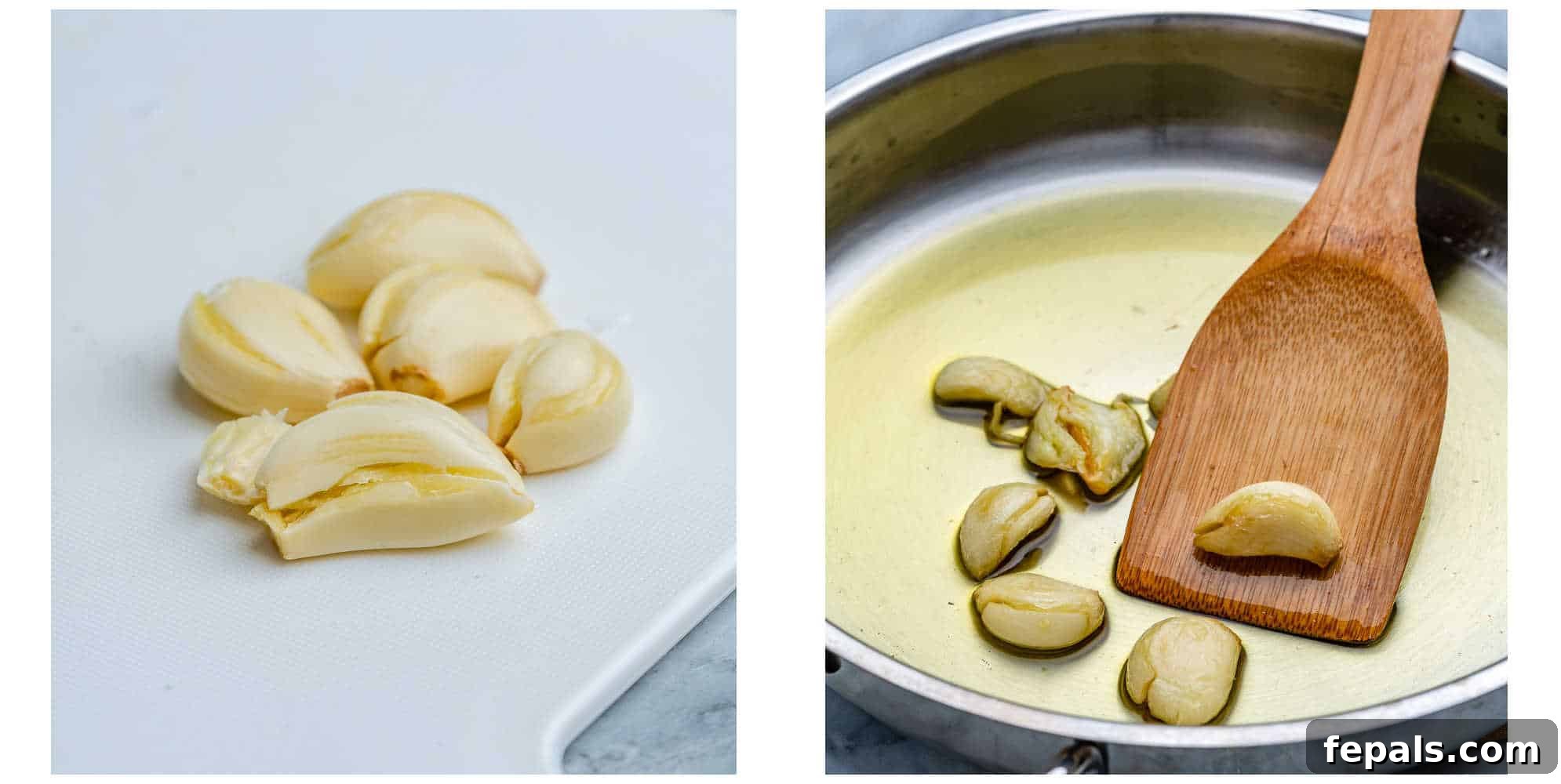
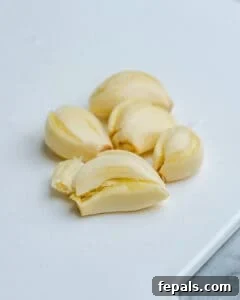
- Crush your garlic cloves. You can use a garlic press or finely mince them.
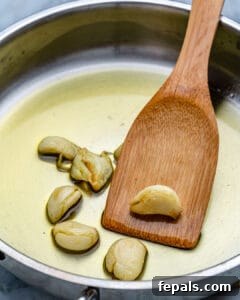
- Heat 2 tablespoons of olive oil in a medium-sized saucepan over medium-low heat.
- Add the crushed garlic to the warmed oil and cook for 2-3 minutes. The goal is to soften the garlic and allow its fragrant aromas to develop without browning or burning, which can lead to a bitter taste. Stir frequently to prevent burning.
Step 3: Cook the Cauliflower
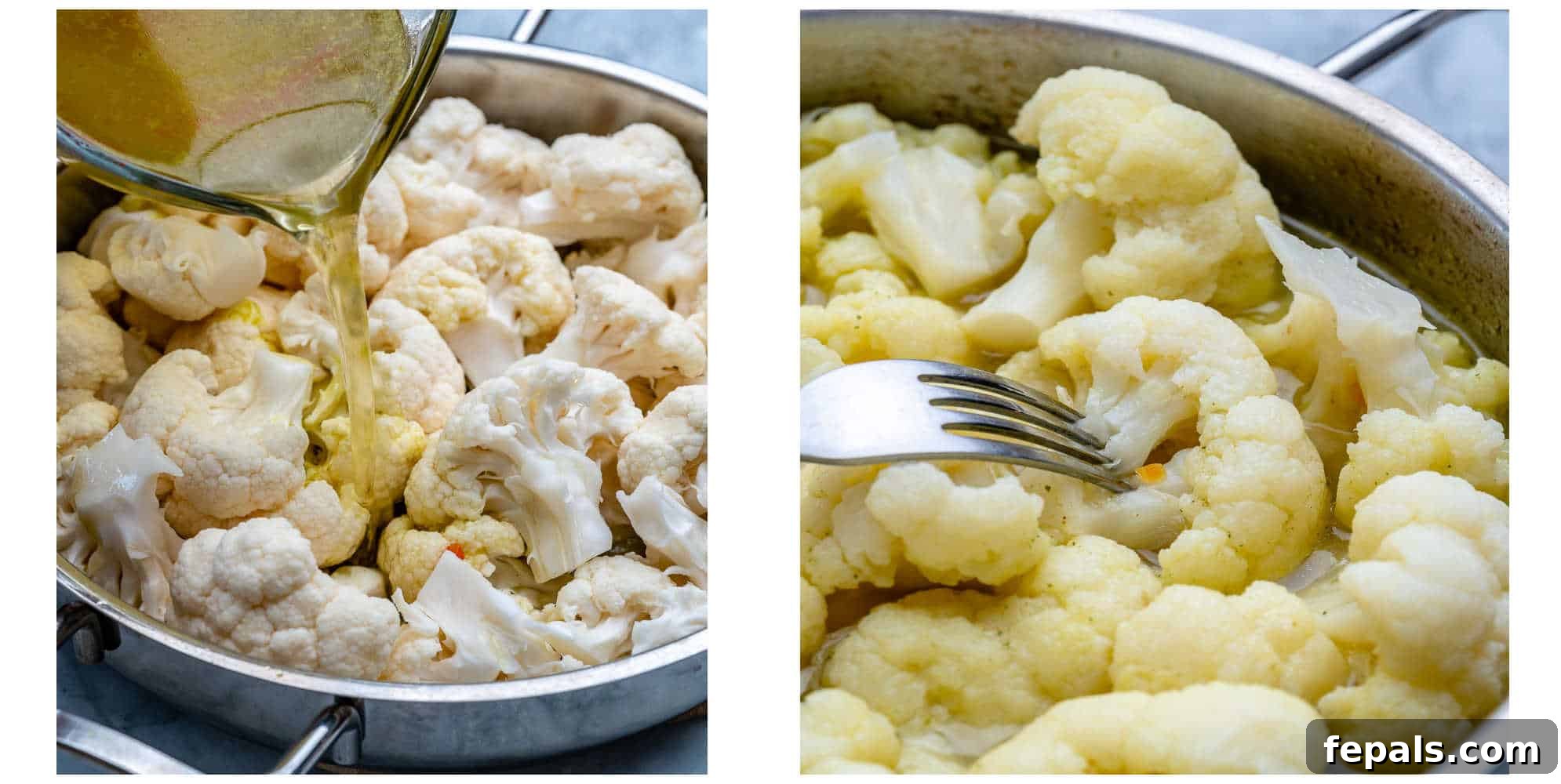
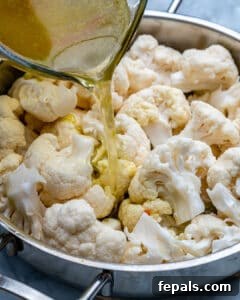
- Add the cauliflower florets and 6-7 cups of vegetable broth (or water) to the saucepan with the sautéed garlic. Ensure the cauliflower is mostly submerged.
- Cover the saucepan and bring the liquid to a boil over medium-high heat.
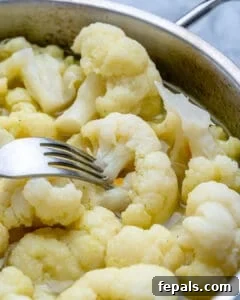
- Once the florets begin to boil, reduce the heat to low and let it simmer gently for 8-10 minutes. The cauliflower should become incredibly tender – easily pierced with a fork – but not mushy. This tenderness is key for a smooth, lump-free sauce.
Step 4: Blend to Creamy Perfection
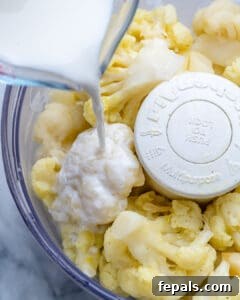
- Using a slotted spoon, carefully remove the cooked cauliflower florets from the saucepan and transfer them to a food processor or a high-speed blender. Make sure to **reserve the cooking liquid** in the saucepan; you’ll need it.
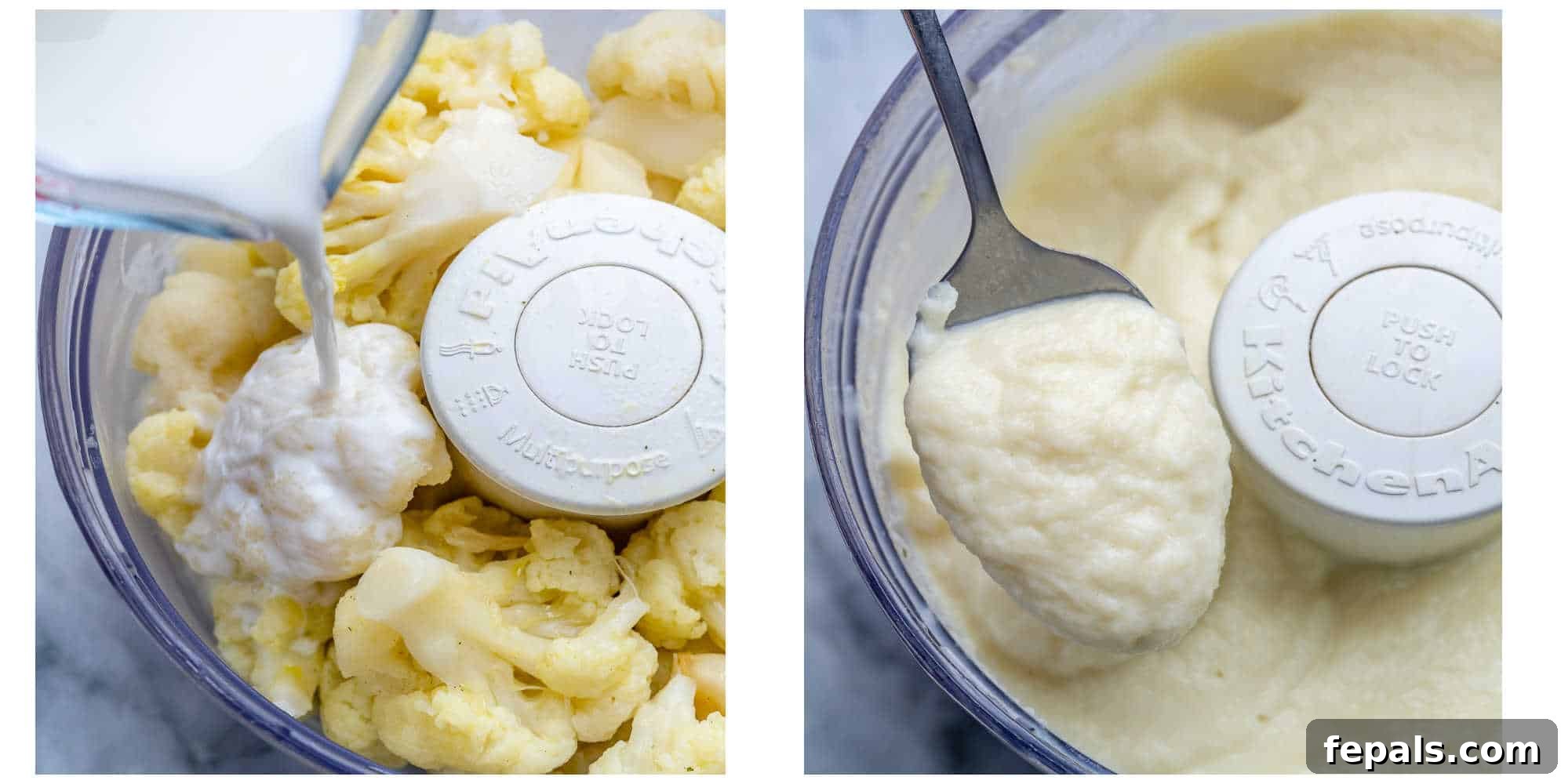
- Add 1/2 cup of milk (dairy or non-dairy) to the food processor or blender with the cauliflower.
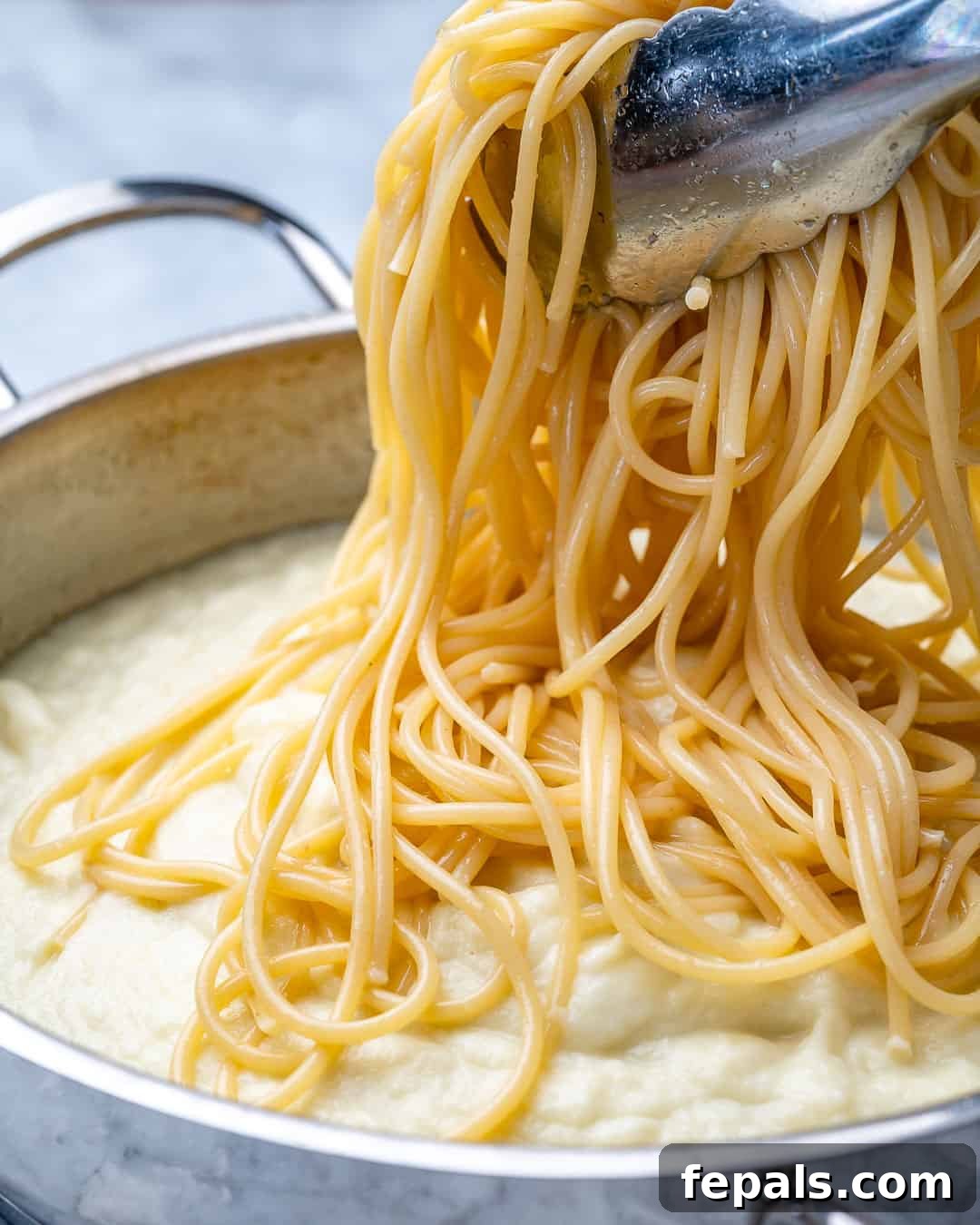
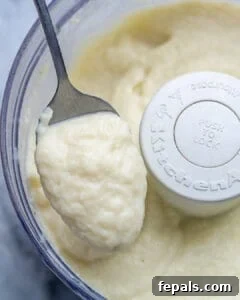
- Blend on high until the mixture is completely smooth and creamy, with no lumps remaining. This might take a few minutes.
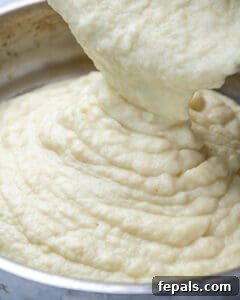
- If the sauce is too thick, gradually add small amounts of the reserved cooking liquid, blending after each addition, until you reach your desired consistency. You want a sauce that is pourable but still rich and coats the back of a spoon.
- Taste the sauce and season generously with salt and pepper to your preference. Adjust as needed.
Step 5: Combine and Serve
- Pour the freshly blended cauliflower Alfredo sauce back into the saucepan where you cooked the cauliflower (or a clean pan).
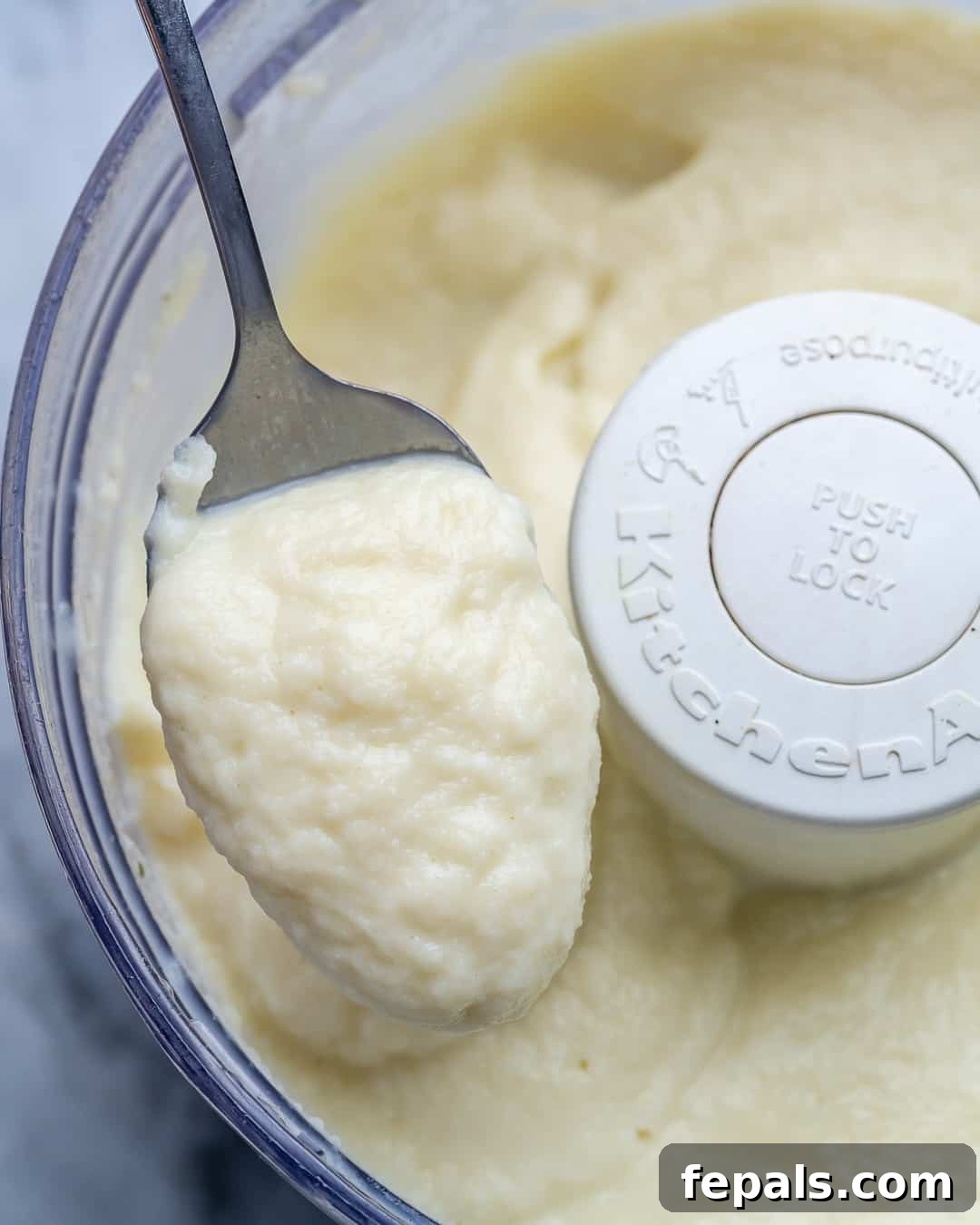
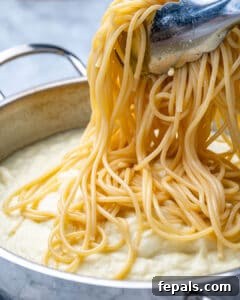
- Add your freshly cooked spaghetti or pasta of choice directly into the sauce. Stir well to ensure every strand is evenly coated.
- Serve immediately and prepare to be amazed by this healthy, creamy, and flavorful Alfredo!
FAQs and Pro Tips for the Best Cauliflower Alfredo
To ensure your cauliflower Alfredo sauce turns out perfect every time, and to help you customize it to your liking, here are some frequently asked questions and expert tips:
Milk Choices for Creaminess
- Versatility is Key: Any type of milk will work beautifully in this recipe. For a truly vegan and dairy-free option, unsweetened almond milk, oat milk, or soy milk are excellent choices, contributing to a rich creaminess without dairy. If you prefer, 2% or whole dairy milk can also be used, depending on your dietary preferences. The key is to use unsweetened varieties to avoid an unintended sweet flavor.
Oil Options for Flavor and Health
- Healthy Fats: While olive oil is a classic choice and provides a lovely Mediterranean flavor, feel free to experiment. Avocado oil is another fantastic option, offering a neutral flavor profile and high smoke point, making it great for sautéing. For those following a keto diet, a tablespoon or two of butter can also be used to sauté the garlic, adding a traditional richness.
Broth vs. Water: The Flavor Factor
- Enhance the Taste: Using vegetable broth instead of plain water to cook the cauliflower significantly elevates the overall flavor of your Alfredo sauce. The broth infuses the cauliflower with savory notes during simmering, resulting in a more complex and satisfying final product. If you’re not making a vegan sauce, chicken broth can also be used for an even richer taste.
Adding a Cheesy Kick
- For Dairy Lovers: If you’re not strictly vegan, a sprinkle of grated Parmesan cheese can be added to the sauce after blending, or served on top, for that classic Alfredo cheesy flavor. This is particularly good for those on a keto diet looking for extra fat and flavor.
- Vegan Cheese Alternative: For a dairy-free “cheesy” flavor, nutritional yeast is your secret weapon. Stir in 2-3 tablespoons of nutritional yeast during the blending process or once the sauce is returned to the pan. It provides a distinct, savory, umami-rich flavor reminiscent of cheese.
Cooking the Cauliflower Just Right
- Achieve Tenderness: It is crucial not to undercook the cauliflower. If the florets are still firm, your sauce will have a grainy or chunky texture. Always test with a fork; it should easily slide through the cauliflower with minimal resistance. Perfectly tender cauliflower ensures a silky-smooth sauce.
Garlic Sautéing Secrets
- Avoid Bitterness: Be mindful not to overcook or burn the garlic. Garlic burns quickly, and burnt garlic will impart an unpleasant, bitter taste to your entire sauce. Cook it gently over medium-low heat until it’s fragrant and softened, but not browned.
Storage and Freezing Tips
- Refrigeration: This cauliflower Alfredo sauce is excellent for meal prepping! Store any leftovers in an airtight container in the fridge for up to 7 days. When you’re ready to eat, simply reheat it gently in the microwave or on the stovetop, adding a splash of broth or milk if it has thickened too much.
- Freezing for Later: Yes, you can absolutely freeze this homemade cauliflower Alfredo sauce! It freezes wonderfully for up to 4-6 months. To make individual portions easier, separate the sauce into smaller, freezer-safe containers or Ziploc bags before freezing. Thaw overnight in the refrigerator before reheating.
Using Frozen Cauliflower
- Convenience Option: Frozen cauliflower florets are a perfectly acceptable substitute for fresh. You can either thaw them in the refrigerator overnight before use or add them directly to the saucepan with the broth. They may require a slightly longer simmering time to become fork-tender. Ensure they are fully cooked before blending for the smoothest sauce.
Adjusting Consistency
- Too Thick?: If your sauce is thicker than you’d like after blending, gradually whisk in small amounts of the reserved cooking liquid (from boiling the cauliflower) or extra broth/milk until it reaches your desired creamy consistency.
- Too Thin?: If your sauce turns out too thin, you have a couple of options: you can simmer it gently in the saucepan for a few extra minutes to allow some liquid to evaporate, thickening it naturally. Alternatively, for a quick fix, you can return it to the blender with a tablespoon of cooked white beans or a small amount of unsweetened cashews (soaked first if using a regular blender) for added body.
Flavor Enhancements
- Fresh Herbs: Fresh parsley, chives, or a sprinkle of dried Italian herbs can add another layer of flavor. Stir them in at the end for maximum aroma.
- Lemon Zest: A touch of fresh lemon zest (about half a teaspoon) brightens the entire sauce, adding a lovely, subtle tang that complements the richness.
- Nutmeg: A tiny pinch of freshly grated nutmeg is a classic addition to Alfredo sauces, enhancing the savory, creamy notes without being overpowering.
Serving Suggestions Beyond Pasta
While this cauliflower Alfredo is heavenly with spaghetti, don’t limit its potential! Here are other delicious ways to enjoy it:
- With Zucchini Noodles or Shirataki Noodles: A fantastic low-carb alternative to traditional pasta.
- As a Sauce for Chicken or Fish: Drizzle generously over pan-seared chicken breast, grilled salmon, or baked cod.
- Vegetable Topping: Pour over steamed or roasted vegetables like broccoli, asparagus, or green beans for a creamy side dish.
- Pizza Base: Use it as a healthier white sauce base for your homemade pizzas.
- In Casseroles: Incorporate into your favorite baked casserole recipes for a creamy binding agent.
Other Healthy Recipes to Inspire You
If you loved this healthy twist on Alfredo, you might enjoy exploring more wholesome and delicious recipes. Check out these other favorites:
- Buffalo Chicken Meatballs
- Homemade Beef Stew
- Roasted Garlic Cauliflower
- Creamy Tuscan Salmon
- Cucumber and Tomato Salad
- Easy Cheeseburger Pasta
- Low Carb Pizza
- Black Bean Enchiladas
How to Make Cauliflower Alfredo Sauce
Rena
6
10
15
25
Video
(Video unavailable in this format. Please refer to the written instructions.)
Ingredients
- 1 medium Cauliflower head, about 5–6 cups cauliflower florets
- 4-6 large Garlic cloves, crushed
- 2 Tbsp Olive Oil
- 6-7 Cups Vegetable broth or water
- kosher salt and pepper, to taste
- 1/2 cup milk, dairy or non-dairy
Instructions
-
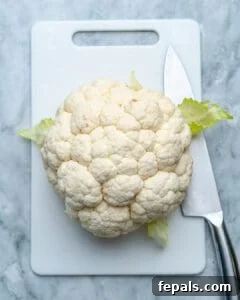
Remove all the leaves from the cauliflower and wash thoroughly under cold running water to remove any dirt.

-
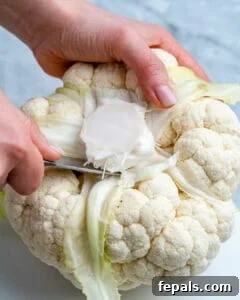
Start by carefully cutting through the tough core of the cauliflower.
-
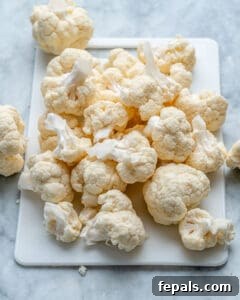
Chop into florets. All roughly the same size.
-
Crush the garlic cloves.
-
Heat oil in a medium-sized saucepan over medium-low heat. Add in the garlic and cook for 2-3 minutes, until it starts to soften.
-
Add in the cauliflower florets and water/vegetable broth.
-
Cover and bring to a boil; once the florets start to boil reduce the heat to low and let it simmer for 8-10 minutes or until fork-tender.
-
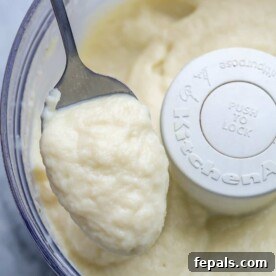
Remove the florets with a slotted spoon and place them in a food processor or blender, reserving the liquid. Add the milk and blend until smooth. Add more liquid if needed to reach your desired consistency.
-
Taste and season with salt and pepper to taste.
-
Pour the cauliflower Alfredo sauce back into the pan.
-
Stir in cooked spaghetti. Serve immediately and enjoy!
Notes
- Any milk would work. Feel free to use 2%, fat-free, or dairy-free for a vegan option.
- You may use frozen cauliflower.
- Avocado oil, Olive oil, or butter for keto.
- Vegetable broth or water. The broth will give it more flavor.
Storage:
Place leftovers in an airtight container and store in the fridge for up to 7 days. Reheat in the microwave when ready to eat or added to pasta. You can freeze for up to 4 months.
Nutritional facts:
Please keep in mind that the nutritional information is calculated using a nutrition facts calculator. It is a rough estimate and can vary greatly based on products used.
Nutrition
Carbohydrates: 9g
Protein: 3g
Fat: 6g
Saturated Fat: 1g
Cholesterol: 2mg
Sodium: 978mg
Potassium: 321mg
Fiber: 2g
Sugar: 5g
Vitamin A: 533IU
Vitamin C: 47mg
Calcium: 48mg
Iron: 1mg
Nutrition information is automatically calculated, so should only be used as an approximation.
Additional Info
Main Course
American, Italian
If you try this recipe and love it, please share your feedback in the comment section below! Don’t forget to rate it and use our hashtag #healthyfitnessmeals on INSTAGRAM for a chance to be featured! FOLLOW Healthy Fitness Meals on FACEBOOK | INSTAGRAM | PINTEREST | TWITTER for all our latest blog posts and recipes.