
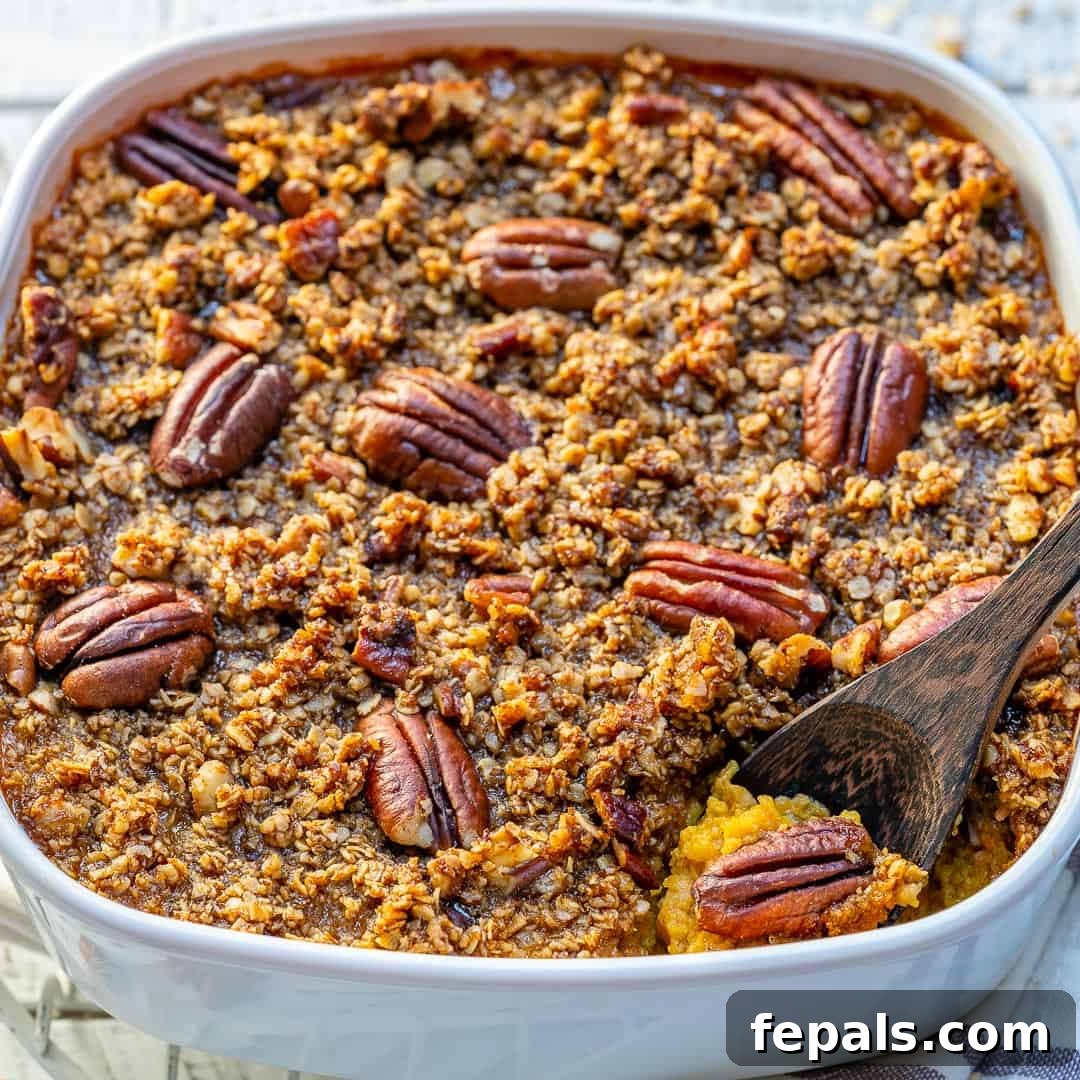
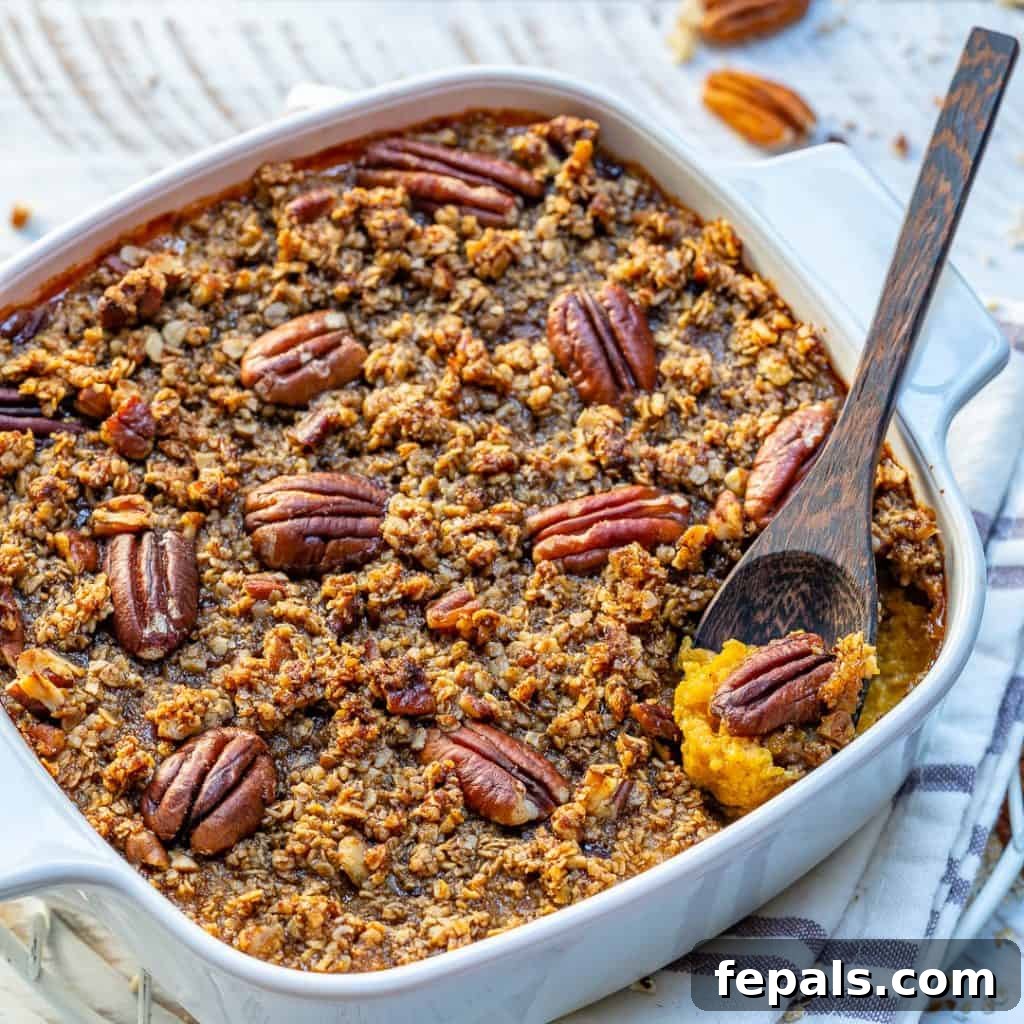
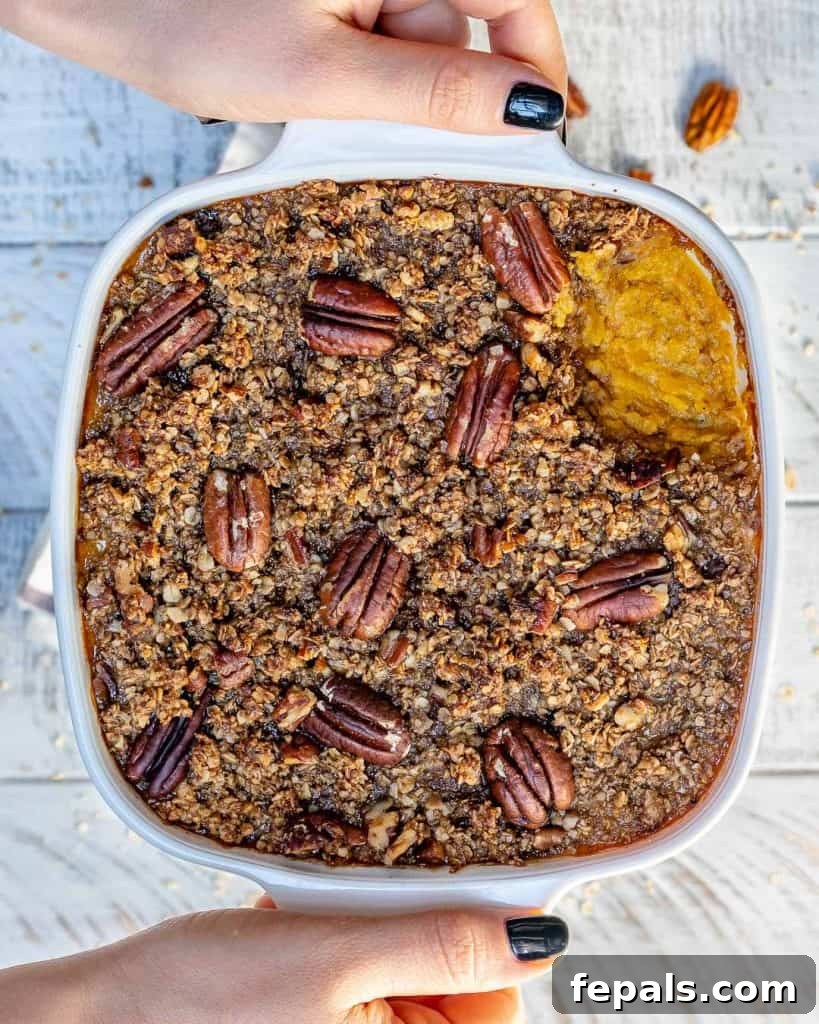
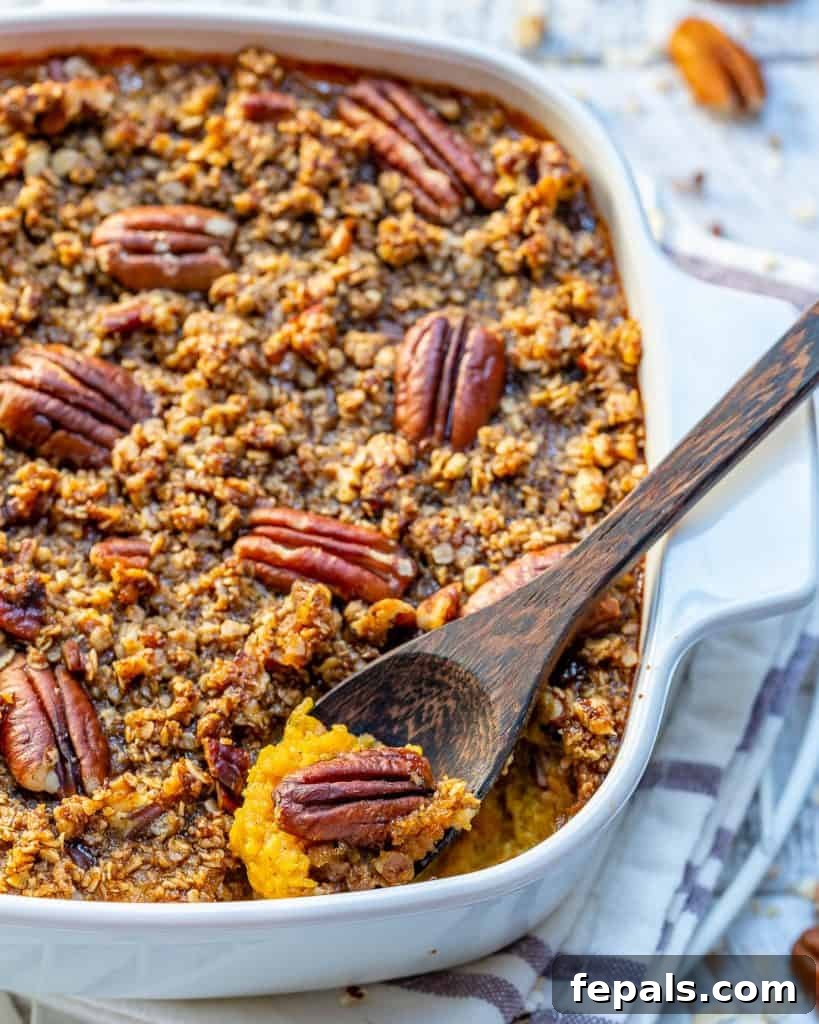
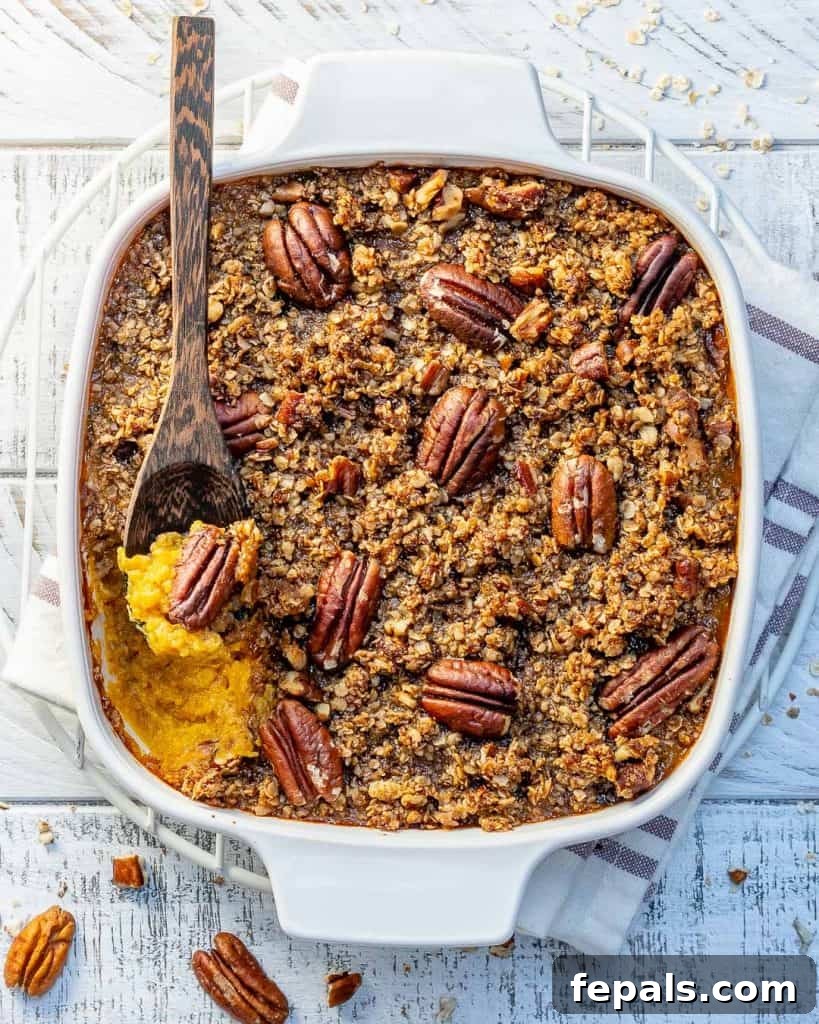
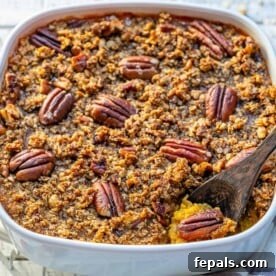
Prepare to elevate your holiday feast with this exquisite Butternut Squash Casserole, a truly remarkable side dish that promises to be the star of any dinner table. Topped with a heavenly toasted pecan crust, this casserole offers a sophisticated twist on traditional autumnal flavors. Ditch the usual sweet potatoes for a change and discover the unparalleled depth of flavor butternut squash brings to your plate. This recipe is not just easy to prepare; it’s a symphony of comforting spices and textures that will undoubtedly become a cherished family favorite.
If you’re as enamored with butternut squash as we are, you’ll love exploring other delightful recipes. Be sure to check out our Oven-Roasted Butternut Squash for a simple yet flavorful side, or try the visually stunning Hasselback Butternut Squash Recipe for an impressive presentation.
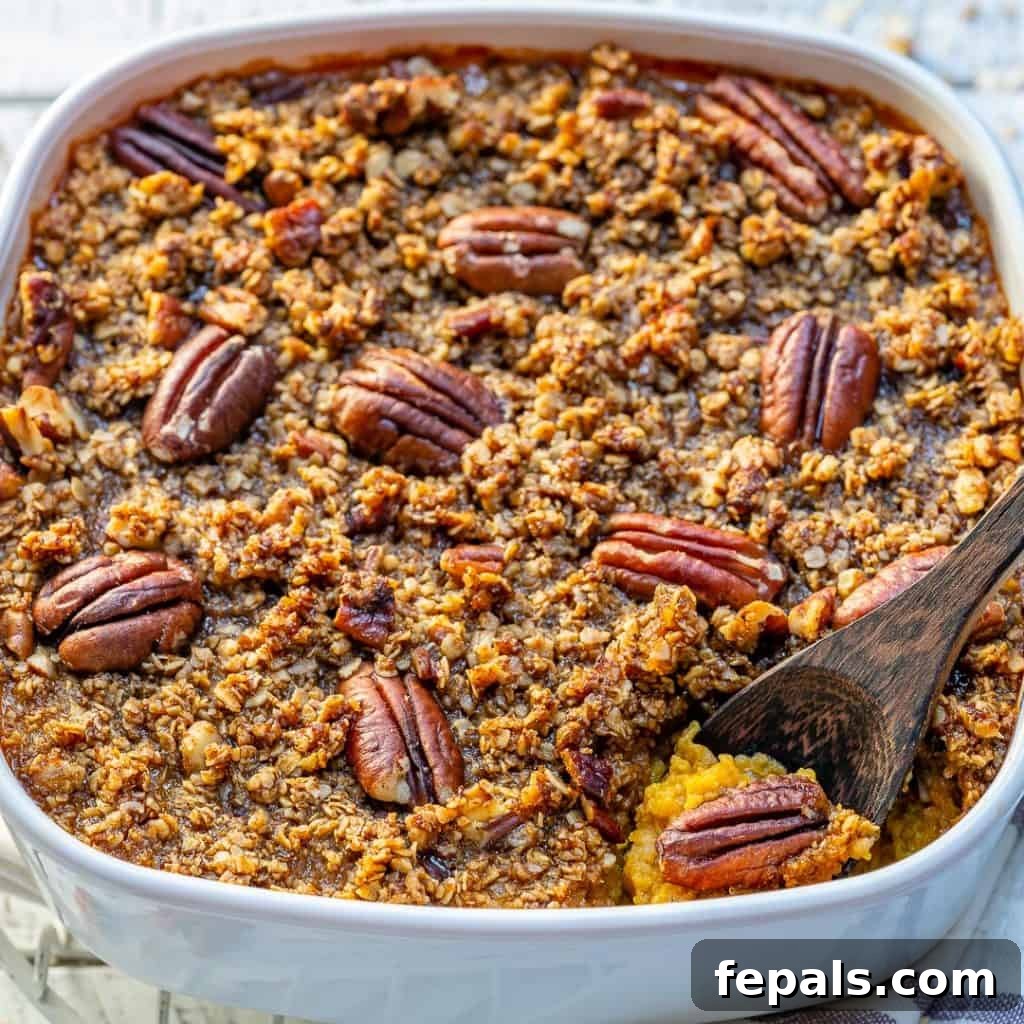
Butternut squash wasn’t a staple in my childhood kitchen back in Africa. It wasn’t until I moved to the United States at the age of 19 that I truly discovered its magic. I vividly recall my grandma preparing a butternut squash casserole for Thanksgiving dinner – it was absolutely divine, a dish to die for! From that moment on, I was completely captivated by the rich, sweet, and nutty flavor of butternut squash, and it has held a special place in my culinary heart ever since.
This particular butternut squash casserole recipe stands out with its thoughtfully selected healthier alternatives, such as natural coconut sugar, perfectly balanced with warm and inviting fall spices like nutmeg and cinnamon. The silky smooth pureed squash base is then crowned with an irresistible topping: a delightful mixture of rich butter, more coconut sugar, crunchy pecans, and wholesome oat flour. Butternut squash serves as an excellent, naturally sweeter substitute for sweet potatoes, offering a similar comforting profile with generally less sugar content. However, if you’re a devoted fan of sweet potatoes or simply wish to offer both at your gathering, you might also enjoy our Healthy Sweet Potato Casserole recipe.
Why You Will Absolutely Love This Butternut Squash Casserole
This butternut squash casserole isn’t just another side dish; it’s an experience. Here are compelling reasons why this recipe is destined to become a household favorite, especially during the festive season:
- Effortlessly Delicious and Easy to Master: Forget complicated recipes that demand hours of intricate work. This casserole is designed for simplicity without compromising on flavor. With straightforward steps and readily available ingredients, you can achieve a gourmet-tasting dish with minimal fuss or hassle. It’s the perfect recipe for busy holiday preparations, allowing you more time to enjoy with loved ones.
- Hearty, Wholesome, and Incredibly Filling: Butternut squash is a powerhouse of nutrition, rich in vitamins, minerals, and fiber. This casserole transforms a healthy vegetable into a robust and satisfying dish that truly hits the spot. It’s not only good for you but also substantial enough to complement even the heartiest main courses, leaving everyone feeling comfortably full and content.
- The Quintessential Holiday Side Dish: When it comes to holiday meals, a memorable side dish is just as important as the main course. This butternut squash casserole, with its elegant pecan crust and inviting aroma, is tailor-made for Thanksgiving, Christmas, or any special occasion. Its vibrant color and comforting flavors make it a versatile accompaniment to a wide array of proteins, ensuring it will be a welcome addition to any festive spread. You truly cannot go wrong with this impressive yet approachable recipe.
- A Healthier Twist on a Classic: By incorporating coconut sugar and wholesome oat flour, this recipe offers a mindful approach to a beloved classic. You get all the decadent taste and comforting warmth without unnecessary processed ingredients, making it a perfect choice for those seeking delicious and health-conscious options.
- Crowd-Pleaser with a Gourmet Touch: The combination of creamy butternut squash and a crunchy, buttery pecan topping creates a textural contrast that delights the palate. Its sophisticated presentation and irresistible aroma are sure to impress guests and family members alike, making you the undisputed host with the most delicious side dish.
Essential Ingredients You Will Need for This Recipe
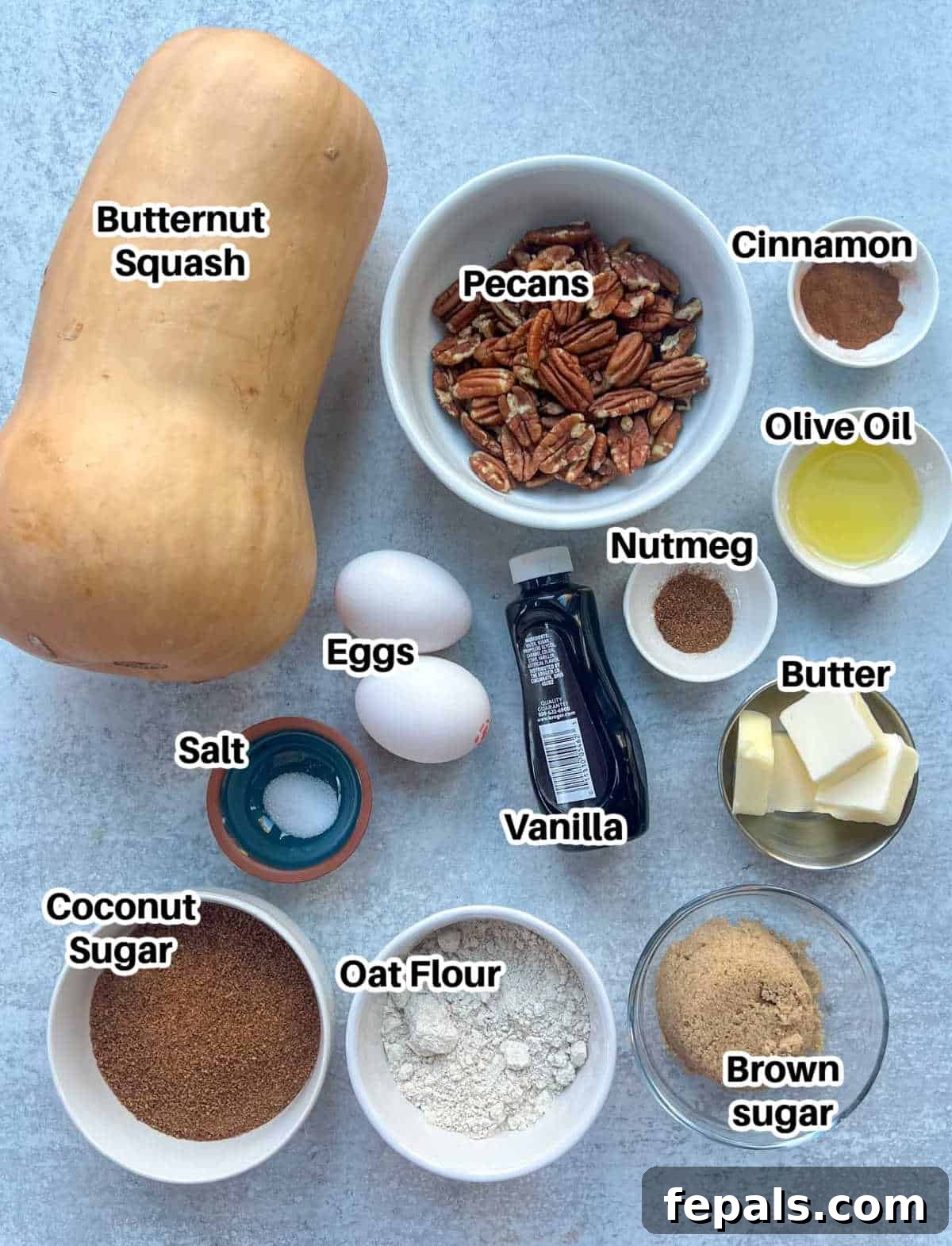
Crafting this incredible butternut squash casserole requires a selection of fresh, high-quality ingredients. Below is a comprehensive list to guide your shopping. Exact measurements for each component can be found in the detailed recipe card further down this page.
- Butternut Squash: The star of our show! While various types of squash can be used in casseroles, butternut squash offers a uniquely sweet, nutty flavor and a creamy texture perfect for pureeing. For best results, we highly recommend using a large butternut squash. If you’re new to handling this delightful gourd, our guide on How To Cut Butternut Squash will provide helpful tips for safe and efficient preparation.
- Olive Oil: Essential for roasting the squash, helping it caramelize and develop deep flavors. Extra virgin olive oil adds a subtle fruity note. Feel free to substitute with coconut oil or avocado oil if those are your preference or what you have on hand.
- Large Eggs: Act as a binding agent, providing structure and richness to the squash base, ensuring a smooth and consistent texture. For optimal blending and fluffiness, try to use eggs that are at room temperature.
- Coconut Sugar: Our healthier alternative sweetener, offering a caramel-like sweetness with a lower glycemic index than refined sugar. If coconut sugar isn’t readily available, brown sugar makes an excellent swap and will yield similar delicious results, saving you an extra trip to the store.
- Vanilla Extract: A crucial ingredient that enhances the overall sweetness and complexity of the casserole, especially important when eggs are involved, as it balances their flavor profile. Use pure vanilla extract for the best taste.
- Unsalted Butter (melted): Adds a rich, creamy mouthfeel and deepens the flavor of the squash mixture. Unsalted butter is recommended to give you control over the overall saltiness of the dish. Melted coconut oil can be used as a dairy-free alternative if needed.
- Warm Fall Seasonings:
- Ground Nutmeg: Imparts a warm, sweet, and slightly spicy aroma that is characteristic of autumnal baking.
- Cinnamon: A classic fall spice that complements the sweetness of the butternut squash beautifully, adding depth and warmth.
- Pinch of Salt: Crucial for balancing the sweetness and enhancing all the other flavors in the casserole, preventing it from tasting flat.
What You Will Need for the Irresistible Pecan Topping
The crunchy, sweet topping is what truly elevates this casserole from great to unforgettable. Here’s what you’ll need:
- Unsalted Butter (melted): Provides richness and helps bind the topping ingredients, creating those coveted moist crumbs.
- Coconut Sugar: Adds a lovely sweetness and a hint of caramel flavor to the crust. As with the base, brown sugar is a fantastic alternative if you prefer.
- Oat Flour: A healthier, gluten-friendly flour choice that creates a wonderfully crisp texture. You can certainly use any other all-purpose flour or even a gluten-free blend you have on hand.
- Pecans (roughly chopped): The quintessential nut for this topping, offering a buttery, slightly sweet crunch that pairs perfectly with butternut squash. If pecans aren’t your favorite or you’re out, feel free to substitute with any other nuts you have handy, such as walnuts, cashews, pistachios, or almonds. Each will add its own unique texture and flavor.
- Pinch of Salt: Just a touch of salt is essential to balance the sweetness of the topping and enhance the nutty flavor of the pecans.
Step-by-Step Guide: How to Make This Delicious Butternut Squash Casserole
Creating this flavorful butternut squash casserole is a rewarding experience. Follow these detailed steps to achieve a perfectly creamy base and a delightfully crunchy topping:
- Begin by preheating your oven to 375°F (190°C). This ensures your squash roasts evenly and thoroughly.
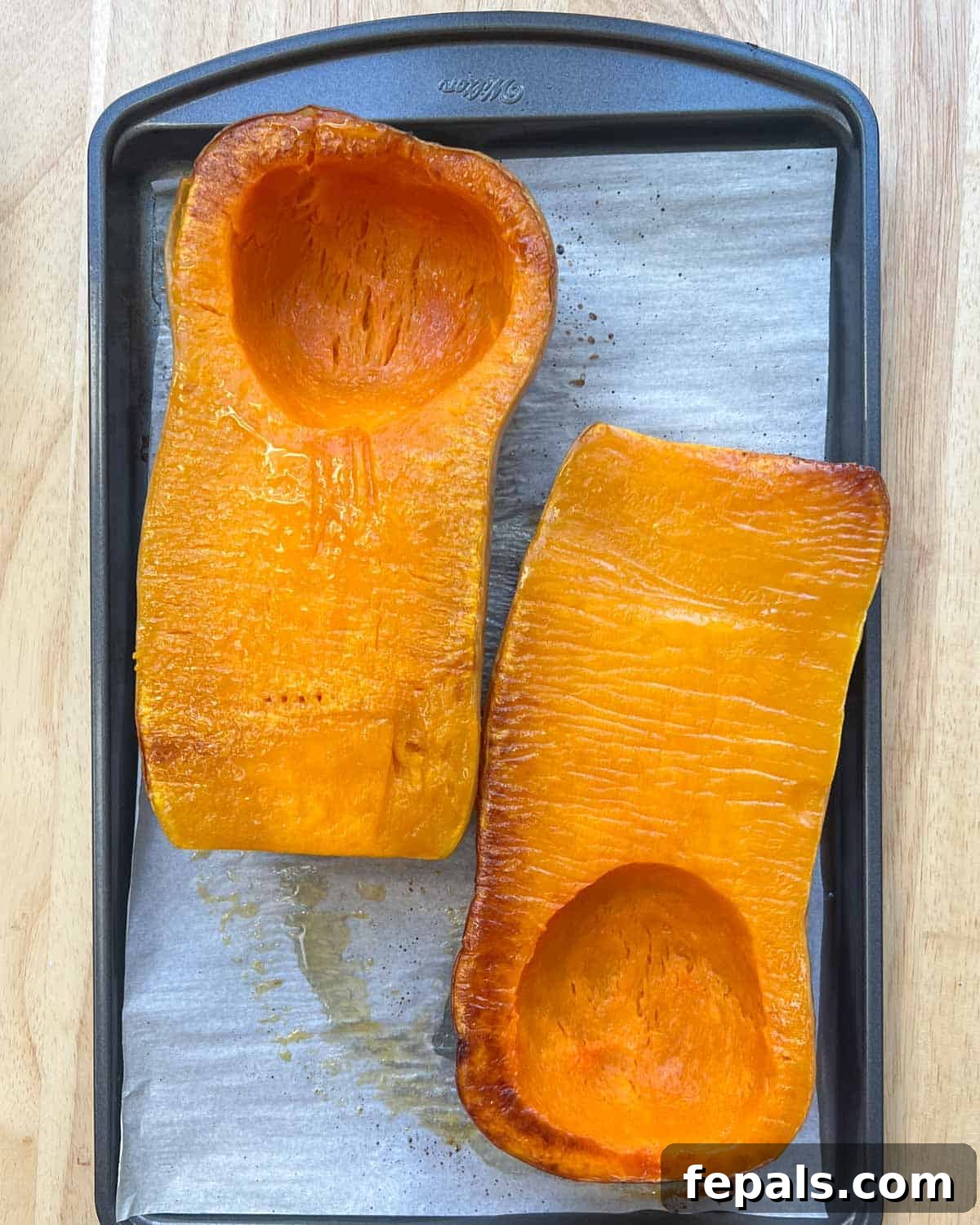
Step 1: Roast the Butternut Squash to Perfection. Place the halved butternut squash (with the cut sides facing up initially) in a sturdy roasting tin or on a baking sheet. Drizzle generously with olive oil, ensuring the cut surfaces are lightly coated. Then, flip the squash cut-side down into the roasting tin. Roast for approximately 45-50 minutes, or until the flesh is incredibly tender when pierced with a fork. Roasting face down helps steam the squash, ensuring it becomes wonderfully soft. Once roasted, remove from the oven and allow it to cool slightly, making it easier to handle. Scoop all the soft, cooked flesh out into a large mixing bowl, discarding the skins.
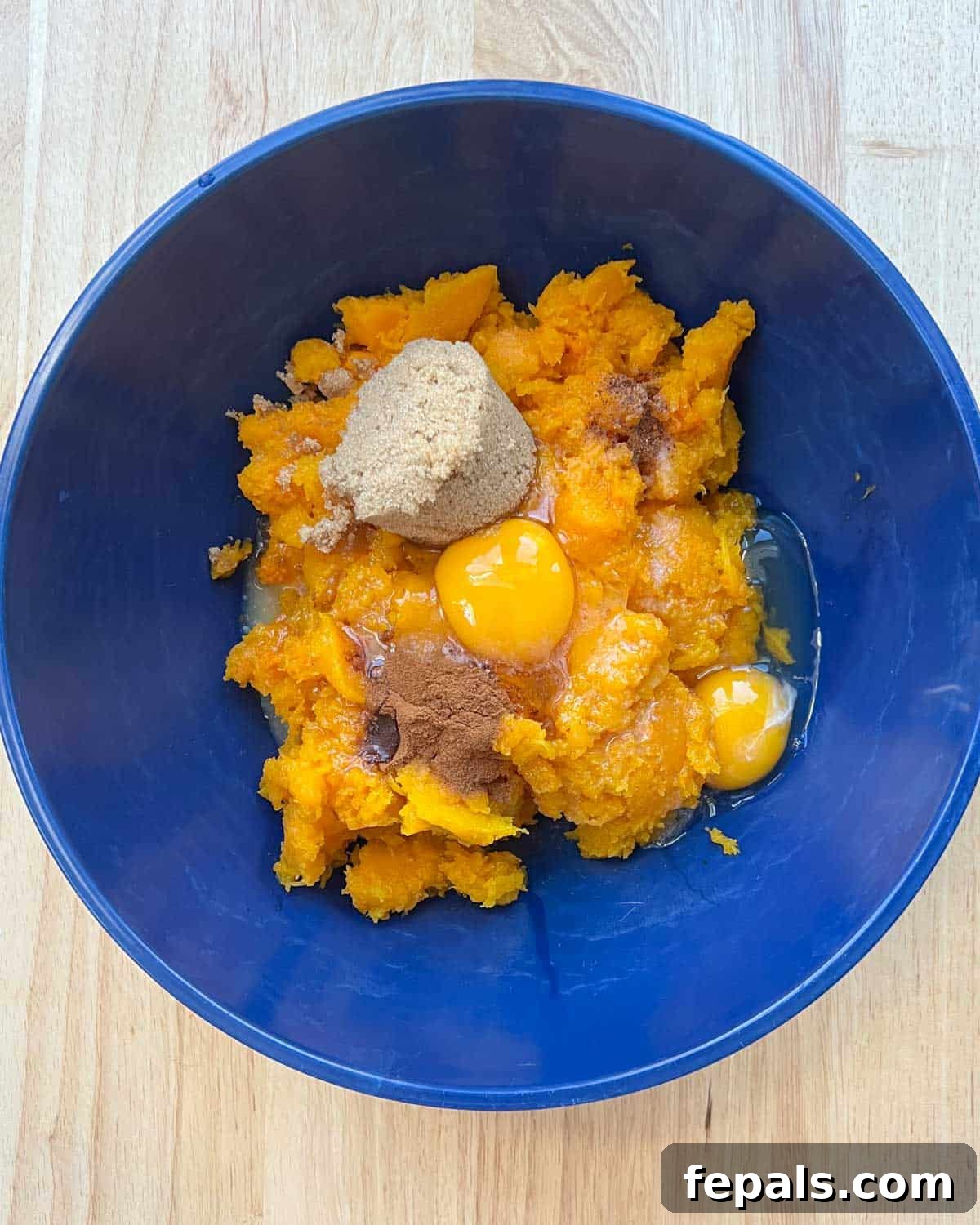
Step 2: Prepare the Creamy Butternut Squash Base. To the mashed butternut squash in the bowl, add the large eggs, melted butter, coconut sugar, vanilla extract, a pinch of salt, ground nutmeg, and cinnamon. Using a hand mixer (or a stand mixer with the paddle attachment), whisk all the ingredients together until they are thoroughly combined and the mixture becomes smooth and delightfully fluffy. Scrape down the sides of the bowl as needed to ensure everything is incorporated.
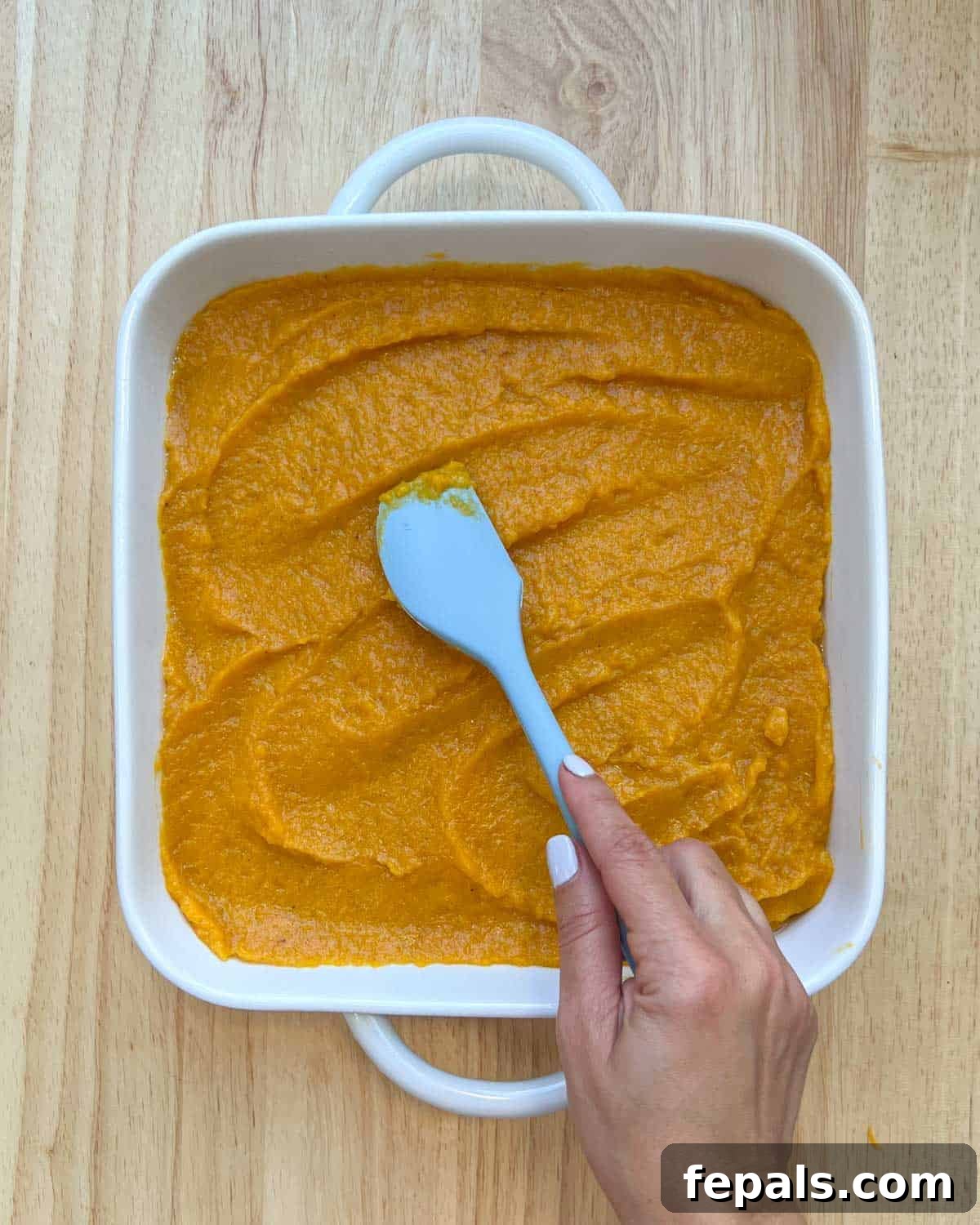
Step 3: Transfer to the Baking Dish. Lightly spray a 9×13-inch baking dish with cooking spray to prevent sticking. Carefully spoon the prepared butternut squash mixture into the dish. Using a spatula, spread the mixture out evenly, creating a smooth and uniform layer. This ensures consistent baking and an appealing presentation.
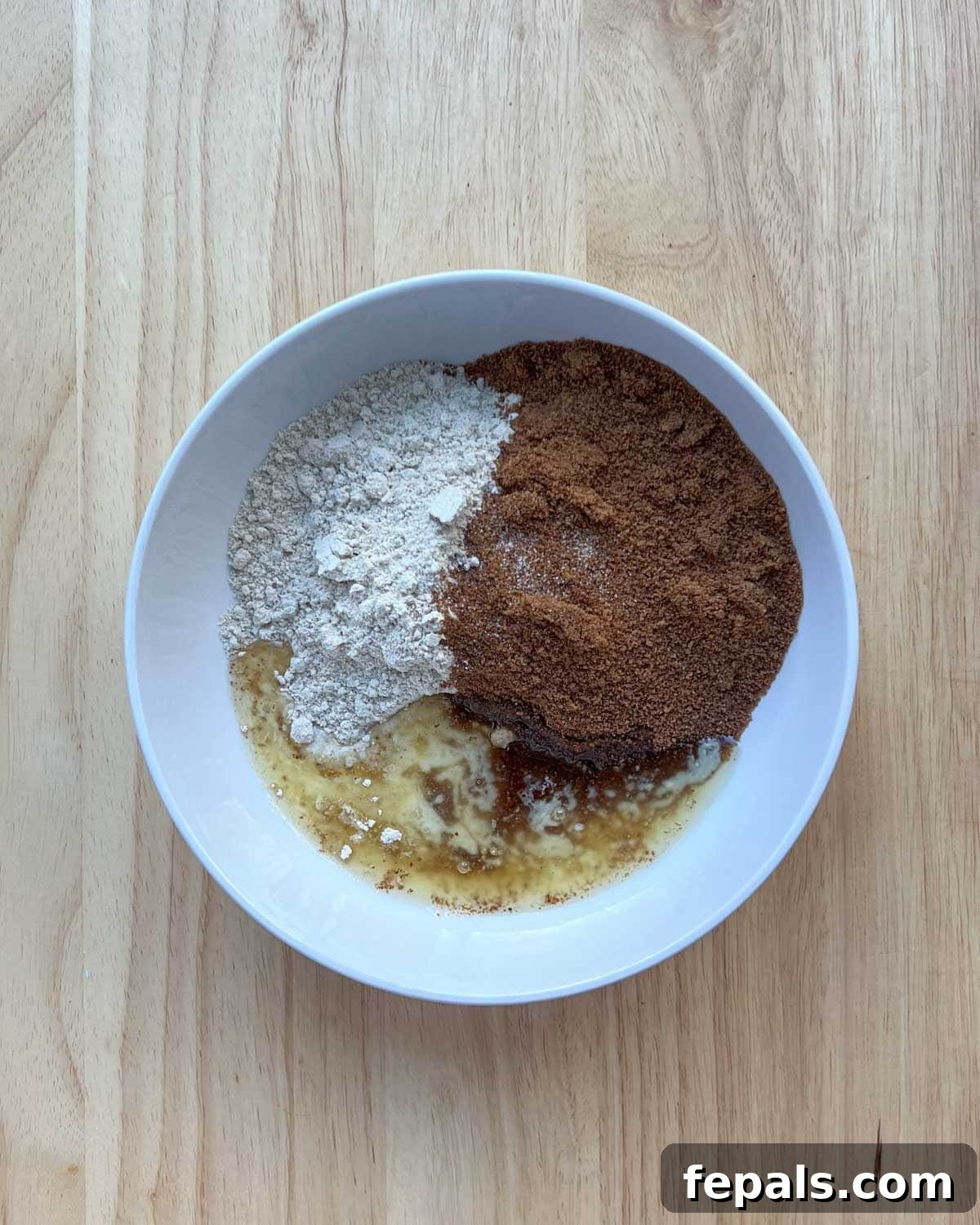
Step 4: Prepare the Crumbly Topping. In a separate medium mixing bowl, combine the melted unsalted butter, coconut sugar, oat flour, and a pinch of salt. Using a fork, toss these ingredients together until moist, crumbly pieces begin to form. The texture should resemble coarse wet sand. Do not add the pecans yet.
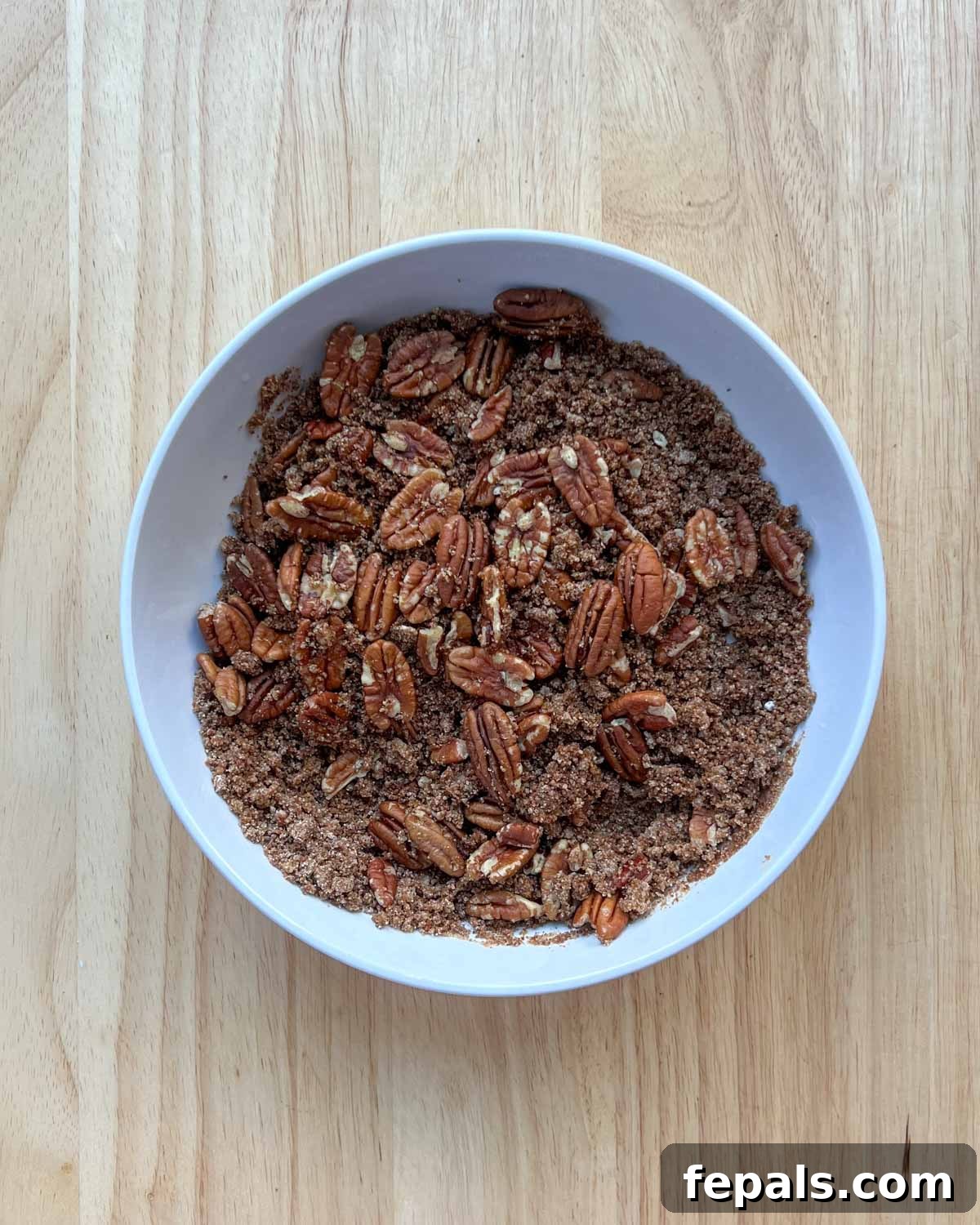
Step 5: Incorporate the Pecans. Add the roughly chopped pecans to the crumb mixture. Gently stir them in with the fork, ensuring they are evenly distributed throughout the topping. This step is done last to prevent the pecans from becoming too soft or losing their distinct texture during the initial mixing.
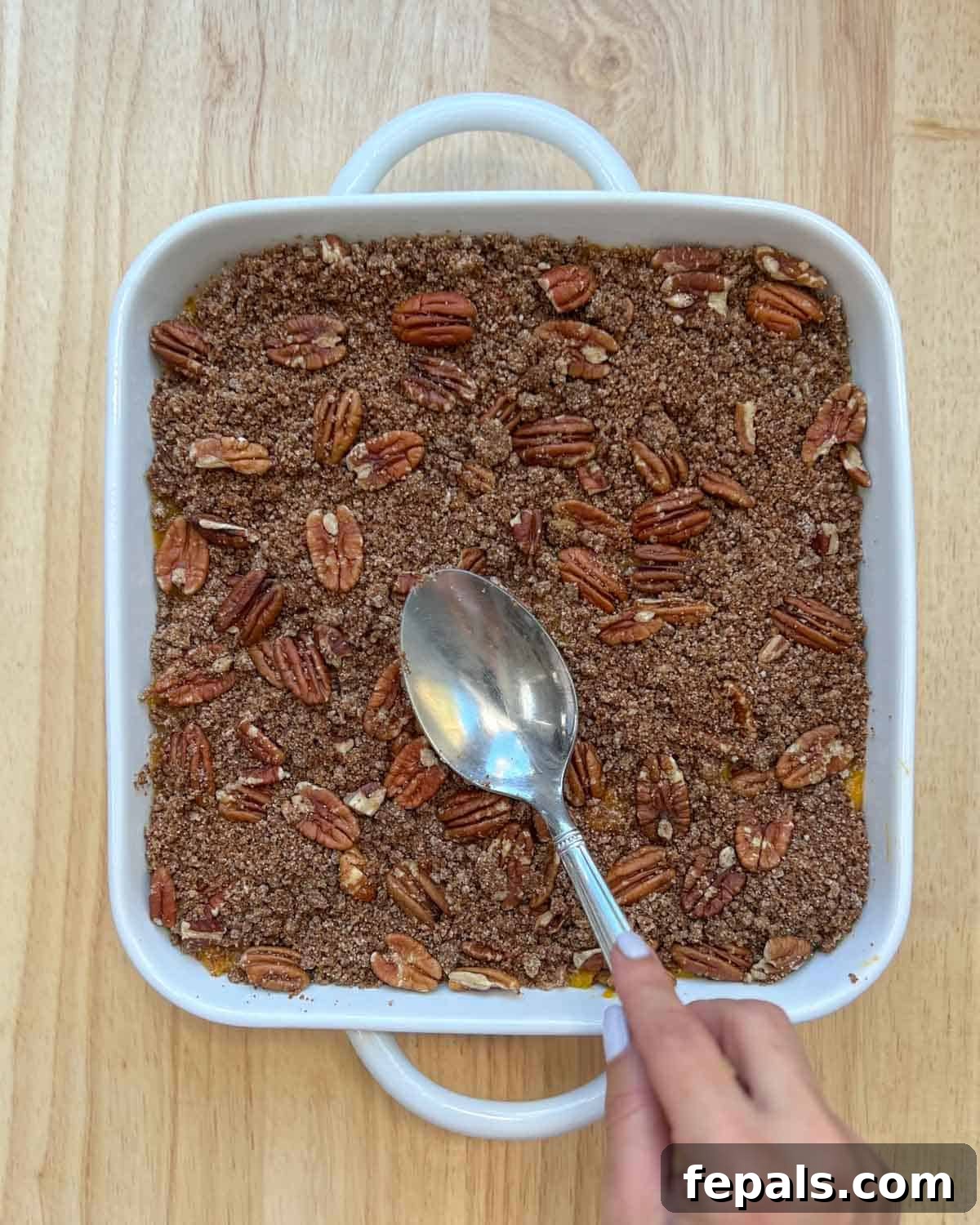
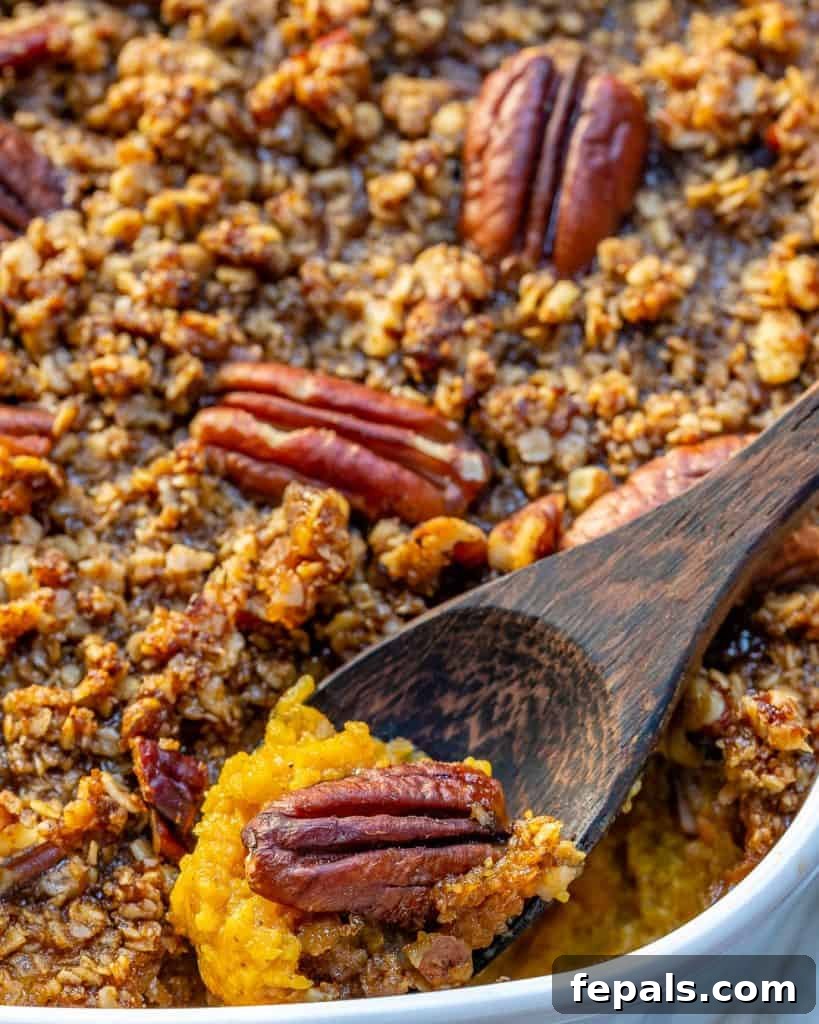
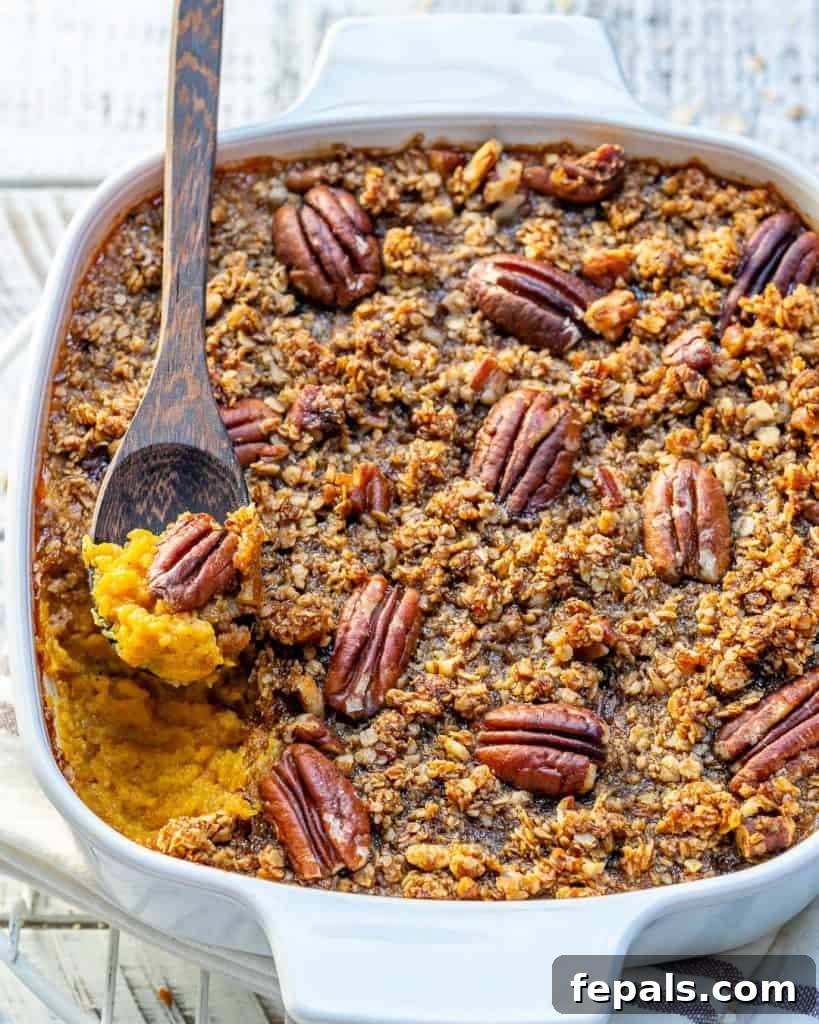
Step 6: Bake to Golden Perfection. Evenly sprinkle the pecan and crumb topping over the entire surface of the butternut squash mixture in the baking dish. Gently spread it out to create a uniform layer. Place the dish in your preheated oven and bake for approximately 45 minutes, or until the topping is beautifully golden brown and the casserole is set in the center. The delightful aroma filling your kitchen will be your cue! Once baked, remove from the oven and allow it to cool slightly before serving. This casserole is truly versatile and can be enjoyed warm straight from the oven or even deliciously cold the next day!
Pro Tips for a Perfect Butternut Squash Casserole Every Time
Achieving butternut squash casserole perfection is easier than you think with these helpful tips and tricks. Whether you’re a seasoned chef or a beginner, these insights will ensure your dish turns out flawlessly and suits your taste preferences:
- Squash Variations and Substitutions: While butternut squash offers a distinct sweetness and creamy texture, this recipe is quite adaptable. If you prefer, you can easily swap the butternut squash with an equal amount of sweet potatoes for a slightly different flavor profile, or even try acorn squash. Each will yield a delicious, comforting casserole, allowing you to customize based on availability or personal preference.
- Sweetener Alternatives: Our recipe uses coconut sugar for a healthier, less refined sweetness. However, if you don’t have it on hand or simply prefer it, feel free to use an equal measure of packed light or dark brown sugar. Brown sugar will impart a slightly richer, more molasses-like flavor, which is equally delightful in this autumn-inspired dish.
- Nutty Topping Flexibility: Pecans are fantastic for their buttery crunch, but don’t feel limited. If you’re not a fan of pecans, have an allergy, or simply want to try something different, almost any other nut will work wonderfully in the topping. Chopped walnuts offer a slightly more bitter, earthy flavor, while almonds (sliced or slivered) provide a delicate crunch. Cashews or pistachios could also introduce an interesting texture and taste.
- Preventing a Burnt Topping: The crumbly pecan topping is crucial for texture and flavor, and you want it golden brown, not burnt. To prevent it from browning too quickly, we highly recommend placing your baking dish on the middle rack of the oven. If you notice the topping getting too dark before the casserole is fully set, you can loosely tent the dish with aluminum foil for the remainder of the baking time.
- Make-Ahead Convenience: This casserole is an ideal make-ahead dish, perfect for simplifying holiday preparations. You can prepare the entire butternut squash base a day in advance. Simply transfer the pureed mixture into your baking dish, cover it tightly with plastic wrap or aluminum foil, and store it in the refrigerator. The next day, when you’re ready to bake, all you need to do is quickly prepare the topping and sprinkle it over the chilled base before baking as directed. This significantly reduces last-minute stress.
- Fat Choice Considerations: Our recipe calls for unsalted butter in the base and topping for its classic richness. If you don’t have butter or prefer a dairy-free option, coconut oil is an excellent substitute, offering a subtle tropical hint. Avocado oil or even a neutral-flavored vegetable oil can also be used. Remember, butter in moderation, especially during special occasions and holidays, can be a delightful indulgence!
- Achieving the Perfect Squash Texture: Don’t over-roast the squash if you want a slightly firmer texture in your puree, but for a truly smooth casserole, ensure it’s fork-tender. If your squash is particularly watery after roasting, you might gently press some of the excess moisture out before pureeing to prevent a runny base.
- Seasoning Adjustments: Taste your squash mixture before baking and adjust the spices if necessary. Some prefer a stronger cinnamon or nutmeg presence. A tiny pinch of ginger or allspice could also be a lovely addition for even more warmth.
Storing and Reheating Your Delicious Butternut Squash Casserole
This butternut squash casserole is so good, you might not have many leftovers! But should you be fortunate enough to have some, here’s how to properly store and reheat it to maintain its wonderful flavor and texture:
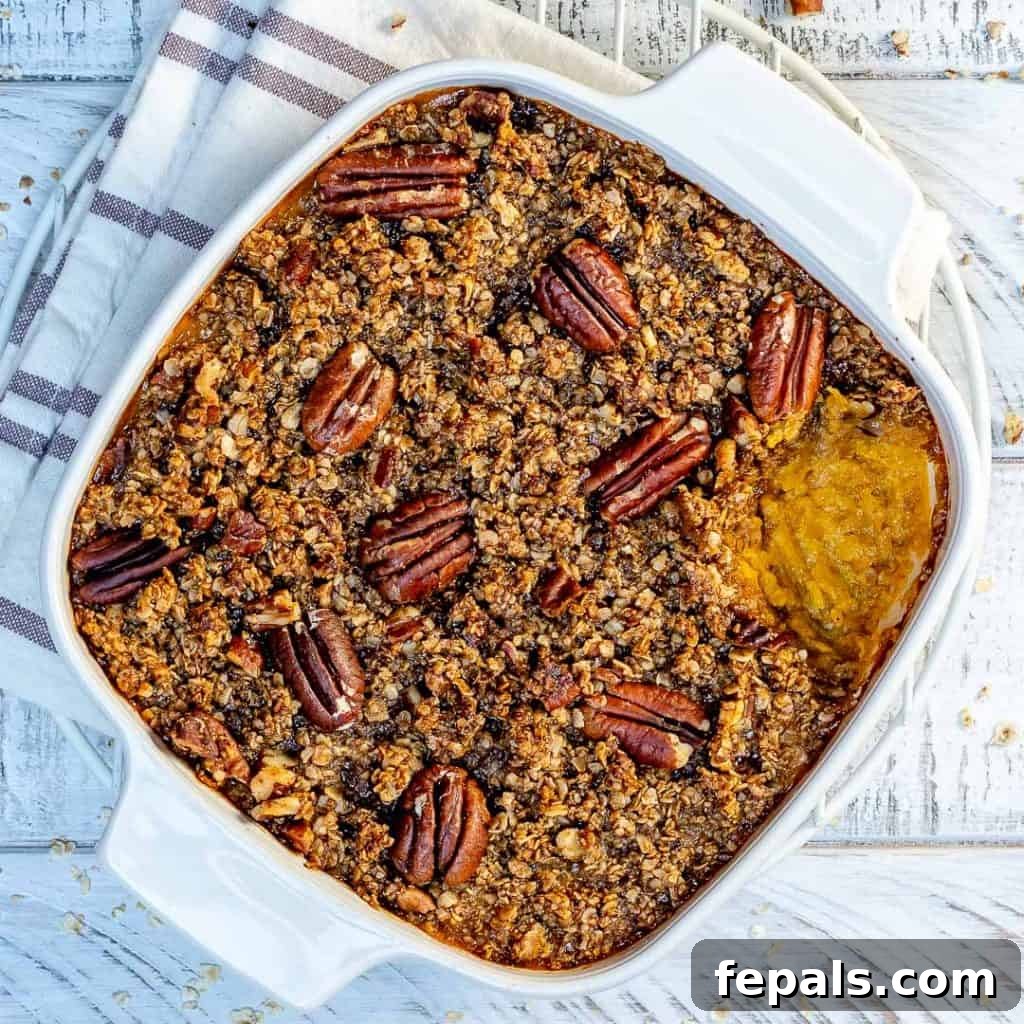
- To Store: Leftover baked butternut squash casserole can be kept in the very dish you baked it in. Simply cover the dish tightly with aluminum foil or plastic wrap. It will stay fresh and delicious in the refrigerator for up to 5 days. Alternatively, if you prefer, transfer individual portions or the entire remainder to an airtight sealed container before refrigerating. This helps prevent it from absorbing other fridge odors and keeps it moist.
- Reheating: You have a couple of excellent options for reheating, depending on how you stored your casserole and how much you need to warm up.
- Oven Method (Recommended for larger portions or whole casserole): If you stored the casserole in its original baking dish, preheat your oven to 350°F (175°C). Place the uncovered dish back into the oven and reheat for approximately 10-15 minutes, or until it is heated through to your liking. Covering it loosely with foil for the first part of reheating can help prevent the topping from drying out too much, then remove the foil to crisp it up again.
- Microwave Method (Best for individual servings): For a quick reheat of single portions stored in an airtight container, the microwave is your best friend. Transfer a serving to a microwave-safe plate and heat for 1-2 minutes, or until thoroughly warm. Stirring halfway through can help ensure even heating. Be mindful not to overcook, as this can make the squash a bit rubbery.
- Freezing: While best enjoyed fresh or after a few days in the fridge, you can freeze this casserole. Wrap tightly in plastic wrap, then foil, and freeze for up to 2-3 months. Thaw in the refrigerator overnight before reheating in the oven.
Discover More Irresistible Butternut Squash Recipes
Butternut squash is an incredibly versatile vegetable, perfect for both savory and sweet dishes. If you’ve fallen in love with its rich, creamy texture and subtle sweetness, you’ll want to try these other fantastic butternut squash recipes:
- Oven Roasted Butternut Squash: A simple, elegant way to enjoy the natural flavor of the squash.
- Butternut Squash Soup: Creamy, comforting, and perfect for a chilly day.
- Butternut Squash Mushroom Risotto: A sophisticated and hearty main course, combining earthy mushrooms with sweet squash.
- Butternut Squash Salad: A refreshing and seasonal salad, ideal for a lighter meal or side.
- Honey Roasted Butternut Squash: A touch of sweetness that caramelizes beautifully during roasting.
- Maple-Roasted Butternut Squash: A classic fall flavor pairing that brings out the best in the squash.
What to Serve with This Butternut Squash Casserole
This versatile butternut squash casserole makes an excellent side for a wide range of main dishes, especially those often featured during holiday gatherings or Sunday dinners. Its sweet and savory notes perfectly complement roasted meats and poultry. Here are some fantastic pairings:
- Mustard Maple Glazed Roasted Turkey: The sweet and tangy glaze of the turkey would be a delightful contrast to the creamy casserole.
- Beef Pot Roast: A hearty, savory pot roast and this comforting casserole create a truly satisfying meal.
- Oven-Roasted Turkey Breast: A classic holiday pairing that never disappoints.
- Lemon Garlic Oven Roasted Whole Chicken: The bright, zesty flavors of the chicken will beautifully cut through the richness of the casserole.
- Garlic Beef Tenderloin Roast: Elevate your dinner with this elegant beef dish alongside the wholesome casserole.
- Garlic Herb Turkey Roast: The aromatic herbs in the turkey will meld wonderfully with the fall spices of the squash.
- Baked Ham: The saltiness of a baked ham is a superb match for the sweet notes of the butternut squash.
- Pork Loin: A tender roasted pork loin would be beautifully complemented by this sweet and savory side.
Frequently Asked Questions About Butternut Squash Casserole
Whether or not to peel butternut squash before roasting largely depends on your intended use for the cooked squash. If you’re planning to make a smooth soup or a puree for a casserole, as in this recipe, it’s generally not necessary to peel it beforehand. The skin becomes soft during roasting, and once cooled, the flesh easily scoops out. However, if your recipe involves cubing the squash for a side dish where the pieces will be eaten whole, peeling is recommended for a more pleasant texture.
Both methods will eventually cook the squash, but for optimal results, we generally recommend placing the butternut squash cut-side down in the roasting pan. Roasting it cut-side down helps to trap moisture, essentially steaming the squash as it roasts. This technique results in a much softer, more tender flesh that is perfect for mashing or pureeing, and it often speeds up the cooking process significantly. Adding a small amount of water to the bottom of the roasting pan can further enhance this steaming effect.
Yes, it is certainly possible to overcook butternut squash if left in the oven for too long. However, whether this is a “bad” thing depends entirely on the recipe you’re preparing. For dishes like soup or risotto, a very soft, even slightly mushy squash is often desirable as it blends seamlessly into the dish, adding creaminess. But for recipes where you want the squash to hold its shape, such as roasted cubes for a side dish or a salad, overcooking would indeed be detrimental, leading to a mushy and unappealing texture. For this casserole, a very tender squash is ideal for a smooth puree, so a little “overcooking” to achieve maximum tenderness is perfectly fine.
Both butternut squash and sweet potatoes are incredibly nutritious and offer a wealth of health benefits, making them excellent choices for a healthy diet. They are both rich in vitamins, minerals, and dietary fiber. Butternut squash typically contains fewer calories and carbohydrates per serving compared to sweet potatoes, and it’s particularly high in Vitamin A (beta-carotene). Sweet potatoes, on the other hand, tend to have slightly more fiber and some different mineral profiles. Ultimately, the “healthier” choice often comes down to specific nutritional needs and preferences, and both can be part of a balanced diet. This casserole recipe demonstrates how butternut squash can be a fantastic, flavorful alternative.
Absolutely! This butternut squash casserole is naturally gluten-friendly. The main base ingredients are gluten-free. For the topping, the recipe already calls for oat flour, which is a great gluten-free option (just ensure it’s certified gluten-free if you have a strict allergy). If you use another type of flour for the topping, simply opt for a gluten-free all-purpose flour blend. This makes it an inclusive dish that many can enjoy!
If you try this delightful butternut squash casserole recipe and love it as much as we do, please take a moment to leave your feedback and a star rating in the comment section below! Your reviews are incredibly valuable and help others discover this wonderful dish. We would also be thrilled if you shared this recipe with your friends and family, spreading the joy of homemade goodness.
FOLLOW us on FACEBOOK | INSTAGRAM | PINTEREST | TWITTER for all of our latest blog posts, healthy recipes, and culinary inspirations.
Butternut Squash Casserole Recipe
Ingredients
- 1 Large Butternut Squash, cut into halves lengthways, seeds removed
- 1 tablespoon Olive Oil
- 2 Large Eggs
- 1/2 Cup Coconut Sugar
- 1/2 teaspoon Vanilla Extract
- 2 tablespoons Unsalted Butter, melted
- 1/4 teaspoon Ground Nutmeg
- 1/2 teaspoon Cinnamon
- Pinch of Salt
Topping:
- 2 Tbsp Unsalted Butter, melted
- 2/3 Cup Coconut Sugar
- 1/2 Cup Oat Flour, or any other flour
- 1 Cup Pecans, roughly chopped
- Pinch of Salt
Instructions
- Preheat the oven to 375 F.
- Place the squash in a roasting tin and cut the cut sides up. Drizzle with olive oil and turn it cut side down into the roasting tin.
- Roast for 45-50 minutes or until fork tender. Once roasted, allow it to cool, then scoop all the flesh out into a bowl.
- Add in eggs, butter, coconut sugar, vanilla, salt, nutmeg, and cinnamon. Whisk with a hand mixer until well combined and fluffy.
- Spray a 9×13 baking dish with cooking spray and add in the butternut squash mixture, layering it evenly with a spatula.
- In a mixing bowl, add all topping ingredients except pecans. Toss with a fork until moist crumbs form, then stir in the pecans.
- Layer the topping evenly over the butternut squash mixture, then bake for about 45 minutes, or until golden brown and set in the center.
- Enjoy it warm or cold!
Notes
- Don’t like butternut squash, swap with sweet potatoes
- Instead of pecan, you can use almonds or walnuts.
- In place of butter, you may use coconut oil.
- Don’t have coconut sugar? Use brown sugar.
Nutrition
Carbohydrates: 36g
Protein: 5g
Fat: 24g
Saturated Fat: 6g
Cholesterol: 82mg
Sodium: 87mg
Potassium: 127mg
Fiber: 2g
Sugar: 21g
Vitamin A: 355IU
Vitamin C: 0.2mg
Calcium: 31mg
Iron: 1.1mg
Nutrition information is automatically calculated, so should only be used as an approximation.
Additional Info