
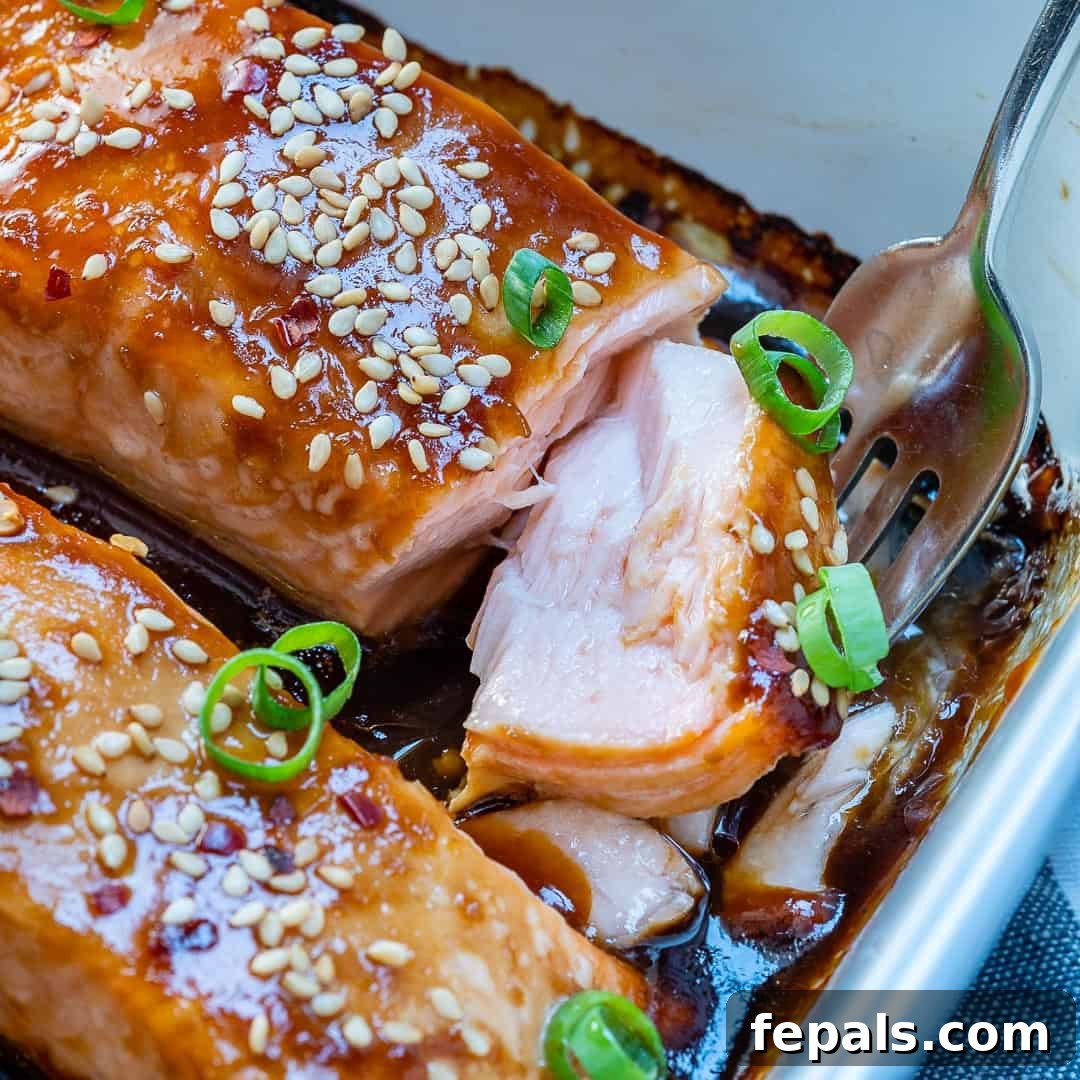
Effortlessly Delicious Baked Teriyaki Salmon: Your New Go-To Dinner
Unlock the secret to perfectly flaky and tender teriyaki salmon with this incredibly easy homemade recipe. Featuring a vibrant, from-scratch teriyaki sauce, this dish bakes to perfection in under 30 minutes, making it an ideal choice for a quick, healthy, and satisfying lunch or dinner. Prepare to impress your taste buds with minimal effort!
If you love the sweet and savory flavors of teriyaki, you might also enjoy our other fantastic recipes such as the Teriyaki Steak recipe, this baked teriyaki chicken breast, or this easy teriyaki shrimp.
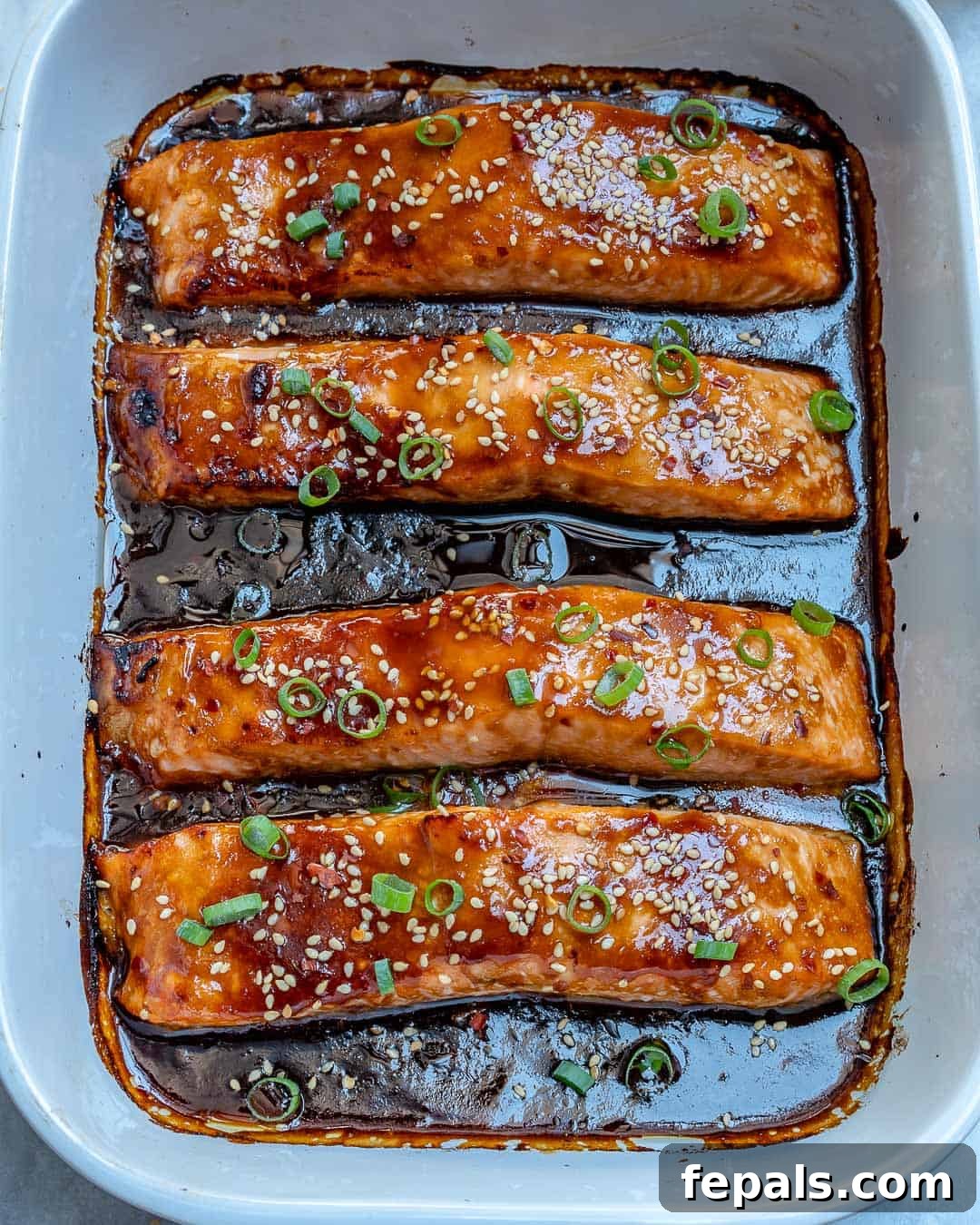
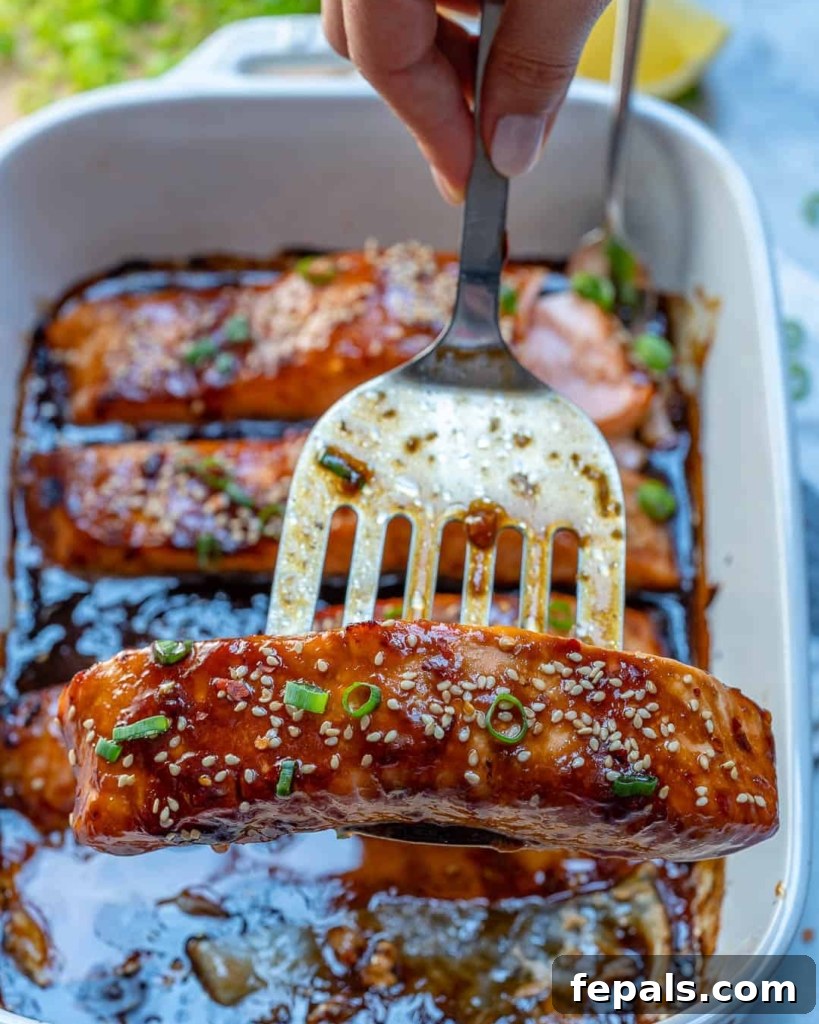
This baked teriyaki salmon recipe is not only simple to master but also incredibly quick, helping you get a delicious, wholesome meal on the table in less than half an hour. It’s an absolute lifesaver for busy weeknights and a fantastic option for those who prioritize meal prepping. Our signature teriyaki sauce is crafted from scratch, boasting a rich, savory-sweet flavor profile, and is entirely gluten-free. Gather your family around to savor succulent, flaky, and perfectly glazed teriyaki salmon, served alongside fluffy rice or nutritious quinoa for a complete and balanced meal.
This dish is a consistent favorite in my household, frequently requested by my family. I often pair it with sides like perfectly cooked white rice, light and fluffy homemade couscous, or these wonderfully crispy baked potato wedges to create a well-rounded and delightful meal experience.
Reasons You’ll Adore This Baked Teriyaki Salmon Recipe
This recipe consistently earns rave reviews, and for good reason! Here’s why you’ll want to add this baked teriyaki salmon to your regular meal rotation:
- Effortless Preparation: From start to finish, this recipe is designed for simplicity. The homemade teriyaki sauce comes together in minutes, and then it’s just a matter of pouring it over the salmon fillets and letting your oven do the rest. Perfect for novice cooks and seasoned chefs alike.
- Remarkably Healthy: Salmon is a powerhouse of nutrition, celebrated for its high-quality protein and abundance of beneficial omega-3 fatty acids. Incorporating salmon into your diet regularly can support heart health, brain function, and overall well-being. This recipe offers a delicious way to enjoy those health benefits.
- Exquisitely Delicious: Prepare yourself for an explosion of flavor! Each bite delivers a super moist, incredibly flaky baked salmon, infused with the rich, tangy, and subtly sweet notes of our homemade teriyaki glaze. It’s a meal that truly satisfies.
- Ideal for Meal Prepping: If you’re a fan of planning meals ahead, this teriyaki salmon is a dream come true. It holds up beautifully in the refrigerator, making it perfect for preparing on the weekend to enjoy healthy, delicious lunches or dinners throughout the busy work week.
- Quick & Convenient: With a total cook time of less than 30 minutes, this recipe is a perfect solution for those hectic evenings when you need a wholesome meal without spending hours in the kitchen.
- Gluten-Free Friendly: By using tamari or gluten-free soy sauce, our homemade teriyaki ensures everyone can enjoy this fantastic dish, even those with gluten sensitivities.
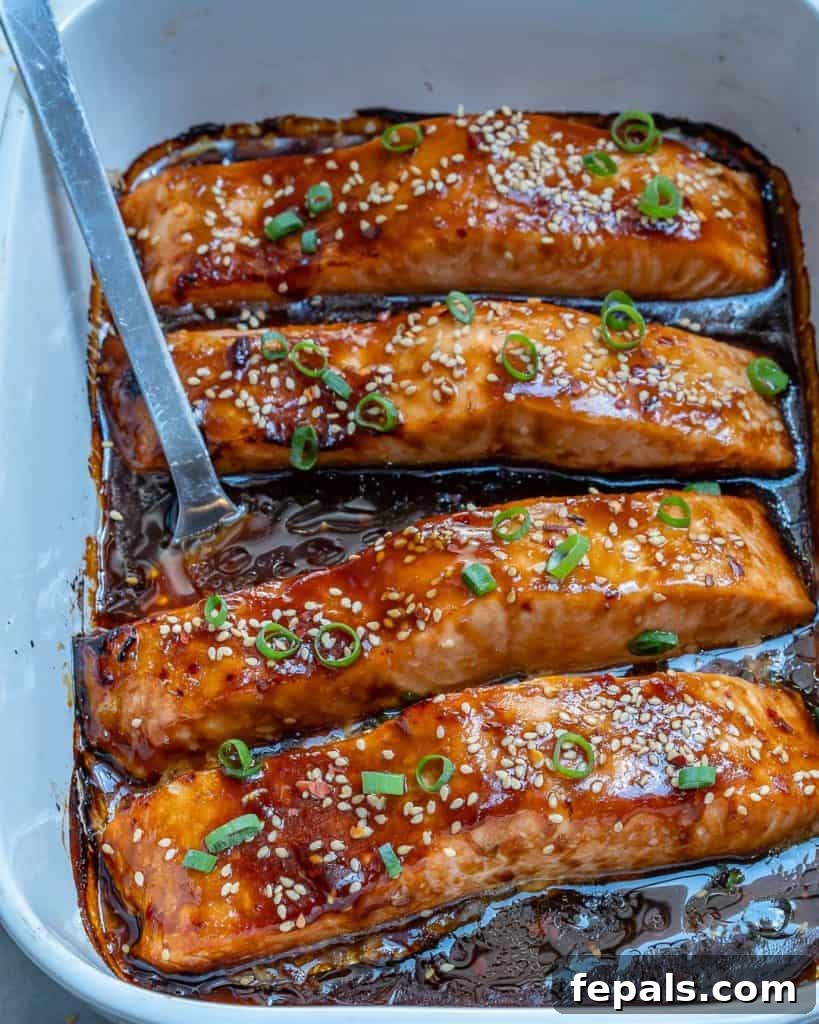
Key Ingredients for Perfect Teriyaki Salmon
Crafting this flavorful dish starts with selecting the right ingredients. Here’s what you’ll need:
- Salmon Fillets: Aim for approximately 6 oz per fillet. You can purchase pre-portioned fillets or buy a larger salmon steak and cut it down yourself. For the best flavor and nutritional profile, we highly recommend opting for wild-caught salmon whenever possible. Whether you choose skin-on or skin-off is a matter of personal preference; both work wonderfully.
- Green Onions (scallions): These are primarily used for garnishing, adding a fresh, subtle onion flavor and vibrant color to the finished dish. While optional, they significantly enhance both the presentation and taste.
- Sesame Seeds: Another excellent garnish, sesame seeds provide a delightful nutty crunch and an authentic Asian touch, completing the dish’s visual appeal and flavor.
Crafting Your Homemade Teriyaki Sauce
The magic of this recipe lies in its simple yet profoundly flavorful homemade teriyaki sauce. Here’s a breakdown of the essential components:
- Low-Sodium Soy Sauce: We use a low-sodium variety to keep the salt content in check, allowing the other flavors to shine. For a completely gluten-free option, substitute with tamari or coconut aminos, which also offer a lower sodium alternative.
- Fresh Orange Juice: The bright, citrusy notes of fresh orange juice are crucial. It provides a natural sweetness and tang that balances the savory soy sauce. Always use freshly squeezed juice for the best results; bottled versions often contain added sugars and lack the same vibrant flavor.
- Water: Used to thin the sauce to the perfect consistency, ensuring it coats the salmon beautifully without becoming overly thick or salty.
- Honey: This natural sweetener adds a lovely depth and glaze to the sauce. Feel free to experiment with other liquid sweeteners like maple syrup or agave nectar, or even brown sugar for a richer caramel note.
- Minced Fresh Garlic Cloves: Fresh garlic is indispensable here. Its pungent, aromatic qualities infuse the sauce with incredible depth. Avoid garlic powder if possible, as fresh garlic offers a superior, more nuanced flavor.
- Minced Fresh Ginger: Like garlic, fresh ginger provides a warm, spicy, and fragrant kick that is vital to authentic teriyaki flavor. Grate it finely for optimal infusion. Powdered ginger simply cannot replicate the complexity of fresh.
- Chili Flakes (optional): For those who appreciate a touch of heat, chili flakes add a wonderful subtle warmth that complements the sweet and savory elements. Adjust to your preferred level of spice.
- Fresh Lemon Juice: A squeeze of fresh lemon juice at the end brightens all the flavors, adding a zesty counterpoint to the richness of the sauce. As with orange juice, fresh is always best.
- Gluten-Free Flour (or other flour): A small amount of flour acts as a thickening agent, ensuring your teriyaki sauce achieves that desirable glossy, clingy texture. Any all-purpose flour works, but gluten-free varieties like rice flour or cornstarch (dissolved in a little water first) are excellent alternatives.
- Optional: Sesame Oil: For an extra layer of nutty aroma and flavor, a tablespoon of toasted sesame oil can be added to the sauce. It truly elevates the dish to another level.
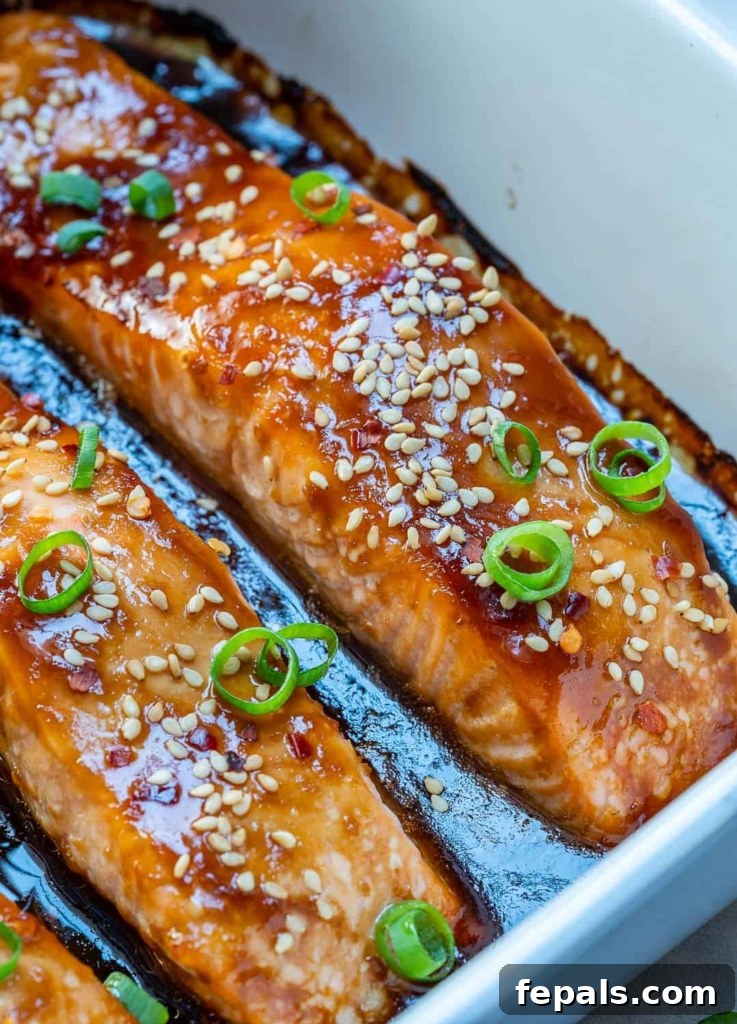
Step-by-Step: How to Make Baked Teriyaki Salmon
Achieving perfectly baked teriyaki salmon is simpler than you might think. Follow these straightforward steps for a meal that’s sure to become a family favorite:
- Preheat Your Oven: Begin by preheating your oven to 400 degrees Fahrenheit (200°C). This ensures a consistent cooking temperature for evenly cooked salmon.
- Prepare the Homemade Teriyaki Sauce: In a medium-sized bowl, combine all the teriyaki sauce ingredients: low-sodium soy sauce (or tamari), fresh orange juice, water, honey (or your chosen sweetener), minced fresh garlic, minced fresh ginger, chili flakes (if using), fresh lemon juice, and gluten-free flour. Whisk vigorously until all ingredients are thoroughly combined and the flour is completely dissolved, leaving no lumps.
- Ready the Salmon: Lightly spray a baking dish or a rimmed baking sheet with non-stick cooking spray. Arrange your salmon fillets in a single layer in the prepared dish. Ensure there’s a little space between each fillet for even cooking.
- Glaze and Bake: Generously pour the prepared teriyaki sauce evenly over each salmon fillet. Make sure the sauce covers the top of the salmon. Place the baking dish into your preheated oven and bake for 12-15 minutes. The exact cooking time may vary slightly depending on the thickness of your salmon and your oven. The salmon is done when it easily flakes with a fork and reaches an internal temperature of 145°F (63°C). Be careful not to overcook, as salmon can dry out quickly.
- Serve and Garnish: Once cooked, carefully remove the baking dish from the oven. Spoon any thickened teriyaki sauce from the bottom of the dish over the salmon fillets. For a final flourish, garnish generously with fresh sliced green onions and toasted sesame seeds. Serve immediately and enjoy your perfectly tender and flavorful baked teriyaki salmon!
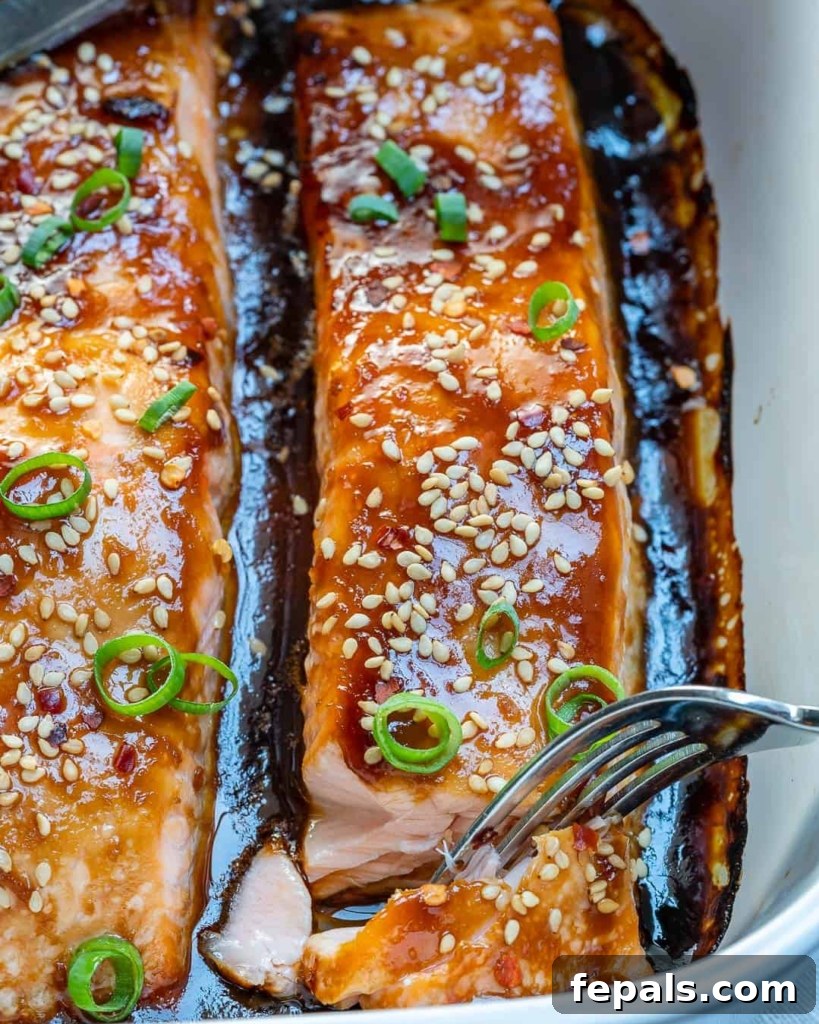
Frequently Asked Questions About Teriyaki Salmon
Generally, you do not need to cover salmon when baking. Salmon cooks relatively quickly and evenly on its own. Leaving it uncovered allows for a slightly crispy top layer, which adds to the texture. If you prefer to cover it to prevent excessive browning or maintain moisture, you can do so for the first half of the baking time, then uncover it for the remainder to achieve a nice glaze and a bit of crispness on top.
Traditional teriyaki sauce typically contains soy sauce, which is made from wheat and soybeans and thus contains gluten. To ensure your homemade teriyaki sauce is gluten-free, it’s essential to use gluten-free soy sauce (often labeled as tamari). Always check the labels when purchasing pre-made sauces or ingredients if gluten is a concern.
There are several effective ways to thicken your teriyaki sauce. Our recipe uses flour, but you can also use other starches. Common thickeners include cornstarch, arrowroot powder, tapioca flour, or rice flour. To use, dissolve about 1 teaspoon of your chosen thickener in a small amount of cold water to create a slurry before whisking it into the simmering sauce. Add it gradually, stirring constantly, until the sauce reaches your desired consistency. It’s best to add a little at a time, as starches thicken considerably as they cook.
For teriyaki salmon, both wild-caught and farmed salmon varieties work well. Sockeye, Coho, or Atlantic salmon are popular choices. Wild-caught salmon often has a richer flavor and firmer texture, while farmed salmon tends to be fattier and more tender. Choose fillets that are about 1-inch thick for even cooking in this recipe.
While this recipe is designed for a quick bake with the sauce poured over, you can absolutely marinate the salmon for deeper flavor. Place the salmon fillets in a shallow dish, pour half of the prepared teriyaki sauce over them, cover, and refrigerate for 30 minutes to 1 hour. Avoid marinating for more than a few hours, as the acidic components in the sauce can begin to “cook” the fish.
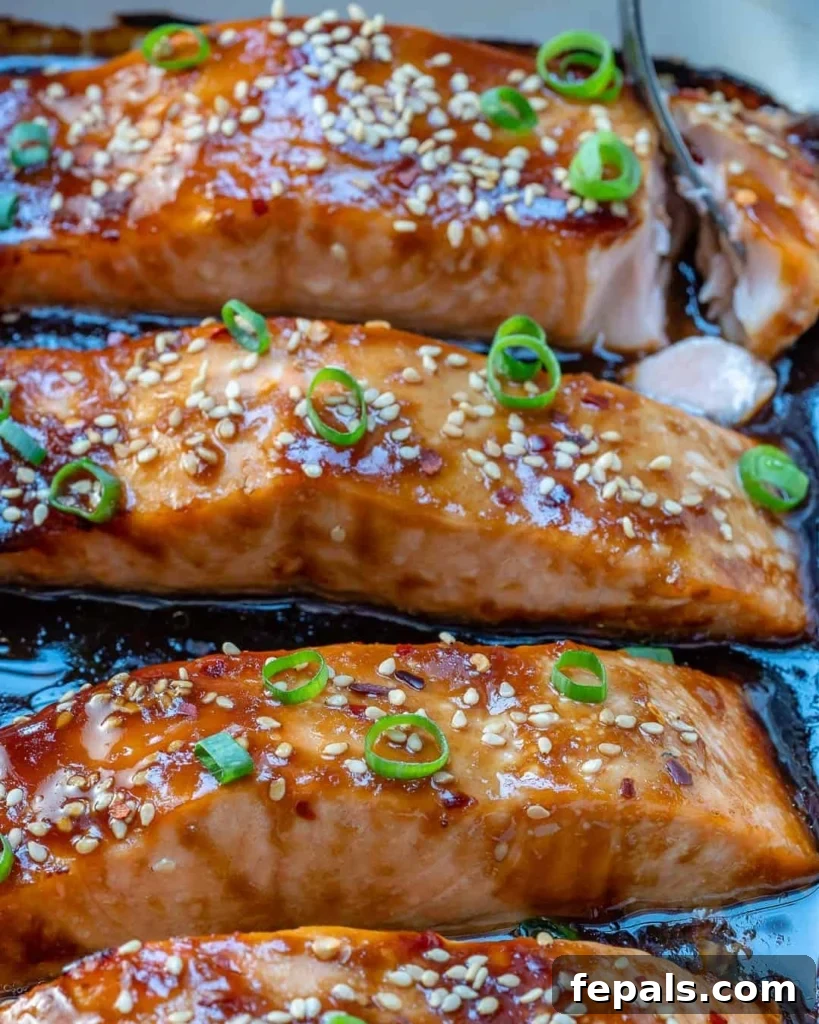
Exploring Cooking Methods for Teriyaki Salmon
While this recipe focuses on baked teriyaki salmon for its ease and consistent results, teriyaki salmon can be prepared using a couple of different methods, each yielding slightly different textures and flavors. Here are two popular ways to cook this delicious dish:
- Stovetop (Pan-Seared): For a crispy exterior and a quick cook, pan-searing is an excellent method. Heat a tablespoon of oil (like avocado or olive oil) in a skillet over medium-high heat. Place the salmon fillets skin-side down (if applicable) and sear for about 3-4 minutes until the skin is crispy and golden. Flip the salmon and cook for another 2-3 minutes. Then, reduce the heat to medium-low, pour in the teriyaki sauce, and allow it to simmer gently around the salmon for a few more minutes until the sauce thickens and glazes the fish. This method offers a delicious caramelized crust.
- Oven (Baked or Roasted): Baking, roasting, or grilling in the oven are fantastic options for hands-off cooking and perfectly cooked salmon every time. Simply arrange your salmon fillets on a greased sheet pan or in a baking dish. As demonstrated in this recipe, you can pour the teriyaki sauce over the salmon from the start. This allows the sauce to bake into a beautiful glaze. Alternatively, you can bake the salmon plain for the first half of the cooking time, then brush it with the teriyaki sauce for the remaining minutes to prevent the sauce from reducing too much. Baking is often preferred as it allows the salmon to cook through gently without the risk of overcooking or burning.
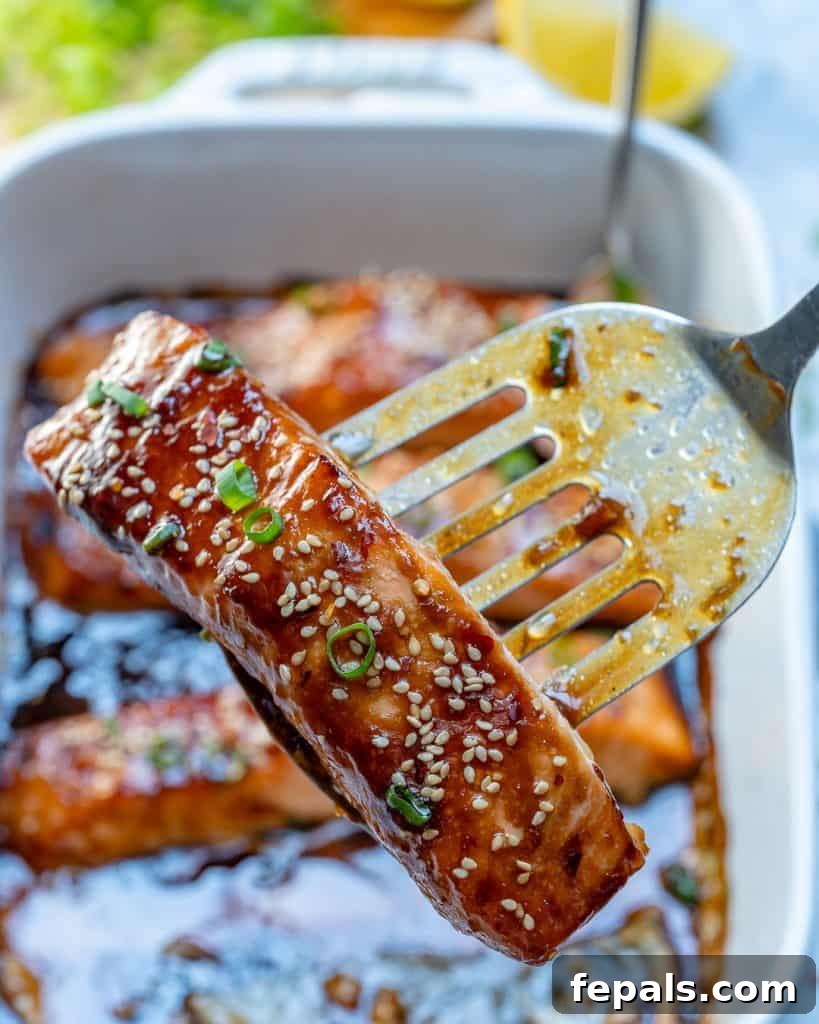
What to Serve with Teriyaki Salmon: Delicious Pairings
Baked teriyaki salmon is incredibly versatile and pairs wonderfully with a variety of side dishes. Here are some delectable suggestions to complete your meal:
- White Rice, Brown Rice, or Quinoa: A classic pairing that perfectly soaks up the savory teriyaki sauce. Both white and brown rice offer a comforting base, while quinoa adds an extra protein boost and nutty flavor.
- Cilantro Lime Cauliflower Rice: A lighter, low-carb alternative that still delivers on flavor. The fresh cilantro and zesty lime complement the teriyaki beautifully.
- Garlic Roasted Vegetables: A medley of roasted broccoli, bell peppers, carrots, or asparagus tossed with garlic and olive oil makes a vibrant and healthy accompaniment.
- Garlic Roasted Potatoes: Crispy on the outside and fluffy on the inside, these potatoes offer a satisfying starch that contrasts nicely with the delicate salmon.
- Roasted Sweet Potatoes: Their natural sweetness and tender texture make them a delightful side that harmonizes with the teriyaki glaze.
- Green Beans and Tomato Salad: A refreshing and light salad that adds a welcome freshness and crunch to the meal.
- Vegan Mashed Potatoes: Creamy, comforting mashed potatoes provide a smooth texture that’s perfect with the flaky salmon and rich sauce.
Don’t forget to save this recipe for later!
Pin It Now
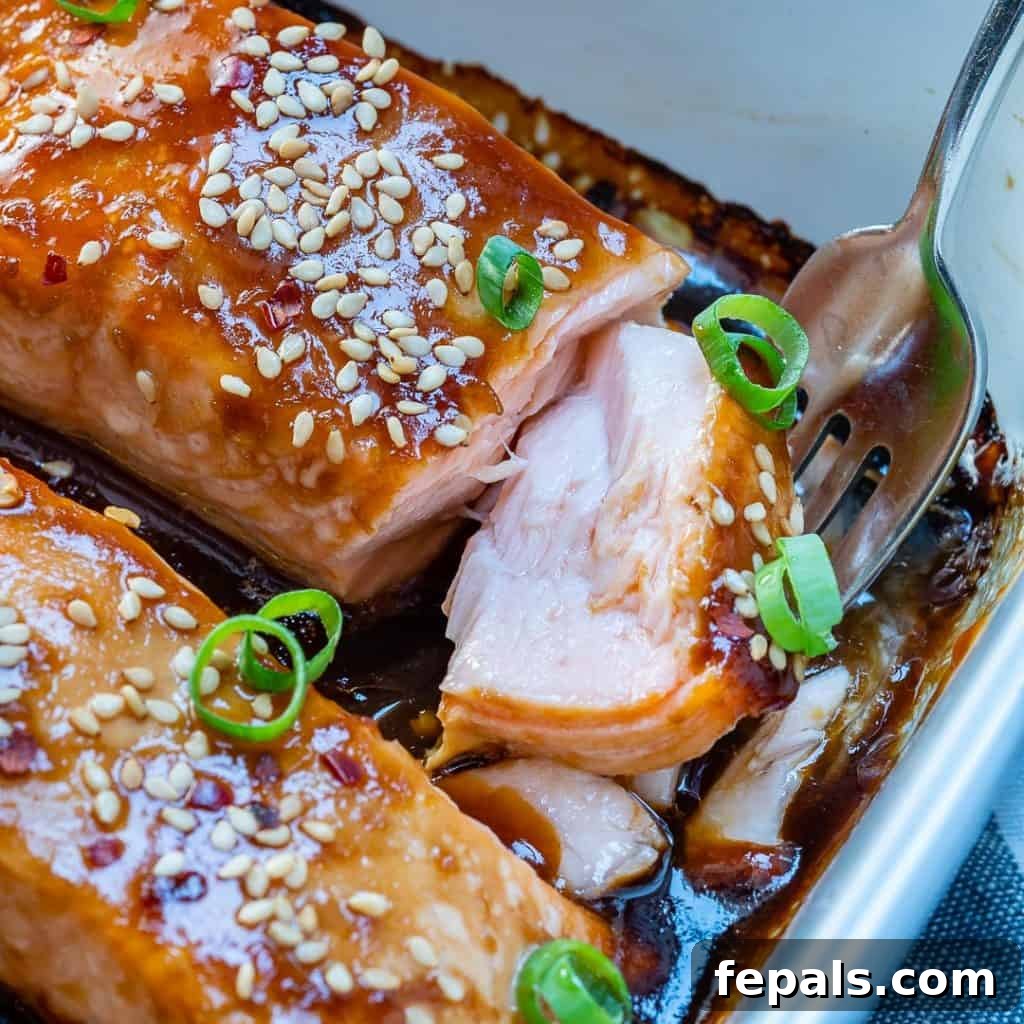
Storage and Reheating Tips for Teriyaki Salmon
This baked teriyaki salmon recipe is fantastic for leftovers, making it perfect for meal planning throughout the week. Here’s how to properly store and reheat your delicious salmon:
- To Store Leftovers: If you have any remaining baked teriyaki salmon, allow it to cool completely before transferring it to an airtight container. Store the container in the refrigerator for up to 3-4 days. This makes it an excellent option for quick and healthy meals on subsequent days.
- To Freeze for Longer Storage: For extended storage, cooked teriyaki salmon freezes beautifully. Once the salmon has cooled, place individual fillets in freezer-safe airtight containers or heavy-duty freezer bags. Ensure as much air as possible is removed from the bags to prevent freezer burn. You can freeze the salmon for up to 3 months. Thaw overnight in the refrigerator before reheating.
- Reheating from the Fridge: To reheat refrigerated salmon, you have a few options. The quickest method is to place it in the microwave; heat for 60-90 seconds, or until it’s thoroughly warmed through (microwave temperatures can vary). For a slightly better texture, reheat in a preheated oven at 275°F (135°C) for 10-15 minutes, or until warm. This helps prevent it from drying out.
- Reheating from Frozen: If reheating from frozen, it’s best to allow the salmon to thaw in the refrigerator overnight. Once thawed, reheat as you would from the fridge. Alternatively, you can reheat directly from frozen in the microwave using the defrost setting for a minute or two, then continuing to heat at a regular setting until warmed through. For a crispier finish, reheat thawed salmon in a lightly oiled skillet over medium-low heat until warm.
More Irresistible Salmon Recipes
If you’re a fan of salmon and looking for more creative ways to enjoy this healthy fish, explore these other fantastic recipes from our collection:
- Easy Salmon Patties
- Honey Garlic Salmon Recipe
- Easy Chili Salmon Zucchini Noodles
- Creamy Coconut Lime Salmon
- Tomato Stuffed Salmon
- Pan-Seared Southwestern Salmon
- Crispy Baked Salmon
- Easy Cajun Baked Salmon
- Creamy Salmon and Potato Skillet
- Spicy Salmon Maki Bowl

Get My Free Ebook!
Unlock more culinary delights with my free ebook, featuring 20 of my top family-friendly, healthy dinner recipes—all ready in under 30 minutes! Simply sign up for our newsletter below to receive your copy and discover more quick and delicious meal ideas.
Don’t miss out on more delicious and healthy recipes like this Baked Teriyaki Salmon! Remember to subscribe to my NEWSLETTER for free and have them delivered straight to your inbox!
If you prepare this recipe and love it, please share your creation using my hashtag #healthyfitnessmeals on INSTAGRAM for a chance to be featured! FOLLOW Healthy Fitness Meals on FACEBOOK | INSTAGRAM | PINTEREST | TWITTER for all of my latest blog posts and inspiring recipes.
Baked Teriyaki Salmon
Video
Ingredients
- 4 Skinless Salmon Fillets, about 6 oz each
- 1 Green Onion, sliced (for garnish)
- 1 tablespoon Sesame Seeds (for garnish)
Teriyaki Sauce:
- ⅓ Cup Low-sodium soy sauce (or tamari for gluten-free)
- ¼ Cup Fresh orange juice
- 2-3 tablespoons Water
- 2 tablespoons Honey (or maple syrup, agave, brown sugar)
- 2 Garlic Cloves, minced (freshly minced preferred)
- 1 tablespoon Minced fresh ginger (freshly minced preferred)
- 1 teaspoon Chili Flakes, or to taste (optional)
- ½ Lemon, juiced (freshly squeezed)
- ½ tablespoon Gluten-free flour (or cornstarch slurry for thickening)
Instructions
- Preheat the oven to 400 degrees Fahrenheit (200°C).
- In a small bowl, whisk together all teriyaki sauce ingredients: ⅓ Cup Low-sodium soy sauce, ¼ Cup Fresh orange juice, 2-3 tablespoons Water, 2 tablespoons Honey, 2 Garlic Cloves (minced), 1 tablespoon Minced fresh ginger, 1 teaspoon Chili Flakes (optional), ½ Lemon (juiced), and ½ tablespoon Gluten-free flour.
- Spray a baking dish with non-stick cooking spray and place the 4 Skinless Salmon Fillets in the dish. Pour the prepared sauce over the salmon.
- Bake in the preheated oven for 12-15 minutes until the salmon is cooked through and easily flakes with a fork.
- Once the salmon is cooked, remove from the oven and spoon over with any thickened sauce from the baking dish. Garnish with 1 tablespoon Sesame Seeds and 1 Green Onion (sliced). Enjoy immediately!
Notes
- Serving size is per fillet.
- Store leftovers in an airtight container in the fridge for up to 3 days.
- For longer storage, freeze in a freezer-safe container for up to 3 months.
- You can use honey, brown sugar, maple syrup, or agave as sweeteners in the sauce.
- For the best flavor, always use fresh ginger, fresh garlic cloves, and fresh lemon juice.
- This recipe works well with both skin-on and skin-off salmon fillets.
Nutrition
Carbohydrates: 16g
Protein: 36g
Fat: 12g
Saturated Fat: 2g
Cholesterol: 94mg
Sodium: 794mg
Potassium: 940mg
Fiber: 1g
Sugar: 11g
Vitamin A: 277IU
Vitamin C: 16mg
Calcium: 50mg
Iron: 2mg
Nutrition information is automatically calculated and should only be used as an approximation.