
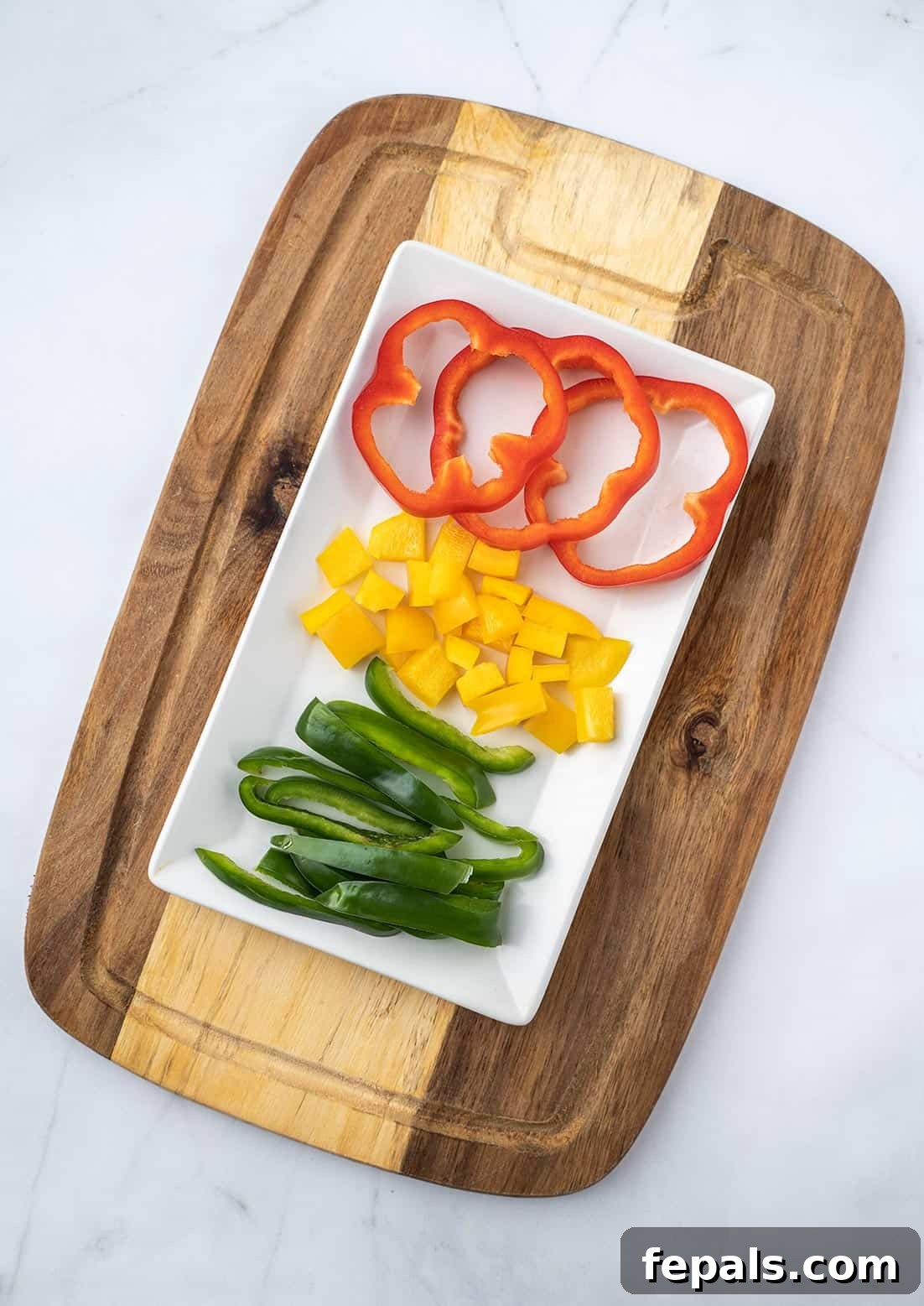
Mastering the art of cutting bell peppers might seem like a skill reserved for professional chefs, but it’s surprisingly simple and incredibly rewarding! Bell peppers are an immensely versatile ingredient, capable of enhancing a wide array of dishes from sizzling fajitas and gourmet pizzas to fresh salads, vibrant stir-fries, and elegant skewers. Their crisp texture and sweet flavor make them a staple in countless kitchens worldwide. In this comprehensive, step-by-step tutorial, we will guide you through exactly how to prepare bell peppers, demonstrating three distinct and essential cutting techniques: vertical slices, precise cubes, and perfect rings.
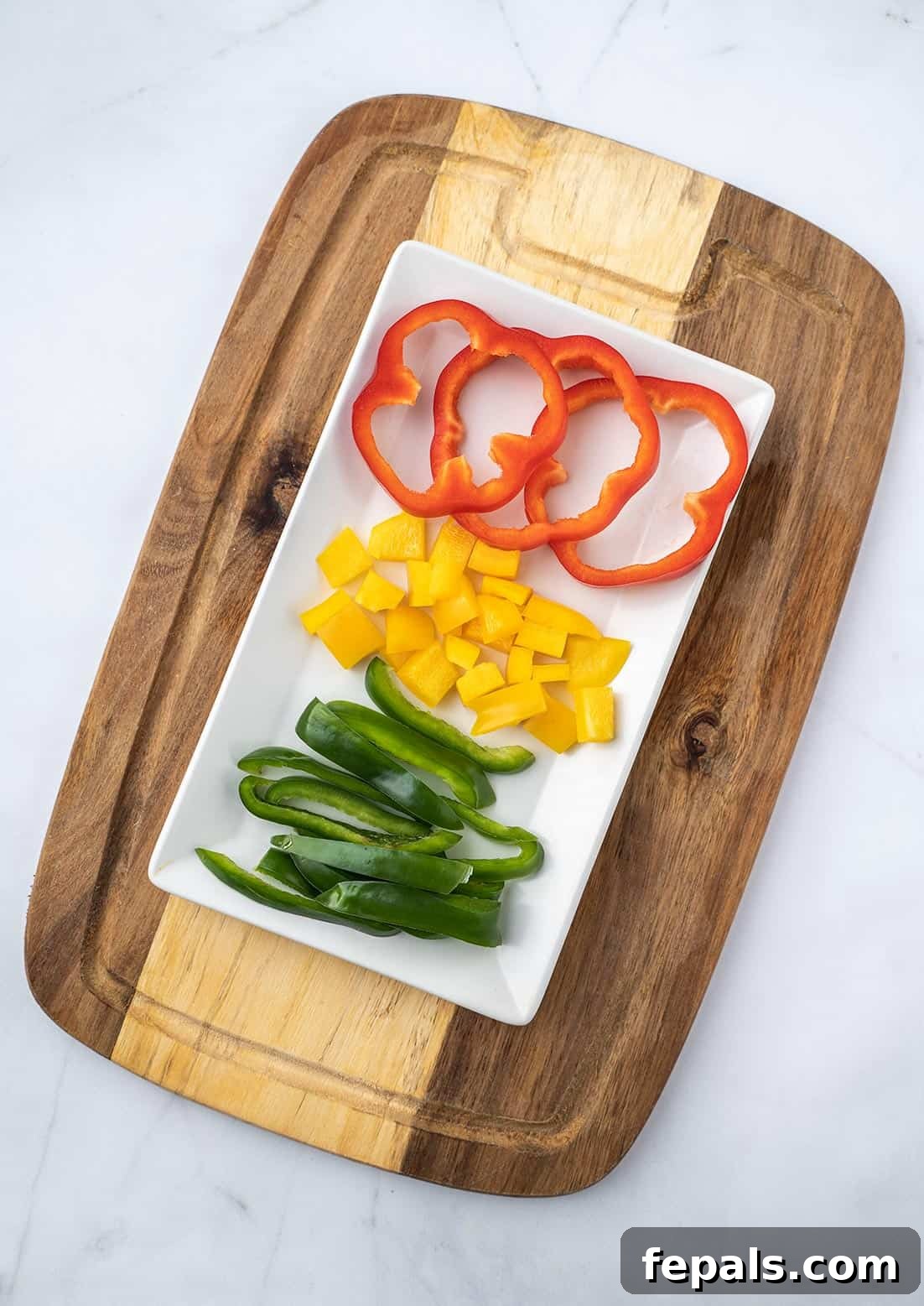
Whether you’re meticulously preparing a colorful veggie platter for a gathering, or quickly dicing peppers to add to a bustling stir-fry, knowing the right way to cut them can significantly streamline your cooking process. This guide is packed with invaluable bell pepper hacks and expert tips, ensuring you’ll slice and dice these vibrant, nutritious gems with the confidence and efficiency of a seasoned culinary professional. Get ready to elevate your meal preparation game!
Beyond their aesthetic appeal, bell peppers are a nutritional powerhouse, adding a delightful crunch and a burst of fresh flavor to any meal. They are indispensable for traditional Italian and Mexican stuffed recipes, serve as a crunchy snack in omelets, and bring a refreshing zest to savory dishes. Their natural crispness and vibrant taste make them the perfect ingredient to boost both the flavor profile and visual appeal of your favorite recipes.
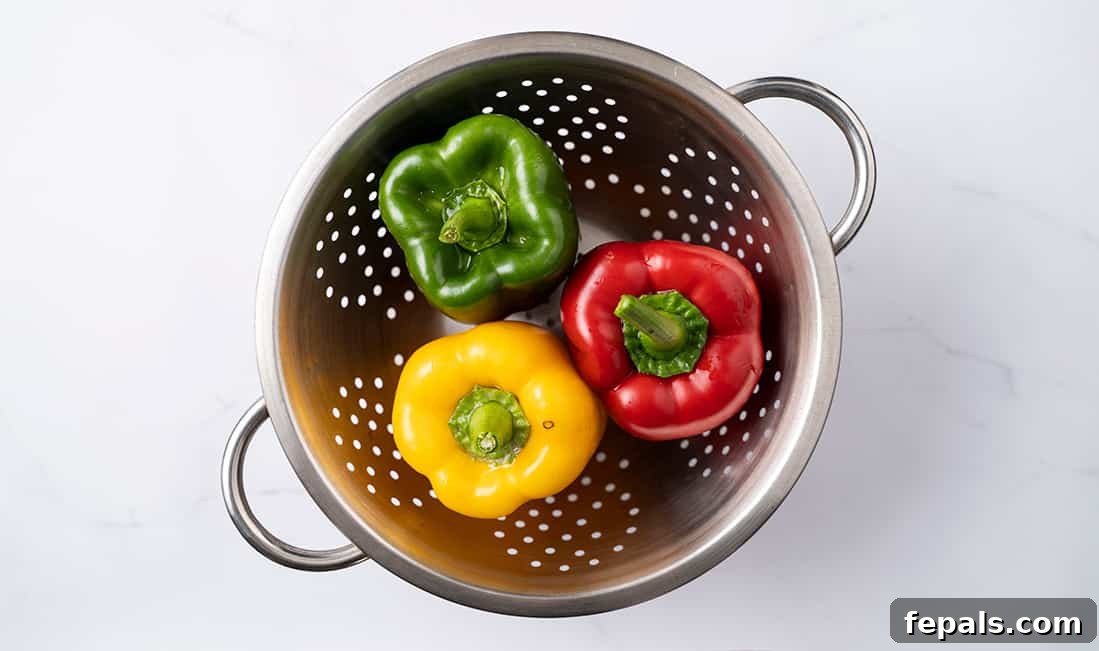
Are Bell Peppers Fruits or Vegetables?
From a botanical standpoint, bell peppers are indeed fruits. This classification stems from the fact that they develop from the flower of a plant and contain seeds within. However, in the culinary world, bell peppers are almost universally treated as vegetables. You’ll typically find them alongside other vegetables in the produce aisle of your local supermarket, and they’re used in savory dishes rather than desserts, which is the common culinary distinction for fruits. Understanding this dual classification can be a fun fact to share, but for cooking purposes, treat them as the wonderful vegetables they are!
How to Pick the Freshest Bell Peppers at the Grocery Store
The quality of your dish often starts with the quality of your ingredients. Selecting the freshest bell peppers is crucial for both taste and texture. When you’re at the grocery store, keep these key indicators in mind to ensure you choose the best peppers available:
- Vibrant and Shiny Skin: Look for bell peppers that boast a super bright, glossy, and uniform color. A dull appearance can indicate an older pepper that has lost some of its freshness.
- Firm Texture: A perfect bell pepper will feel firm and heavy for its size. Gently press the skin; it should yield only slightly to pressure, then spring back. Avoid any peppers that feel soft, squishy, or hollow, as these are signs of spoilage.
- Rich Green Stems: The stem should be crisp, fresh, and a deep, rich green color. A dry, brown, or shriveled stem suggests the pepper has been sitting for a while.
- Avoid Blemishes: Carefully inspect the entire surface of the pepper. Steer clear of any with bruises, shriveling, soft spots, or cuts. These areas can quickly lead to rot and diminish the overall quality and shelf life of your pepper.
By following these simple tips, you’ll consistently pick bell peppers that are at their peak of freshness, ensuring maximum flavor and crunch for all your culinary creations.
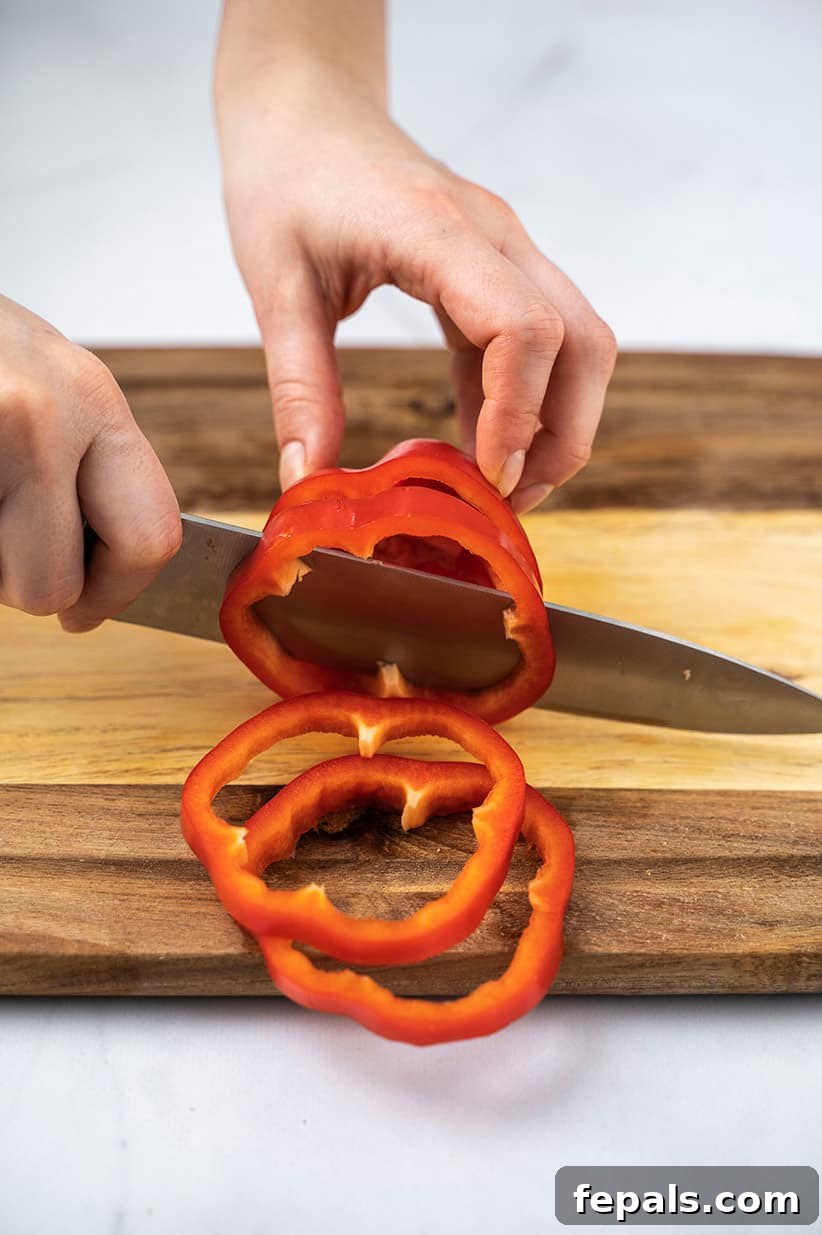
Mastering Bell Pepper Cuts: Three Essential Methods
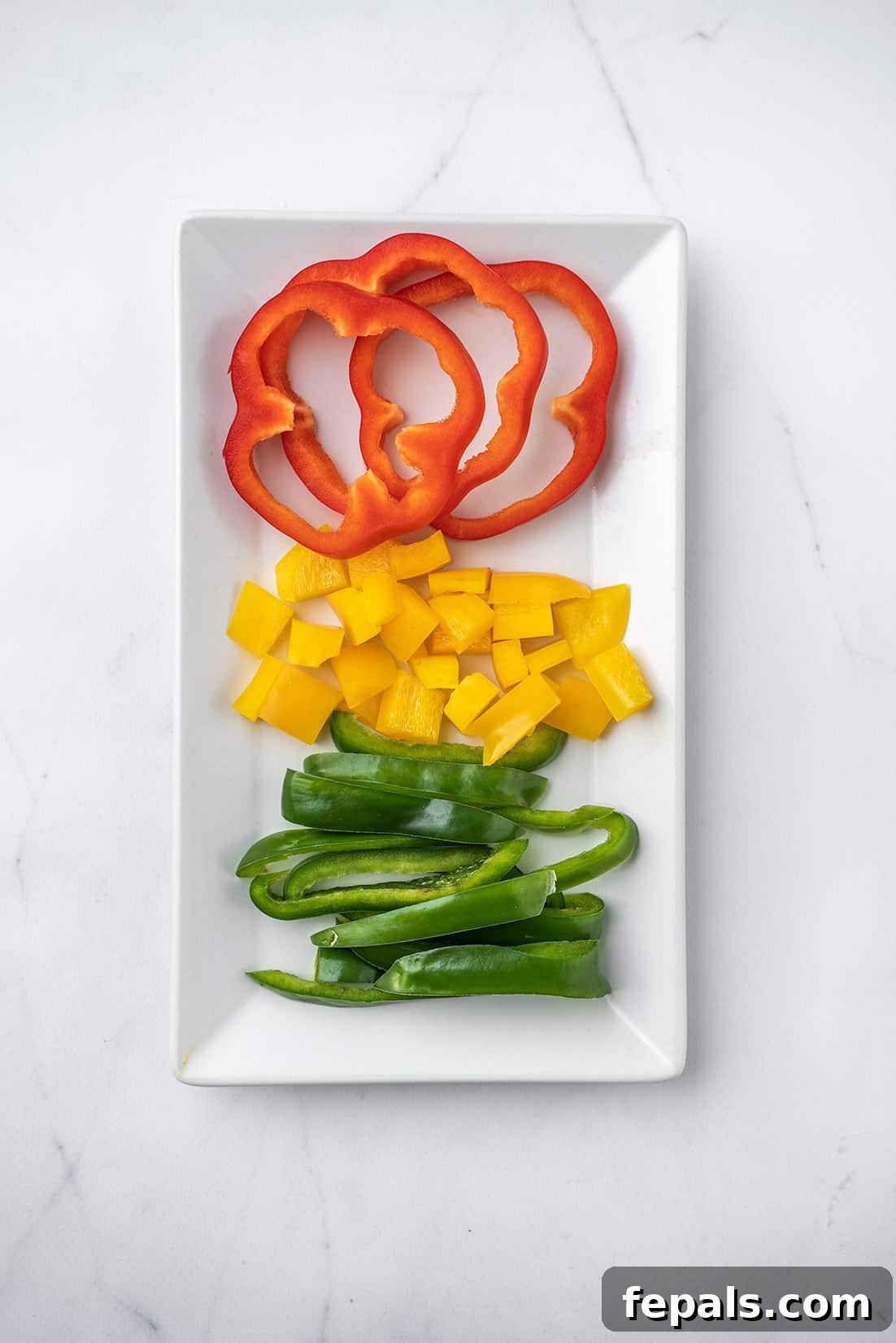
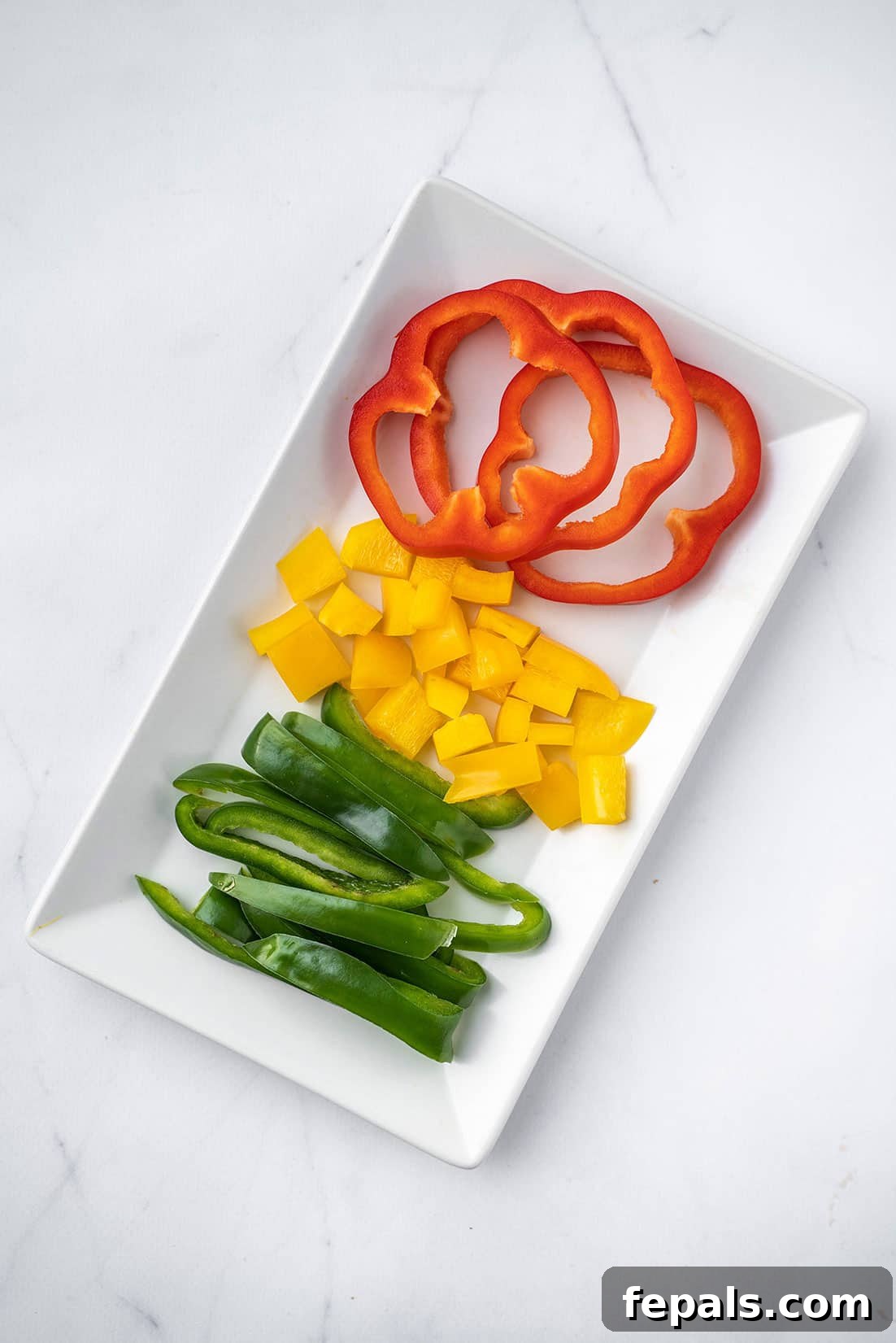
Before you begin any cutting, always ensure your bell pepper is thoroughly washed. A simple rinse under cool running water is usually sufficient. For an extra clean, you can soak them in a bowl of water with a tablespoon of vinegar for a few minutes, then rinse. And remember, a sharp knife is your best friend in the kitchen – it’s safer and more efficient than a dull one! In this section, we’ll delve into how to cut bell peppers into three versatile styles: elegant vertical slices, uniform cubes, and perfect rings.
Method 1 – How to Cut Bell Peppers into Slices
Bell pepper slices are fantastic for fajitas, stir-fries, salads, and as crudités. Achieving even slices ensures consistent cooking and a beautiful presentation.
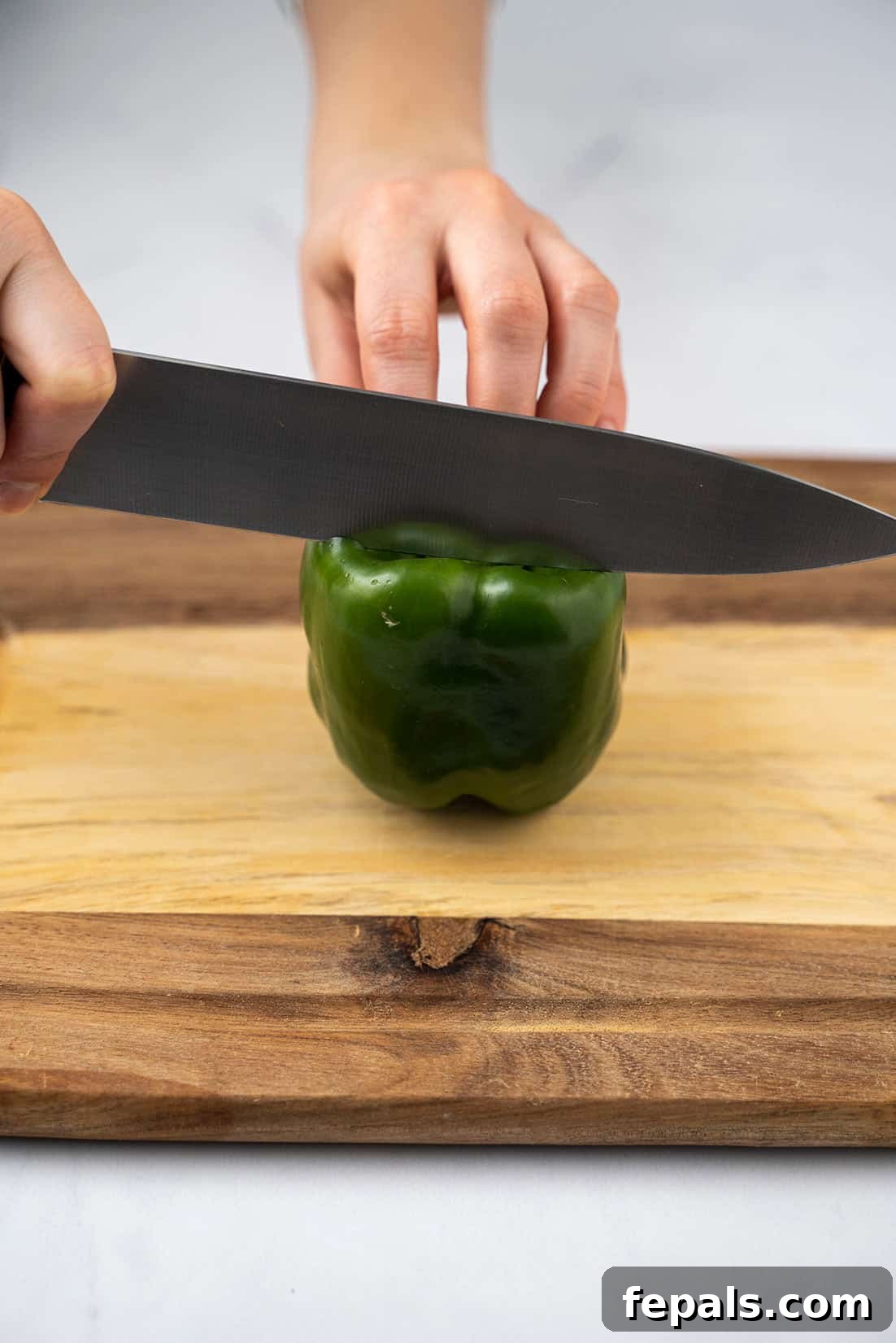
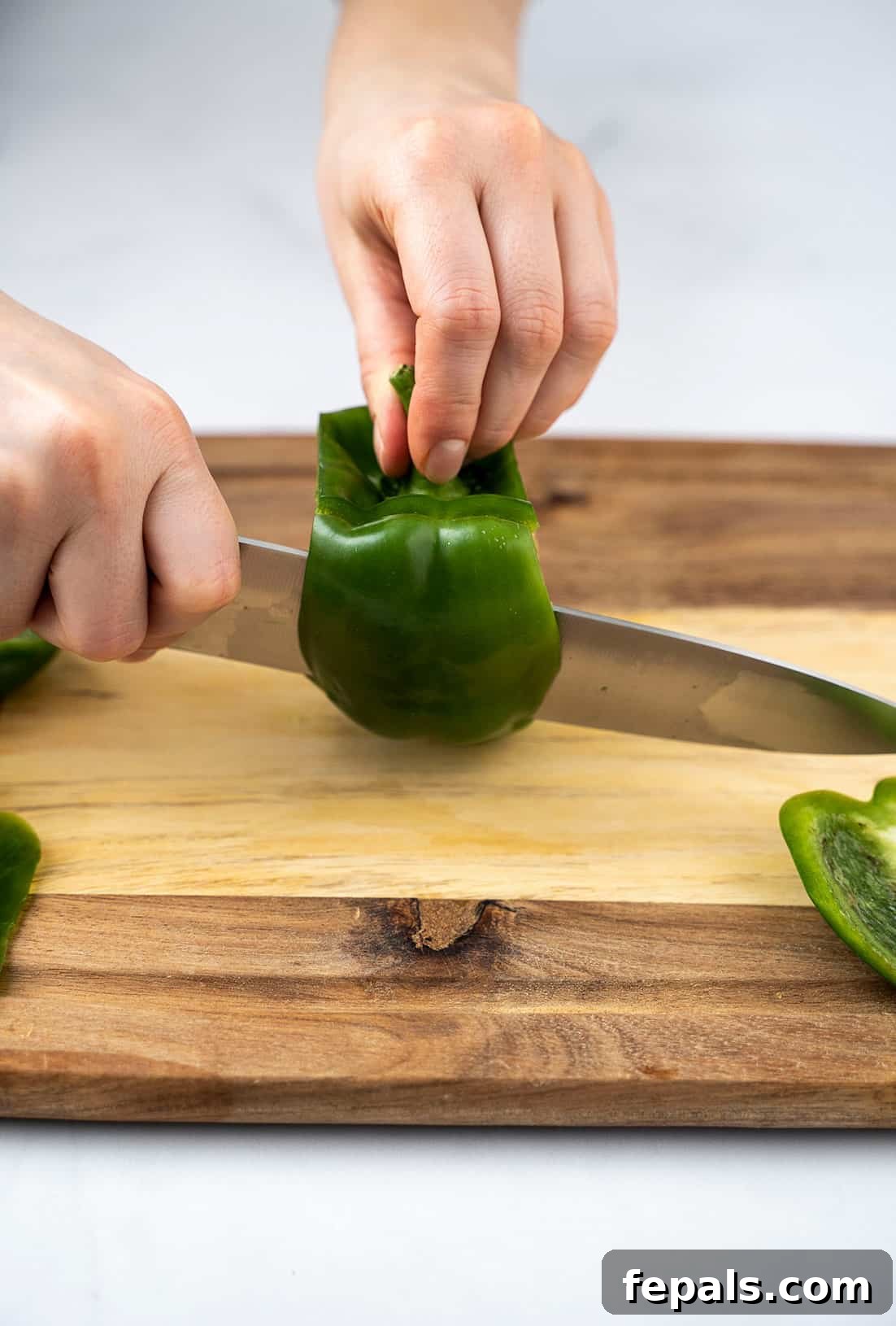
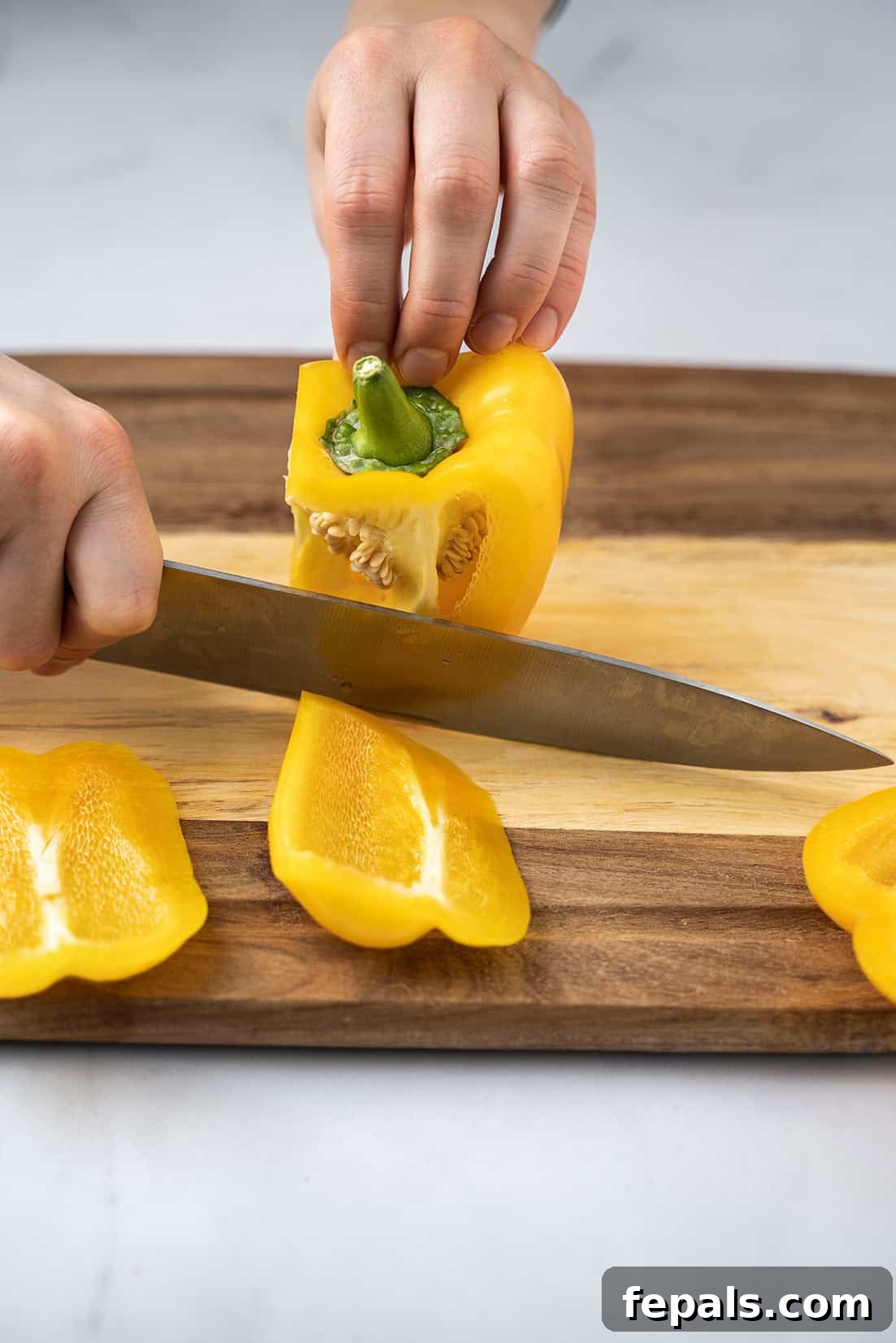
- Prepare the Pepper: Place the bell pepper upright on its bottom on a stable cutting board. With a sharp chef’s knife, gently slice down each of the four curved sides of the bell pepper, following its natural contours. Aim to cut just to the inside of the core, removing the flesh while leaving the core intact. This will give you four large, relatively flat panels of pepper.
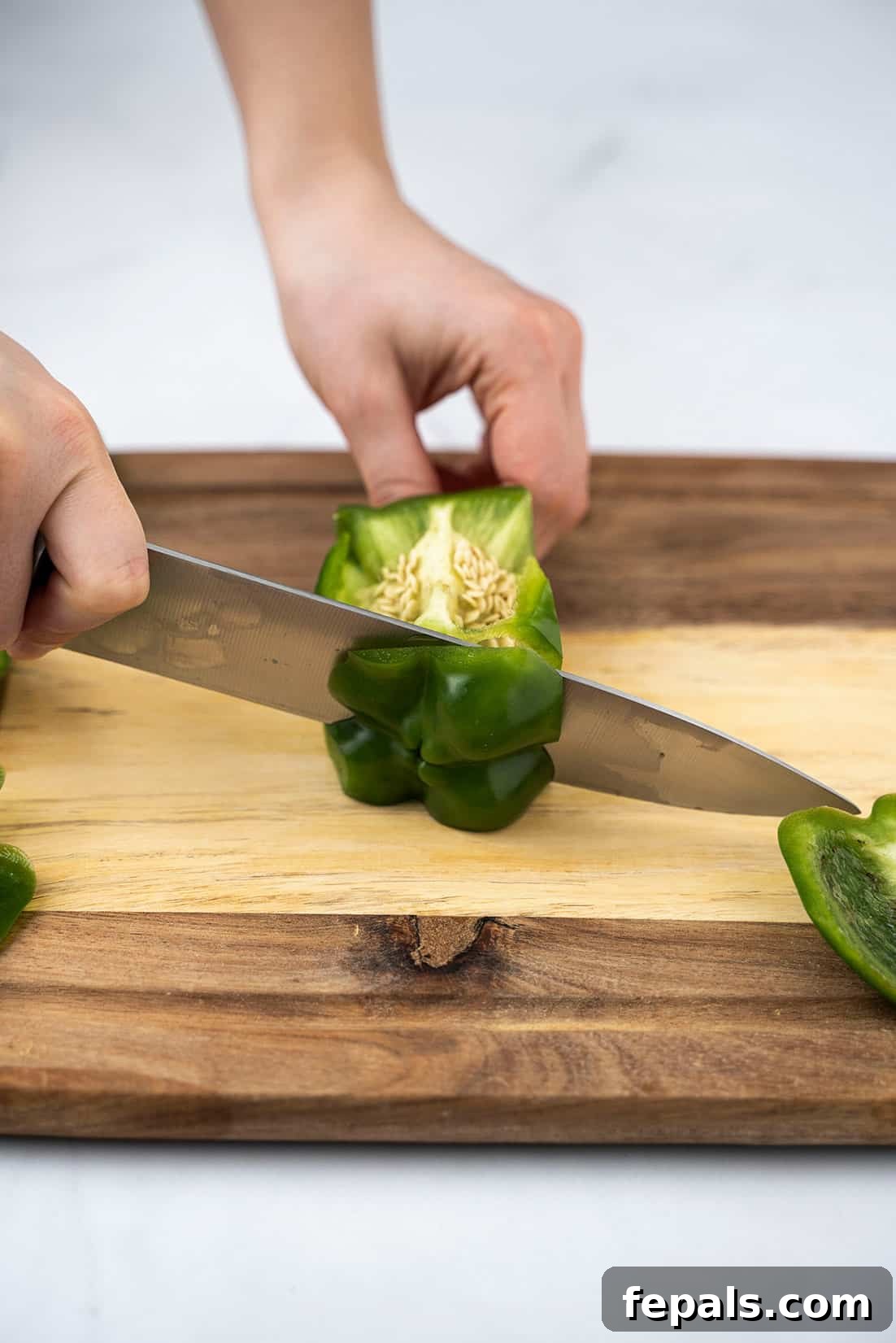
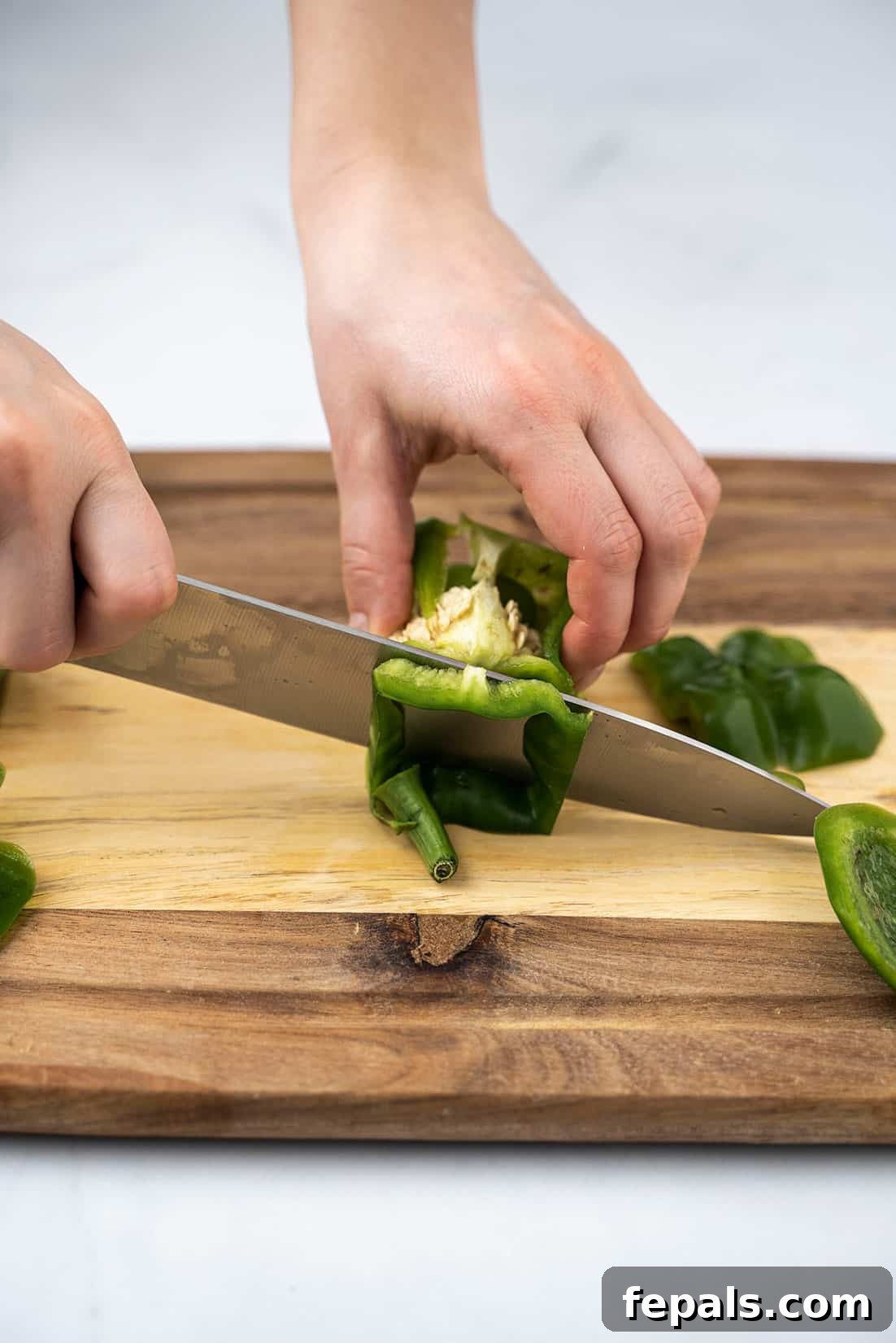
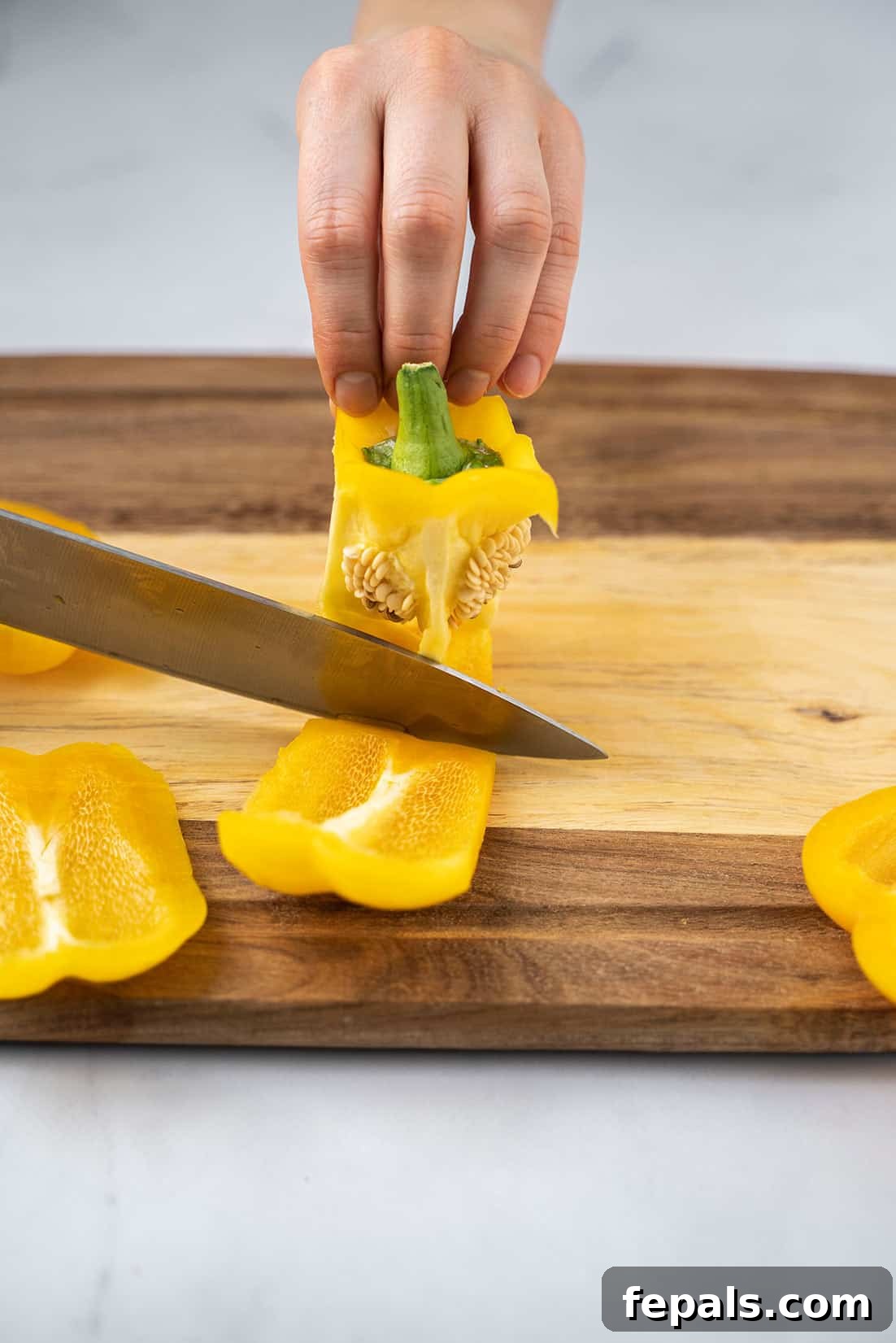
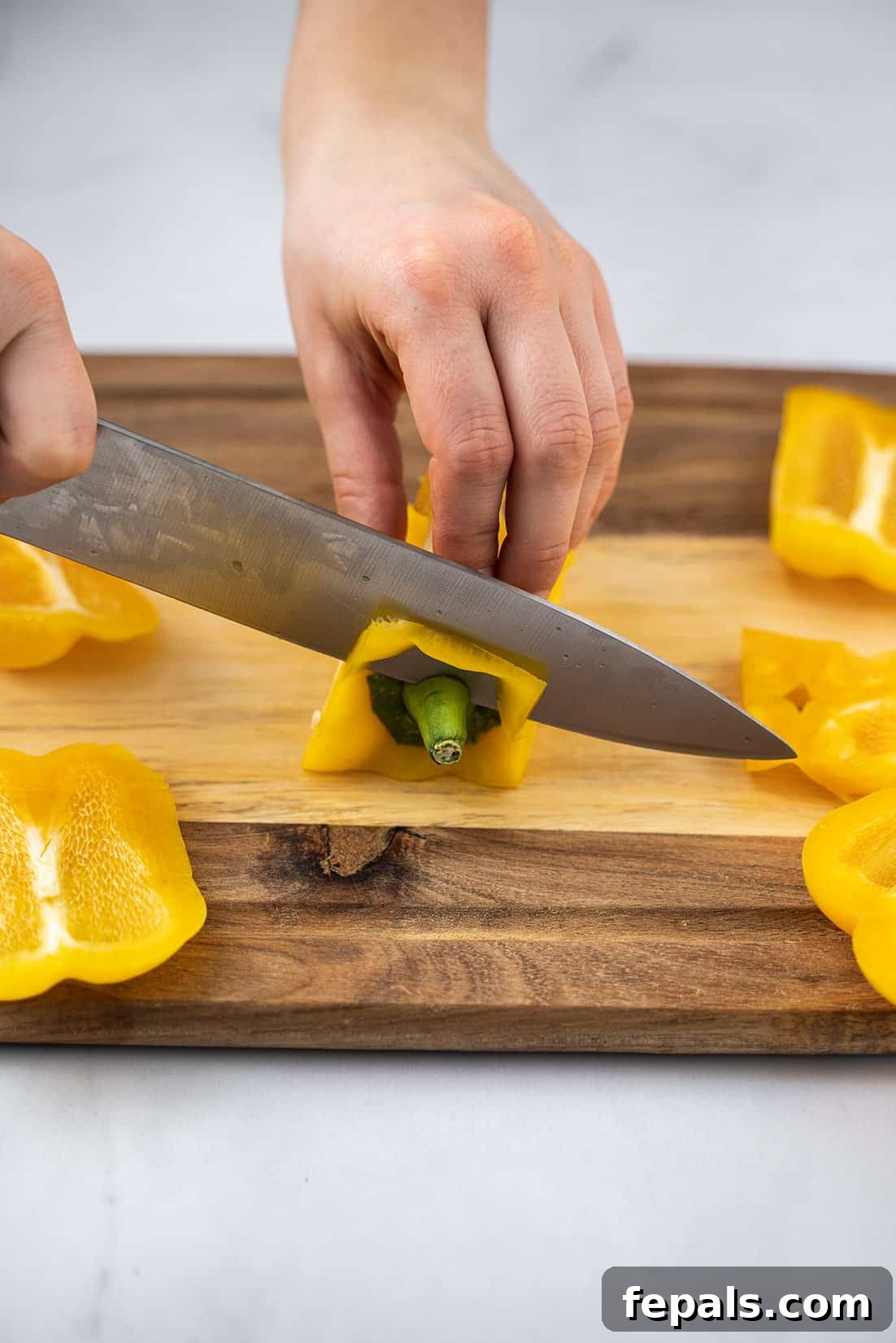
- Remove Ends and Core: Next, carefully slice off the very bottom of the bell pepper, discarding it. Then, gently slice off the top section, making sure to discard the stem and any remaining core material. You should now have the four main panels, plus the top and bottom pieces (minus the stem and seeds).
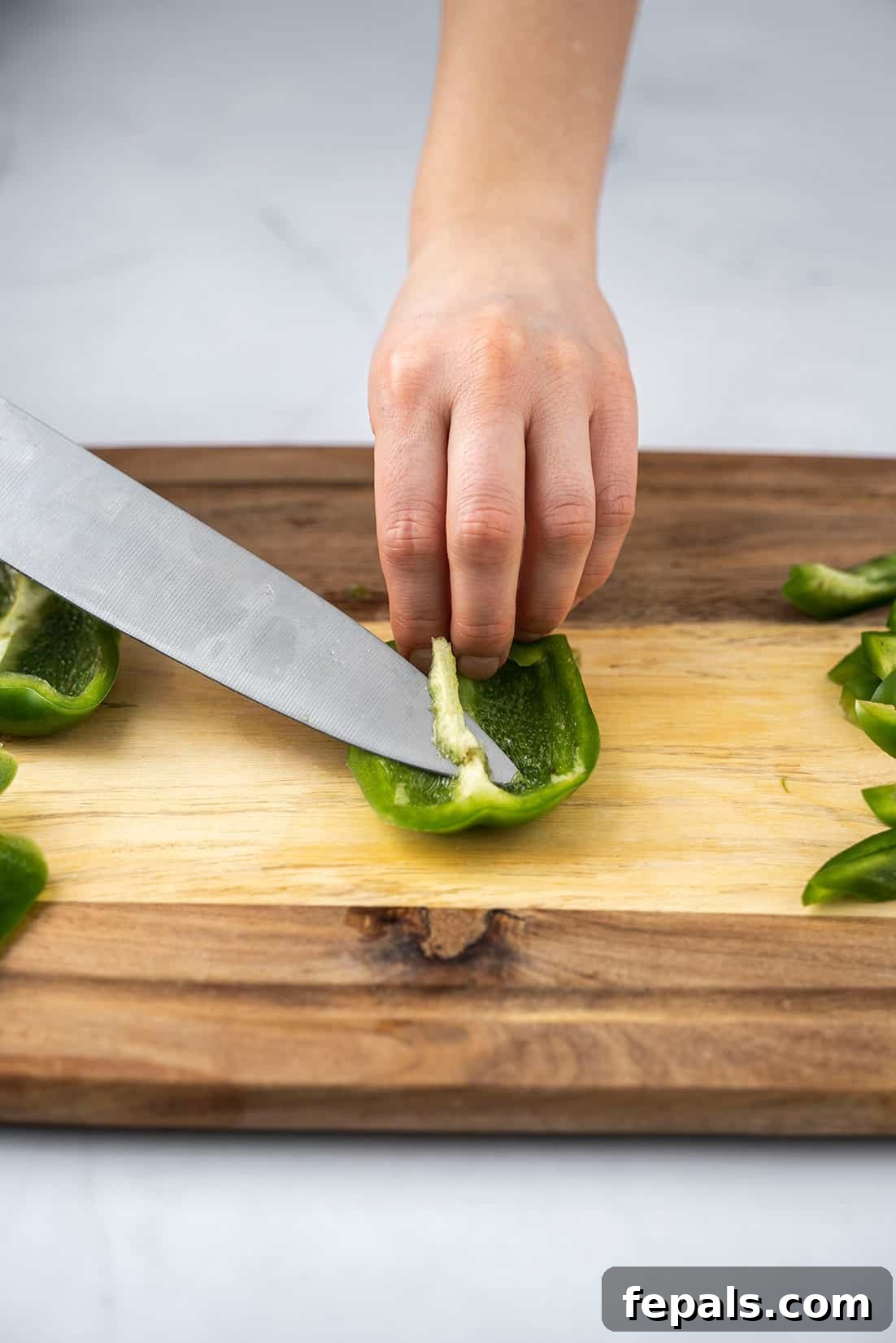
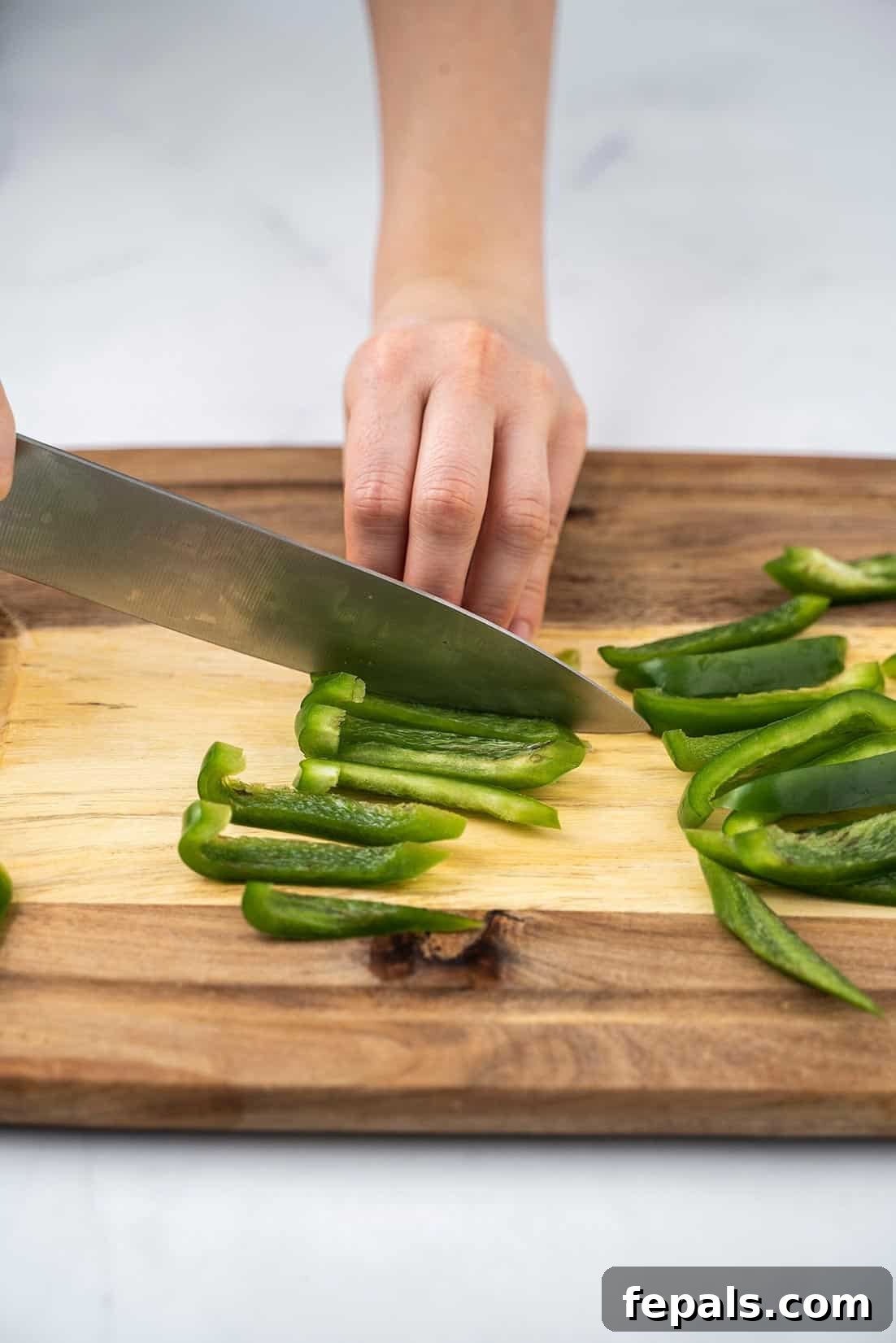
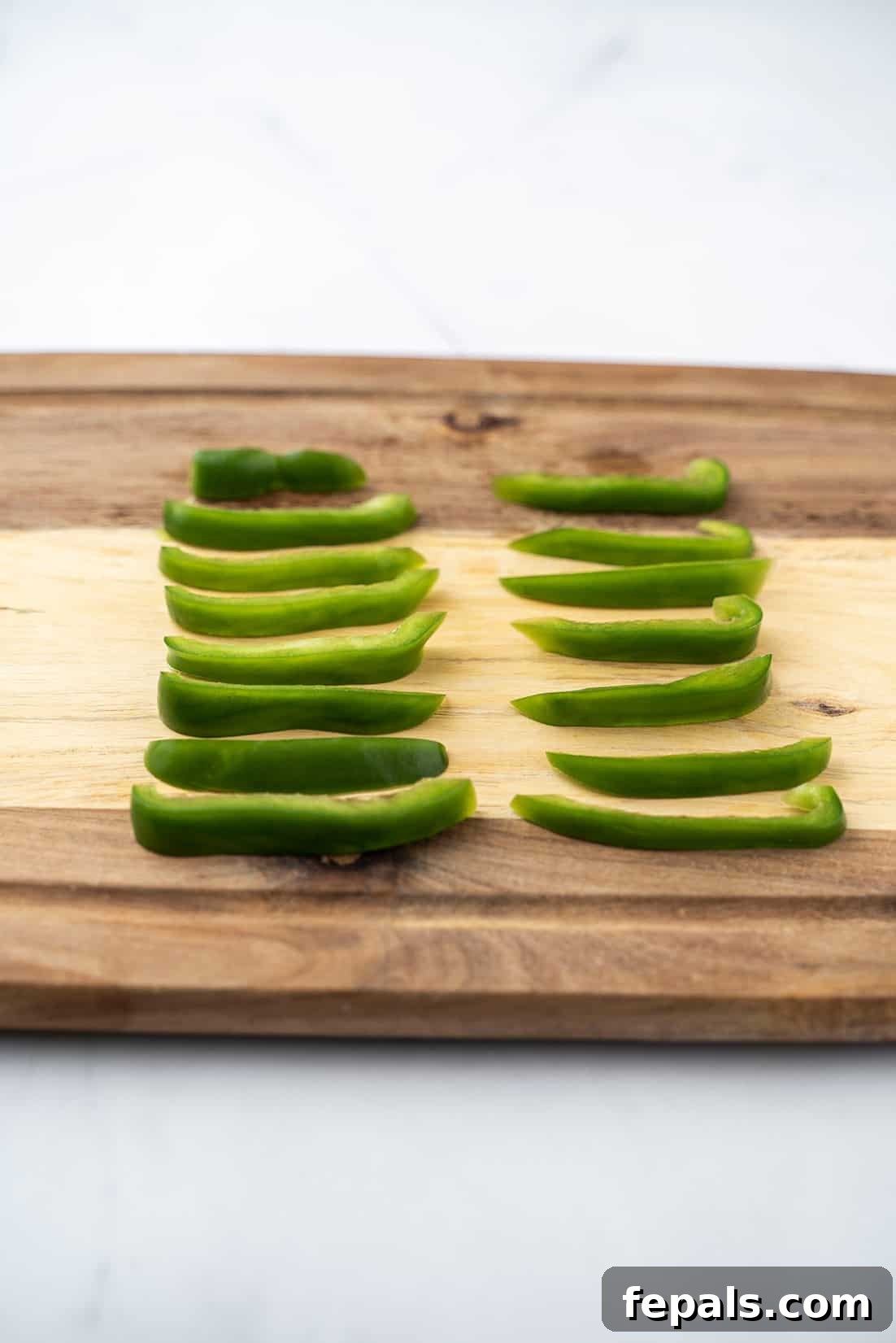
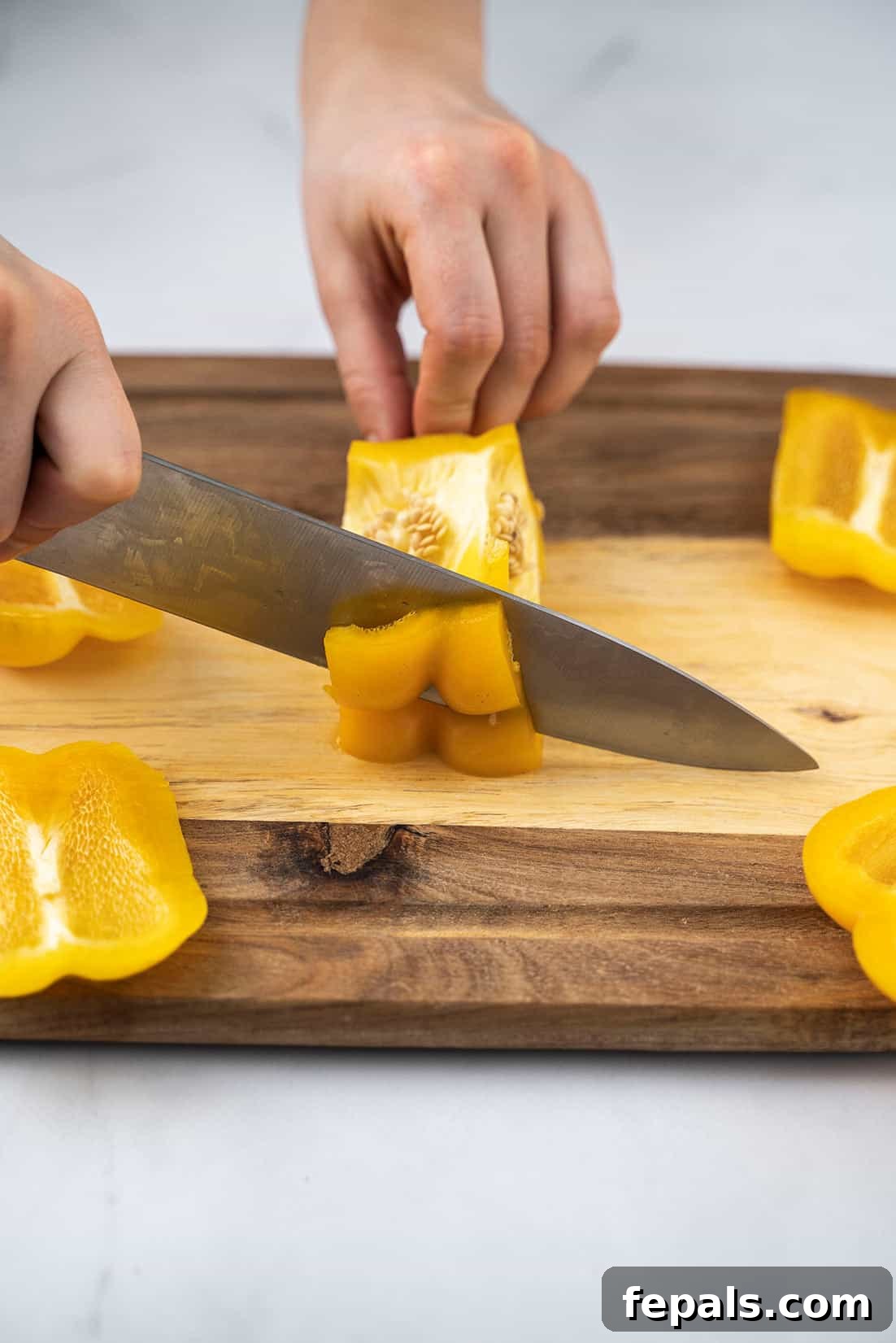
- Deseed and Slice: Lay each flat piece of bell pepper skin-side down on the cutting board. Use your knife to scrape away any remaining white membranes and seeds from the inside of the pepper. Once clean, slice each piece into even vertical strips of your desired thickness. For fajitas, slightly thicker strips are ideal, while thinner strips work well for salads. Continue until all pieces are uniformly sliced. Your vertical slices are now ready for use!
Method 2 – How to Cut Bell Peppers into Cubes (Dicing)
Diced bell peppers are incredibly versatile, perfect for stir-fries, omelets, salsas, and cooked dishes where a uniform texture is desired. This method builds on the slicing technique to create perfect cubes.
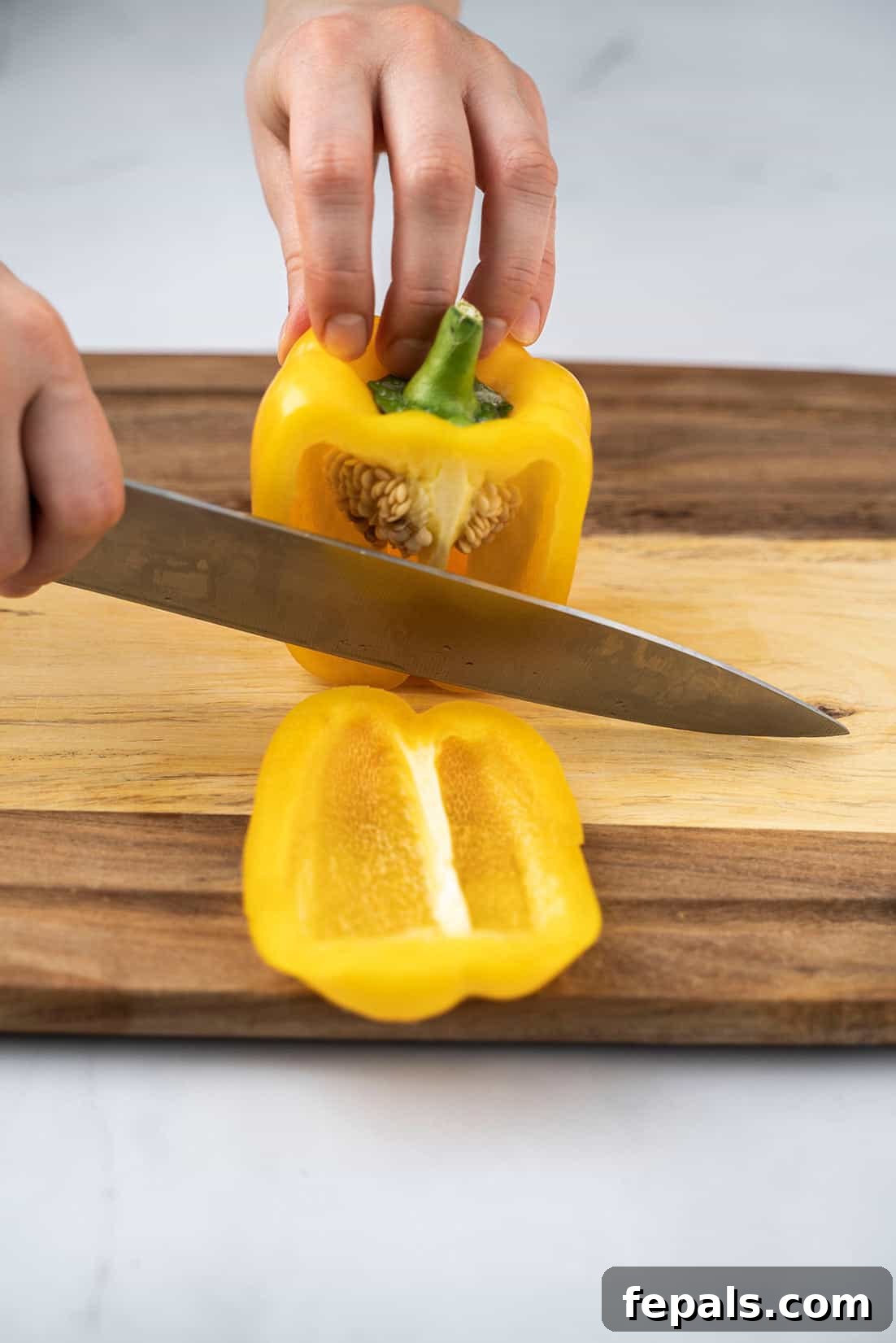
- Prepare the Pepper Panels: Begin by placing the bell pepper upright on its bottom on the cutting board. Using a sharp knife, carefully slice off each of the four sides of the bell pepper, similar to Method 1, ensuring you cut just to the inside of the core. This yields four flat panels.
- Trim and Clean: Next, slice off the bottom and top sections of the bell pepper with your knife, discarding the stem and any fibrous core. Thoroughly deseed all the bell pepper pieces, making sure to remove all white membranes. These membranes can be slightly bitter and should be discarded for a cleaner flavor.
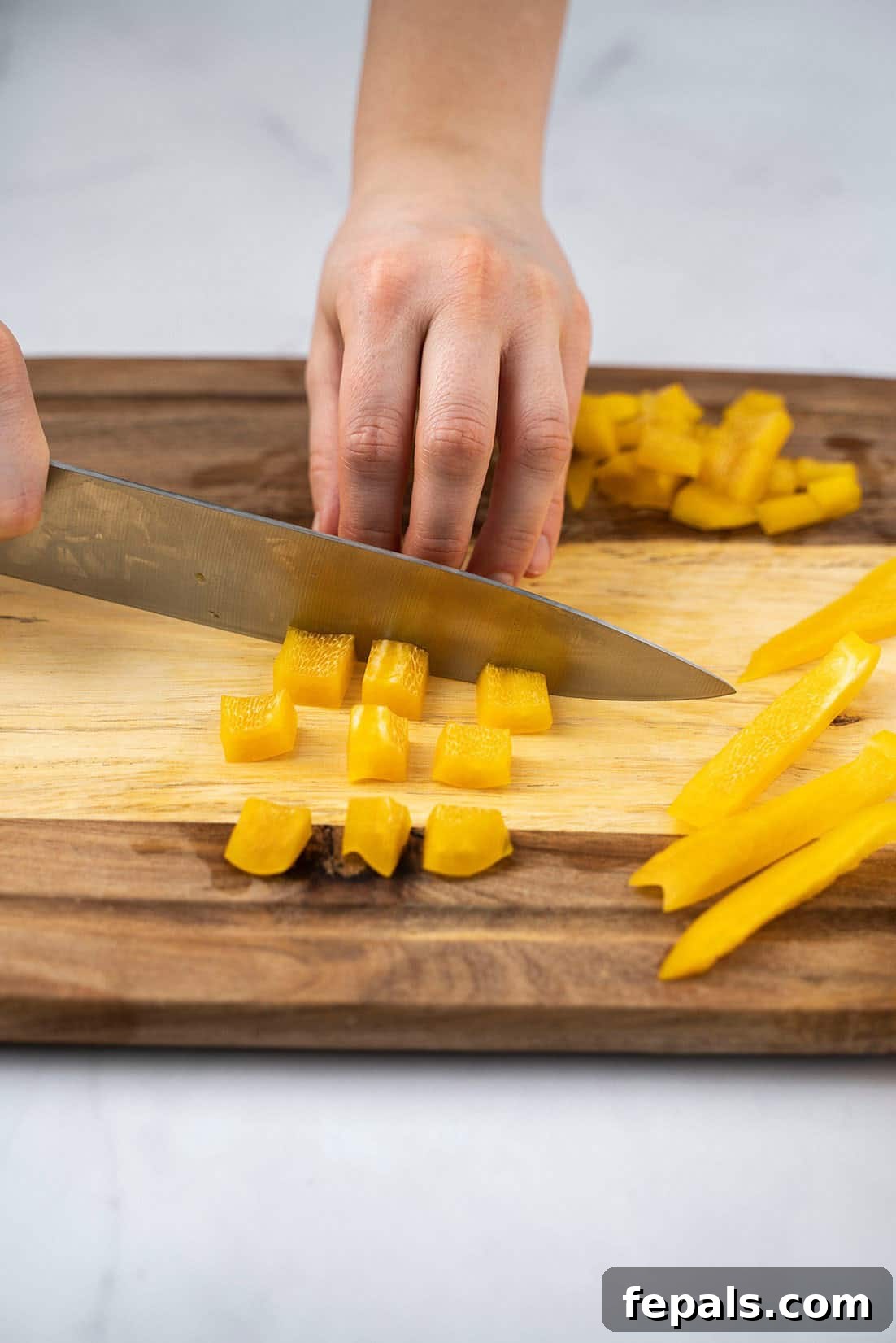
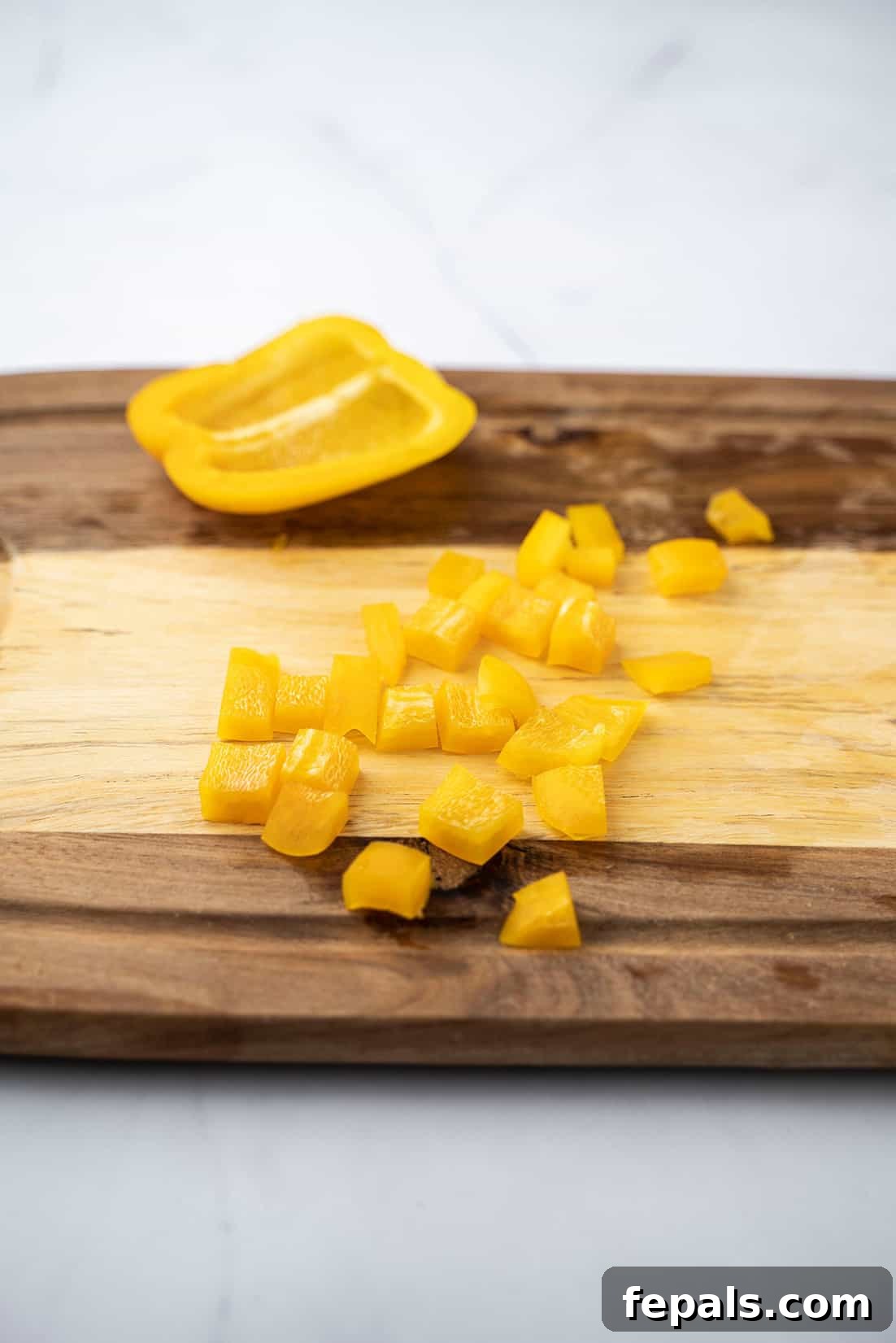
- Create Slices, Then Cubes: Take each cleaned bell pepper panel and slice it into strips of your desired cube width (e.g., ¼ inch, ½ inch). Then, rotate the strips 90 degrees and cut across them in the opposite direction, creating uniform cubes. The goal is to make all cuts as even as possible for perfectly diced bell peppers. Your bell pepper cubes are now ready to be a delicious addition to your recipe!
Method 3 – How to Cut Bell Peppers into Rings
Bell pepper rings are visually appealing and perfect for garnishes, sandwiches, salads, or grilling. This method allows for a beautiful circular presentation.
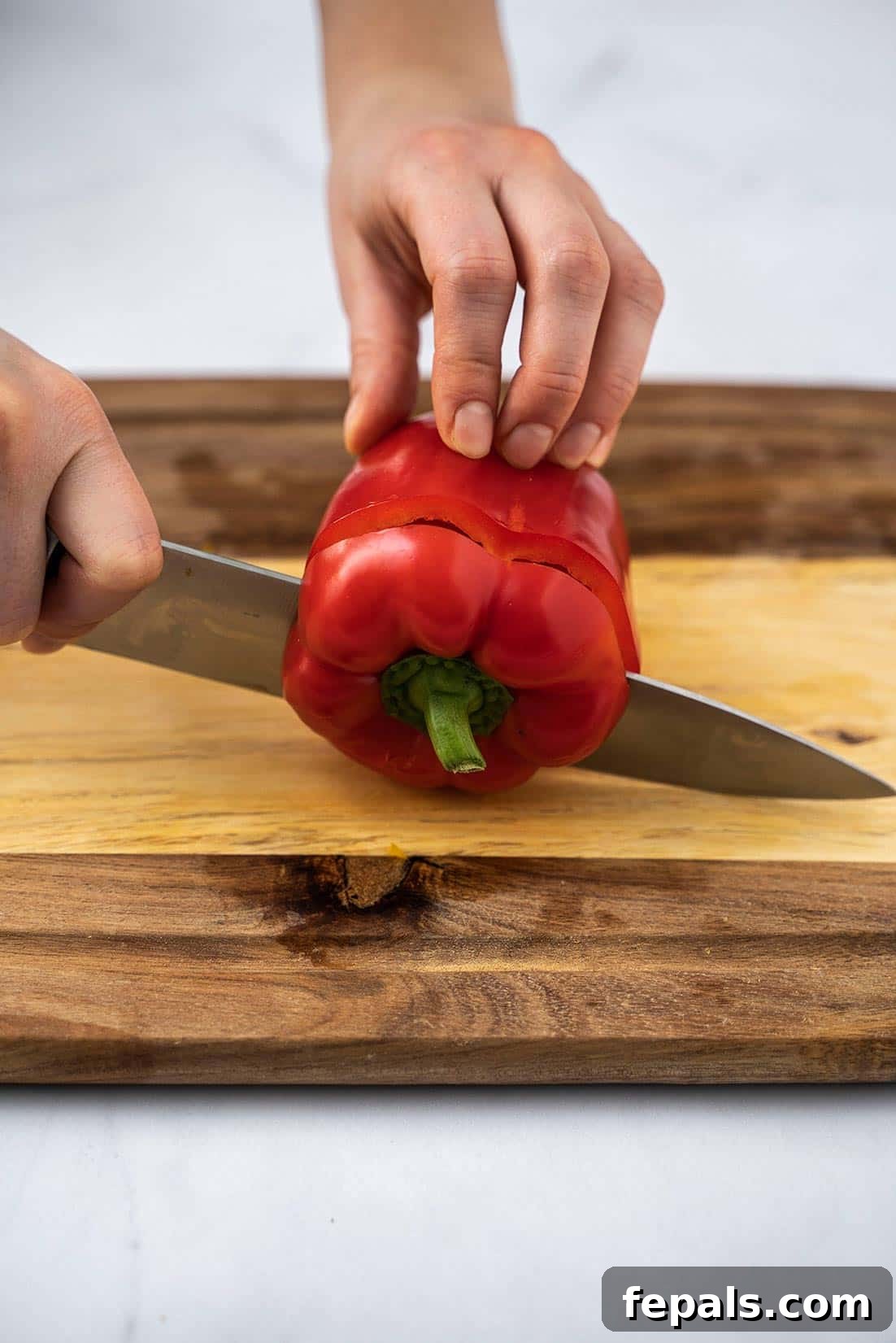
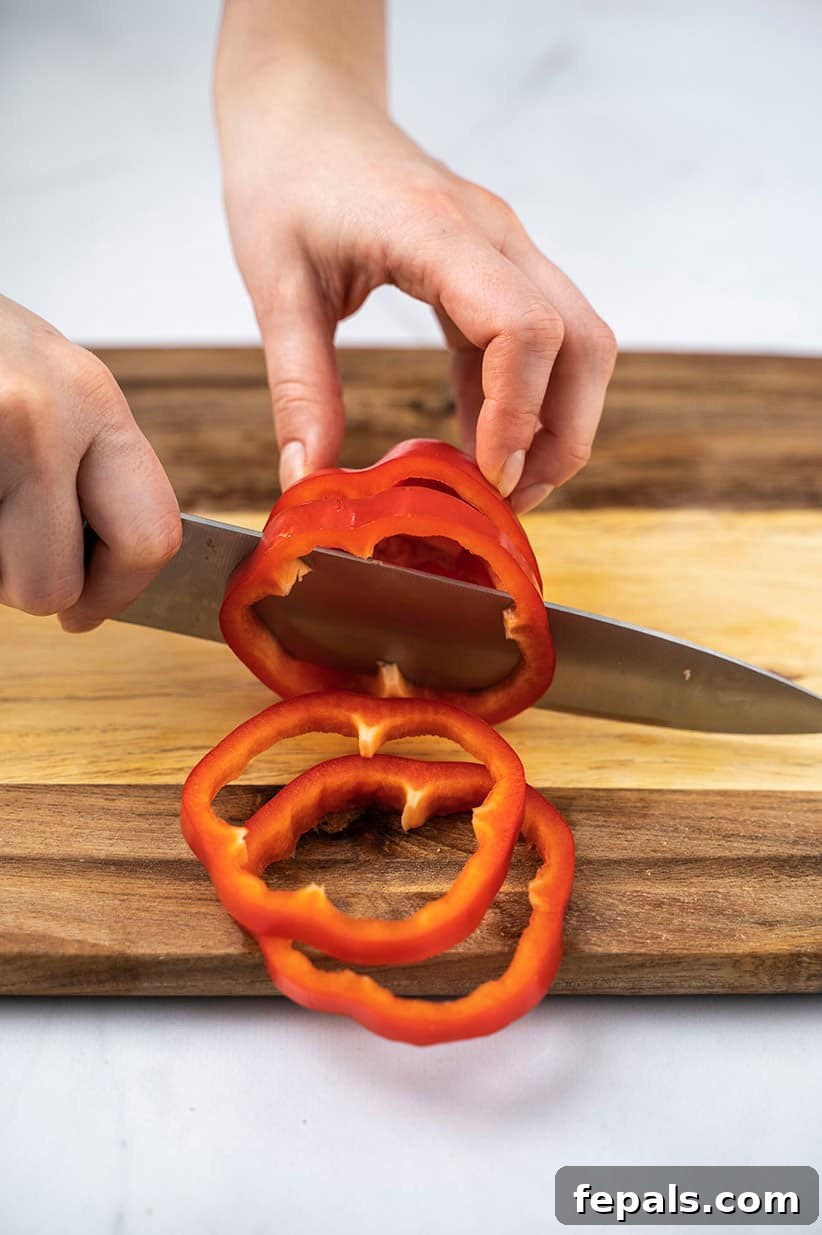
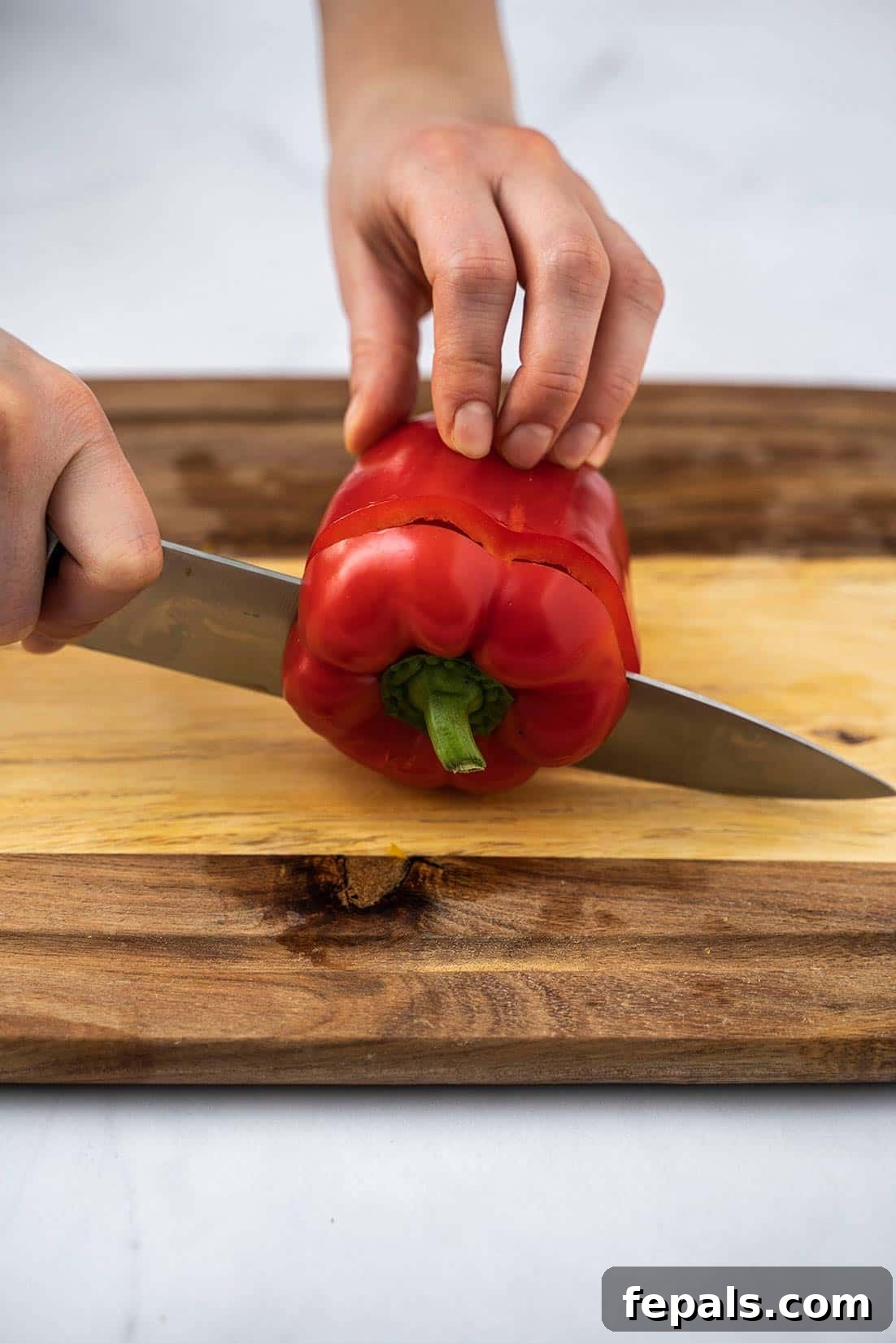
- Trim the Ends: Start by placing the bell pepper on its bottom. Using a sharp knife, slice off both the top and the bottom ends of the bell pepper, creating two flat surfaces.
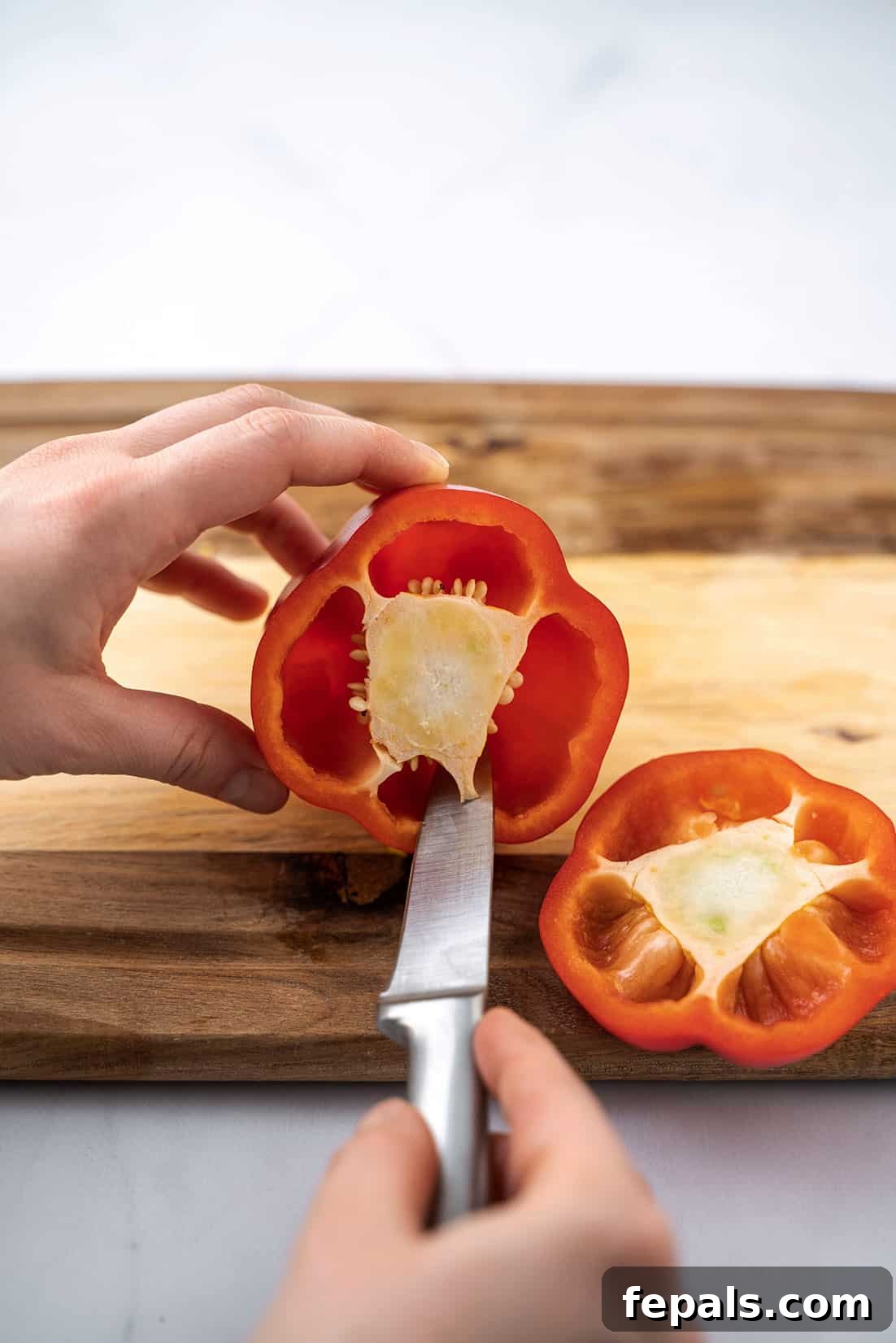
- Deseed the Core: Carefully insert your knife into the bell pepper from one of the cut ends, circling around the inner core to remove the seeds and white membranes. Discard the core. You should now have a hollow cylinder of bell pepper flesh.
- Slice into Rings: Place the hollow bell pepper cylinder on its side on the cutting board. With a firm grip on the pepper, begin to slice it into uniform rings of your desired thickness. Thinner rings are great for salads, while thicker rings hold up well for grilling or stuffing. Ensure a good, steady grip to prevent the pepper from slipping, which helps in achieving consistent shapes.
Smart Storage Solutions for Freshly Cut Bell Peppers
Effective storage is key to maintaining the crispness and flavor of your bell peppers. If you’ve taken the time to meal-prep your vegetables for the week, it’s essential to store your cut bell peppers properly, especially if you’re not using them immediately.
To keep them fresh for short-term use, place the cut bell peppers in an airtight container or a resealable bag. To absorb any excess moisture and prevent them from becoming soggy, tuck a clean paper towel inside with the peppers. This simple trick can extend their freshness significantly. Store these prepared peppers in the crisper drawer of your refrigerator for up to 3-4 days. While they might lose a little of their initial crunch after a couple of days, they will still be perfectly good for cooking.
Can I Freeze Sliced Bell Peppers? Your Guide to Long-Term Freshness
Absolutely! Freezing cut and sliced bell peppers is an excellent strategy for stocking up on vegetables, especially when they are in season or on sale. It’s a fantastic way to minimize food waste and ensure you always have bell peppers on hand for soups, stews, stir-fries, and casseroles without having to worry about them spoiling.
Here’s how to do it efficiently: After washing, drying, and meticulously cutting your bell peppers into your preferred shapes (slices, cubes, or rings), spread them in a single layer on a baking sheet lined with parchment paper. Flash freeze them for about 1-2 hours until solid. This step prevents them from clumping together. Once flash-frozen, transfer the solid cut bell peppers to a heavy-duty airtight freezer bag. Squeeze out as much air as possible before sealing to prevent freezer burn. Label the bag with the date. Your frozen bell peppers can then be stored in the freezer for up to 6-8 months, offering convenience and nutrient retention. You’ll thank yourself later for this smart meal-prep hack!
Creative Ways to Incorporate Bell Peppers into Your Meals
Bell peppers are not just beautiful; they are incredibly versatile and can be used in countless delicious ways to add flavor, color, and nutrition to your meals. Their sweet and sometimes subtly spicy notes complement a wide variety of cuisines. Here are some of our absolute favorite applications for bell peppers:
- Soups: Add diced bell peppers to hearty vegetable soups, chili, or a vibrant bell pepper soup for a burst of color and flavor.
- Stir-fries: Sliced bell peppers are a staple in stir-fries, providing crunch and sweetness that pairs well with various proteins and sauces.
- Salads: Introduce diced or sliced bell peppers to your green salads, pasta salads, or grain bowls for added texture and a refreshing taste.
- Veggie Trays with Dip: Crisp bell pepper strips are an ideal healthy snack, perfect for dipping into hummus, ranch, or a creamy spinach dip.
- Charcuterie Boards: Arrange colorful bell pepper slices on a charcuterie board alongside cheeses, meats, and other fresh vegetables for an inviting presentation.
- Pizza: Top your homemade or store-bought pizza with diced or ringed bell peppers for a classic and flavorful addition.
- Quesadillas: Sautéed bell peppers make a fantastic filling for savory quesadillas, adding depth and sweetness.
- Scrambled Eggs/Omelets: Dice bell peppers finely and sauté them before mixing into scrambled eggs or folding into a fluffy omelet for a nutritious breakfast.
- Stuffed Peppers: Bell peppers are famously used as edible bowls, stuffed with your favorite protein (like ground beef, turkey, or lentils), rice, and spices, then baked to perfection.
- Fajitas: Slices of bell peppers are a must-have for sizzling fajitas, offering a tender-crisp texture and sweet flavor.
- And much more! From grilling to roasting, juicing to pickling, the possibilities are truly endless.
Frequently Asked Questions About Bell Peppers
Why is it often recommended to remove seeds from bell peppers?
While bell pepper seeds are not harmful to consume, there are several good reasons why most recipes suggest removing them. First, the seeds and the white membranes (placenta) they attach to can have a slightly bitter taste that might detract from the sweetness of the pepper, especially in raw dishes or those with subtle flavors. Second, the texture of the seeds can be unpleasant, providing an unwanted grittiness in many dishes. Lastly, for aesthetic reasons, especially in dishes with liquid like soups or stews, the seeds tend to float and can make the dish look less appealing. Removing them ensures a cleaner, sweeter, and more uniform final product.
Which color bell pepper is the healthiest?
While all bell peppers are good for you, red bell peppers are generally considered the healthiest option. They have been on the vine the longest, allowing them more time to ripen fully and develop a richer nutrient profile. Red bell peppers are exceptionally high in Vitamin C, often containing significantly more than their green, yellow, or orange counterparts. They are also packed with Vitamin A (in the form of beta-carotene) and various antioxidants like lycopene and capsanthin, which contribute to their vibrant color and health benefits. Some studies suggest red bell peppers can have about 10 times more nutrients than other colored peppers.
Is it okay to eat the seeds of a pepper?
Yes, bell pepper seeds are not toxic or harmful to eat, so consuming them accidentally or intentionally is perfectly safe. However, as mentioned above, many people choose to remove them due to their slightly bitter taste and often undesirable crunchy texture. If you don’t mind these characteristics, there’s no health risk in keeping them in your dish. For culinary refinement, removing them is usually the preferred approach.
What type of knife is best for cutting bell peppers?
A sharp chef’s knife (8-inch or 10-inch) is generally the best tool for cutting bell peppers. Its long, sturdy blade allows for smooth, clean cuts through the pepper’s skin and flesh. A sharp paring knife can be useful for smaller tasks like removing seeds and membranes, but for the main cutting, a chef’s knife provides the most control and efficiency.
Do bell peppers need to be washed before cutting?
Yes, it is always recommended to thoroughly wash bell peppers before cutting them, even if you plan to remove the skin. Washing helps to remove any dirt, pesticides, bacteria, or other residues that might be present on the surface. These contaminants can transfer from the knife blade to the edible flesh during cutting, so a good wash is an important food safety step.
Expert Tips for Perfectly Cutting Bell Peppers Every Time
Achieving clean, efficient cuts not only makes your food look better but also ensures even cooking and a more enjoyable eating experience. Here are some essential tips to keep in mind when preparing your bell peppers:
- Always Use a Sharp Knife: This is arguably the most crucial tip. A sharp knife will glide through the bell pepper with ease, creating clean cuts and minimizing the risk of slips and accidents. A dull knife, on the other hand, requires more force, can crush the pepper, and is generally more dangerous.
- Stabilize Your Cutting Board: Place a damp paper towel or a non-slip mat under your cutting board to prevent it from sliding around on your countertop. This adds a crucial layer of safety and stability, allowing you to focus solely on your cutting technique.
- Store Cut Bell Peppers Properly: If you’ve prepped more than you need, store the cut bell peppers in your crisper drawer. Place them in an airtight container with a paper towel tucked inside to absorb excess moisture. This will help them stay crisp for a few days.
- Utilize Any Colored Bell Peppers: Don’t limit yourself to just one color! Each bell pepper color (green, yellow, orange, red) offers slightly different sweetness levels and nutritional benefits. Use a variety to add visual appeal and a spectrum of flavors to your recipes.
- Practice Makes Perfect: Like any culinary skill, cutting bell peppers efficiently improves with practice. Don’t be discouraged if your first attempts aren’t perfectly uniform. Keep practicing, and you’ll soon be a pro!
Bell Pepper Nutritional Powerhouse: Why They’re So Good For You
Beyond their vibrant colors and appealing crunch, bell peppers are a nutritional goldmine that can significantly contribute to a healthy diet. They are low in calories and fat, yet packed with essential vitamins and minerals, making them an excellent choice for anyone looking to boost their nutrient intake.
One of the most impressive aspects of bell peppers, particularly the red variety, is their incredibly high Vitamin C content. They often contain more Vitamin C per serving than an orange, supporting your immune system, aiding in collagen production for healthy skin, and acting as a powerful antioxidant. Bell peppers are also a great source of Vitamin A (beta-carotene), crucial for vision and immune function, and Vitamin B6, which plays a role in metabolism. Additionally, they provide a good amount of dietary fiber, promoting digestive health, and potassium, important for blood pressure regulation. Their rich array of antioxidants helps protect your body’s cells from damage caused by free radicals, contributing to overall well-being and potentially reducing the risk of chronic diseases. Incorporating bell peppers regularly into your meals is a simple and delicious way to nourish your body.
Flavor Profiles by Color: Understanding the Nuances
While all bell peppers share a similar basic structure, their colors signify different stages of ripeness and thus different flavor profiles. Understanding these nuances can help you choose the best pepper for your dish:
- Green Bell Peppers: These are the least ripe and have a more herbaceous, slightly bitter flavor. They are crisp and hold their shape well, making them ideal for dishes where you want a less sweet, more earthy vegetable note, such as stews or when you need a firm texture for pickling.
- Yellow and Orange Bell Peppers: As bell peppers ripen, they develop more sweetness. Yellow and orange peppers fall in the middle of the ripeness spectrum. They are sweeter than green peppers but often less intensely sweet than red ones. They offer a mild, fruity flavor and a good crunch, making them excellent for salads, stir-fries, and roasting.
- Red Bell Peppers: These are fully ripened bell peppers and are the sweetest of the bunch. Their flavor is distinctly fruity and very mild, with virtually no bitterness. Their tenderness and deep sweetness make them perfect for roasting, grilling, making sauces, or eating raw in salads where their sweetness can shine. As mentioned, they also boast the highest nutritional value.
Experimenting with different colors can add both visual appeal and complexity to your culinary creations.
Explore More Culinary Guides and Recipes
Expand your kitchen skills with these other helpful cooking tutorials:
- How to Cut Leeks
- Cutting a Potato Into Fries
- How to Cut an Eggplant
- How to Cut Green Onions
- Homemade Almond Milk
Delicious Recipes Featuring Bell Peppers
Now that you’re a pro at cutting bell peppers, put your skills to good use with these mouth-watering recipes:
- Easy Stuffed Bell Peppers with Ground Beef
- Buffalo Chicken Stuffed Peppers
- Keto Ground Turkey Stuffed Peppers
- Vegetarian Stuffed Peppers
- Easy Stuffed Pepper Soup
- Easy Steak Fajitas Recipe
We hope this guide empowers you to prepare bell peppers with confidence and ease. If you try any of these cutting methods or use them in a recipe, please leave us some feedback in the comment section below, and don’t forget to rate it! We would love it if you shared your culinary creations with friends and family.
FOLLOW Healthy Fitness Meals on FACEBOOK | INSTAGRAM | PINTEREST | TWITTER for all of our latest blog posts and recipes.
How to Cut Bell Peppers (3 Ways)
Rena
1 pepper
5 mins
5 mins
10 mins
Print Recipe
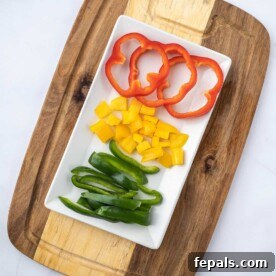
A step-by-step process on how you can perfectly cut and slice bell peppers.
Equipment
- 1 Sharp knife
- 1 cutting board
Ingredients
- 1 bell pepper
- 2 tbsp vinegar, optional to wash peppers
Instructions
Method 1 (Slices)
- First, while standing the bell pepper up on its bottom on the cutting board, gently slice the sides of the bell pepper off with a sharp knife. Make sure to slice all four sides off the pepper.
- Next, cut the bottom of the bell pepper off with the knife. After that, gently slice the top of the bell pepper making sure to discard the stem.
- Deseed the bell pepper with the knife making sure to remove all of the membranes inside the pepper. Next, slice each piece of pepper into even vertical slices until you have no more left.
Method 2 (Cubes)
- Start by placing the bell pepper up on its bottom on the cutting board. Next, gently slice each side of the bell pepper off with a knife as shown below.
- Next, slice the bottom and top of the bell pepper off with the knife and discard the stem. After that, slice each bell pepper piece into slices.
- After the pepper has been cut into slices, gently cut across the slices in the opposite direction to cut them into cubes.
Method 3 (Rings)
- First, slice the top and bottom of the bell pepper off. Next, deseed the pepper with the knife making sure to remove all the white parts inside the pepper.
- Place the bell pepper on its side, then continue to slice the bell pepper into rings. Be sure to have a good grip on the pepper so it doesn’t get loose.
Notes
- Be sure to use a sharp knife. If you’re using a dull knife, it will be a little more difficult to slice the bell peppers.
- Optional: Wash bell peppers in a water bath with vinegar for extra cleanliness.
- Store the cut bell peppers in your crisper drawer inside an airtight container with a paper towel to absorb moisture.
- Use any colored bell peppers for your recipes; each color offers a slightly different flavor profile.
Nutrition
Calories: 37kcal
Carbohydrates: 7g
Protein: 1g
Fat: 0.4g
Saturated Fat: 0.1g
Polyunsaturated Fat: 0.2g
Monounsaturated Fat: 0.01g
Sodium: 5mg
Potassium: 252mg
Fiber: 3g
Sugar: 5g
Vitamin A: 3726IU
Vitamin C: 152mg
Calcium: 10mg
Iron: 1mg
Nutrition information is automatically calculated, so should only be used as an approximation.
Additional Info
Appetizer
American