
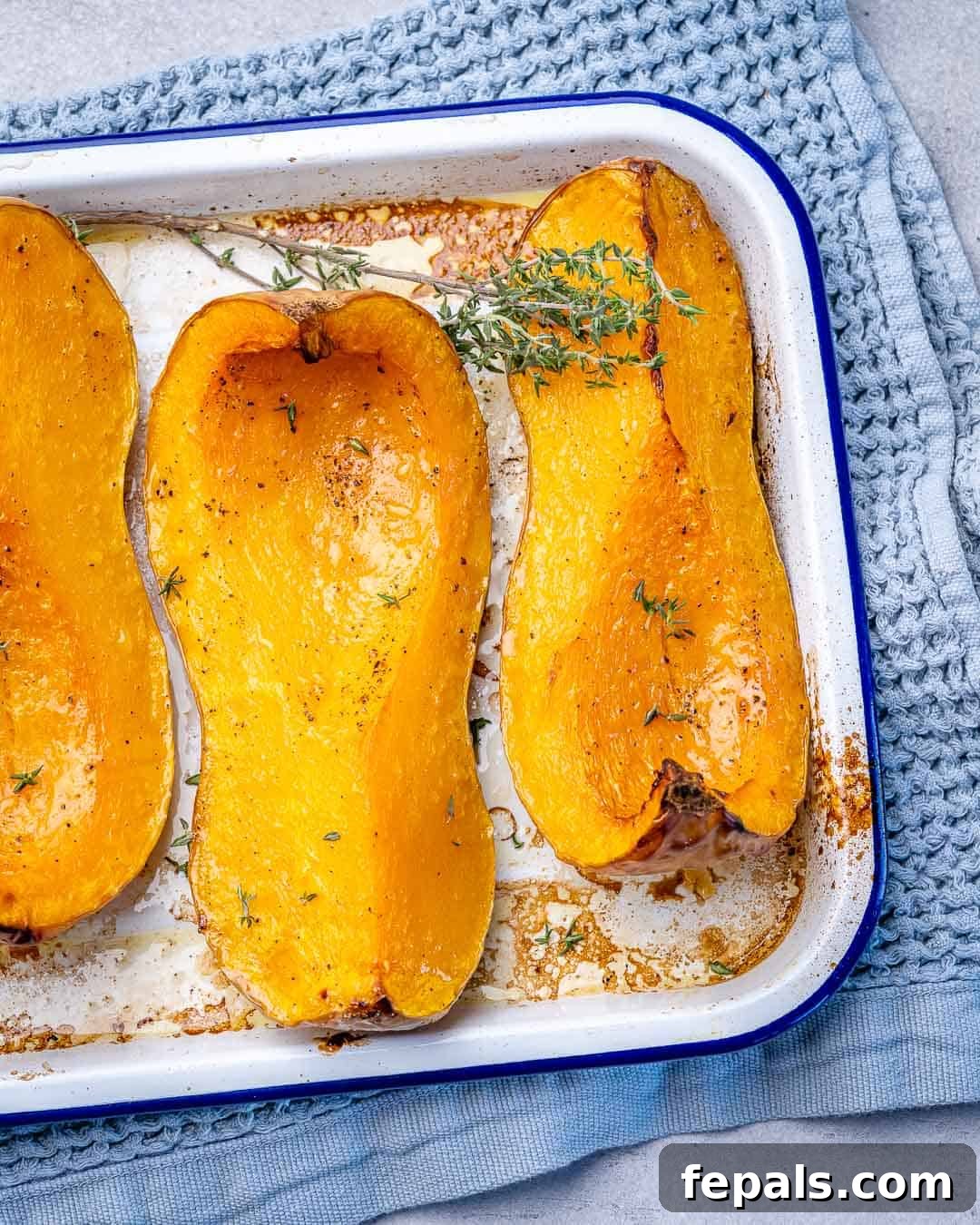
Oven-Roasted Butternut Squash: Your Ultimate Guide to a Simple & Healthy Side Dish
Discover the delightful simplicity of **Oven-Roasted Butternut Squash**, an incredibly easy and healthy dish crafted from just a few basic ingredients. This versatile recipe serves beautifully as a nutritious side, a flavorful addition to salads and pasta, or a wholesome base for creative toppings. Perfect for the crisp days of fall and the cozy evenings of winter, this naturally vegetarian and vegan vegetable recipe promises to be a family favorite, pleasing both adults and children with its naturally sweet and nutty flavor profile.
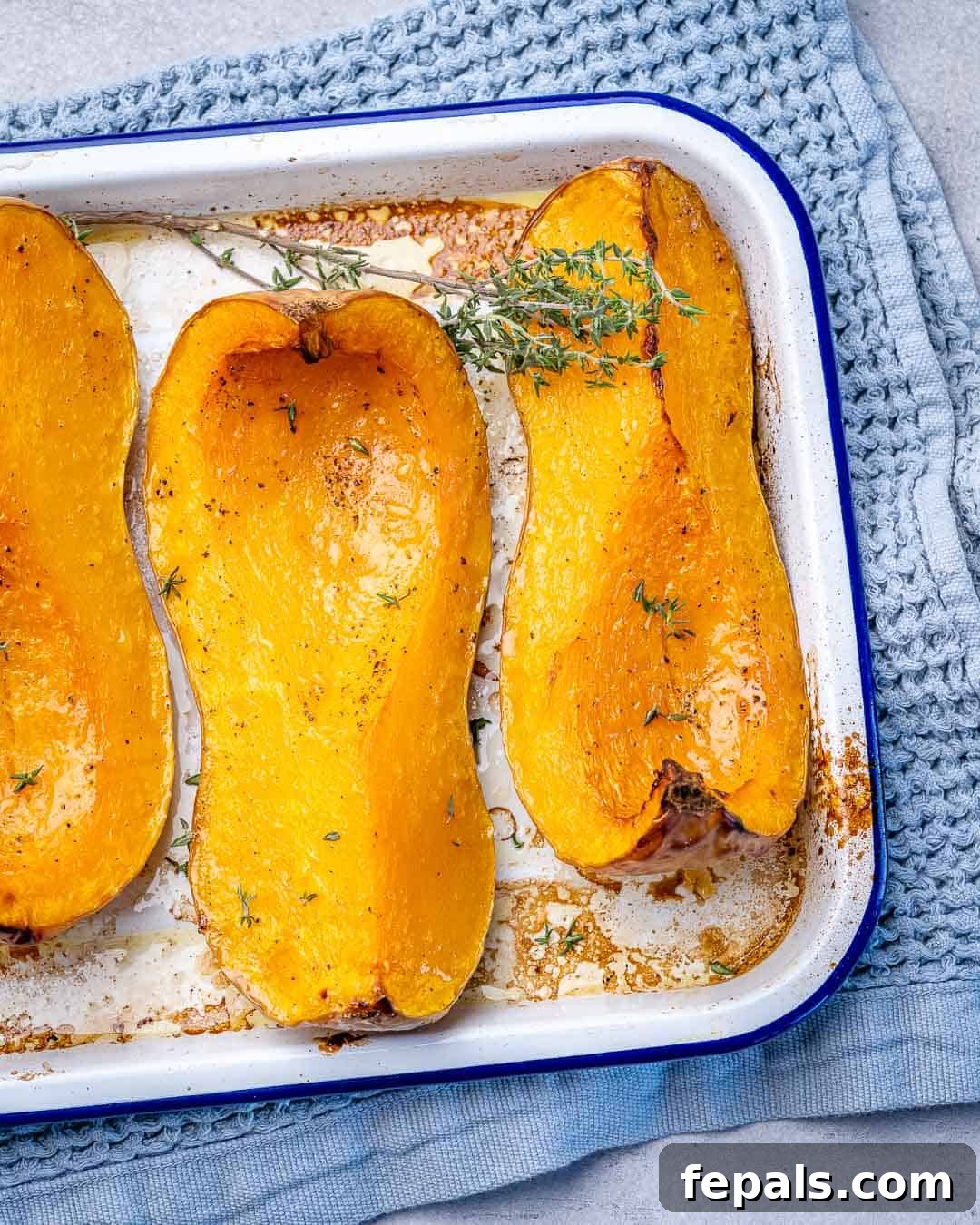
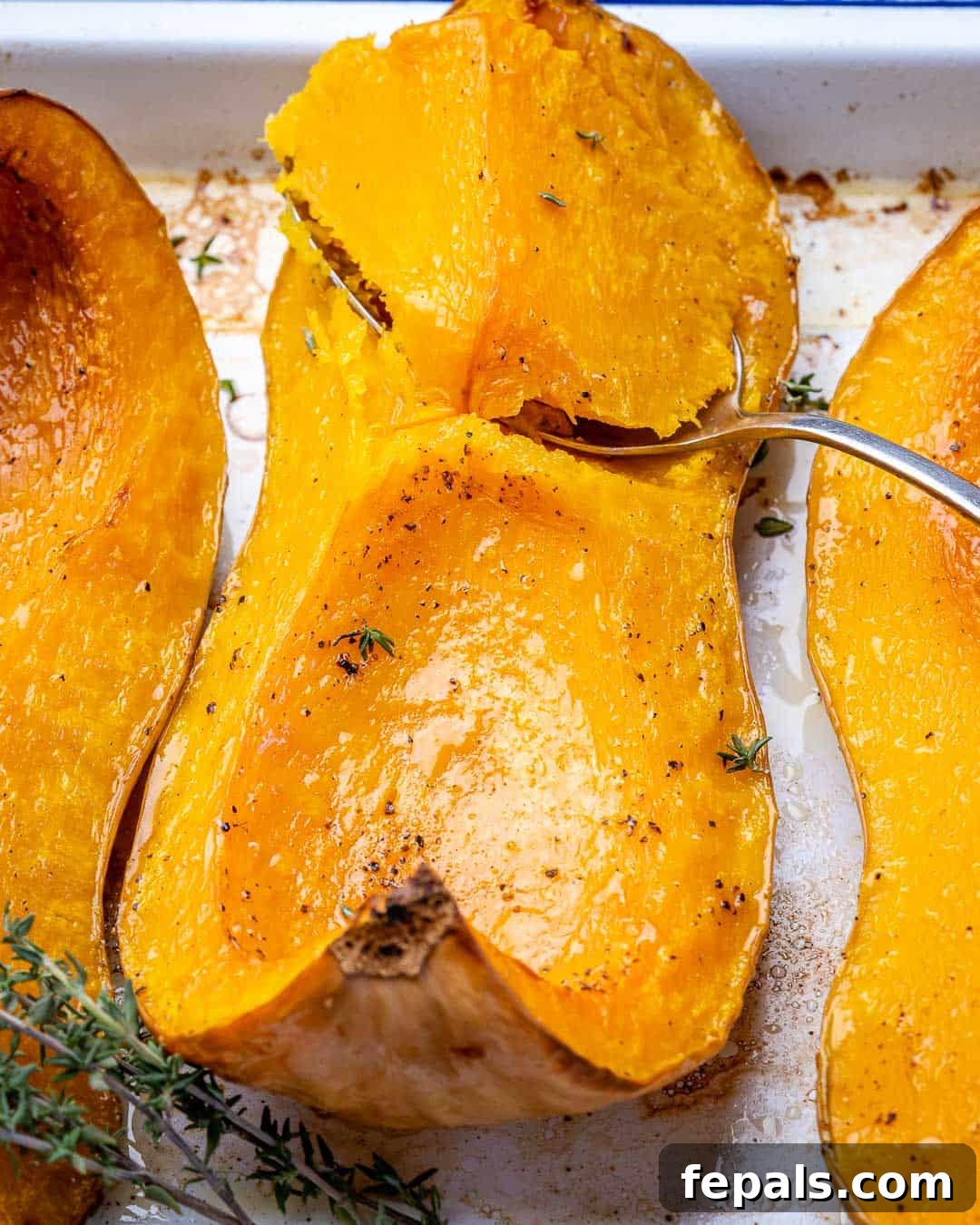
This comprehensive guide will walk you through preparing succulent **Oven-Roasted Butternut Squash** using minimal ingredients, ensuring a hassle-free cooking experience. Butternut squash, a rich and filling winter vegetable, boasts a naturally delicious taste that transforms into something truly extraordinary when roasted. Beyond its incredible flavor, it’s also naturally dairy-free and gluten-free, making it an excellent choice for a variety of dietary needs. Don’t be shy about experimenting with toppings like crunchy pecans or a drizzle of maple syrup to elevate its flavors even further during baking!
Eager to explore more creative ways to incorporate butternut squash into your meals? Be sure to try our Vegetarian Butternut Squash Mushroom Risotto for a creamy, comforting meal, or impress your guests with the elegant Hasselback Butternut Squash recipe.
Why You’ll Love This Oven-Roasted Butternut Squash
Roasting butternut squash is more than just cooking; it’s an art that transforms a humble vegetable into a culinary delight. Here are just a few reasons why this recipe will become a staple in your kitchen:
- Effortlessly Easy & Quick: With minimal hands-on preparation, this recipe is perfect for busy weeknights or relaxed weekend meals. Simply prep the squash, pop it in the oven, and let the heat do the magic.
- Irresistibly Delicious: Roasting brings out the natural sweetness and nutty undertones of butternut squash, creating a tender, golden, and slightly caramelized exterior that is utterly addictive. The high heat caramelizes its sugars, giving it a depth of flavor that steaming or boiling simply cannot achieve.
- Incredibly Versatile: From a simple side dish to a star ingredient in complex meals, roasted butternut squash fits seamlessly into almost any menu. Its mild yet distinct flavor pairs well with a wide range of spices and other ingredients.
- Packed with Nutrients: Beyond its fantastic taste, butternut squash is a nutritional powerhouse. It’s an excellent source of vitamins A and C, potassium, and fiber, contributing to a healthy diet without compromising on flavor.
- Diet-Friendly: Naturally gluten-free, dairy-free, vegetarian, and vegan, this recipe is suitable for many dietary restrictions, making it an inclusive dish for gatherings and family meals.
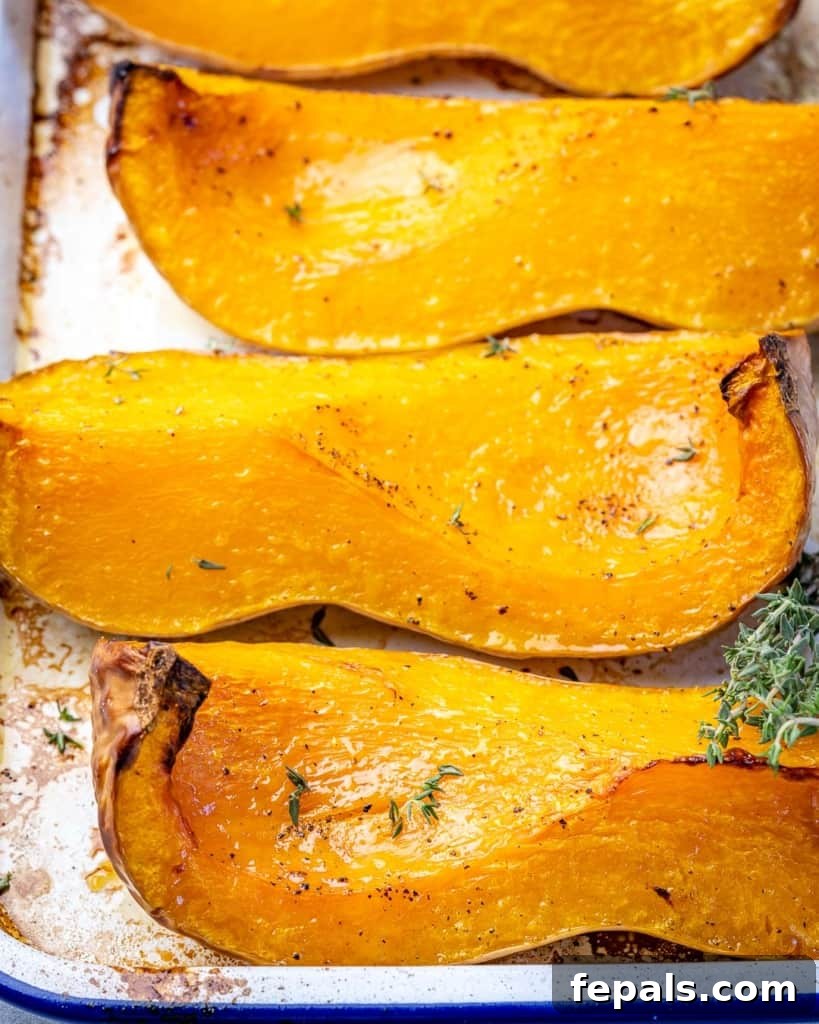
Essential Ingredients for Roasted Butternut Squash
You’ll be amazed at how much flavor you can achieve with so few components. This recipe highlights the natural goodness of butternut squash with just four simple ingredients. Exact measurements can be found in the recipe card below, but here’s a quick overview of what you’ll need and why each element is key:
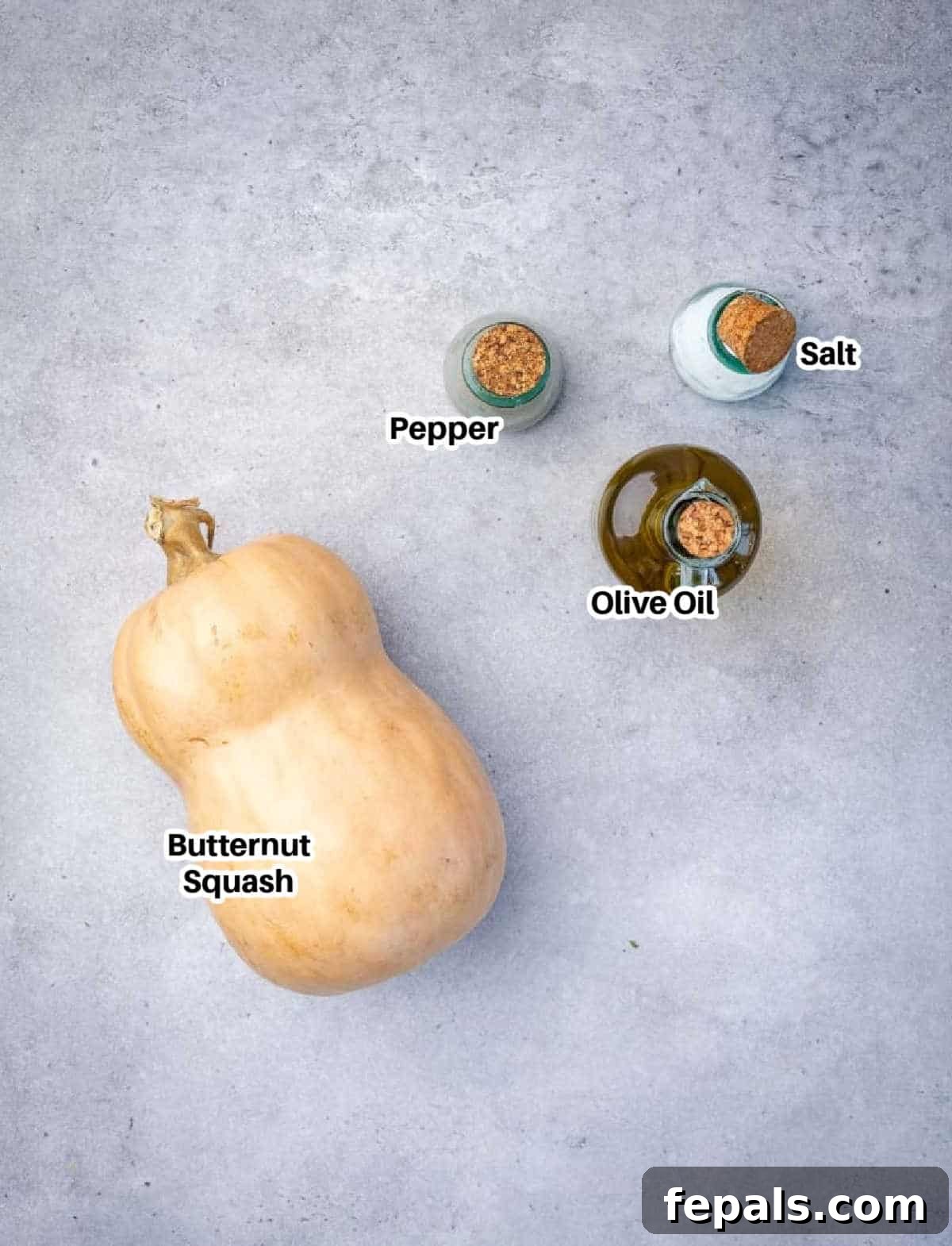
- Butternut Squash: The star of our dish! These winter squashes come in various sizes, typically pear-shaped, with a pale tan-yellow skin. While available year-round, they are most abundant and flavorful during the fall season. Choose a squash that feels heavy for its size and has no soft spots or blemishes.
- Olive Oil: Essential for achieving that beautiful golden-brown caramelization and helping the seasonings adhere to the squash. Olive oil also adds a lovely fruity note. If you prefer, other neutral oils like avocado oil or even melted coconut oil can be used as alternatives.
- Kosher Salt: A fundamental seasoning that enhances the squash’s natural sweetness and brings out its rich flavors. Kosher salt has a coarser grain than table salt, allowing for easier, more even distribution. Sea salt is a great substitute if you don’t have kosher salt on hand.
- Ground Black Pepper: Adds a subtle warmth and a touch of savory complexity that balances the sweetness of the squash. Freshly ground black pepper is always recommended for the best flavor.
- Water: A small amount of water added to the baking dish creates a steamy environment in the oven, helping the squash to tenderize from the inside before it fully caramelizes on the outside. This ensures a perfectly cooked interior without drying out.
Step-by-Step Guide: How to Make Perfect Roasted Butternut Squash
Making delicious oven-roasted butternut squash is incredibly straightforward. Follow these simple steps for a dish that’s tender on the inside and beautifully caramelized on the outside.
- 1. Preheat Your Oven: Begin by preheating your oven to 400°F (200°C). This ensures the oven is at the correct temperature for even roasting and optimal caramelization as soon as the squash goes in.
- 2. Prepare the Squash: Carefully place the butternut squash on a sturdy cutting board. Using a sharp chef’s knife, carefully cut the squash in half lengthwise. Butternut squash can be quite firm, so make sure your knife is sharp and you use a stable surface. You can also microwave the whole squash for 1-2 minutes to soften the skin slightly, making it easier to cut.
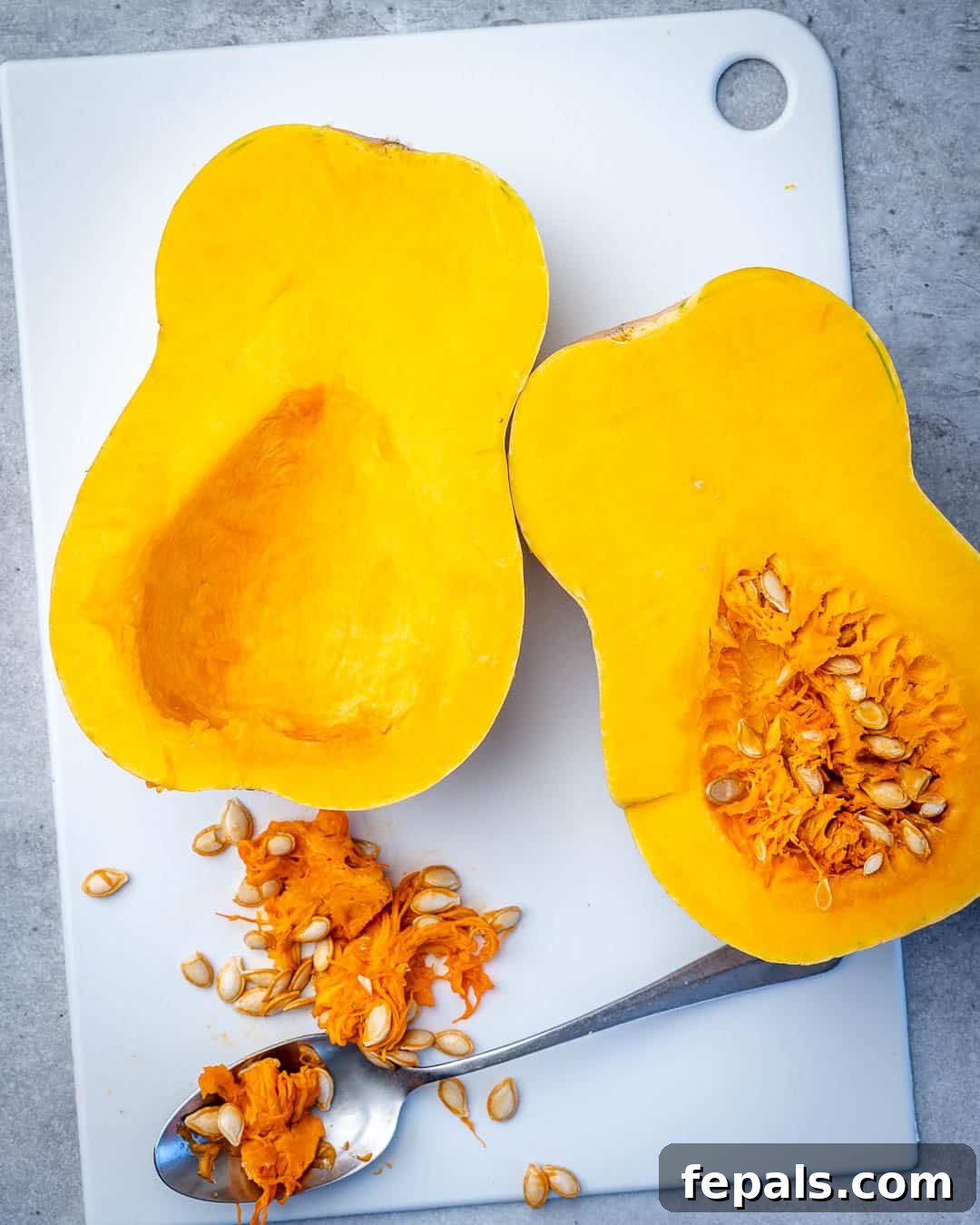
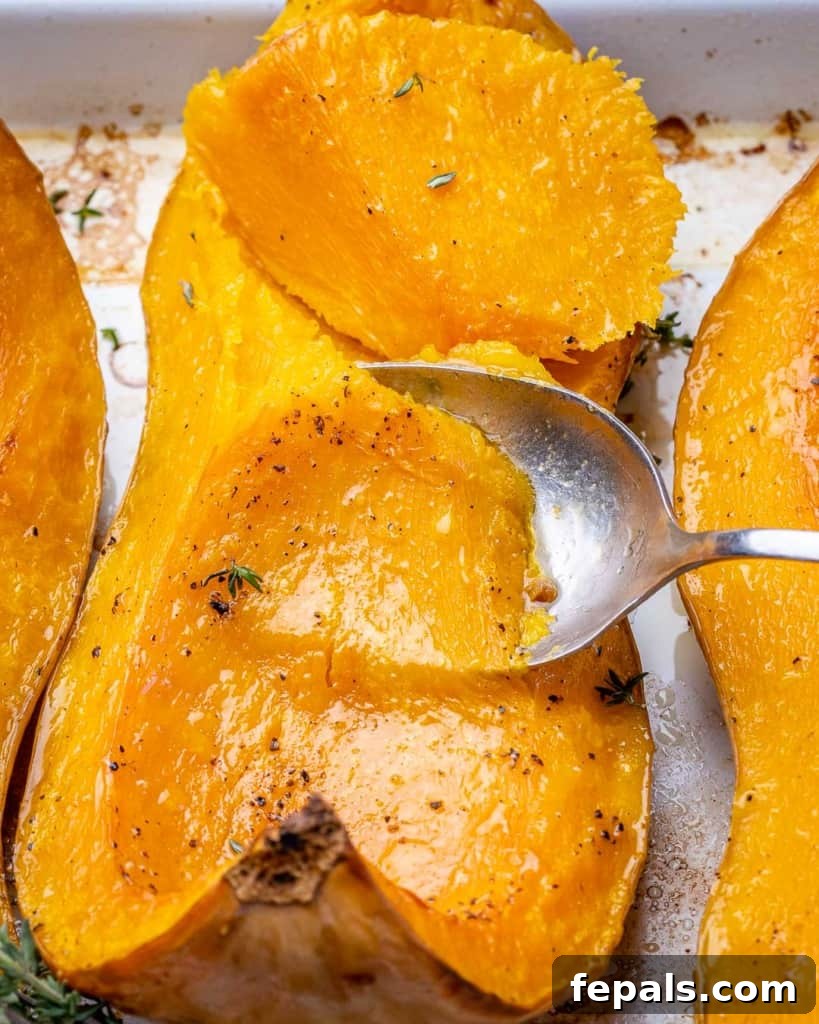
- 3. Remove Seeds and Cut Wedges: Once halved, use a spoon to scoop out the stringy pulp and seeds from the center of each half. Discard the seeds. Then, cut each half lengthwise again, resulting in four long wedges or quarters. For this recipe, there’s no need to peel the squash; the skin will soften beautifully during roasting and can be easily removed after cooking if desired.
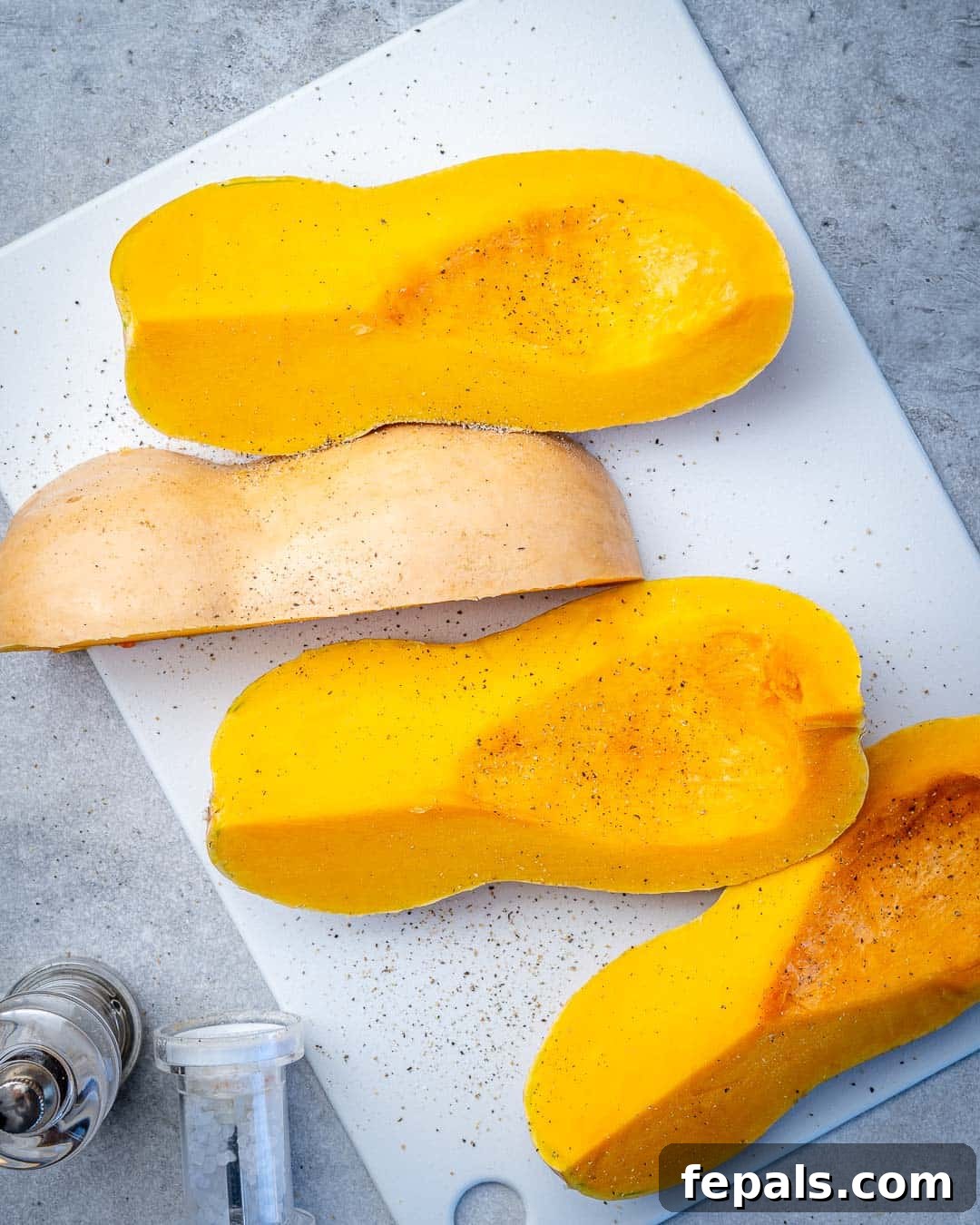
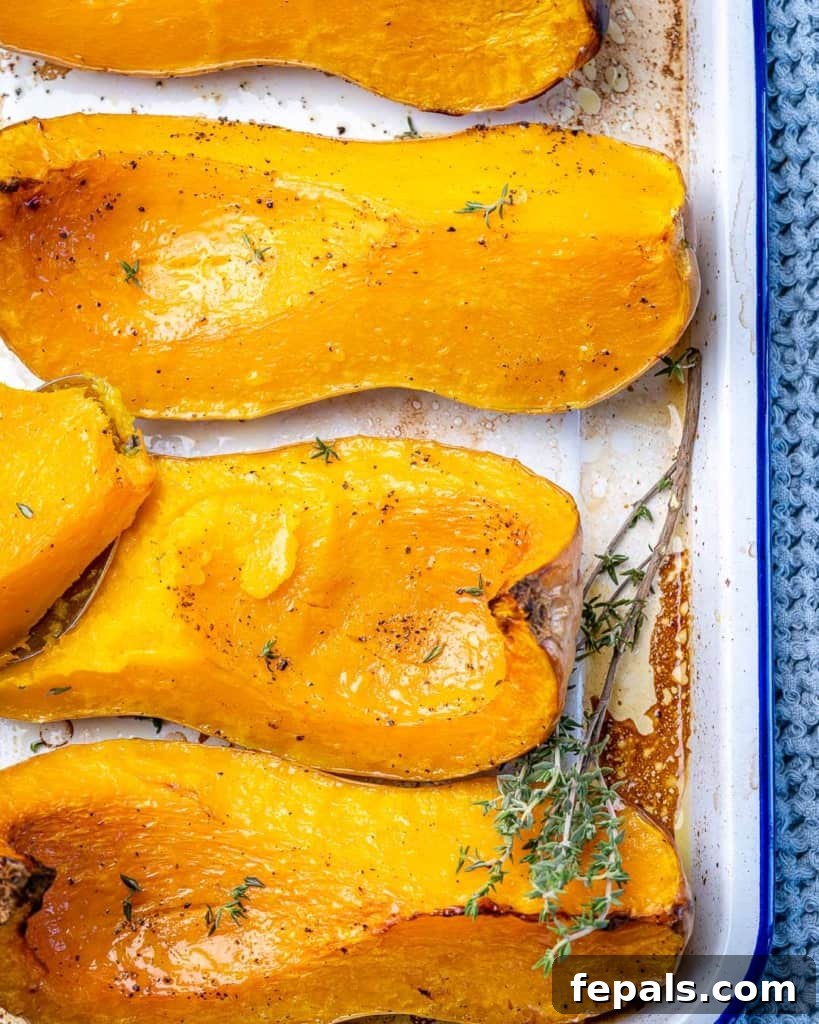
- 4. Season and Arrange: Place the butternut squash quarters, cut-side up, into a large baking dish or a rimmed sheet pan. For easier cleanup, you may line your pan with parchment paper. Drizzle the squash generously with olive oil, then sprinkle evenly with kosher salt and freshly ground black pepper. Use your clean hands to gently rub the oil and seasonings all over the squash, ensuring every surface is coated for maximum flavor.
- 5. Add Water: Pour about ¼ cup of water into the bottom of the baking dish, taking care not to pour it directly over the squash. This small amount of water will create steam, helping the squash cook through and become tender without drying out, especially in the initial stages of roasting.
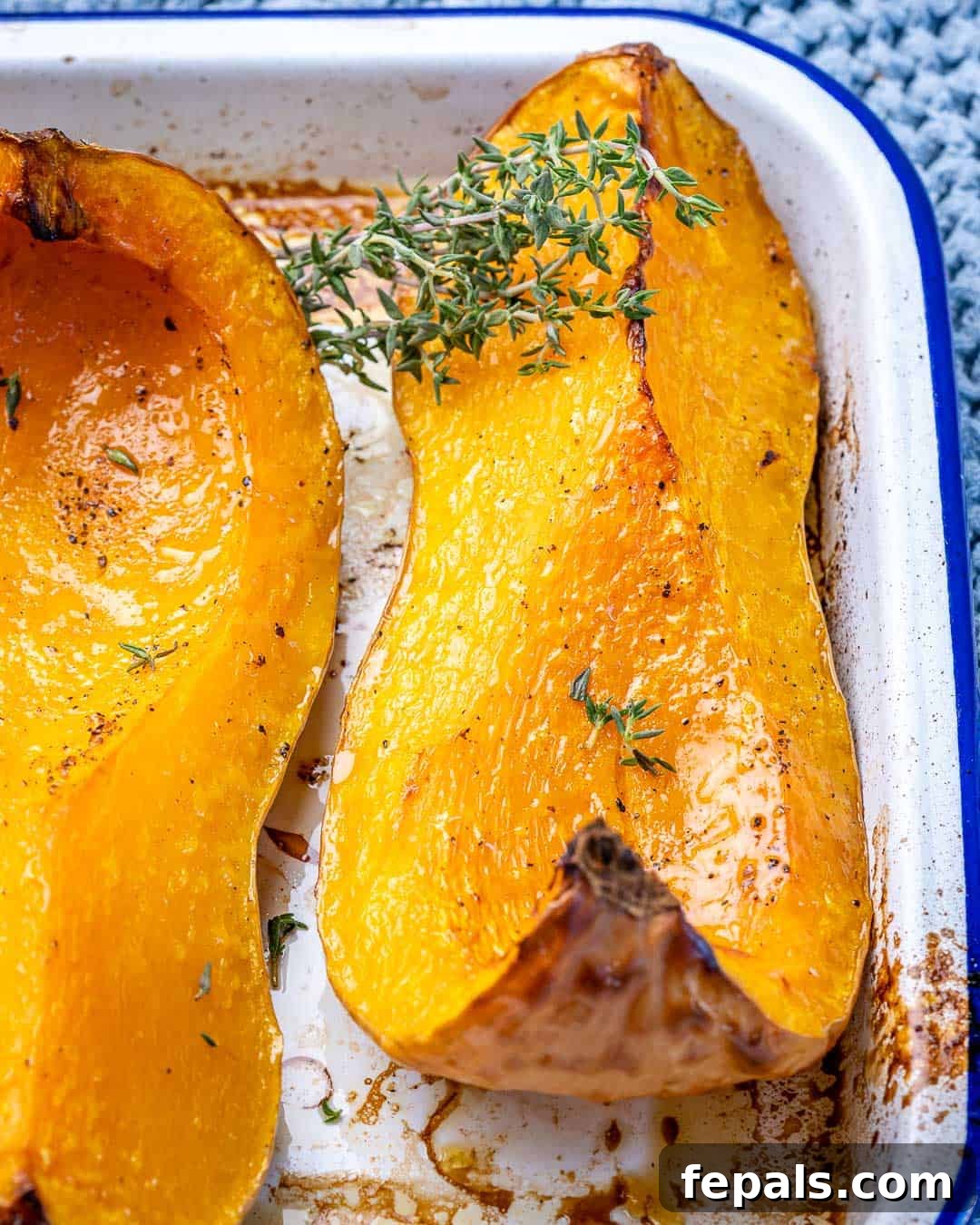
- 6. Roast to Perfection: Transfer the baking dish to your preheated oven and roast for 35-45 minutes. The squash is done when it is fork-tender and begins to turn golden brown around the edges. Cooking times can vary based on the size of your squash and your oven.
- 7. Monitor Water Level: During the roasting process, periodically check the water level in the bottom of the dish. If it has completely evaporated, add a small splash more (about 1-2 tablespoons) to maintain a moist environment. However, avoid adding too much, as excessive water will prevent the squash from achieving that desirable caramelization on the top.
- 8. Broil for Golden Finish: For that perfect golden, slightly crispy top, switch your oven to the broiler setting for the last couple of minutes of cooking. Keep a close eye on it, as broiling can quickly go from golden to burnt. This step is optional but highly recommended for an irresistible finish.
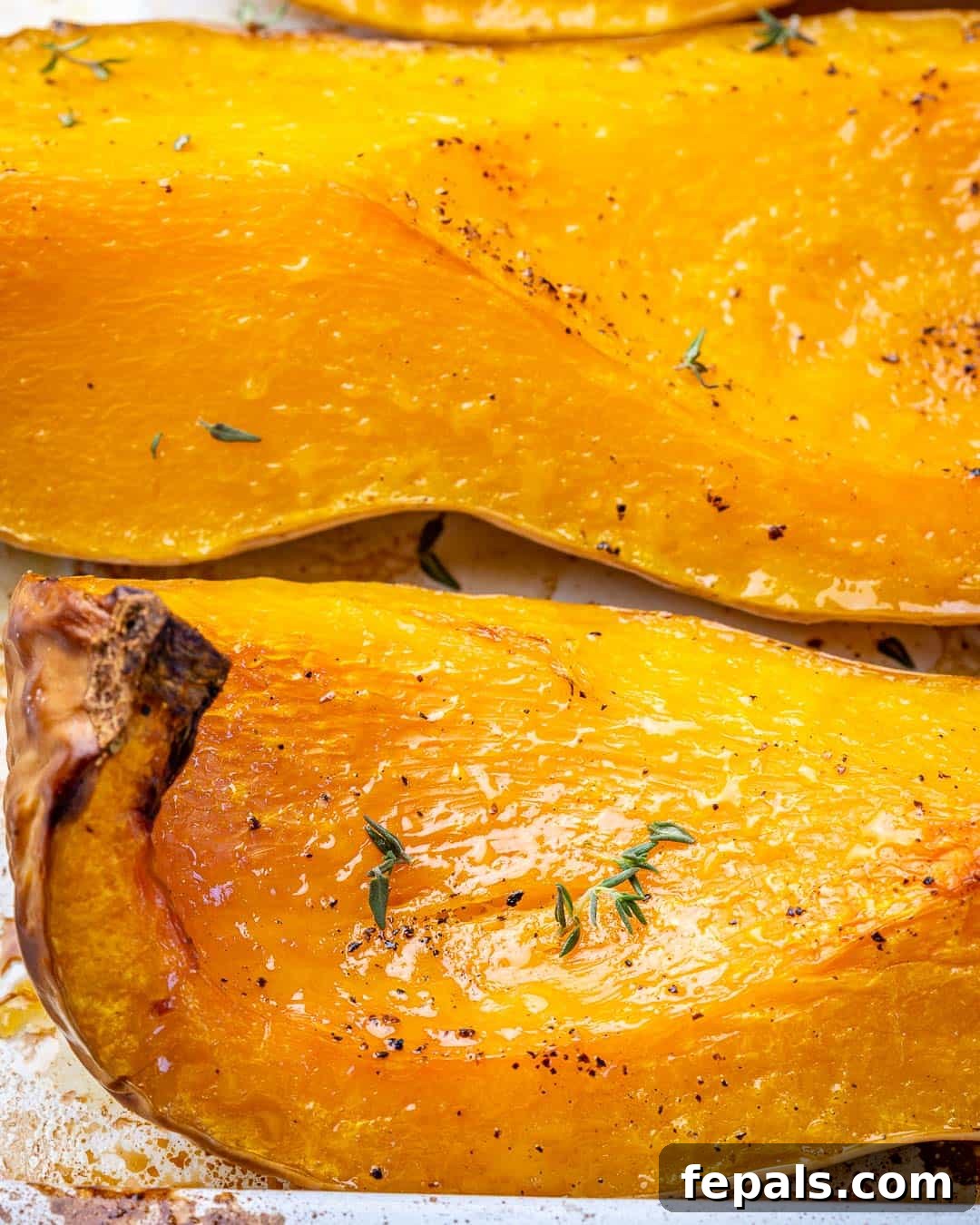
- 9. Serve and Enjoy: Once beautifully golden and tender, remove the squash from the oven. Let it cool slightly, then serve warm. Enjoy your perfectly oven-roasted butternut squash!
Expert Recipe Tips for Flawless Butternut Squash
Achieving perfectly roasted butternut squash is easy with a few key pointers. These tips will help you create a dish that’s consistently tender, flavorful, and beautifully caramelized.
- Choosing the Right Butternut Squash: Select squash that feels heavy for its size, indicating a dense and flavorful flesh. Look for smooth, unblemished skin without any soft spots, bruises, or punctures. A deeper tan color usually means a riper and sweeter squash.
- To Peel or Not to Peel: When roasting butternut squash in large wedges or halves, peeling is often optional. The skin will soften significantly during the baking process, allowing the tender flesh to be easily scooped out or eaten directly off the skin. However, if you plan to dice the squash into smaller cubes for a different application, it’s best to peel it first for uniform texture.
- Safe and Easy Cutting: Butternut squash can be tough to cut. Always use a **sharp chef’s knife** and exercise extreme caution to protect your fingers. A helpful trick is to microwave the whole squash for 1-2 minutes before cutting. This softens the skin and makes it much easier and safer to slice through. Alternatively, you can slice a small portion off the top and bottom to create flat, stable surfaces.
- The Water Balance Act: The small amount of water added to the baking dish is crucial for tenderizing the squash without drying it out. However, be mindful not to add too much water. An excess of liquid will create too much steam, hindering the squash from caramelizing properly and developing that delicious golden-brown crust. Add just enough to cover the bottom of the pan, and replenish sparingly if it fully evaporates.
- The Secret to Golden Perfection: Broiling! For that irresistible golden, slightly crispy, and caramelized exterior that truly elevates roasted squash, a quick stint under the broiler at the very end is key. Watch it carefully, as broiler temperatures are high, and it can go from perfect to burnt in a matter of seconds. This final step is often considered the best part of the squash!
- Enhancing Flavor: Don’t hesitate to experiment with herbs and spices. Rosemary, thyme, sage, or a pinch of cinnamon or nutmeg can beautifully complement the squash’s natural flavors.
- Versatile Uses for Roasted Squash: Roasted butternut squash is fantastic on its own, but it’s also a wonderful ingredient in other dishes. Use it to make a creamy Butternut Squash Mushroom Risotto, a comforting Butternut Squash Soup, or a hearty Chickpea Butternut Squash Curry. It can also be mashed, pureed, or added to grain bowls.
Creative Topping and Serving Ideas
While **Oven-Roasted Butternut Squash** is absolutely delicious all on its own, it also serves as an excellent canvas for a variety of delightful toppings and serving companions. Here are some ideas to inspire your culinary creativity and enhance your meal:
- Spice It Up: Enhance the squash’s natural sweetness with warm spices like a sprinkle of cinnamon, nutmeg, or allspice. For a surprising kick, a tiny pinch of cayenne pepper or red pepper flakes can add a wonderful contrast.
- Sweet Sensations: Lean into the squash’s inherent sweetness with a drizzle of pure maple syrup, honey, or agave nectar. A light sprinkle of brown sugar during the last 10 minutes of roasting will create a delightful, sticky glaze.
- Fresh Herbs: Elevate the aroma and taste with fresh, vibrant herbs. Chopped rosemary, thyme, or sage pair beautifully with the earthy notes of butternut squash. A garnish of fresh parsley or chives at the end adds a touch of brightness.
- Nutty Crunch: Add a pleasant textural contrast with chopped nuts. Toasted walnuts, pecans, pine nuts, or even pumpkin seeds offer a satisfying crunch and an extra layer of flavor.
- Cheesy Indulgence: For a savory twist, consider a sprinkle of cheese. Crumbled goat cheese or tangy feta can add a lovely creaminess and salty counterpoint. For a richer flavor, shredded Gruyere or a dusting of Parmesan cheese will melt beautifully over the warm squash.
- Boosted Protein: Transform this side into a more substantial meal by adding shredded chicken, pulled pork, or crispy bacon bits. For a plant-based protein boost, roasted chickpeas or lentils would be excellent.
- Citrus Brightness: A squeeze of fresh lemon or lime juice just before serving can cut through the richness and add a refreshing zest.
Frequently Asked Questions About Roasted Butternut Squash
Generally, when roasting butternut squash in larger pieces like halves or wedges, you do not need to remove the skin beforehand. The skin will become tender and soft during the baking process, and the cooked flesh easily separates from it. Many people even enjoy eating the softened skin for added fiber and nutrients. However, if you are planning to cut the squash into small cubes for roasting or for a different recipe (like a stir-fry or salad), it is usually recommended to peel the skin first for a more consistent texture.
Roasted butternut squash is incredibly versatile and pairs well with a wide range of dishes. It makes a fantastic side dish for various chicken recipes, such as our Lemon Garlic Oven-Roasted Whole Chicken or Honey Mustard Chicken Breasts. It’s also excellent with pork, fish, or other roasted vegetables. Beyond a traditional side, you can incorporate it into pasta dishes, add it to fresh green salads for extra sweetness and texture, or build a wholesome meal around it in a grain or quinoa bowl, like our Easy Quinoa Vegetable Bowl or this vibrant Black Bean Quinoa Salad. Don’t forget it’s also delicious mashed or pureed!
To store leftover roasted butternut squash, allow it to cool completely to room temperature. Then, transfer it to an airtight container and refrigerate for 3-4 days. You can easily reheat it in the microwave until warm, or for a crispier texture, spread it on a baking sheet and warm it in the oven at 350°F (175°C) for about 10-15 minutes.
Absolutely! You can prepare the butternut squash by cutting it, scooping out the seeds, and even seasoning it a day or two in advance. Store the cut and seasoned squash in an airtight container in the refrigerator until you’re ready to roast it. This can save you valuable time on a busy cooking day.
More Delicious Squash Recipes
Butternut squash is just one of many amazing varieties of squash perfect for delicious meals. Explore these other fantastic squash-centric recipes:
- Honey Roasted Butternut Squash
- Butternut Squash Mac and Cheese
- Healthy Butternut Squash Casserole
- Wild Rice and Squash Pilaf Stuffing
- Maple Roasted Butternut Squash
- HasselBack Butternut Squash Recipe
Loved this recipe? Pin it now to save for later!
Pin It
You May Also Like These Healthy Recipes
If you enjoyed this simple and healthy butternut squash recipe, you’ll love these other nutritious and easy-to-make dishes from our collection:
- Baked Smashed Sweet Potatoes
- Pumpkin Hummus
- Cheesy Garlic Bread
- Chicken and Rice Meal Prep
- Roasted Honey Glazed Carrots
- Grilled Lemon Garlic Asparagus
- Herbed Potato Salad
- Pumpkin Mac and Cheese
Get my free eBook!
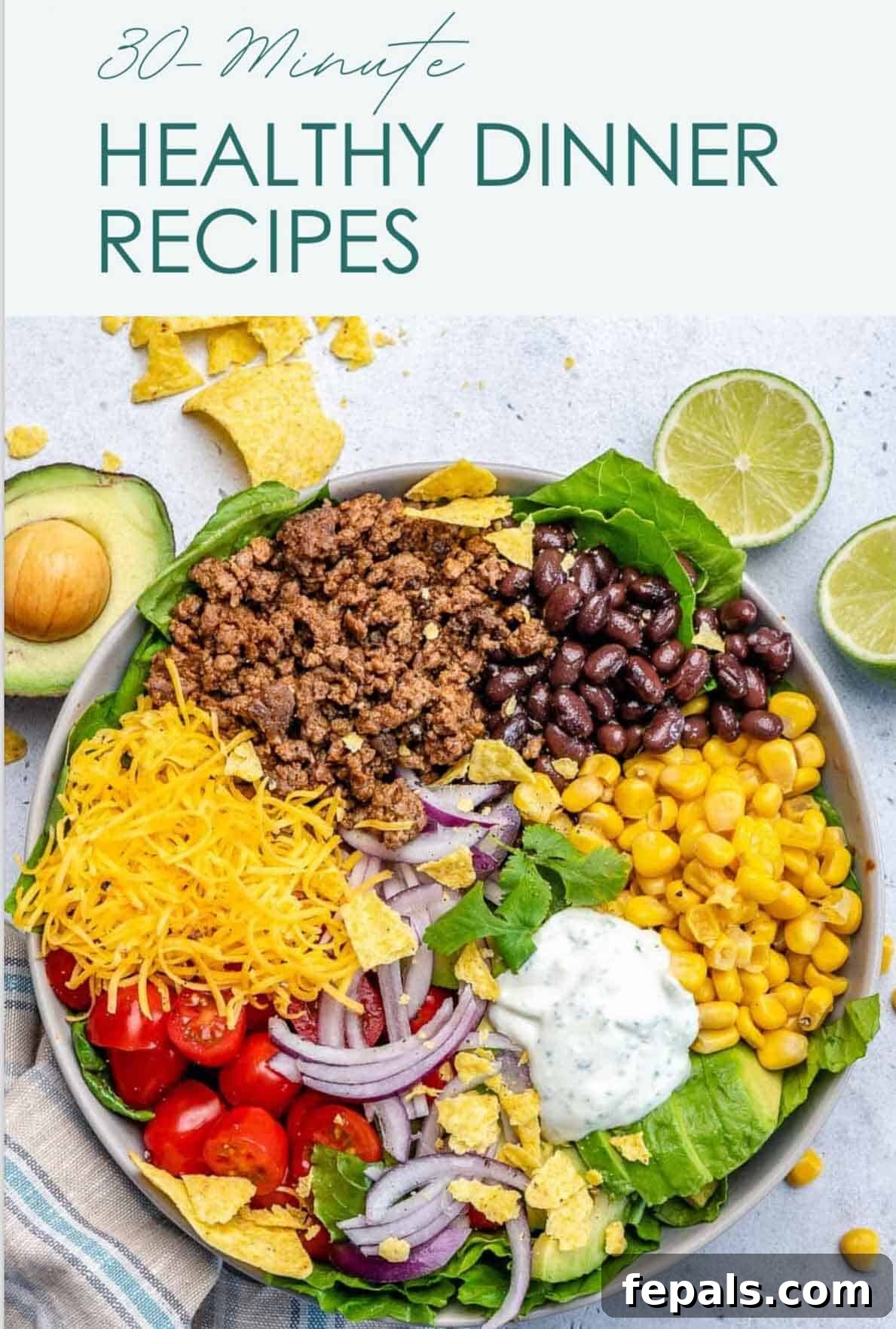
Grab my free ebook featuring 20 of my top 30-minute family-friendly healthy dinner recipes. Simply provide your name and email to download your copy instantly!
(Note: Original form functionality has been removed. Please check the website for actual ebook download.)
If you try this recipe and love it, please take a moment to leave some feedback in the comment section below, and don’t forget to rate it! Your support means the world, and I would be thrilled if you shared this delicious recipe with your friends and family.
FOLLOW me on FACEBOOK | INSTAGRAM | PINTEREST | TWITTER for all of my latest blog posts and fresh recipes.
Oven-Roasted Butternut Squash
Rena
4 -6
10 mins
45 mins
52 mins
Pin Recipe
Print Recipe

Equipment
-
Chef’s knife
-
Cutting board
-
Baking dish or Rimmed sheet pan
Ingredients
- 1 medium to large butternut squash
- 2 tablespoons olive oil
- 1/2 teaspoon kosher salt
- 1/4 teaspoon freshly ground black pepper
- About ¼ cup water
Instructions
-
Preheat the oven to 400F (200°C).
-
Carefully cut the butternut squash in half. Scoop out the seeds and discard them, then cut them again to have four long wedges or quarters. Peeling is optional for large wedges.
-
Place the quarters, cut side up, into a baking dish or a rimmed sheet pan. Drizzle with olive oil and generously sprinkle with kosher salt and freshly ground black pepper.
-
Using your clean hands, give it a quick rub all over to ensure even seasoning. Pour about ¼ cup water into the bottom of the dish, avoiding pouring directly over the squash.
-
Transfer to the preheated oven and roast for 35-45 minutes, or until fork tender and lightly golden.
-
Check periodically to ensure the water hasn’t completely evaporated. Add a tiny splash more water if needed, but be careful not to add too much, as we want the squash to caramelize on top.
-
For a beautiful golden-brown top, broil for a couple of minutes at the very end. Watch carefully to prevent burning. Enjoy immediately!
Notes
- Butternut squash: Choose squash that feels heavy for its size and isn’t bruised or punctured.
- Cutting tip: Use a sharp knife. Microwaving the squash for 1-2 minutes can make it easier to cut.
- Don’t add too much water: Excessive water during baking prevents the top from getting golden brown and caramelized.
- Broil for best results: The secret to a golden, slightly caramelized top is a quick broil at the very end. This adds incredible flavor and texture!
- Storage: Store roasted butternut squash in a sealed container in the fridge for 3-4 days. Reheat in the microwave or oven.
Nutrition
Calories:
147kcal
Carbohydrates:
22g
Protein:
2g
Fat:
7g
Saturated Fat:
1g
Sodium:
299mg
Potassium:
660mg
Fiber:
4g
Sugar:
4g
Vitamin A:
19931IU
Vitamin C:
39mg
Calcium:
90mg
Iron:
1mg
Nutrition information is automatically calculated, so should only be used as an approximation.
Additional Info
Side Dish
American
Tried this recipe?
Mention @healthyfitnessmeals or tag #healthyfitnessmeals!