
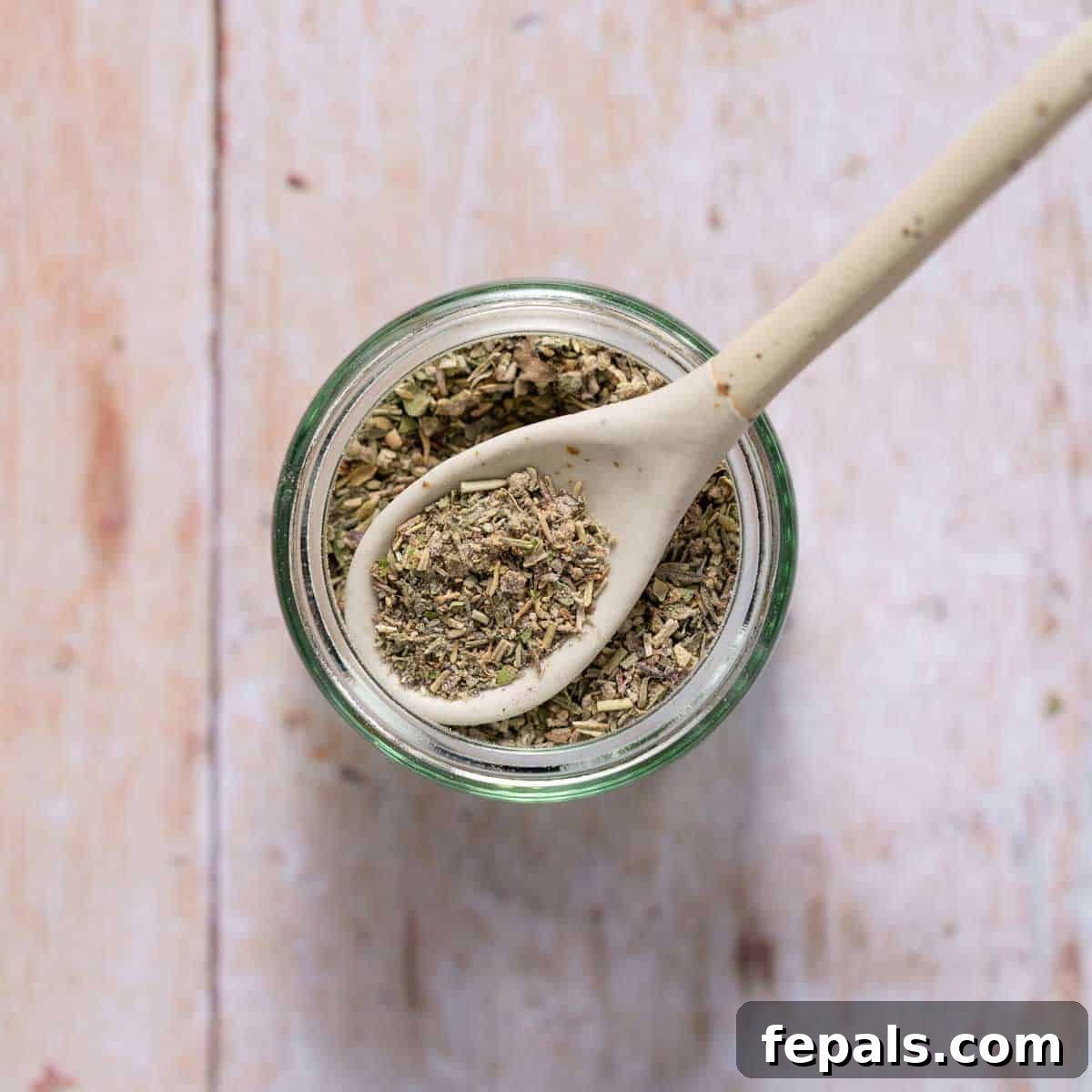
Unlock a world of aromatic flavors with a simple, homemade poultry seasoning blend! This incredible spice mix is not just for chicken and turkey; it’s a versatile game-changer for a myriad of dishes, including plant-based and vegan recipes. Forget store-bought blends filled with anti-caking agents and excessive sodium. Crafting your own poultry seasoning at home is quick, incredibly easy, and ensures you have a fresh, robust batch ready whenever culinary inspiration strikes. Prepare to transform everyday meals into extraordinary feasts with this essential pantry staple.
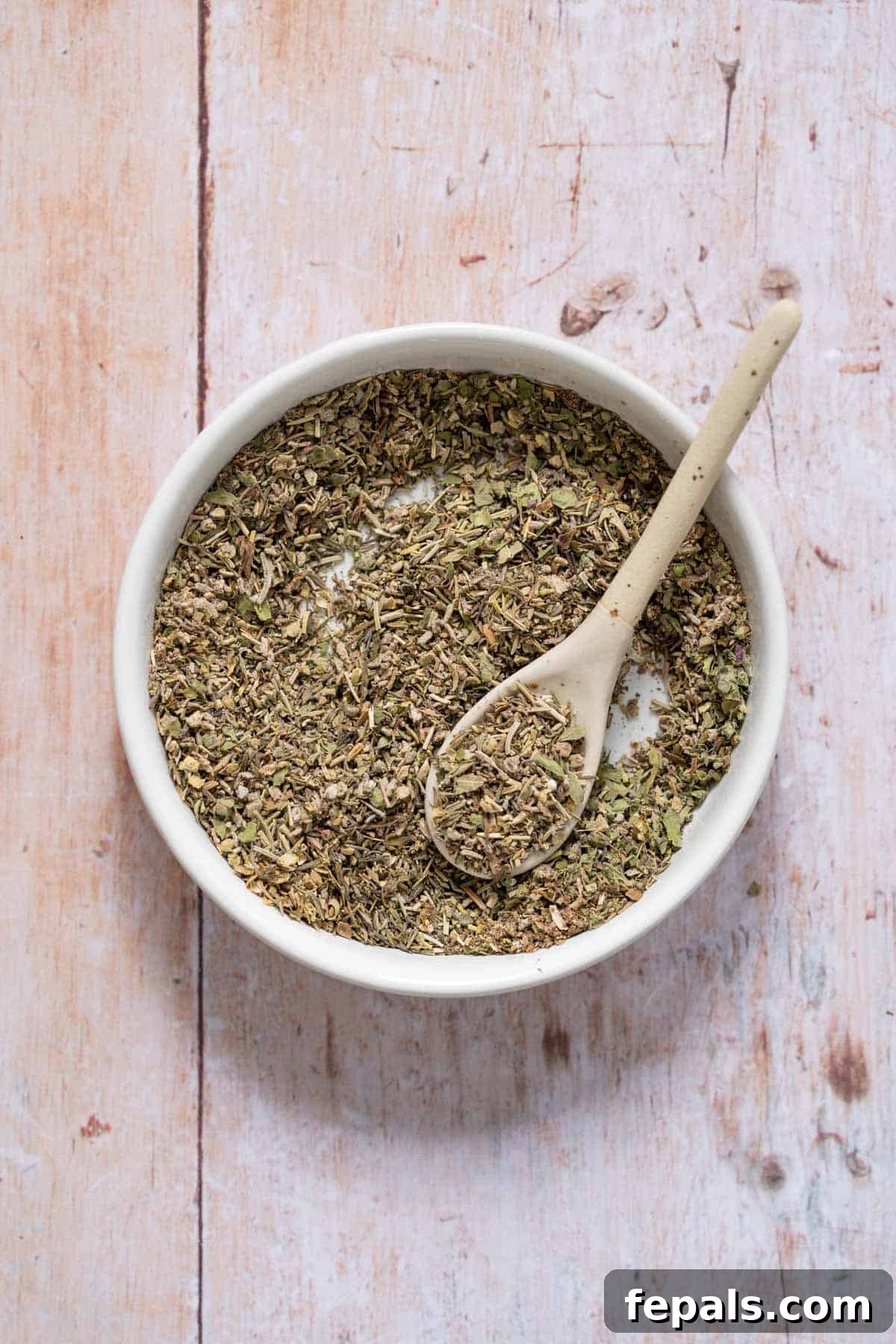
A truly exceptional homemade poultry seasoning relies on a carefully selected blend of earthy, savory, and subtly sweet herbs that collectively elevate any dish. Whether you’re preparing a grand Thanksgiving turkey, roasting a weeknight chicken, or adding depth to a vegetarian stew, this seasoning recipe will become your go-to. The beauty of making your own is the control you gain over the quality and freshness of ingredients, ensuring every meal is infused with the purest, most vibrant flavors.
Sourcing the ingredients for this magical mix is refreshingly simple. A quick trip down the spice aisle of your local grocery store is all it takes to gather the dried herbs that will unlock a new dimension of taste in your cooking. The best part? Dried spices and herbs boast an impressive shelf life when stored correctly, meaning one batch of this homemade blend can last for months, providing convenient, grab-and-go flavor enhancement whenever you need it. Say goodbye to last-minute seasoning searches and hello to a perfectly balanced, custom-made blend always at your fingertips.
Why Choose Homemade Poultry Seasoning?
There are countless reasons to swap your store-bought blends for a homemade version. First and foremost, freshness is unmatched. Dried herbs, while shelf-stable, gradually lose potency over time. By combining individual, high-quality herbs, you ensure that your seasoning is as fresh and aromatic as possible, resulting in a more flavorful final dish.
Secondly, customization is key. Do you prefer a sage-forward profile, or perhaps a more garlicky kick? Making your own blend allows you to adjust the ratios to perfectly suit your palate. You can even introduce other spices not typically found in commercial blends, tailoring it to specific culinary needs or dietary restrictions.
Finally, cost-effectiveness and ingredient control are significant benefits. Buying individual spices can often be more economical in the long run than repeatedly purchasing pre-mixed blends, especially if you use these herbs frequently in other recipes. Moreover, you avoid common additives found in many commercial seasonings, such as anti-caking agents, excess salt, and artificial flavors, ensuring a cleaner, healthier option for your family.
What Exactly Is Poultry Seasoning Made Of?
Traditional poultry seasoning is a harmonious blend of herbs commonly associated with the rich, savory flavors of roasted chicken and turkey. While specific ratios can vary, the core ingredients typically include sage, thyme, marjoram, rosemary, and sometimes a touch of nutmeg and black pepper. Our comprehensive homemade recipe expands on this classic foundation by incorporating additional aromatics like oregano, garlic powder, and basil, creating an even more vibrant and versatile mix that can enhance a wider array of savory dishes.
This blend is designed to complement the natural flavors of poultry without overpowering them, offering a balance of earthy, herbaceous, and slightly peppery notes. The warmth of nutmeg adds a subtle sweet undertone, while garlic powder provides a foundational savory depth that is universally loved.
Essential Ingredients for the Perfect Blend
The beauty of this homemade chicken seasoning is that its components are likely already residing in your spice rack. Each ingredient plays a crucial role in creating the complex, well-rounded flavor profile that makes this blend so irresistible. Here’s a closer look at the stars of our mix:
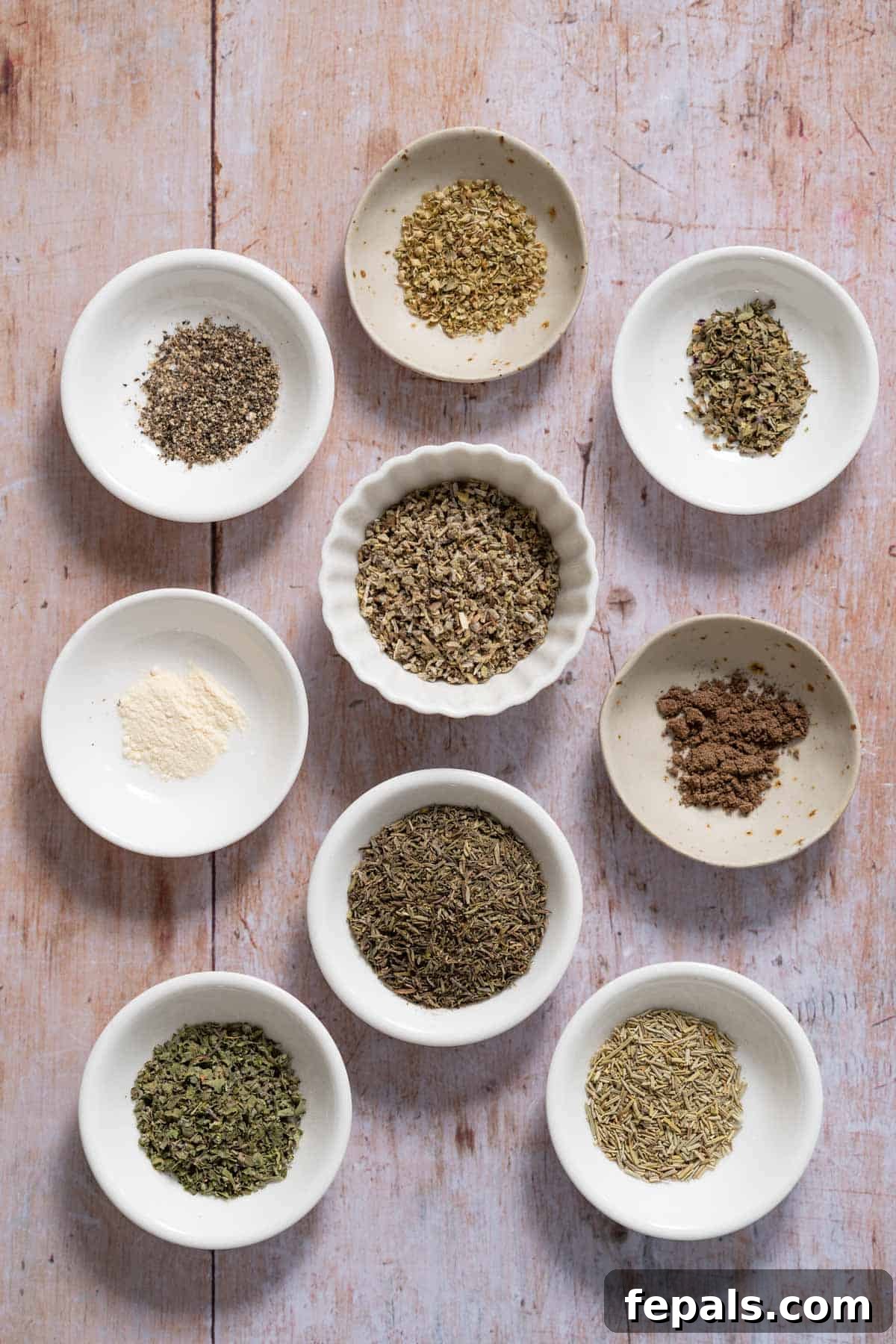
- Dried Sage: Often considered the backbone of poultry seasoning, dried sage contributes a deeply earthy, slightly peppery, and incredibly aromatic flavor. Its smooth yet robust character is essential for that classic savory taste that pairs so perfectly with all types of poultry and roasted vegetables.
- Dried Thyme: This fragrant herb is a true workhorse in the kitchen. Dried thyme adds a delicate, earthy, and slightly minty note that beautifully balances the stronger flavors of other herbs. It integrates seamlessly into dishes, imparting a subtle yet persistent aroma.
- Marjoram: Closely related to oregano but milder and sweeter, marjoram offers a unique semi-sweet, almost floral flavor with a hint of citrus. It enriches the overall taste of the seasoning, adding a layer of warmth and complexity that makes the blend truly special.
- Dried Rosemary: Known for its pungent, piney, and woody aroma, dried rosemary brings an intensely savory and slightly bitter note to the blend. It’s incredibly flavorful and adds a distinctive character that is indispensable for a hearty poultry seasoning. Ensure it’s dried for optimal texture in the mix.
- Oregano: Adding a bolder, more peppery, and slightly bitter flavor than marjoram, dried oregano delivers an “extra punch” that rounds out the herbaceous notes. It complements the other ingredients, contributing to the overall Mediterranean-inspired profile.
- Garlic Powder: A staple in nearly all savory cooking, garlic powder provides a fundamental savory depth and a touch of zest. It enhances all the other flavors, making the seasoning more exciting and universally appealing without the moisture of fresh garlic.
- Ground Nutmeg: Just a touch of ground nutmeg introduces a layer of warm, sweet, and slightly spicy notes. This cozy addition provides an unexpected richness and aromatic complexity, elevating the seasoning beyond a purely savory blend.
- Black Pepper: Freshly cracked or ground black pepper is crucial for adding a sharp, piquant finish. It ties all the different herbs and spices together, providing a subtle heat and rounding out the flavor profile. Adjust to your preference for a milder or bolder kick.
- Dried Basil: This leafy, dried herb boasts a robust, slightly sweet, and peppery aroma. Dried basil pairs wonderfully with the other fragrant herbs, contributing a fresh, aromatic dimension that brightens the entire blend.
How Do You Make Homemade Poultry Seasoning?
Creating your own signature poultry seasoning is incredibly straightforward, requiring minimal effort for maximum flavor impact. Follow these simple steps to prepare your custom blend:
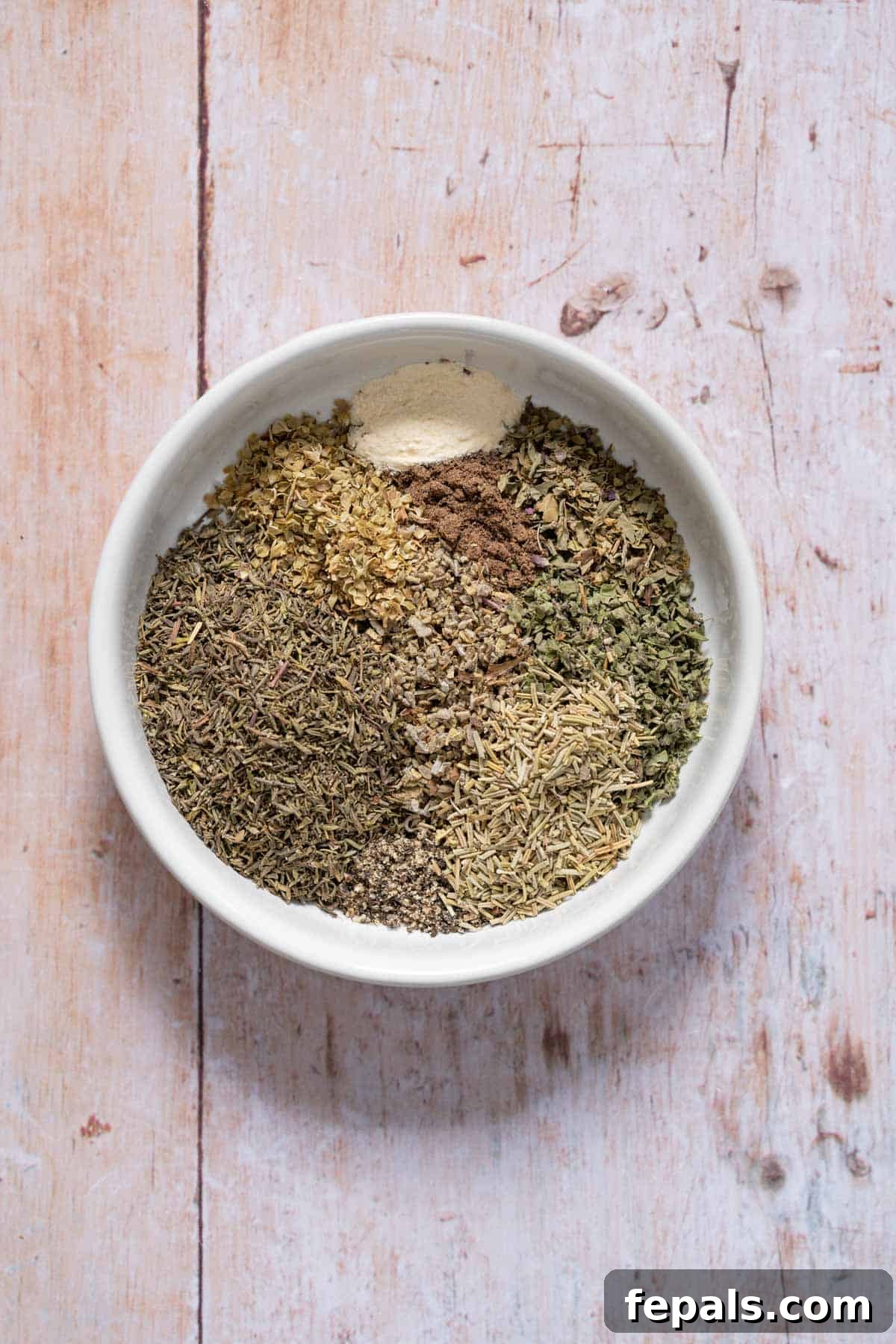
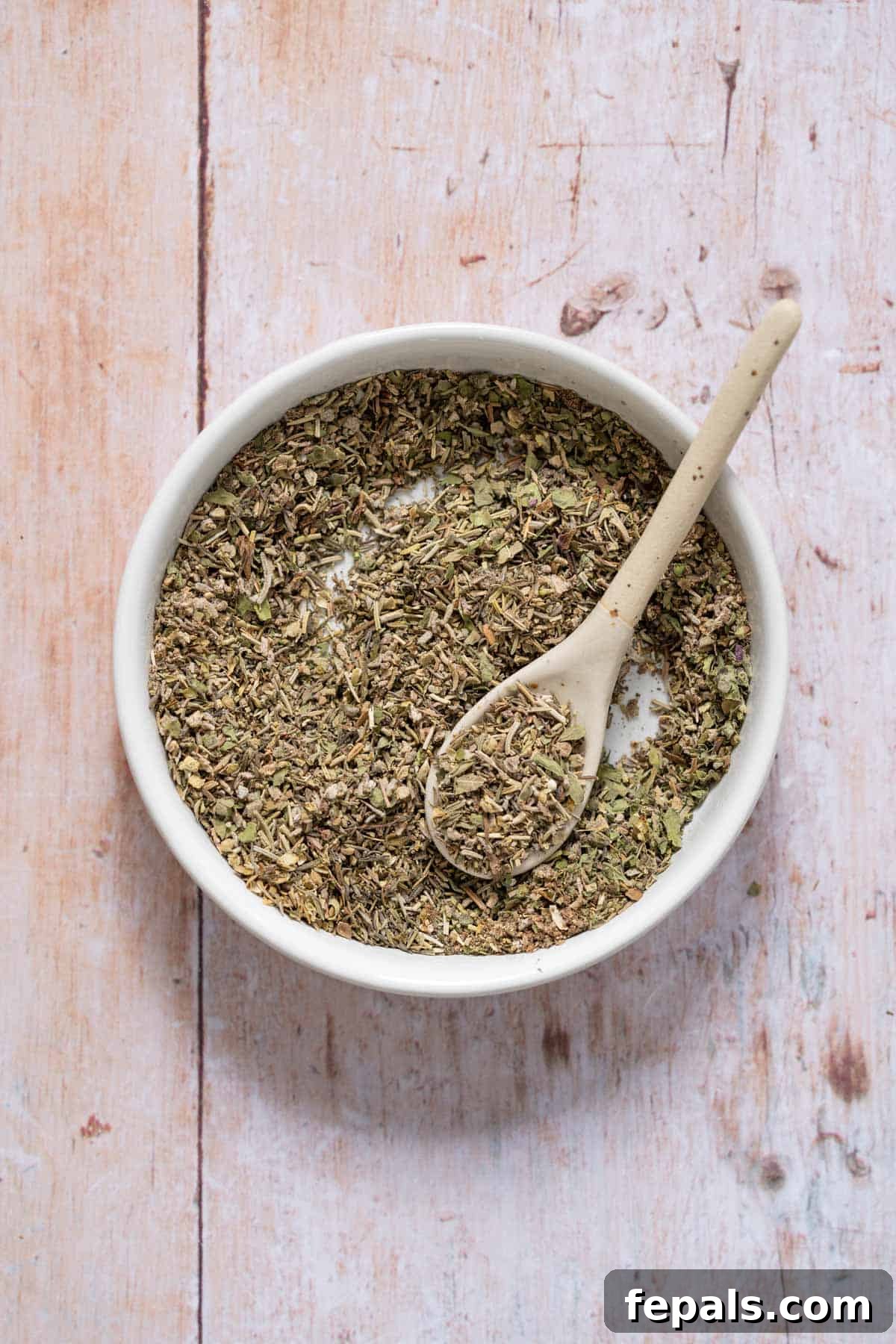
Step 1: Gather Your Ingredients. Before you begin, ensure all your dried herbs and spices are measured out and readily accessible. Having everything prepped makes the mixing process seamless and efficient.
Step 2: Combine and Mix. Carefully add all the measured ingredients to a shallow bowl or a plate with raised edges. Using a spoon or a small whisk, gently but thoroughly mix all the herbs and spices together. Continue mixing until the blend appears uniform, with no single ingredient visibly dominating the others. This ensures an even distribution of flavor in every spoonful.
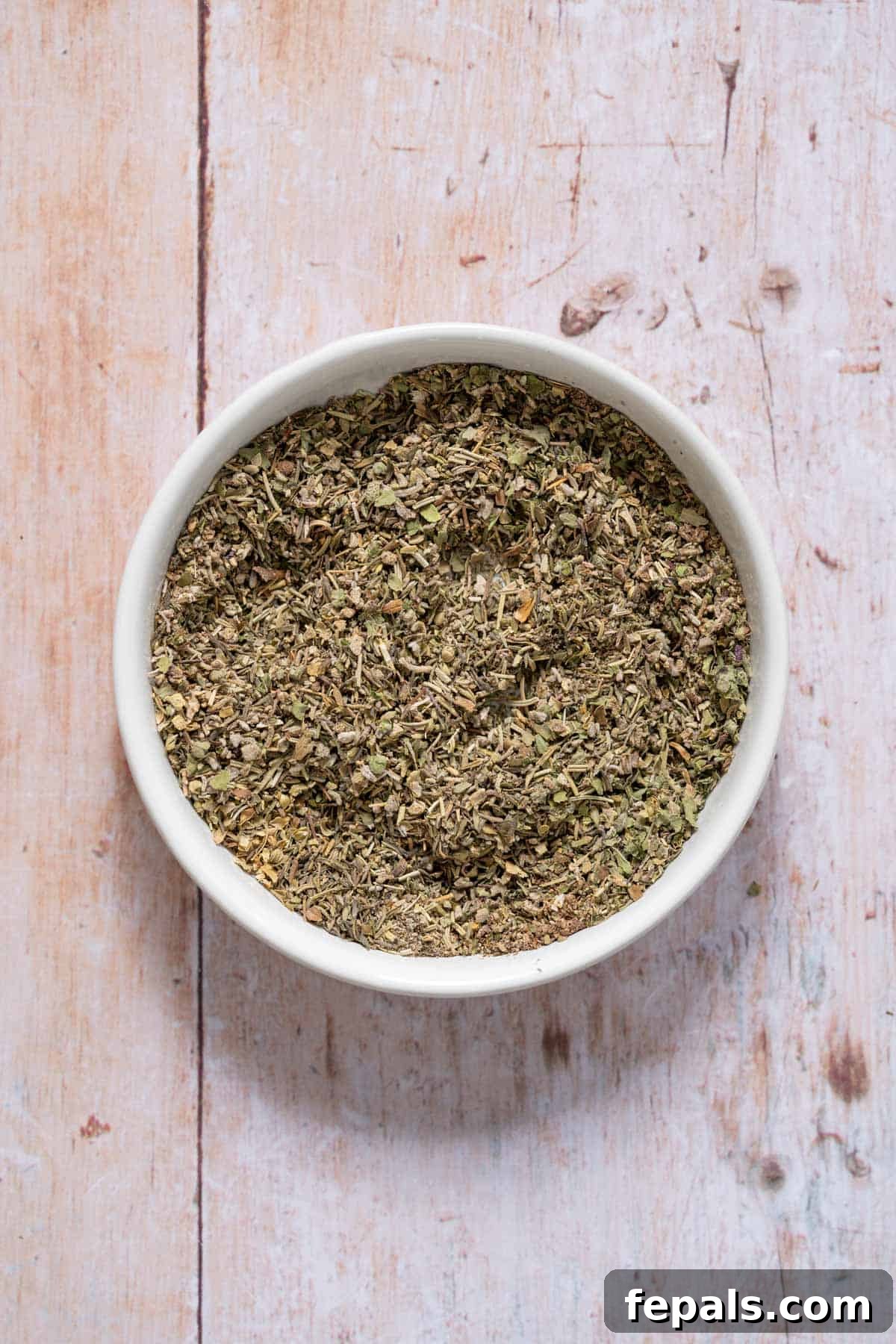
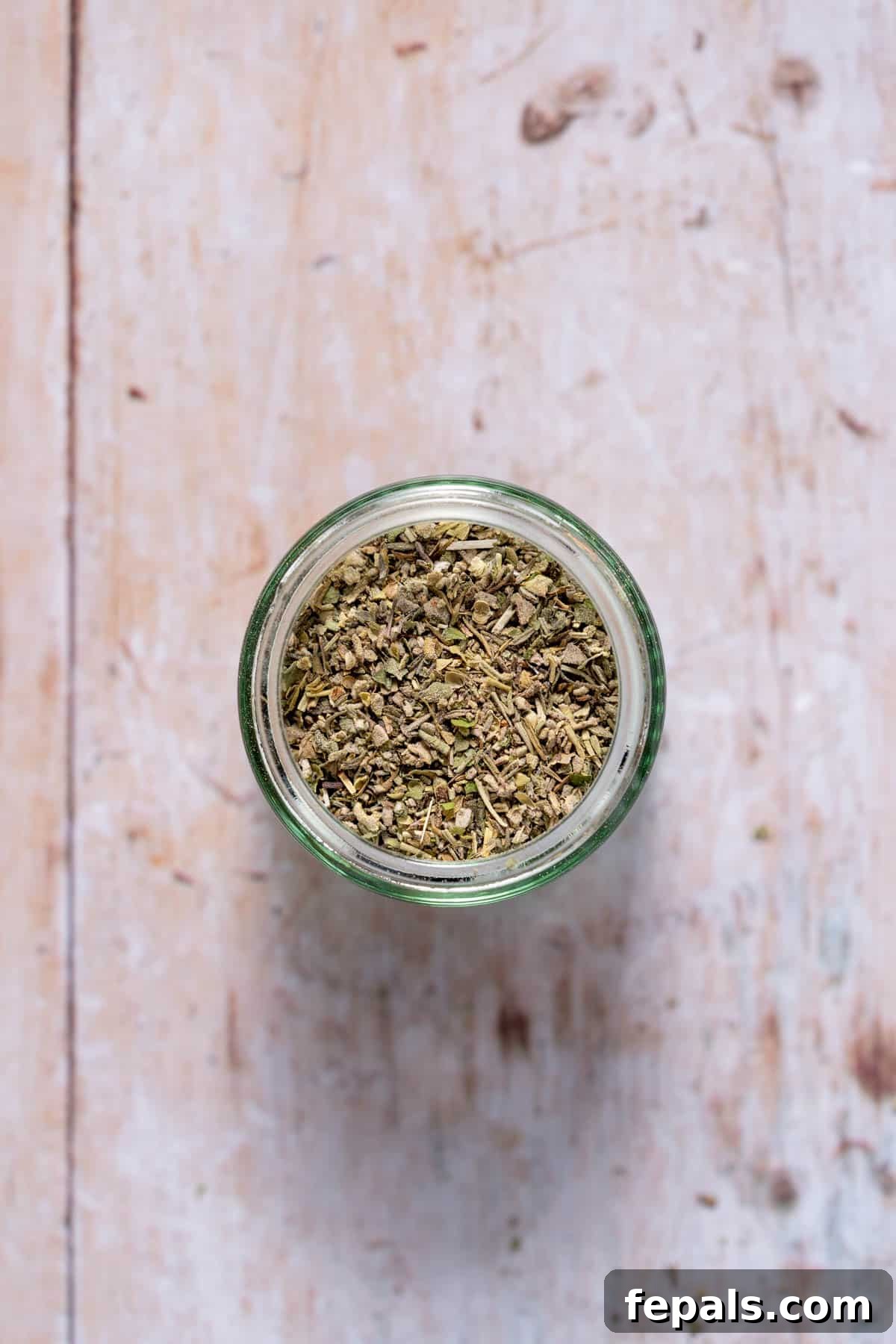
Step 3: Store Properly. Once thoroughly mixed, transfer your fresh homemade poultry seasoning to an airtight jar or container. Store it in a cool, dark place, such as a cupboard or pantry, away from direct sunlight and heat. This careful storage will help preserve the vibrant flavors and potent aromas of your seasoning for an extended period.
Expert Notes and Tips for the Best Results
To ensure your homemade poultry seasoning is always a success and perfectly tailored to your needs, consider these additional tips:
- Flavor Customization is Key: While our recipe provides a fantastic base, don’t hesitate to experiment! If you desire a stronger herbaceous flavor, feel free to slightly increase the amounts of oregano, basil, or garlic powder. Conversely, if you find yourself missing an ingredient, don’t panic. This seasoning is forgiving, and you can still create a delicious blend with fewer components.
- Italian Seasoning Similarity: It’s worth noting that poultry seasoning shares many common herbs with Italian seasoning. In many recipes, especially those for roasted meats, vegetables, or stews, you can often use one in place of the other and still achieve fantastic results.
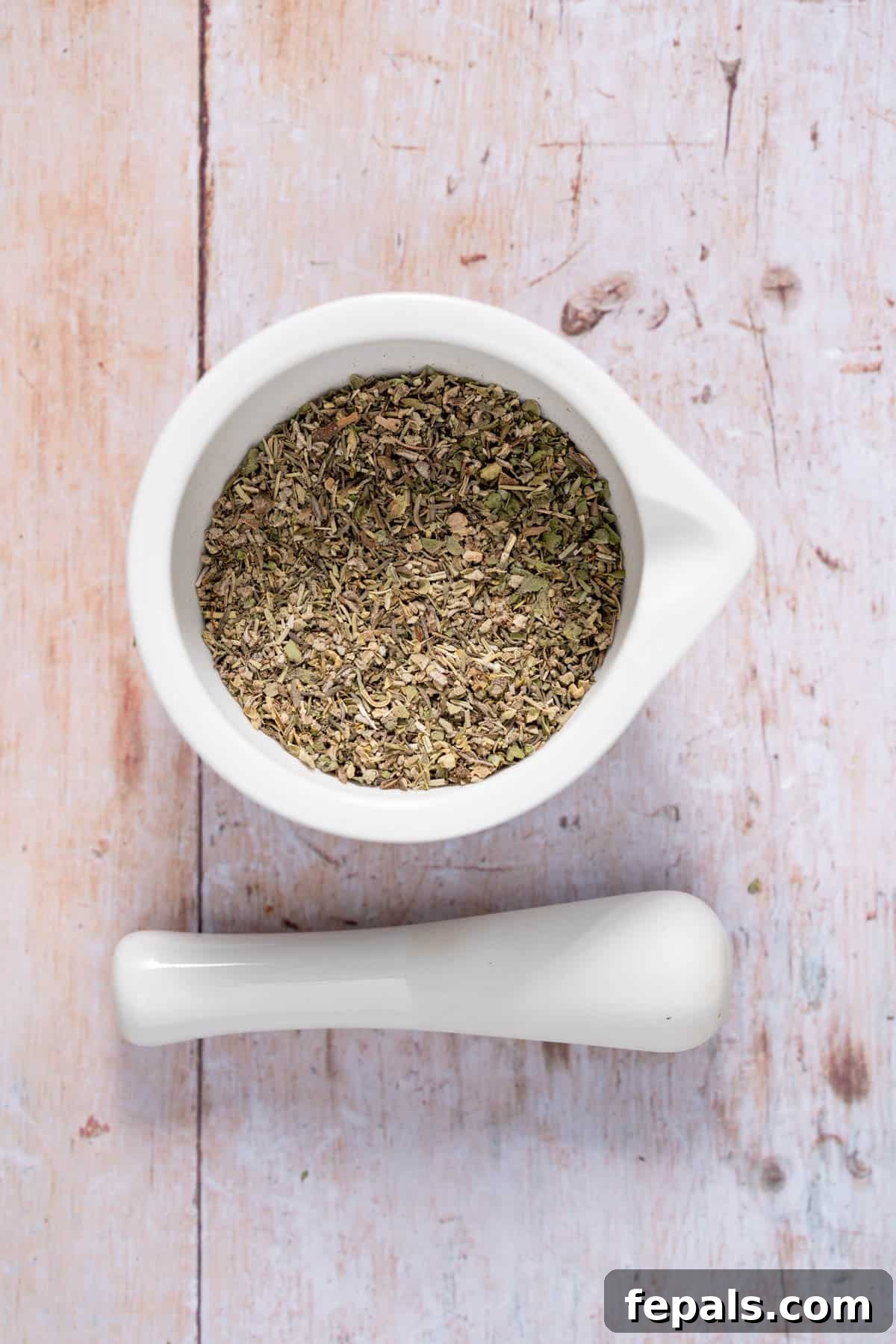
- Achieving a Finer Texture: For a more powdered, finely ground texture that adheres better to meats and penetrates flavors more deeply, consider using an electric spice grinder, a small coffee grinder (dedicated solely for spices), a mini food processor, or a traditional mortar and pestle. This optional step can create a smooth, homogenous powder if preferred over a coarser blend.
- Optimal Freshness and Shelf Life: For the best flavor and potency, aim to use your homemade seasoning within six months of preparation. While dried herbs can last longer, their aromatic compounds diminish over time, leading to a less vibrant taste. Labeling your container with the creation date can be very helpful.
- Storage Best Practices: Always store your seasoning blend in a cool, dark, and dry environment. Humidity, light, and heat are the enemies of dried spices, accelerating their degradation. An opaque, airtight container in a pantry or cupboard is ideal.
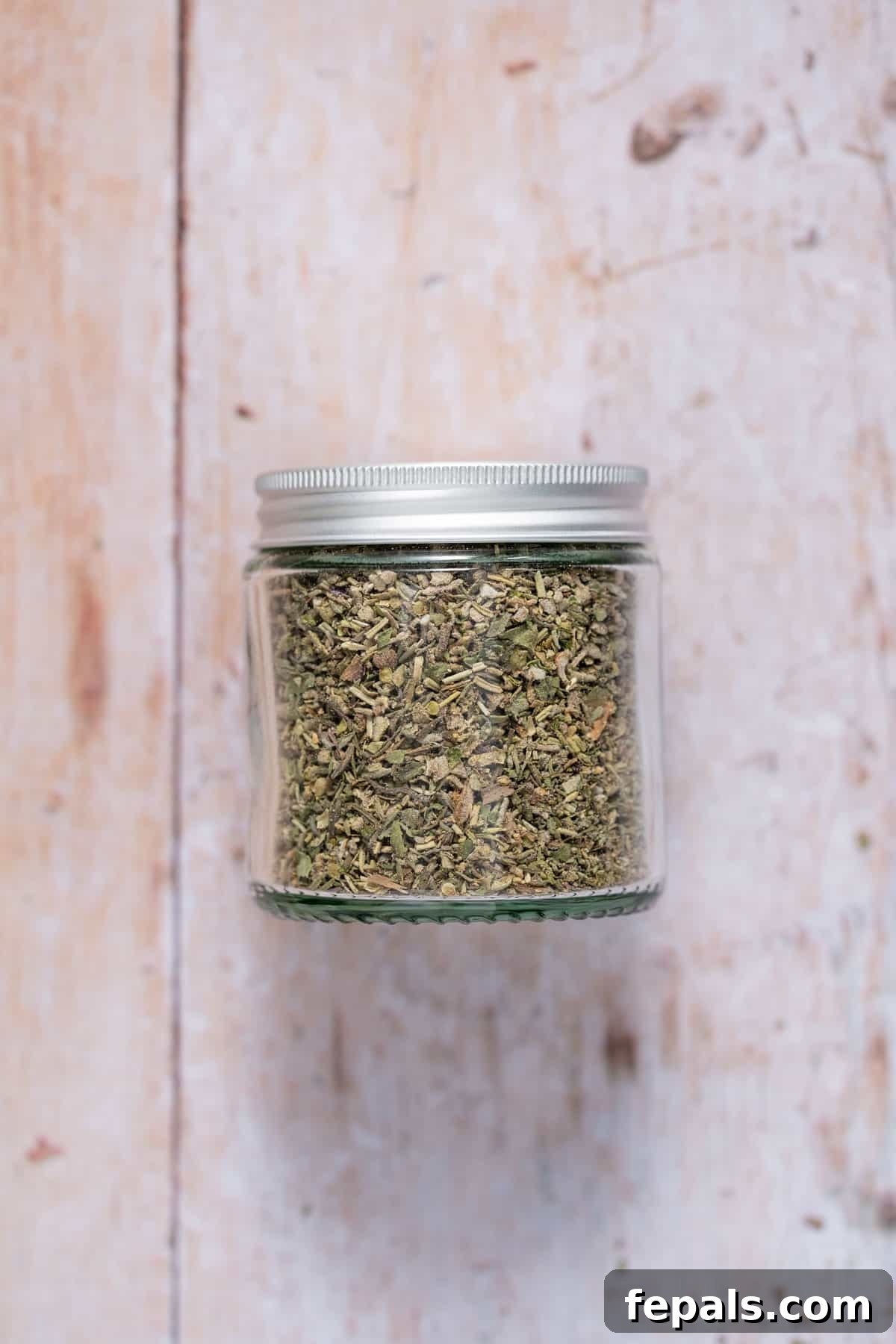
Versatile Ways to Use Your Homemade Poultry Seasoning
The applications for this aromatic blend extend far beyond just poultry. Its balanced flavor profile makes it an incredibly versatile addition to a wide range of dishes:
- Roasted Chicken and Turkey: This is its most classic use! Rub generously over a whole chicken or turkey before roasting for an unforgettable aroma and crispy, flavorful skin.
- Weeknight Dinners: Sprinkle over chicken breasts, thighs, or wings before baking, grilling, or pan-frying. It’s perfect for quick and easy seasoning.
- Root Vegetables: Toss with chopped potatoes, carrots, sweet potatoes, parsnips, or Brussels sprouts before roasting for an enhanced, savory side dish.
- Soups and Stews: Add a teaspoon or two to your favorite chicken noodle soup, vegetable stew, or lentil soup to deepen the flavor.
- Gravy and Stuffing: Essential for Thanksgiving! Incorporate into your homemade gravy or stuffing recipes for that traditional holiday taste.
- Vegan and Vegetarian Dishes: Don’t let the name fool you! This blend is fantastic on tofu, tempeh, roasted chickpeas, or sautéed mushrooms. It adds an umami-rich, savory depth that can mimic meaty flavors.
- Marinades and Rubs: Combine with olive oil, lemon juice, or vinegar to create a flavorful marinade for meats and vegetables.
- Eggs and Breakfast Dishes: A pinch can elevate scrambled eggs, omelets, or even savory breakfast potatoes.
Frequently Asked Questions About Poultry Seasoning
While variations exist, the foundational ingredients for traditional poultry seasoning typically include sage, thyme, marjoram, rosemary, nutmeg, and black pepper. Our recipe expands on this with oregano, garlic powder, and basil for a richer, more complex blend.
There isn’t a single “best” herb, as a diverse blend of aromatics often yields the most compelling results. Herbs like sage, thyme, rosemary, and marjoram are universally praised for their ability to complement chicken, each contributing unique earthy, savory, or slightly sweet notes.
For maximum flavor infusion, generously rub your chicken with a robust spice and herb blend, like this homemade poultry seasoning, well before cooking. Additionally, consider marinating the chicken for several hours or even brining it overnight. These methods allow the flavors to penetrate deeply into the meat, resulting in incredibly juicy and flavorful poultry.
When stored in an airtight container in a cool, dark, and dry place (like a pantry), homemade poultry seasoning maintains its peak flavor and aroma for about six months. After this period, it may still be safe to use, but its potency and flavor profile will gradually diminish.
This recipe is specifically formulated for dried herbs, which offer concentrated flavor and a longer shelf life in a seasoning blend. Fresh herbs have a different moisture content and much milder flavor, so they cannot be directly substituted in the same quantities for a dry mix. If you wish to use fresh herbs, they should be added directly to the dish during cooking, not to the dry blend.
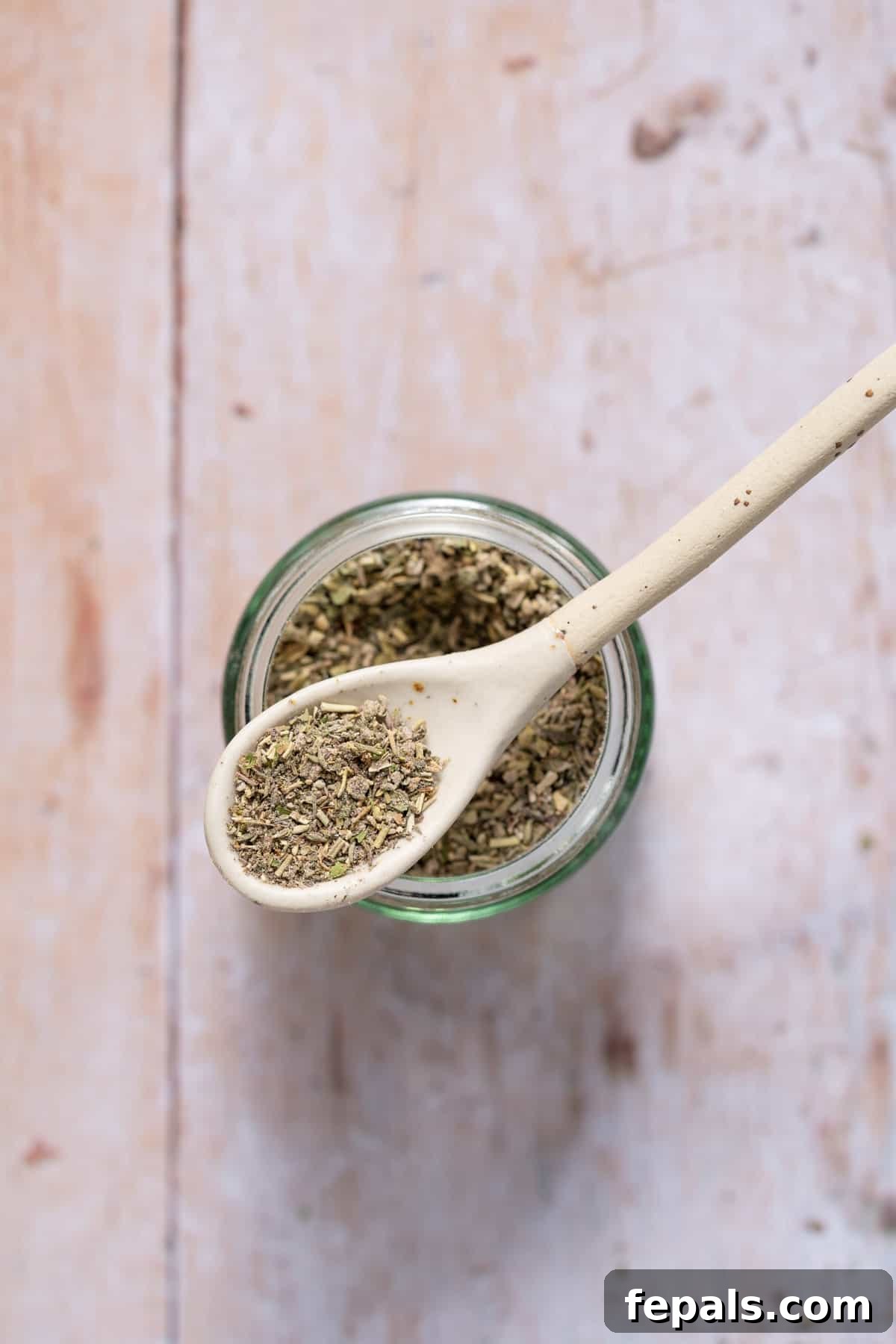
Discover More Homemade Kitchen Staples
If you’ve enjoyed the simplicity and superior flavor of making your own poultry seasoning, you’ll love exploring other DIY kitchen essentials. Crafting your own blends and sauces is a rewarding experience that puts you in control of your ingredients and flavor profile. Here are some other recipes you might enjoy:
- Homemade Taco Seasoning
- How To Make Buffalo Sauce
- Thanksgiving Stuffing
- How To Make Apple Sauce
- Homemade Croutons
We truly hope this guide inspires you to create your own homemade poultry seasoning and elevate your culinary adventures! If you try this recipe and love it, please consider leaving us feedback and a rating in the comment section below. Your thoughts and experiences are invaluable to our community.
Don’t forget to share your delicious creations with friends and family! Finally, use our hashtag #healthyfitnessmeals on INSTAGRAM for a chance to be featured! FOLLOW Healthy Fitness Meals on FACEBOOK | INSTAGRAM | PINTEREST | TWITTER for all of our latest blog posts and recipes.
Homemade Poultry Seasoning
By: Rena |
Yields: 6 Tablespoons
Prep Time: 1 min |
Measuring Ingredients: 3 mins |
Total Time: 4 mins

This homemade poultry seasoning is a delicious, quick, and easy blend that adds incredible flavor to poultry, non-poultry, and vegan recipes. It lasts a long time and is perfect for having on hand!
Ingredients
- 2 Tablespoons dried sage
- 2 Tablespoons dried thyme
- ½ Tablespoon marjoram
- ½ Tablespoon dried rosemary
- 1 teaspoon oregano
- ½ teaspoon garlic powder
- ½ teaspoon ground nutmeg
- ½ teaspoon black pepper
- ½ teaspoon dried basil
Instructions
- Add all the ingredients to a shallow bowl or a plate.
- Mix thoroughly to combine all the ingredients until uniform.
- Transfer to an airtight jar or container and store away from direct sunlight in a cool, dark place.
Notes
- For additional flavor, feel free to increase the amounts of oregano, basil, and garlic powder to your liking. If you don’t have all the spices at home, you can still make a delicious seasoning without them. Poultry seasoning is similar to Italian seasoning, and can often be used interchangeably in most recipes.
- For a finer or powdered texture, you can use an electric spice or coffee grinder, a small food processor, or a mortar and pestle (optional).
- Be sure to use the homemade seasoning within six months for optimal flavor and potency.
- Store the seasoning in an airtight container in a cool, dark cupboard or pantry.
Nutrition
Calories: 10kcal | Carbohydrates: 2g | Protein: 0.3g | Fat: 0.3g |
Saturated Fat: 0.1g | Polyunsaturated Fat: 0.05g | Monounsaturated Fat: 0.04g |
Sodium: 1mg | Potassium: 34mg | Fiber: 1g | Sugar: 0.1g |
Vitamin A: 116 IU | Vitamin C: 1mg | Calcium: 50mg | Iron: 2mg
Nutrition information is automatically calculated and should be used only as an approximation.
Additional Info
Course: Ingredient |
Cuisine: American, Italian