
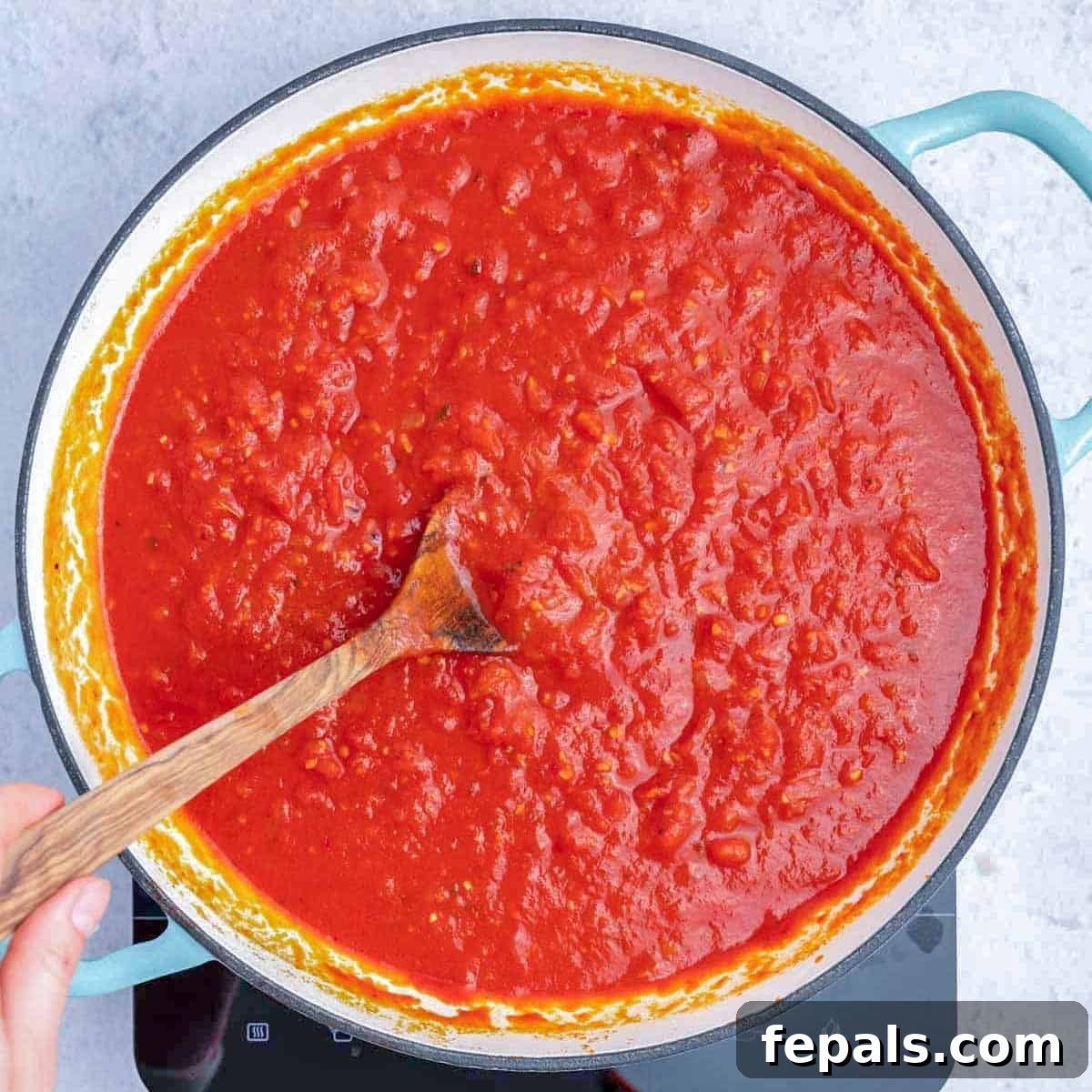
This Arrabbiata Sauce strikes a bright balance of sweet, spicy, and savory with crushed tomatoes, red pepper flakes, garlic, and oregano. Ready in under 40 minutes, it’s ideal tossed with pasta for a quick weeknight meal or used as a robust sauce for meatballs, chicken, or vegetables.
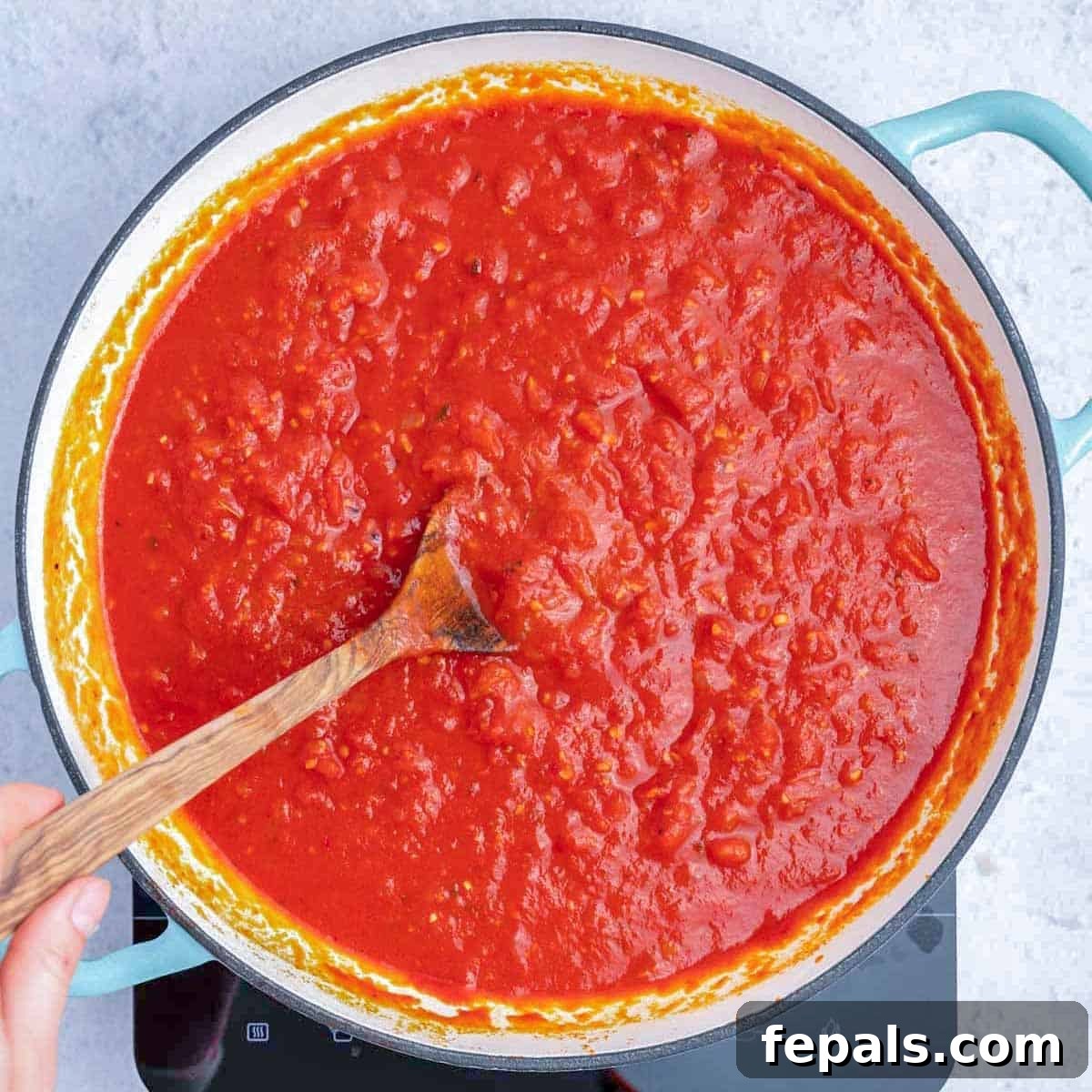
Tomato Sauce with a Kick
Arrabbiata is a straightforward Italian sauce rooted in Roman cooking. It typically uses canned tomatoes (San Marzano are a popular choice), garlic, oregano, and peperoncino or crushed red pepper flakes. Its name, which translates to “angry,” refers to the lively heat delivered by the chili flakes as the sauce simmers and the flavors concentrate.
Making arrabbiata at home is quick and flexible: you can control the heat, use fresh chilis if preferred, and pair it with any pasta shape. It’s also a great base for other dishes — try it with baked pasta, on a simple pizza, or spooned over roasted vegetables.
Recipe Overview
A Few Key Ingredients
Below are the essential ingredients for a classic Arrabbiata. Exact quantities appear in the recipe card further down.
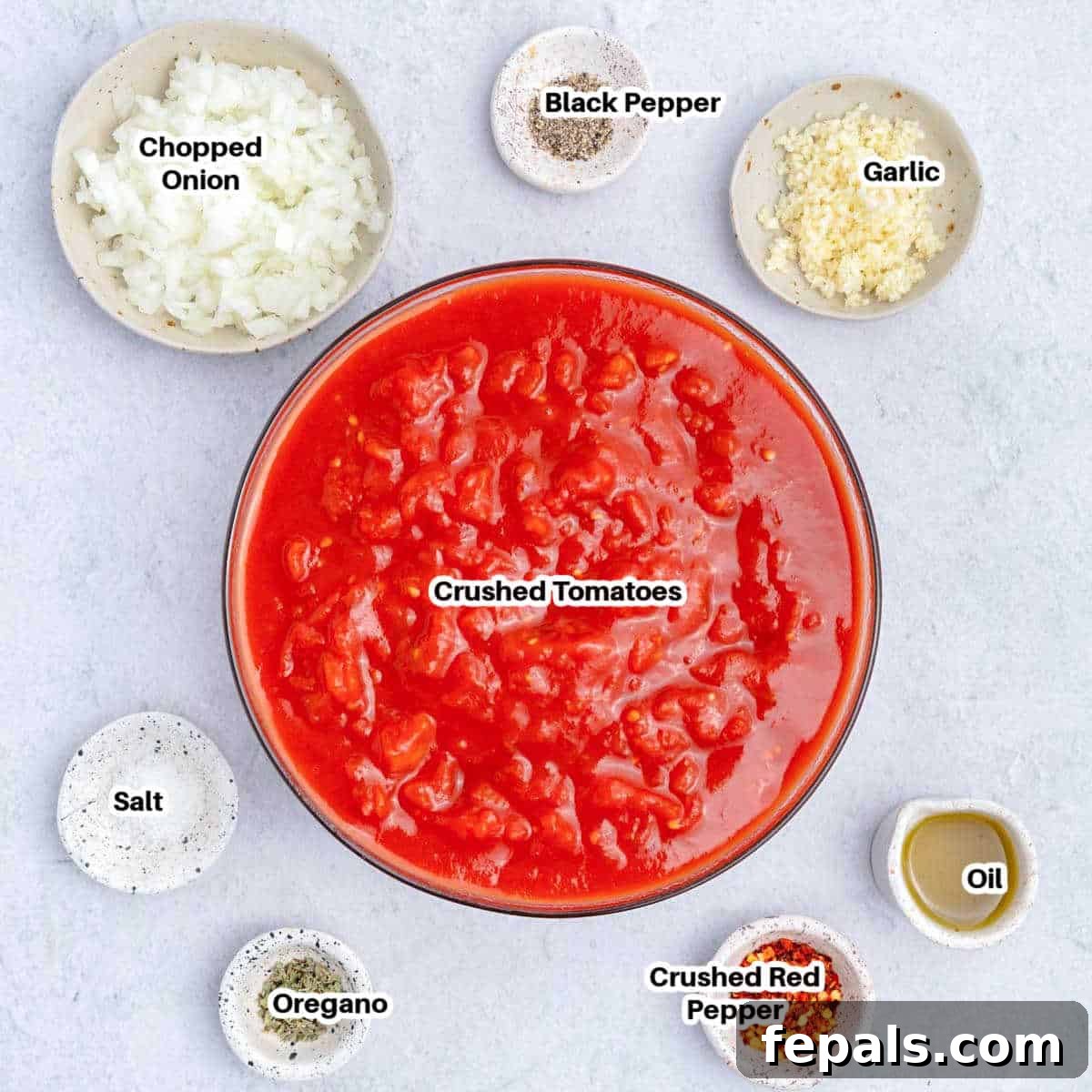
Crushed tomatoes: Use high-quality canned tomatoes for the most reliable flavor. San Marzano-style crushed tomatoes are sweet and balanced. If you only have whole canned tomatoes, pulse them briefly in a blender to break them down. Fresh ripe Roma tomatoes can also work but may require longer simmering.
Crushed red pepper flakes: These are the defining spicy element. Start with a moderate amount and add more after tasting if you want extra heat.
Onion and garlic: Onion adds sweetness and body; garlic gives aromatic depth. Use fresh garlic for best flavor; shallots work in place of onion if preferred.
Tips for a Rich and Delicious Flavor
To get the most depth from a tomato-based sauce, follow a few simple guidelines:
- Choose good tomatoes: Look for cans that list only tomatoes (and maybe salt). Avoid brands with unnecessary additives.
- Simmer gently: Cook the sauce low and slow to concentrate sweetness and meld the aromatics.
- Use flavorful olive oil: Extra-virgin works well here since the sauce cooks at moderate heat and the oil adds richness.
- Adjust balance: If your sauce tastes overly acidic, a small splash of balsamic or a pinch of sugar can round it out. Taste and increment slowly.
How to Make Arrabbiata Sauce
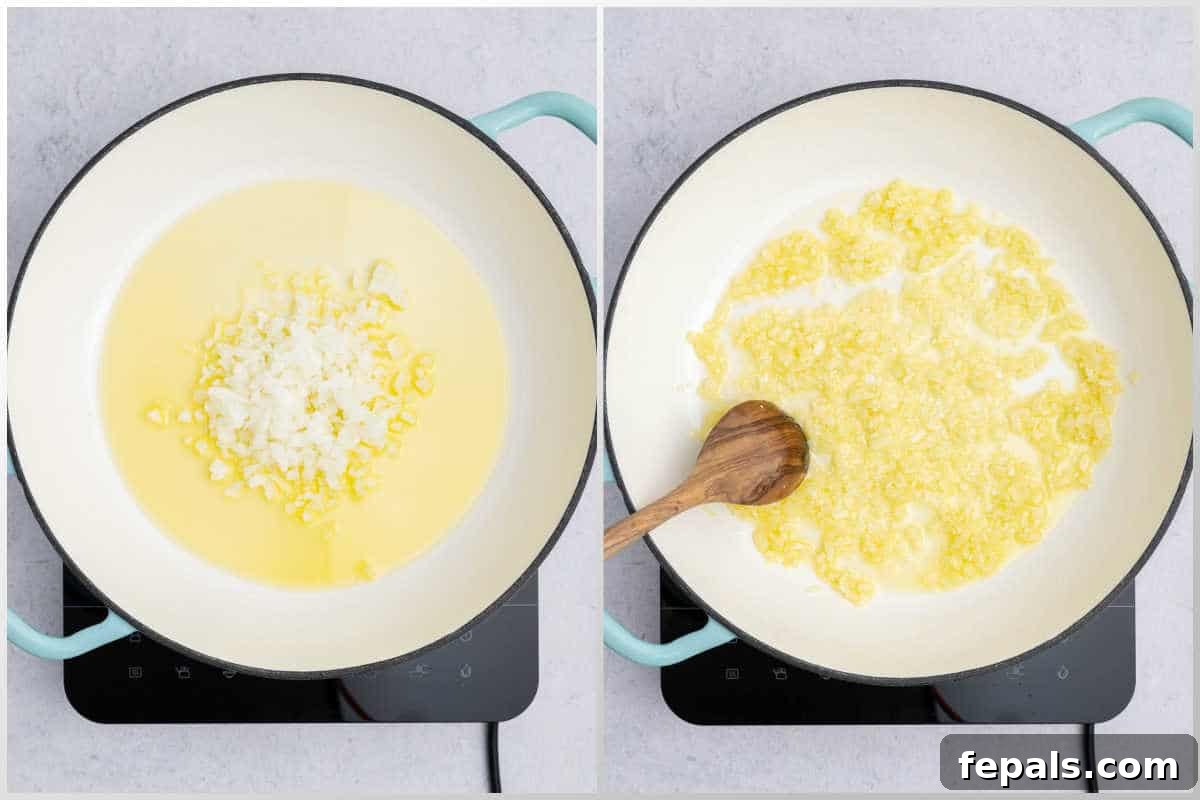
Step 1. Heat a large skillet or saucepan over medium. Add the olive oil and diced onion and sauté 2–3 minutes until the onion is translucent.
Step 2. Add minced garlic and cook 1–2 minutes more until fragrant but not browned.
Step 3. Stir in the crushed tomatoes, red pepper flakes, oregano, salt, and black pepper.
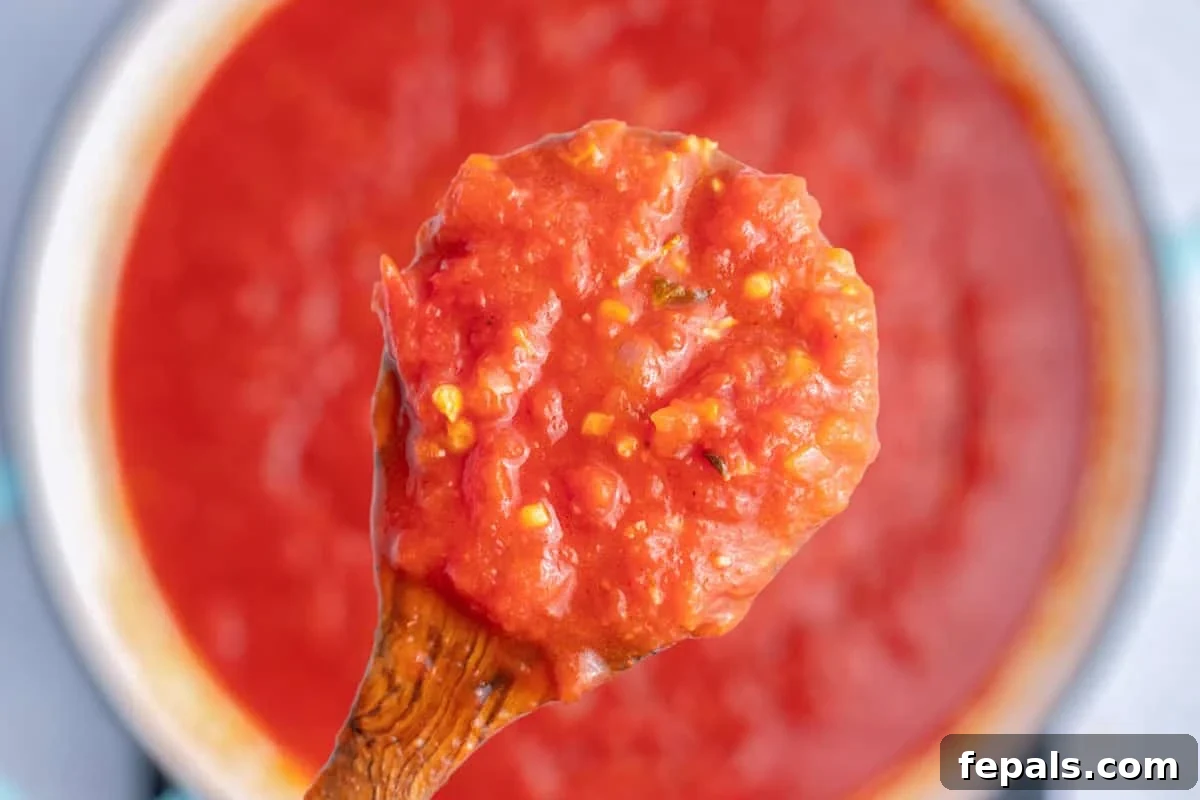
Step 4. Bring to a gentle simmer for 3–4 minutes, then reduce heat to low, cover, and cook 12 minutes. If you prefer a thicker sauce, simmer uncovered another 6–8 minutes until it reaches the consistency you like.
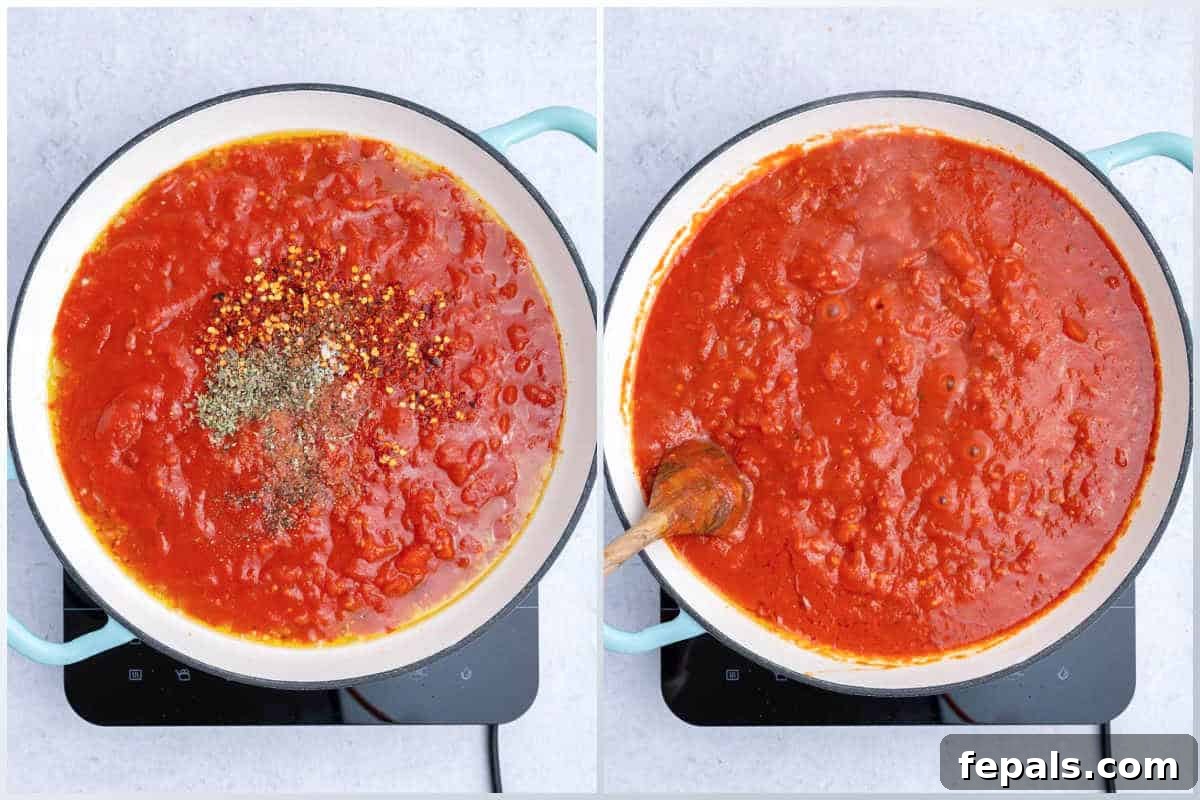
Step 5. Taste and adjust seasoning. Add another teaspoon or two of red pepper flakes if you want more heat.
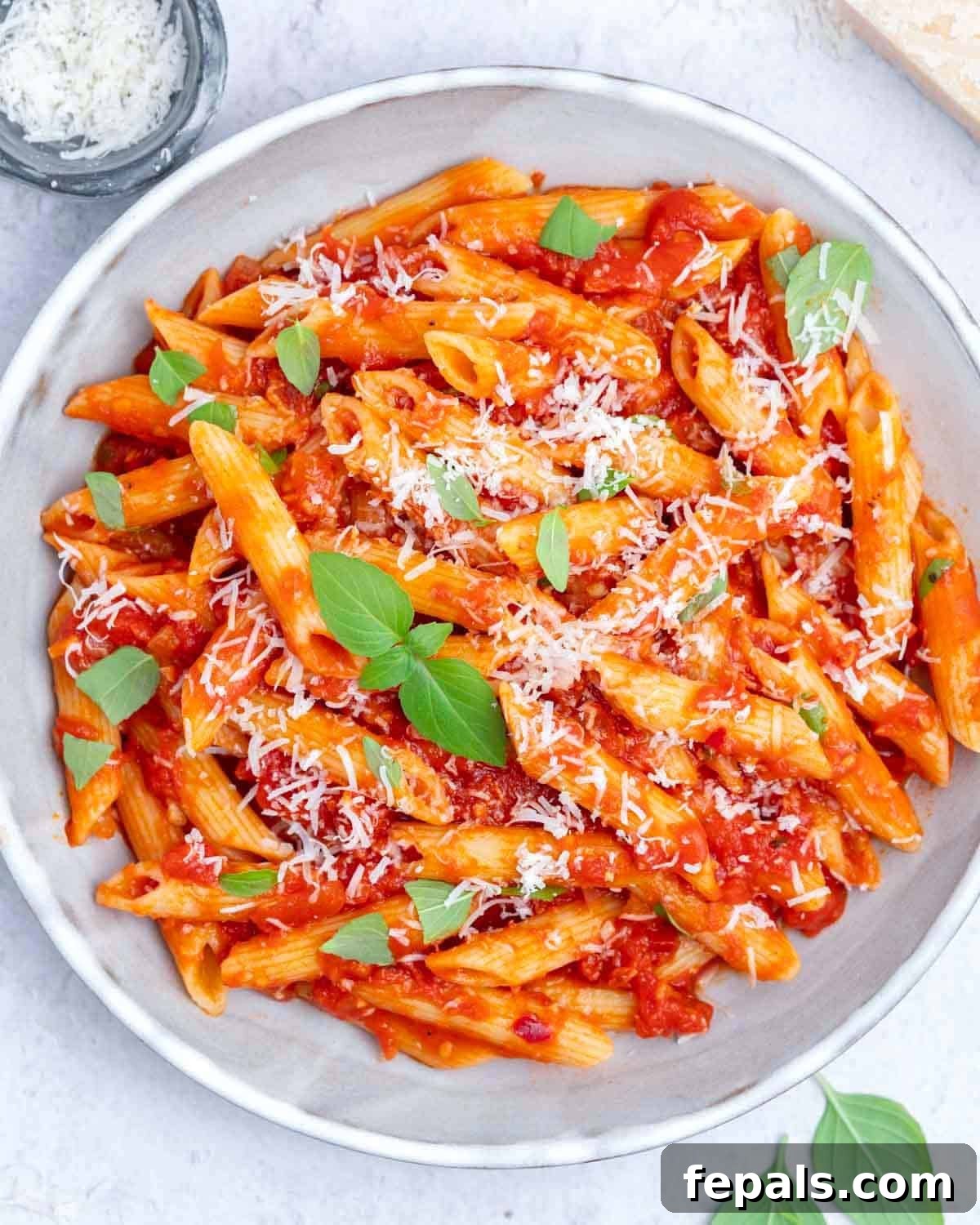
Step 6. Toss with cooked pasta, adding a splash of pasta cooking water and simmering briefly so the sauce clings to the noodles. Finish with torn fresh basil and grated Parmesan, if desired.
Recipe Notes
Storage: Cool completely and store in an airtight container in the refrigerator up to 5 days. Freeze portions for up to 3 months and thaw overnight in the fridge before reheating.
Reheating: Reheat gently on the stove over medium-low heat until hot through, or microwave in a covered, microwave-safe dish.
Fresh chilis: If you prefer a fresher chili flavor, add diced fresh red chilis with the garlic in Step 2.
Finishing with pasta: Adding a ladle of pasta water and finishing the pasta in the pan helps the sauce adhere to the noodles and results in a creamier texture without adding dairy.
Frequently Asked Questions
Both are tomato-based, but arrabbiata is spicy because of the red pepper flakes, while marinara is typically mild.
Yes — the sauce itself is vegan. Parmesan is optional and not vegan.
Short shapes like penne or rigatoni are traditional, but spaghetti, linguine, or any pasta you prefer will work well.
Yes. Use ripe Roma or plum tomatoes and simmer longer to concentrate the flavor. Canned San Marzano-style tomatoes offer the most consistent results year-round.
Common Mistakes
- Using low-quality tomatoes: Since tomatoes are the main flavor, choose a quality brand or fresh ripe tomatoes for best results.
- Burning the garlic: Garlic becomes bitter if overcooked. Add it after the onion softens and keep the heat moderate.
- Adding too much chili early: Heat intensifies as the sauce reduces. Start with the suggested amount and adjust after simmering.
- Not simmering long enough: Allow 20–30 minutes for flavors to meld and the sauce to thicken.
- Overseasoning before reduction: Wait until after simmering to finalize salt and acid adjustments.
You May Also Enjoy
- Eggplant Tomato Pasta
- Homemade Focaccia
- Pasta Puttanesca
- Caprese Pasta Salad
- Spinach Ricotta Stuffed Shells
- Peperonata
Made this? Leave a comment below and share a photo — I’d love to see how it turned out.
Homemade Arrabbiata Sauce
Ingredients
- 4 tablespoons extra virgin olive oil
- 56 ounces crushed (San Marzano) tomatoes (2 x 28 oz cans)
- 1 small yellow onion, diced finely
- 4–6 cloves fresh garlic, minced
- 2 teaspoons crushed red pepper flakes
- 1/2 teaspoon dried oregano
- 1 teaspoon kosher salt
- 1/2 teaspoon black pepper
Optional to serve:
- Fresh basil leaves, torn
- Cooked pasta of your choice
- Grated Parmesan cheese
Instructions
- Place a large skillet or saucepan over medium heat. Add the olive oil and diced onion and sauté 2–3 minutes until the onion is translucent.
- Add the minced garlic and cook 1–2 minutes until fragrant.
- Stir in the crushed tomatoes, red pepper flakes, oregano, salt, and black pepper.
- Bring to a simmer for 3–4 minutes, then lower heat to low, cover, and cook 12 minutes. If the sauce is too thin, simmer uncovered another 6–8 minutes until it thickens.
- Taste and adjust seasoning. Add more chili flakes to increase heat if desired.
- Serve with cooked pasta, add a splash of pasta water, and finish with torn basil and grated Parmesan if you like.
Notes
- Serving size: About 1 cup.
- One cup of sauce typically coats roughly 2 ounces (dry) of pasta.
- Start with 2 teaspoons of red pepper flakes for moderate heat and increase to taste.
- Simmer at least 20–30 minutes for a richer flavor; longer simmering deepens the sauce.
- If the sauce tastes too acidic, stir in a small pinch of sugar to balance it.
- Leftovers keep refrigerated up to 5 days or frozen up to 3 months.
Nutrition
Nutrition info is approximate and provided as a guideline.