
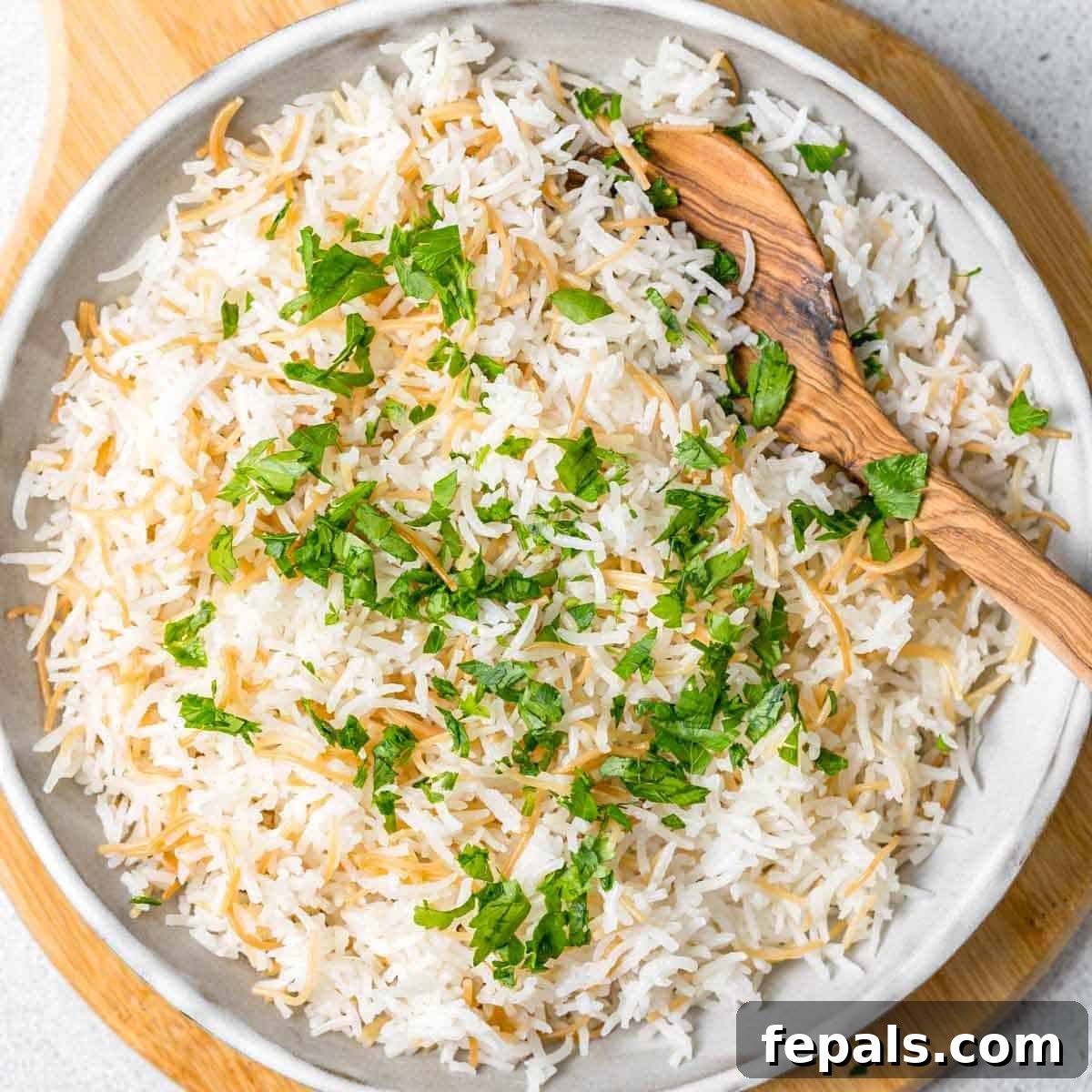
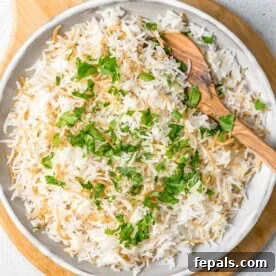
Authentic Lebanese Rice, a simple yet profoundly flavorful side dish, is a cornerstone of Middle Eastern cuisine. Known for its signature combination of fluffy long-grain rice and golden, toasted vermicelli noodles, this dish is a staple I prepare constantly. It’s crafted with just a handful of pantry ingredients—rice, vermicelli, and a touch of butter or oil—but the result is a wonderfully nutty and aromatic pilaf. This is, without a doubt, my go-to rice recipe because it serves as the perfect companion to nearly any main course, from succulent grilled chicken and flavorful kabobs to rich, hearty stews and vibrant roasted vegetables.
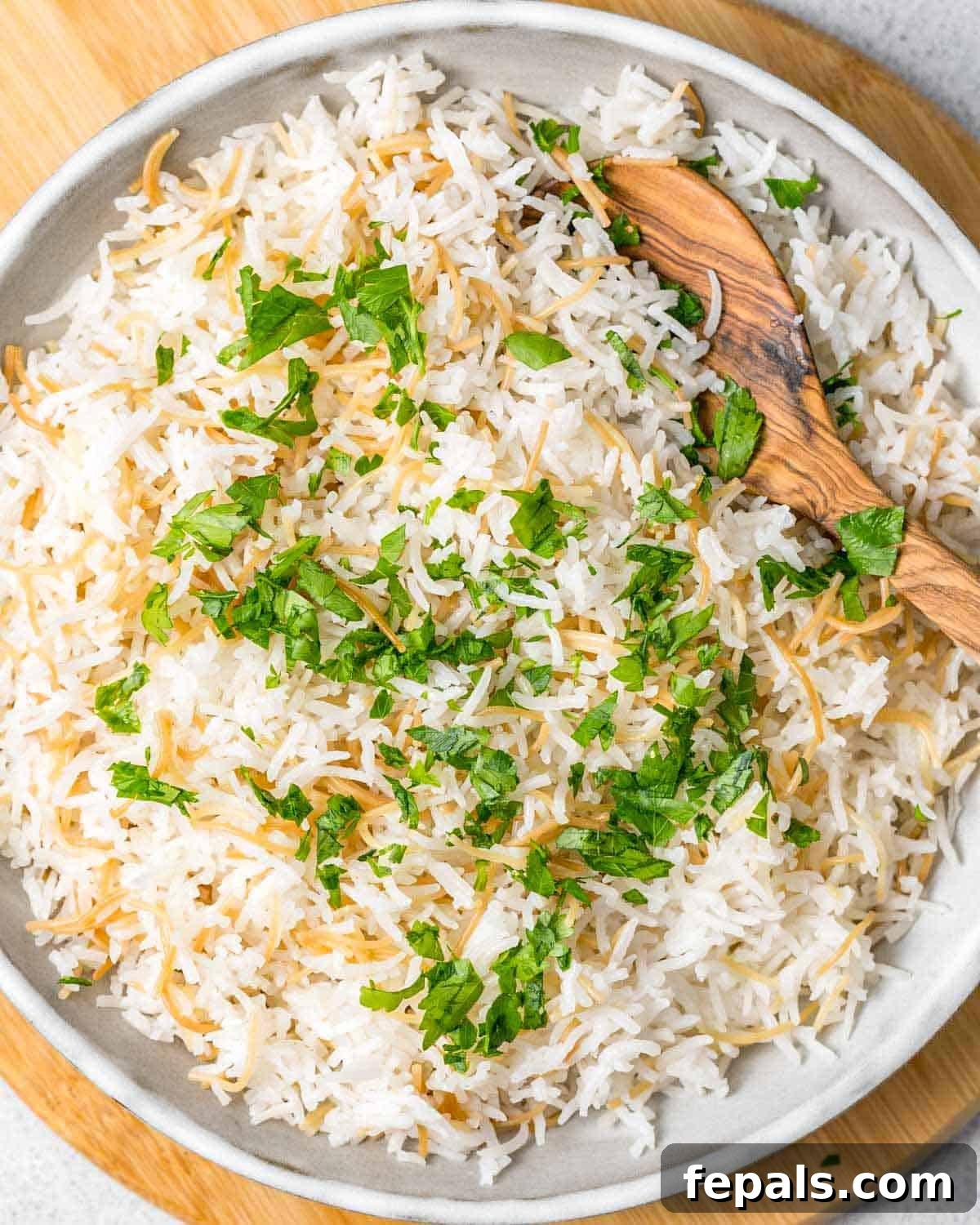
Having grown up in a Lebanese household, this rice was a constant and comforting presence on our dinner table. To this day, it remains a beloved favorite that I make for my own family several times a week. It’s the kind of simple, soul-warming recipe that you never grow tired of. While I’ve always known it as Lebanese Rice, it’s widely recognized across the region as Middle Eastern Rice or Rice Pilaf with Vermicelli. You’ll find it on the menu at almost every Middle Eastern restaurant, but with this easy-to-follow guide, you can master this delicious side dish right in your own kitchen.
The true beauty of this dish lies in its versatility. We traditionally serve Lebanese Rice with a wide array of meals, including grilled meats like Shish Tawook, savory shawarma, and spiced kafta. It is especially perfect for soaking up the delicious sauces from stews. Once you understand the simple technique, it will become an effortless part of your cooking repertoire, a reliable side you can whip up without a second thought.
Recipe Overview
Ingredients for The Perfect Lebanese Rice
You’ll be amazed at how a few simple, everyday ingredients can transform into such a delightful dish. Here is everything you need to make authentic Lebanese Rice at home.
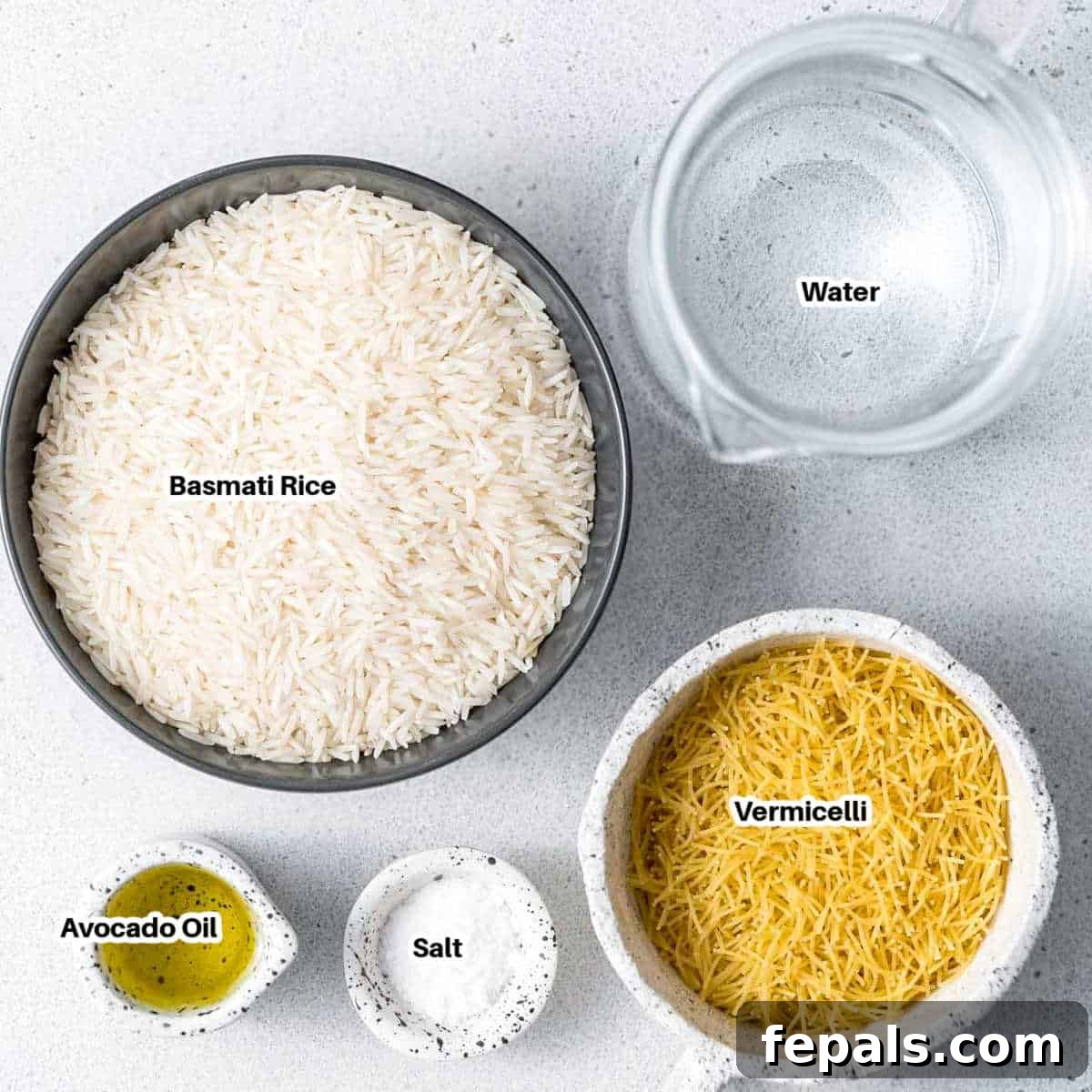
- 2 Cups Basmati Rice: For the best results, a long-grain white rice is essential. Basmati is my top choice due to its fragrant aroma and its ability to cook up into light, fluffy, and separate grains. Jasmine rice is another excellent option, though it is slightly stickier and requires a little less water (use 3 cups of water for 2 cups of Jasmine rice).
- 2/3 cup Vermicelli Pasta: This is the non-negotiable, star ingredient. Vermicelli are very thin pasta noodles, broken into small pieces. When toasted, they impart a deep, nutty flavor and a beautiful golden-brown color that defines this dish and sets it apart from plain rice.
- 2 tbsp Avocado Oil or Olive Oil: You can use your preferred cooking oil. Avocado oil is great for its neutral flavor and high smoke point. Olive oil adds a subtle Mediterranean touch. For a richer, more traditional flavor, you can also use unsalted butter or ghee.
- 3.5 cups Water: Simple, clean water is the traditional choice and allows the flavors of the rice and vermicelli to shine. However, for an added layer of flavor, you can substitute chicken broth or vegetable broth.
- 1 tsp Salt: Essential for seasoning the rice and bringing all the flavors together. You can adjust the amount to your personal preference.
- Optional Garnishes: To elevate the presentation and add extra texture and freshness, consider topping the finished dish with freshly chopped parsley, crunchy toasted pine nuts, or slivered almonds. These are often used in restaurants to add a final flourish.
Quick Tips for Flawless Rice
- Rinse the Rice Thoroughly: This is the most crucial step for achieving fluffy, non-sticky rice. Rinsing removes the excess surface starch that can cause the grains to clump together and become gummy.
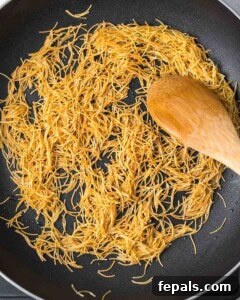
- Achieve the Perfect Golden Vermicelli: Toast the vermicelli noodles until they are a deep, uniform golden-brown. This develops a rich, nutty flavor that is key to the dish. Watch it closely as it can burn quickly!
- Don’t Skip the Resting Period: Once the rice has finished simmering, let it sit, covered and off the heat, for 5-10 minutes. This allows the steam to redistribute and finish cooking the grains gently, resulting in a perfectly tender texture.
- Maintain a Gentle Simmer: After the initial boil, reduce the heat to the lowest possible setting. A gentle simmer is all that’s needed to allow the rice to absorb the liquid evenly.
- Fluff with a Fork: When the rice is ready, use a fork, not a spoon, to gently fluff the grains. This separates them without crushing or mashing them, preserving their delicate structure.
How To Make Lebanese Rice: Step-by-Step
Follow these simple steps to make perfect, fluffy Lebanese rice on the stovetop every time.
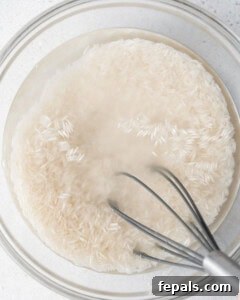
First, prepare the rice. Place the rice in a medium bowl and wash it under cool running water, swishing the grains with your fingers. Repeat this process several times until the water is no longer cloudy and runs clear. This removes excess starch. Once rinsed, you can cover the rice with fresh water and let it soak for 10-15 minutes. This optional step helps the grains cook more evenly, but you can skip it if you’re short on time.
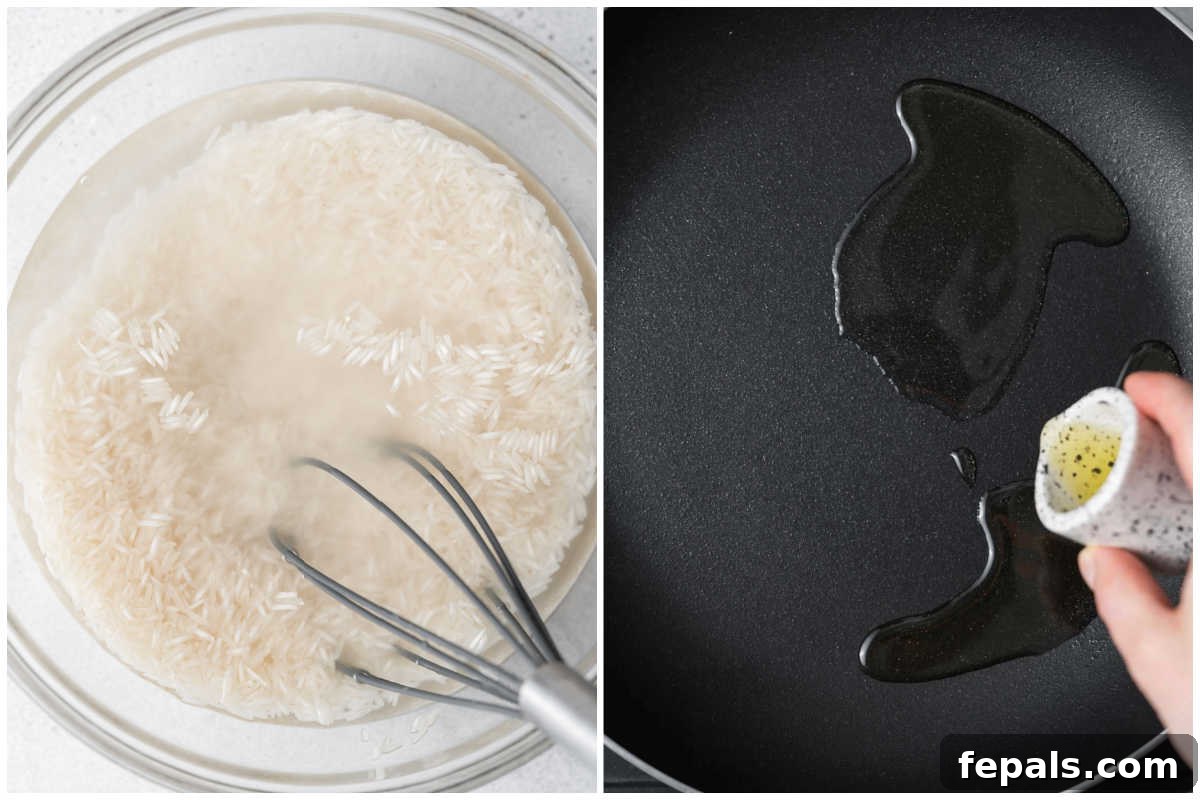
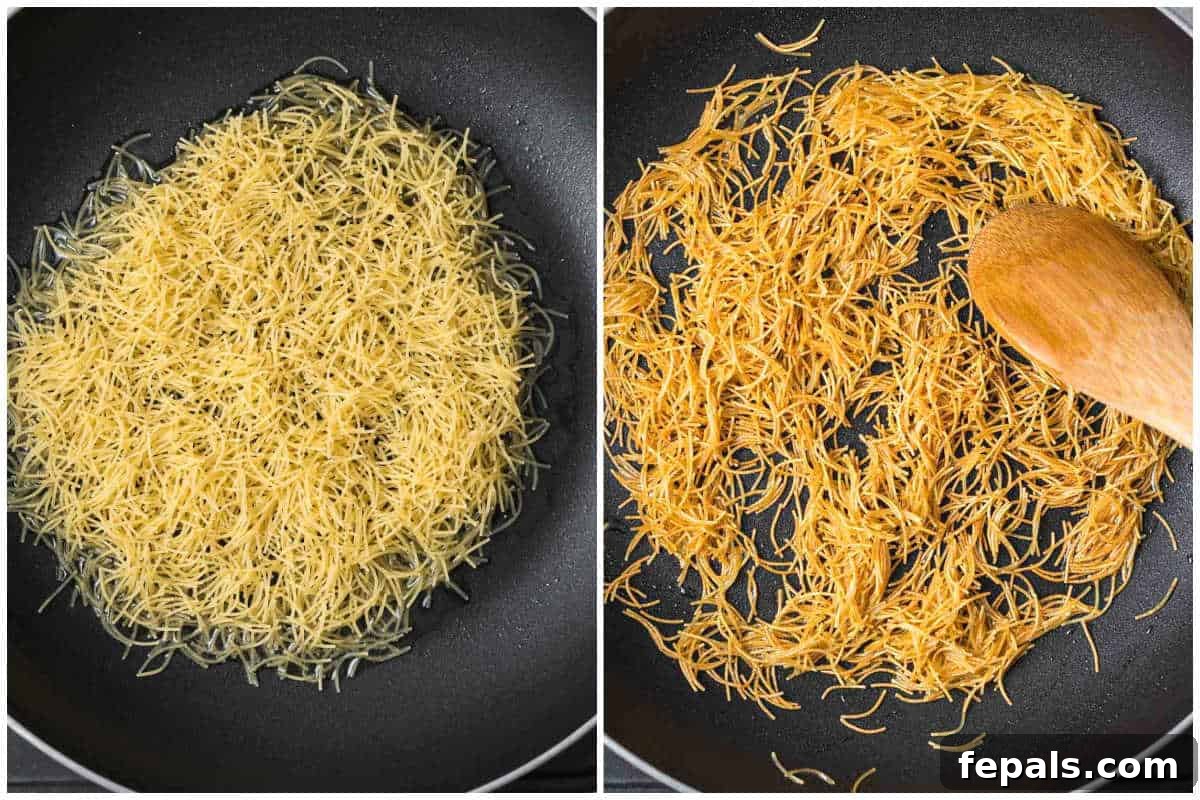
Next, in a medium-sized, heavy-bottomed pot or saucepan, heat the oil over medium heat. Add the broken vermicelli pasta and begin to toast it, stirring constantly with a wooden spoon. It’s crucial to keep the pasta moving to ensure it browns evenly. Continue until the vermicelli reaches a deep golden-brown color. Be very careful during this step, as the thin pasta can go from perfectly toasted to burnt in a matter of seconds.
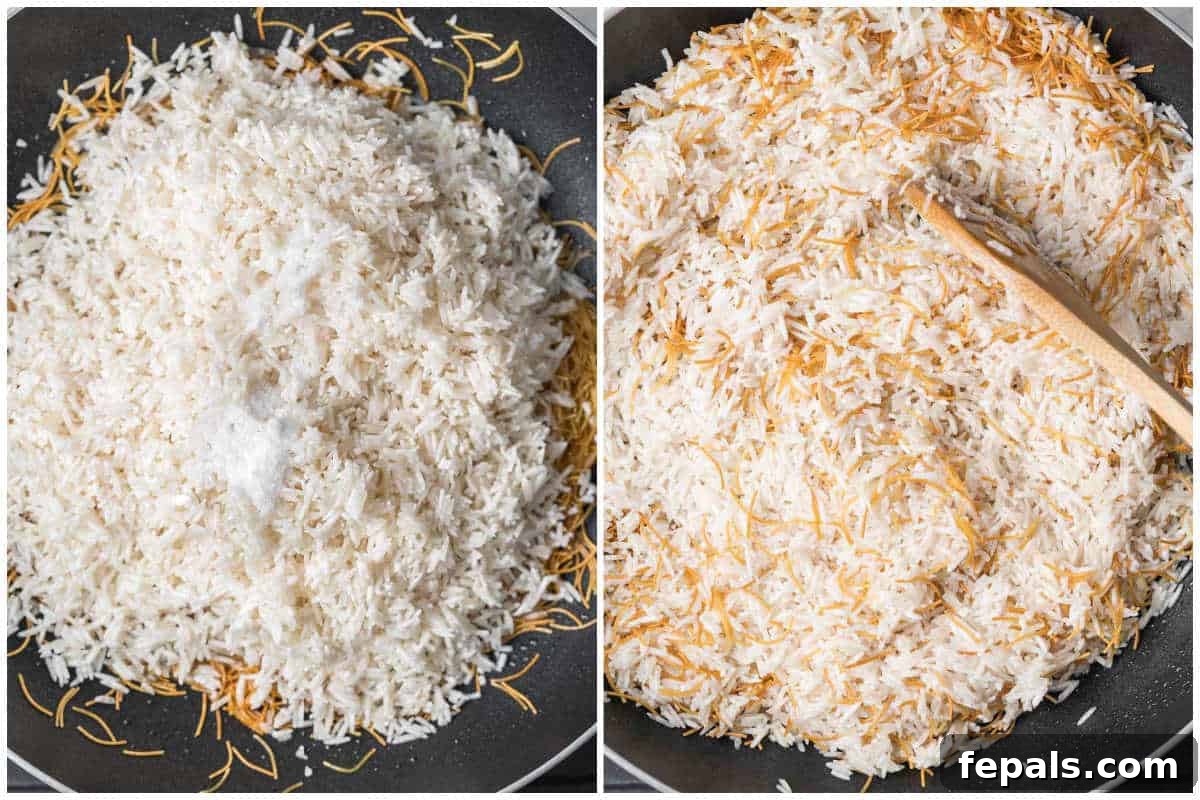
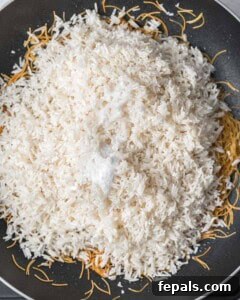
Drain the rice completely and immediately add it to the pot with the toasted vermicelli. Sprinkle in the salt. Stir everything together for about a minute, allowing the rice grains to get lightly coated in the oil. This helps them stay separate during cooking.
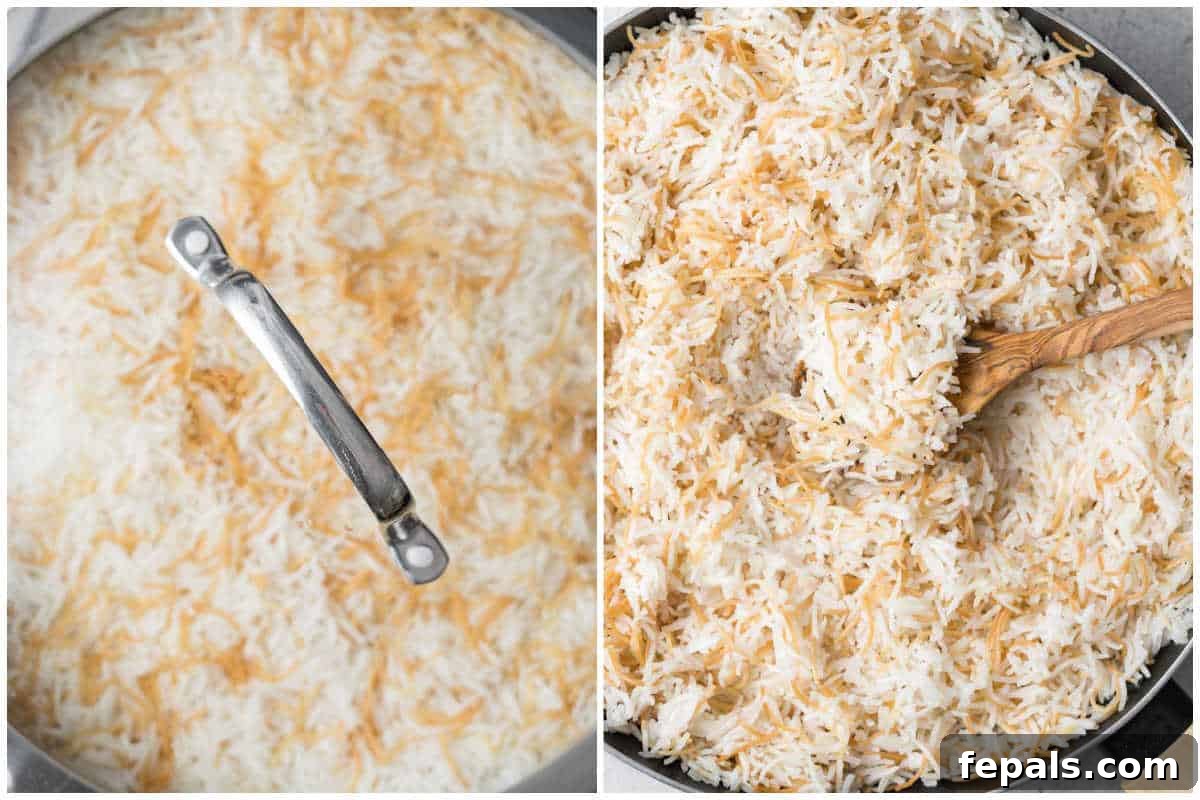
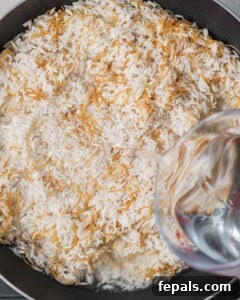
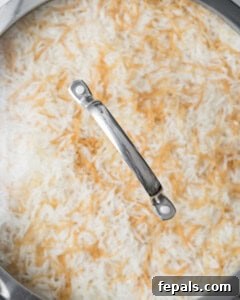
Pour the water over the rice and vermicelli mixture. Give it one final stir to combine, then increase the heat to bring the water to a rolling boil. Allow it to boil for about 3-5 minutes, or until the water level has reduced and is just above the surface of the rice. Immediately reduce the heat to the lowest possible setting, cover the pot with a tight-fitting lid, and let it simmer gently for 10-12 minutes.
Once the simmering time is up, turn off the heat completely but do not remove the lid. Let the pot sit undisturbed for another 5-10 minutes. This critical resting step allows the residual steam to finish cooking the rice, ensuring a perfectly fluffy result.
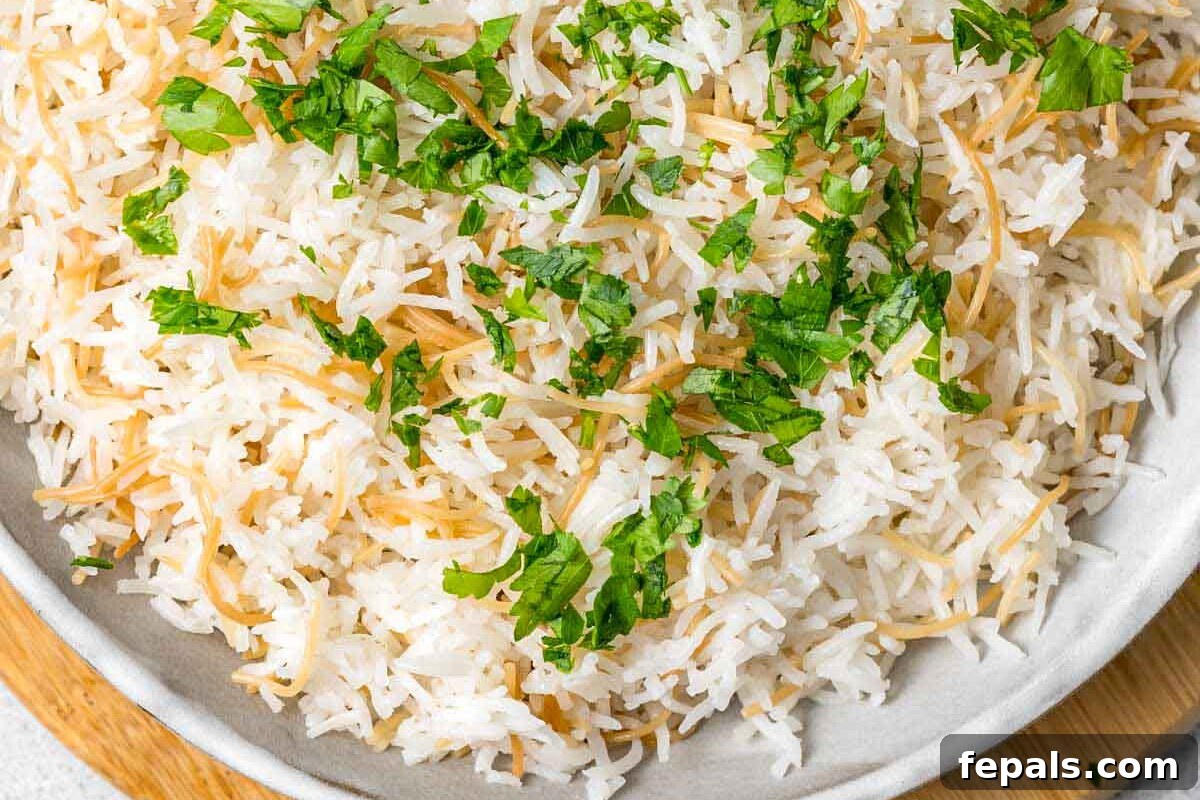
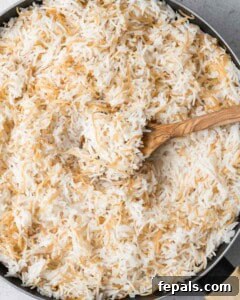
Finally, remove the lid. Use a fork to gently fluff the rice, breaking up any clumps and incorporating the vermicelli. Garnish with chopped parsley or toasted nuts if desired, and serve warm.
Flavor Variations and Add-Ins
- Add Warm Spices: For a deeper, more aromatic flavor, add a pinch of allspice, a small cinnamon stick, or a dash of seven-spice blend to the pot along with the salt.
- Use Brown Rice: For a healthier, fiber-rich version, you can use long-grain brown rice. You will need to adjust the water amount and cooking time according to the package directions.
- Incorporate Legumes: Make it a more substantial pilaf by stirring in a cup of cooked chickpeas or green peas during the last few minutes of simmering.
- Enrich with Broth: As mentioned, using chicken or vegetable broth instead of water will give the rice a richer, more savory undertone that is absolutely delicious.
- Cook with Ghee: Substitute the oil with ghee (clarified butter) for a wonderfully nutty and rich flavor that complements the toasted vermicelli perfectly.
Frequently Asked Questions
Long-grain white rice is the ideal choice. Basmati rice is highly recommended for its fragrance and ability to produce separate, fluffy grains. Jasmine rice also works well. Avoid short-grain varieties like Arborio or sushi rice, as their high starch content will result in a sticky texture.
Vermicelli is a type of very thin pasta made from wheat flour. For this recipe, you’ll typically find it sold as “fine egg noodles” or specifically as vermicelli, often pre-broken into small, 1-inch pieces. It’s the key ingredient for the dish’s signature toasted, nutty flavor and visual appeal.
Absolutely! This rice is perfect for meal prep. It reheats beautifully in the microwave. Just add a splash of water or place a damp paper towel over it before reheating to help it steam and regain its fluffy texture.
Mushy rice is usually caused by one of three things: too much liquid, not rinsing the rice enough to remove excess starch, or overcooking. Be sure to measure your liquid accurately and always rinse the rice until the water runs clear for the best results.
Soaking is not a required step, but it is recommended for the most tender and evenly cooked rice. However, thoroughly rinsing the rice is the most important step and should not be skipped.
What To Serve With Lebanese Rice
This versatile side dish complements a vast range of main courses. Here are some of my favorite pairings:
- Grilled Meats and Kabobs: It is the perfect base for classics like Shish Tawook (Chicken Kabobs) or savory Beef Kafta.
- Hearty Stews: Serve it alongside a rich Beef Stew or a flavorful Brown Chicken Stew to soak up all the delicious gravy.
- Roasted or Baked Proteins: It pairs beautifully with fish like this Mediterranean Baked Salmon or any roasted chicken or lamb.
- Shawarma Bowls: Use it as the foundation for a delicious and healthy Chicken Shawarma Bowl, topped with your favorite fresh vegetables and sauces.
- Simple Weeknight Meals: It’s fantastic with simple dishes like Hamburger Steak and a side of steamed or roasted vegetables.
Storage and Reheating Instructions
Store any leftover rice in an airtight container in the refrigerator for up to 5 days. To reheat, simply place it in a microwave-safe bowl, add a tablespoon of water, and microwave until heated through. The added water will help it steam and become soft and fluffy again.
More Delicious Side Dishes
- Tortellini Pasta Salad
- Shake and Bake Chicken
- Avocado Salsa
- Chicken Tetrazzini
Thank you for stopping by and cooking with me! If you try this authentic Lebanese Rice recipe, I would be thrilled to hear how you liked it. Please leave a comment and a rating below to share your experience.
Lebanese Rice
Pin
Ingredients
- 2 Cups Basmati Rice, or any long-grain rice
- 2/3 cup Vermicelli Pasta
- 2 tablespoons avocado oil, or butter/ghee
- 3.5 cups water
- 1 teaspoon salt
Optional toppings:
- chopped parsley, toasted pine nuts, or toasted almonds
Instructions
-
In a medium bowl, add the 2 Cups Basmati Rice and rinse thoroughly under cool water until it runs clear. Soaking for 10-15 minutes is optional but recommended. (see Note 1)

-
In a medium pot over medium heat, add the 2 tablespoons avocado oil. Add the 2/3 cup Vermicelli Pasta and toast, stirring constantly, until it reaches a deep golden-brown color. (see Note 2)
-
Drain the rice completely and add it to the pot with the vermicelli. Add the 1 teaspoon salt and stir to combine, toasting the rice for about one minute.
-
Pour in the 3.5 cups water and stir. Bring to a rolling boil, then immediately reduce the heat to the lowest setting. Cover with a tight-fitting lid and simmer for 10-12 minutes.
-
Turn off the heat and let the rice rest, covered and undisturbed, for 5-10 minutes.
-
Uncover the pot and gently fluff the rice with a fork. Garnish with chopped parsley or toasted nuts, if desired, and serve immediately.
Notes
- Note 1 (Rinsing/Soaking): While soaking is optional, do not skip rinsing the rice. This step is essential for removing surface starch and ensuring the final result is fluffy and not sticky.
- Note 2 (Toasting Vermicelli): Do not walk away from the pot while toasting the vermicelli. It cooks very quickly and can burn in an instant. Constant stirring is key to even, golden-brown results.
- Fat Options: Any neutral oil works. For richer flavor, use unsalted butter or ghee. My grandmother always used ghee, and it was unbelievably delicious!
- Rice Varieties: Long-grain or Basmati rice will give you the most authentic texture. If using a different type of rice (like Jasmine or brown rice), you may need to adjust the water ratio and cooking time based on your experience with that grain.
- Optional Spice: A pinch of allspice or cinnamon can be added with the salt for a warm, aromatic flavor. I keep it simple as my kids prefer it without, but it’s a common and delicious addition.
Nutrition
Nutrition information is automatically calculated and should be considered an approximation.