
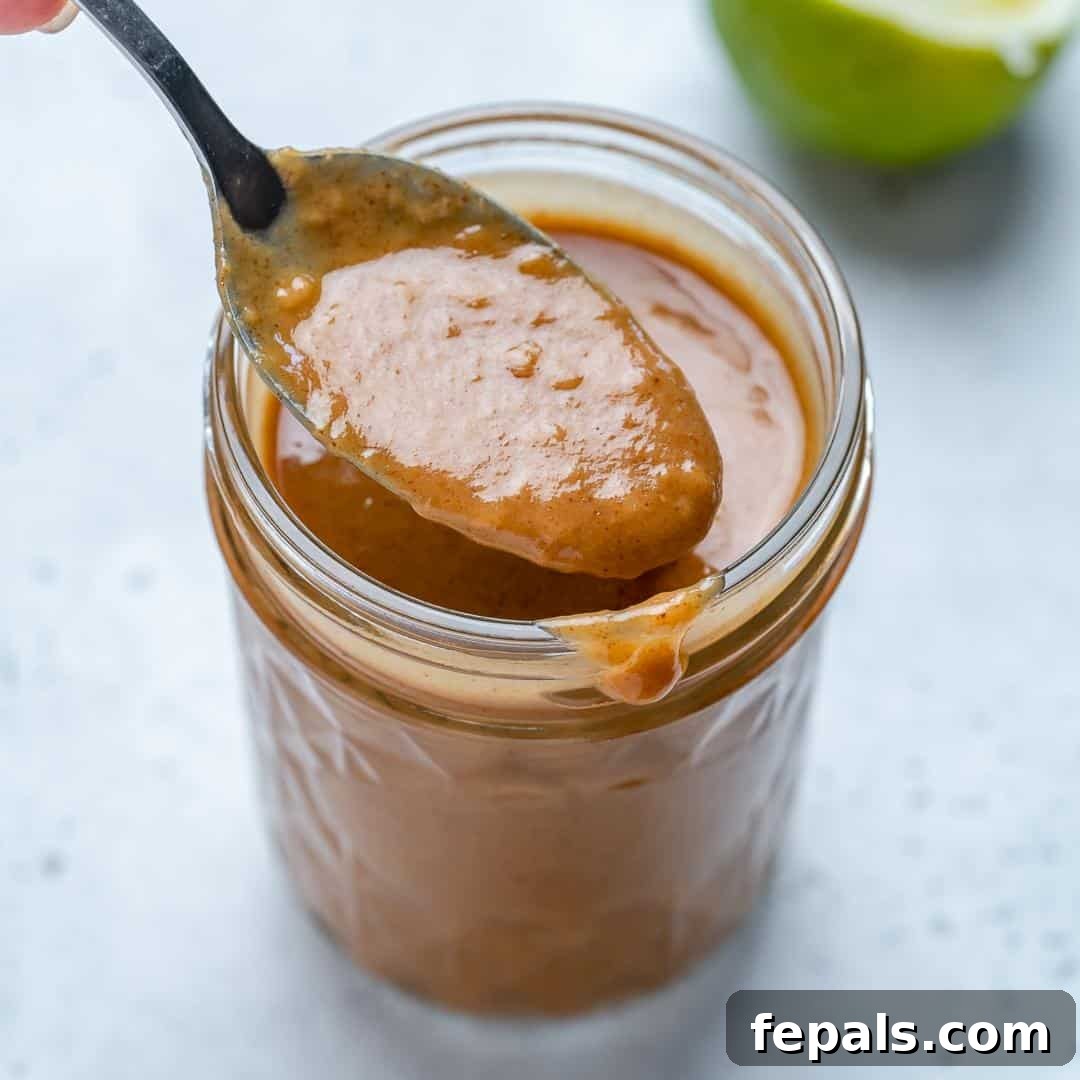
Welcome to the ultimate guide for crafting your very own **Homemade Thai Peanut Dressing**! This isn’t just any sauce; it’s a creamy, deeply flavorful concoction brimming with authentic Asian notes that will elevate countless dishes. Forget store-bought versions laden with unwanted additives; this easy-to-make recipe uses simple pantry staples, ensuring it’s naturally gluten-free, dairy-free, and even low-carb. It’s truly a versatile staple perfect for drizzling over crisp salads, tossing with savory noodle dishes, or serving as a vibrant dip for fresh, crunchy vegetables.
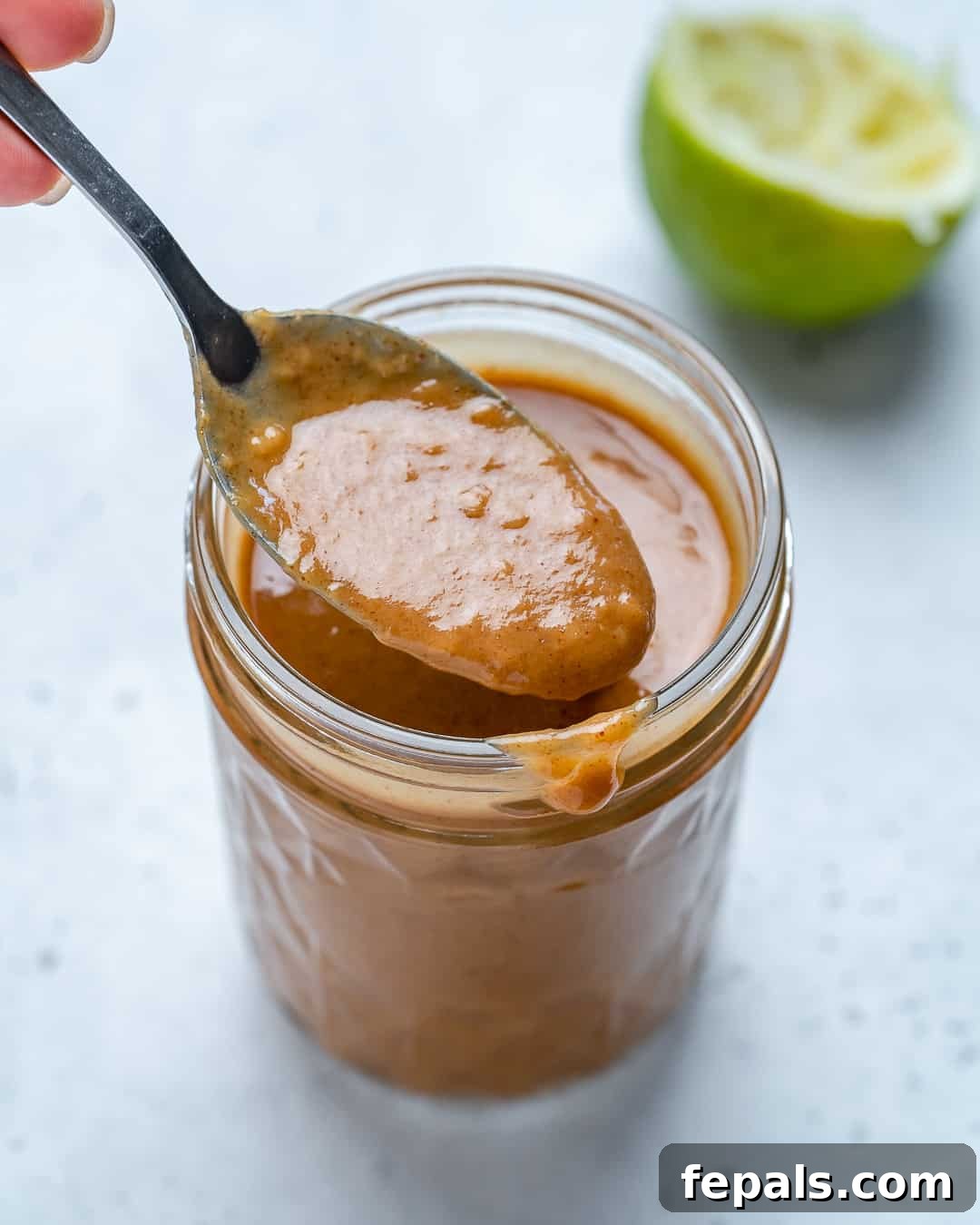
If you’re a devoted peanut butter enthusiast, prepare to fall in love. This recipe celebrates the rich, nutty goodness of natural, creamy peanut butter as its robust foundation. From there, we introduce a symphony of flavors: a touch of natural sweetness to mellow the savory notes, a hint of spice to awaken the palate, and bright acidity to achieve a perfectly balanced profile. The result is a dressing so irresistible, you’ll want to keep a batch ready in your fridge at all times.
Recipe Overview
Why This Homemade Thai Peanut Dressing Will Become Your New Favorite
In a world of complex recipes and demanding schedules, sometimes all you need is a simple yet impactful way to elevate your everyday meals. This Thai Peanut Dressing does exactly that, offering a myriad of reasons to make it a permanent fixture in your culinary repertoire:
- Effortlessly Easy & Quick: Life is busy, and cooking shouldn’t add to the stress. This recipe is designed for maximum flavor with minimal effort. From start to finish, you can whip up a fresh batch in under 10 minutes. It’s purely a matter of measuring, combining, and whisking – no complicated techniques or extensive cleanup required. Perfect for a busy weeknight or impromptu gatherings.
- Explosive Flavor for Any Dish: This isn’t just a salad dressing; it’s a flavor powerhouse. Infused with aromatic ginger, pungent garlic, tangy lime, and just the right amount of sweetness and heat, it brings a vibrant, exotic zest to an astonishing variety of dishes. Whether you’re enhancing an Asian-inspired meal or simply looking to add a gourmet touch to grilled chicken or roasted vegetables, this sauce is your secret weapon.
- Dietary Friendly: Catering to various dietary needs can be challenging, but this dressing makes it simple. It’s naturally gluten-free and dairy-free, making it suitable for many with common food sensitivities. Furthermore, using natural peanut butter and opting for sugar alternatives like maple syrup keeps it low-carb, aligning with healthier eating goals without compromising on taste.
- Incredibly Versatile: Its applications are virtually limitless! Beyond salads and noodle bowls, consider it a marinade for chicken or tofu, a spread for sandwiches, a dip for fresh spring rolls, or even a topping for hearty grain bowls. It’s the kind of sauce that sparks creativity in the kitchen, turning ordinary ingredients into extraordinary meals.
- Healthier Than Store-Bought: When you make your dressing from scratch, you control every ingredient. This means no artificial preservatives, excessive sugars, or unhealthy oils often found in commercial dressings. You get pure, wholesome ingredients, ensuring a fresher and more nutritious option for your family.
Key Ingredients for the Perfect Thai Peanut Dressing
Creating this irresistible Thai Peanut Dressing relies on a harmonious blend of simple, accessible ingredients. Each component plays a crucial role in building its signature creamy texture and complex flavor profile. Below is a detailed look at what you’ll need and why each ingredient is important, along with helpful tips for substitutions:
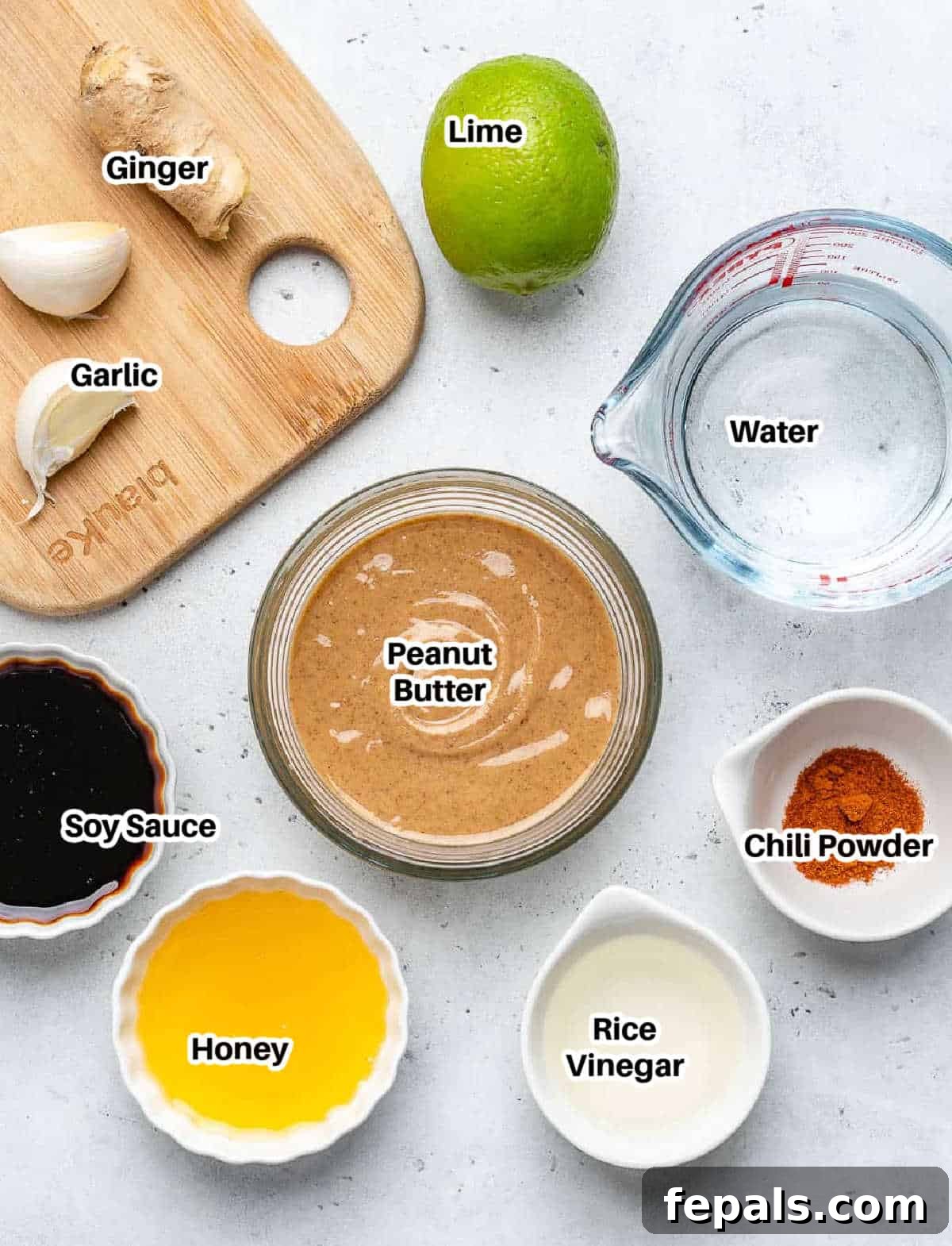
- Drippy Peanut Butter: This is the heart of our dressing, providing its characteristic nutty flavor and creamy base. We recommend using all-natural, unsweetened peanut butter. Look for brands where the only ingredients are peanuts and salt. The “drippy” consistency means it’s easier to mix, as the oils tend to separate, requiring a good stir before measuring. Any brand you love will work, but natural versions offer the best flavor and avoid added sugars.
- Low Sodium Soy Sauce or Coconut Aminos: This brings the essential savory, umami depth to the dressing. Low sodium soy sauce is preferred to manage salt intake, but for a gluten-free and paleo-friendly alternative, coconut aminos are an excellent choice. They offer a similar savory profile with a slightly sweeter edge.
- Rice Vinegar: Essential for brightness and acidity, rice vinegar cuts through the richness of the peanut butter and balances the sweetness. It has a milder, slightly sweeter flavor than other vinegars, making it perfect for Asian-inspired sauces.
- Honey or Maple Syrup: These natural sweeteners balance the savory and tangy elements, creating a well-rounded taste. Honey adds a floral note, while maple syrup offers a slightly richer, earthy sweetness. Choose whichever you prefer or have on hand. For a strict vegan option, ensure you use maple syrup.
- Chili Powder: For that touch of Thai-inspired warmth and subtle heat. Chili powder can be adjusted to your preference – add a little for a mild kick or more if you like things spicier. Red pepper flakes can also be used for a more direct, fiery heat.
- Lime Juice: Freshly squeezed lime juice is a non-negotiable ingredient here. Its bright, zesty acidity is critical for enhancing all the other flavors and adding a vibrant, fresh dimension that bottled juice simply cannot replicate.
- Garlic Cloves: Fresh garlic is key to the aromatic foundation of this dressing. Grating the cloves on a microplane ensures a smooth consistency and evenly distributes their pungent flavor throughout the sauce. Avoid garlic powder for this recipe; the fresh taste makes a significant difference.
- Ginger Root: Like garlic, fresh ginger root contributes a distinct warmth and spicy-sweet aroma that is characteristic of Thai cuisine. Grated fresh ginger is far superior to powdered ginger for this dressing, providing a more vibrant and authentic flavor.
- Warm Water: This is your secret weapon for achieving the perfect consistency. Peanut butter dressings can be quite thick, and warm water helps thin it out to a drizzly, pourable texture. Add it gradually until you reach your desired smoothness.
How to Make the Best Homemade Thai Peanut Sauce: A Step-by-Step Guide
Crafting this flavorful Thai peanut dressing is remarkably simple, requiring just a few minutes and minimal equipment. Follow these easy steps to create a creamy, delicious sauce that will become a go-to in your kitchen:
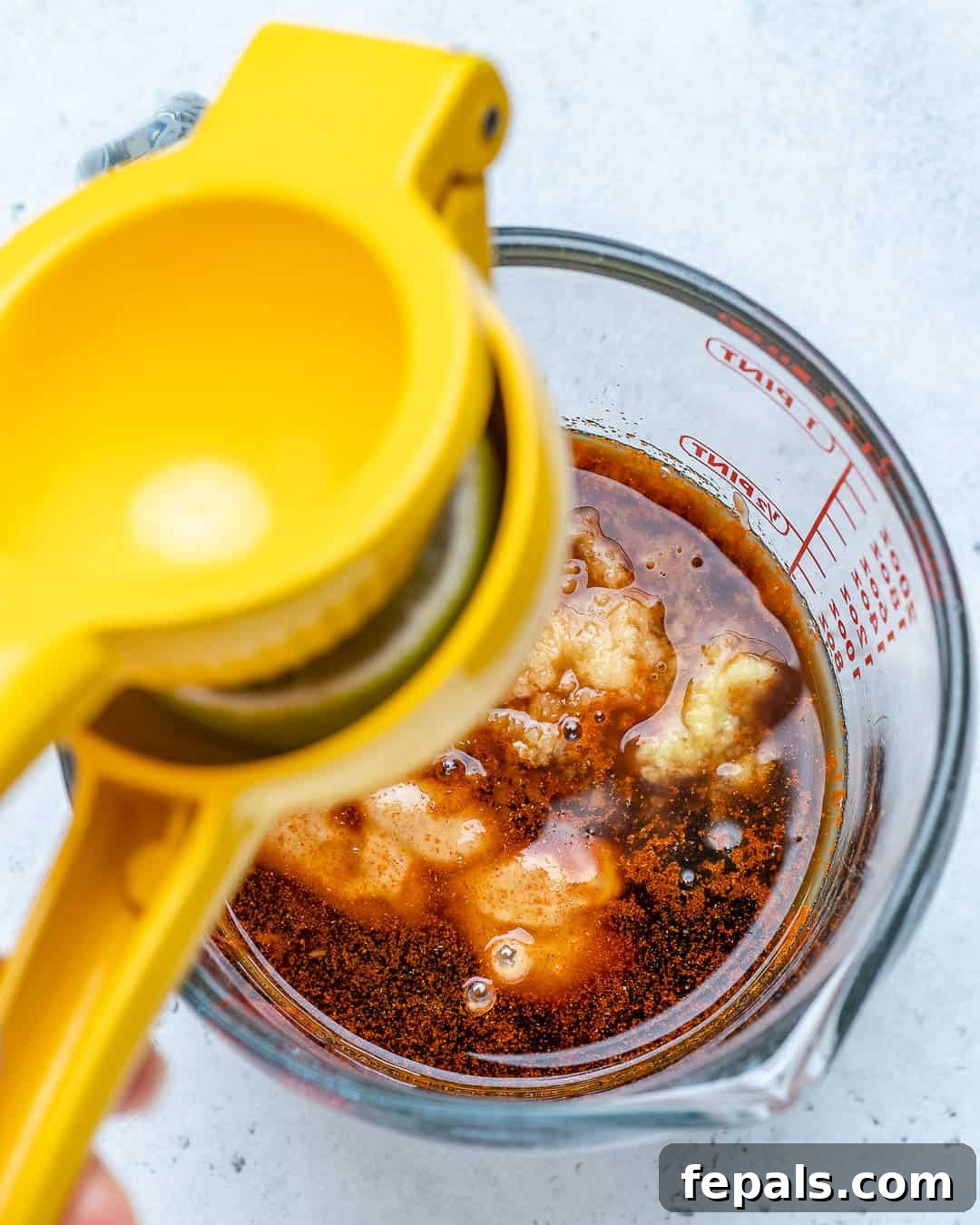
Step 1: Gather Your Base Ingredients & Aromatics. Begin by adding your creamy peanut butter to a medium-sized mixing bowl. Next, prepare your fresh aromatics: grate the garlic cloves and ginger root directly into the bowl. The finer they are grated, the smoother your final dressing will be, ensuring no chunky bits. These fresh ingredients are crucial for the vibrant, authentic Thai flavor.
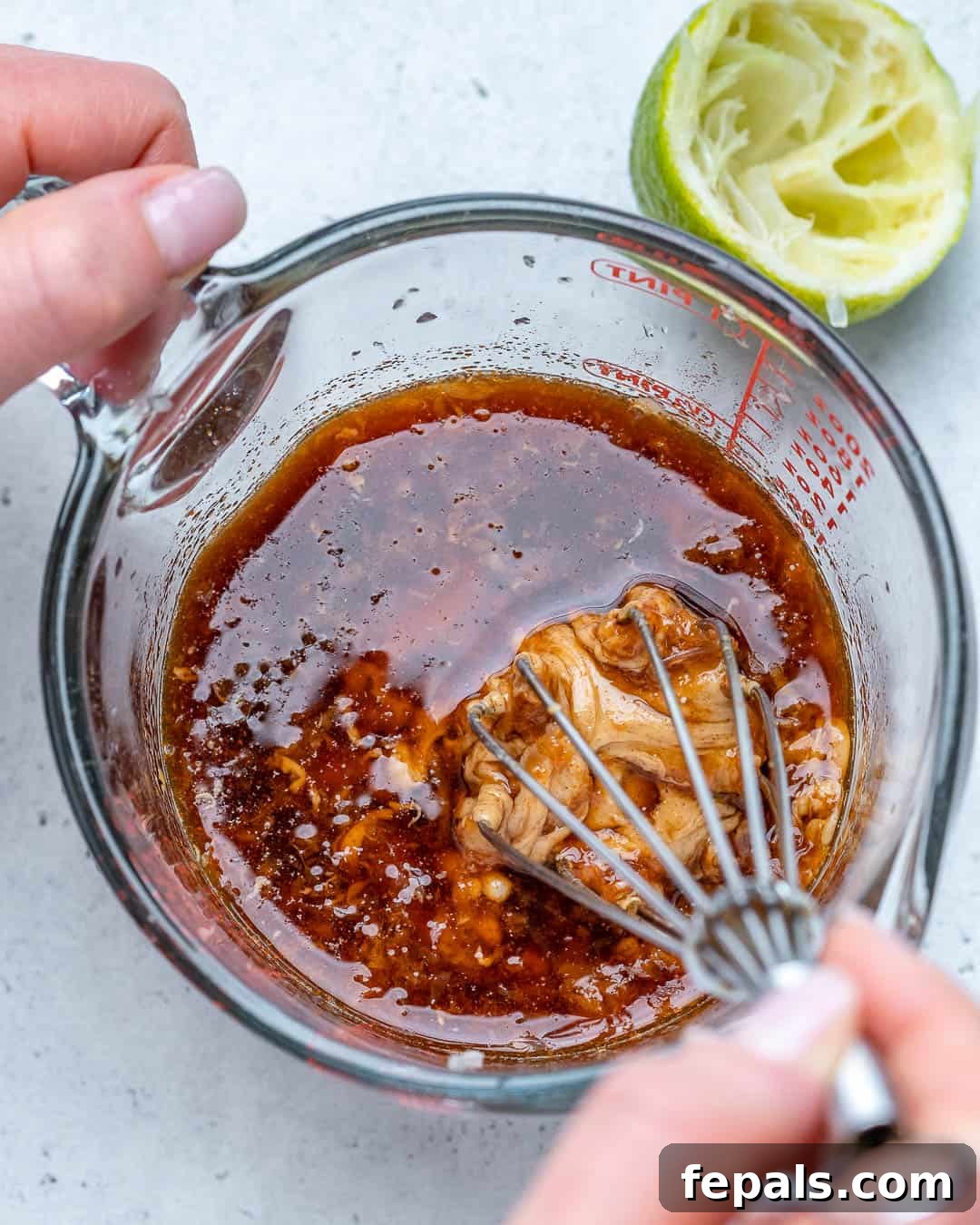
Step 2: Incorporate the Liquids and Seasoning. Now, add the remaining wet ingredients: low sodium soy sauce (or coconut aminos), rice vinegar, honey (or maple syrup), chili powder, and the freshly squeezed lime juice. Ensure you get all the zest and juice from the lime for maximum freshness. A good rule of thumb is to measure accurately to achieve the perfect balance of sweet, savory, and tangy notes.
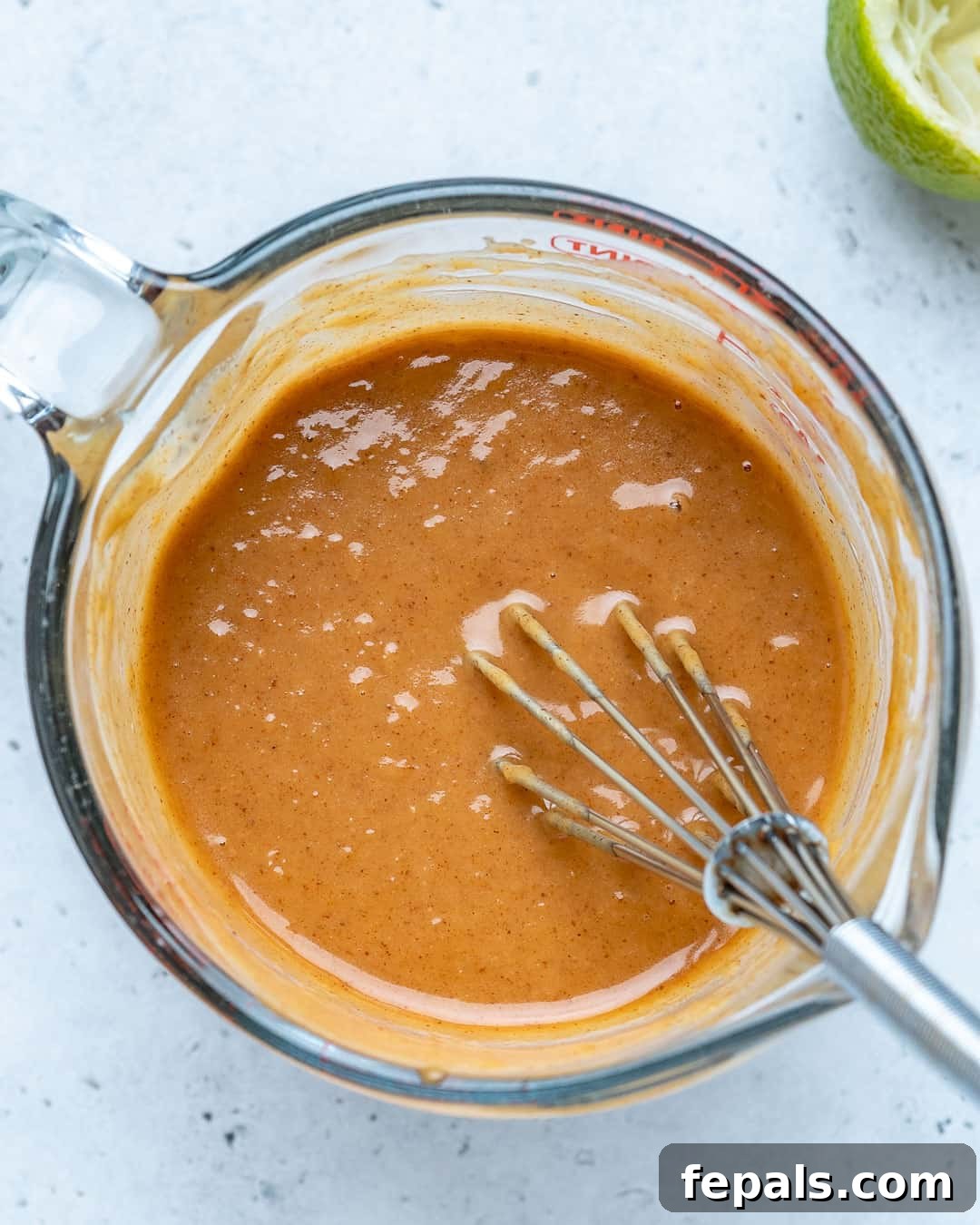
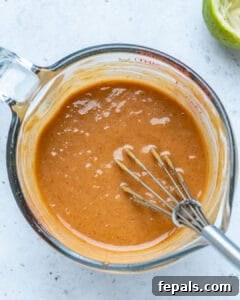
Step 3: Whisk Until Smooth and Adjust Consistency. Using a whisk, vigorously combine all the ingredients in the bowl. Start by mixing until everything is fully incorporated and the mixture begins to resemble a thick paste. If the sauce is too thick to drizzle, slowly add warm water, one tablespoon at a time, while continuously whisking. Continue until you achieve your desired smooth, creamy, and pourable consistency. The goal is a texture that coats a spoon easily but isn’t overly runny.
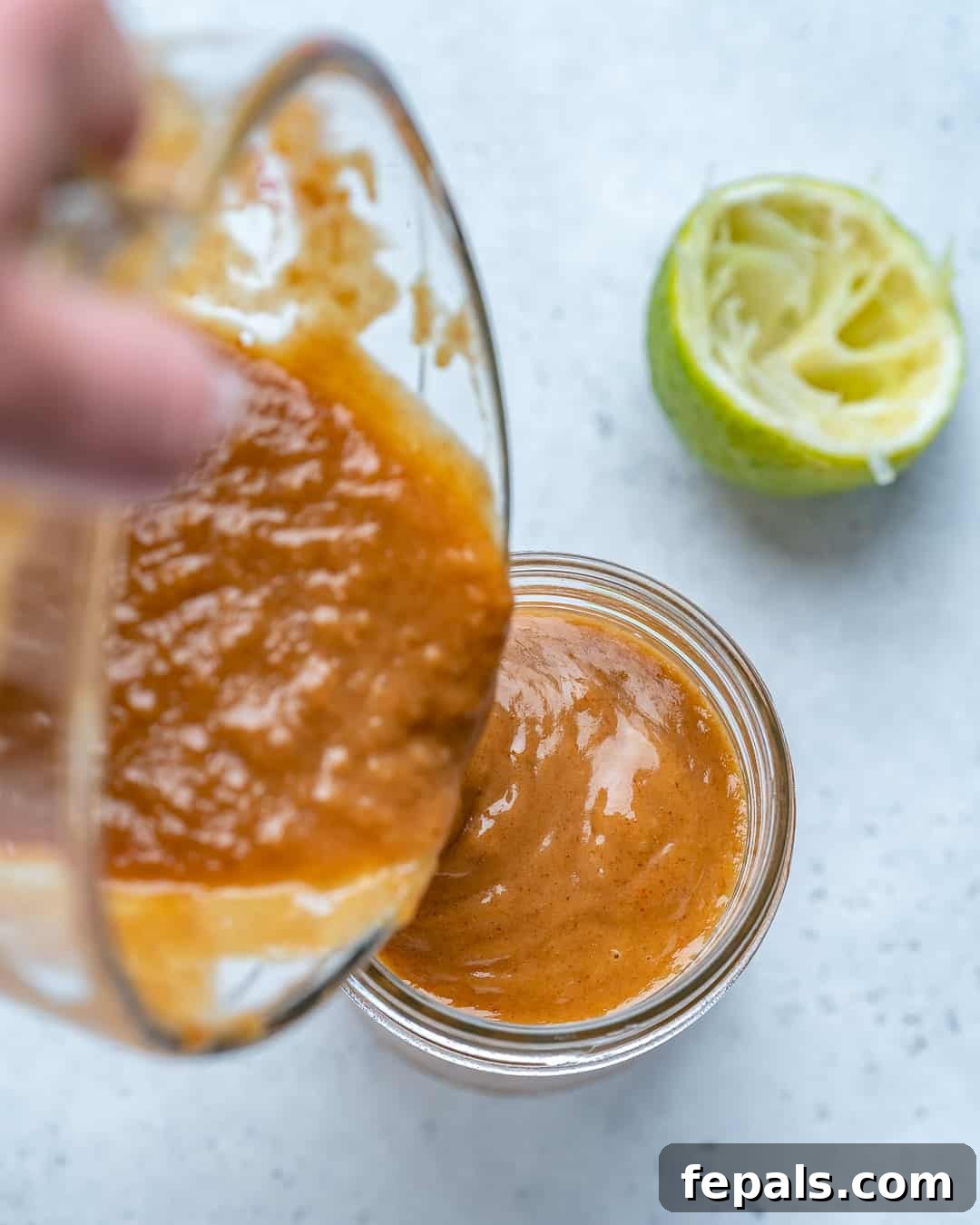
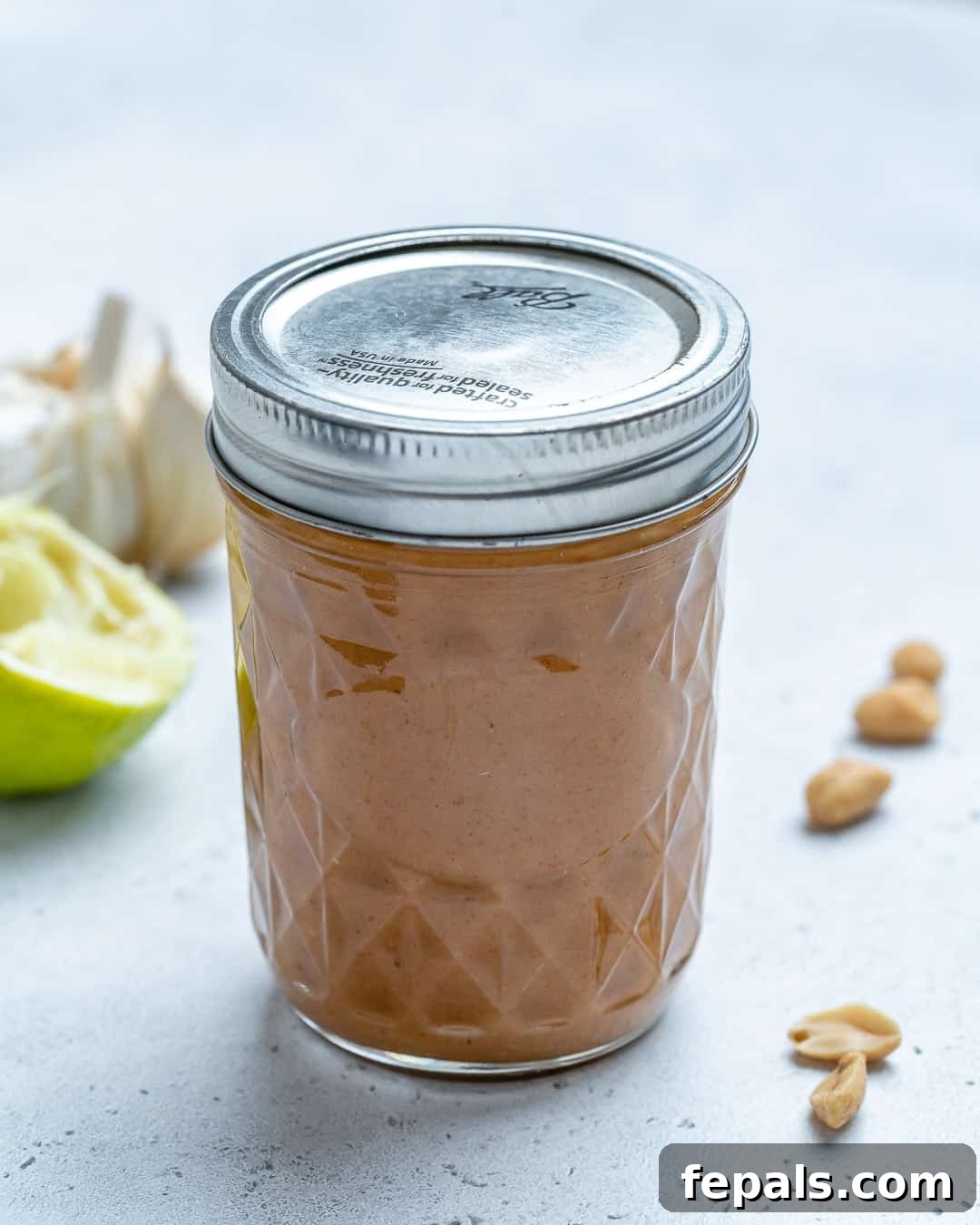
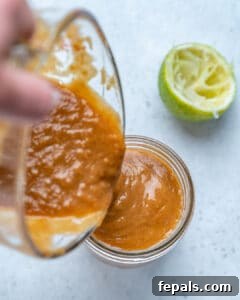
Step 4: Serve Immediately or Store for Later. Once your Thai Peanut Dressing has reached the perfect texture and flavor, it’s ready to be enjoyed! Transfer it to a stylish serving bowl if you’re using it right away, or pour it into an airtight container or jar for storage. This dressing is delicious immediately, but its flavors also meld beautifully if left to sit for a short while. Store any leftovers in the refrigerator for up to 6 days.
Expert Tips for an Unforgettable Thai Peanut Dressing
Achieving the perfect Homemade Thai Peanut Dressing is easy, but a few insider tips can take it from good to absolutely phenomenal:
- Choose the Right Peanut Butter: Always opt for all-natural, unsweetened peanut butter. These typically have just one or two ingredients (peanuts, sometimes salt). Conventional peanut butter often contains added sugars and hydrogenated oils, which can drastically alter the flavor profile and nutritional value of your dressing. Remember to give natural peanut butter a good stir before measuring, as the oils tend to separate.
- Fresh is Best for Aromatics: The difference fresh garlic and ginger make cannot be overstated. Avoid powdered versions if possible, as they lack the vibrant, pungent notes essential for authentic Thai flavor. Use a microplane or fine grater for both to ensure they blend smoothly into the dressing without creating large chunks.
- Don’t Skimp on Fresh Lime Juice: Bottled lime juice simply doesn’t compare to freshly squeezed. The bright, zesty acidity of fresh lime is crucial for cutting through the richness of the peanut butter and truly awakening all the other flavors in the dressing.
- Adjust Sweetness and Spice to Taste: Recipes are a guide, but your palate is the ultimate judge. Feel free to adjust the amount of honey/maple syrup and chili powder to suit your preference. Taste as you go and add small increments until it’s just right. You can always add more, but you can’t take it away!
- Achieve Perfect Consistency with Warm Water: The ideal consistency for this dressing is thick enough to coat, but thin enough to pour or drizzle easily. Warm water works wonders here. Add it slowly, a tablespoon at a time, while whisking until you reach your desired smoothness. This gradual addition prevents the dressing from becoming too watery.
- Consider Coconut Aminos: If you’re looking for a gluten-free or soy-free alternative, coconut aminos are an excellent substitute for soy sauce. They offer a similar savory, umami flavor with a touch of sweetness, complementing the other ingredients beautifully.
Creative Ways to Enjoy Your Thai Peanut Dressing
The versatility of this Homemade Thai Peanut Dressing is one of its greatest assets. Beyond its obvious use in salads, here are some inspiring ideas to incorporate this flavorful sauce into your meals:
- Dipping Sauce Extraordinaire: This is arguably its most popular use! Serve it alongside fresh-cut vegetables like cucumber sticks, carrot batons, bell pepper strips, or celery for a healthy snack. It’s also fantastic with rice paper spring rolls, chicken satay skewers, or even as a unique dip for flatbreads and pita chips.
- Salads and Grain Bowls: Transform any ordinary green salad into an exotic delight. It pairs wonderfully with crunchy greens, shredded carrots, bell peppers, edamame, and grilled chicken or tofu. For a heartier meal, drizzle it generously over warm grain bowls featuring quinoa, brown rice, or farro, topped with roasted vegetables and a protein of choice.
- Noodle Dishes: A classic pairing! Toss this dressing with warm or cold noodles (rice noodles, soba noodles, or even zucchini noodles for a low-carb option). Add some chopped peanuts, cilantro, and your favorite protein for a quick and satisfying meal. Try it in our Asian Shrimp Zucchini Noodles for a fantastic combination.
- Marinade Marvel: The bold flavors of peanut, ginger, and lime make this an exceptional marinade for meats and plant-based proteins. Marinate chicken breasts, pork tenderloin, or firm tofu for at least 30 minutes (or longer for deeper flavor) before grilling, baking, or stir-frying. It tenderizes and infuses incredible taste.
- Drizzle Over Cooked Proteins & Vegetables: Elevate simple grilled chicken, baked salmon, or pan-seared shrimp with a generous drizzle. It also shines when poured over roasted broccoli, green beans, or sweet potatoes, adding a burst of flavor to otherwise plain side dishes. Don’t forget to try it on our Asian Chicken Cups for an extra layer of deliciousness.
- Sandwich Spread or Wrap Filler: Move beyond mayo! Use this peanut dressing as a flavorful spread for chicken wraps, turkey sandwiches, or even vegetarian rolls. It adds moisture and a delicious Asian twist.
Frequently Asked Questions About Thai Peanut Dressing
Got questions? We’ve got answers! Here are some common inquiries about making, using, and storing your homemade Thai Peanut Dressing:
What is Thai Peanut Dressing used for?
Thai Peanut Dressing is incredibly versatile! It’s fantastic as a dip for fresh vegetables, spring rolls, or flatbread. You can drizzle it generously over noodle bowls, rice bowls, or salads for a burst of flavor. It also makes an excellent marinade for grilled meats (like chicken or pork) and roasted vegetables, or as a sauce for stir-fries.
Does it need to be refrigerated?
Yes, absolutely. Due to the fresh ingredients like garlic, ginger, and lime juice, as well as the peanut butter base, this dressing must be refrigerated. Store it in an airtight container immediately after preparation to maintain freshness and prevent spoilage.
How long does homemade Thai Peanut Dressing last?
When stored properly in an airtight container in the refrigerator, this homemade dressing will last for up to 6 days. While it might still be edible beyond that, the flavors and freshness are best within this timeframe. It’s always a good idea to smell and check the consistency before using if it’s been stored for a while.
Can I make this dressing vegan?
Yes! To make this dressing completely vegan, simply ensure you use maple syrup instead of honey for the sweetener. All other ingredients are typically plant-based, but always double-check your peanut butter to ensure it has no hidden animal products.
What if my dressing is too thick or too thin?
If your dressing is too thick, gradually whisk in small amounts of warm water (half a tablespoon at a time) until it reaches your desired consistency. If it turns out too thin, you can try adding a bit more peanut butter to thicken it, or let it sit in the refrigerator for an hour or two; it often thickens slightly as it chills.
Can I make it spicier?
Absolutely! To increase the heat, you can add more chili powder to taste. For a more intense spice, consider adding a pinch of red pepper flakes, a dash of sriracha, or even a tiny amount of minced fresh bird’s eye chili when you’re combining the ingredients.
Can I freeze Thai Peanut Dressing?
Freezing is generally not recommended for this dressing. The creamy emulsion can sometimes separate upon thawing, affecting the texture. It’s best to enjoy it fresh or within the refrigerated shelf life.
You May Also Like These Flavorful Recipes
If you loved this Thai Peanut Dressing, explore some of our other delicious and healthy recipes that share similar flavor profiles or complement this dressing beautifully:
- Asian Chopped Chicken Salad
- Shrimp Salad with Peanut Dressing
- Easy Orange Chicken Stir Fry
- Creamy Cilantro Lime Dressing
- Homemade Ranch Dressing
- Chinese Scallion Sesame Pancakes
- Asian Chicken Cups Recipe
- Baked Cashew Chicken and Veggies
Get my free eBook!
Grab my free ebook featuring 20 of my top 30-minute family-friendly healthy dinner recipes. Download now!
If you try this delightful recipe and love it as much as we do, please leave your feedback in the comment section below and don’t forget to give it a star rating! Your reviews help others discover fantastic recipes. We’d also be thrilled if you shared this recipe with friends and family.
FOLLOW me on FACEBOOK | INSTAGRAM | PINTEREST | TWITTER for all of my latest blog posts and recipes.
Homemade Thai Peanut Dressing
By: Rena
Servings: 5 (1 cup)
Prep Time: 5 mins
Cook Time: 5 mins
Total Time: 10 mins
This Thai Peanut Dressing is a creamy, flavorful dressing perfect for salads, noodle dishes, or dipping fresh veggies.
Print Recipe
Ingredients
- ½ cup drippy peanut butter, all-natural and unsweetened
- 2 tablespoons low sodium soy sauce, or coconut aminos for gluten-free
- 1 tablespoon rice vinegar
- 2 tablespoons honey, or maple syrup
- ½ teaspoon chili powder, or to taste
- 1 lime, juiced
- 2-3 garlic cloves, grated
- 1 tablespoon ginger root, grated
- 2-4 tablespoons warm water, to thin the sauce
Instructions
-
In a small mixing bowl, add the ½ cup drippy peanut butter, 2-3 grated garlic cloves, and 1 tablespoon grated ginger root.

-
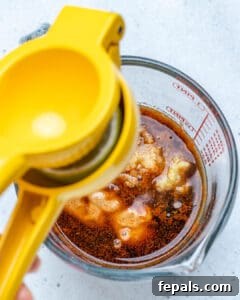
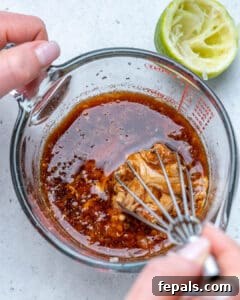
Stir in the 2 tablespoons low sodium soy sauce, 1 tablespoon rice vinegar, 2 tablespoons honey, ½ teaspoon chili powder, and the juice from 1 lime. Mix well until combined.
-
If the mixture is too thick, add 2-4 tablespoons warm water gradually, one tablespoon at a time, until the desired consistency is reached. Whisk until smooth and creamy.
-
Transfer the dressing to a serving bowl and serve immediately. To store, pour into an airtight container or jar and refrigerate for up to 6 days.
Notes
- Drippy peanut butter: Use all-natural, unsweetened peanut butter. Its oils often separate; stir well before measuring.
- Soy sauce: Opt for low sodium or substitute with coconut aminos for a gluten-free option.
- Lime juice: Freshly squeezed juice is essential for the best flavor.
- Garlic cloves: Grate fresh garlic on a microplane for a smoother sauce.
- Ginger root: Peel with the back of a spoon, then freeze the whole root. Grate from frozen for ease of use, and return leftovers to the freezer.
- Storing: Keep in an airtight container in the fridge for up to 6 days.
Nutrition
Calories: 189 kcal | Carbohydrates: 15g | Protein: 7g | Fat: 13g | Saturated Fat: 3g | Sodium: 223mg | Potassium: 193mg | Fiber: 2g | Sugar: 10g | Vitamin A: 80IU | Vitamin C: 4mg | Calcium: 18mg | Iron: 1mg
Nutrition information is automatically calculated, so should only be used as an approximation.
Additional Info
Course: condiment
Cuisine: thai