
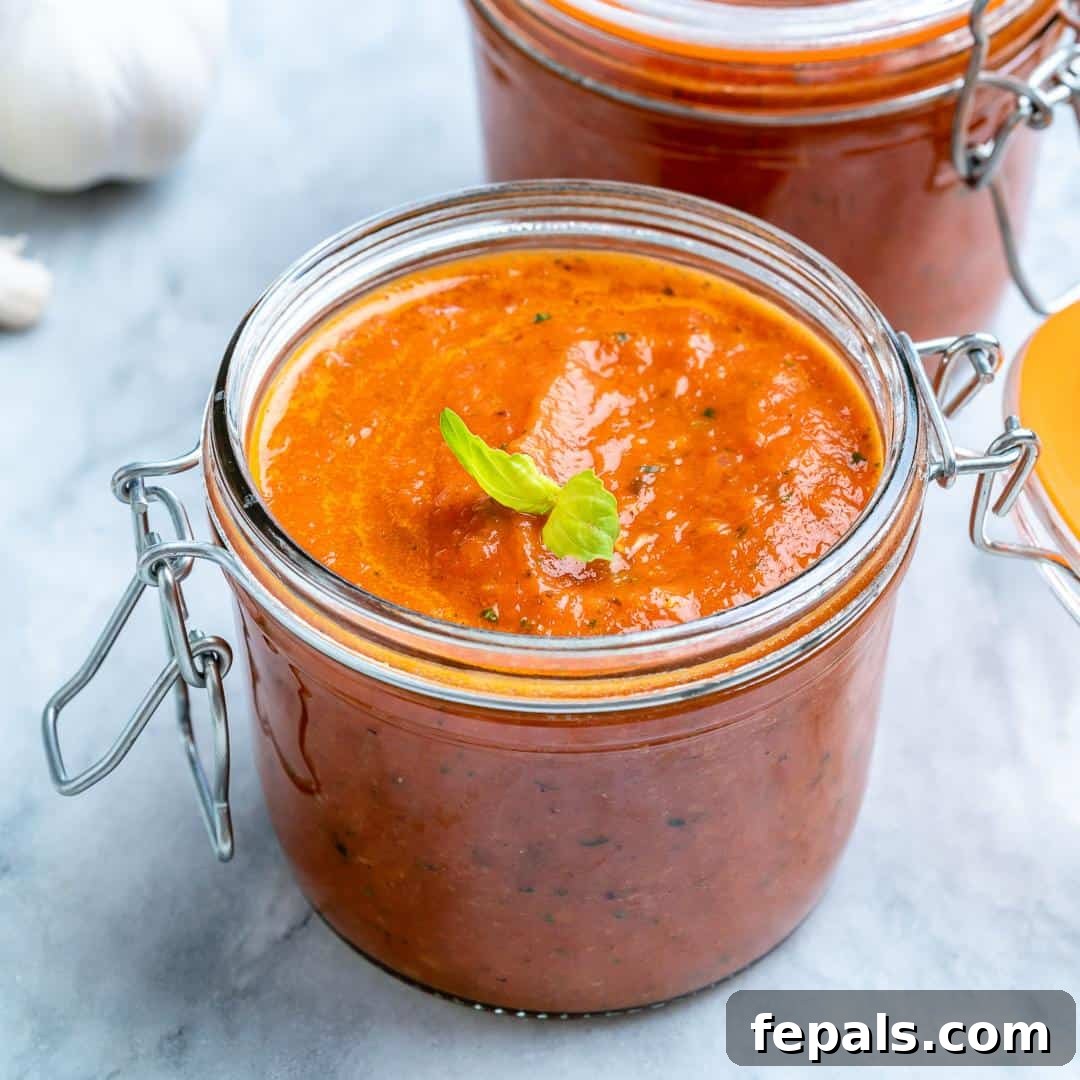
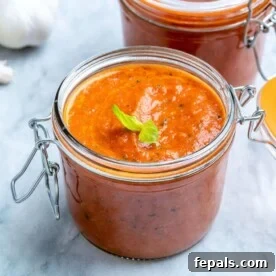
Unlock the secret to an unforgettable Italian meal right in your own kitchen with this incredibly easy and utterly delicious recipe for Homemade Marinara Sauce. Forget those bland, sugar-laden jars from the supermarket; this vibrant, fresh sauce will transform your pasta nights, chicken dishes, and meatballs into a culinary celebration. It’s so simple to make, even beginners will feel like seasoned chefs, and its rich, authentic flavor is guaranteed to become a family favorite. Best of all, it’s naturally low in calories and carbs, and adheres to various dietary needs including paleo, keto, gluten-free, dairy-free, and Whole30 principles, making it a truly versatile addition to any healthy lifestyle.
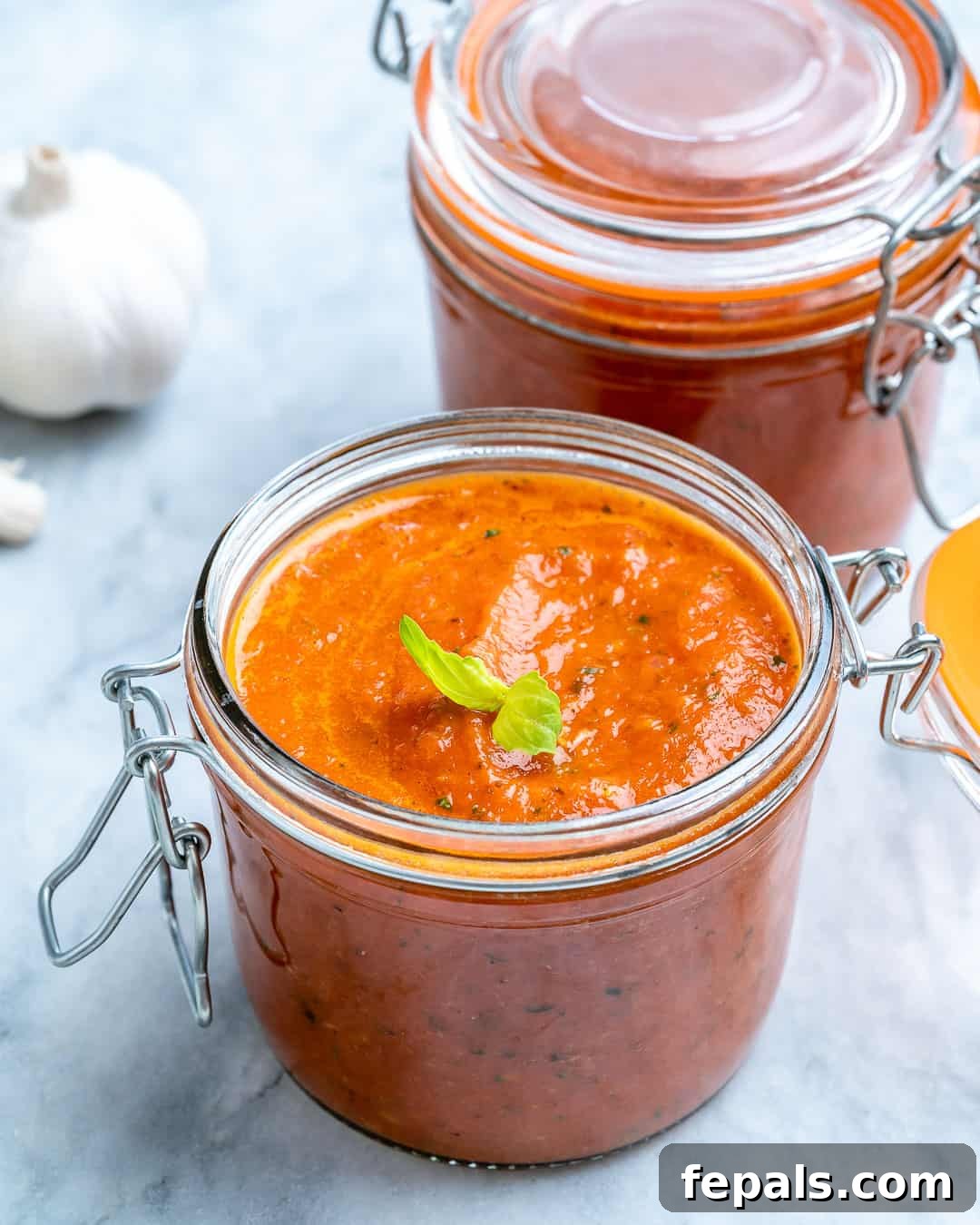
Crafting the Best Homemade Marinara Sauce: A Flavorful Journey
There’s a magical simplicity in creating a truly exceptional homemade marinara sauce. With just a few humble ingredients, you can whip up a batch that far surpasses anything you’d find on store shelves. The beauty of crafting your own sauce lies in complete control – no hidden sugars, excessive salt, or mysterious preservatives. This means a cleaner, brighter flavor that truly highlights the natural sweetness of ripe tomatoes and aromatic herbs.
Once you taste the difference, you’ll be hooked. This recipe is designed to be so straightforward, you’ll want to make extra every time. Imagine having a ready supply in your freezer for those busy weeknights, or sharing a jar of this liquid gold with a grateful friend or neighbor. It’s not just a sauce; it’s a gift of homemade goodness.
If you’re passionate about making healthy, flavorful sauces from scratch, you’ll also adore exploring other homemade options like my creamy Cauliflower Alfredo Sauce or my vibrant Homemade Pesto Sauce, which are equally satisfying and easy to prepare.
Recipe Overview
Why Choose Homemade Marinara? Unbeatable Benefits!
There are countless reasons to swap your store-bought jar for a fresh batch of homemade marinara. Beyond the sheer satisfaction of creating something delicious from scratch, this recipe offers a multitude of advantages for your palate and your health:
- Effortless and Wholesome Ingredients: This recipe champions simplicity. It utilizes basic pantry staples that you likely already have on hand, transforming them into a gourmet sauce. No obscure additives, just pure, natural goodness. You control every element, ensuring a healthy foundation for your meals.
- Superior Flavor and Nutritional Value: Say goodbye to the overly sweet or salty taste of commercial sauces. Our homemade marinara boasts a rich, authentic flavor profile without the unnecessary added sugars and excessive sodium often found in many canned and jarred varieties. This means a healthier meal that tastes genuinely fresh and vibrant.
- A Versatile Family Favorite: There’s an undeniable comfort in a warm bowl of pasta generously coated with robust homemade marinara sauce. But its versatility extends far beyond pasta! Elevate any meal by serving it alongside hearty proteins like my Italian Turkey Meatballs, or use it as a flavorful base for chicken or vegetable dishes. For a complete and balanced meal, pair it with a crisp, low-carb side like my refreshing Avocado-Tomato Salad. It’s truly a sauce that brings joy and flavor to the entire family, catering to diverse tastes and dietary preferences.
- Dietary Compliance Made Easy: If you’re following a specific dietary plan, this marinara is a dream come true. It’s inherently low in calories and carbohydrates, making it ideal for those managing their intake. Being paleo, keto, gluten-free, dairy-free, and Whole30 approved means it fits seamlessly into a wide range of healthy eating regimens without requiring special modifications or ingredient swaps.
- Budget-Friendly: Making sauce from scratch is often more economical than buying premium store-bought versions, especially when you consider the quality of ingredients you’re using.
Essential Ingredients for Your Marinara
Creating this flavorful marinara sauce requires just a handful of fresh, high-quality ingredients. While the full, precise measurements are listed in the detailed recipe card further down, here’s a glimpse at what you’ll need and why each component is crucial for building that perfect taste:
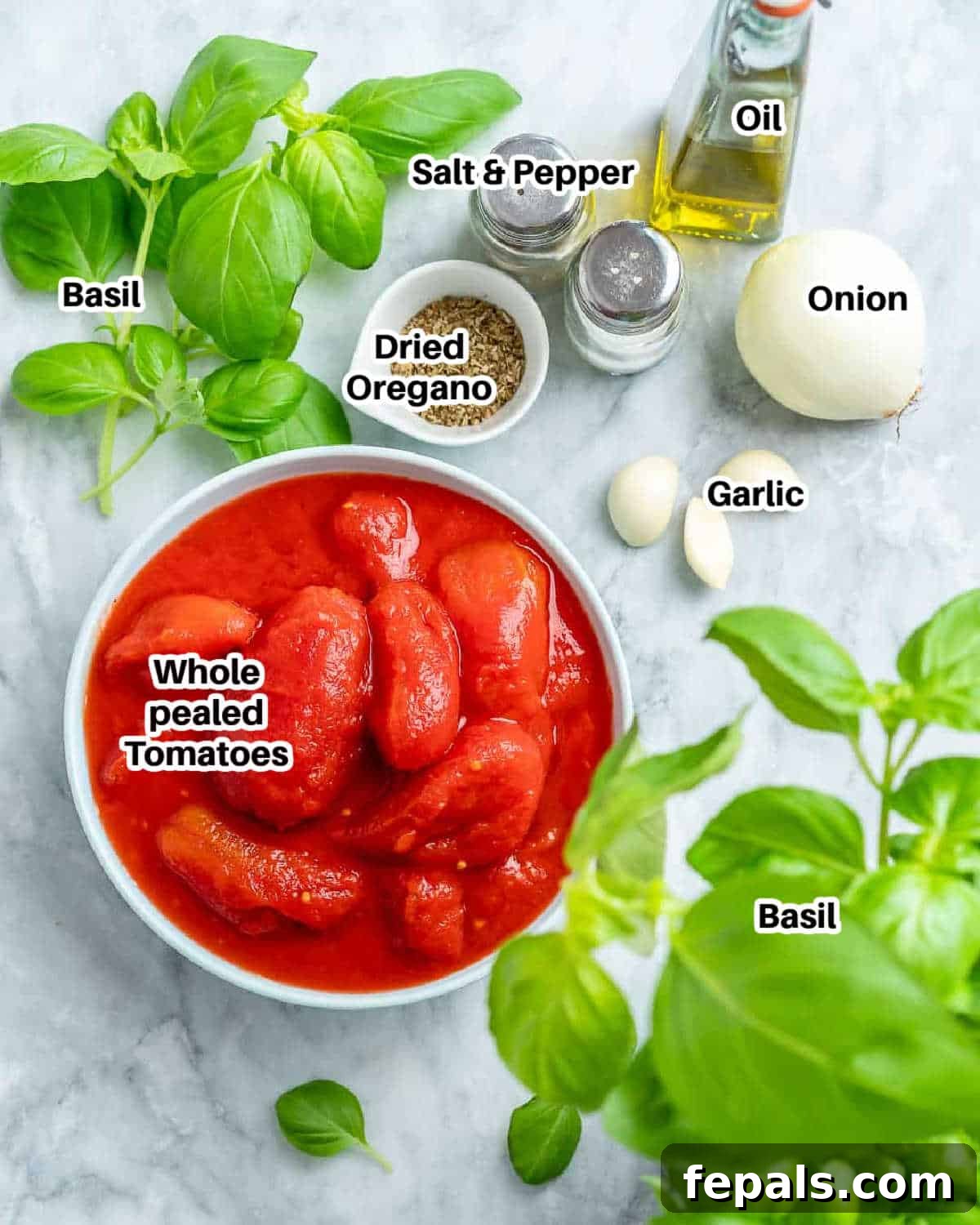
- Whole Peeled Tomatoes: The star of the show! High-quality canned whole peeled tomatoes are essential. They provide a robust, naturally sweet base that defines the marinara. Opt for San Marzano tomatoes if possible for their superior flavor and balanced acidity.
- Yellow Onion: Adds a foundational sweetness and aromatic depth when sautéed. It mellows beautifully during cooking, providing a subtle background flavor without overpowering the tomatoes.
- Garlic Cloves: Fresh garlic is non-negotiable for that authentic, pungent Italian flavor. It adds a crucial aromatic layer that develops and sweetens as it cooks. Avoid garlic powder for this recipe to achieve the best results.
- Extra-Virgin Olive Oil: The healthy fat that carries and develops all the flavors. Choose a good quality olive oil for sautéing and enriching the sauce.
- Dried Oregano: A classic Italian herb that brings earthy, slightly bitter notes, enhancing the overall complexity of the sauce.
- Fresh Basil Leaves: Added at the end, fresh basil imparts a bright, peppery, and sweet aroma that elevates the sauce from good to extraordinary. Its fresh essence is a signature of authentic marinara.
- Salt and Pepper: Fundamental seasonings to balance and enhance all the flavors, allowing the natural goodness of the tomatoes and herbs to shine.
- Red Pepper Flakes (Optional): For those who enjoy a little kick, a pinch of red pepper flakes adds a delightful warmth and subtle spice.
Your Step-by-Step Guide to Perfect Homemade Marinara Sauce
Making your own marinara is a rewarding experience, and this step-by-step process ensures a perfect sauce every time. Follow these instructions closely, and you’ll have a restaurant-quality marinara that everyone will rave about. For precise measurements and a consolidated view, refer to the recipe card below.
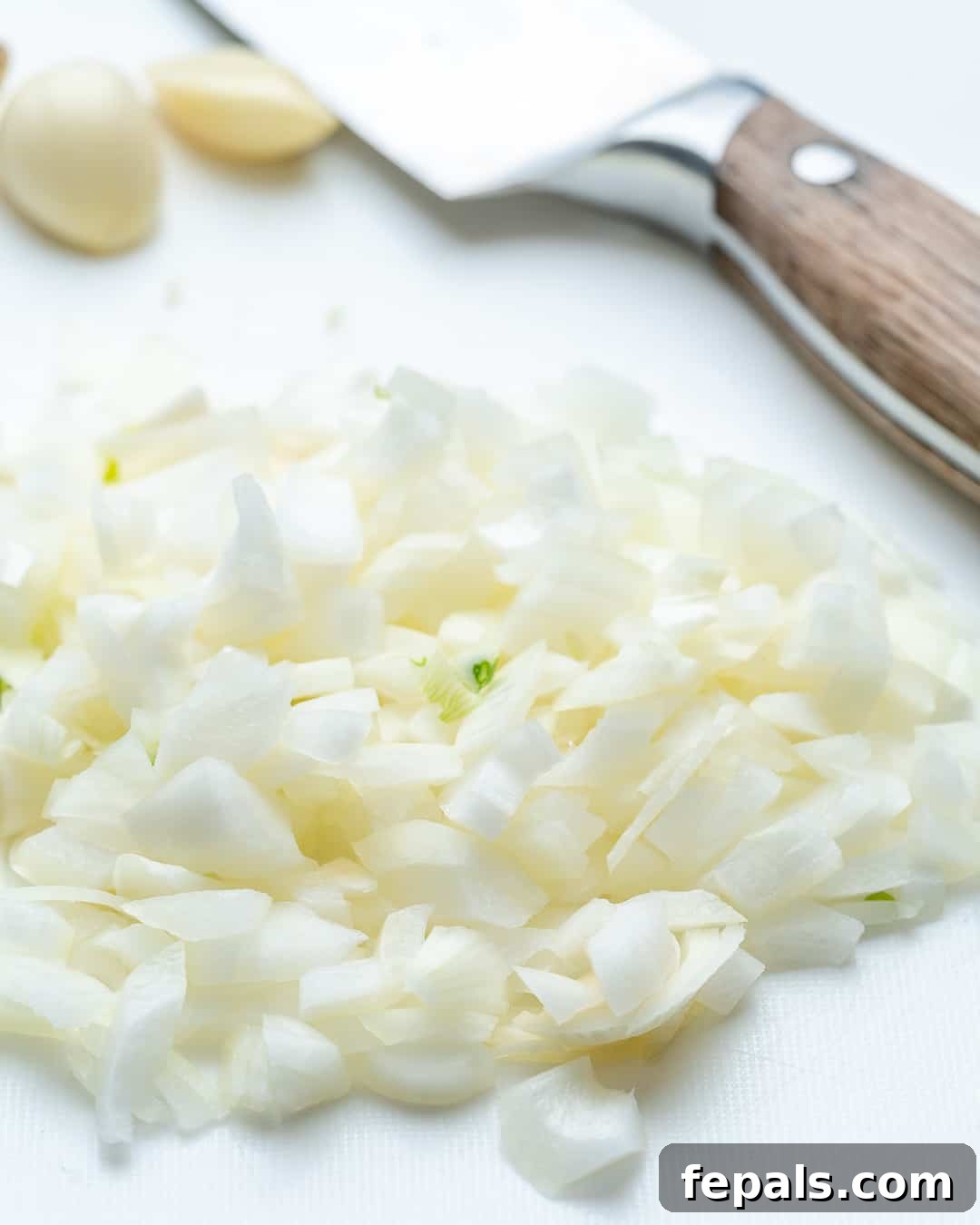
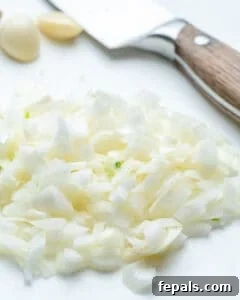
Step 1: Prepare Your Aromatics. Begin by carefully peeling both the onion and the garlic cloves. Once peeled, crush the garlic using the side of your knife or a garlic press, and finely dice the onion. Precision in dicing ensures even cooking and prevents large chunks in your smooth sauce. Using fresh garlic is crucial here, as garlic powder simply won’t deliver the same depth of flavor and can sometimes add an unwanted bitterness. This step sets the aromatic foundation for your sauce.
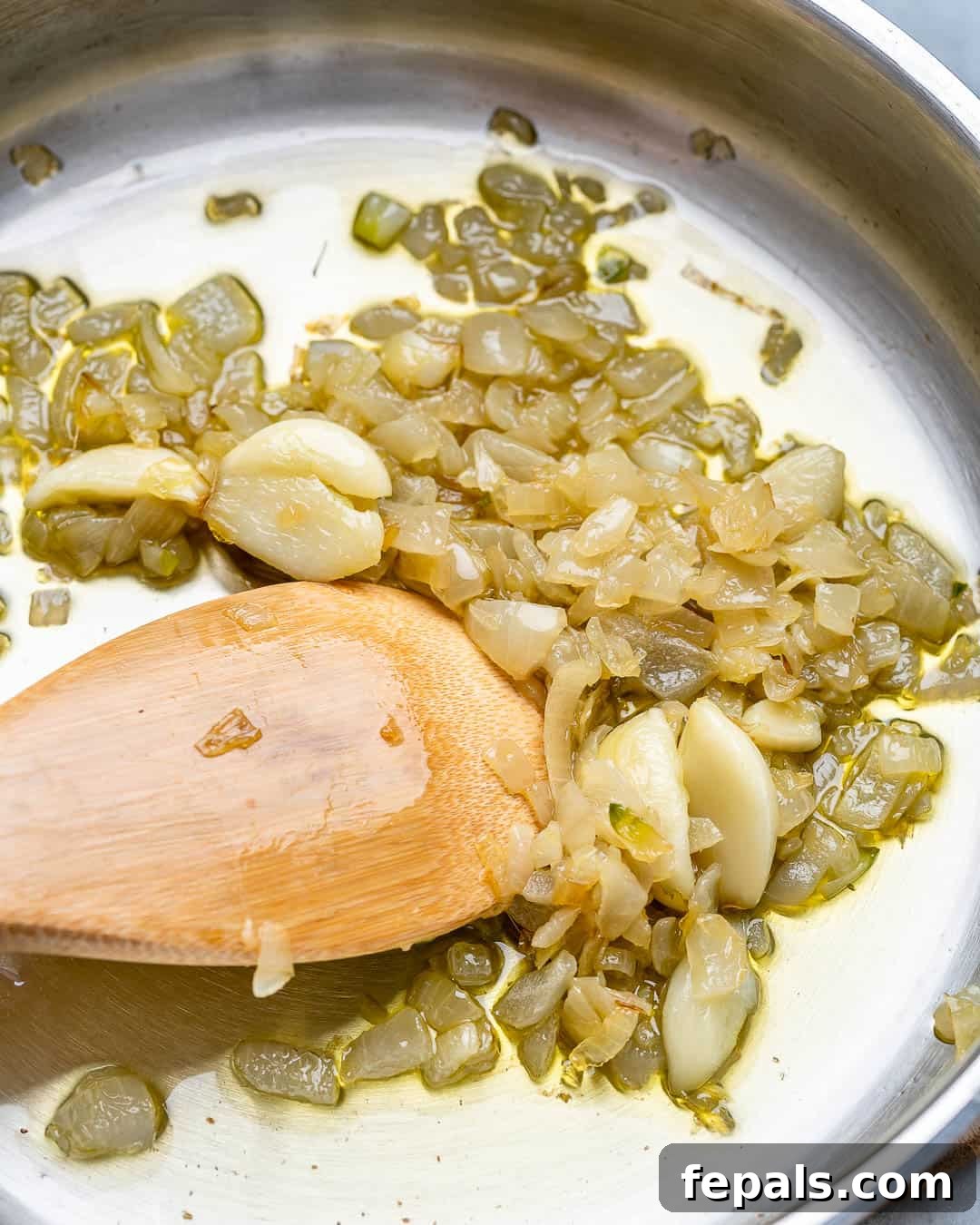
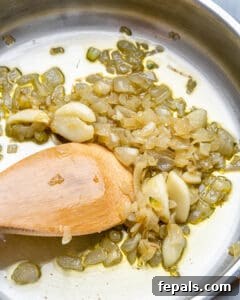
Step 2: Sauté the Garlic and Onion. Heat the extra-virgin olive oil in a heavy-bottomed saucepan over medium-high heat. A heavy-bottomed pan helps distribute heat evenly and prevents scorching. Add your diced onion and crushed garlic to the hot oil. Sauté for about 4-5 minutes, stirring occasionally, until the onions become translucent and the garlic is fragrant but not browned. Be careful not to burn the garlic, as this will impart a bitter taste to your entire sauce.
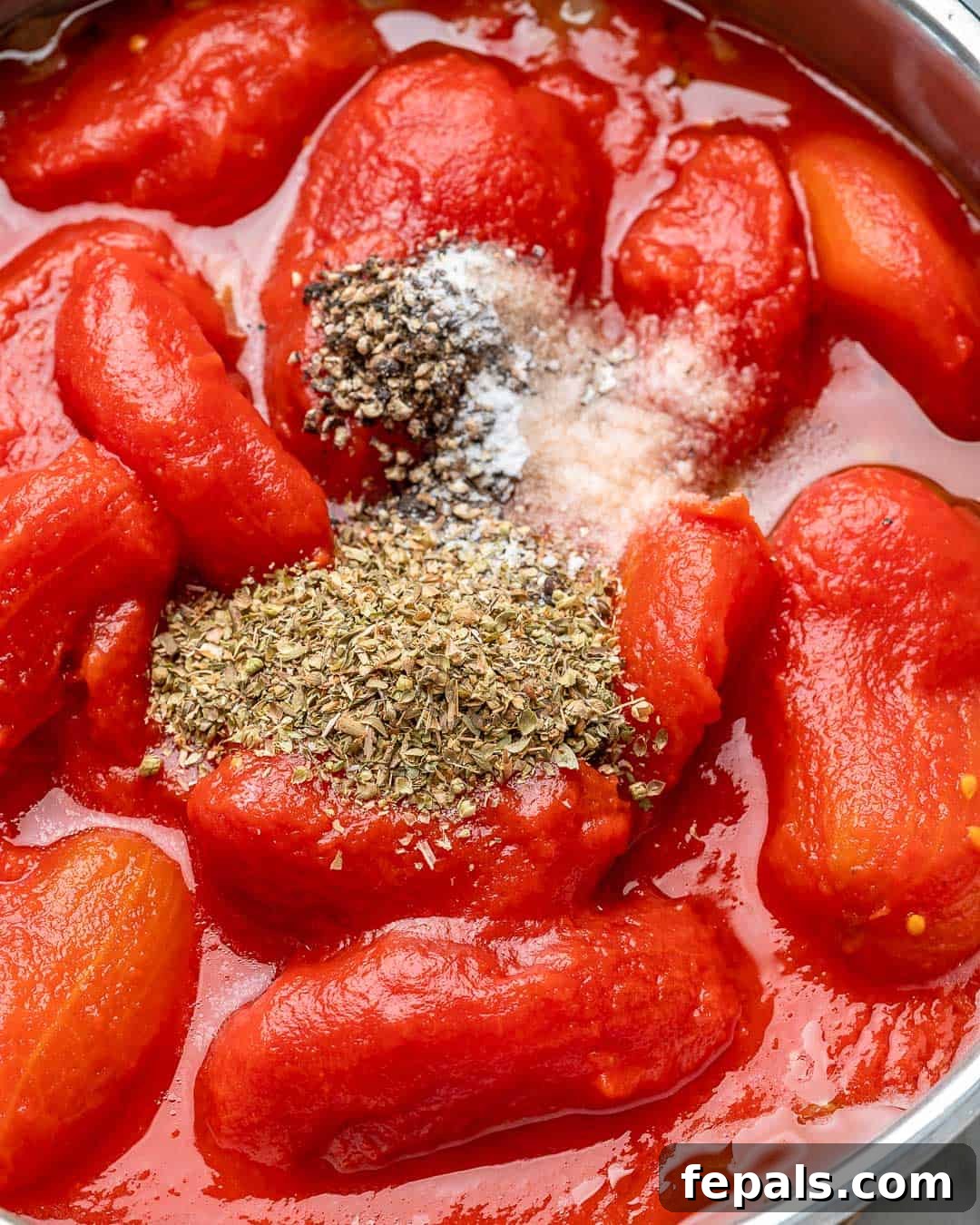
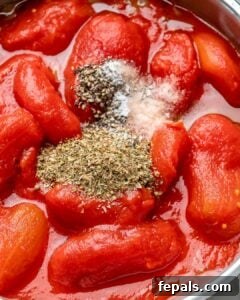
Step 3: Introduce Tomatoes and Seasonings. Carefully pour the contents of the canned whole peeled tomatoes directly over the sautéed onions and garlic in the saucepan. Use a wooden spoon or a potato masher to break down the whole tomatoes into smaller, more manageable pieces. Stir in the dried oregano, red pepper flakes (if you desire a bit of heat), and a generous pinch of salt and freshly ground black pepper. Combine all ingredients thoroughly to ensure the flavors meld.
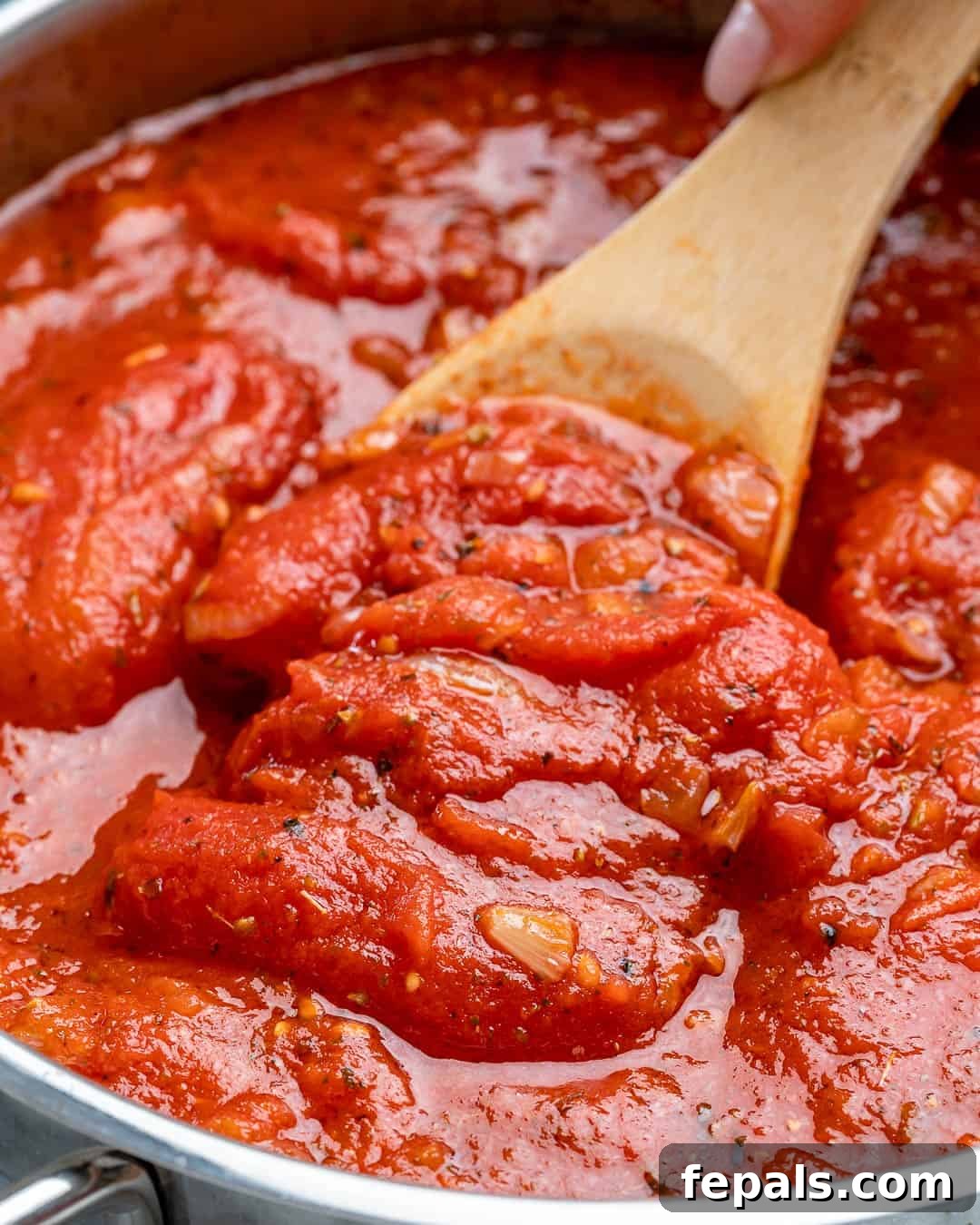
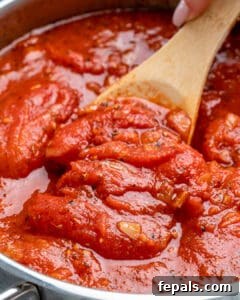
Step 4: Simmer to Perfection. Once everything is combined, reduce the heat to low. Allow the sauce to gently simmer, uncovered, for approximately 25-30 minutes. This slow simmer is crucial as it allows the flavors to deepen and concentrate, and for the sauce to reduce. You’ll know it’s ready when the liquid has reduced by about one-third, and a small amount of oil begins to separate from the sauce, indicating that the flavors have fully developed and the sauce has thickened beautifully.
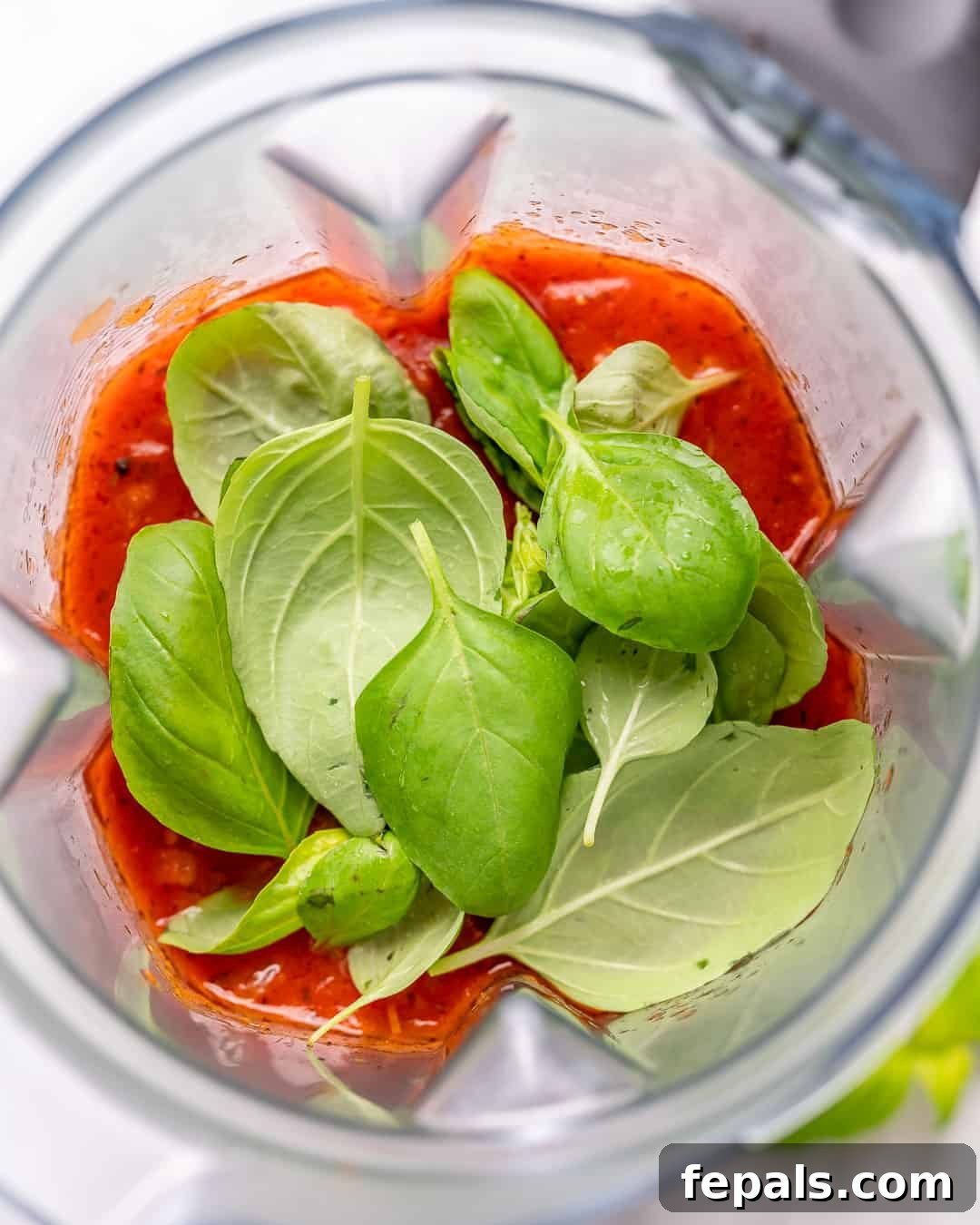
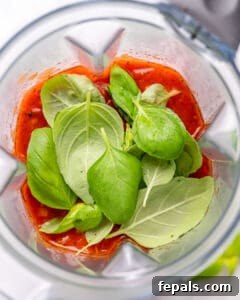
Step 5: Blend for Smoothness. After simmering, remove the saucepan from the heat. Carefully transfer the hot sauce into a stand blender. This is also the perfect time to add a generous handful of fresh basil leaves. The heat from the sauce will gently wilt the basil, releasing its fragrant oils into the blend. Be cautious when blending hot liquids; ensure the blender lid is securely on and start at a low speed, gradually increasing, to prevent splashing.
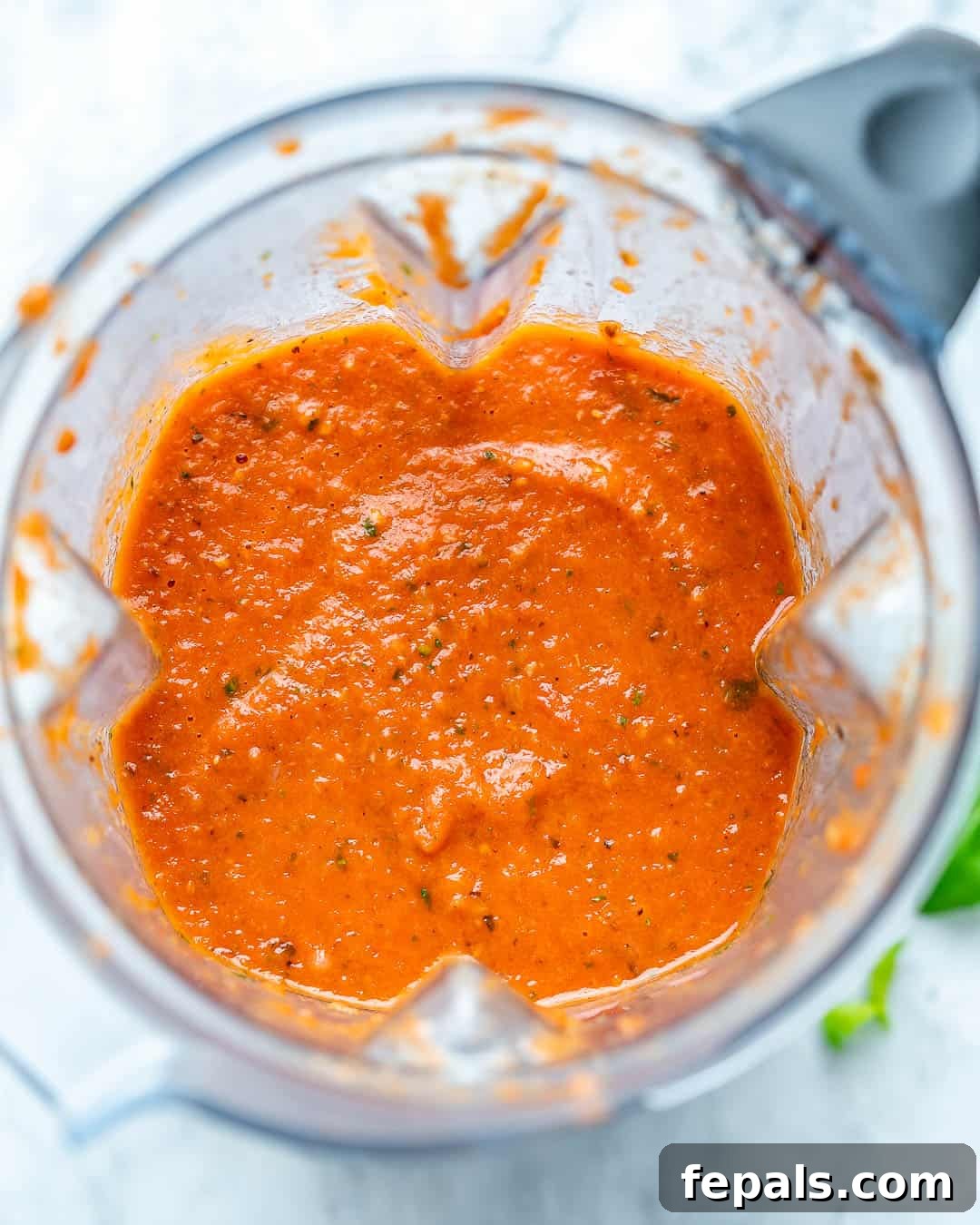
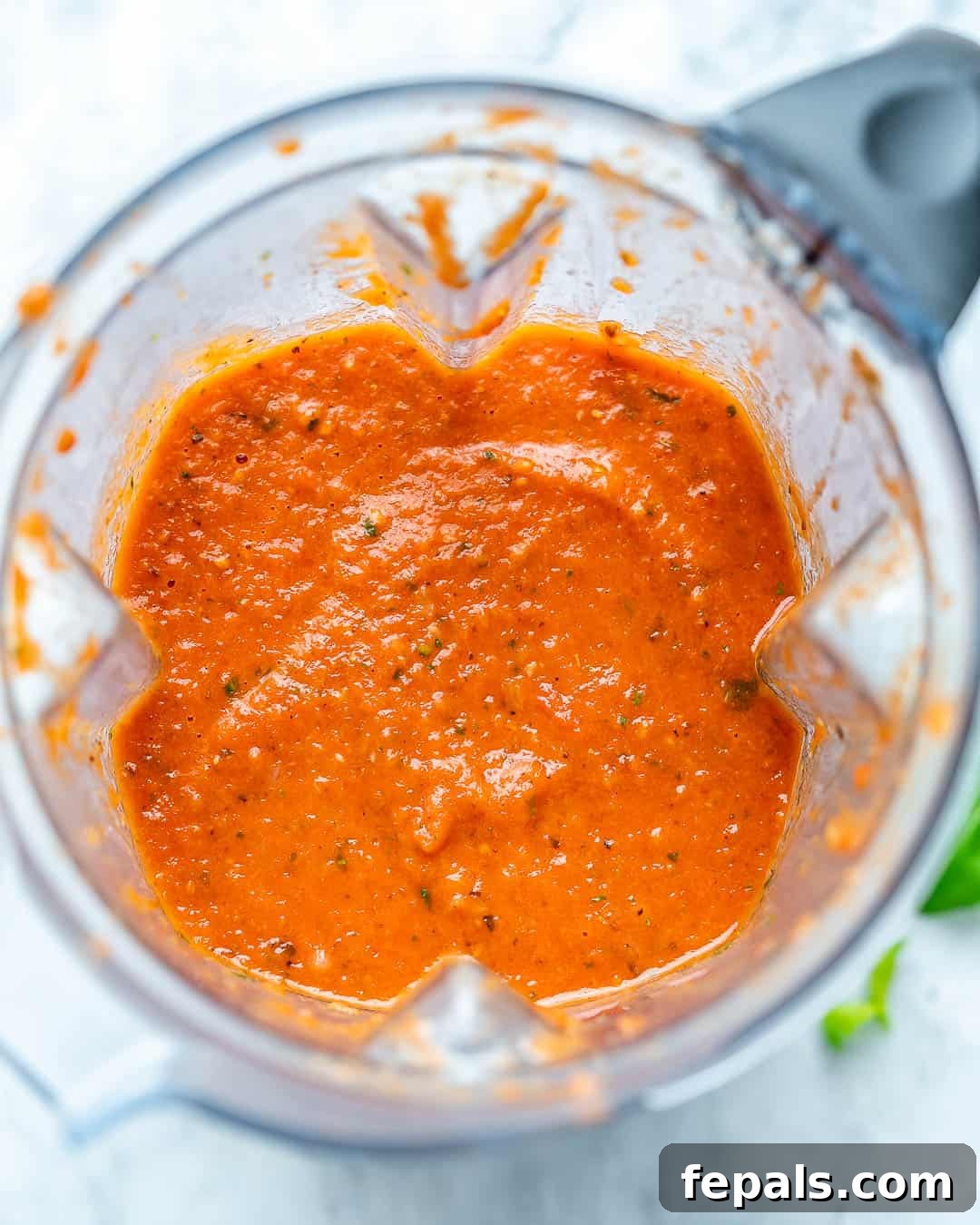
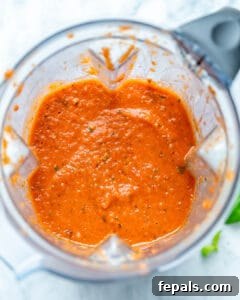
Step 6: Achieve Desired Consistency and Season. Blend the sauce until it reaches your preferred consistency. For a rustic texture, blend minimally, leaving some small chunks of tomato. For a velvety smooth sauce, blend until completely pureed. Once blended, taste the marinara and adjust the salt and pepper as needed. This final seasoning step is crucial to ensure the sauce is perfectly balanced to your palate. A touch of sugar (optional) can also be added if your tomatoes are particularly acidic and you prefer a slightly sweeter profile.
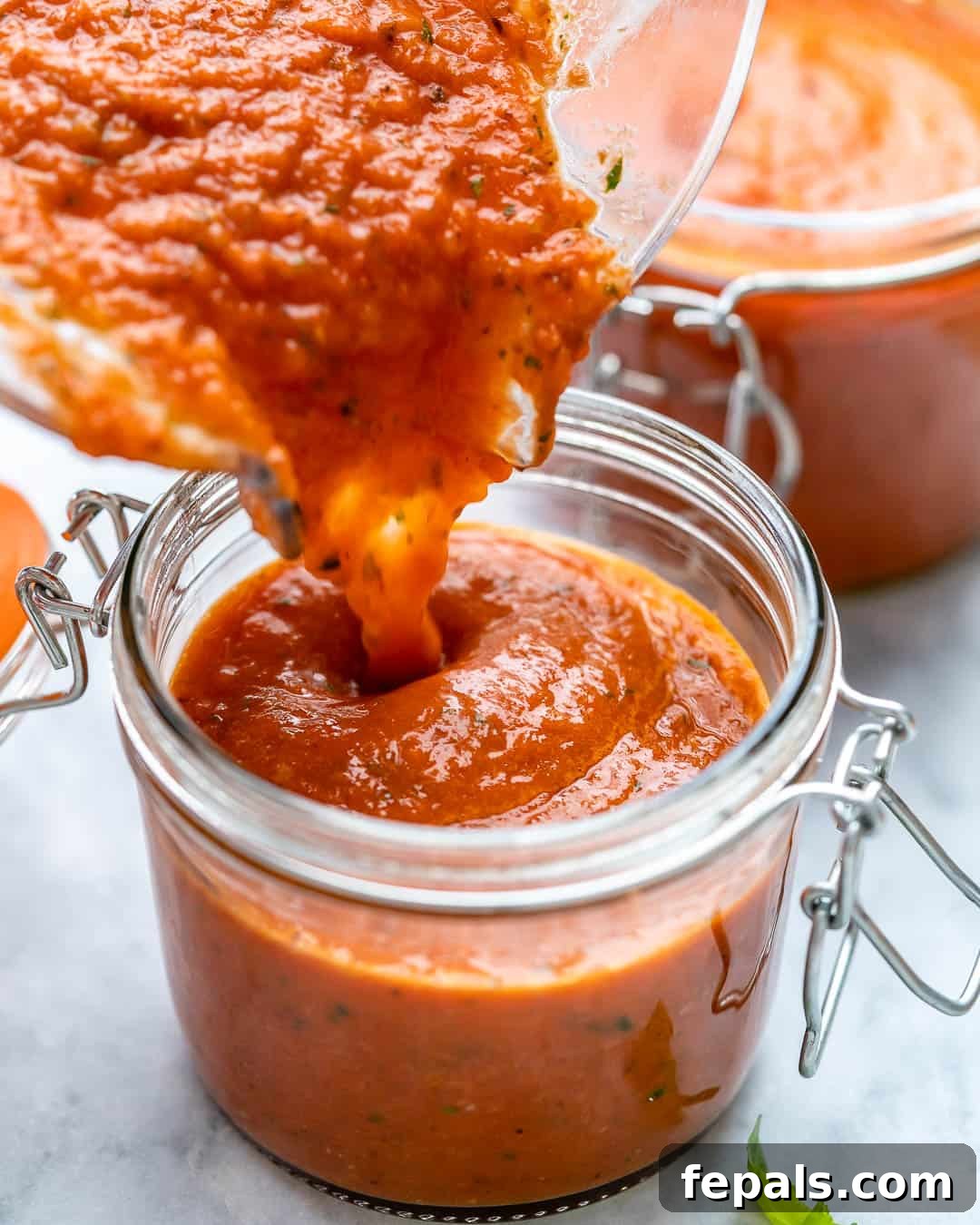
Step 7: Store and Serve. Finally, transfer your freshly made marinara sauce into an air-tight jar or container and secure it with a lid. It’s now ready to be served immediately with your favorite dishes, or stored for later enjoyment. This versatile sauce can be refrigerated for up to 5 days, or frozen for an extended period of up to 6 months, ensuring you always have a delicious homemade option on hand.
Expert Tips & Tricks for the Best Marinara Sauce
While making marinara is simple, a few expert tips can elevate your sauce from good to truly exceptional. Keep these insights in mind for a consistently perfect batch:
- Selecting the Right Tomatoes: The quality of your canned tomatoes significantly impacts the final flavor. While any style of canned tomato works, San Marzano tomatoes are highly recommended. These Italian plum tomatoes are prized for their sweet, balanced flavor and tender flesh, as they are grown in the volcanic soil near Mount Vesuvius and picked at their peak ripeness.
- Fresh Garlic is Key: For the most authentic and vibrant flavor, always opt for freshly chopped or minced garlic. While jarred minced garlic can be used in a pinch, it often lacks the punch of fresh cloves. Avoid garlic powder entirely, as it can introduce a bitter, flat taste that detracts from the sauce’s freshness.
- Onion Choice Matters: A standard yellow onion works wonderfully, but for an added layer of sweetness, consider using a Vidalia or Walla Walla onion. Their milder, sweeter profile will naturally complement the tomatoes and reduce any need for added sugar.
- Choosing Your Oil: Extra-virgin olive oil is traditional and offers a beautiful flavor. However, you can also use avocado oil for a neutral taste and high smoke point. For those on a keto diet looking for an extra richness, a tablespoon or two of unsalted butter can be used to sauté the aromatics, imparting a lovely buttery depth.
- A Touch of Cheese (Optional): For an extra burst of savory flavor, consider adding a tablespoon or two of freshly grated Parmesan cheese to the sauce before pureeing. The cheese will melt and integrate, adding umami and a slight creaminess. If you’re aiming for a vegan sauce but still crave that cheesy essence, nutritional yeast is an excellent substitute, offering a similar savory profile without dairy.
- Prevent Garlic Burn: When sautéing the garlic and onion, keep a close eye on the garlic. It cooks quickly and can turn bitter if overcooked or burned. Sauté just until fragrant and lightly golden, usually 1-2 minutes after adding to the pan.
- Adjusting Acidity: If your tomatoes are particularly acidic, a pinch of baking soda can neutralize the acidity without affecting the flavor. Alternatively, a teaspoon of sugar can also balance the taste, though it’s often unnecessary with quality tomatoes.
- Don’t Rush the Simmer: The simmering time is crucial for developing deep flavors. Allow the sauce to gently bubble and reduce; this process concentrates the tomato flavor and melds all the ingredients beautifully.
Storing Your Homemade Marinara for Future Feasts
One of the fantastic benefits of making a big batch of homemade marinara is the ability to store it for future meals. Proper storage ensures your delicious sauce remains fresh and flavorful.
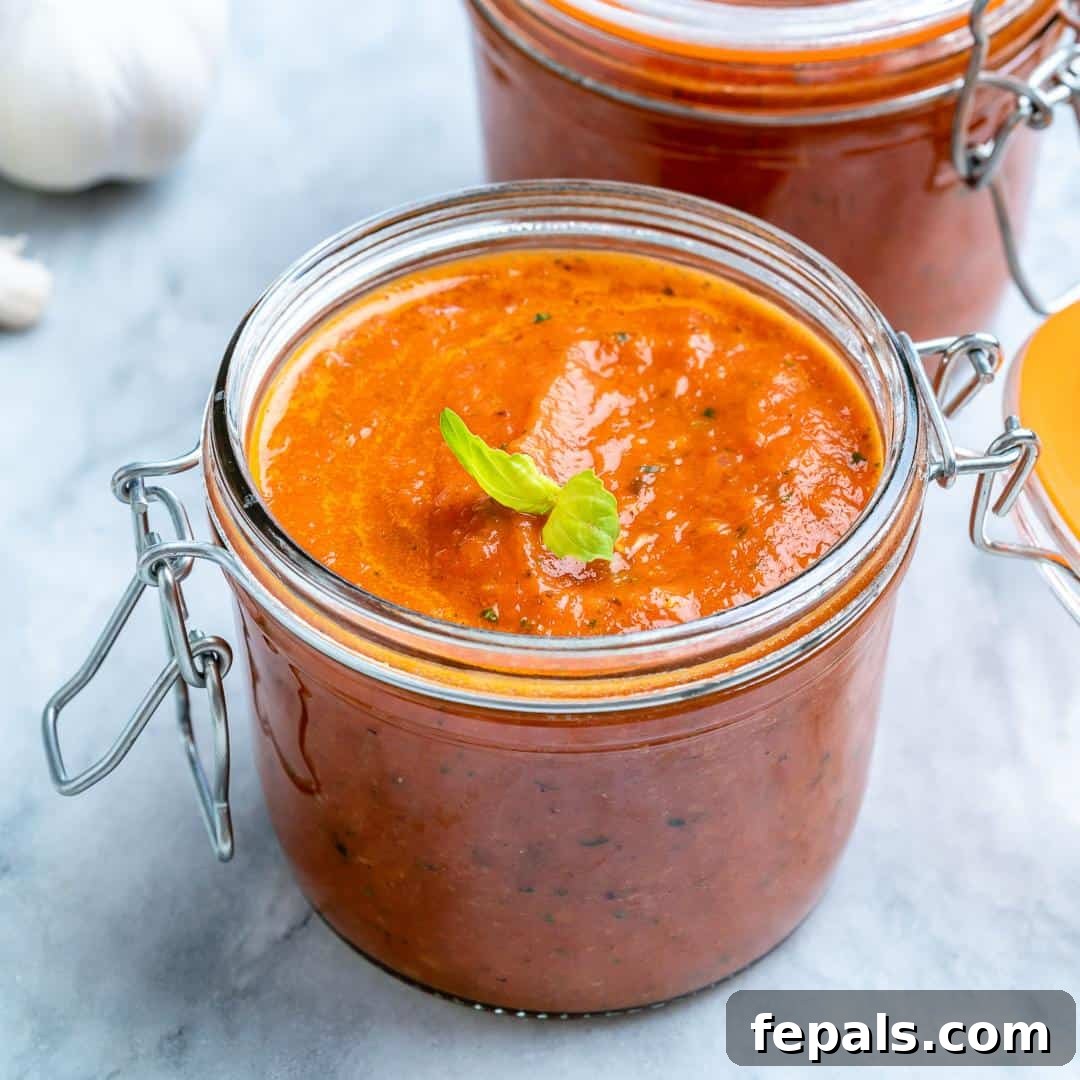
For refrigeration, transfer the cooled marinara sauce into an airtight container or a clean glass jar with a tight-fitting lid. It will keep beautifully in the fridge for up to 7 days. When you’re ready to enjoy it again, simply reheat it gently on the stovetop over medium-low heat, stirring occasionally, or warm it in the microwave until heated through. Add a splash of water or broth if it seems too thick after chilling.
If you’re looking to extend its shelf life even further, marinara sauce freezes exceptionally well. Allow the sauce to cool completely before portioning it into freezer-safe containers, heavy-duty freezer bags, or even ice cube trays for smaller servings. Label and date your containers. Frozen marinara can maintain its quality for up to 4-6 months. To use, thaw overnight in the refrigerator or gently reheat from frozen in a saucepan.
Endless Possibilities: How to Use Your Delicious Marinara Sauce
The beauty of homemade marinara lies in its incredible versatility. This flavorful sauce isn’t just for spaghetti; it’s a culinary chameleon that can elevate countless dishes. Here are some inspiring ways to incorporate your freshly made marinara into your meals:
- Classic Pasta Dishes: The most obvious and beloved use! Toss your marinara with any type of pasta—spaghetti, penne, fettuccine, or ravioli. Add a sprinkle of fresh Parmesan and basil for an authentic Italian experience.
- Hearty Meat Dishes: Serve it over meatballs, such as my tender Italian Turkey Meatballs, or use it as a base for chicken parmesan, like my easy Air Fryer Chicken Parmesan. It’s also fantastic with grilled sausage or eggplant parmesan.
- Pizza & Flatbreads: Forget store-bought pizza sauce! Your homemade marinara makes an incredible base for homemade pizzas, calzones, or quick flatbread pizzas like Zucchini Pizza Bites.
- Baked Dishes: Essential for lasagna, baked ziti, or pasta bakes. Try it in unique variations like Zucchini Lasagna Boats for a low-carb alternative.
- Soups & Stews: Add a generous ladle to minestrone, vegetable soup, or a hearty Italian stew for a boost of tomato flavor and richness.
- Eggs & Breakfast: A surprising but delicious pairing! Serve marinara with poached or fried eggs, or as a base for a shakshuka-inspired breakfast.
- Appetizers & Dips: Warm it up and serve as a dipping sauce for mozzarella sticks, arancini, garlic bread, or even fresh vegetables.
- Sandwiches & Subs: Use it as a vibrant sauce for meatball subs, chicken parmesan sandwiches, or even grilled cheese for an Italian twist.
- Creative Meals: Explore dishes like Cheeseburger Pasta where marinara can tie diverse flavors together beautifully.
Common Questions About Homemade Marinara Sauce
Technically, yes, you can use dried basil if fresh basil is unavailable. However, the flavor profile of your marinara will change quite significantly. Fresh basil offers a bright, vibrant, and slightly sweet aroma that dried basil cannot fully replicate. If using dried, use about 1/3 the amount of fresh, and add it during the simmering stage rather than at the end, to allow its flavors to meld.
Absolutely! Using fresh tomatoes will result in a wonderfully vibrant and seasonal sauce. You will need approximately 6-8 large Roma tomatoes, or about 2 pounds, to yield a similar amount of sauce. The process will involve a preliminary step to peel and deseed the fresh tomatoes. You can follow this guide on how to peel tomatoes before proceeding with the recipe. Keep in mind that fresh tomatoes vary greatly in sweetness and acidity, so you might need to adjust seasoning more carefully.
Adding a creamy element to your marinara is a fantastic idea for a richer sauce! You can achieve this by stirring in about 1/2 cup of full-fat coconut cream or coconut milk (from a can), half and half, or 1/3 cup of heavy cream. Add your chosen creamy component when you introduce the tomatoes to the pan, allowing it to simmer and meld with the sauce. This will result in a luscious, velvety texture that’s incredibly satisfying.
If your marinara tastes too acidic, there are a few simple fixes. First, ensure you used quality canned tomatoes, ideally San Marzano. You can try adding a small pinch (about 1/4 teaspoon) of baking soda, which will neutralize the acid without affecting flavor. Alternatively, a teaspoon of sugar or a finely grated carrot can help balance the acidity and add a subtle sweetness.
Yes, absolutely! While traditional marinara is simple, you can certainly boost its nutritional value and flavor by adding finely diced vegetables. Carrots, celery, bell peppers, or mushrooms are excellent choices. Sauté them along with the onions and garlic in Step 2 until softened before adding the tomatoes. This will create a heartier sauce, perfect for a rustic meal.
Explore More Delicious Recipes
If you loved this homemade marinara sauce, you’ll certainly enjoy these other healthy and flavorful recipes. They pair perfectly with our marinara or offer exciting new meal ideas:
- Keto Creamy Italian Chicken Skillet
- Italian Chicken Veggie Soup
- Creamy Tuscan Chicken
- Cucumber and Tomato Salad
- Italian Spaghetti Squash Boats
- Low Carb Pizza
- One-Pot Chicken Spaghetti
To receive your complimentary eBook, simply provide your name and email address. You’ll gain instant access to quick and delicious meal ideas for your family.
(Please note: This is a placeholder for a subscription form. For actual subscription, a functional form would be required.)
We hope you enjoy making and savoring this incredible homemade marinara sauce! If you try this recipe and love it, please leave us some feedback in the comment section below. Your thoughts and ratings are highly appreciated and help other home cooks discover delicious meals. Don’t forget to rate it! Share your culinary creations with friends and family on social media to inspire others to cook from scratch.
FOLLOW me on FACEBOOK | INSTAGRAM | PINTEREST | TWITTER for all of my latest blog posts and recipes. Happy cooking!
Homemade Marinara Sauce
Ingredients
- 28 ounces whole peeled tomatoes, large can (preferably San Marzano)
- 1 medium yellow onion, peeled and finely diced
- 2-3 large cloves garlic, peeled and crushed/minced
- 2 tablespoons extra-virgin olive oil
- 1 1/2 teaspoons dried oregano
- a handful of fresh basil leaves, packed, for blending
- Salt and freshly ground black pepper, to taste
- Red pepper flakes, 1 tsp (optional, for a spicy kick)
Instructions
-
Peel the yellow onion and garlic. Crush the garlic and finely dice the onion. Set aside.

-
In a heavy-bottomed saucepan, heat 2 tablespoons of extra-virgin olive oil over medium-high heat. Add the diced onion and crushed garlic. Sauté for 4-5 minutes, or until the onion is translucent and the garlic is fragrant, being careful not to burn it.
-
Pour the 28 ounces of whole peeled tomatoes into the pan, breaking them up with a spoon or potato masher. Stir in 1 1/2 teaspoons of dried oregano, 1 teaspoon of red pepper flakes (if using), and season generously with salt and pepper to taste.
-
Reduce the heat to low, cover partially, and let the sauce simmer for about 25-30 minutes, or until the liquid has reduced by about one-third and the flavors have melded beautifully. You will notice a slight separation of oil from the sauce when it’s ready.
-
Remove the saucepan from the heat. Carefully transfer the hot sauce into a stand blender, adding the handful of fresh basil leaves. Blend until smooth, or to your desired consistency. For a rustic sauce, blend minimally, leaving some texture. For a silky-smooth sauce, blend until fully pureed.
-
Taste the sauce and adjust the salt, pepper, or other seasonings as needed. If desired, you can add a pinch of sugar or baking soda to balance acidity (see notes section for tips).
-
Transfer the finished marinara sauce into an air-tight jar or container. Serve immediately with your favorite pasta, proteins, or as a dipping sauce.

Notes
- Tomatoes: Any style of canned tomato is fine, but San Marzano tomatoes have the best flavor because they are grown in Italy and picked at their peak of ripeness.
- Garlic: Freshly chopped garlic is preferred for optimal flavor. You can use jarred garlic in a pinch, but we strongly recommend against using garlic powder as it can add bitterness to the sauce.
- Onion: A standard yellow onion works well, but consider a Vidalia or Walla Walla onion for a touch of natural sweetness.
- Oil: Extra-virgin olive oil is ideal. Avocado oil is a good alternative, and butter can be used for a richer flavor, especially for keto diets.
- Cheese: For a savory kick, add a bit of freshly grated Parmesan cheese before pureeing. Nutritional yeast is a great vegan alternative for a cheesy flavor.
- Avoid Burning Garlic: Always keep a close watch on the garlic when sautéing. Burnt garlic will impart an undesirable bitter taste to your entire sauce.
- Storing: Cooled marinara sauce can be stored in an airtight container in the fridge for up to 7 days. Reheat gently on the stovetop or in the microwave. For longer storage, freeze in freezer-safe containers or bags for up to 4-6 months.
- Adjusting Acidity: If your sauce tastes too acidic, add a tiny pinch (1/4 tsp) of baking soda to neutralize it, or a teaspoon of sugar for sweetness.
Nutrition Information (per serving)
Nutrition information is automatically calculated and should only be used as an approximation. Actual values may vary based on specific ingredients and preparation methods.