
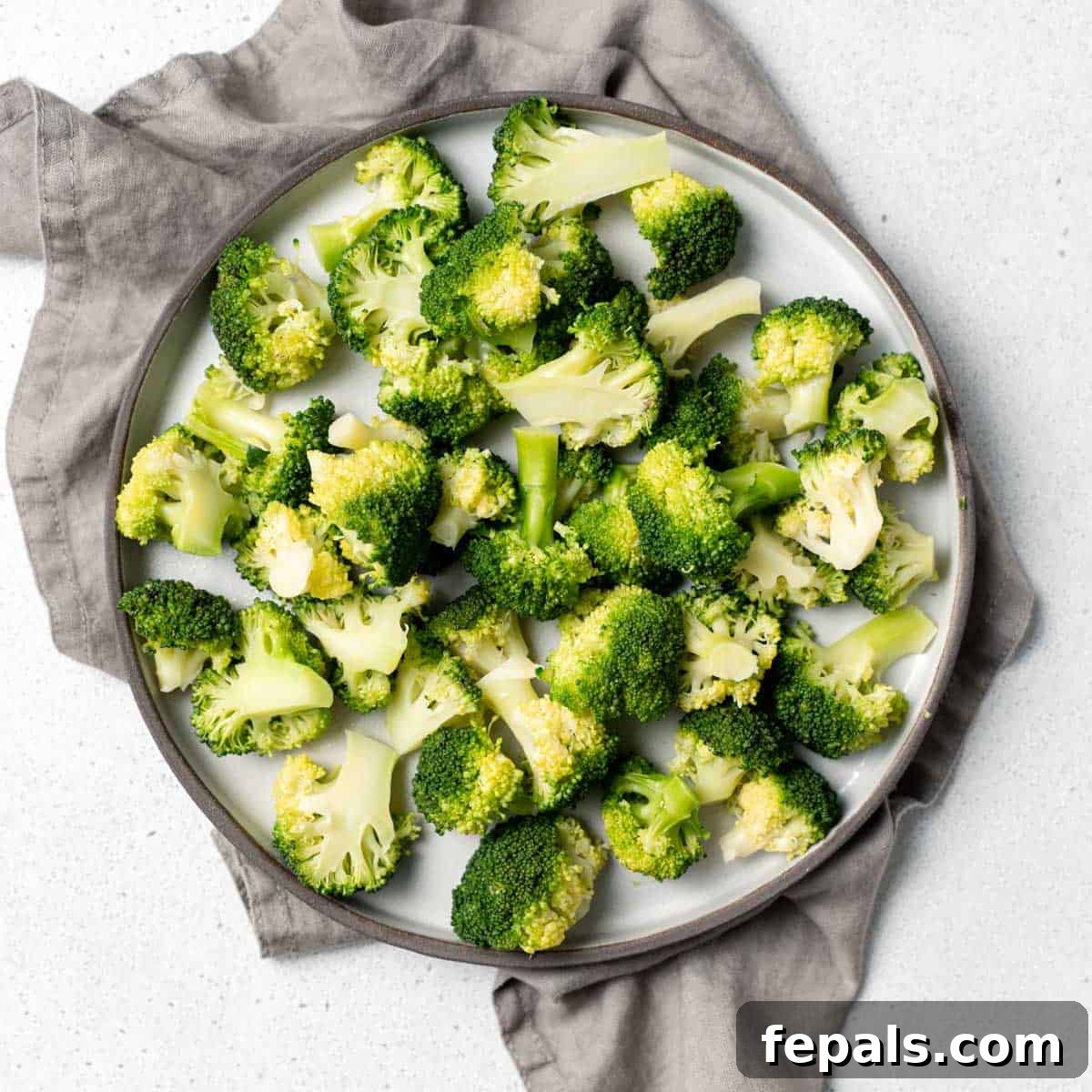
Unlock the secrets to perfectly cooked broccoli with this comprehensive guide! Whether you prefer to steam or boil your broccoli on the stovetop, this easy-to-follow tutorial will show you exactly how to achieve tender, vibrant green florets every time. Broccoli is a versatile superfood that makes a fantastic side dish and can be effortlessly incorporated into countless recipes, elevating both the nutritional value and flavor of your meals.
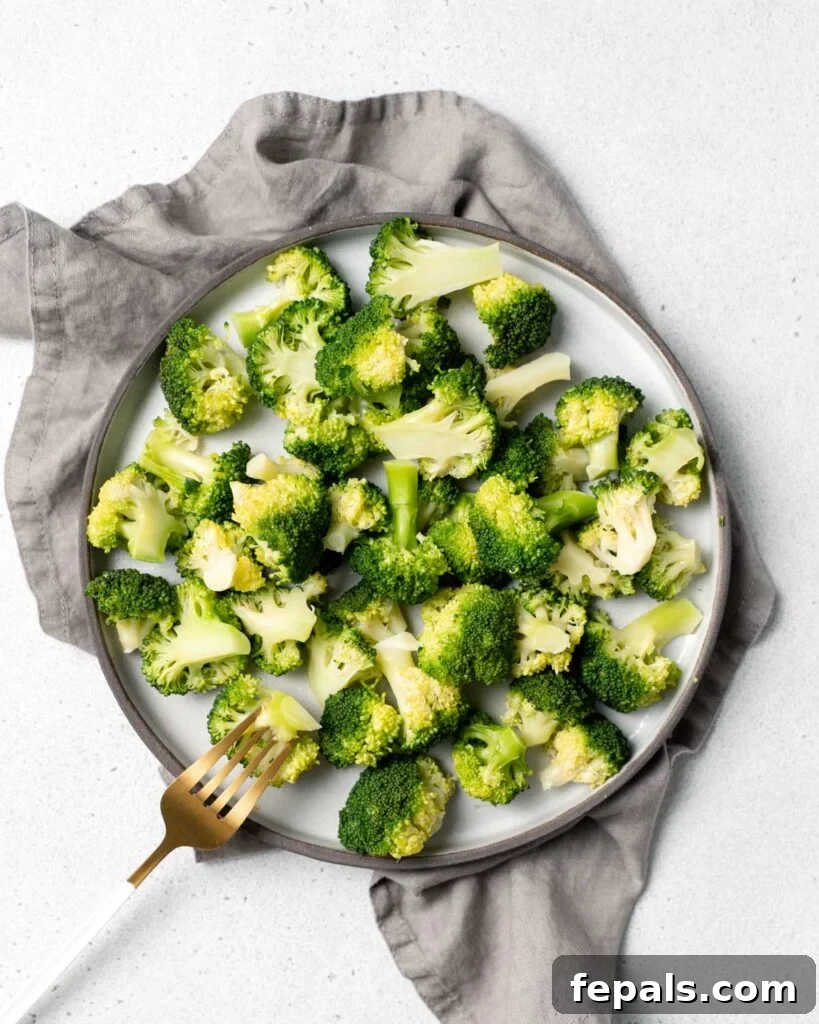
Mastering the art of cooking broccoli on your stovetop is simpler than you might imagine. Once you learn the foundational techniques of steaming or boiling, a world of culinary possibilities opens up. Broccoli isn’t just a delicious addition to your plate; it’s a powerhouse of nutrition, packed with essential vitamins and minerals. This cruciferous vegetable is an excellent source of dietary fiber, vitamin C, vitamin A, potassium, protein, calcium, and iron, contributing significantly to a healthy diet. Incorporating more broccoli into your routine can support digestive health, boost immunity, and provide powerful antioxidants.
Imagine adding perfectly cooked, vibrant florets to your favorite dishes, from a rich broccoli cheddar soup to a hearty broccoli and cheese breakfast casserole. Or, simply enjoy them as a delightful and nutritious side dish on their own. We especially love broccoli paired with elegant main courses like salmon piccata or a comforting creamy ranch chicken skillet, and so much more!
Why You Should Master Cooking Broccoli
- Effortlessly Simple: Cooking tender broccoli requires minimal effort and ingredients. All you truly need are fresh broccoli and water. A dash of salt, pepper, and your preferred seasonings can transform it into an incredibly flavorful side dish, making healthy eating both easy and enjoyable for anyone, regardless of their cooking skill level.
- Remarkably Quick: In today’s fast-paced world, quick meal solutions are invaluable. Whether you opt for steaming or boiling, your broccoli can go from raw to ready on the dinner table in as little as 3-5 minutes. This makes it an ideal last-minute addition to any meal, ensuring you always have a fresh, nutritious vegetable option available.
- Deliciously Adaptable: Broccoli is a culinary chameleon, capable of absorbing a wide range of flavors. From a simple sprinkle of garlic powder to a drizzle of lemon butter sauce, the seasoning possibilities are endless. This guide will help you achieve a perfectly cooked base that can then be flavored to complement any cuisine or personal preference, guaranteeing you’ll love the outcome.
- Consistently Perfect Results: No more soggy or undercooked broccoli! By following the precise instructions in this guide for how to cook broccoli, you will consistently achieve fork-tender florets that retain their vibrant color and satisfying texture. This ensures a delightful eating experience every single time you prepare this healthful vegetable.
- Incredibly Versatile: Beyond serving it as a simple side, perfectly cooked broccoli opens up a world of culinary uses. Season it how you desire, then integrate it into stir-fries, casseroles, salads, pasta dishes, or even create healthy snack options. Its versatility makes it a staple for meal prep and an easy way to boost the nutritional content of almost any dish.
How to Select the Freshest Broccoli
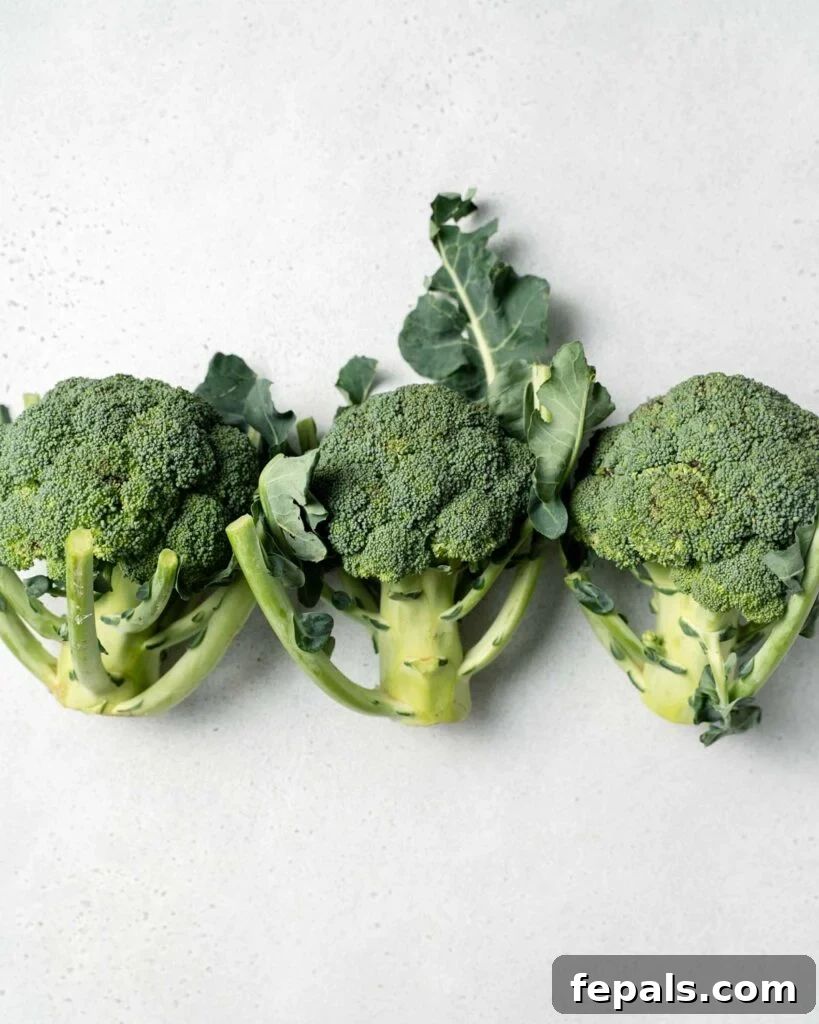
Choosing the best broccoli is the first step to a delicious dish. When you’re at the farmer’s market or grocery store, look for a head of broccoli that boasts a dark or bright green color, sometimes with hints of purplish hue. The flower buds should be tightly closed; avoid any heads with yellowing florets, as this indicates it’s past its prime. The entire head should feel firm to the touch when gently squeezed, and the florets themselves should be compact and dense. Also, pay attention to the stalks: they should appear dark green, feel firm, and be free of any brown spots, wilting, or discoloration. A fresh head of broccoli will have a mild, earthy scent, not a strong, sulfurous odor.
How to Properly Cut Broccoli
Preparing your broccoli properly ensures even cooking and optimal enjoyment. Begin by carefully slicing off the individual florets where they meet the larger, central stalk. You can leave as much of the small stem piece on each floret as you prefer, then simply chop off and discard any parts of the larger stalk that you don’t wish to use. Alternatively, the nutritious stalk can be saved for other culinary purposes, such as making vegetable broth, finely dicing it for stir-fries, or even transforming it into “broccoli rice.” For larger florets, cut them in half; if they are exceptionally large, it might be necessary to quarter them to achieve uniform, bite-sized pieces. You can also use your fingers to gently pull apart the florets, which often creates more surface area for seasoning and better texture. Aim for pieces that are roughly the same size to ensure they cook evenly and are tender throughout.
How to Store Fresh Broccoli for Maximum Freshness
Proper storage is key to extending the life of your fresh broccoli and maintaining its crispness and nutritional value. For optimal freshness before cooking, treat broccoli much like a bouquet of flowers. Place the cut ends of the broccoli stalks into a bowl, container, or jar filled with about a half-inch of water at the bottom. The florets should be exposed, extending out of the container, mimicking flowers in a vase. Loosely cover the heads with plastic wrap or a produce bag to create a humid environment, then place the entire setup in your refrigerator. Remember to change the water daily to keep it fresh. Stored this way, your broccoli will remain fresh and vibrant for up to a week, ready for your next healthy meal.
Steaming Broccoli: A Nutritious and Flavorful Method
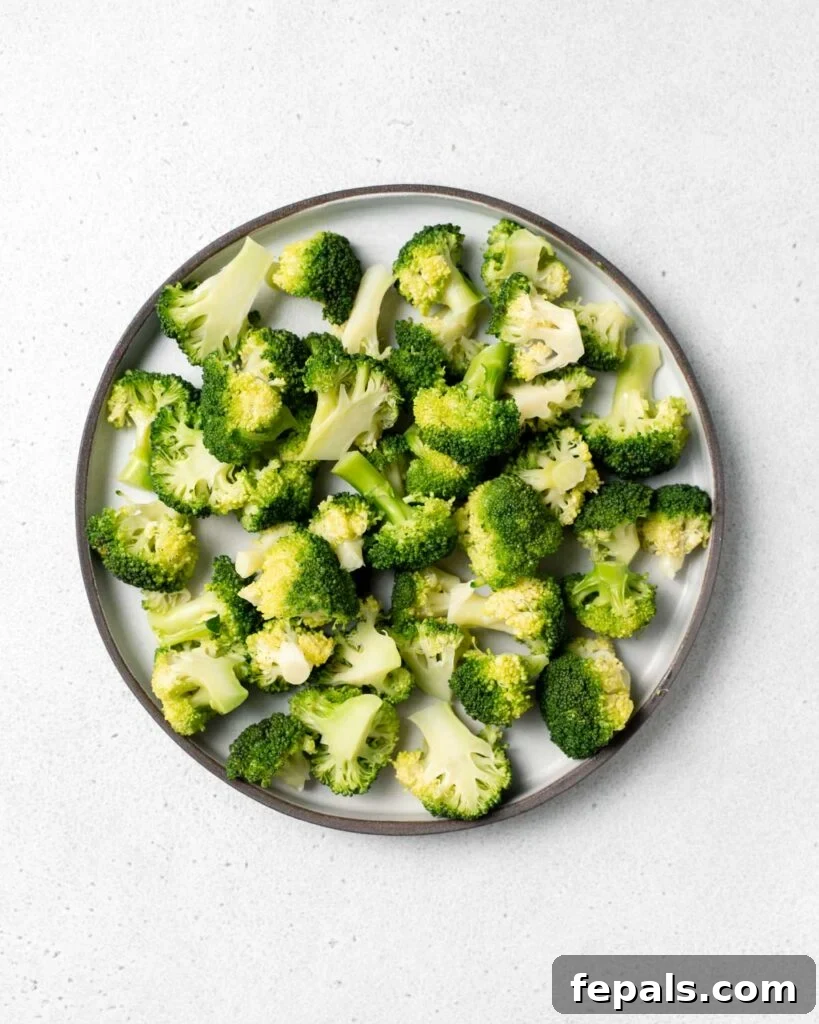
Steaming is widely considered one of the healthiest ways to cook broccoli, as it helps to retain more of its precious vitamins and minerals compared to boiling. This method results in tender-crisp florets with a vibrant green color and a naturally sweet flavor. Here’s how to steam broccoli to perfection:
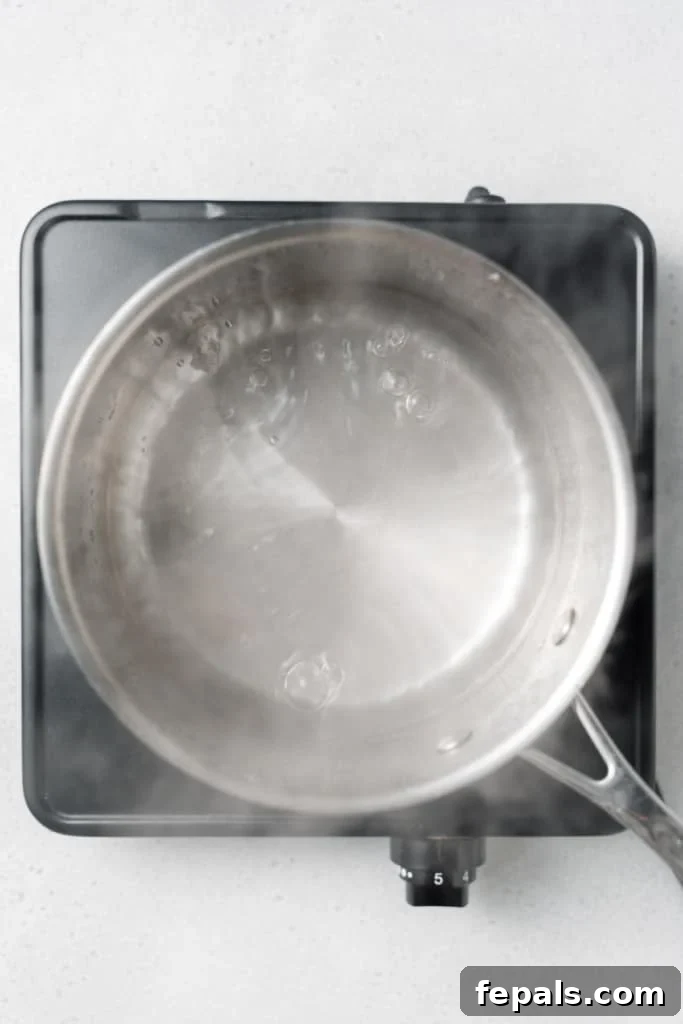
- First, add 1-2 inches of water to a large pot. Place the pot on the stovetop over medium-high heat and bring the water to a gentle simmer. You don’t need a rolling boil, just enough heat to produce consistent steam.
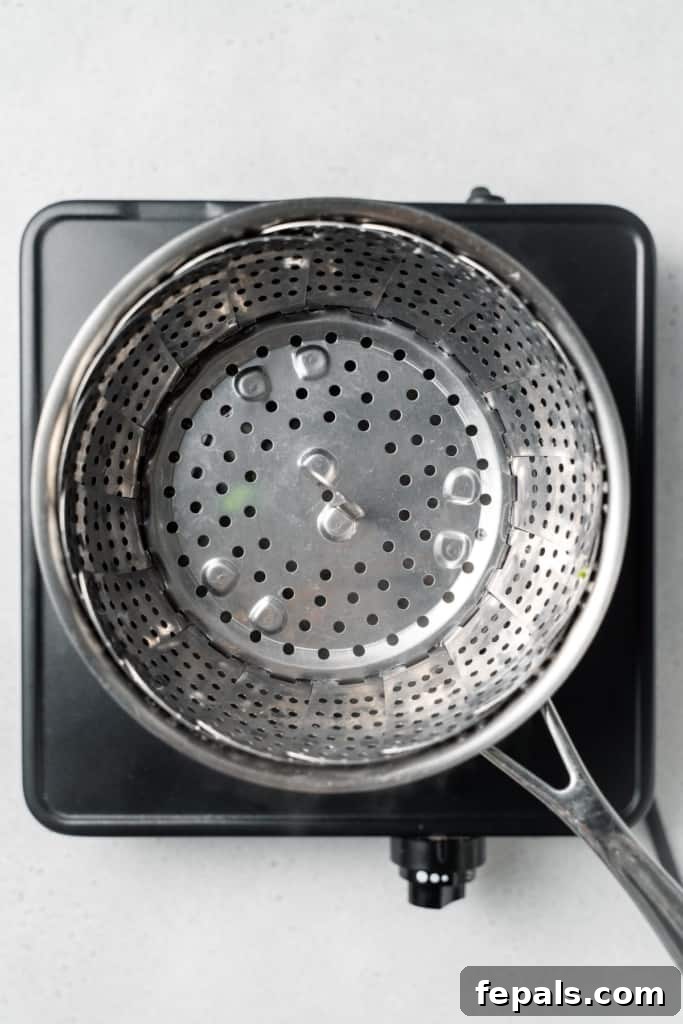
- Carefully place a steamer basket into the pot, ensuring that the bottom of the basket does not touch the simmering water. This is crucial for true steaming, where the broccoli cooks purely from the vapor, not by sitting in water.
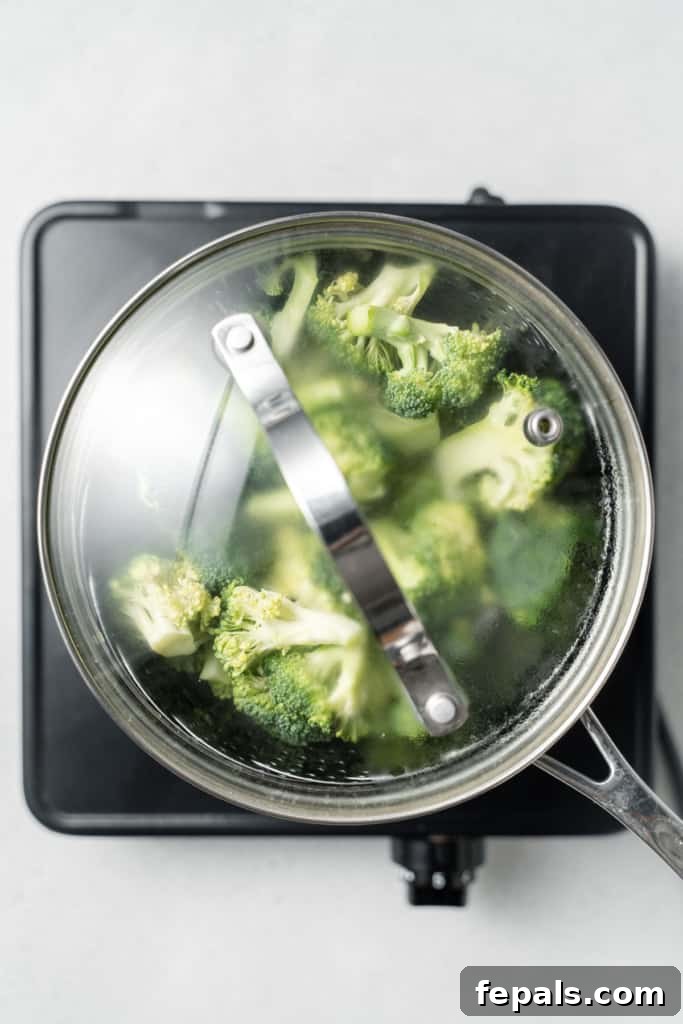
- Arrange your prepared broccoli florets evenly within the steamer basket. Avoid overcrowding, as this can lead to uneven cooking. Once the florets are in place, cover the pot tightly with a lid to trap the steam.
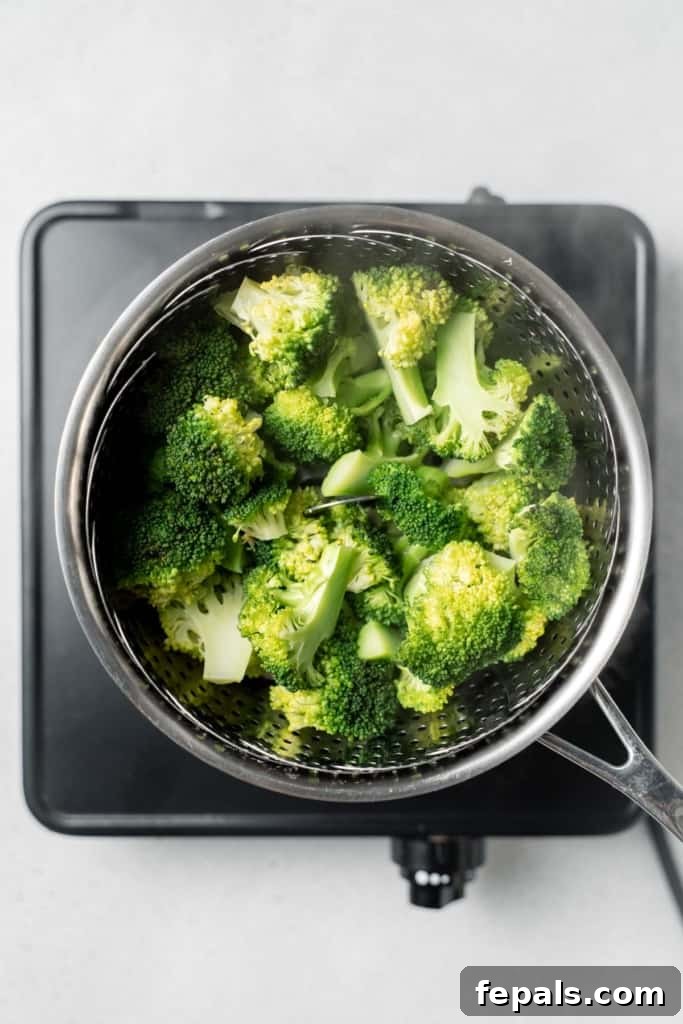
- Allow the broccoli to steam for 3-5 minutes. The cooking time will vary slightly depending on the size of your florets and your desired tenderness. For perfectly tender-crisp broccoli, 3-4 minutes is often ideal. If you prefer a softer texture, continue steaming for an additional 1-2 minutes, checking for doneness frequently.
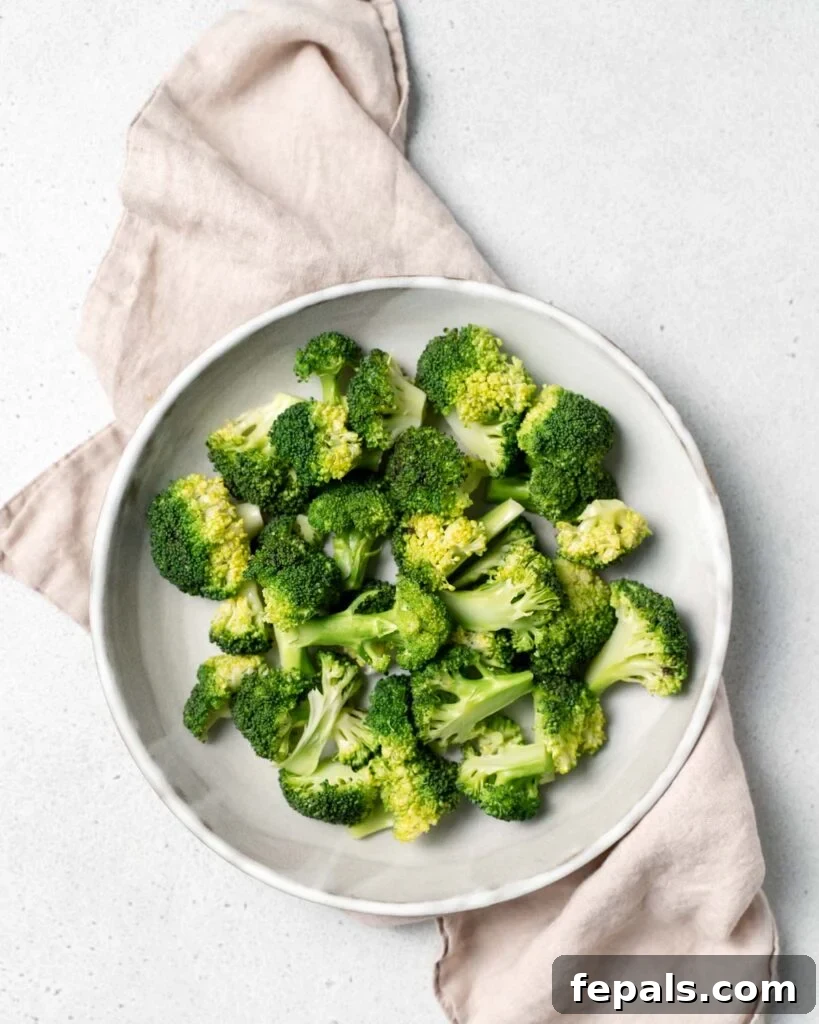
- Once cooked to your liking, carefully remove the steamer basket from the pot. Season the steamed broccoli immediately with salt, pepper, a squeeze of lemon juice, or any other preferred seasonings. Serve hot as a standalone side dish or incorporate it into your favorite recipes and salads.
Boiling Broccoli: A Quick and Simple Approach
Boiling broccoli is a straightforward and quick method, perfect when you’re short on time. While it might lead to a slight loss of some water-soluble nutrients compared to steaming, it still yields delicious and tender florets. The key is to avoid overcooking to prevent soggy, dull-colored broccoli.
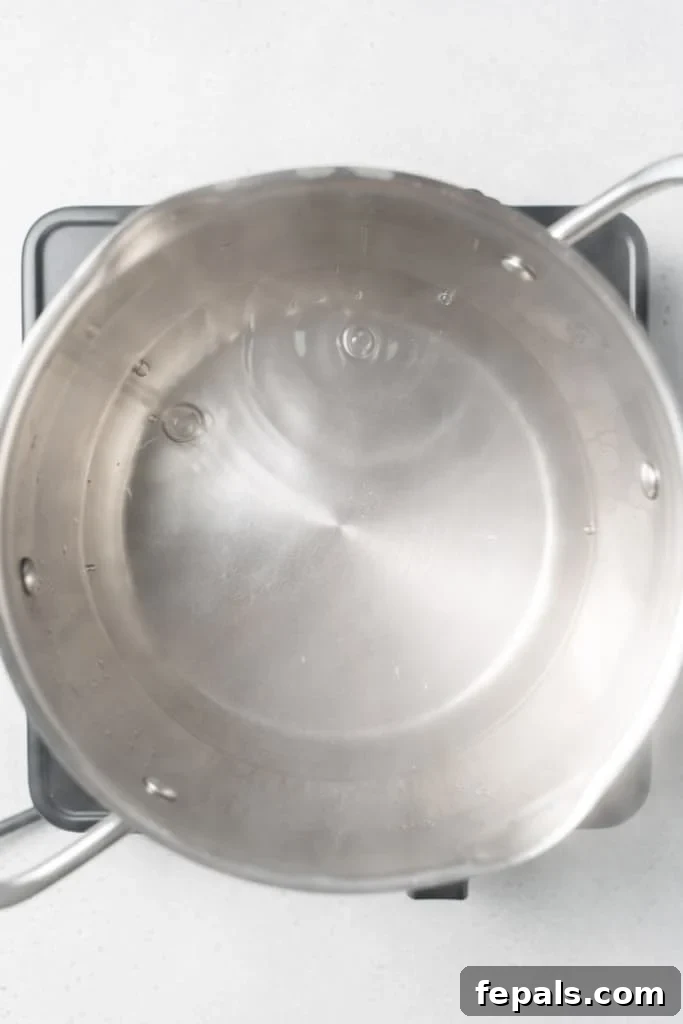
- Fill a large pot with water, ensuring there’s enough to fully submerge the broccoli florets. Place the pot over medium-high heat and bring the water to a rapid boil. Adding a pinch of salt to the boiling water can enhance the broccoli’s flavor and help preserve its green color.
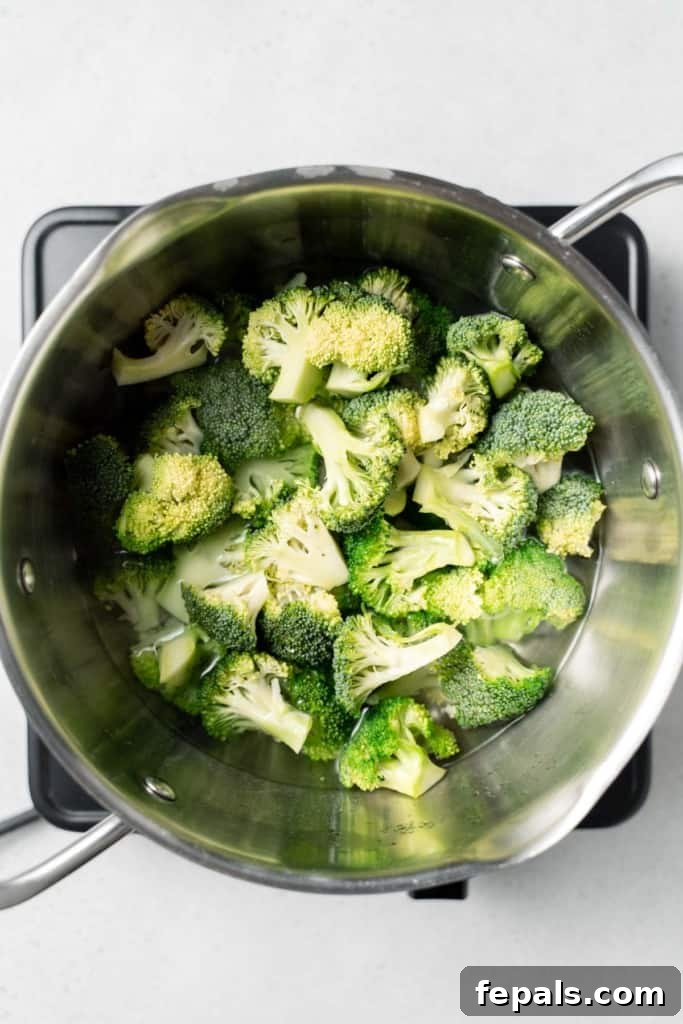
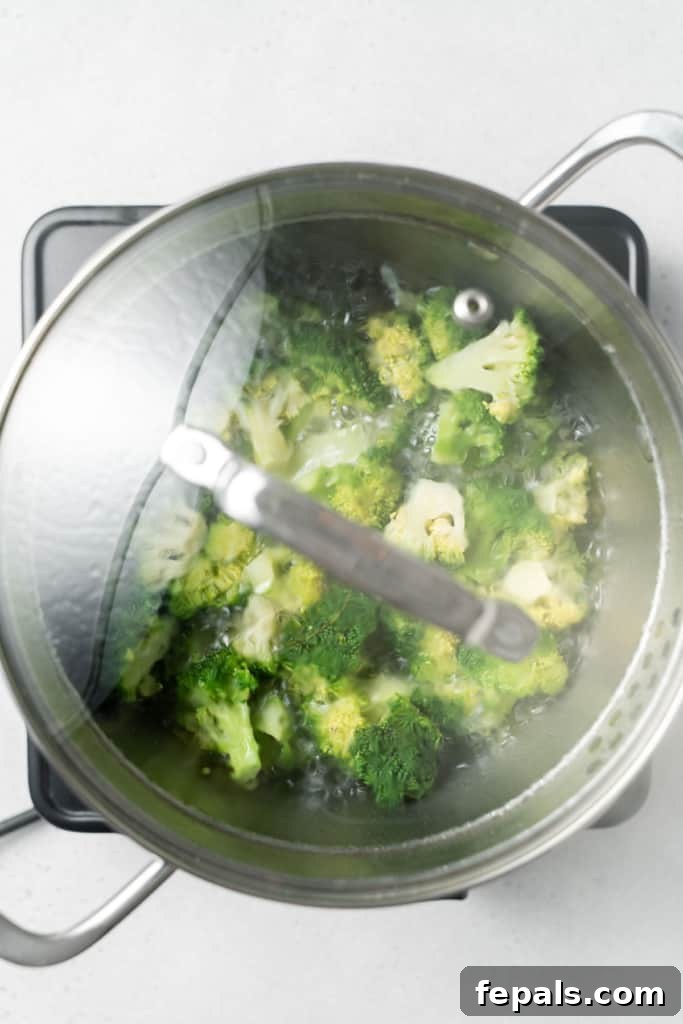
- Once the water reaches a vigorous boil, carefully add the prepped broccoli florets to the pot. Allow them to simmer gently for just 2-3 minutes. This short cooking time is usually sufficient for crisp-tender results. Monitor closely to prevent them from becoming too soft.
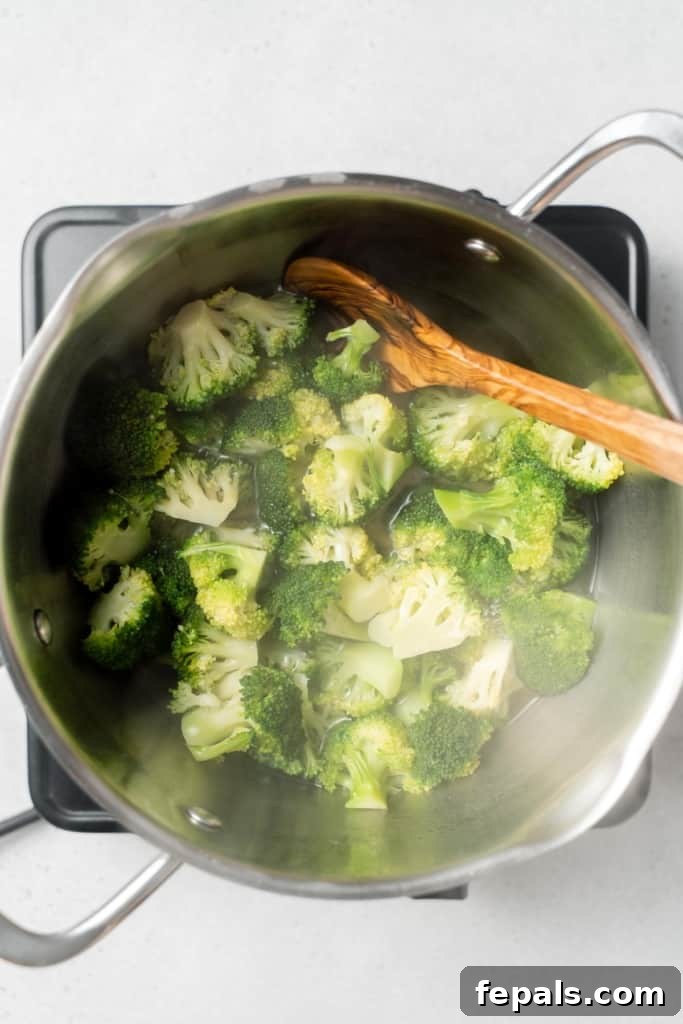
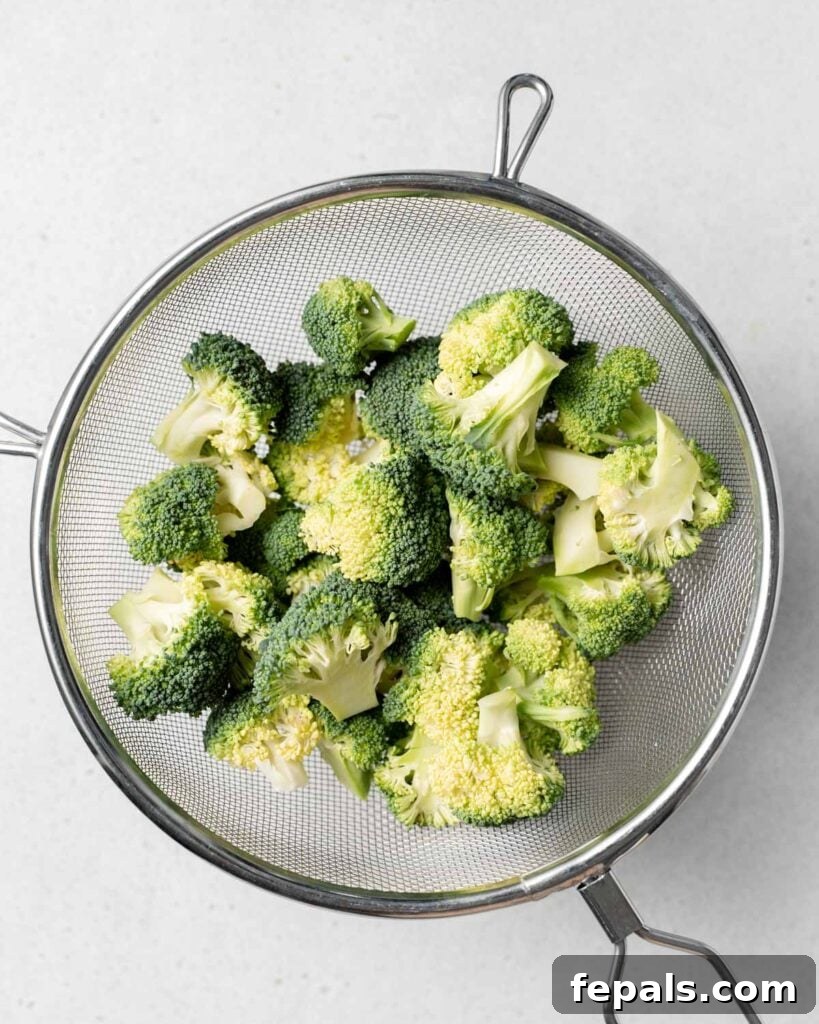
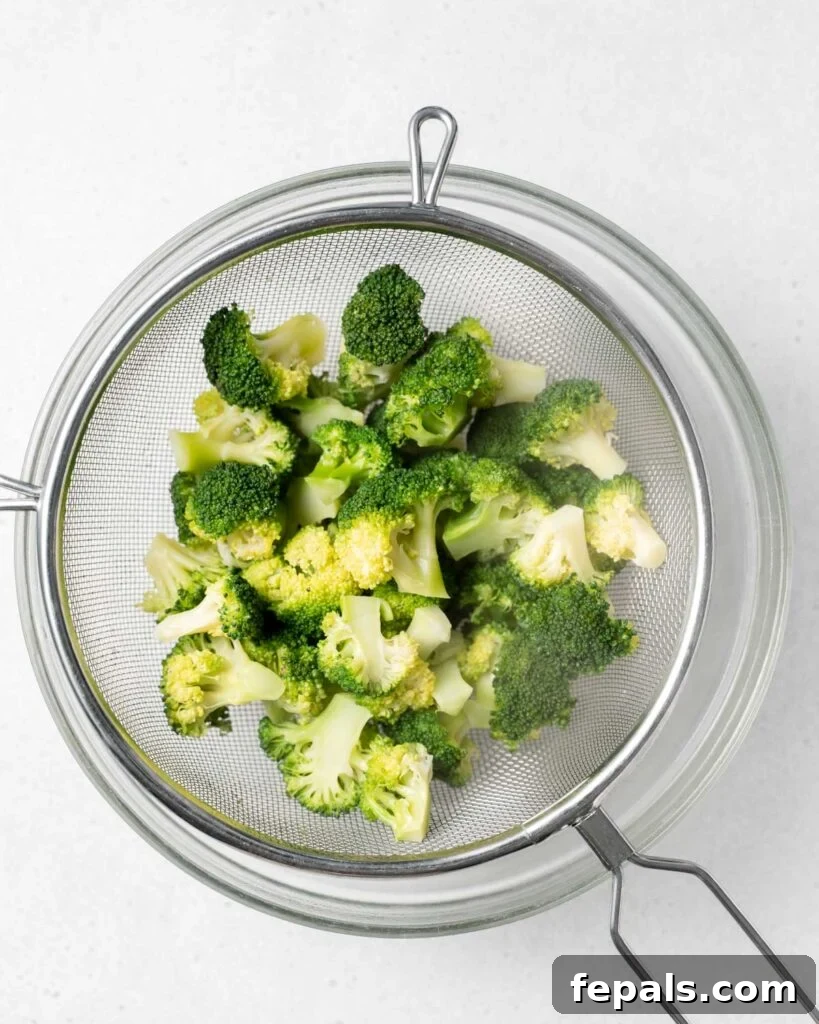
- Once the broccoli reaches your desired tenderness, immediately and carefully strain the cooked florets using a colander. Transfer them to a serving bowl.
- Season the broccoli to taste with salt, pepper, butter, or your favorite herbs and spices, then serve warm.
- For Salads or Cold Dishes: If you plan to use the cooked broccoli in cold salads or dishes and want to stop the cooking process immediately to preserve its vibrant color and crisp texture, transfer the strained broccoli directly into an ice bath (a bowl of ice water) for a few minutes. This process, known as shocking, will halt the cooking and lock in that bright green hue. After shocking, drain thoroughly and pat dry before using.
Blanching Broccoli: Preserving Color and Crispness
Blanching is a fantastic technique that briefly cooks vegetables in boiling water before immediately plunging them into an ice bath. This process stops enzymatic reactions that cause discoloration and spoilage, preserving broccoli’s vibrant green color and crisp-tender texture. It’s perfect for broccoli you plan to serve in cold salads, pasta salads, on veggie platters, or as a pre-cooked component in casseroles and other recipes like broccoli chicken fritters or garden veggie frittatas. Here’s how to blanch your broccoli:
- Prepare an Ice Bath: Before you even begin cooking, fill a large bowl with ice water and place it right next to your stovetop. This immediate transfer is critical for blanching.
- Boil Water: Place a large pot of water over high heat and bring it to a rolling boil. Add about 2 teaspoons of salt to the boiling water. The salt helps season the broccoli and maintain its color.
- Cook Broccoli: Once the water is at a full boil, add the broccoli florets. Cook them for a very short period, typically 1-2 minutes, until they are crisp-tender. They should still have a slight bite to them. If you prefer your broccoli slightly softer, you can cook it for an additional 30 seconds, but be careful not to overcook.
- Shock in Ice Bath: Using a slotted spoon or a spider strainer, quickly remove the slightly cooked florets from the boiling water and immediately transfer them into the prepared ice water bath. Ensure all the broccoli is submerged. Let them cool in the ice bath for 2-3 minutes, or until completely chilled.
- Drain and Use: Once chilled, drain the broccoli thoroughly in a colander. You can gently pat them dry with a paper towel if using them in a dish where excess moisture is undesirable. Blanched broccoli is now ready to be used in cold dishes, stored, or added to recipes that require further cooking.
Expert Tips and Tricks for Perfect Broccoli
- Thorough Washing: Always begin by thoroughly washing the head of broccoli under cold running water. Gently separate the florets slightly to ensure all dirt, debris, or small insects are rinsed away. You can also soak it briefly in cold water with a splash of vinegar for extra cleanliness.
- Strategic Seasoning: While salt and pepper are essential, don’t stop there! Enhance the flavor of your cooked broccoli with garlic powder, onion powder, a pinch of red pepper flakes for heat, or a drizzle of olive oil. A squeeze of fresh lemon juice at the end brightens the flavors beautifully. Don’t be afraid to experiment with your favorite herb and spice blends.
- Uniform Size for Even Cooking: Cut your broccoli into similar bite-sized pieces. This is crucial for ensuring that all florets cook at the same rate. If you have a mix of large and small pieces, the smaller ones will overcook while the larger ones remain undercooked. Aim for florets roughly 1 to 1.5 inches in size.
- Don’t Discard the Stalk: The broccoli stalk is incredibly nutritious and edible! Don’t throw it away. Peel the tough outer layer, then chop it up to use in a variety of ways. You can steam it along with the florets (it may take slightly longer to cook), dice it finely for soups or stir-fries, grate it to make “broccoli rice,” or even slice it thinly for a crunchy addition to salads. It adds another layer of texture and nutrients to your dishes.
- Avoid Overcrowding: Whether steaming or boiling, ensure your pot or steamer basket isn’t overly packed. Overcrowding can lower the temperature, leading to uneven cooking and potentially soggy results, as the steam or heat can’t circulate effectively. Cook in batches if necessary.
- Shocking for Color (Boiling): As mentioned in the boiling section, if you’re boiling broccoli and want to preserve its vibrant green color for cold dishes, immediately plunge the cooked florets into an ice bath. This stops the cooking process and locks in that beautiful hue.
Frequently Asked Questions About Cooking Broccoli
Which cooking method is best for broccoli?
Both boiling and steaming broccoli are quick and easy methods to prepare this nutritious vegetable. However, steaming is often considered one of the healthiest ways because it helps to minimize the loss of water-soluble vitamins, like Vitamin C and B vitamins, that can leach into boiling water. Steaming also tends to preserve the texture and vibrant color better.
How long are you supposed to cook broccoli?
The ideal cooking time for broccoli on the stovetop largely depends on the size of your florets and your preferred texture. Generally, it takes about 3 to 5 minutes to achieve a tender-crisp texture when either steaming or boiling. If you prefer your broccoli extra soft, you can extend the cooking time to 6 to 8 minutes, but be careful not to let it become mushy.
Can you use frozen broccoli for this recipe?
Yes, absolutely! While fresh broccoli offers a slightly superior texture and flavor, frozen broccoli will work great for both steaming and boiling methods. The convenience of frozen broccoli makes it an excellent pantry staple. There’s no need to defrost it before cooking; simply follow the instructions for fresh broccoli, adding it directly to the pot or steamer basket from frozen. The cooking time will be roughly the same, if not slightly shorter, as frozen broccoli is often partially blanched before freezing.
What are the main health benefits of eating broccoli?
Broccoli is a nutritional powerhouse! It’s rich in Vitamin C, which supports the immune system, and Vitamin K, crucial for blood clotting and bone health. It’s also an excellent source of dietary fiber, promoting healthy digestion and satiety. Furthermore, broccoli contains various antioxidants and anti-inflammatory compounds, including sulforaphane, which is being studied for its potential cancer-fighting properties. Regular consumption can contribute to overall well-being, heart health, and potentially reduce the risk of chronic diseases.
How can I make my broccoli taste better?
Making broccoli delicious is all about smart seasoning and preparation. A simple sprinkle of salt and freshly ground black pepper is a good start. For more flavor, try roasting it with olive oil, garlic, and red pepper flakes. A squeeze of lemon juice after cooking adds brightness. Other popular additions include grated Parmesan cheese, a pat of butter, a drizzle of balsamic glaze, or tossing it with Asian-inspired sauces for stir-fries. Don’t be afraid to experiment!
Flavorful Variations for Cooked Broccoli
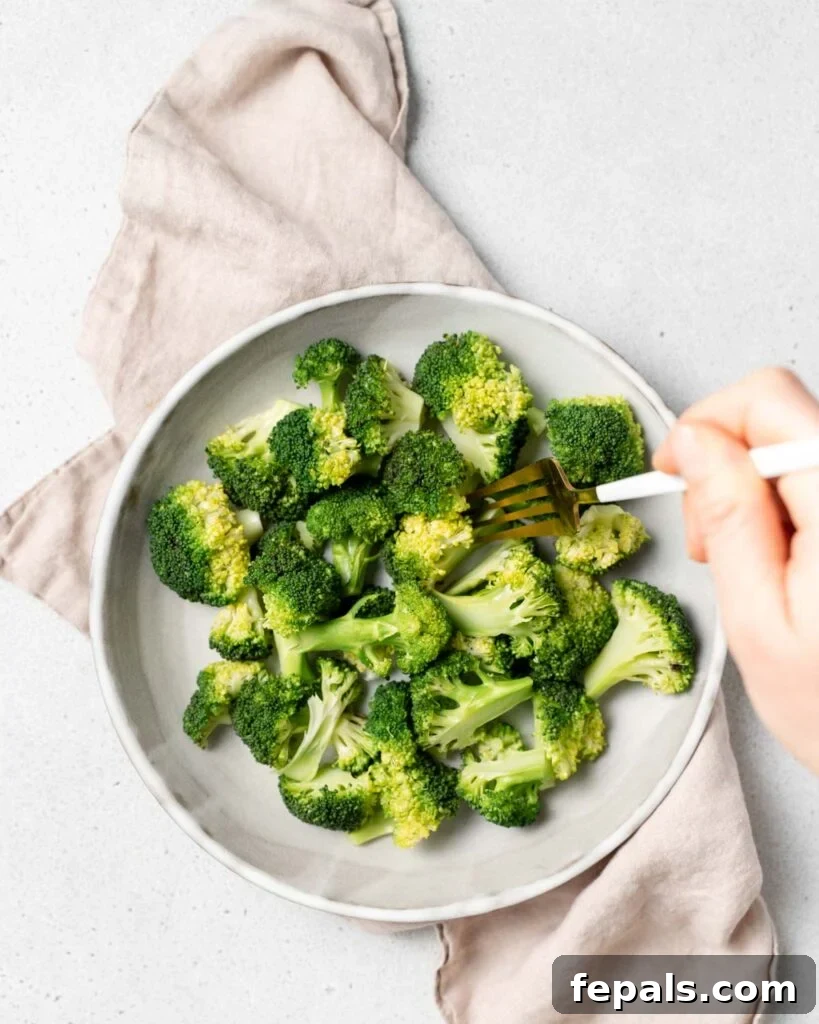
Once you’ve mastered the basic cooking methods, you can easily transform your broccoli into an exciting culinary experience. Here are a few ideas for making your broccoli super flavorful and irresistible:
- Zesty Lemon Brightness: Elevate the fresh taste of your broccoli with a simple squeeze of fresh lemon juice immediately after cooking. The citrus brightens the flavors and adds a refreshing tang. You can also add a sprinkle of lemon zest for an extra aromatic kick.
- Spicy Kick: For those who love a bit of heat, sprinkle red pepper flakes over your cooked broccoli. You can add them while it’s still warm to allow the heat to gently bloom, or toss them in a little olive oil before adding to the broccoli.
- Cheesy Indulgence: Transform your broccoli into a cheesy delight! Toss it in freshly grated Parmesan cheese for a savory, umami flavor. Alternatively, mix in shredded cheddar cheese or drizzle with a warm, melted cheese sauce for a more decadent treat.
- Delicious Dips and Sauces: Broccoli is an excellent vehicle for your favorite sauces. Serve it alongside creamy homemade ranch dressing, a rich cheese sauce, or a light and savory healthy homemade Alfredo. These sauces add moisture and a burst of flavor that makes eating your greens even more enjoyable.
- Garlic & Herb Infusion: Sauté minced garlic in a bit of olive oil and toss with your cooked broccoli for a classic, aromatic flavor. Fresh herbs like parsley, dill, or chives also add wonderful freshness.
- Toasted Nut Crunch: For added texture and a nutty flavor, sprinkle toasted slivered almonds, pine nuts, or sesame seeds over your broccoli just before serving.
Creative Serving Suggestions for Cooked Broccoli
While cooked broccoli is a phenomenal side dish on its own, it also integrates beautifully into a wide array of recipes. If you’re looking for ideas beyond a simple accompaniment, we’ve got you covered with these crowd-favorite broccoli recipes that utilize perfectly cooked florets:
- Beef and Broccoli Stir Fry: A classic takeout favorite, easily made healthier at home.
- Shrimp and Broccoli Stir Fry: A light yet satisfying stir-fry bursting with flavor.
- Chicken and Broccoli Stir Fry: A lean and flavorful option for a quick weeknight dinner.
- Broccoli Chicken Pasta Casserole: A comforting and hearty dish perfect for family meals.
- Broccoli Cheese Rice Casserole: The ultimate cheesy, family-friendly side or light meal.
- Broccoli Shrimp Alfredo: A creamy and indulgent pasta dish with added greens and protein.
- Broccoli Chicken Fritters: A creative way to enjoy broccoli, great for snacks or light lunches.
- Roasted Broccoli with Lemon & Parmesan: Toss florets with olive oil, garlic, salt, pepper, and roast until tender-crisp. Finish with lemon juice and grated Parmesan.
- Broccoli Salad with Bacon & Cheddar: Combine blanched broccoli with crispy bacon bits, shredded cheddar cheese, red onion, and a creamy dressing.
- Added to Soups & Stews: Stir steamed or blanched broccoli into nearly cooked soups and stews during the last few minutes to add color, texture, and nutrients without overcooking.
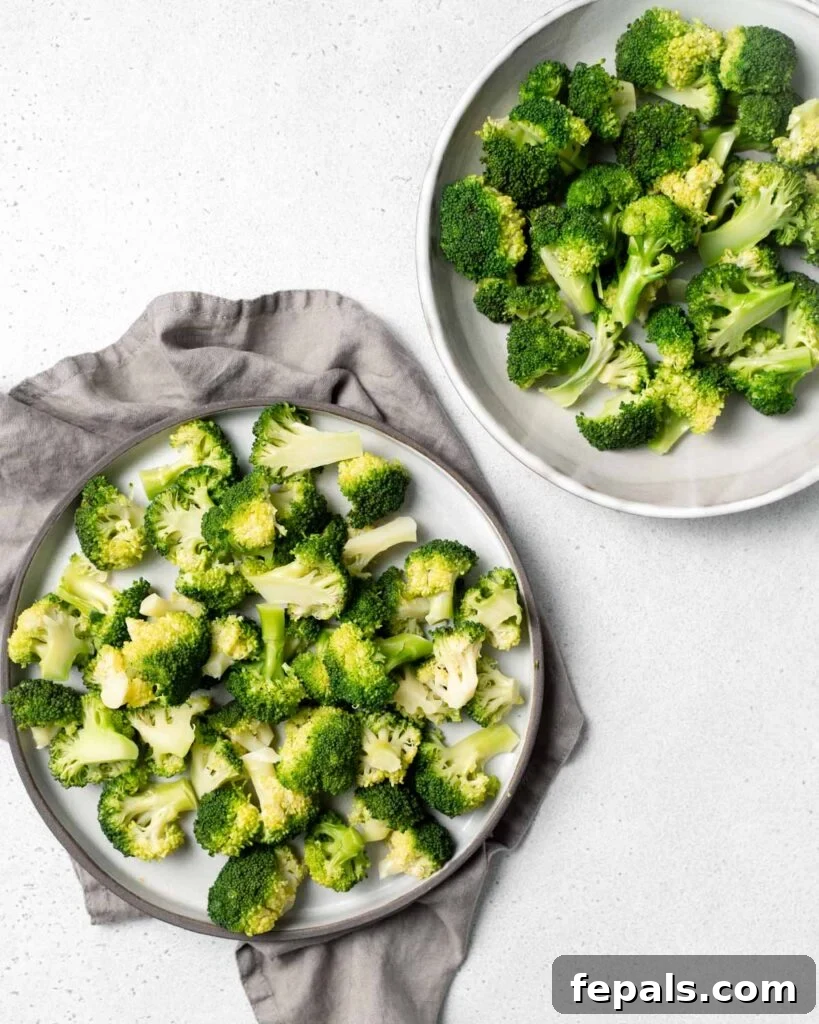
Storing Cooked Broccoli
Properly storing your cooked broccoli ensures you can enjoy its goodness for days. Allow any leftover cooked broccoli to cool completely to room temperature before storing. Transfer the cooled broccoli to an airtight container and place it in the refrigerator. It will stay fresh and delicious for 3-4 days. To reheat, you can gently warm it in the microwave for a minute or two, or crisp it up in an air fryer for a few minutes until heated through.
Discover More Helpful How-To Guides
If you found this detailed tutorial on how to cook broccoli helpful and inspiring, you’ll love exploring our other practical how-to guides designed to simplify your kitchen adventures and enhance your culinary skills. Expand your repertoire with these essential cooking and prep tips:
- How to Cut Romaine Lettuce: Achieve perfect cuts for your salads every time.
- (3 Ways) How to Cut Bell Peppers: Learn efficient techniques for versatile pepper prep.
- How to Cut an Orange: Master the art of segmenting and peeling oranges effortlessly.
- Cutting Potatoes Into Fries: Make crispy, homemade fries from scratch.
- How to Cut Cabbage: Essential techniques for shredding and chopping cabbage for various dishes.
- How to Cut Green Onions: Quick tips for perfectly sliced green onions for garnish and flavor.
- How to Make Nutella: Indulge in a healthier, homemade version of this beloved spread.
- Homemade Croutons: Elevate your salads and soups with delicious, crispy homemade croutons.
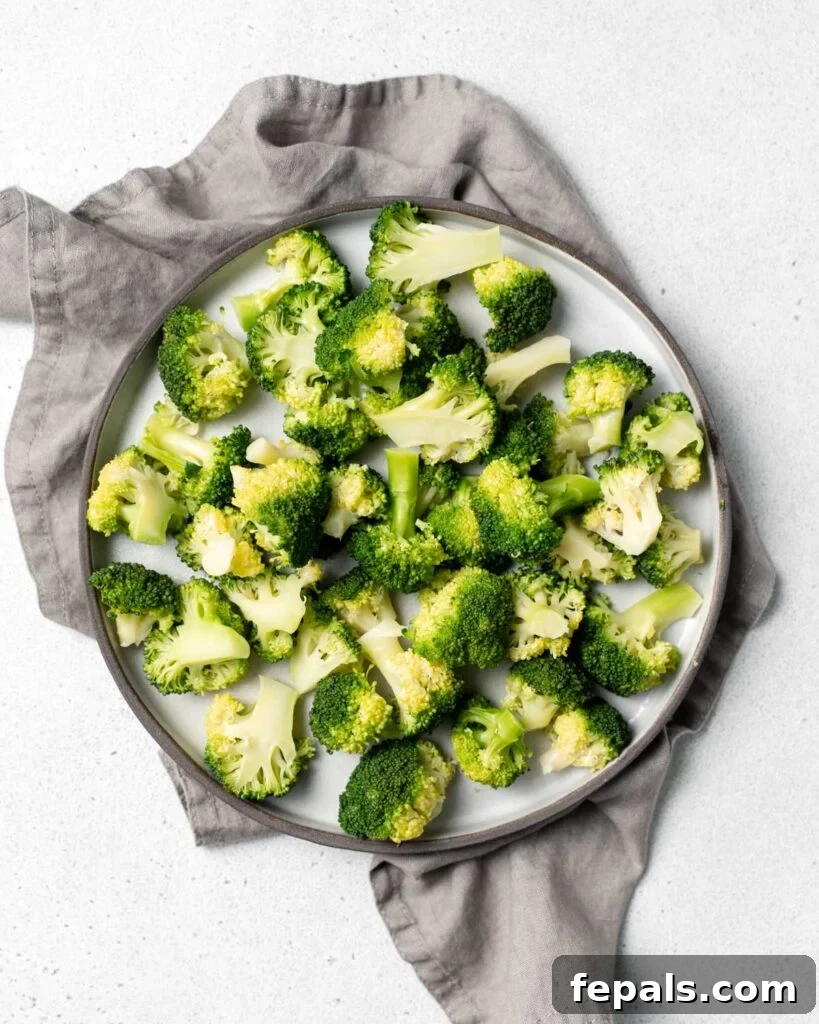
We hope this guide has inspired you to confidently cook broccoli and enjoy its many health benefits! If you try this recipe and love it, please leave us some feedback in the comment section below, and don’t forget to rate it! Your support means the world, and we would be thrilled if you shared it with your friends and family.
FOLLOW us on FACEBOOK | INSTAGRAM | PINTEREST | TWITTER for all of our latest blog posts and delicious recipes.
How to Cook Broccoli
Learn how to cook broccoli by either steaming it or boiling it on the stove in this easy step-by-step tutorial. The tender, vibrant green florets are great as a side dish or can be used in a variety of broccoli recipes!
Equipment
- Sharp knife
- Cutting board
- Large Pot
- Steamer basket
Ingredients
- 1 head broccoli, cut into florets
For Cooking in Water:
- 8 cups water
- 1 tbsp Salt
Instructions
Cooking in Water Method:
- Add water to a large pot over medium-high heat and bring to a boil.
- When the water boils, add the broccoli florets and let them simmer for 2-3 minutes or until they are tender.
- Carefully strain the cooked broccoli and transfer to a bowl. Season and serve immediately.
- If using the broccoli in salads or other cold dishes and not serving immediately, place it in an ice bath for a few minutes to stop the cooking process and preserve its vibrant color.
Steaming Method:
- Add 1-2 inches of water to a large pot and bring it to a gentle simmer over medium-high heat.
- Place a steamer basket into the pot, ensuring it does not touch the simmering water. Add the broccoli florets evenly onto the steamer basket and cover the pot with a lid.
- Let the broccoli steam for 3-5 minutes, or until tender-crisp. For softer broccoli, steam for an additional 1-2 minutes longer. Carefully remove the steamer basket from the pot.
- Season the steamed broccoli to your preference and serve hot, or use in other recipes and salads.
Notes
- Store any leftover cooked broccoli in an airtight container in the fridge for 3-4 days.
- Reheat cooked broccoli in the microwave or air fryer for best results.
Nutrition Information (Approximate per Serving)
Serving: 1 serving
Calories: 52 kcal
Carbohydrates: 10 g
Protein: 4 g
Fat: 1 g
Saturated Fat: 0.2 g
Polyunsaturated Fat: 0.2 g
Monounsaturated Fat: 0.05 g
Sodium: 50 mg
Potassium: 480 mg
Fiber: 4 g
Sugar: 3 g
Vitamin A: 947 IU
Vitamin C: 136 mg
Calcium: 71 mg
Iron: 1 mg
Nutrition information is automatically calculated and should only be used as an approximation.
Additional Info
Tried this recipe? Mention @healthyfitnessmeals or tag #healthyfitnessmeals!