

Welcome to the ultimate guide for creating a truly exquisite and comforting **Butternut Squash Mushroom Risotto**. This isn’t just a recipe; it’s an invitation to savor a dish that embodies the warmth of autumn and the richness of Italian culinary tradition. Imagine tender grains of Arborio rice, lovingly stirred into a velvety butternut squash sauce, then generously studded with earthy, sautéed mushrooms. This harmonious blend creates a meal that’s both nourishing and incredibly satisfying, perfect for cozying up on a chilly evening or impressing guests at your next gathering.

This creamy, dreamy Italian risotto is more than just a meal; it’s a delightful experience. It’s naturally gluten-free and vegetarian, making it a versatile option for diverse dietary needs. Its robust flavors make it an ideal centerpiece for holiday feasts or a wholesome, meatless main dish for a busy weeknight. Beyond its delicious taste, this **Easy Butternut Squash Risotto** offers incredible versatility, serving beautifully as a hearty main course or an elegant side dish. It’s designed to be approachable for home cooks while delivering a restaurant-quality taste that’s filling, satisfying, and deeply comforting.
Why You’ll Fall in Love with This Butternut Squash Mushroom Risotto
There are countless reasons why this Butternut Squash Mushroom Risotto is poised to become a cherished recipe in your culinary repertoire. From its irresistible flavors to its surprising simplicity, every aspect is designed to bring joy to your kitchen and dining table. Here’s why you’ll absolutely adore this dish:
- Effortlessly Delicious: Don’t be intimidated by the reputation of risotto; this recipe is designed to be straightforward and fuss-free. With simple, readily available ingredients and clear, easy-to-follow steps, you’ll achieve a perfectly creamy and incredibly flavorful risotto without a culinary degree. It’s a testament to how simple ingredients can create profound taste.
- Perfect for Any Occasion: Whether you’re planning an intimate family dinner, hosting a festive holiday gathering, or seeking a comforting meal after a long day, this butternut squash risotto fits the bill. Its elegant presentation and rich flavors make it special enough for guests, yet its ease of preparation makes it perfect for a regular weeknight. It’s a dish that adapts to your needs.
- A Symphony of Fall Flavors: This risotto is a celebration of autumn, brimming with the natural sweetness of butternut squash, the earthy depth of mushrooms, and the savory notes of Parmesan cheese and thyme. Each bite offers a harmonious balance of textures and tastes, creating a deeply satisfying experience that truly captures the essence of the season.
- Wholesome and Nourishing: Crafted with nutrient-rich butternut squash and hearty Arborio rice, this vegetarian recipe is not only delicious but also incredibly wholesome. It’s packed with vitamins, fiber, and essential nutrients, offering a comforting meal that’s good for your body and soul. It’s a guilt-free indulgence that leaves you feeling satisfied and energized.
- Customizable Comfort: While the core recipe is a masterpiece, it also serves as a fantastic canvas for customization. Easily adapt it with your favorite vegetables, different types of mushrooms, or even a splash of white wine for an extra layer of sophistication. This flexibility ensures that you can make it uniquely yours, catering to specific preferences or whatever ingredients you have on hand.
Essential Ingredients for Your Butternut Squash Mushroom Risotto
Creating a truly remarkable risotto begins with selecting fresh, high-quality ingredients. Each component plays a vital role in building the layered flavors and luxurious texture of this Butternut Squash Mushroom Risotto. Here’s a detailed look at what you’ll need:
- 1 lb Butternut Squash: The star of the dish, butternut squash provides natural sweetness and a beautiful creamy texture when pureed. It’s rich in Vitamin A and adds a vibrant color to the risotto.
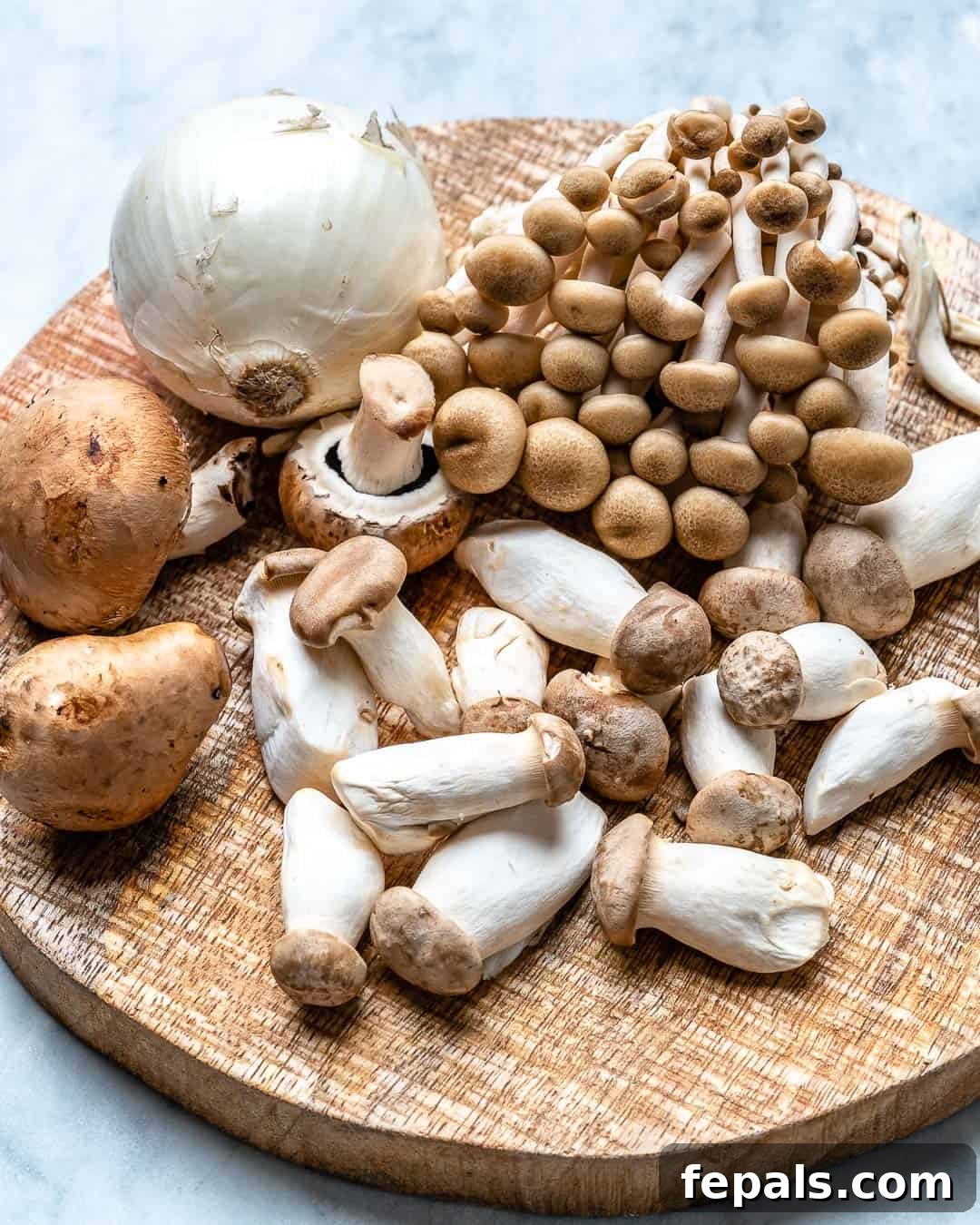
- 1 Lb Mixed Wild Mushrooms: Or any mushrooms of your choice. A blend of wild mushrooms (like cremini, shiitake, or oyster) offers a deeper, more complex earthy flavor profile than just button mushrooms. They add an incredible umami boost and delightful texture.
- ½ Cup Freshly Grated Parmesan: Plus more to taste. Freshly grated Parmesan cheese melts beautifully and provides a sharp, salty, and nutty flavor that is crucial for authentic risotto. Opt for a vegetarian-style Parmesan if needed.
- 2 Cup Brown Arborio Rice: This short-grain Italian rice is famous for its high starch content, which is released slowly during cooking to create risotto’s signature creamy consistency. While brown Arborio rice offers a nuttier flavor and more fiber, white Arborio or Carnaroli rice can also be used.
- 7-8 Cups Vegetable Stock: Heated. Using warm stock is essential as it prevents the temperature of the rice from dropping, ensuring consistent cooking and optimal starch release. If you’re not strictly vegetarian, chicken stock can also be used for a richer flavor.
- 2 Stalks of Celery, chopped: Along with onion, celery forms the “soffritto,” the aromatic flavor base that is fundamental to Italian cooking. It adds a subtle freshness and depth.
- 1 Medium Sweet Onion, diced: The sweet onion provides a foundational sweetness and aromatic depth to the risotto, mellowing beautifully as it sautés.
- 4 Garlic Cloves, minced: Garlic infuses the risotto with its pungent, savory notes, enhancing the overall aroma and taste profile.
- ½ Tsp Dried Thyme: Thyme offers a wonderfully aromatic, earthy, and slightly floral flavor that complements both the squash and mushrooms perfectly. Fresh thyme can also be used.
- 3 Tbsp Olive Oil, divided: High-quality olive oil is used for sautéing the vegetables and mushrooms, providing a rich, fruity base fat.
- Kosher Salt and Ground Pepper, to taste: Essential for seasoning and balancing the flavors throughout the cooking process.
How to Make Creamy Butternut Squash Mushroom Risotto: A Step-by-Step Guide
Crafting this rich and creamy butternut squash risotto is a rewarding culinary journey that results in an unforgettable meal. Follow these detailed steps for a perfect outcome, paying attention to each stage to build layers of flavor and achieve that signature creamy texture:
Step 1: Prepare the Butternut Squash
Begin by meticulously preparing your butternut squash. First, carefully cut off both ends of the squash. Then, using a sturdy vegetable peeler, remove the tough outer skin. Once peeled, slice the squash in half lengthwise. With a spoon, scoop out all the seeds and fibrous strands from the middle cavity. Finally, cut each section of the squash into uniform 1-inch cubes. Uniformity in size is key for even cooking.
Step 2: Cook the Butternut Squash
There are a few excellent ways to cook the butternut squash to achieve fork-tender perfection. For steaming, which retains much of its natural sweetness and moisture, bring about 1 inch of water to a boil in a large saucepan or wok, then place a bamboo or metal steamer insert inside. Add the cubed squash to the steamer, cover, and steam for approximately 12-15 minutes, or until the squash is easily pierced with a fork. Once tender, remove the squash from the steamer, place it in a bowl, and set it aside. As an alternative, you can boil the squash in lightly salted water for about 5-7 minutes until tender, or for a deeper, caramelized flavor, roast the squash cubes tossed with a tablespoon of olive oil, salt, and pepper at 400°F (200°C) for 20-25 minutes until tender and lightly browned.

Ensure the cooked squash is truly fork-tender before moving to the next step, as this is crucial for achieving a smooth, creamy puree later on. Under-cooked squash will result in a grainy texture.
Step 3: Sauté the Mushrooms
In a large, heavy-bottomed pan or Dutch oven, heat 2 tablespoons of olive oil over medium-high heat until shimmering. Add the mixed wild mushrooms (or your chosen variety) to the hot pan. It’s important not to overcrowd the pan; if necessary, sauté the mushrooms in batches to ensure they brown nicely instead of steaming. Cook for about 5-7 minutes, stirring occasionally, until the mushrooms release their moisture and turn beautifully golden brown. Season them with a pinch of salt and ground black pepper to enhance their natural flavors. Once cooked, remove the sautéed mushrooms from the pan and set them aside. This step concentrates their earthy flavors.
Step 4: Build the Risotto Base (Soffritto)
Using the same pan (no need to clean it, as the mushroom remnants add flavor), reduce the heat to medium and add the remaining 1 tablespoon of olive oil. Add the chopped celery, diced sweet onion, and dried thyme. Sauté these aromatics for about 2 to 3 minutes, stirring frequently, until the vegetables soften and become translucent. This is the “soffritto,” the flavor foundation of your risotto. Next, stir in the minced garlic and sauté for another minute until it becomes fragrant. Be careful not to burn the garlic, as burnt garlic can impart a bitter taste.
Step 5: Toast the Rice and Begin Adding Stock
Add the 2 cups of Arborio rice to the pan with the sautéed aromatics. Cook, stirring constantly, for about 1 minute. This crucial step, known as “toasting the grain” (tostatura), lightly toasts the exterior of each rice grain, helping it to maintain its individual texture while still releasing its starches. Immediately after toasting, pour in the first 2 cups of heated vegetable stock. Cook, stirring frequently, allowing the liquid to be mostly absorbed by the rice before proceeding. The rice should begin to look plump.
Step 6: Continue Adding Stock and Prepare Squash Puree
Continue the process of adding the warm stock, one ladle (about ½ to 1 cup) at a time, to the rice. Stir frequently, allowing each addition of liquid to be nearly completely absorbed before adding the next. This gradual process and constant stirring are what release the starches from the Arborio rice, creating the characteristic creamy texture of risotto. This stage typically takes about 20-25 minutes, or until the rice is tender with a slight al dente bite. While the rice is cooking, prepare the butternut squash puree: in a blender, combine the steamed (or roasted/boiled) butternut squash cubes with ½ cup of freshly grated Parmesan cheese. Puree until the mixture is completely smooth and creamy, without any lumps.
Step 7: Combine Flavors and Finish the Risotto
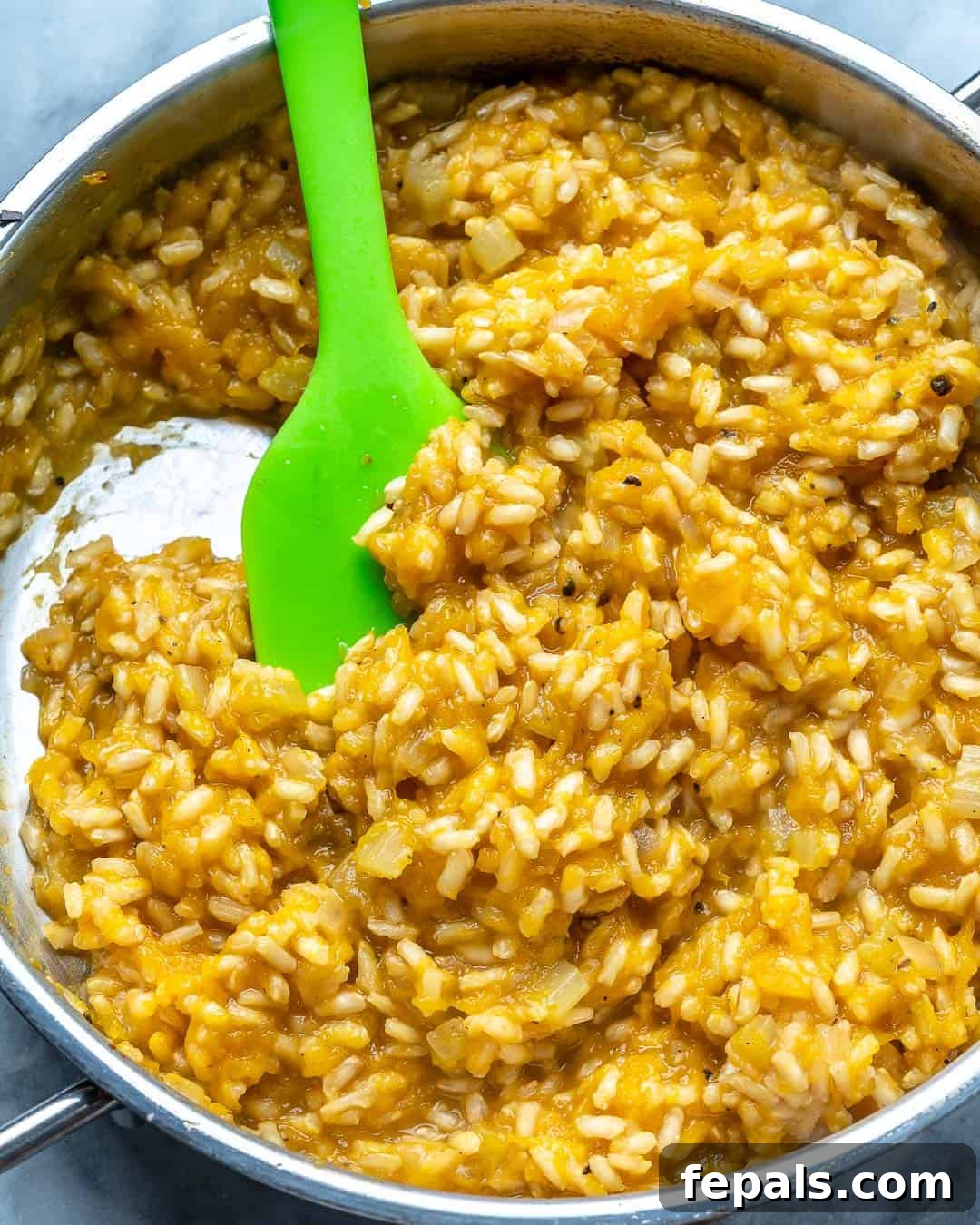
Once the rice has reached its desired tenderness and creamy consistency, remove the pan from the heat. Pour the smooth butternut squash and Parmesan puree into the hot rice. Mix well to thoroughly combine, ensuring the squash is evenly distributed and imparts its beautiful color and flavor throughout the risotto. Stir in half of the sautéed mushrooms, allowing their earthy notes to integrate. Taste the risotto and adjust the seasonings with kosher salt and ground pepper according to your preference. If the risotto feels too thick, you can stir in a splash more warm vegetable stock until it reaches your desired creamy consistency.
Step 8: Serve and Enjoy
Transfer the luscious Butternut Squash Mushroom Risotto immediately into warm serving plates. Top each portion generously with the remaining sautéed mushrooms, allowing them to shine as a garnish. For an extra touch of indulgence, sprinkle with additional freshly grated Parmesan cheese and a sprig of fresh thyme or parsley, if desired. Serve this comforting dish piping hot, as risotto is best enjoyed right off the stove. Savor the rich, earthy, and sweet flavors that make this risotto truly special!

Expert Tips for Crafting the Perfect Butternut Squash Mushroom Risotto
Mastering risotto is all about technique and a little patience. These expert tips will help ensure your Butternut Squash Mushroom Risotto turns out perfectly creamy, flavorful, and unforgettable every single time:
- Always Use Warm Stock: This is perhaps the most crucial tip. Adding cold stock to hot rice will drastically drop the temperature of the pan, interrupting the cooking process and preventing the starch from releasing properly. Keep your vegetable stock simmering gently in a separate saucepan throughout the entire risotto cooking process.
- Don’t Rinse the Rice: Unlike other rice dishes, you should never rinse Arborio rice for risotto. The starchy coating on the grains is what gives risotto its signature creamy texture. Rinsing would wash away this essential starch.
- Stir Consistently, But Not Constantly: While frequent stirring is necessary to release starches and prevent sticking, over-stirring can break down the rice grains too much. Aim for a steady, gentle stirring as you add each ladle of stock, allowing the rice to absorb the liquid and develop its creaminess.
- Taste as You Go: Seasoning is key to a balanced risotto. Taste the risotto periodically, especially towards the end of the cooking process. Adjust salt and pepper as needed, remembering that Parmesan cheese will also add saltiness.
- Achieve the Perfect “All’onda” Consistency: Authentic risotto should be “all’onda,” meaning “like a wave.” It should be fluid enough to spread gently on a plate but not runny, with each grain tender but still offering a slight bite (al dente) in the center.
- Don’t Overcook the Squash: Whether steaming, boiling, or roasting your butternut squash, ensure it’s just fork-tender. Overcooked squash can become watery or mushy, affecting the texture and concentration of the puree.
- Choose Your Mushrooms Wisely: While button mushrooms are fine, exploring mixed wild mushrooms like cremini, shiitake, or oyster mushrooms will add significantly more depth and a more pronounced earthy flavor, elevating your risotto to the next level.
- Serve Immediately: Risotto does not wait. Its creamy texture and delicate consistency are at their peak right after it’s finished cooking. As it cools, the rice continues to absorb liquid, potentially becoming thick and gluey. Have your plates warm and ready!
Delicious Variations for Your Butternut Squash Mushroom Risotto
While the classic Butternut Squash Mushroom Risotto is utterly delightful on its own, its versatile nature allows for endless creative variations. Don’t hesitate to experiment with these ideas to tailor the dish to your taste preferences or available ingredients:
- Herb Enhancement: For an aromatic twist, consider adding fresh herbs. Sage pairs exceptionally well with butternut squash; stir in a tablespoon of finely chopped fresh sage along with the garlic. Fresh rosemary or parsley also make excellent additions, offering different aromatic profiles.
- Boost the Protein: To make this risotto even heartier, you can easily incorporate additional protein. Sautéed chicken breast, crumbled Italian sausage (vegetarian or meat-based), or even roasted chickpeas can be stirred in at the end. For a seafood option, seared scallops or grilled shrimp would be a luxurious addition.
- A Touch of Sweetness: If your butternut squash isn’t as sweet as you’d like, or if you simply prefer a richer flavor, a tiny drizzle of maple syrup or a pinch of brown sugar can be added to the squash puree before blending. This can enhance the squash’s natural sweetness without making the dish overly sweet.
- White Wine Infusion: For a more traditional Italian risotto flavor, after toasting the rice (Step 5), pour in ½ cup of dry white wine (such as Pinot Grigio or Sauvignon Blanc) and stir until it’s completely absorbed before adding the stock. The wine adds a subtle acidity and depth of flavor.
- Spicy Kick: If you enjoy a bit of heat, a pinch of red pepper flakes can be added along with the celery and onion to infuse a gentle warmth throughout the risotto. Adjust the amount to your preferred spice level.
- Dairy-Free Option: To make this risotto dairy-free, simply omit the Parmesan cheese. Instead, you can stir in a couple of tablespoons of nutritional yeast at the end for a cheesy flavor, and use a plant-based milk (like unsweetened almond milk) when pureeing the squash for extra creaminess. A tablespoon of dairy-free butter or olive oil can also be stirred in at the end.
- Add Other Vegetables: Feel free to incorporate other fall vegetables. Roasted Brussels sprouts, sautéed kale, or spinach can be folded into the risotto along with the butternut squash puree for added texture and nutrients.
Frequently Asked Questions About Butternut Squash Mushroom Risotto
Delving into the world of risotto can bring up many questions, especially for those new to this delightful Italian dish. Here are some commonly asked questions about risotto, specifically tailored to our Butternut Squash Mushroom Risotto:
What is Risotto?
Risotto is a traditional Italian rice dish cooked with broth until it reaches a creamy consistency. It’s typically made with short-grain rice varieties like Arborio or Carnaroli, which are known for their high starch content. Unlike other rice preparations where rice is boiled and then drained, risotto is cooked by gradually adding warm broth and stirring frequently, allowing the rice to absorb the liquid and release its starches. This process creates its signature rich, creamy texture. Common ingredients usually include onions, cheese (often Parmesan), a splash of white wine, and butter, along with various vegetables, meats, or seafood. Risotto is one of the most common and beloved ways rice is prepared in Italy.
What to Serve with Butternut Squash Mushroom Risotto?
This Butternut Squash Mushroom Risotto is substantial enough to be a fantastic stand-alone meal, particularly for vegetarians. However, it also pairs beautifully with a range of other dishes. For a continued vegetarian theme, consider serving it alongside a crisp green salad with a light vinaigrette, some simply roasted asparagus, or a side of steamed green beans. For non-vegetarians, this mushroom risotto makes an excellent accompaniment to grilled meats like juicy steaks, roasted chicken, pan-seared scallops, or grilled salmon. The earthy sweetness of the risotto complements a variety of proteins beautifully.
Can You Freeze Risotto?
Yes, you can freeze leftover risotto, though its texture might change slightly upon reheating. To freeze, ensure the risotto is completely cooled to room temperature, then transfer it to an airtight container. It can be stored in the freezer for up to 2 months. When you’re ready to enjoy it again, remove the frozen container of risotto the night before and place it in the refrigerator to thaw. Reheat using one of the methods mentioned below, adding extra liquid as needed to restore its creaminess. It’s important to note: never re-freeze risotto after it has been frozen and thawed once, as this can compromise its quality and safety.
What Kind of Rice to Use for Risotto?
The best rice varieties for making risotto are **Arborio or Carnaroli rice**. These are both short-grain, high-starch Italian rice types that are ideal because they absorb a significant amount of liquid while still maintaining their shape and releasing starches that create the risotto’s characteristic creamy texture. Arborio is more commonly available in stores. While these are the gold standard, if you can’t find them, other short-grain, high-starch alternatives might include certain types of sushi rice. For a slightly different texture and flavor, some people also experiment with pearled barley or bulgur, though these will yield a dish that differs from traditional risotto.
Perfect Pairings: Complementary Recipes to Serve with Butternut Squash Mushroom Risotto
While our Butternut Squash Mushroom Risotto is wonderfully satisfying on its own, it also makes an exquisite side dish or pairs beautifully with a variety of main courses. Here are some delectable options to complete your meal:
- Honey Lime Salmon: The bright, zesty flavors of honey lime salmon offer a fantastic contrast to the rich and earthy risotto, creating a balanced and vibrant meal.
- Slow Cooker Beef Brisket: For a truly hearty and comforting dinner, the tender, savory notes of slow-cooked beef brisket pair exceptionally well with the creamy risotto, making for a robust and satisfying feast.
- Shrimp and Sausage Skillet: The bold and spicy flavors of a Cajun shrimp and sausage skillet add an exciting kick that beautifully complements the subtle sweetness of the butternut squash.
- Cilantro Lime Shrimp: Light and refreshing, cilantro lime shrimp provides a delightful tang and freshness that cuts through the richness of the risotto, creating a harmonious flavor profile.
- Lemon Garlic Marinated Chicken: The bright, herbaceous flavors of lemon garlic chicken offer a versatile and delicious protein pairing, ensuring a well-rounded and flavorful meal.
- Simple Green Salad with Balsamic Vinaigrette: For a lighter accompaniment, a crisp green salad provides a refreshing counterpoint to the creamy risotto, cleansing the palate between rich bites.

How to Reheat Risotto Without Losing its Creaminess
Reheating risotto can be tricky, as its creamy consistency is delicate. The key is to reintroduce moisture and gently warm it to prevent it from becoming dry or gluey. Here are a few effective methods to reheat your butternut squash risotto while preserving its delicious texture:
- Microwave Method: Place your leftover risotto in a microwave-safe glass bowl. Add a splash (1-2 tablespoons per serving) of warm vegetable stock or water, along with about half a teaspoon of butter or olive oil. Cover the bowl loosely and heat in the microwave at 1-minute intervals. After each minute, stir the risotto, check its consistency, and taste for warmth, adding more liquid if necessary, until it’s heated through and creamy again.
- Stovetop Method: This method is often preferred for maintaining the best texture. Transfer the risotto into a saucepan. Add a generous splash of warm vegetable stock or water (about ¼ cup per serving) and a knob of butter or a drizzle of olive oil. Place the saucepan over medium to low heat. Stir continuously, gradually adding more warm stock or water as needed, until the risotto is heated through and has regained its creamy, flowing consistency. This gentle approach prevents the rice from drying out.
- Oven Method: While less common, the oven can also reheat risotto, especially larger quantities. Spoon the risotto into an oven-safe dish or casserole. Add a bit of warm water or vegetable broth, and a small amount of butter or olive oil. Cover the dish with foil to prevent drying, and place it in a low-heat oven (around 250°F or 120°C). Stir occasionally, adding more liquid if needed, until the risotto is thoroughly heated and creamy. This method takes longer but can be hands-off.


We absolutely love hearing from you! If you’ve tried or are planning to make this delicious **Butternut Squash Mushroom Risotto recipe**, please share your experience and feedback in the comments section below. Your insights are invaluable and help our community of home cooks. Don’t forget to rate the recipe and share your culinary creations on social media with your friends and family!
Looking for more comforting and wholesome side dish recipes that are perfect for weeknight dinners or festive holiday feasts? Explore some of our other popular selections:
- Creamy Garlic Mushrooms: A quick and luxurious side that brings incredible flavor to any meal.
- Healthy Sweet Potato Casserole: A lighter take on a classic comfort food, perfect for holidays.
- Honey Roasted Butternut Squash: Simple yet elegant, highlighting the natural sweetness of squash.
- Healthy Broccoli Casserole: A cheesy, wholesome casserole that’s a family favorite.
- Easy Stuffed Pepper Soup: All the flavors of stuffed peppers in a comforting, easy-to-make soup.

Also, remember to subscribe to our NEWSLETTER for free and receive delicious recipes like this Butternut Squash Mushroom Risotto delivered right to your inbox! Stay connected with us for more healthy and inspiring meal ideas.
Finally, if you try this recipe and absolutely love it, please use our hashtag #healthyfitnessmeals on INSTAGRAM for a chance to be featured! **FOLLOW** Healthy Fitness Meals on FACEBOOK | INSTAGRAM | PINTEREST | TWITTER for all of our latest blog posts, healthy living tips, and mouth-watering recipes.
Butternut Squash Mushroom Risotto
Print Recipe

Ingredients
- 1 lb Butternut Squash
- 1 Lb Mixed Wild Mushrooms
- ½ Cup Freshly grated Parmesan, plus more to taste (vegetarian-style if needed)
- 2 Cup Brown Arborio Rice (or any Arborio/Carnaroli rice)
- 7-8 Cups Vegetable Stock, heated (or chicken stock)
- 2 Stalks of Celery chopped
- 1 Medium Sweet Onion diced
- 4 Garlic Cloves minced
- ½ Tsp Dried Thyme
- 3 Tbsp Olive Oil divided
- Kosher salt and ground pepper, to taste
Instructions
-
Cut off both the ends of butternut squash and peel with a vegetable peeler. Scoop the seeds out of the middle cavity with a spoon. Cut each section in half, then dice it into uniform 1-inch cubes.
-
Bring 1 inch of water to boil in a large saucepan or wok and add in a bamboo steamer. Add squash into the steamer, cover, and steam for about 12-15 minutes, or until fork-tender. Place the squash into a bowl and set aside. (See notes for alternative cooking methods).
-
Heat 2 tablespoons of olive oil in a large pan, over medium-high heat. Add mushrooms and sauté for 5-7 minutes until nicely golden brown, being careful not to overcrowd the pan. Season with some salt and pepper, then remove from the heat and set aside.
-
Using the same pan, heat the remaining 1 tablespoon of oil over medium heat. Add celery, onions, and dried thyme, and sauté for about 2 to 3 minutes until softened and translucent. Stir in minced garlic and sauté for another minute until fragrant.
-
Add the Arborio rice to the pan and cook, stirring constantly for about 1 minute until the grains are lightly toasted. Immediately stir in 2 cups of warm vegetable stock and cook, stirring frequently until the liquid is nearly completely absorbed.
-
Continue adding the remaining warm stock, one ladle (½ to 1 cup) at a time, stirring frequently and allowing each addition to be mostly absorbed before adding the next. This process should take about 20-25 minutes, or until the rice is tender with a slight al dente bite and the risotto is creamy. Meanwhile, in a blender, add the steamed butternut squash cubes and ½ cup of Parmesan cheese; puree until completely smooth and creamy.
-
Once the rice is cooked, pour the pureed butternut squash mixture into the hot risotto. Mix well to combine thoroughly. Stir in half of the sautéed mushrooms. Taste and adjust seasonings (salt and pepper) according to your taste. If the risotto is too thick, add a splash more warm stock.
-
Transfer the Risotto into warm serving plates. Top generously with the remaining sautéed mushrooms and sprinkle with additional freshly grated Parmesan cheese, if desired. Serve immediately and enjoy!
Notes
- If you don’t have a bamboo steamer, you may use any vegetable steamer. Alternatively, you can boil the butternut squash in water for about 5-7 minutes until fork-tender, or roast it for a deeper, more caramelized flavor. To roast, toss diced squash with a tablespoon of olive oil, salt, and pepper, then roast at 400°F (200°C) for 20-25 minutes until tender and lightly browned.
- For an even richer flavor, a splash of dry white wine (about ½ cup) can be added after toasting the rice, allowing it to evaporate completely before you begin adding the stock.
- Ensure your stock is always warm; adding cold stock will cool down the risotto and disrupt the cooking process, affecting the final creamy texture.
Nutrition
Carbohydrates: 78g
Protein: 18g
Fat: 15g
Saturated Fat: 4g
Cholesterol: 16mg
Sodium: 556mg
Potassium: 1078mg
Fiber: 6g
Sugar: 11g
Vitamin A: 8176IU
Vitamin C: 20mg
Calcium: 178mg
Iron: 3mg
Nutrition information is automatically calculated and should be used as an approximation.
Additional Info
Tried this recipe?
Mention @healthyfitnessmeals or tag #healthyfitnessmeals!