
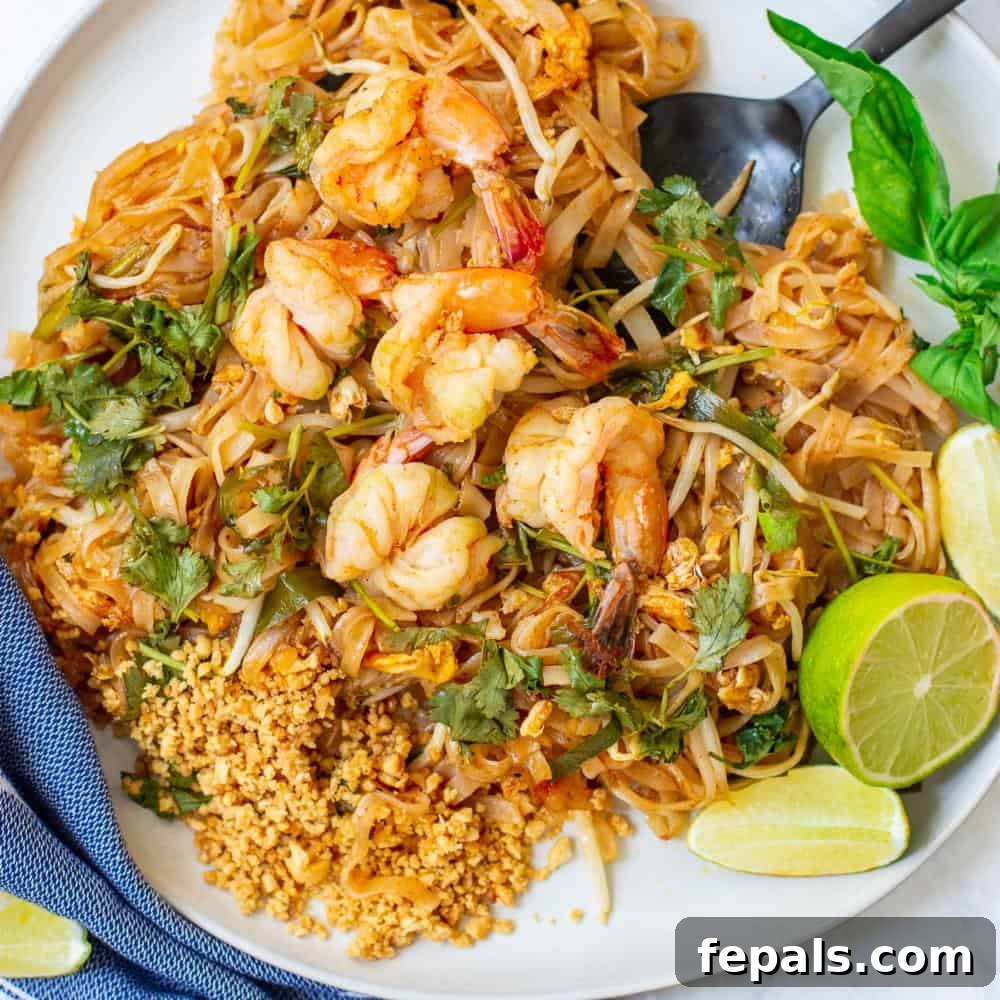
Shrimp Pad Thai – Experience the authentic flavors of Thailand right in your kitchen with this incredibly easy-to-make Shrimp Pad Thai recipe. Crafted with fresh, vibrant ingredients, this classic dish comes together in under 30 minutes, offering a healthier and more flavorful alternative to your favorite takeout. It’s light, satisfying, and bursting with the perfect balance of sweet, savory, and tangy notes that will tantalize your taste buds.
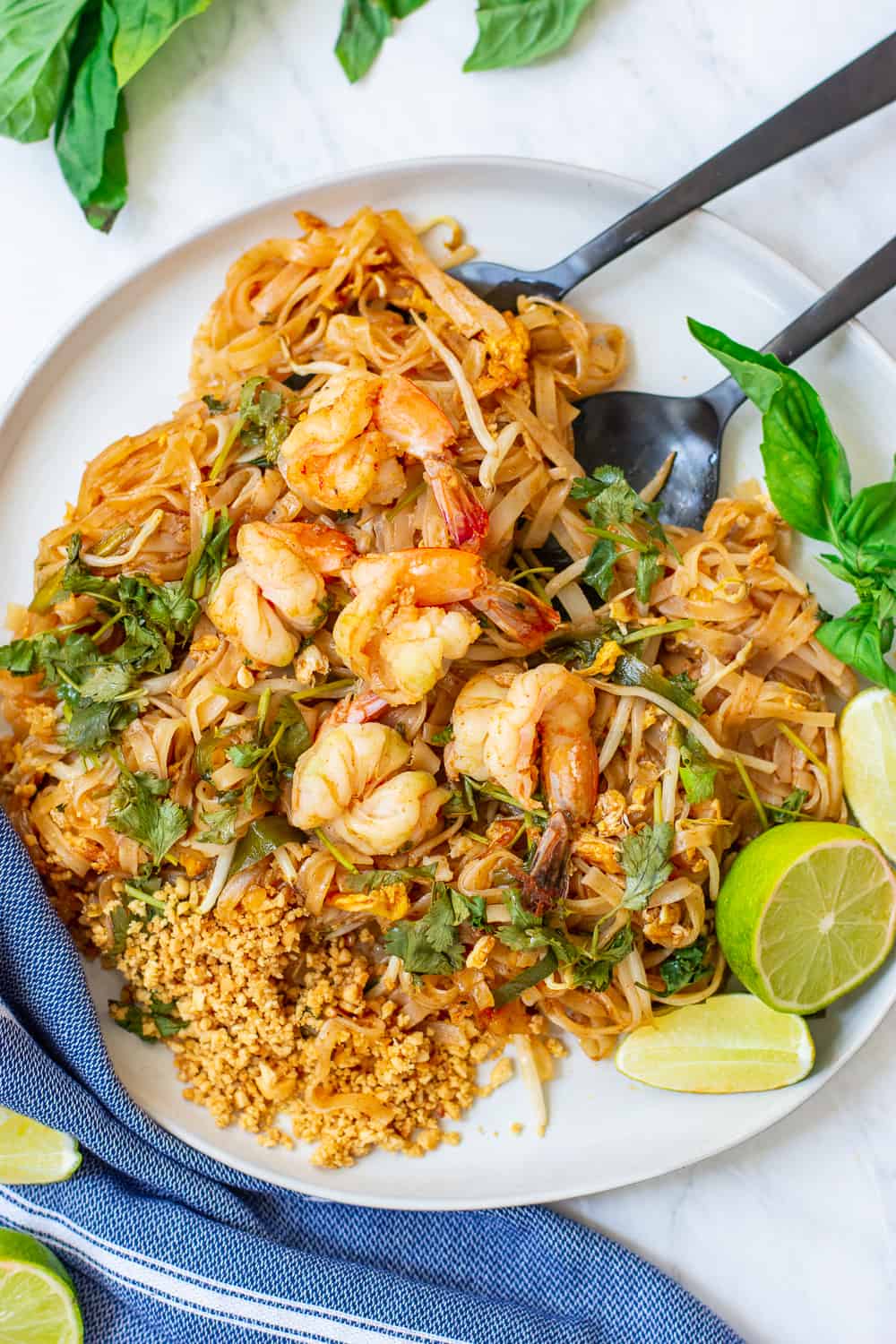
Embark on a culinary journey to Thailand with our simple yet spectacular Shrimp Pad Thai recipe. Forget lengthy preparations or complex techniques; this dish is designed for home cooks who crave authentic Thai cuisine without the hassle. In less than 30 minutes, you can create a meal that not only rivals but often surpasses the quality of restaurant takeout. We focus on fresh, accessible ingredients to build layers of irresistible flavor. While this recipe highlights succulent shrimp, it’s incredibly versatile and can be adapted with chicken, steak, or tofu to suit any preference. It’s a truly approachable and hearty meal that promises to delight the entire family, making weeknight dinners exciting and delicious.
If you’re eager to explore more delightful seafood creations, don’t miss out on our Lemon Garlic Shrimp Skillet for a zesty, speedy dinner or our refreshing Shrimp Pasta Salad, perfect for a light lunch or gathering!
Why This Homemade Shrimp Pad Thai Will Become Your Go-To Recipe
Our Shrimp Pad Thai isn’t just another dish; it’s an experience designed to bring joy and incredible flavor to your table. Here’s why you’ll find yourself making it again and again:
- Explosion of Authentic Thai Flavors: The moment this dish starts cooking, your kitchen will be filled with an intoxicating aroma. We perfectly blend the essential elements of Pad Thai – the pungent fish sauce, the sweet notes of coconut sugar, the bright acidity of fresh lime juice, and the aromatic depth of garlic and shallots. Each ingredient plays a crucial role in creating that signature sweet, sour, salty, and umami profile that defines authentic Thai cuisine, ensuring every bite is a mouthwatering delight.
- A Healthier & Fresher Takeout Alternative: Tired of ordering in? This homemade Pad Thai offers all the comfort and deliciousness of your favorite Thai restaurant, but with the added benefits of fresh, wholesome ingredients and complete control over what goes into your meal. Say goodbye to excessive oils and unknown additives often found in takeout. You’ll savor a dish that’s not only incredibly tasty but also a much healthier choice for you and your family.
- Incredibly Easy and Lightning Fast: Don’t let the complex reputation of Thai food intimidate you. This recipe is specifically designed for speed and simplicity, making it ideal for busy weeknights. With most ingredients likely already in your pantry or easily found at any grocery store, you can go from prepping to serving a restaurant-quality meal in less than 30 minutes. It’s a perfect solution for satisfying those sudden cravings for exotic flavors without spending hours in the kitchen.
- Highly Customizable to Your Taste: While shrimp is the star of this recipe, Pad Thai is wonderfully adaptable. Feel free to substitute shrimp with chicken, thinly sliced beef, or even firm tofu for a vegetarian option. You can also experiment with additional vegetables like bell peppers, carrots, or broccoli to boost the nutritional value and add more texture. This flexibility means you can tailor the dish to your specific preferences or whatever ingredients you have on hand.
- Impressive Yet Effortless: Serving a dish like homemade Pad Thai might seem daunting, but this recipe makes it surprisingly easy to achieve impressive results. Whether you’re cooking for a weeknight family meal or entertaining guests, this vibrant and flavorful dish is sure to impress without requiring advanced culinary skills. It’s a testament to how simple ingredients, when balanced correctly, can create extraordinary meals.
Gather Your Ingredients: The Heart of Authentic Pad Thai
Creating an exceptional Pad Thai begins with a selection of fresh, high-quality ingredients. Here’s what you’ll need to bring this delightful dish to life:
- Shrimp: Opt for medium-sized, raw shrimp, peeled and deveined. Fresh or frozen (thawed) will work perfectly.
- Pad Thai Noodles: These flat, thin rice noodles are crucial for the dish’s signature texture. Look for them in the international aisle of your grocery store.
- Coconut Aminos or Soy Sauce: Coconut aminos offer a gluten-free and soy-free alternative, providing a rich, savory depth. Regular or low-sodium soy sauce can be used if preferred.
- Fish Sauce: This fermented anchovy sauce is the cornerstone of Pad Thai’s umami and salty flavor profile. Don’t skip it; it’s essential for authenticity.
- Coconut Sugar: A natural sweetener that balances the savory and sour elements, contributing to the dish’s caramel notes. Brown sugar can be a substitute in a pinch.
- Fresh Lime Juice: Provides the crucial tangy, refreshing element that brightens the entire dish. Always use fresh lime juice for the best flavor.
- Avocado Oil: A neutral, high-smoke-point oil suitable for stir-frying. Vegetable oil or peanut oil can also be used.
- Shallots: Milder and sweeter than onions, shallots add a delicate aromatic base.
- Garlic Cloves: Freshly minced garlic is indispensable for that fragrant, classic Thai aroma.
- Cilantro: Freshly chopped cilantro offers a vibrant, herbaceous garnish and a burst of freshness.
- Chopped Peanuts: Crushed roasted peanuts are a non-negotiable garnish, adding essential crunch and nutty flavor.
- Bean Sprouts: Fresh bean sprouts provide a wonderful crisp texture and a subtle, earthy flavor, typically used as a garnish or stirred in at the very end.
Step-by-Step Guide: Crafting Your Perfect Shrimp Pad Thai
Follow these simple steps to create a delicious and authentic Shrimp Pad Thai in your own kitchen:
- Prepare the Noodles: Begin by soaking your Pad Thai rice noodles in a large bowl of hot (not boiling) water. Let them sit for about 5-8 minutes, or until they are softened and pliable but still firm to the touch. Drain them thoroughly in a colander, tossing gently to remove any excess water. This pre-soaking prevents them from clumping and ensures they cook perfectly during stir-frying.
- Whip Up the Signature Sauce: While your noodles are soaking, combine the fish sauce, coconut sugar, and fresh lime juice in a small bowl. Whisk until the coconut sugar is fully dissolved. This balanced sauce is the heart of your Pad Thai, delivering the iconic sweet, sour, and savory profile. Set aside.
- Sauté Aromatics and Cook Noodles: Heat the avocado oil in a large skillet or wok over high heat. Add the sliced shallots and minced garlic. Sauté for about 3 minutes, stirring constantly, until they are lightly browned and incredibly fragrant. Add the drained Pad Thai noodles to the pan and stir-fry for another 2-3 minutes, ensuring they are coated with the aromatic oil and beginning to heat through.
- Incorporate the Shrimp: Push the noodles to one side of the pan and add the shrimp to the empty space. Cook the shrimp for approximately 2 minutes, stirring occasionally, until they curl into a ‘C’ shape and turn an opaque pink. Be careful not to overcook them, as they can quickly become rubbery.
- Add Remaining Fresh Ingredients and Sauce: Toss in the thinly sliced scallions and chopped cilantro with the noodles and shrimp. Pour your prepared Pad Thai sauce evenly over everything in the pan. Continue to stir-fry for an additional 2-3 minutes, ensuring the noodles are thoroughly coated with the delicious sauce and everything is heated through.
- Serve and Garnish: Transfer your freshly cooked Shrimp Pad Thai to a large serving plate. Generously top with a scattering of chopped peanuts for crunch and a handful of fresh bean sprouts for a refreshing bite. Serve immediately with extra lime wedges on the side, allowing everyone to squeeze on more fresh juice to their liking. Enjoy your homemade Thai masterpiece!
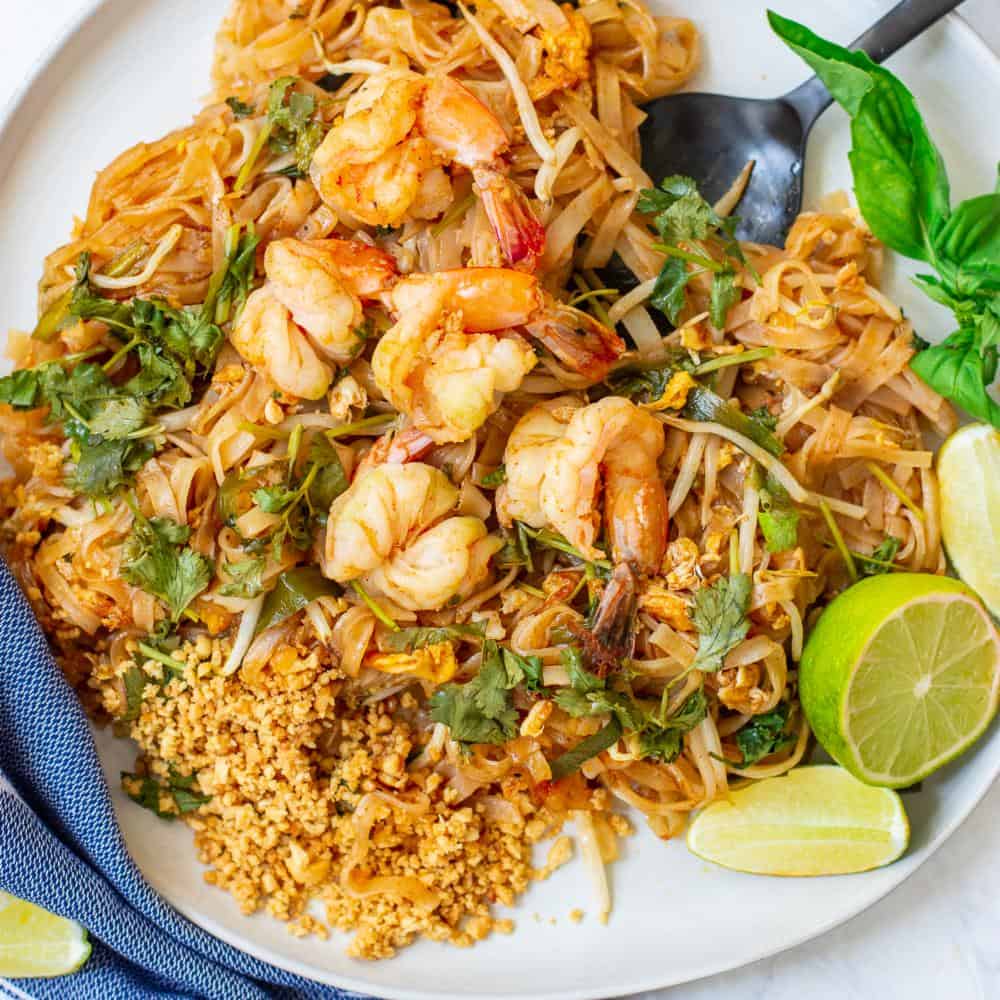
Expert Tips for Crafting Your Best Shrimp Pad Thai Yet
Achieving restaurant-quality Pad Thai at home is easier than you think with a few clever tricks. Here are some essential notes and tips to ensure your dish is a resounding success:
- Choose Your Cooking Vessel Wisely: While a traditional wok is ideal for stir-frying due to its high heat retention and wide surface area, a large nonstick skillet will work perfectly. The key is to have enough space for all your ingredients to move freely and cook evenly without steaming.
- Simplify with Pre-Prepped Shrimp: To save precious time, opt for peeled and deveined shrimp. Many grocery stores offer this convenience in their fresh or frozen seafood sections. If starting with whole shrimp, ensure they are thoroughly cleaned before cooking.
- To Tail or Not to Tail? The decision to keep shrimp tails on or remove them is purely aesthetic and practical. Keeping the tails on provides a convenient handle for eating and can make for a more appealing presentation. However, removing them won’t impact the flavor. Do what works best for you!
- The Golden Rule of Stir-Frying: Mise en Place: “Mise en place” (everything in its place) is crucial for stir-fries. Have all your ingredients prepped, measured, and within arm’s reach before you turn on the heat. Pad Thai cooks very quickly, and you won’t have time to chop or measure once the pan is hot.
- Perfectly Cooked Noodles: Don’t over-soak or overcook your rice noodles. After soaking, they should be pliable but still have a slight bite. During stir-frying, they will become tender with a delightful al dente texture. Mushy noodles are a common pitfall, so keep an eye on them.
- Mastering Shrimp Doneness: Shrimp can go from tender and succulent to tough and rubbery in a flash. They are fully cooked when they turn an opaque pink and curl into a gentle ‘C’ shape. If they form a tight ‘O’ shape, they are likely overcooked. Cook them quickly and remove them from the heat promptly.
- Noodle Substitutions in a Pinch: If you can’t find traditional Pad Thai rice noodles, don’t despair! You can use linguine or spaghetti as an emergency substitute. Boil them until al dente, then rinse them under cold water to prevent sticking before adding them to the stir-fry.
- Customize Your Spice Level: This recipe delivers a mild, family-friendly flavor. If you crave heat, easily adjust the spice level by adding red chili flakes to the aromatics or serving with a side of sriracha or finely chopped fresh bird’s eye chilies.
- Don’t Skip the Peanuts: Crushed roasted peanuts are more than just a garnish; they provide a vital textural contrast and a rich, nutty flavor that complements the sweet and savory sauce beautifully. They elevate the dish from good to truly exceptional.
- Consider Tamarind Paste for Deeper Flavor: While this recipe uses lime juice for tang, traditional Pad Thai often features tamarind paste. If you have it available and want an even more authentic, complex sour note, you can try incorporating a small amount (start with 1 teaspoon) into your sauce mixture.
Frequently Asked Questions (FAQs) About Shrimp Pad Thai
Got questions about Pad Thai? We’ve got answers to help you understand and perfect this beloved Thai dish.
What does Pad Thai taste like?
Pad Thai is a symphony of flavors, renowned for its perfect balance of sweet, salty, and sour. The distinct umami comes from the fish sauce, which gives it a unique savory depth. Coconut sugar provides a caramel sweetness, while fresh lime juice adds a bright, tangy counterpoint. When combined with the aromatic garlic and shallots, the crunchy peanuts, and fresh cilantro, it creates a complex, satisfying, and utterly delicious flavor profile that’s hard to resist.
What is Pad Thai sauce made of?
Traditional Pad Thai sauce recipes often vary regionally and by family, but commonly include fish sauce, tamarind paste, palm sugar, and garlic. Our simplified homemade Pad Thai sauce puts a delicious twist on tradition, utilizing fish sauce, coconut sugar, and fresh lime juice. This blend captures the authentic essence of Pad Thai’s balanced flavors, even if tamarind paste isn’t readily available, proving you can achieve amazing taste with accessible ingredients.
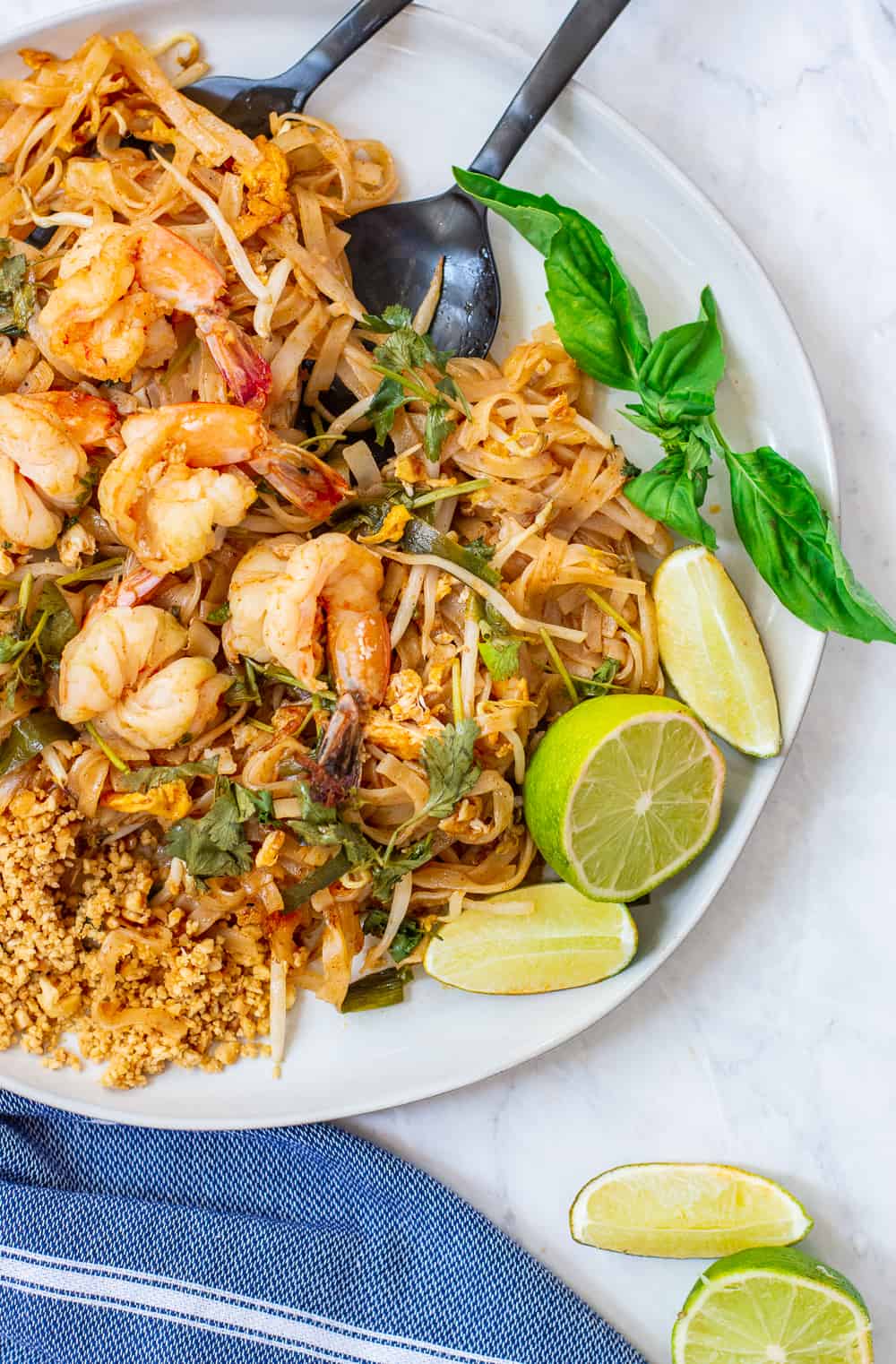
Is Pad Thai spicy?
The spice level of Pad Thai can vary greatly depending on the recipe and individual preference. While many people associate Thai food with intense heat, this particular Shrimp Pad Thai recipe is designed to be mild and approachable. It contains no chilies or spicy elements, making it perfect for those who prefer a non-spicy meal. If you enjoy a kick, feel free to add red chili flakes or a dash of sriracha during cooking or as a condiment at the table.
How long is Pad Thai good for?
Leftover Pad Thai can be stored in an airtight container in the refrigerator for 3-4 days. For best results, reheat gently in a skillet with a splash of water or broth to loosen the noodles and prevent them from drying out. While it’s best enjoyed fresh, it makes for a delicious and convenient meal prep option!
Can I add more vegetables to my Pad Thai?
Absolutely! Pad Thai is incredibly versatile when it comes to vegetables. Feel free to add thinly sliced carrots, bell peppers, broccoli florets, snow peas, or even baby corn. Add firmer vegetables like carrots and broccoli earlier in the stir-frying process to ensure they become tender-crisp, and softer vegetables like bell peppers towards the end. This is a great way to boost the nutritional content and add more color and texture.
Explore More Easy and Delicious Recipes to Enjoy
If you loved this Shrimp Pad Thai, you’ll certainly enjoy these other simple and flavorful recipes:
- Easy Chili Salmon Zucchini Noodles
- Zucchini Pizza Bites
- Chicken Satay With Peanut Sauce Recipe
- Spicy Chicken Stir Fry
- Mexican Shrimp Salad Recipe
- Baked Cashew Chicken and Veggies
Don’t miss out on more incredible recipes! Remember to subscribe to my NEWSLETTER for free and receive delicious dishes like this Shrimp Pad Thai Recipe delivered right to your inbox!
Finally, if you try this recipe and absolutely love it, please share your creation using my hashtag #healthyfitnessmeals on INSTAGRAM for a chance to be featured! FOLLOW Healthy Fitness Meals on FACEBOOK | INSTAGRAM | PINTEREST | TWITTER for all of my latest blog posts and culinary inspirations.
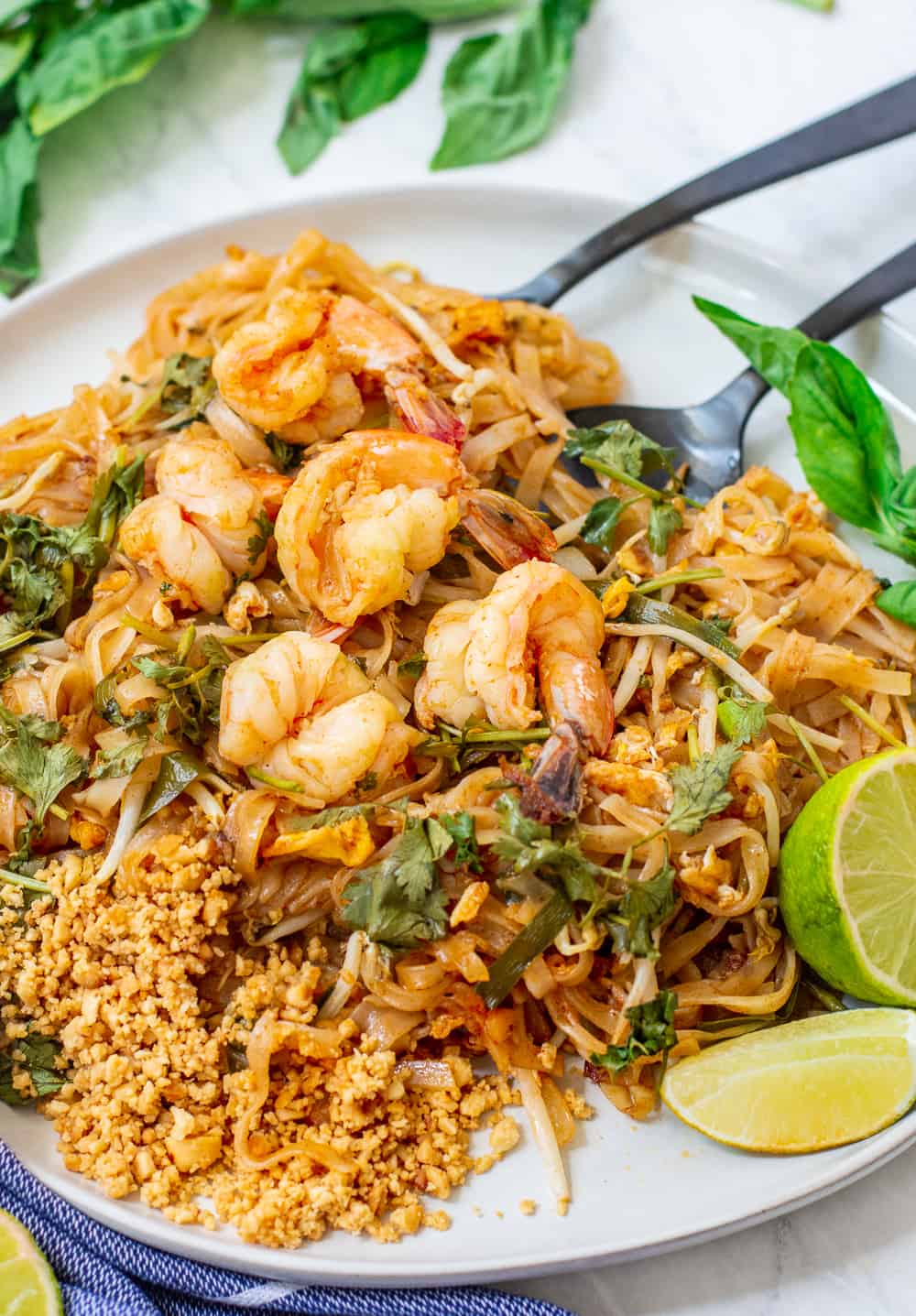
Shrimp Pad Thai Recipe
By: Rena
Servings: 4 servings
Prep Time: 10 mins
Cook Time: 20 mins
Total Time: 30 mins
Print Recipe
A classic Pad Thai recipe that’s super easy to make, incredibly tasty, and ready in just 30 minutes, offering a perfect homemade alternative to takeout.
Ingredients
- 8 oz Pad Thai Noodles
- 1 Tbsp Coconut Aminos, or soy sauce
- 2 Tbsp Fish Sauce
- 3 Tbsp Coconut Sugar
- ¼ Cup Fresh Lime Juice, plus wedges for serving
- 3 Tbsp Avocado Oil
- 2 Large Shallots, sliced
- 3 Large Garlic Cloves, minced
- 12 oz Shelled and Deveined Medium Shrimp
- 4 Scallions, thinly sliced
- 1 Tbsp Cilantro, chopped
- ¼ Cup Peanuts, chopped
- Handful of Bean Sprouts, for garnish
Instructions
- Place Pad Thai noodles in a large bowl and cover with hot water to soak for about 5-8 minutes, until they are softened and pliable. Drain thoroughly in a colander, tossing to remove excess water.
- While the noodles soak, prepare the sauce by mixing together the coconut aminos (or soy sauce), fish sauce, coconut sugar, and fresh lime juice in a small bowl until the sugar dissolves.
- In a large nonstick skillet or wok, heat 3 tablespoons of avocado oil over high heat. Add the sliced shallots and minced garlic, cooking for about 3 minutes, stirring continuously, until lightly browned and fragrant.
- Add the drained Pad Thai noodles to the skillet. Cook for another 2-3 minutes, stirring to ensure they are well coated and beginning to heat through.
- Push the noodles to one side of the pan and add the shrimp to the empty space. Cook the shrimp, stirring occasionally, until they begin to curl and turn opaque pink, which usually takes about 2 minutes. Avoid overcooking.
- Add the thinly sliced scallions and chopped cilantro to the pan, tossing everything together. Pour in the prepared fish sauce mixture and cook for an additional 2-3 minutes, stirring constantly until the noodles are evenly coated and the sauce has thickened slightly.
- Transfer the finished Pad Thai to a large serving plate. Garnish generously with chopped peanuts and fresh bean sprouts. Serve immediately with extra lime wedges on the side for added zest.
Notes
- You can use either a wok or a large nonstick pan for this recipe.
- For convenience, choose pre-peeled and deveined shrimp.
- Keeping the shrimp tails on or removing them is a matter of personal preference; it does not affect the flavor, but tails can make them easier to handle.
- Ensure all your ingredients are prepped and ready before you start cooking, as stir-fries cook very quickly.
- Do not overcook the noodles; they should be pliable after soaking and al dente after stir-frying.
- Shrimp cook quickly; remove from heat as soon as they turn opaque pink and form a ‘C’ shape to prevent them from becoming rubbery.
- In a pinch, regular spaghetti or linguine can be used if Pad Thai noodles are unavailable.
- For a spicy kick, add some chili flakes during the cooking process or serve with hot sauce.
- Crushed peanuts are highly recommended as a topping for essential texture and flavor.
Nutrition
Calories: 480 kcal
Carbohydrates: 57g
Protein: 23g
Fat: 18g
Saturated Fat: 3g
Cholesterol: 155mg
Sodium: 1309mg
Potassium: 430mg
Fiber: 3g
Sugar: 9g
Vitamin A: 310IU
Vitamin C: 8.5mg
Calcium: 97mg
Iron: 2mg
Nutrition information is automatically calculated and should only be used as an approximation. Actual values may vary based on products used and preparation methods.
Additional Info
Course: Main Course
Cuisine: Thai